Wireless Backup Camera Systems for Trucks and Commercial Vehicles缩略图

Wireless Backup Camera Systems for Trucks and Commercial Vehicles

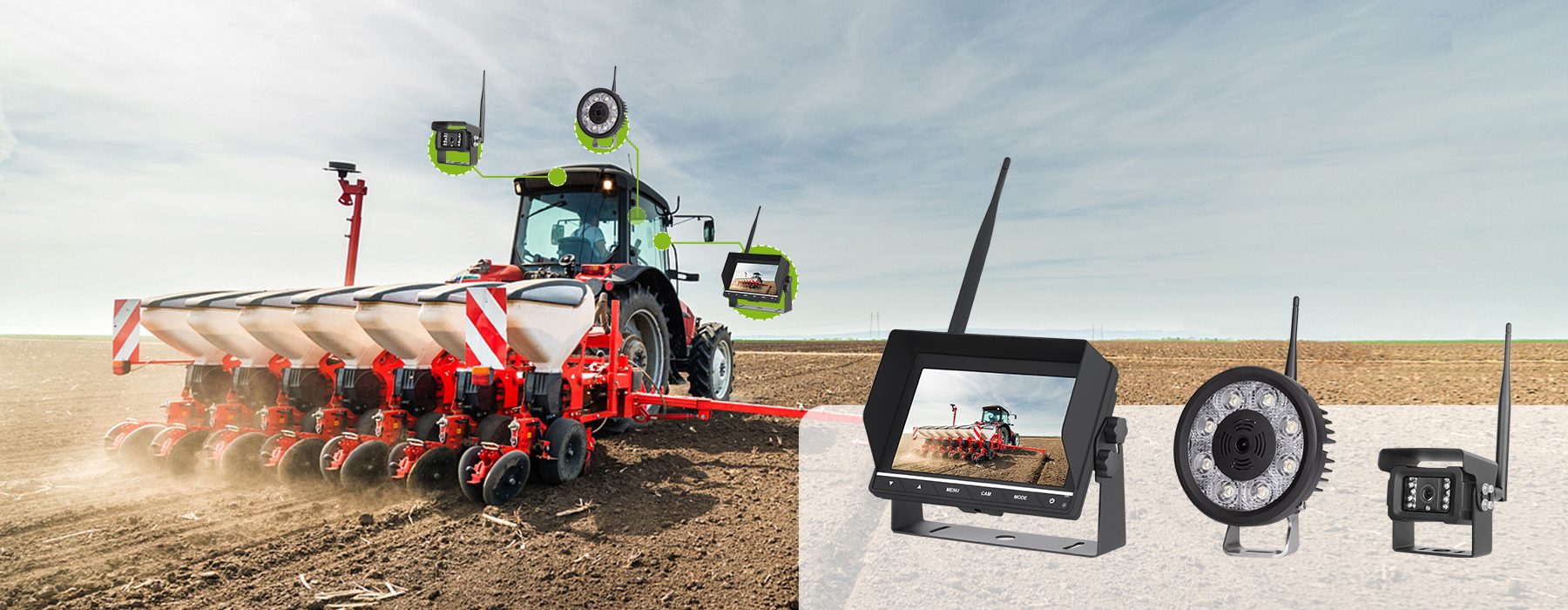
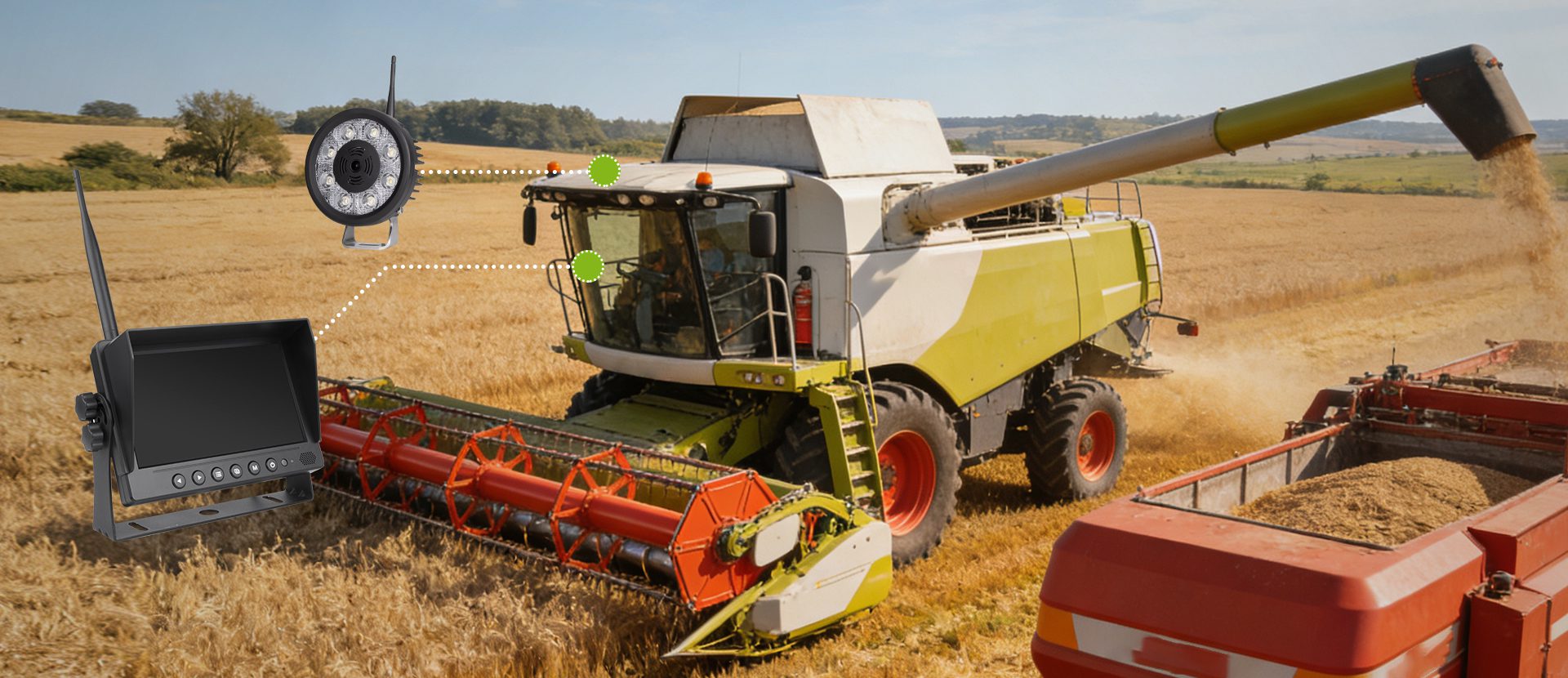
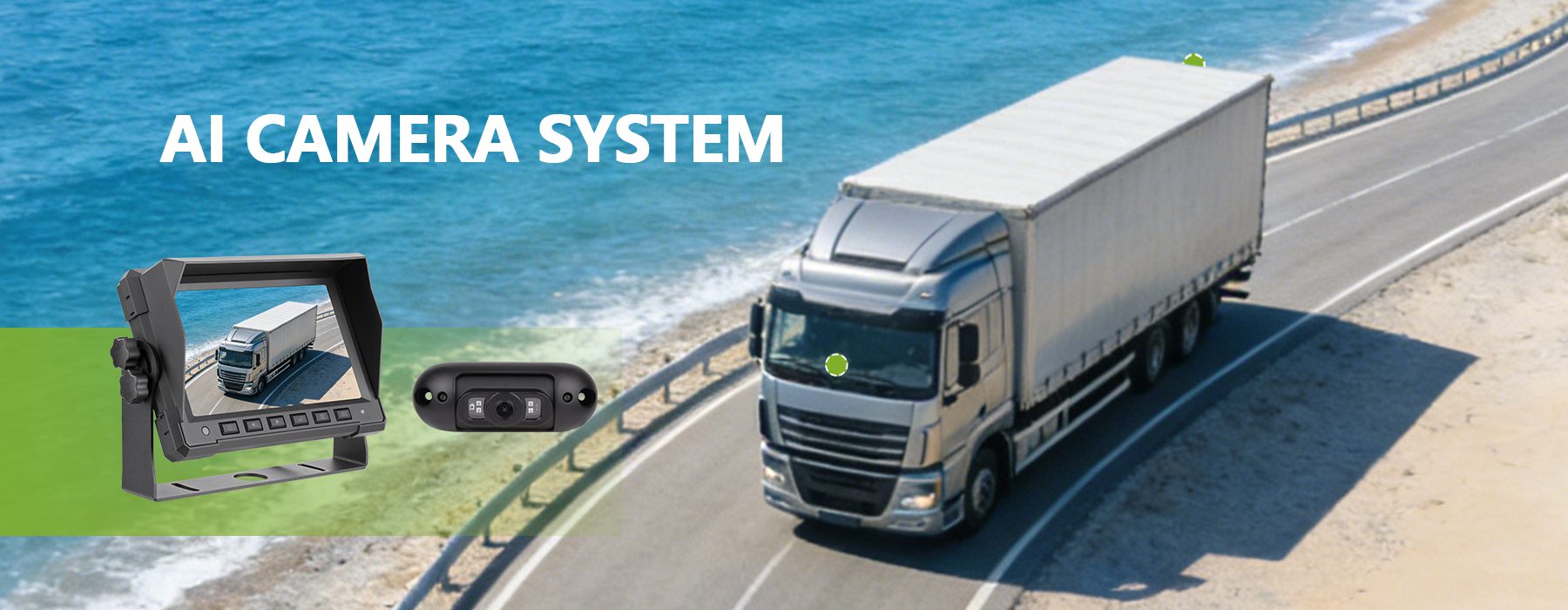
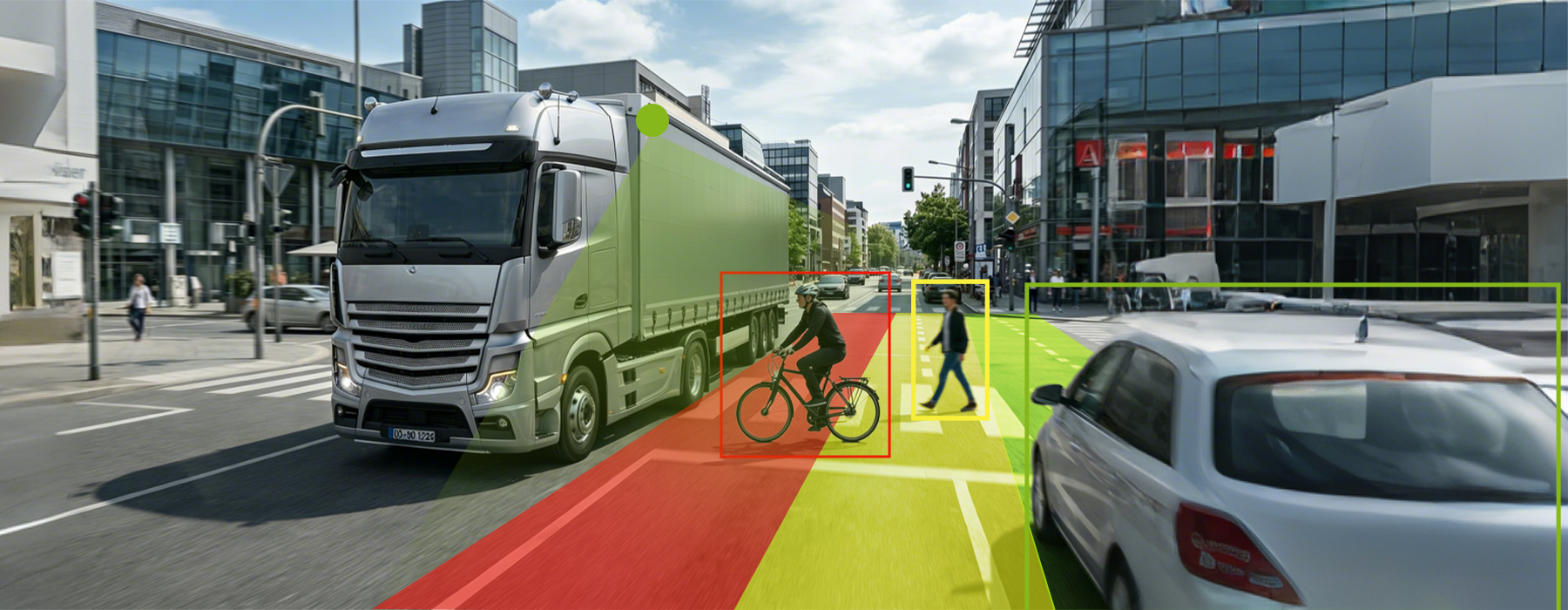
Ensuring clear rear visibility in commercial vehicles is a critical safety concern for fleet operators and professional drivers. At Luview, we develop practical solutions that integrate modern technology with operational needs. A WIFI backup camera system allows drivers to monitor vehicle surroundings without relying solely on traditional mirrors. This approach improves visibility in tight spaces and reduces blind spots, particularly for trucks, vans, and other commercial vehicles where standard rear mirrors may be insufficient. By implementing a wireless reversing camera android interface, operators can streamline installation and provide intuitive access to rear imagery through tablets or in-cabin displays. This solution also reduces the need for complex wiring harnesses, which can be time-consuming and costly to install in commercial fleets.

Wireless Backup Camera Systems for Trucks and Commercial Vehicles插图

Enhancing Operational Safety with Wireless Technology

The integration of wireless transmission significantly improves the flexibility of camera placement in commercial vehicles. Our WIFI backup camera system supports high-resolution video streaming with minimal latency, ensuring that drivers can respond promptly to obstacles and pedestrians. In the systems we provide, the cameras are compatible with a range of displays, including in-dash Android units, creating a wireless reversing camera android solution that simplifies cab layout and reduces cable routing challenges. Additionally, the wireless design allows for easier retrofitting on existing vehicles without major modifications, which is particularly valuable for fleet operators managing mixed-age vehicle inventories. By focusing on signal stability and secure data transmission, we ensure that commercial operators can rely on consistent performance even in demanding driving conditions, including urban traffic, industrial sites, and long-haul routes.

Design Features and Professional Integration

When deploying a wireless backup camera system in a fleet setting, practical design and integration are essential. Our products feature durable enclosures and IP-rated protection against dust and moisture, making them suitable for long-term operation in trucks and industrial vehicles. The Luview system includes adjustable camera angles and remote viewing options, enabling operators to tailor the solution for different vehicle types. Incorporating a wireless reversing camera android platform allows fleet managers to monitor multiple vehicles from a single interface, supporting more efficient operations and safety management. We also provide clear installation guidelines, technical support, and calibration tools to ensure seamless deployment. For professional users, these features reduce downtime during installation and make it easier to maintain consistent image quality across an entire fleet.

Conclusion: Reliable Wireless Solutions for Professional Use

For fleet operators evaluating digital camera solutions, a WIFI backup camera system should balance image clarity, wireless stability, and ease of integration. At Luview, we focus on delivering systems that meet professional standards while providing the flexibility required in commercial applications. A well-implemented wireless reversing camera android solution enhances situational awareness, reduces accidents, and improves operational efficiency. By combining durable hardware, stable wireless connections, and flexible display integration, these systems offer measurable benefits to commercial vehicle operators while simplifying the transition from traditional rear-view methods. Ultimately, our approach ensures that fleet managers and professional drivers can adopt modern safety technologies without compromising vehicle performance or operational continuity.

Wireless RV Backup Camera Systems for Towing and Caravan Applications缩略图

Wireless RV Backup Camera Systems for Towing and Caravan Applications

In modern recreational and commercial vehicle operations, visibility during towing has become a critical safety concern. At Luview, we design solutions that integrate convenience, reliability, and clear imaging for experienced operators. A WIFI wireless backup camera provides real-time monitoring without the need for extensive wiring, offering fleet managers and RV owners a flexible system that supports various vehicle and trailer configurations. When paired with a wireless reversing camera iPhone interface, our system allows drivers and fleet operators to access live video on familiar devices, improving operational efficiency while reducing installation complexity. We aim to address common challenges in towing, such as blind spots, trailer alignment, and limited rear visibility.

Wireless RV Backup Camera Systems for Towing and Caravan Applications插图

Image Clarity and Signal Reliability

High-quality imaging is essential for safe reversing and towing maneuvers. A WIFI wireless backup camera ensures that operators can clearly see obstacles, pedestrians, or vehicles behind their RV or caravan with minimal delay. Our system features a high-resolution camera that maintains consistent performance across varying light conditions, including bright sunlight, shaded areas, and low-light situations. By integrating wireless transmission, the wireless reversing camera iPhone functionality allows users to monitor video directly on their devices without sacrificing signal stability. In our design, careful attention is given to signal range, interference resistance, and real-time frame rate to ensure reliable operation, even in urban environments with multiple wireless devices.

Installation Flexibility and Vehicle Integration

The versatility of a WIFI wireless backup camera simplifies installation on a wide range of RVs and trailers. Our solution supports multiple mounting positions that accommodate varying trailer heights and widths while maintaining optimal viewing angles. The wireless reversing camera iPhone compatibility further reduces the need for additional in-cabin monitors, allowing operators to utilize existing devices for live video monitoring. At Luview, we focus on seamless integration with towing vehicles and caravans, enabling our customers to deploy camera systems without complex modifications. This flexibility is especially valuable for professional operators who require fast installation and reliable performance for their fleet vehicles.

Conclusion: Evaluating Wireless RV Backup Camera Systems

When selecting a wireless RV backup camera system, experienced operators should consider image clarity, transmission reliability, and installation adaptability. Our WIFI wireless backup camera and wireless reversing camera iPhone solutions provide a practical and flexible approach to monitoring trailers and caravans during complex maneuvers. By combining wireless convenience, stable signal performance, and compatibility with mobile devices, these systems enhance operational awareness without adding excessive complexity. At Luview, we continue to focus on providing professional-grade camera solutions that meet the safety and efficiency requirements of towing and caravan applications. These systems support safer operations, reduce the risk of collisions, and deliver long-term value for commercial and recreational vehicle operators.

Radar Blind Spot Detection Systems for Highway Driving缩略图

Radar Blind Spot Detection Systems for Highway Driving

Highway driving introduces specific safety challenges, particularly related to blind zones that are difficult for drivers to see through conventional mirrors. At Luview, we dedicate our efforts to developing radar-based solutions that enhance driver awareness and reduce risks in these critical areas. A blind spot monitor system is designed to detect vehicles in adjacent lanes and alert drivers to potential hazards that might otherwise go unnoticed. By incorporating a best blind spot camera system, our solutions allow fleet operators and professional drivers to maintain better lane discipline and situational awareness, even during high-speed or multi-lane highway driving.

Radar Blind Spot Detection Systems for Highway Driving插图

Detection Accuracy and Image Quality

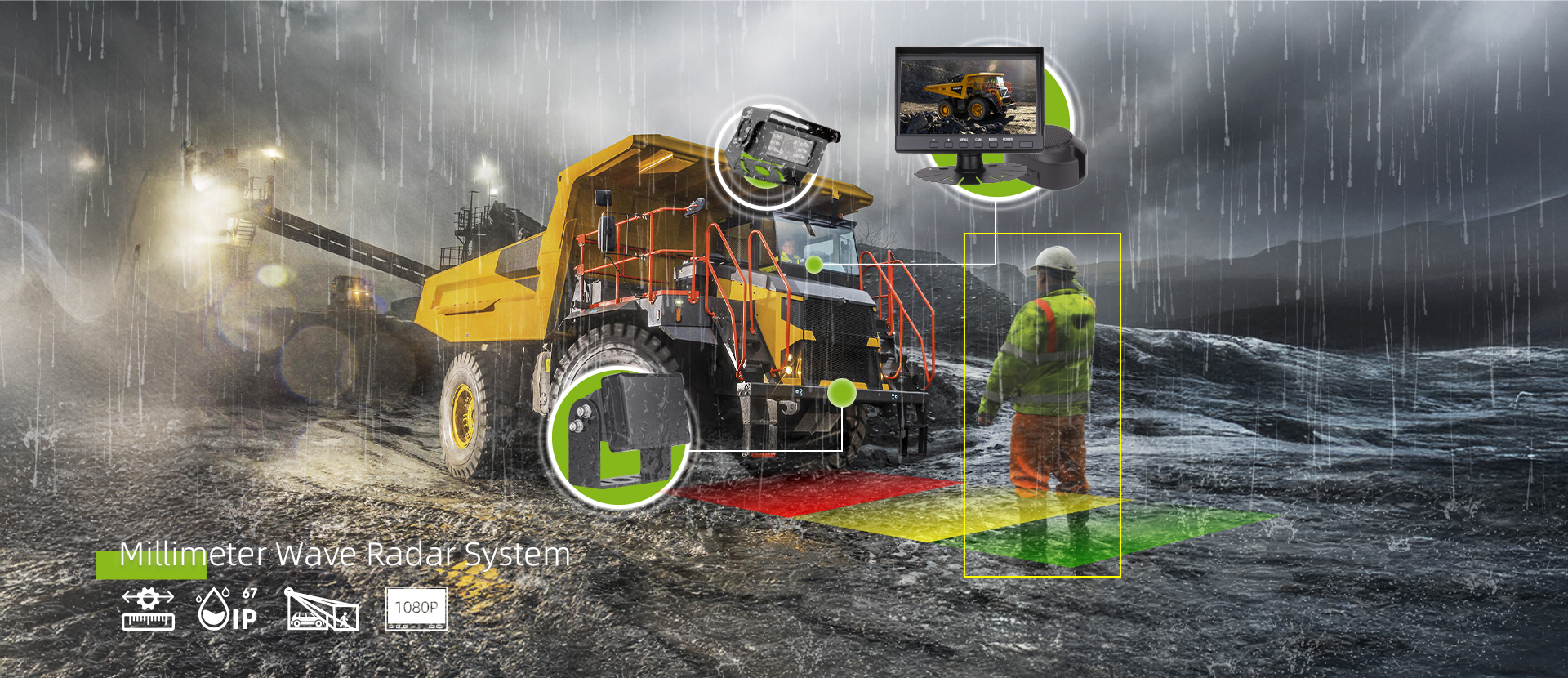
For a blind spot monitor system, detection accuracy is essential to ensure driver confidence and system reliability. Our JY-PT10 radar system combines a 77GHz millimeter-wave sensor with high-resolution cameras to cover lateral and rear zones effectively. The best blind spot camera system delivers real-time visual and audible alerts, which are critical for timely lane changes. The radar sensor can distinguish between vehicles, motorcycles, and larger obstacles, while the camera feed provides a clear visual reference, reducing ambiguity during complex traffic situations. Our system also integrates lane assist functionality, helping drivers maintain their lane position while monitoring blind spots simultaneously, a key requirement for commercial vehicle operations.

System Integration and Operational Reliability

Beyond detection and imaging, a high-performance blind spot monitor system must integrate seamlessly with a vehicle’s existing electronics and remain reliable over long-term use. We design the JY-PT10 to support various vehicle models and dashboard configurations, ensuring that fleet operators can deploy it without extensive modifications. The best blind spot camera system is engineered for continuous operation, maintaining consistent alert performance under different environmental conditions, including rain, fog, and nighttime driving. By prioritizing both installation flexibility and long-term reliability, we help professional operators enhance safety without introducing system conflicts or operational downtime.

Practical Benefits and Professional Application

For experienced drivers and fleet managers, understanding how a blind spot monitor system performs in real-world conditions is essential. Our solution reduces blind zones and provides predictive alerts to support proactive decision-making. The best blind spot camera system ensures that even large vehicles or those with obstructed views can navigate highways safely. By integrating radar, camera, and lane assist technologies, we provide a professional-grade system that aligns with commercial safety regulations and operational requirements. This combination of detection, visualization, and alert mechanisms enables drivers to make informed decisions quickly, reducing accident risk during high-speed maneuvers.

Conclusion: Choosing the Right Radar Blind Spot System

When evaluating radar blind spot detection for highway driving, professional buyers should focus on detection precision, alert responsiveness, and compatibility with vehicle systems. A reliable blind spot monitor system enhances driver awareness, while a best blind spot camera system delivers visual confirmation and timely alerts. At Luview, we combine certified radar sensors, high-definition camera feeds, and practical lane assist functions to provide a solution tailored to professional drivers and commercial fleets. By selecting systems with verified performance and integration capabilities, operators can significantly improve highway safety while maintaining efficient vehicle operations.

Blind Spot Alert Systems for Passenger and Commercial Vehicles缩略图

Blind Spot Alert Systems for Passenger and Commercial Vehicles

As vehicle technology advances, enhancing driver awareness has become a critical concern for both passenger and commercial fleets. At Luview, we focus on designing intelligent solutions that improve safety and operational efficiency through advanced monitoring systems. A vehicle blind spot detection system provides drivers with timely alerts when other vehicles, cyclists, or obstacles enter areas not visible through conventional mirrors. By incorporating a radar blind spot detection system, we enable proactive risk reduction during lane changes and merging maneuvers. For commercial vehicles with larger blind zones, these systems are particularly valuable, allowing drivers to maintain situational awareness even in complex urban environments or on highways.

Blind Spot Alert Systems for Passenger and Commercial Vehicles插图

Enhanced Safety with Advanced Sensing

Effective blind spot monitoring relies on precise detection and real-time alerting. Our JY-PT10 system, featuring a 77GHz millimeter-wave sensor, demonstrates how radar technology enhances perception for both passenger and commercial vehicles. This radar blind spot detection system accurately identifies moving objects in adjacent lanes and provides immediate alerts via visual and audible notifications inside the cabin. A vehicle blind spot detection system also improves driver awareness during lane merges, parking maneuvers, and low-speed city driving. By combining radar detection with lane assist functionality, we minimize human error and support consistent driving confidence across different vehicle types. These systems are especially beneficial for fleet operators who manage multiple vehicles and need reliable performance under various traffic conditions.

Performance and Integration in Fleet Applications

Beyond detection accuracy, overall system performance is key for professional use. We design our vehicle blind spot detection system to operate continuously under demanding conditions, including high vibration, extreme temperatures, and extended operation hours. The JY-PT10 integrates seamlessly with existing vehicle electronics, ensuring the radar blind spot detection system works without interfering with other in-cabin instruments. Installation flexibility allows our solution to fit diverse vehicle platforms, from light commercial vans to larger trucks, while meeting regulatory requirements. By collaborating closely with OEMs and fleet managers, we configure each system to optimize both safety and operational efficiency, reflecting our commitment to practical, real-world deployment.

Conclusion: Evaluating Blind Spot Alert Systems

When evaluating a vehicle blind spot detection system, professional buyers should consider detection range, alert accuracy, and electronic compatibility. A robust radar blind spot detection system significantly enhances operational safety, particularly for commercial fleets or vehicles with restricted rear visibility. At Luview, we prioritize practical integration, combining advanced radar sensors, lane assist functions, and adaptable installation options. By understanding the real-world performance of these systems, operators can make informed decisions that protect both drivers and assets. Implementing a reliable blind spot alert system is no longer a luxury but a practical requirement for modern passenger and commercial vehicles.

Vehicle Blind Spot Detection Systems: How Radar and Cameras Work Together缩略图

Vehicle Blind Spot Detection Systems: How Radar and Cameras Work Together

As traffic conditions grow more complex, ensuring complete awareness of a vehicle’s surroundings is crucial. At Luview, we focus on developing solutions that integrate radar and camera technologies to enhance driver perception. A blind spot alert system combines real-time monitoring with advanced sensing to detect nearby vehicles and potential hazards in areas not covered by conventional mirrors. When paired with a car blind spot detection system, these technologies help professional fleet operators and automotive integrators maintain higher safety standards while minimizing blind zones for large or compact vehicles.

Vehicle Blind Spot Detection Systems: How Radar and Cameras Work Together插图

Radar Technology in Blind Spot Monitoring

Radar sensors are at the core of effective blind spot detection. Our blind spot alert system incorporates a 77GHz millimeter-wave radar, as used in our JY-PT10 model, to accurately measure the distance and speed of adjacent vehicles. Unlike optical systems, radar maintains performance under poor weather or low visibility conditions, such as rain, fog, or direct sunlight. By continuously scanning the vehicle’s sides and rear quadrants, the radar data provides real-time alerts to the driver, which is critical for commercial vehicles that frequently navigate tight urban environments. In our experience, combining radar with cameras ensures that detection remains consistent and reduces false alarms that can occur with single-sensor systems.

Camera Integration for Enhanced Accuracy

While radar provides reliable distance measurement, cameras offer visual verification of detected objects. In a car blind spot detection system, high-definition cameras capture side and rear images, which are then processed to identify vehicles, motorcycles, or pedestrians. The JY-PT10 system integrates both radar and camera inputs to generate visual warnings inside the cabin, improving situational awareness without overwhelming the driver with information. This dual-sensor approach also supports lane change assistance and lane departure alerts, adding layers of safety for experienced drivers who rely on precise system feedback in high-traffic scenarios.

Conclusion: Combining Radar and Cameras for Practical Safety

In evaluating blind spot monitoring, it is important to understand how radar and cameras complement each other. A well-engineered blind spot alert system improves object detection reliability, while a fully integrated car blind spot detection system enhances driver confidence and safety. At Luview, we design our solutions to balance accuracy, real-time responsiveness, and regulatory compliance. By combining millimeter-wave radar with visual camera feeds, our systems provide a practical, professional-grade approach to blind spot detection that meets the expectations of commercial operators and automotive integrators alike.

Advanced Blind Spot Monitoring Systems for Safer Lane Changes缩略图

Advanced Blind Spot Monitoring Systems for Safer Lane Changes

As traffic density increases and vehicle designs continue to evolve, blind spots remain a practical concern for commercial vehicles and fleet operators. At Luview, we observe that safer lane changes depend less on driver experience alone and more on how effectively vehicles perceive surrounding traffic. An advanced blind spot monitoring system supports this need by using radar-based sensing to detect adjacent vehicles that may not be visible through mirrors. When applied correctly, an auto blind spot detection system helps reduce uncertainty during lane changes, especially for larger vehicles where blind areas are naturally wider.

Advanced Blind Spot Monitoring Systems for Safer Lane Changes插图

Understanding Blind Spot Detection in Real Driving Scenarios

Blind spot monitoring relies on consistent detection rather than momentary alerts. In daily operation, an advanced blind spot monitoring system must distinguish between actual vehicles and irrelevant roadside objects to avoid unnecessary warnings. Our JY-PT10 blind spot monitoring and lane assist radar system uses a 77GHz millimeter-wave sensor to monitor adjacent lanes with stable performance in various weather conditions. This frequency range is commonly used in automotive radar because it balances detection accuracy and response speed. For fleet and commercial applications, an auto blind spot detection system is expected to operate continuously during long driving cycles, providing drivers with reliable situational awareness rather than intermittent prompts.

System Performance and Integration for Lane Change Safety

Performance consistency is critical when blind spot systems are integrated into professional vehicles. We design each advanced blind spot monitoring system to support lane change assistance by delivering timely visual or audible alerts when another vehicle enters the monitored zone. The JY-PT10 system supports side and rear coverage without relying on camera visibility alone, which is particularly useful in low-light or adverse weather conditions. An auto blind spot detection system based on radar sensing also reduces dependency on external lighting, making it suitable for highway driving and logistics routes. From an integration perspective, we consider compatibility with existing vehicle electrical architectures, allowing system installers to deploy blind spot solutions without excessive modification.

Conclusion: Practical Value of Radar-Based Blind Spot Monitoring

For experienced buyers evaluating safety technologies, the value of blind spot monitoring lies in predictable performance and operational stability. An advanced blind spot monitoring system enhances driver awareness during lane changes by providing consistent detection of nearby vehicles. At the same time, an auto blind spot detection system based on 77GHz radar supports safer maneuvering without adding complexity to the driving process. By focusing on radar accuracy, integration flexibility, and real-world usability, blind spot monitoring solutions can support safer lane changes across commercial and fleet vehicle operations.

Fleet Vehicle Camera Systems with Integrated Mobile DVR缩略图

Fleet Vehicle Camera Systems with Integrated Mobile DVR

Fleet operations increasingly rely on visual data to support safety management and operational transparency. At Luview, we work closely with fleet operators and system integrators who require stable in-vehicle monitoring rather than consumer-grade solutions. A vehicle camera system with DVR allows video capture, storage, and playback to be managed in one integrated platform, supporting daily fleet supervision and post-event analysis. When paired with a DVR for fleet management, such systems help professional users document driving behavior, vehicle surroundings, and operational workflows without disrupting existing vehicle layouts or management processes.

Fleet Vehicle Camera Systems with Integrated Mobile DVR插图

System Architecture and Integrated DVR Functions

From a technical perspective, a fleet-oriented camera platform must balance image quality, channel capacity, and system reliability. Our approach to a vehicle camera system with DVR focuses on multi-channel input, centralized recording, and stable operation under continuous use. The JY-DV8004 mobile DVR supports four 1080P AHD camera channels in a compact all-in-one design, allowing fleets to monitor front, rear, and side views within a single device. As a DVR for fleet management, the system integrates video recording, data storage, and AI-based functions such as driver behavior analysis, helping experienced operators interpret visual data more efficiently. These features are designed for commercial vehicles that operate long hours and require consistent recording performance.

Practical Performance in Fleet Operations

In real fleet environments, performance is measured not only by resolution but also by system responsiveness and integration flexibility. A vehicle camera system with DVR must maintain synchronized video streams while vehicles are in motion, exposed to vibration, temperature variation, and complex road conditions. Our MDVR solution supports stable video encoding and structured data management, enabling fleet managers to retrieve footage when incidents occur. As a DVR for fleet management, the system is commonly deployed in logistics, public transport, and service fleets where accountability and traceability are essential. Installation options and peripheral compatibility are considered during system design, allowing integrators to adapt the platform to different vehicle types without excessive customization.

Conclusion: Selecting Integrated Camera and DVR Solutions

Choosing a fleet vehicle camera platform requires a clear understanding of operational needs rather than a focus on specifications alone. A well-designed vehicle camera system with DVR supports continuous monitoring, structured data recording, and long-term system stability. When evaluated as a DVR for fleet management, integrated solutions should align with regulatory requirements, vehicle usage patterns, and management workflows. By focusing on system integration, recording reliability, and practical deployment, fleet operators can adopt camera and DVR platforms that support daily operations and informed decision-making over the full service life of the vehicle.

Mobile DVR Camera Systems for Trucks, Buses, and Service Vehicles缩略图

Mobile DVR Camera Systems for Trucks, Buses, and Service Vehicles

As fleet operations become more data-driven, video monitoring has shifted from a basic recording function to an integrated management tool. At Luview, we design in-vehicle video solutions for professional operators who require stable performance across different vehicle types. A mobile vehicle DVR is commonly used in trucks, buses, and service vehicles to support daily supervision, incident review, and compliance management. When combined with a 1080p car DVR camera, modern mobile systems provide clearer visual records that help fleet managers understand driving behavior and vehicle surroundings without interrupting normal operations.

Mobile DVR Camera Systems for Trucks, Buses, and Service Vehicles插图

Image Clarity and Multi-Channel Recording for Fleet Vehicles

Image quality plays a direct role in how useful recorded footage is for post-event analysis. In commercial fleets, a mobile vehicle DVR often needs to capture multiple camera inputs at the same time, including front road views and interior scenes. High-definition input from a 1080p car DVR camera allows recorded details such as lane position, traffic signals, and vehicle spacing to remain readable during playback. Our JY-DV8004 MDVR supports four AHD channels and 1080P recording, enabling synchronized video capture from different angles within one system. This structure supports consistent image output across long driving hours, which is especially important for logistics vehicles and public transportation fleets operating on fixed routes.

System Performance and Fleet Management Integration

Beyond recording quality, stable system performance determines whether a mobile video solution can be deployed at scale. A mobile vehicle DVR used in fleet environments must maintain reliable operation under vibration, temperature changes, and extended runtime. The JY-DV8004 integrates recording, storage, and AI-assisted functions into a single unit, reducing the need for additional external modules. When paired with a 1080p car DVR camera, the system supports real-time monitoring and historical playback for fleet supervisors. Features such as multi-channel input and centralized data handling allow fleet operators to review events efficiently while keeping system architecture straightforward for vehicle installation and maintenance.

Conclusion: Practical Evaluation of Mobile DVR Camera Systems

When selecting mobile DVR camera systems for trucks, buses, and service vehicles, experienced buyers should evaluate how image quality and system stability align with operational needs. A well-configured mobile vehicle DVR ensures that video data remains usable across different driving scenarios, while consistent output from a 1080p car DVR camera supports accurate incident review and daily management tasks. At Luview, we focus on delivering solutions that fit professional fleet environments, balancing recording clarity, multi-channel performance, and integration flexibility. These considerations help fleet operators deploy video systems that support long-term vehicle management without unnecessary complexity.

Mobile Vehicle DVR Solutions for Fleet Management缩略图

Mobile Vehicle DVR Solutions for Fleet Management

As fleet operations become more data-driven, video recording systems play an increasingly practical role in daily management. At Luview, we work closely with commercial fleet operators and system integrators to support safer driving, clearer incident review, and structured vehicle supervision. A well-designed MDVR system allows fleet managers to collect visual evidence directly from vehicles while maintaining stable operation in long-hour driving scenarios. When deployed correctly, a 4 channel vehicle DVR supports multi-angle monitoring without adding unnecessary complexity to existing vehicle electronics, making it suitable for professional fleet environments rather than consumer use.

Mobile Vehicle DVR Solutions for Fleet Management插图

Functional Value of MDVR Systems in Fleet Operations

In fleet management, video systems are evaluated not by novelty but by reliability and clarity in real conditions. A MDVR system records synchronized footage from multiple cameras, enabling managers to review driving behavior, accident context, and operational compliance. Compared with single-lens recorders, a 4 channel vehicle DVR provides wider coverage of both interior and exterior views, which is useful for logistics vehicles, buses, and service fleets. Our JY-DV8004 model is designed as an all-in-one mobile DVR, supporting four-channel 1080P AHD video input and centralized data management. This configuration allows fleets to standardize installation while maintaining consistent recording quality across different vehicle types.

System Performance and Integration for Experienced Users

Performance stability is essential for long-term deployment. In our product development, we focus on ensuring that each MDVR system operates reliably under vibration, temperature changes, and extended recording cycles. The JY-DV8004 integrates AI-related functional support at the system level, helping fleet operators improve event identification without overloading drivers with alerts. A properly configured 4 channel vehicle DVR also supports structured data retrieval, which is important for post-event analysis and internal training. At Luview, we design these systems to integrate with fleet management platforms and vehicle power architectures, allowing professional users to deploy video solutions without disrupting daily operations.

Conclusion: Practical Video Solutions for Fleet Management

Mobile DVR solutions are most effective when they align with real fleet workflows rather than theoretical use cases. A stable MDVR system helps fleet managers gain consistent visual records for incident review and compliance management, while a reliable 4 channel vehicle DVR enables broader situational awareness across vehicles operating in diverse road conditions. By focusing on video clarity, system durability, data storage stability, and integration flexibility with existing fleet platforms, mobile DVR technology can support safer driving and more transparent fleet operations. These considerations are especially important for experienced fleet users who prioritize long-term system value, operational reliability, and reduced maintenance costs over short-term features.

4 Channel Vehicle DVR Systems for Multi-Camera Monitoring缩略图

4 Channel Vehicle DVR Systems for Multi-Camera Monitoring

With the growing demand for comprehensive vehicle visibility, multi-camera monitoring has become a practical requirement for fleet operators and system integrators. At Luview, we focus on developing solutions that support stable video recording and structured data management across commercial vehicles. A well-designed mobile digital video recorders architecture allows multiple camera inputs to be managed within a single unit, ensuring consistent image capture during daily operations. When deployed as a vehicle DVR camera system, a four-channel configuration supports front, rear, and side coverage, helping operators document driving behavior and vehicle surroundings in a more systematic way.

4 Channel Vehicle DVR Systems for Multi-Camera Monitoring插图

Multi-Camera Coverage and System Architecture

Four-channel recording plays an important role in achieving balanced monitoring without unnecessary system complexity. In a mobile digital video recorders setup, each channel captures synchronized video streams, making it easier to review events from different angles. Our JY-DV8004 MDVR is designed to support four 1080P AHD camera inputs in one compact device, which aligns with common fleet installation requirements. For integrators building a vehicle DVR camera system, this structure simplifies wiring and reduces compatibility concerns between cameras and storage modules. Multi-camera coverage is particularly valuable in logistics, buses, and service vehicles, where blind spots and operational risk areas need to be visually documented in a consistent format.

Performance, Recording Stability, and Fleet Application

Beyond channel count, system performance depends on recording stability and data handling capability. In daily fleet use, mobile digital video recorders must operate reliably under vibration, temperature variation, and long working hours. The four-channel MDVR solution we provide integrates recording, storage, and AI-supported functions into one unit, supporting continuous monitoring without frequent manual intervention. When deployed as part of a vehicle DVR camera system, the device enables centralized video management, making it easier for fleet managers to review incidents and routine driving records. At Luview, our design approach emphasizes practical deployment, ensuring that system performance remains consistent across different vehicle types and operating environments.

Conclusion: Evaluating 4 Channel DVR Systems for Professional Monitoring

When selecting a four-channel DVR solution, experienced buyers should focus on camera compatibility, recording stability, and integration flexibility. A properly configured mobile digital video recorders platform supports structured video collection from multiple viewpoints, while a reliable vehicle DVR camera system contributes to clearer operational oversight. By combining multi-camera support with stable recording performance, four-channel MDVR systems provide practical value for fleet monitoring and management. These considerations help ensure that multi-camera solutions align with real operational needs rather than adding unnecessary complexity.