
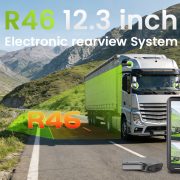
Espejos retrovisores electrónicos para automóviles: cómo los espejos con cámara mejoran la visibilidad
En el panorama automovilístico actual, la integración de la tecnología en la conducción diaria ha revolucionado la seguridad y la facilidad de uso de los vehículos. Uno de estos avances tecnológicos que nos llamó la atención en Luview es el Sistema de cámaras de 12 V, diseñado específicamente para conductores experimentados que exigen una visibilidad superior mientras conducen. Al pasar de los espejos tradicionales a soluciones basadas en cámaras, no solo estamos mejorando la funcionalidad, sino que estamos redefiniendo los estándares de seguridad para quienes están acostumbrados a las complejidades de la conducción.
![Espejos retrovisores electrónicos para automóviles: cómo los espejos con cámara mejoran la visibilidad [Ilustración]](https://luview.com/wp-content/uploads/2026/01/R46-6.jpg "Espejos retrovisores electrónicos para automóviles: cómo los espejos con cámara mejoran la visibilidad [Ilustración]")
Mayor visibilidad gracias a la pantalla de doble canal con vista dividida
Nuestro sistema de cámaras de 12 V cuenta con un extraordinario espejo retrovisor electrónico de 12,3 pulgadas y 1080p que admite entrada de doble canal, lo que permite una visualización en pantalla dividida. Esta innovación es fundamental para los conductores experimentados que necesitan una visión amplia de su entorno. Gracias a la capacidad de mostrar múltiples ángulos simultáneamente, los conductores pueden supervisar ambos lados de su vehículo sin esfuerzo. Esta mayor percepción espacial minimiza los puntos ciegos, lo que nos permite tomar decisiones más informadas, ya sea al cambiar de carril o al maniobrar en espacios reducidos. Funciones avanzadas como estas no solo satisfacen las necesidades de los profesionales experimentados, sino que también se integran a la perfección en la experiencia de conducción.
Fiabilidad en diversas condiciones
La fiabilidad de un Cámara de marcha atrás de 1080p se vuelve fundamental en condiciones climáticas extremas. Nuestro sistema de cámara de 12 V está diseñado para funcionar de manera óptima en un amplio rango de temperaturas, desde −20 ℃ hasta +65 ℃. Esta durabilidad es especialmente valiosa para los conductores experimentados que operan en climas diversos, ya que garantiza que el sistema de cámara siga siendo funcional y confiable. Ya sea en las mañanas heladas o en las sofocantes tardes de verano, podemos confiar en que nuestra cámara de marcha atrás de 1080p ofrecerá imágenes nítidas. Este rendimiento constante infunde confianza, lo que nos permite concentrarnos en la conducción sin la distracción de irregularidades en la imagen causadas por las condiciones ambientales.
Integración perfecta en los vehículos existentes
Para quienes buscamos mejorar nuestros vehículos sin necesidad de modificaciones importantes, el sistema de cámara de 12 V ofrece una solución ideal. La instalación es sencilla, lo que lo hace compatible con una amplia gama de vehículos diseñados para sistemas de 12 V. Reconocemos las necesidades de los conductores experimentados que desean contar con funciones de seguridad avanzadas sin tener que renovar todo su vehículo. La integración perfecta de nuestra cámara de marcha atrás de 1080p le permite disfrutar de una visibilidad mejorada sin sacrificar la estética de su automóvil. Esta combinación de funcionalidad moderna y diseño tradicional allana el camino para una experiencia más fácil de usar que se alinea con el compromiso de nuestra marca con la calidad.
Conclusión
En conclusión, la transformación de los retrovisores gracias a tecnologías innovadoras como la Luview El sistema de cámaras de 12 V y la cámara de marcha atrás de 1080p suponen un avance significativo para los conductores experimentados. Con una visibilidad mejorada, un rendimiento fiable en cualquier condición y una instalación sencilla, este sistema basado en cámaras satisface las exigencias actuales sin renunciar a la comodidad del conductor. En Luview, nos comprometemos a promover una conducción más segura, garantizando que cada viaje sea lo más claro y seguro posible. Al apostar por la tecnología, allanamos el camino para una conducción más segura y con mayor control en la carretera.
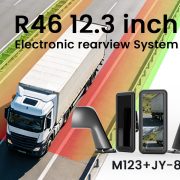
![Sistema de cámara en el espejo retrovisor frente a los espejos tradicionales: ¿Por qué pasarse a la tecnología digital? [Ilustración]](https://luview.com/wp-content/uploads/2026/01/R46-11.jpg "Sistema de cámara en el espejo retrovisor frente a los espejos tradicionales: ¿Por qué pasarse a la tecnología digital? [Ilustración]")
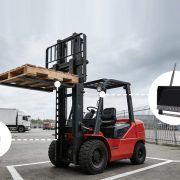
![Los mejores sistemas de cámaras inalámbricas para montacargas, para uso en interiores y exteriores [Ilustración]](https://luview.com/wp-content/uploads/2026/01/叉车-6.jpg "Los mejores sistemas de cámaras inalámbricas para montacargas, para uso en interiores y exteriores [Ilustración]")
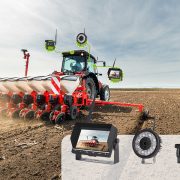
![El mejor sistema de cámaras inalámbricas para autocaravanas: características principales y situaciones de uso [Ilustración]](https://luview.com/wp-content/uploads/2025/12/Luview-Agricultural-Machinery-Vision-Monitoring-Solution.jpg "El mejor sistema de cámaras inalámbricas para autocaravanas: características principales y situaciones de uso [Ilustración]")