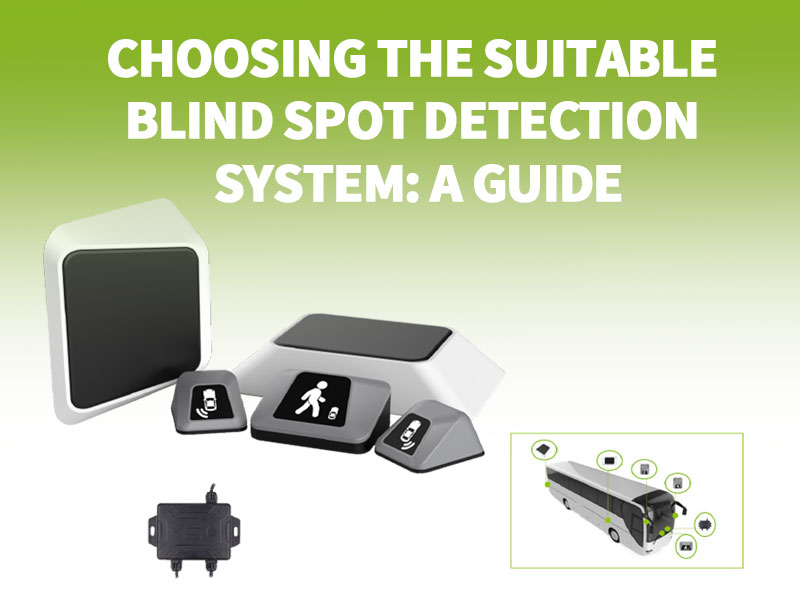
Dans le trafic moderne, les accidents liés à l'angle mort sont un type d'incident routier courant et dangereux. Afin d'améliorer la sécurité routière, de plus en plus de véhicules sont équipés de systèmes de détection des angles morts. Cependant, il existe sur le marché de nombreux types et marques de systèmes de détection des angles morts, ce qui rend difficile le choix d'un système adapté à son propre véhicule. Cet article explore comment choisir un système de détection des angles morts adapté à un véhicule, afin de garantir la sécurité pendant la conduite.
1. Le danger des accidents liés à l'angle mort
Le danger des accidents liés aux angles morts ne peut être négligé dans la circulation moderne. Ces accidents se produisent dans des zones qui ne sont pas directement visibles par les conducteurs, ce qui augmente le risque de collision, en particulier lors des changements de voie, des insertions ou des marches arrière. De plus, les accidents liés aux angles morts peuvent constituer une menace pour la sécurité des piétons et des cyclistes, en particulier aux intersections et lors des manœuvres de marche arrière. Les accidents aux intersections, les incidents liés aux marches arrière et les dangers lors des changements de voie sont étroitement liés aux angles morts.
Pour réduire la fréquence de ces accidents, les constructeurs automobiles adoptent des solutions technologiques telles que les systèmes de détection des angles morts et améliorent continuellement la conception des véhicules afin d'améliorer la visibilité. De plus, la formation des conducteurs et leur vigilance jouent un rôle crucial dans la réduction des accidents liés aux angles morts. En mettant en œuvre ces mesures de manière exhaustive, nous pouvons améliorer efficacement le niveau de sécurité routière, en minimisant les menaces potentielles que représentent les accidents liés aux angles morts pour les conducteurs et les autres usagers de la route.
2. Types de systèmes de détection des angles morts
Il existe différents types de systèmes de détection d'angle mort, qui utilisent différentes technologies pour fournir une aide supplémentaire à la conduite. Les systèmes radar utilisent des signaux radar sans fil pour surveiller l'environnement immédiat, tandis que les systèmes à caméra offrent des images vidéo en temps réel, particulièrement utiles pour l'aide visuelle lors des manœuvres de marche arrière ou de changement de voie. Les systèmes à ultrasons mesurent les distances à l'aide de capteurs à ultrasons et émettent des avertissements sonores ou visuels. De plus, les systèmes intégrés combinent plusieurs technologies pour offrir une surveillance plus complète des angles morts. Chaque système présente des avantages et des limites qui lui sont propres, et le choix d'un système adapté à un véhicule nécessite de prendre en compte des facteurs tels que la précision, la couverture, la vitesse de réponse et les performances réelles pendant la conduite. Le choix du système approprié implique de tenir compte du type de véhicule et des préférences individuelles.
3. Types et tailles de véhicules concernés
Les systèmes de détection des angles morts sont largement applicables à différents types de véhicules, et s'avèrent particulièrement utiles pour les voitures compactes, les SUV, les camions et les gros véhicules utilitaires qui peuvent être confrontés à des angles morts importants pendant la conduite. Ces systèmes, qui utilisent des technologies visuelles, radar ou ultrasoniques, fournissent efficacement des avertissements supplémentaires aux conducteurs lors de manœuvres telles que les marches arrière et les changements de voie, réduisant ainsi le risque potentiel d'accidents de la route. Lors du choix d'un système d'alerte d'angle mort adapté à un type de véhicule spécifique, il est recommandé de tenir compte de la taille et de la structure du véhicule. Cela implique d'évaluer la portée du système et l'emplacement des capteurs afin de garantir une sécurité optimale lors de la conduite.
4. Considérations relatives à la fourchette budgétaire
Lors du choix d'un système de détection des angles morts, plusieurs facteurs ayant une incidence sur le budget doivent être pris en compte. Le modèle du véhicule, le constructeur, le type de technologie et les fonctionnalités du système sont les principaux facteurs qui influencent les coûts. Les modèles de véhicules de luxe sont souvent équipés de technologies de sécurité plus avancées, ce qui peut entraîner des coûts plus élevés pour le système. Les différents types de technologies ont également une incidence sur les prix. Par exemple, les systèmes à radar peuvent être plus coûteux, tandis que ceux à ultrasons peuvent être plus rentables. Les fonctionnalités avancées telles que le freinage automatique, l'aide au maintien de la trajectoire, etc. peuvent augmenter le prix du système. Les systèmes installés par les équipementiers sont généralement mieux intégrés et peuvent être plus coûteux. En outre, la concurrence sur le marché et le choix des fournisseurs peuvent également influencer les prix. Compte tenu des exigences de sécurité et des contraintes financières, il est essentiel de choisir un système adapté aux besoins individuels et aux conditions de conduite. Cet investissement améliore souvent la sécurité routière et réduit le risque d'accident.
5. Difficulté et méthodes d'installation
La difficulté et les méthodes d'installation des systèmes de détection des angles morts varient en fonction du modèle du véhicule, du type de système et du fait qu'il s'agisse d'une installation d'origine ou d'une installation après-vente. Les systèmes installés en usine sont généralement mis en place par des techniciens professionnels pendant le processus de fabrication du véhicule, ce qui simplifie le processus d'installation. Les installations après-vente peuvent impliquer des étapes plus complexes, selon le type de système choisi et son emplacement. Cela peut inclure l'installation de caméras, de radars ou de capteurs à ultrasons, ainsi que des connexions au système électrique du véhicule. Pour les personnes qui ne sont pas familiarisées avec les systèmes automobiles, il est conseillé de faire appel à des services d'installation professionnels afin de garantir une installation correcte et un fonctionnement optimal du système. Cela permet d'améliorer la sécurité et de réduire les problèmes potentiels.
6. Fiabilité technique et précision
La fiabilité technique et la précision sont des différences essentielles entre les différents types de systèmes de détection des angles morts. Cela concerne notamment les capacités de reconnaissance visuelle des caméras et la précision de perception des radars. Pour garantir un fonctionnement efficace dans des environnements routiers complexes, les utilisateurs doivent choisir des systèmes offrant une fiabilité technique et une précision supérieures, en fonction de leurs besoins spécifiques et de leurs cas d'utilisation. Dans ce processus de sélection, il sera essentiel de comprendre les détails techniques des différents systèmes, tels que la résolution des caméras et l'optimisation des algorithmes, la portée de détection des radars et leur précision. Grâce à une sélection rigoureuse, les utilisateurs peuvent s'assurer que leurs systèmes de détection d'angle mort fonctionnent de manière fiable dans diverses situations, améliorant ainsi la sécurité routière.
7. Exigences fonctionnelles
Lors du choix d'un système de détection des angles morts, les utilisateurs doivent tenir compte non seulement de la fiabilité technique et de la précision, mais aussi des exigences fonctionnelles du système. Différents systèmes proposent diverses méthodes d'alerte, telles que des alertes visuelles, sonores ou vibrantes. Certains systèmes disposent également de capacités d'enregistrement et d'analyse des données, fournissant des informations détaillées sur le comportement au volant et les événements liés aux angles morts. Les utilisateurs peuvent choisir le système qui correspond le mieux à leurs préférences et à leurs habitudes de conduite en fonction de ces caractéristiques. Par exemple, les conducteurs qui préfèrent les alertes visuelles peuvent opter pour des indicateurs clairs et visibles, tandis que les utilisateurs intéressés par l'analyse des données peuvent préférer des systèmes qui fournissent des enregistrements détaillés. Des fonctionnalités supplémentaires telles que le réglage automatique de la sensibilité, la connectivité sans fil et l'intégration avec les smartphones sont également des facteurs à prendre en compte, car elles améliorent la commodité et l'expérience utilisateur du système. Ainsi, en tenant compte à la fois des caractéristiques techniques et des besoins fonctionnels, les utilisateurs peuvent mieux choisir un système de détection des angles morts qui correspond à leurs habitudes de conduite et à leurs préférences.
8. Considérations relatives à la compatibilité
Lors du choix d'un système de détection d'angle mort, il est essentiel de tenir compte de sa compatibilité avec différents modèles et années de véhicules. Il est primordial de garantir une intégration fluide et un fonctionnement correct. De plus, les utilisateurs doivent également vérifier si le système prend en charge les mises à niveau et les mises à jour afin de s'adapter à l'évolution des technologies et des exigences réglementaires. Cela permet de garantir la disponibilité et l'adaptabilité à long terme du système. La compatibilité est donc un facteur essentiel à prendre en compte lors du choix d'un système de détection d'angle mort, car elle a un impact direct sur son efficacité sur des véhicules spécifiques et sur sa maintenabilité future.
9. Conformité aux réglementations et normes
Lors du choix d'un système de détection des angles morts, les utilisateurs doivent s'assurer que le système sélectionné est conforme aux exigences réglementaires et aux normes locales. Différentes régions peuvent avoir des exigences de certification spécifiques pour ces systèmes. Il est donc essentiel de comprendre les réglementations locales et d'opter pour un système qui répond aux normes applicables. Cela permet de garantir la légalité et la sécurité de la conduite, améliorant ainsi la fiabilité globale de l'expérience de conduite.
Conclusion
Lors du choix d'un système de détection d'angle mort adapté à un véhicule, il est nécessaire de prendre en compte l'ensemble des facteurs ci-dessus, en pesant le pour et le contre afin de prendre une décision éclairée. Le rôle d'un système de détection d'angle mort va au-delà de l'amélioration de la sécurité routière, il contribue également à réduire le risque d'accidents. En choisissant judicieusement un système de détection d'angle mort, nous pouvons profiter du plaisir de conduire en toute tranquillité et garantir notre sécurité routière et celle des autres.
Pour garantir une expérience de conduite sûre et sans angle mort, Luview est votre partenaire idéal pour les systèmes de détection d'angle mort automobile ! Nous sommes spécialisés dans la recherche et la fabrication de systèmes de recul automobile et de solutions de vidéosurveillance de haute qualité, vous accompagnant dans chaque trajet sans souci. Agissez dès maintenant, optez pour la sécurité et contactez-nous pour obtenir des services personnalisés et des informations détaillées sur nos produits à l'adresse sales@luview.com. Laissez Luview vous accompagner dans votre voyage en toute confiance !

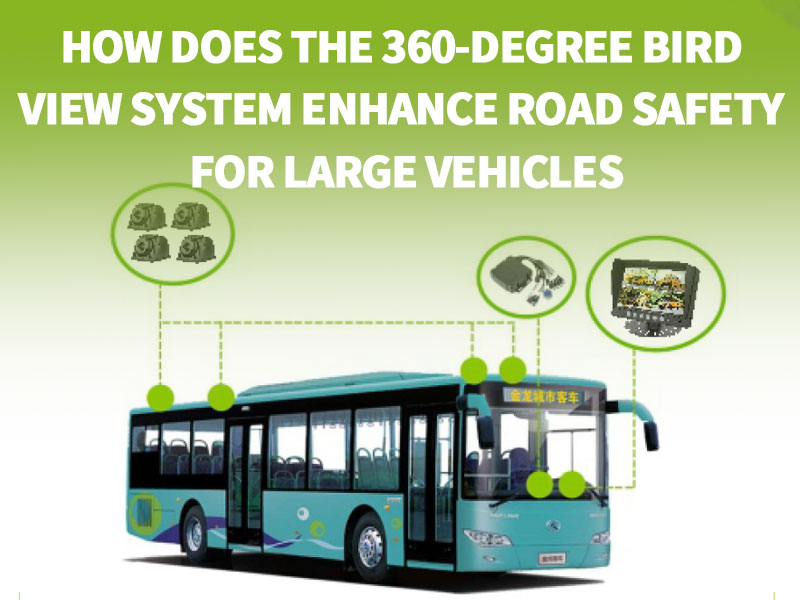 Dans le trafic routier actuel, la sécurité routière des grands véhicules a toujours été un sujet de préoccupation. En raison de leur taille énorme et de leur visibilité limitée, ces véhicules ont souvent des angles morts, ce qui accroît les dangers potentiels et les risques d'accident. Pour remédier à ce problème, le système de vue à 360 degrés est apparu comme une solution innovante pour améliorer la sécurité routière des grands véhicules. Cet article examine comment l'application du système de vision à 360 degrés permet d'obtenir une vue d'ensemble, d'éliminer les angles morts et d'améliorer la sécurité de la conduite des véhicules de grande taille.
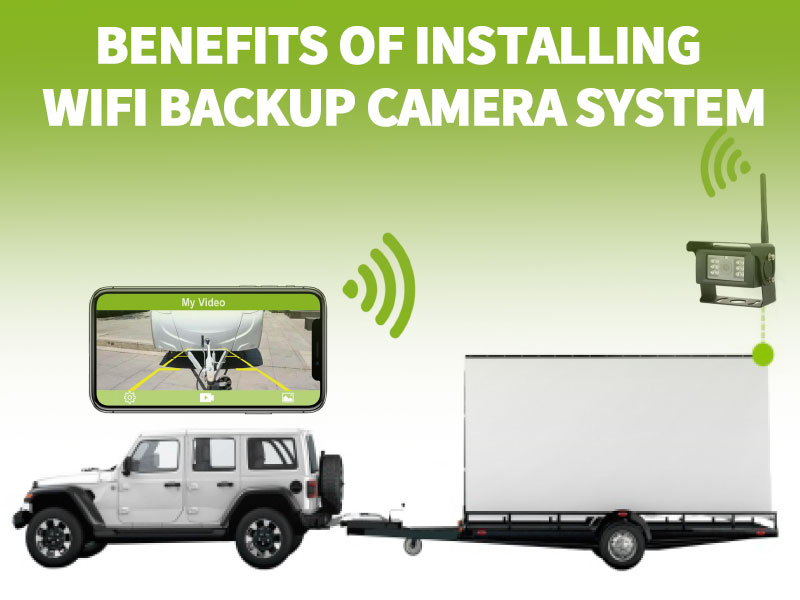 Dans le paysage technologique automobile actuel, les systèmes de caméras de recul WiFi sont de plus en plus populaires. Cette technologie améliore non seulement la sécurité des conducteurs, mais offre également un confort supplémentaire. Cet article explore les avantages de l'installation de systèmes de caméras de recul WiFi et explique pourquoi ils sont devenus indispensables dans les véhicules modernes.
 Dans le trafic moderne, les accidents liés à l'angle mort sont un type d'incident routier courant et dangereux. Afin d'améliorer la sécurité routière, de plus en plus de véhicules sont équipés de systèmes de détection des angles morts. Cependant, il existe sur le marché de nombreux types et marques de systèmes de détection des angles morts, ce qui rend difficile le choix d'un système adapté à son propre véhicule. Cet article explore comment choisir un système de détection des angles morts adapté à un véhicule, afin de garantir la sécurité pendant la conduite.