
Cara Memilih Produsen Kamera Kendaraan yang Tepat untuk Proyek OEM
Ketika tim OEM mengevaluasi mitra untuk sistem penglihatan kendaraan, proses keputusan biasanya dimulai dengan penyelarasan teknis, bukan hanya harga. Bagi kami di Luview, kerja sama OEM berarti koordinasi teknik jangka panjang, bukan hanya pasokan komponen. Memilih produsen kamera kendaraan yang sesuai memerlukan pemahaman tentang bagaimana desain produk, proses validasi, dan kemampuan produksi terhubung ke aplikasi kendaraan yang sesungguhnya. Dalam banyak proyek OEM, sistem kamera adalah bagian dari arsitektur keselamatan atau pemantauan yang lebih besar, yang berarti pemasok harus memahami dengan jelas integrasi tingkat sistem, stabilitas sinyal, dan kendala lingkungan kendaraan sejak awal.
Kompatibilitas Rekayasa dan Kemampuan Integrasi Sistem
Dalam proyek OEM, perangkat keras kamera jarang berfungsi sebagai perangkat mandiri. Perangkat ini harus berintegrasi secara mulus dengan ECU, layar, dan jaringan di dalam kendaraan. Inilah sebabnya mengapa produsen kamera kendaraan yang berpengalaman biasanya dievaluasi berdasarkan kemampuan mereka untuk mengadaptasi modul kamera ke berbagai platform, persyaratan voltase, dan protokol komunikasi. Dari pengalaman kami, diskusi teknik sering kali berfokus pada pemilihan lensa, penyetelan sensor, desain struktur kedap air, dan keandalan jangka panjang dalam variasi getaran dan suhu. Kamera yang dirancang untuk menghasilkan gambar yang stabil secara langsung memengaruhi cara monitor mobil menampilkan informasi kepada pengemudi, terutama dalam skenario mundur, tampilan samping, atau pemantauan berkelanjutan.
Proses Manufaktur dan Konsistensi Kualitas
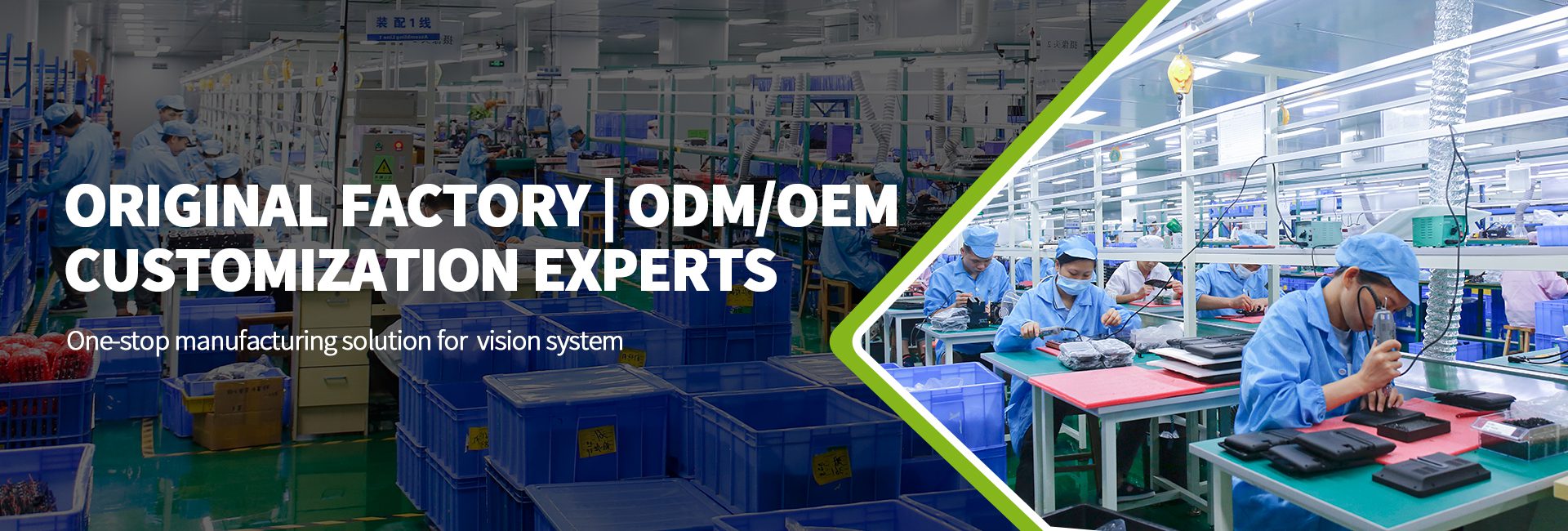
Pelanggan OEM biasanya sangat menekankan pada konsistensi produksi daripada kecepatan pengiriman jangka pendek. Proses produksi yang andal memastikan bahwa setiap batch modul kamera mempertahankan performa optik dan perilaku listrik yang stabil. Sebagai salah satu produsen kamera kendaraan Dalam melayani proyek OEM global, kami sangat memperhatikan ketertelusuran, inspeksi in-line, dan uji penuaan. Proses-proses ini membantu memastikan bahwa setiap unit yang dikirim bekerja dengan benar dengan sistem monitor mobil yang telah divalidasi oleh pelanggan, sehingga mengurangi risiko kalibrasi hilir dan integrasi selama perakitan kendaraan.
Cakupan Produk dan Pengalaman Aplikasi
Faktor penting lainnya ketika memilih mitra adalah luasnya pengalaman aplikasi. Proyek OEM dapat melibatkan kamera pandangan belakang, sistem pandangan sekeliling, atau solusi pemantauan di dalam kabin. Kami biasanya mendukung pelanggan OEM dengan menawarkan portofolio produk yang mencakup modul kamera, monitor, dan konfigurasi sistem penglihatan yang lengkap. Dalam banyak proyek, kompatibilitas antara output kamera dan antarmuka monitor mobil menjadi pertimbangan praktis selama desain sistem. Pengalaman aplikasi membantu pemasok mengantisipasi detail integrasi ini lebih awal, yang menyederhanakan siklus validasi dan persetujuan untuk tim OEM.
Kesimpulan: Membangun Kemitraan Kamera OEM yang Stabil
Memilih produsen kamera kendaraan yang tepat untuk proyek OEM pada akhirnya adalah tentang keyakinan teknis, disiplin manufaktur, dan efisiensi komunikasi. Dari sudut pandang kami, kerja sama jangka panjang bergantung pada proses rekayasa yang transparan, performa produk yang stabil, dan pemahaman tingkat sistem yang realistis. Ketika modul kamera dan monitor mobil Solusi dikembangkan dengan mempertimbangkan persyaratan OEM, integrasi menjadi lebih lancar dan risiko proyek lebih mudah dikelola. Proses pemilihan yang terstruktur membantu pelanggan OEM membangun kemitraan yang mendukung platform kendaraan saat ini dan rencana pengembangan di masa depan.