Manfaat Menginstal Sistem Kamera Cadangan WiFi

Manfaat Menginstal Sistem Kamera Cadangan WiFi

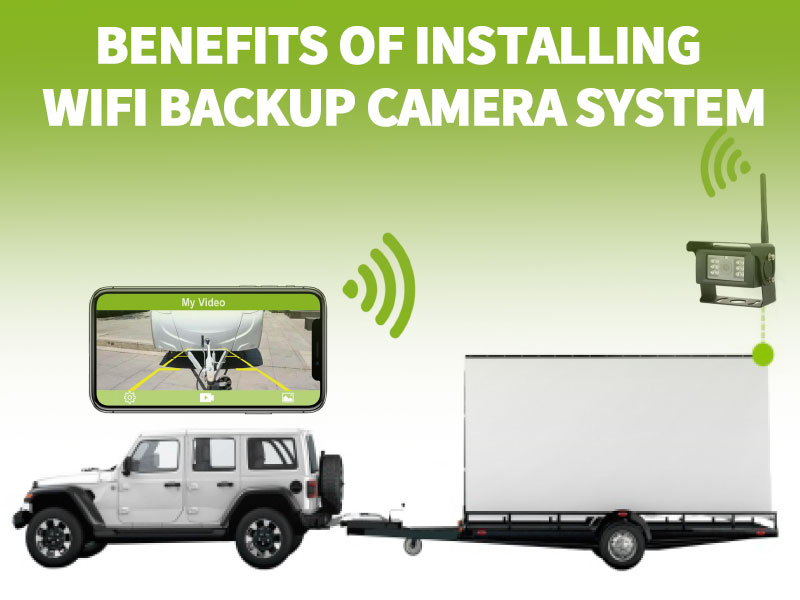
Benefits of Installing WiFi Backup Camera System插图In today’s automotive technology landscape, WiFi backup camera systems have become increasingly popular. This technology not only enhances the safety of drivers but also offers added convenience. This article will explore the benefits of installing WiFi backup camera systems and why they have become crucial in modern vehicles.

1. Enhanced Safety

One of the most prominent advantages of installing a WiFi backup camera system is the improved safety it provides. When reversing, drivers often face blind spots that hinder their visibility of the rear surroundings. By installing a WiFi backup camera system, drivers can monitor and observe the rear of their vehicle in real-time, avoiding collisions with other vehicles, pedestrians, or obstacles. This feature is particularly useful when navigating through narrow parking spaces, congested city streets, or when backing into tight spots. The camera’s wide-angle view and guiding lines help drivers accurately gauge the vehicle’s positioning and distance, reducing the risk of accidents.

2. Parking Assist

The parking assistance feature is another significant advantage of the WiFi backup camera system. This system provides excellent assistance, making the parking process more accurate and safe. By continuously monitoring the surrounding environment, the system can detect potential obstacles during parking and avoid collision risks. Whether it’s parallel parking or perpendicular parking, the WiFi backup camera system demonstrates its outstanding assistance capabilities. For drivers, this means they can confidently maneuver their vehicle in tight parking spaces without worrying about unnecessary contact with surrounding vehicles or obstacles. This convenience not only improves parking efficiency but also reduces the risk of accidents that may occur during the parking process.

3. Convenient Driving Experience

WiFi backup camera systems offer a convenient driving experience compared to traditional rearview mirrors. While rearview mirrors provide limited visibility, WiFi backup cameras transmit real-time video footage of the vehicle’s rear directly to a smartphone or car display. This allows drivers to have a clear view of the rear surroundings, especially in low-light conditions or during nighttime driving. Additionally, some WiFi camera systems come with helpful features such as distance alerts and obstacle warnings, further enhancing convenience and safety while driving.

4. Easy Installation

Another significant advantage of WiFi backup camera systems is their ease of installation. Unlike traditional wired camera systems, WiFi systems do not require complex wiring or drilling. The cameras can be easily mounted on the rear of the vehicle, and they connect wirelessly to smartphones or car displays. This installation method saves time, reduces costs, and maintains the overall neatness of the vehicle’s interior. Drivers have the option to install WiFi backup camera systems themselves or seek professional help for installation.

5. Increase driving confidence

WiFi backup camera systems can boost drivers’ confidence on the road. With the help of real-time video and assistance features, drivers can effortlessly perform reverse maneuvers, minimizing unnecessary hesitation and anxiety. This aspect is particularly valuable for novice drivers or those who have had limited driving experience. By using WiFi backup camera systems, drivers can navigate various reverse scenarios with increased confidence, thus enhancing the overall comfort and reliability of their driving experience.

Kesimpulan

The installation of a WiFi backup camera system brings numerous benefits to drivers. It not only provides added safety and convenience but also boosts confidence while driving. With advancing technology, WiFi backup camera systems are playing an ever-increasing role in the automotive industry. Whether for new or older vehicles, installing a WiFi backup camera system is a worthwhile improvement that offers a better driving experience and assurance. Consider the benefits mentioned above and make a choice that prioritizes safety, convenience, and confidence on the road.

Are you in search of a high-quality, technologically advanced WiFi rearview camera system? Look no further! With over 17 years of industry experience and an exceptional product lineup, Luview is ready to meet your needs. Take the first step in our partnership by sending an email to sales@luview.com. Let’s embark on this journey together!

Benefits of Brake Light Camera System缩略图

Manfaat Sistem Kamera Lampu Rem

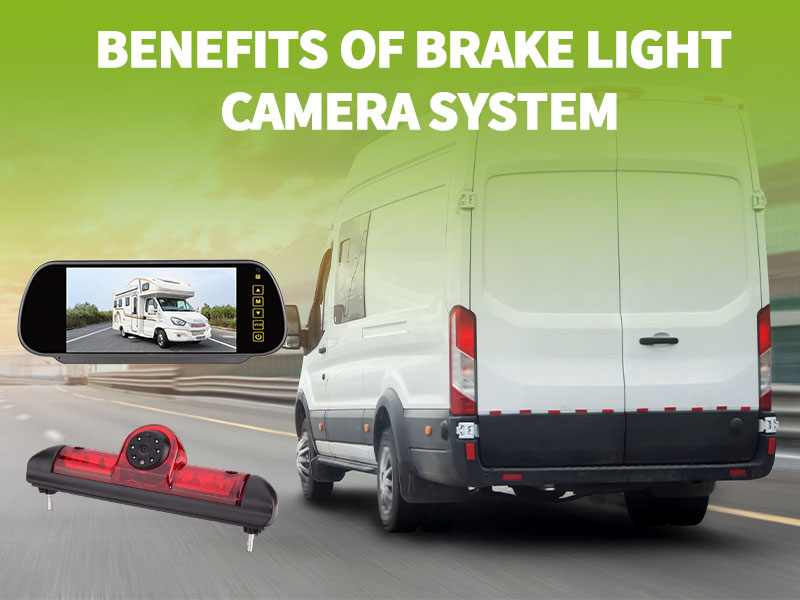
Manfaat Sistem Kamera Lampu Rem插图Di era teknologi otomotif yang berkembang pesat saat ini, sistem kamera lampu rem, sebagai salah satu teknologi keselamatan canggih, semakin menarik perhatian masyarakat. Sistem ini memberikan perlindungan yang lebih komprehensif dan canggih bagi pengemudi dalam hal keselamatan jalan raya, bantuan parkir, pengalaman berkendara, bukti kecelakaan, kenyamanan, dan efisiensi biaya. Mari kita jelajahi fitur-fitur unggulan dari sistem kamera lampu rem ini bersama-sama.
Meningkatkan keselamatan jalan raya

Sistem kamera lampu rem memainkan peran penting dalam meningkatkan keselamatan jalan raya. Dengan memantau lingkungan belakang kendaraan secara real-time, sistem ini dapat dengan cepat mendeteksi hambatan dan mencegah kecelakaan sebelum tabrakan potensial terjadi, sehingga secara signifikan meningkatkan keselamatan perjalanan di jalan raya. Teknologi ini menunjukkan kinerja yang luar biasa, terutama dalam kondisi cuaca buruk, membantu pengemudi memiliki pemahaman yang lebih jelas tentang lingkungan sekitarnya dan secara efektif mengurangi risiko kecelakaan yang disebabkan oleh cuaca. Dengan responsivitas dan keandalannya dalam berbagai kondisi cuaca, sistem kamera lampu rem menjadi asisten keselamatan yang kuat, memberikan perlindungan jalan yang komprehensif bagi pengemudi.

Fitur Bantuan Parkir

Fitur bantuan parkir merupakan keunggulan lain dari sistem kamera lampu rem. Sistem ini memainkan peran penting dalam parkir yang presisi dengan memberikan bantuan yang sangat baik kepada pengemudi, sehingga proses parkir menjadi lebih akurat dan aman. Dengan memantau lingkungan sekitar kendaraan secara real-time, sistem ini dapat mendeteksi hambatan potensial selama proses parkir, menghindari risiko tabrakan yang mungkin terjadi. Baik itu parkir paralel maupun parkir tegak lurus, sistem kamera lampu rem menunjukkan kemampuan bantuannya yang luar biasa. Bagi pengemudi, hal ini berarti mereka dapat melakukan manuver parkir di ruang parkir yang sempit dengan percaya diri tanpa khawatir akan kontak yang tidak perlu dengan kendaraan atau hambatan di sekitarnya. Kemudahan ini tidak hanya meningkatkan efisiensi parkir tetapi juga mengurangi risiko kecelakaan yang mungkin terjadi selama proses parkir.

Peningkatan Pengalaman Mengemudi

Peran sistem kamera lampu rem tidak hanya terbatas pada peningkatan keselamatan jalan raya dan bantuan parkir. Sistem ini juga memainkan peran krusial dalam meningkatkan pengalaman berkendara. Dengan memantau lingkungan belakang kendaraan secara real-time, sistem ini secara efektif mengurangi tekanan pada pengemudi dan memberikan rasa aman yang lebih tinggi saat berkendara. Pengemudi dapat memahami kondisi sekitar dengan lebih jelas, dan integrasi yang mulus antara sistem ini dengan fitur keamanan lainnya menciptakan pengalaman berkendara yang komprehensif bagi mereka. Perlindungan komprehensif dan bantuan berkendara cerdas ini memungkinkan pengemudi untuk berkendara dengan lebih percaya diri dan nyaman, meningkatkan kesenangan dan kenyamanan keseluruhan proses berkendara. Sistem kamera lampu rem bukan hanya teknologi keamanan, tetapi juga mitra berkendara yang penting yang membawa kesenangan dan kenyamanan berkendara bagi pengemudi.

Mengumpulkan Bukti Kecelakaan

Fitur perekaman otomatis sistem kamera lampu rem menyediakan cara yang efisien dan andal untuk mengumpulkan bukti kecelakaan, sangat mempermudah proses klaim dan menyediakan bukti yang kredibel untuk klaim asuransi. Dengan memantau kondisi berkendara kendaraan, sistem merekam terjadinya kecelakaan dan peristiwa tak terduga secara real-time, menangkap informasi gambar dan video yang krusial. Fitur ini tidak hanya membantu menentukan tanggung jawab dan urutan peristiwa, meningkatkan keadilan dan efisiensi klaim, tetapi juga secara efektif melindungi pengemudi dari aktivitas penipuan. Setelah kecelakaan, bukti objektif yang direkam menjadi dukungan krusial selama proses klaim, mengurangi kemungkinan sengketa dan kontroversi. Selain itu, teknologi ini membantu mencegah perilaku penipuan karena informasi real-time yang direkam sulit untuk dimanipulasi, memberikan perusahaan asuransi sumber data yang lebih dapat diandalkan. Secara keseluruhan, kemampuan kuat sistem kamera lampu rem dalam mengumpulkan bukti kecelakaan memberikan pengemudi dukungan asuransi yang komprehensif, memungkinkan mereka menghadapi peristiwa tak terduga di jalan dengan lebih percaya diri.

Kemudahan dan Konektivitas

Integrasi sistem kamera lampu rem dengan aplikasi seluler memungkinkan fitur-fitur yang nyaman seperti pemantauan jarak jauh dan peringatan risiko real-time, memungkinkan pengemudi untuk mengakses status kendaraan mereka secara instan dan meningkatkan kenyamanan serta keamanan berkendara. Selain itu, konektivitas yang mulus dengan sistem kendaraan cerdas lainnya meningkatkan kecerdasan keseluruhan kendaraan. Dengan bekerja secara harmonis dengan sistem lain, sistem ini menyediakan layanan dan manajemen yang lebih komprehensif dan cerdas, memberikan pengemudi pengalaman berkendara yang lebih nyaman dan canggih.

Solusi Keamanan yang Efisien dan Terjangkau

Sistem kamera lampu rem tidak hanya memberikan jaminan keamanan yang signifikan bagi pengemudi, tetapi juga menunjukkan efisiensi biaya yang tinggi secara ekonomi. Fitur perekaman otomatisnya menyediakan bukti yang andal untuk klaim asuransi, berpotensi mengurangi pengeluaran asuransi dan memberikan keuntungan ekonomi bagi pemilik kendaraan. Yang lebih penting, sistem ini secara efektif mencegah tabrakan yang mahal dan biaya perbaikan melalui pemantauan real-time dan fitur bantuan mengemudi, mengurangi kemungkinan kerusakan kendaraan dan memperpanjang umur pakai kendaraan. Oleh karena itu, sistem kamera lampu rem tidak hanya memprioritaskan keselamatan pengemudi tetapi juga menciptakan manfaat ekonomi jangka panjang bagi pemilik kendaraan, menjadikannya investasi komprehensif dan berharga dalam keselamatan kendaraan.

Kesimpulan

Kesimpulannya, sistem kamera lampu rem menawarkan keunggulan yang luar biasa dalam meningkatkan keselamatan jalan raya, pengalaman berkendara, bantuan parkir, pengumpulan bukti kecelakaan, kenyamanan, dan efisiensi biaya. Memilih untuk menginstal sistem ini akan memberikan pengemudi pengalaman keselamatan yang baru. Luview, sebagai penyedia sistem kamera lampu rem berkualitas tinggi, layak untuk dipertimbangkan dengan serius. Untuk informasi lebih lanjut, silakan hubungi sales@luview.com Untuk memilih perlindungan keselamatan yang unggul untuk kendaraan Anda.

Choosing the Suitable Blind Spot Detection System: A Guide缩略图

Choosing the Suitable Blind Spot Detection System: A Guide

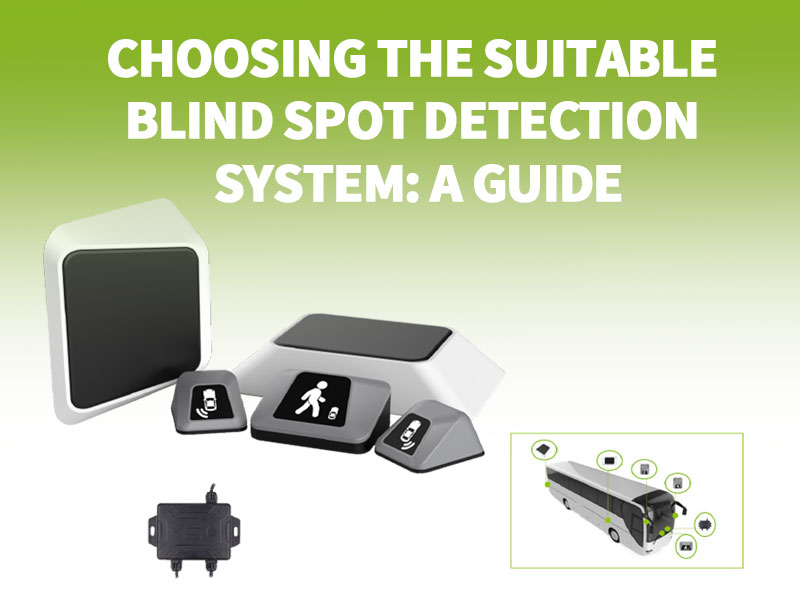
Choosing the Suitable Blind Spot Detection System: A Guide插图In modern traffic, blind-spot accidents are a common and dangerous type of traffic incident. To enhance driving safety, an increasing number of vehicles are equipped with blind-spot detection systems. However, in the market, there are numerous types and brands of blind-spot detection systems, making it not an easy task to choose a system suitable for one’s own vehicle. This article will explore how to select a blind-spot detection system that is suitable for a vehicle, ensuring safety during the driving process.

1. The Danger of Blind-Spot Accidents

The danger of blind-spot accidents cannot be overlooked in modern traffic. These accidents occur in areas not directly observable by drivers, increasing the risk of collisions, especially during lane changes, merging, or reversing. Furthermore, blind-spot accidents may pose a threat to the safety of pedestrians and cyclists, particularly at intersections and during reversing maneuvers. Accidents at intersections, reversing incidents, and hazards during lane changes are closely associated with blind spots.
To mitigate the occurrence of such accidents, vehicle manufacturers adopt technological solutions such as blind-spot detection systems and continuously improve vehicle designs to enhance visibility. Additionally, driver training and attentiveness play crucial roles in reducing blind-spot accidents. By comprehensively implementing these measures, we can effectively elevate the level of traffic safety, minimizing the potential threats posed by blind-spot accidents to drivers and other road users.

2. Types of Blind-Spot Detection Systems

Blind-spot detection systems come in a variety of types, utilizing different technologies to provide additional driving assistance. Radar systems use wireless radar signals to monitor the surrounding environment, while camera systems offer real-time video imagery, particularly useful for visual assistance during reversing or lane-changing maneuvers. Ultrasonic systems measure distances using ultrasonic sensors and emit sound or visual warnings. Additionally, integrated systems combine multiple technologies to provide more comprehensive blind-spot monitoring. Each system has unique advantages and limitations, and selecting a system suitable for a vehicle requires considering factors such as accuracy, coverage, response speed, and real-world performance during driving. Choosing the right system involves considering the type of vehicle and individual preferences.

3. Applicable Vehicle Types and Sizes

Blind-spot detection systems are widely applicable across various vehicle types, especially proving crucial for compact cars, SUVs, trucks, and large commercial vehicles that may face significant blind-spot challenges during driving. These systems, employing visual, radar, or ultrasonic technologies, effectively provide additional warnings to drivers during maneuvers like reversing and lane changes, thereby reducing the potential risk of traffic accidents. When selecting a blind-spot alert system tailored to a specific vehicle type, it is recommended to consider the vehicle’s size and design structure. This involves evaluating the system’s coverage range and sensor placement to ensure optimal driving safety.

4. Considerations for Budget Range

When choosing a blind-spot detection system, several factors need to be considered that impact the budget range. The vehicle model, manufacturer, technology type, and system functionality are the primary factors influencing costs. Luxury vehicle models often come equipped with more advanced safety technology, leading to potentially higher system costs. Different technology types also affect prices, for instance, radar-based systems may be more expensive, while ultrasonic-based ones might be more cost-effective. Advanced features like automatic braking, lane-keeping assistance, etc., can elevate system prices. OEM-installed systems are typically more tightly integrated and may be more expensive. Additionally, market competition and supplier choices can also influence prices. Taking into account both safety requirements and financial constraints, it is crucial to choose a system that aligns with individual needs and driving environments. This investment often enhances driving safety and reduces the potential risk of accidents.

5. Installation Difficulty and Methods

The installation difficulty and methods of blind-spot detection systems vary depending on the vehicle model, system type, and whether it is factory-installed or an aftermarket installation. Factory-installed systems are typically completed by professional technicians during the vehicle manufacturing process, simplifying the installation process. Aftermarket installations may involve more complex steps, depending on the chosen system type and location. This could include the installation of cameras, radar, or ultrasonic sensors, as well as connections to the vehicle’s electrical system. For individuals not familiar with automotive systems, it is advisable to seek professional installation services to ensure the correct installation and proper functioning of the system. This helps enhance safety and reduces potential issues.

6. Technical Reliability and Accuracy

The technical reliability and accuracy are critical differences among various types of blind-spot detection systems. This involves aspects such as the visual recognition capabilities of cameras and the perceptual accuracy of radar. To ensure effective operation in complex traffic environments, users need to choose systems with higher technical reliability and accuracy based on their specific needs and use cases. In this selection process, understanding the technical details of different systems, such as camera resolution and algorithm optimization, radar detection range, and accuracy, will be crucial. Through careful selection, users can ensure that their blind-spot detection systems operate reliably in various situations, enhancing driving safety.

7. Functional Requirements

When selecting a blind spot detection system, users need to consider not only technical reliability and accuracy but also the system’s functional requirements. Different systems offer various warning methods, such as visual, auditory, or vibration alerts. Some systems also have data recording and analysis capabilities, providing detailed information about driving behavior and blind spot events. Users can choose a system that best suits their preferences and driving habits based on these features. For example, drivers who prefer visual alerts may opt for clear and visible indicators, while users interested in data analysis may prefer systems that provide detailed records. Additional features such as automatic sensitivity adjustment, wireless connectivity, and integration with smartphones are also factors to consider, enhancing the convenience and user experience of the system. Therefore, by comprehensively considering both technical features and functional needs, users can better choose a blind spot detection system that aligns with their driving habits and preferences.

8. Compatibility Considerations

When selecting a blind-spot detection system, it is crucial to consider its compatibility with different vehicle years and models. Ensuring smooth integration and proper functionality is of utmost importance. Additionally, users should also pay attention to whether the system supports upgrades and updates to adapt to evolving technology and regulatory requirements. This helps guarantee the long-term availability and adaptability of the system. Therefore, compatibility is a critical factor to consider when choosing a blind-spot detection system, directly impacting its effectiveness on specific vehicles and future maintainability.

9. Compliance with Regulations and Standards

When choosing a blind-spot detection system, users must ensure that the selected system complies with local regulatory requirements and standards. Different regions may have specific certification requirements for such systems, so it is crucial to understand local regulations and opt for a system that meets the applicable standards. This helps ensure the legality and safety of driving, enhancing the overall reliability of the driving experience.

Kesimpulan

When selecting a blind-spot detection system suitable for a vehicle, it is necessary to consider the above factors comprehensively, weighing the pros and cons to make informed decisions. The role of a blind-spot detection system extends beyond improving driving safety, it also helps reduce the likelihood of accidents. By making a reasonable choice of a blind-spot detection system, we can enjoy the pleasure of driving with greater peace of mind and ensure the traffic safety of ourselves and others.
For ensuring a safe, blind-spot-free driving experience, Luview is your ideal partner for automotive blind-spot detection systems! We specialize in the research and manufacturing of high-quality automotive rearview systems and surveillance video solutions, assisting you in every drive without worries. Take action now, seize safety assurance, and contact us for more customized services and product details at sales@luview.com. Let Luview escort your journey with confidence!

Guide to Choosing a Body Worn Camera缩略图

Guide to Choosing a Body Worn Camera

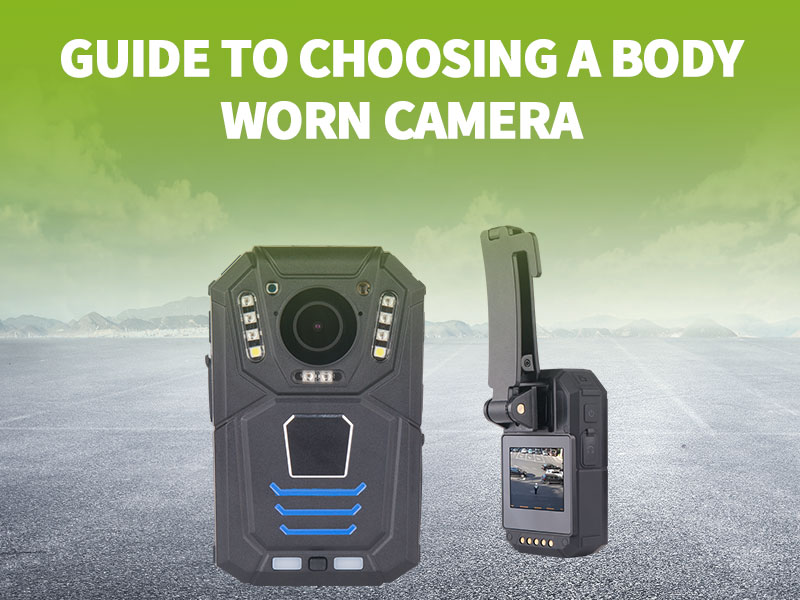
Guide to Choosing a Body Worn Camera插图In modern law enforcement work, body-worn cameras have become an indispensable tool. They not only provide objective evidence but also contribute to maintaining fairness and transparency. However, faced with numerous brands and models of body-worn cameras in the market, choosing a device that suits one’s job requirements can be overwhelming. To assist you in making an informed decision, here is a guide on choosing a body-worn camera.

Pengantar

The application of body-worn cameras in law enforcement has become a prevalent trend. By documenting law enforcement activities, this device provides officers with a powerful means to protect themselves while also enhancing the transparency of their work.

1. Consideration of crucial features

When choosing a body-worn camera, the primary considerations are its crucial features. The resolution and video quality determine the clarity of the recordings, while a wide field of view ensures comprehensive coverage. In addition, low-light performance and battery life are also crucial factors.

2. Storage and data management

Choosing a body-worn camera with robust storage and data management capabilities is equally crucial. Internal storage and external options, cloud storage, as well as data encryption and security features, all need to be carefully considered.

3. Durability and design

Given the often complex and challenging work environments of law enforcement personnel, the durability and design of the equipment are particularly crucial. Choosing a body-worn camera that is impact-resistant, waterproof, dustproof, and designed robustly ensures reliable operation in various circumstances.

4. Ease of Use

A body-worn camera that is easy to use can enhance the efficiency of law enforcement personnel. Ensure that the device has an intuitive user interface and controls, as well as good compatibility with existing systems. Additionally, consider the simplicity of the training process.

5. Connectivity options

Modern law enforcement work demands devices with advanced connectivity options. Wireless features such as Wi-Fi and Bluetooth, compatibility with smartphones or other devices, and remote access and control functionalities are all factors that contribute to a more convenient workflow.

6. Budget considerations

When selecting a body-worn camera, budget is also a crucial factor to consider. It’s essential to strike a balance between the initial equipment cost and long-term maintenance expenses, ensuring a good equilibrium between quality and affordability.

7. Legal and compliance considerations

With the widespread adoption of body-worn cameras, issues related to legality and compliance have become increasingly crucial. Ensure that the chosen equipment complies with local laws and regulations while also addressing privacy concerns and incorporating deletion functionalities to mitigate potential legal issues.

8. Brand reputation and reviews

When choosing a body-worn camera, the brand’s reputation and user reviews are crucial avenues for understanding the device’s performance. Conducting in-depth research on various brands, reading user reviews, and seeking recommendations can provide valuable insights into the actual performance of the equipment.

9. Customer support and warranty

Lastly, ensure that the selected body-worn camera brand offers excellent customer support and a reasonable warranty policy. Understanding the device’s upgrade options and software support is essential to guarantee the stability of the equipment during use.

Kesimpulan

When selecting a body-worn camera, considering the above factors in a comprehensive manner is crucial. A body-worn camera that suits your work requirements, excels in performance, and is easy to use will become an indispensable tool in law enforcement. If you are looking for a reliable supplier of body-worn cameras, Luview is your ideal choice. Please contact sales@luview.com for more details to ensure your law enforcement work is in capable hands.

Guide to Choosing a Vehicle Backup Camera for License Plate缩略图

Guide to Choosing a Vehicle Backup Camera for License Plate

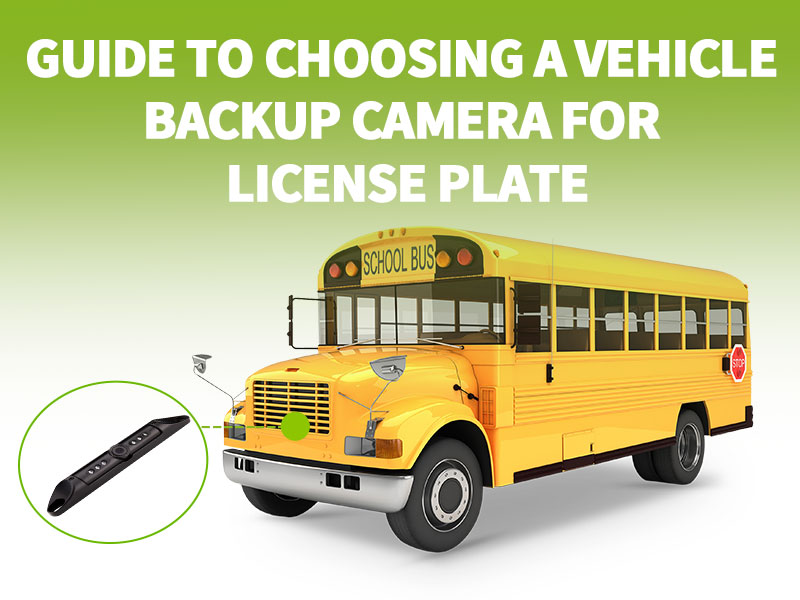
In the rapid evolution of modern vehicle safety technologies, the backup camera has emerged as a crucial auxiliary feature, significantly enhancing the safety and convenience of reversing. However, with a plethora of backup camera options available in the market, determining the ideal camera for license plate use has become a concern for many vehicle owners. In this article, we will delve into the selection criteria for choosing a vehicle backup camera specifically designed for license plate installation.

Guide to Choosing a Vehicle Backup Camera for License Plate插图

How to choose the right license plate backup camera

1. Comprehending the functionality of backup cameras

The backup camera is like a little assistant for the vehicle, especially when reversing. It solves the problem of blind spots that we cannot see from the rear, making reversing safer. By instantly delivering a clear rear view, it prevented us from accidentally bumping into things, especially in tight spots. Moreover, the night vision function also makes reversing at night easier and is no longer affected by darkness. Cameras also make parking easier, and we can more accurately judge and avoid obstacles. In general, backup cameras are meant to make driving safer and more convenient, and are part of modern vehicle safety.

2. The importance of resolution and clarity

The resolution and clarity of a license plate backup camera are crucial for driving safety. High resolution provides clear images, enabling drivers to accurately identify obstacles in the rear and reduce the risk of collisions. Clarity also plays a role during nighttime driving and in complex parking scenarios, offering drivers a more reliable spatial perception and simplifying parking maneuvers. This not only enhances the user experience but also provides drivers with reliable assistance during critical moments, making the reversing process safer and more convenient.

3. Consideration of night vision functionality

Night vision functionality is a critical consideration for license plate backup cameras, ensuring clear imaging in low-light or complete darkness through high-sensitivity sensors and infrared assistance. Contrast adjustment, anti-glare design, and real-time responsiveness are crucial to handle various lighting conditions during nighttime driving, providing reliable assistance for reverse maneuvers in the dark. This ensures drivers feel more secure and facilitates convenience during nighttime operations.

4. Installation difficulty and methods

Considering the installation of a camera, it is important to understand whether it requires professional installation services. Some cameras are designed to be easily installed by individuals, while others may require the expertise of professional technicians. If you have limited knowledge of the vehicle’s electrical system or encounter difficulties, it is advisable to seek professional technical support or installation services.

5. Selection of waterproof ratings

When choosing a license plate backup camera, the waterproof rating is a crucial consideration as it directly impacts its stability in different weather conditions. Common waterproof ratings include IP67, IP68, and IP69K, denoting resistance to water depth, water pressure, and high-temperature high-pressure water jets, respectively. In rainy or humid environments, it’s recommended to choose a camera with at least an IP67 rating. For situations requiring frequent washing or exposure to harsh conditions, considering a higher waterproof rating like IP69K might be more suitable. Therefore, it’s important to reasonably select the camera’s waterproof rating based on actual usage and environmental conditions to ensure reliable reverse assistance in various adverse situations.

6. The importance of angle of view and coverage area

When purchasing a license plate backup camera, the angle of view and coverage area are crucial factors to consider. The camera’s angle of view determines the visible range, and choosing an appropriate angle helps in comprehensively understanding the surrounding environment while reversing, reducing blind spots. A wide coverage area provides a clear view of the reversing zone. Therefore, paying attention to the camera’s angle of view and coverage area is key to enhancing reverse safety and convenience.

7. Choice between Wireless and Wired

When selecting a license plate backup camera, you face the choice between wireless and wired connectivity. Wireless cameras eliminate the need for complex wiring, simplifying the installation process and making it more flexible and convenient. However, wired cameras typically offer more stable signal transmission, avoiding potential issues caused by wireless signal interference. Therefore, the choice between wireless and wired involves balancing convenience and stability. It depends on individual preferences and specific needs to determine whether to opt for the convenience of wireless or the reliability of a wired connection.

8. Brand reputation and user reviews as reference

When selecting a license plate backup camera, brand reputation and user reviews are crucial considerations. Reliable brands typically ensure product quality, and user reviews provide practical feedback from actual users. In addition, it’s essential to pay attention to whether the camera’s features align with personal needs, such as high-definition image quality or night vision capabilities. Considering these factors collectively can help choose a camera that best suits the vehicle and specific usage scenarios.

9. Balancing cost and value for money

When choosing a license plate backup camera, it’s essential to strike a balance between cost and value for money. While some high-end cameras may offer more advanced features, they often come with a higher price tag. Therefore, consumers should consider their individual needs and budget, weighing the relationship between the camera’s performance, durability, and price. Focusing on value for money is advantageous for obtaining a practical and economical solution, ensuring that the camera enhances driving safety without imposing an excessive financial burden.

Luview License Plate Backup Camera

The Luview license plate camera boasts an expansive 150° field of view, a high waterproof rating of IP69K, and powerful night vision capabilities (5-10m infrared distance). Additionally, it supports mirror switching and guideline control functions, making it an invaluable assistant for drivers during the reverse process. The wide field of view reduces blind spots, and the high waterproof rating ensures normal operation even in extreme weather conditions. The night vision function enhances visibility during nighttime driving. The mirror switching and guideline control functions further elevate driving convenience, enabling drivers to execute reverse maneuvers with precision. With its unique design and powerful features, the Luview license plate camera creates a more secure and convenient driving experience for users, providing peace of mind and ease during every journey.

Kesimpulan

When selecting a backup camera for your vehicle, it is crucial to consider multiple key factors, including the camera’s resolution, night vision capabilities, installation method, waterproof rating, field of view, connection options, and brand reputation. Through a rational comparison and careful selection, you will be able to find a backup camera that perfectly suits your vehicle, significantly enhancing driving safety and providing a convenient reverse experience.

Luview is a professional Chinese supplier of license plate backup cameras. Feel free to contact us at sales@luview.com to obtain detailed information about our products, allowing you to gain a comprehensive understanding of our professional camera solutions.

Which Forklift Camera System is Right for You: Wireless or Wired?缩略图

Which Forklift Camera System is Right for You: Wireless or Wired?

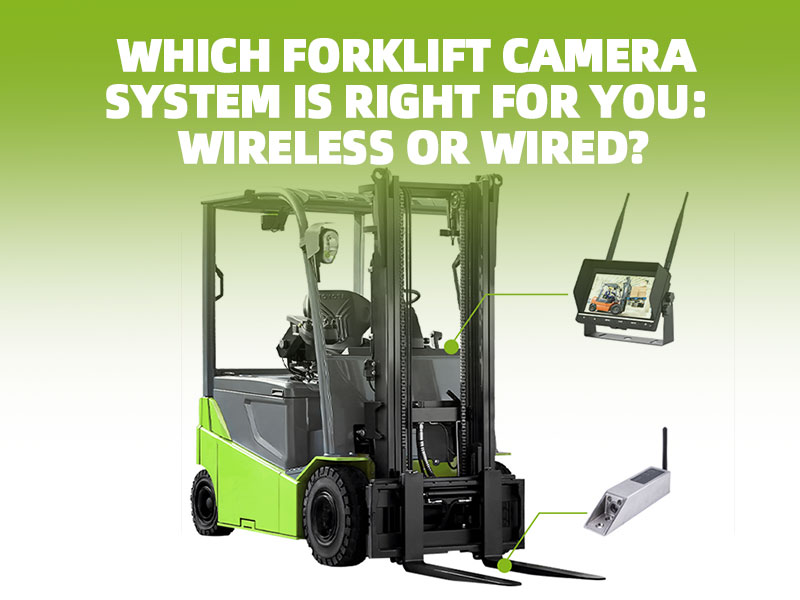
In today’s logistics and warehousing sector, the forklift camera system has become a crucial tool for enhancing safety and operational efficiency. However, businesses often face a critical decision when choosing a forklift camera system: whether to opt for a wireless forklift camera system or a wired forklift camera system. The following will provide an in-depth comparison of these two systems, exploring their advantages and disadvantages, as well as their applicability in different scenarios.

Which Forklift Camera System is Right for You: Wireless or Wired?插图

Wired forklift camera system

Wireless forklift camera systems offer a range of advantages, with one of them being a high level of flexibility. Due to the absence of wiring constraints, businesses can install and adjust camera positions more freely, accommodating various work scenarios. This flexibility is particularly crucial in dynamic environments where frequent camera movement is required. Additionally, the installation of wireless systems is relatively straightforward, reducing maintenance costs.

However, wireless systems also come with some drawbacks. The stability of the signal may be influenced by external interference, leading to less stable video feeds. Additionally, some wireless systems may require more frequent battery replacements, potentially increasing operational costs.

Wired forklift camera system

Relatively speaking, wired forklift camera systems provide a more stable signal. Due to their wired connections, these systems are less susceptible to external interference, ensuring continuous and reliable monitoring. Additionally, wired systems typically do not require frequent battery replacements, as they are often powered by a stable electrical source.
However, wired systems tend to be more cumbersome in terms of installation, requiring wiring that may involve additional engineering adjustments. This could pose some inconvenience, particularly in scenarios where frequent camera movement or working within narrow spaces is necessary.

How to choose between wireless and wired camera systems

When choosing between wireless and wired forklift camera systems, businesses should balance their decision based on practical needs. For scenarios requiring frequent movement and higher flexibility, wireless camera systems may be more suitable. Conversely, for fixed and long-term monitoring situations, wired camera systems may offer greater reliability.

Additionally, cost is a significant consideration. Wireless systems typically have lower installation and maintenance costs, but it’s crucial to account for potential additional expenses related to battery replacements. Wired systems involve a higher initial investment but may prove more economical over the long term.

Future trends

The continuous advancement of technology has brought improvements to both wireless and wired systems. Wireless technology is evolving, leading to enhanced signal stability and interference resistance. Meanwhile, wired systems are also innovating, incorporating more convenient wiring techniques.

In the future, as technology progresses, the differences between these two systems will gradually diminish. Therefore, when making decisions, businesses should consider various factors comprehensively to ensure that the chosen system can best meet their needs. Whether wireless or wired, both should serve as powerful tools to enhance efficiency and safety.

Kesimpulan

Forklift camera systems play a crucial role in enhancing the safety and efficiency of forklift operations. They eliminate blind spots, monitor potential hazards in real-time, provide operational feedback, and offer innovative solutions for industrial and warehouse safety management. As technology advances, these systems will continue to bolster industrial safety, ensuring the well-being of operators and those in the vicinity.

Luview is a Chinese supplier of forklift camera system solutions, providing reliable solutions to enhance the safety and efficiency of forklift operations. Contact us to learn more at sales@luview.com. Choose Luview and let safety and efficiency go hand in hand! Don’t let negligence lead to accidents. Partner with us to create a safer and more efficient working environment!

How do forklift cameras enhance safety缩略图

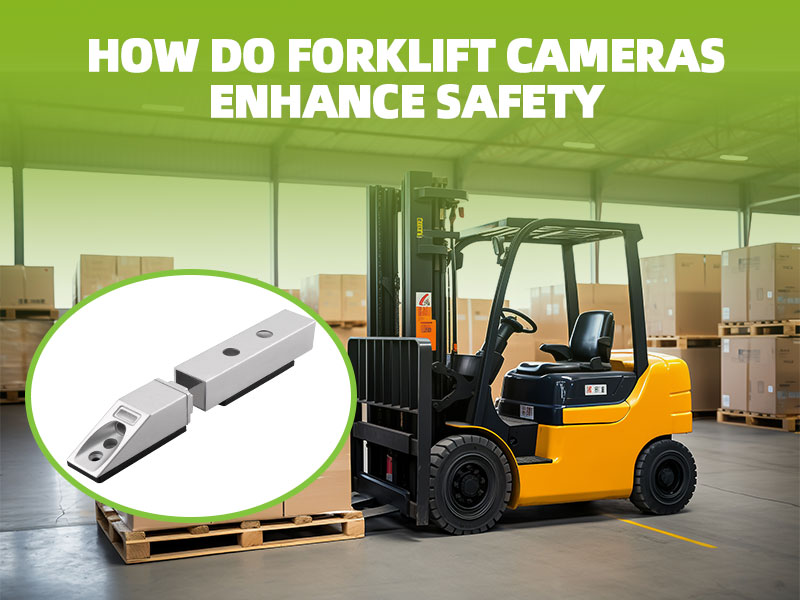
How do forklift cameras enhance safety

In the industrial and warehousing sectors, forklifts serve as indispensable tools, providing crucial support for production and logistics. However, the safety hazards inherent in their operation—such as limited visibility, blind spots, and operator negligence—cannot be overlooked. To address these safety challenges, forklift cameras have emerged as an innovative solution to enhance the safety of forklift operations. In this article, we will delve into forklift cameras, specifically focusing on how they play a pivotal role in improving safety, offering a fresh perspective, and presenting solutions for safety management in industrial and warehouse settings.

How do forklift cameras enhance safety插图

Safety challenges in forklift operations

Despite the invaluable role forklifts play in improving efficiency, their operational process entails a series of potential safety risks. The limited visibility of forklift operators, especially in busy work environments where blind spots are prevalent, poses a significant challenge. Additionally, the possibility of operational errors due to factors such as fatigue or distraction further increases the likelihood of collisions and accidents.

Innovative solution of forklift cameras

With the rapid advancement of technology, the introduction of forklift cameras has provided an innovative solution to address the aforementioned safety challenges. Among these solutions, the application of forklift cameras stands out as a crucial one. By installing high-quality cameras on forklifts, these cameras can monitor the surrounding environment in real time, providing high-definition images and video information. This enables operators to gain a more comprehensive and clear view.

The crucial role of forklift lights and cameras

Eliminating blind spots: Forklift cameras play a crucial role in covering blind spots, especially during essential operations such as turning, reversing, as well as when handling goods. They timely detect potential obstacles or pedestrians, thereby reducing the risk of collisions and close encounters.

Real-time monitoring and warning: Forklift camera systems are equipped with intelligent alert systems. Upon detecting hazardous factors, they instantly alert operators through visual and auditory warnings, assisting them in promptly responding to avoid potential accidents.

Enhancing operator abilities and skills

Forklift cameras play a crucial role not only in accident prevention but also in providing real-time operational feedback to operators. Through clear images and visual feedback, operators can accurately grasp the position and posture of the forklift, effectively reducing the occurrence of operational errors. This real-time feedback system can also be used for training and assessing the performance of operators, offering them more targeted guidance to continually enhance their operational skill levels.

LUVIEW forklift cameras and application in safety

The LUVIEW forklift camera, with its advanced technology and multiple functional features, provides a new level of safety for forklift operations. Utilizing a high-resolution 1/3 CMOS sensor, it supports analog high-definition video at 700TVL, effectively eliminating blind spots for operators. Its IP69K-rated waterproof and dustproof design ensures the stable operation of the camera in harsh environments. The camera supports mirror and ruler switching functions, allowing operators to adjust the image mode as needed and accurately assess distances and object sizes.

Additionally, the design takes into consideration tailpipe and magnet installations, ensuring the camera is securely fixed to the forklift, providing a consistently reliable field of view. The integration of these features plays a crucial role in enhancing operator safety, reducing the risk of accidents, and improving overall work efficiency. The LUVIEW forklift camera serves as an innovative solution for safety management in the industrial and warehouse sectors.

Kesimpulan

Overall, forklift cameras play a crucial role in enhancing the safety and efficiency of forklift operations. Through the elimination of blind spots, real-time monitoring of potential hazards, and providing operational feedback, they bring forth innovative solutions for safety management in the industrial and warehouse sectors. With continuous technological advancements, forklift camera systems will continue to drive improvements in industrial safety, offering comprehensive support for the safety of operators and those in the surrounding environment.

LUVIEW is a professional forklift camera provider from China. If you’re seeking a trustworthy solution to enhance the safety and efficiency of forklift operations, unquestionably, we are your ideal choice. Feel free to contact us immediately to learn more details at: sales@luview.com. Choose LUVIEW and let safety and efficiency move forward hand in hand! Don’t let negligence become the catalyst for accidents. Partner with us to create a safer and more efficient work environment together!

How do work lamp cameras improve agricultural monitoring?缩略图

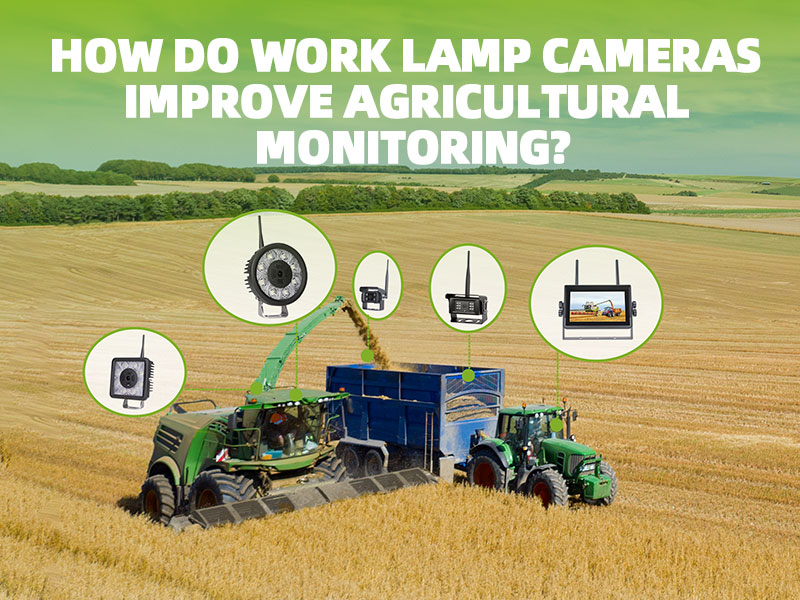
How do work lamp cameras improve agricultural monitoring?

Pengantar

The importance of agricultural monitoring

Agriculture is a crucial component of human life. With the continuous growth of the global population, the demand for food is on the rise. Consequently, agricultural monitoring has become a key factor in ensuring food production security and agricultural sustainability. In the past, traditional monitoring methods were often constrained by limitations in time, space, and technological conditions, failing to offer round-the-clock effective surveillance.

Innovative applications of work lamp cameras in agricultural monitoring

As an innovative solution in modern agricultural surveillance, work lamp cameras offer farmers and landowners an efficient and comprehensive means of monitoring. These devices integrate lighting and camera functionalities, providing not only powerful illumination but also the capability to capture high-definition real-time video, enabling farmers to monitor every corner of their farms around the clock.

These work lamp cameras employ advanced technologies, including high-definition cameras, night vision capabilities, and intelligent monitoring systems, allowing them to deliver clear images and videos in low-light or dark environments. Additionally, they often feature waterproof and durable characteristics, making them adaptable to various adverse weather and environmental conditions.

The intelligent features of these devices, such as motion detection, remote monitoring, and real-time data transmission, empower farmers to quickly respond and take necessary measures. This aids in improving production efficiency, protecting crops, preventing theft, and promoting sustainable agricultural practices.

As an innovative solution in agricultural monitoring, work lamp cameras bring new hope to the agricultural sector and play a crucial role in modern agricultural management.

Advantages of work lamp cameras in agricultural monitoring

1. Real-time monitoring capability

  • 24/7 Surveillance

Work lamp cameras offer round-the-clock monitoring capabilities, free from time constraints, enabling farmers to view their farms’ real-time status at any given moment.

  • Advantages of nighttime monitoring

These cameras are equipped with night vision capabilities, providing high-definition images and videos even in low-light conditions. The ability for nighttime monitoring brings convenience and reliability to farmers, allowing them to monitor their farms during the dark hours.

2. Enhanced Farm Security

  • Prevention of theft and vandalism

Work lamp cameras can monitor every corner of the farm, promptly detecting any potential theft or vandalism, thereby providing a preventive measure and a deterrent effect.

  • Real-time event response

When abnormal situations occur, the cameras can immediately trigger alerts and provide real-time video, enabling farmers to take swift action and minimize potential losses.

3. Crop health monitoring

  • Precision data collection

These cameras can not only capture images but also collect data on crop growth conditions, soil moisture, temperature, and more, assisting farmers in making precise decisions.

  • Prevention of disease and pest spread

Through continuous monitoring of crops, work lamp cameras can assist farmers in early detection of plant diseases or pest infestations, enabling them to implement appropriate control measures and prevent further spread.

How do work lamp cameras improve agricultural monitoring?插图

Luview work lamp camera

The Luview work lamp camera features a 1/2.9 CMOS sensor supporting 720P high-definition video and 2.4GHz digital wireless transmission technology. It provides clear and detailed monitoring footage, covering a spacious distance of up to 140 meters. With its white LED full-color night vision function, it can deliver clear images even in dark environments. The camera is equipped with IP69K-level waterproof and dustproof protection, a wide voltage design (12V-24V), and an optional magnetic installation design, enhancing adaptability and convenience. These features make it an ideal choice for agricultural monitoring, meeting the real-time, high-quality, and all-weather monitoring needs of farmers, contributing to the improvement of agricultural management and safety.

Kesimpulan

Agricultural monitoring is of paramount importance, and work lamp cameras bring remarkable advantages to the solution. Their real-time monitoring capabilities, including 24/7 and night monitoring, provide clear footage around the clock. In terms of farm security, they help prevent theft and vandalism, elevating overall safety levels through real-time event response. Regarding crop health monitoring, precise data collection and prevention of disease and pest spread facilitate scientific decision-making, minimizing crop losses. In summary, choosing work lamp cameras is an intelligent decision to enhance agricultural management, ensure safety, and improve production efficiency.

Luview is a leading provider of work lamp cameras in China, offering professional and reliable solutions. If you are looking for the best supplier, feel free to contact us at sales@luview.com for more detailed information. Choosing Luview, and collaborate with us to fulfill your agricultural monitoring needs, playing a role in shaping the future of smart agriculture!

Pentingnya uji semprotan garam untuk kamera kendaraan (thumbnail)

Pentingnya uji semprotan garam untuk kamera kendaraan

The Impact of Salt Spray on Vehicle Cameras

How Does Salt Spray Affect the Functionality and Lifespan of Vehicle Cameras

The impact of salt spray on vehicle cameras is primarily manifested in their functional performance and lifespan. When cameras are exposed to a salt spray environment, various damages may occur, with corrosion being the most significant.

Functional Impact: Salt spray can infiltrate the tiny gaps or cracks in the camera, affecting its internal electronic components and mechanical parts. This may result in various functional impairments, such as reduced image clarity, color distortion, focusing issues, or complete malfunction, rendering it unable to operate normally.

Corrosive Damage: The salt content in salt spray triggers chemical reactions upon contact with metal surfaces, accelerating the corrosion of metal components. This corrosion may harm the camera’s casing, connectors, electronic circuits, and sensors, ultimately affecting its stability and lifespan.

Importance of salt spray testing for vehicle cameras插图

In environments around vehicles, such as coastal areas or roads treated with salt during winter, vehicle cameras are more susceptible to exposure to salt spray. Therefore, conducting salt spray testing is crucial for assessing the durability and performance of cameras. The results of the tests can assist manufacturers in refining designs, selecting more corrosion-resistant materials, and ensuring that vehicle cameras can operate reliably in various challenging environments.

The importance of salt spray testing for vehicle safety and functionality

Cameras in modern vehicles play a crucial role in enhancing vehicle safety and operational functionality. These cameras serve various purposes, including monitoring the surrounding environment, assisting in driving, and providing the driver with a clearer view. Salt spray testing is essential to ensure the reliability of these cameras, thereby further enhancing the overall safety of the vehicle.

From a safety perspective, vehicle cameras play a crucial role in modern vehicles. They are utilized in advanced driver assistance systems, including features such as reverse assistance, lane-keeping assistance, blind-spot monitoring, and more. Additionally, they provide the driver with a clearer environmental perspective, helping reduce the likelihood of accidents and enhancing overall driving safety.

From an operational functionality perspective, cameras play a key role in enhancing vehicle capabilities. They can be utilized for providing navigation assistance, parking assistance, and features related to autonomous driving, making driving more convenient and secure.

Salt spray testing ensures the reliability of vehicle cameras in harsh environments. By simulating the impact of salt spray on the cameras, the testing assesses their durability and corrosion resistance. If cameras fail to function properly in a salt spray environment, their performance may be compromised during actual vehicle use, affecting the overall safety of the vehicle.

Therefore, ensuring that vehicle cameras undergo rigorous salt spray testing to guarantee their reliability is crucial for enhancing the overall safety of the vehicle. Only cameras that have undergone reliable testing can operate stably in various adverse conditions, providing drivers with accurate and clear information, thereby ensuring driving safety and the effectiveness of operational features.

Kesimpulan

In summary, the impact of salt spray testing on vehicle cameras is directly related to the safety and functionality of the vehicle. This critical testing phase ensures that cameras can operate reliably in harsh climates and high-corrosion environments. If you are seeking outstanding solutions for vehicle vision, Luview is a professional provider of vehicle cameras based in China, renowned for its advanced technology and high-quality products. We are committed to delivering the most reliable, durable, and high-performance cameras to ensure the safe operation of vehicles in various conditions.

Luview has consistently adhered to strict standards in ensuring product quality, especially through salt spray testing to validate the durability and stability of cameras. This testing is a crucial part of Luview’s commitment to ensuring exceptional performance in extreme environments, further showcasing our outstanding performance in the industry. Moreover, if you are looking for rear-view cameras or a reliable supplier, Luview is also a wise choice.

Feel free to contact our sales team anytime by sending an email to sales@luview.com for more detailed product information and personalized solutions. Choose Luview to meet your vehicle safety and visual needs!

How do you choose a motorcycle dash cam?缩略图

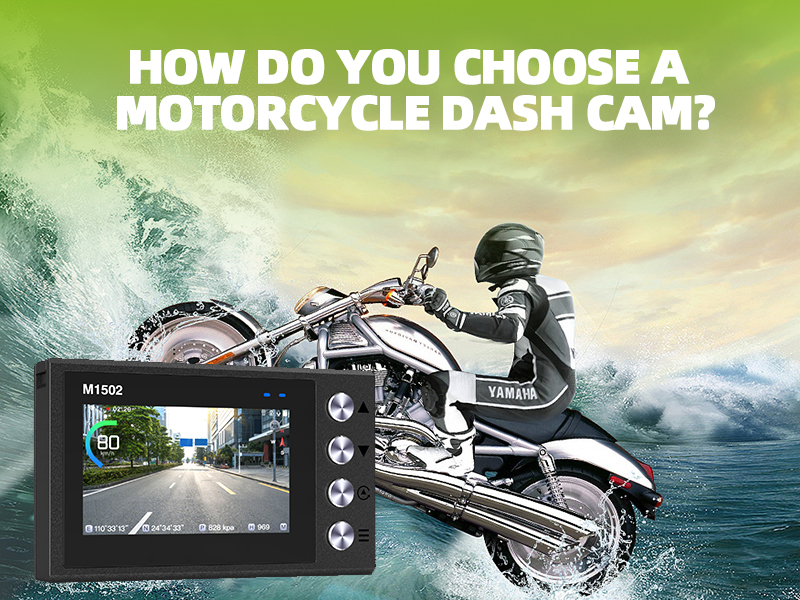
Bagaimana cara memilih kamera dasbor motor?

Memilih kamera dasbor motor yang tahan air merupakan keputusan penting, terutama bagi pengendara yang ingin mendokumentasikan perjalanan mereka dan melindungi peralatan mereka. Dalam artikel ini, kita akan membahas faktor-faktor kunci saat memilih kamera dasbor motor yang tahan air, dengan menekankan pentingnya menyesuaikan pilihan berdasarkan kondisi cuaca yang diharapkan di wilayah tertentu. Kami juga akan memberikan tips perawatan untuk memastikan kinerja tahan air jangka panjang kamera dasbor motor, menyoroti pentingnya memilih perangkat yang benar-benar tahan air bagi pengendara. Artikel ini akan membahas kesalahan umum yang harus dihindari saat menggunakan peralatan tahan air dan kebutuhan uji coba praktis untuk memverifikasi kinerja tahan air. Seiring kita mengeksplorasi isu-isu kunci ini, pengendara akan mendapatkan pemahaman yang lebih baik tentang cara memilih, menggunakan, dan merawat kamera dasbor motor mereka dalam tantangan air.

How do you choose a motorcycle dash cam?插图

Faktor-faktor yang perlu dipertimbangkan saat memilih dash cam tahan air

Saat memilih kamera dasbor tahan air, faktor-faktor berikut ini sangat penting:

1. Kondisi Cuaca yang Diperkirakan di Wilayah Anda

Pengendara disarankan untuk memilih tingkat ketahanan air yang sesuai berdasarkan karakteristik cuaca di wilayah mereka. Jika wilayah tersebut sering mengalami hujan atau kabut, dash cam dengan tingkat ketahanan air yang lebih tinggi (seperti IPX7 atau IPX8) akan menjadi pilihan yang lebih baik. Sebaliknya, jika lingkungan berkendara umumnya kering, tingkat ketahanan air yang lebih rendah (seperti IPX4 atau IPX5) mungkin sudah cukup.

2. Perbandingan Tingkat Ketahanan Air yang Berbeda

Peringkat ketahanan air berkisar dari IPX0 hingga IPX8, dengan angka yang lebih tinggi menunjukkan perlindungan yang lebih kuat terhadap air. Penting untuk dicatat bahwa tingkat ketahanan air yang lebih tinggi biasanya berarti biaya yang lebih tinggi. Oleh karena itu, pengendara perlu menyeimbangkan tingkat ketahanan air dengan harga untuk menemukan perangkat terbaik yang sesuai dengan kebutuhan dan anggaran mereka. Misalnya, peringkat IPX6 dapat menahan semburan air yang kuat, sehingga cocok untuk berkendara dalam hujan deras, sementara perangkat dengan peringkat IPX7 dan IPX8 dapat terus beroperasi saat sepenuhnya terendam air, ideal untuk pengendara yang sering menghadapi cuaca ekstrem atau lingkungan berair.

3. Posisi Pemasangan dan Penggunaan

Lokasi pemasangan dash cam dapat memengaruhi sejauh mana dash cam tersebut terpapar air. Misalnya, dash cam yang dipasang di bagian bawah motor mungkin memerlukan tingkat ketahanan air yang lebih tinggi karena lebih rentan terkena air dan kotoran dari jalan. Selain itu, jika pengendara berencana menggunakan dash cam dalam berbagai kondisi cuaca, seperti berkendara di kota hingga petualangan off-road, memilih dash cam dengan tingkat ketahanan air yang lebih tinggi akan lebih bijaksana.

Tips Perawatan untuk Kamera Dashboard Motor yang Tahan Air

Bahkan kamera dasbor motor tahan air dengan peringkat tertinggi pun memerlukan perawatan yang tepat untuk memastikan kemampuan tahan airnya tetap optimal dalam jangka panjang. Berikut beberapa tips terbaik:

1. Pemeriksaan Rutin

Periksa secara berkala segel O-ring dan casing kamera dasbor untuk memastikan tidak ada kerusakan. Retakan atau keausan dapat menyebabkan air masuk.

2. Rekomendasi Pembersihan

Bersihkan casing dash cam dengan kain lembab yang sedikit basah, hindari penggunaan bahan pembersih korosif yang dapat merusak segel. Pastikan tangan Anda dan permukaan dash cam benar-benar kering sebelum menyentuh antarmuka elektronik apa pun.

3. Tutup Pelabuhan

Jika dash cam memiliki port eksternal, seperti slot USB atau input daya, gunakan penutup tahan air atau selotip untuk memastikan port tersebut tetap tertutup rapat saat tidak digunakan.

4. Hindari paparan yang berkepanjangan

Meskipun kamera dasbor tahan air berkualitas tinggi dirancang untuk tahan air, menghindari paparan air yang berkepanjangan, terutama saat tidak digunakan, dapat memperpanjang umur pakainya.

5. Saran Penyimpanan

Saat tidak digunakan, simpan dash cam di tempat yang kering dan sejuk, jauh dari suhu ekstrem dan kelembapan tinggi, yang dapat merusak komponen elektronik.

6. Penghindaran Bahan Kimia

Jauhkan dash cam dari pelarut, deterjen, atau bahan kimia lain yang dapat merusak bahan casing dan lapisan kedap airnya.

7. Ikuti Petunjuk Penggunaan

Selalu baca dan ikuti panduan operasi dan pemeliharaan yang disediakan oleh pabrikan sebelum menggunakan dash cam, karena model yang berbeda mungkin memiliki persyaratan pemeliharaan yang spesifik.

Perbandingan Kamera Dashboard Motor yang Tahan Air dan Tahan Air

“Tahan air” dan “Tahan cipratan air” adalah dua istilah yang seringkali mudah tertukar, namun memahami perbedaannya sangat penting saat memilih kamera dasbor motor:

Tahan airPerangkat tahan air mampu menahan penetrasi air dan umumnya dapat direndam di bawah tekanan air tertentu tanpa menyerap air. Produk tahan air sering dilengkapi dengan peringkat IP (Ingress Protection) tertentu, seperti IP67 atau IP68, yang menunjukkan bahwa produk tersebut dapat bertahan di bawah air pada kedalaman tertentu selama jangka waktu tertentu tanpa mengalami kerusakan.

Tahan airPerangkat tahan air dapat menahan masuknya air hingga batas tertentu, tetapi tidak dapat bertahan jika terendam sepenuhnya. Perangkat tahan air mungkin memiliki peringkat IPX4 atau IPX6, yang berarti dapat menahan percikan air atau semburan air, tetapi dapat mengalami kerusakan jika terendam sepenuhnya.

Bagi pengendara motor, memilih dashcam yang benar-benar tahan air sangat penting karena motor, terutama dalam kondisi cuaca buruk atau off-road, rentan terhadap paparan air yang signifikan. Dashcam tahan air memberikan perlindungan menyeluruh, memastikan fungsinya tetap optimal bahkan dalam hujan deras, sehingga momen-momen penting tidak hilang. Dashcam tahan air dirancang dengan fokus pada ketahanan dan kedap air, menjadikannya lebih andal untuk penggunaan jangka panjang.

Kesalahan Umum yang Dapat Dihindari

Saat menggunakan kamera dasbor motor yang tahan air, pengendara mungkin melakukan beberapa kesalahan umum yang dapat mengganggu kinerja tahan air perangkat atau menyebabkan kerusakan:

  • Pemasangan yang Salah
Pemasangan yang tidak benar dapat merusak segel kedap air dasbor kamera, yang dapat menyebabkan masuknya air. Penting untuk mengikuti petunjuk pemasangan dari pabrikan dengan ketat, memastikan bahwa semua segel terpasang dengan benar.
Mengabaikan Pemeriksaan Rutin: Pengendara mungkin mengabaikan pemeriksaan rutin pada segel dan bagian luar dashcam untuk kerusakan, yang dapat melemahkan kemampuan tahan airnya. Memeriksa secara rutin segel dan casing perangkat serta mengganti komponen yang rusak dengan segera sangat penting.
  • Penggunaan Bahan Pembersih Korosif

Penggunaan pembersih yang kuat atau korosif dapat merusak casing dan segel dashcam. Sebaiknya pilih pembersih yang lembut, dan lap dashcam dengan lembut menggunakan kain bersih.

  • Paparan terhadap Suhu Ekstrem

Paparan yang berkepanjangan terhadap suhu ekstrem tinggi atau rendah dapat merusak komponen elektronik atau bahan penyegelan dashcam. Disarankan untuk menghindari penggunaan atau penyimpanan dashcam di lingkungan yang sangat panas atau dingin.

  • Mengabaikan Pelapisan Anti Air pada Antarmuka

Meskipun menggunakan dashcam tahan air, antarmuka eksternal seperti slot USB atau port pengisian daya mungkin tidak tahan air saat terpapar air. Penting untuk menjaga antarmuka ini tetap tertutup rapat saat tidak digunakan.

Membuka Casing Sebelum Benar-Benar Kering: Membuka casing dashcam atau komponennya sebelum benar-benar kering dapat memungkinkan kelembapan masuk. Sebelum membuka dashcam, pastikan bahwa dashcam tersebut benar-benar kering.

Untuk menghindari kesalahan-kesalahan umum ini, pengendara sebaiknya:

① Bacalah dengan cermat dan patuhi petunjuk pemasangan dan pemeliharaan.

②Lakukan inspeksi dan pemeliharaan secara rutin.

③Gunakan metode dan bahan pembersih yang sesuai.

④Perhatikan lingkungan penyimpanan dan penggunaan perangkat.

Dengan mengikuti praktik-praktik ini, risiko kerusakan perangkat dapat berkurang secara signifikan, memastikan kinerja tahan air dashcam tetap terjaga, dan dengan demikian memperpanjang umur pakai peralatan.

Kesimpulan

Saat memilih kamera dasbor motor, mempertimbangkan faktor-faktor seperti kinerja tahan air, kebutuhan perawatan, membandingkan fitur tahan air dan tahan cipratan air, serta menghindari kesalahan umum sangat penting untuk memastikan kinerja perangkat yang stabil. Jika Anda mencari pemasok yang andal, Luview, penyedia terkemuka dari China, spesialis dalam menyediakan kamera dasbor motor berkualitas tinggi. Produk mereka unggul dalam kemampuan tahan air, resolusi video, dan fitur lainnya. Segera bertindak dan hubungi melalui sales@luview.com Untuk informasi lebih lanjut.