
Sistemi wireless per telecamere di backup: Dalla trasmissione del segnale alla stabilità dell'immagine
Man mano che gli ambienti operativi dei veicoli diventano più complessi, i sistemi wireless delle telecamere di backup vengono valutati sempre più spesso non solo in base alla convenienza, ma anche all'affidabilità della trasmissione dei segnali e alla stabilità delle immagini. Nel nostro lavoro quotidiano con i clienti commerciali e industriali, ci concentriamo sulle prestazioni delle architetture delle telecamere wireless in presenza di vibrazioni, variazioni di distanza e interferenze elettromagnetiche. Per gli operatori esperti di flotte e per i produttori di apparecchiature, una telecamera ben progettata è un'ottima soluzione. sistema di telecamere ip wireless non è un semplice sostituto delle soluzioni cablate, ma uno strumento attentamente progettato per bilanciare la flessibilità dell'installazione con un feedback visivo coerente durante la retromarcia e le manovre.
Capire la trasmissione del segnale wireless nelle applicazioni di backup
I sistemi di telecamere di backup wireless si basano su una trasmissione radio stabile tra la telecamera e il monitor. Nelle applicazioni pratiche sui veicoli, le prestazioni del segnale sono influenzate dalla distanza di trasmissione, dal design dell'antenna e dalle strutture metalliche circostanti. Osserviamo che la trasmissione wireless digitale offre un controllo della latenza più prevedibile rispetto alle alternative analogiche, il che è particolarmente importante per le macchine agricole, i camion e i veicoli specializzati. Quando si distribuisce un Kit telecamera posteriore wireless, L'attenzione deve essere rivolta alla stabilità del canale e alla resistenza alle interferenze dei sistemi elettrici di bordo. Dal nostro punto di vista, la progettazione del segnale deve essere in linea con l'ambiente operativo piuttosto che perseguire una complessità non necessaria.
Stabilità dell'immagine in condizioni operative reali
La stabilità dell'immagine è una seconda considerazione fondamentale una volta stabilita la trasmissione del segnale. Negli scenari off-road e industriali, le vibrazioni, la polvere e le condizioni di luce variabili possono influire direttamente sulla coerenza delle immagini. Progettiamo i nostri sistemi di telecamere prestando attenzione alle prestazioni in condizioni di scarsa illuminazione, all'elaborazione controllata delle immagini e alla stabilità dei fotogrammi, assicurando che gli operatori ricevano un riferimento visivo continuo anziché immagini intermittenti. A Luview, La nostra esperienza con i prodotti di visione per veicoli ci permette di allineare il design dell'alloggiamento della telecamera, la capacità di visione notturna e la risposta del monitor con l'uso reale, piuttosto che con le ipotesi di laboratorio.
Applicazione del prodotto nelle macchine agricole
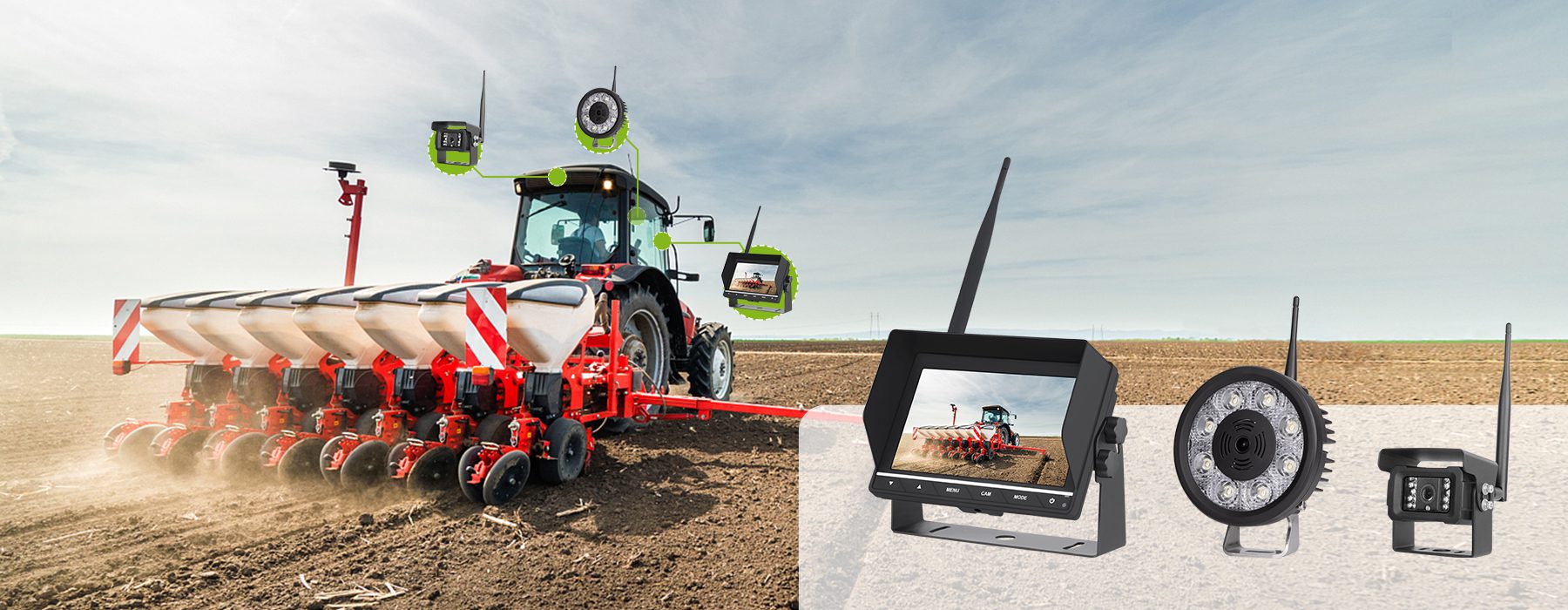
Un esempio rappresentativo è il nostro sistema di telecamere wireless per la visione notturna AHD da 7 pollici con luce di lavoro integrata, sviluppato per applicazioni su macchine agricole. Questo sistema combina un modulo di trasmissione wireless con una telecamera AHD e un monitor dedicato, consentendo agli operatori di migliorare la visibilità posteriore durante le operazioni sul campo e in condizioni di scarsa illuminazione. La luce di lavoro integrata supporta la consapevolezza operativa durante le operazioni di retromarcia o di allineamento, mentre la struttura wireless semplifica l'installazione su attrezzature di grandi dimensioni dove il cablaggio non è pratico. Il nostro approccio sottolinea la compatibilità con gli ambienti esterni più difficili, allineando la configurazione del sistema alle esigenze degli operatori professionali.
Conclusioni: Bilanciare l'affidabilità della trasmissione e la coerenza visiva
Nei sistemi wireless con telecamera di backup, le prestazioni efficaci derivano dall'equilibrio tra affidabilità della trasmissione del segnale e stabilità dell'immagine nel tempo. Dall'architettura della trasmissione al controllo dell'immagine, ogni componente influisce sulla sicurezza con cui gli operatori possono contare sull'assistenza visiva. Il nostro lavoro si concentra sullo sviluppo di sistemi che si integrino senza problemi nei veicoli commerciali e industriali, supportando l'uso professionale senza inutili complessità. Allineando la progettazione della trasmissione wireless con i requisiti di stabilità dell'immagine, contribuiamo a garantire che i sistemi di telecamere di backup rimangano strumenti pratici nelle operazioni quotidiane piuttosto che accessori opzionali.