Cos'è la telecamera AHD e i suoi vantaggi

Cos'è una telecamera AHD e quali sono i suoi vantaggi?

AHD è l'acronimo di Analog High Definition, quindi una telecamera AHD è una telecamera analogica ad alta definizione, il segnale di trasmissione è il segnale analogico ad alta definizione. Parlando di alta definizione, in breve, di solito chiamiamo alta definizione i video con una risoluzione fisica superiore a 720p, indicati con l'acronimo HD.

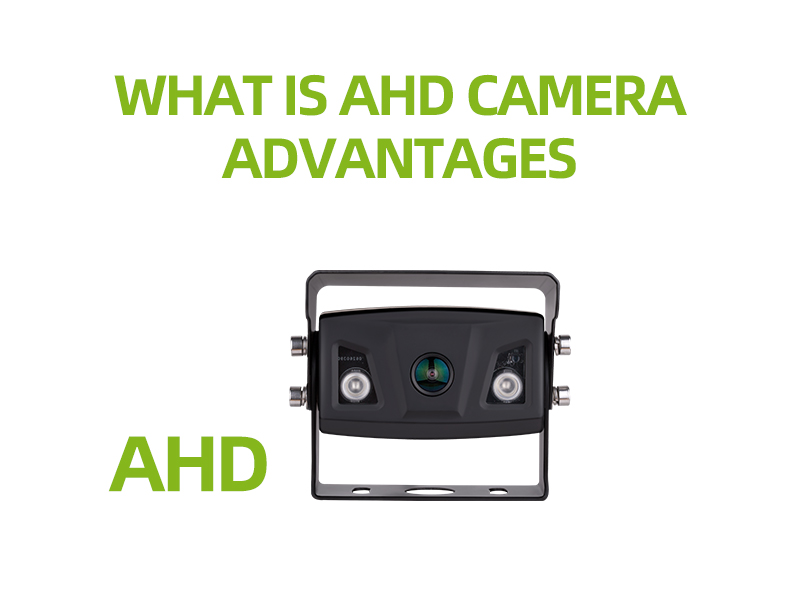
What is AHD camera and its advantages ?插图

La tecnologia AHD consente la trasmissione affidabile di segnali video ad alta definizione su lunghe distanze (500 metri) sulla linea di trasmissione analogica esistente. Adotta una tecnologia avanzata di separazione del segnale Y/C e di filtraggio simulato, in grado di ridurre efficacemente il rumore cromatico nell'area ad alta frequenza, con una migliore riducibilità dell'immagine. Rispetto ai tradizionali prodotti ad alta definizione, la qualità delle immagini delle telecamere AHD ha fatto un salto di qualità e un aggiornamento, con la massima nitidezza equivalente al livello HD 1080 full network.

Telecamera AHD caratteristiche e vantaggi:

  • più nitida: separazione avanzata dei colori brillanti, filtraggio del segnale, tecnologia di riduzione del rumore 3D, maggiore nitidezza dell'immagine, migliore riducibilità dell'immagine; ;
  • distanza di trasmissione: utilizzare una trasmissione coassiale, una linea ordinaria 75-5 può trasmettere fino a 500 metri;
  • zero delay: dati acquisiti trasmessi al monitor senza codifica, in tempo reale e con alta fedeltà;
  • compatibile: compatibile con D1/960H standard, compatibile con periferiche analogiche (inclusi distributore, matrice, ecc.);
  • facile da usare: supporta la progettazione del menu OSD, impostabile a piacere;
  • economico: prezzo normale per un prodotto di alta qualità;
  • alta integrazione: prezzo del chip front-end AHD per prodotti di alta qualità;
  • standard aperti: standard aperti a terzi, compatibili con i prodotti AHD di altri produttori, accelerano lo sviluppo del mercato.

La telecamera AHD segue il metodo di simulazione della trasmissione a definizione standard, che può ridurre la complessità di costruzione e implementazione, ridurre il costo dei materiali ausiliari e mantenere la complessità e i requisiti tecnici del personale addetto alla costruzione. È estremamente adatta per l'aggiornamento del vecchio sistema, è possibile passare facilmente dalla definizione standard all'alta definizione senza modificare il sistema originale. Inoltre, la qualità dell'alta definizione con il prezzo della definizione standard, rende la telecamera AHD molto versatile sia nel mercato civile che in quello industriale (come le telecamere AHD per auto).

How to choose suitable car reverse camera

Come scegliere la telecamera di retromarcia per auto adatta?

There are two types of reverse car camera: wired reverse camera and wireless reverse camera, wired reverse camera is simple and reliable, but need wiring inside the car or other vehicle; wireless  reverse camera does not need wiring along the interior of car or vehicle,  so it is easy to install, but you need additional wireless receiver . However, current wireless receiver receiving effect is still not very ideal, so most reversing cameras in the market are still wired reverse camera. You can choose wired reverse camera from the following aspects :

How to choose suitable car reverse camera ?插图

Camera Chip

Camera chip is the most important part in reversing camera , they can be divided into CCD and CMOS two kinds. CMOS is mainly used in low image quality products,  its advantages are manufacturing costs and power consumption is lower than the CCD, the disadvantage is the CMOS camera has high requirements for the light source;  CCD chip is mainly used in photography, camera , some high-end technical components also comes with a video capture card.  CCD and CMOS in the technical and performance gap is large, in general, CCD effect is better, but the price is more expensive.

Risoluzione

Resolution is one of the important indicators when choosing reverse cameras. In general, high-definition reverse camera, its image quality will be better, reverse camera resolution above 420 line has become a mainstream in reversing camera products,  380 lines reverse camera, if debugging properly, can still be a good choice. However, according to different camera chip level, different components, including different technicians’ debugging level , the same chip or the same level reverse camera product output quality may be different; on the contrary, high-definition reverse camera products night vision effect will be reduced.

Night vision

Night vision effect related with reverse camera resolution, higher resolution car reversing camera night vision effect will not be very good, this is because the chip itself, but good quality reverse cameras should have night vision function, and will not affect the image output effect; although the color may be worse, but clearly should not a problem. Car reverse camera with built in infrared light night vision effect will be more clearly visible.

Impermeabile

Reversing camera products are basically equipped with waterproof function.
Summary: choose the right reverse camera from the camera aspects per your requirements, the most important thing is to check and  compare the actual image affect.

Is buying and using dashboard camera legal in Germany

L'acquisto e l'utilizzo di una telecamera da cruscotto è legale in Germania?

We may have heard of a story before: a driver was taken to court for using a dashcam – Basically, he’d been driving around with his dashcam switched on, and anytime he saw anybody breaking the law, he would report them to the police. The authorities wanted him to stop, why? Because the court felt that it basically amounted to vigilantism , Also, there was an issue of privacy: German privacy laws mean that normally, you can’t just film people without their knowledge.

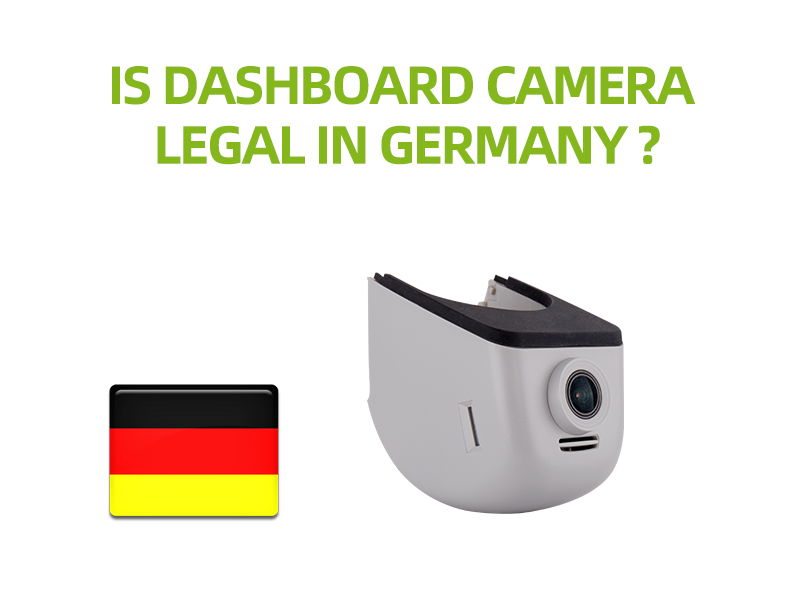
Is buying and using dashboard camera legal in Germany ?插图

So many people feel that buying and using telecamera da cruscotto is illegal in Germany , actually it is not. Germany government never ban the dashboard camera at all, however , dashboard camera is regarded as surveillance camera, you should use it without against privacy law, which means:

You have to unmask / blur a person if he asks you for it and the person is not a public person ( like popular star, big CEO etc ) .

You can take pictures of public events and publish them, but if you focus on a person you have to ask for permission to publish the picture. They just can protest and you just have to react, but that not illegal.

You can using dashboard camera to protect your own safety, properties when pedestrians, cyclists and other drivers do stupid things.

So actually in current years, every car owner should install a dashboard camera in his own vehicle, we hope these captured video won’t have to submitted to court for responsibility identification. But once needed, they can protect us.

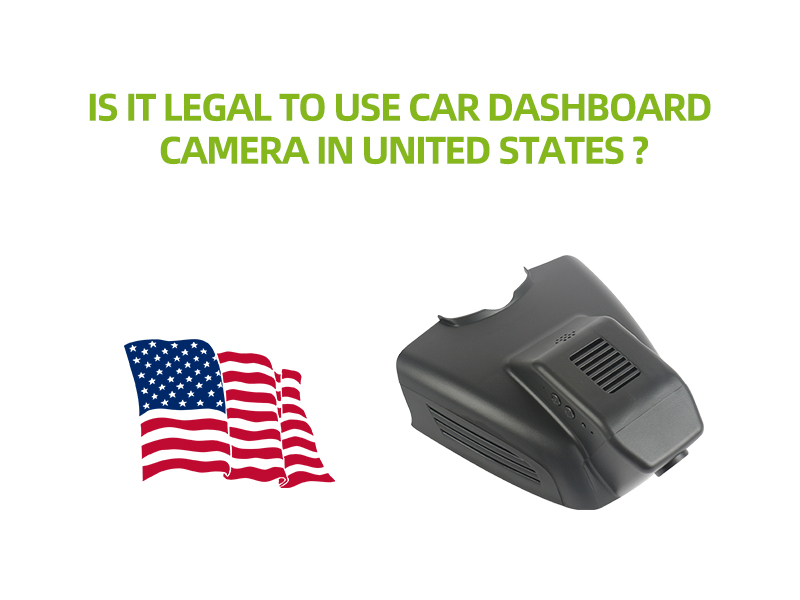
È legale utilizzare una telecamera sul cruscotto dell'auto negli Stati Uniti?

È legale utilizzare una dash cam negli Stati Uniti?

It is 100% legal to install a dashboard camera for your car, truck and other kind of vehicles, and legal to capture videos around the vehicles.

Is it legal to use car dashboard camera in United States ?插图

But sharing those captured videos (which have human faces, other people’s car license plates etc ) to friend or social network such as Youtube, facebook still haven’t got a confident answer on the legality, since these videos may violate other people’s privacy. So we strongly recommend to use the dashboard camera as a backup usage,  so it can be helpful for Police and Insurance company to identify responsibilities in a traffic accident. And if you want to share the beauty captured during your trip with your friends, better add some mask on the human faces and others’ car license plate.

Luview is willing to provide high quality customized dashboard camera for Mercedes Benz, BMW, Audi, GM, Ford, Cadillac and other vehicles. If you are looking for a reliable dashboard camera supplier /factory in China with competitive price, then you are come to the right place. Please contact us by email: sales@luview.com ,  you will be served shortly.

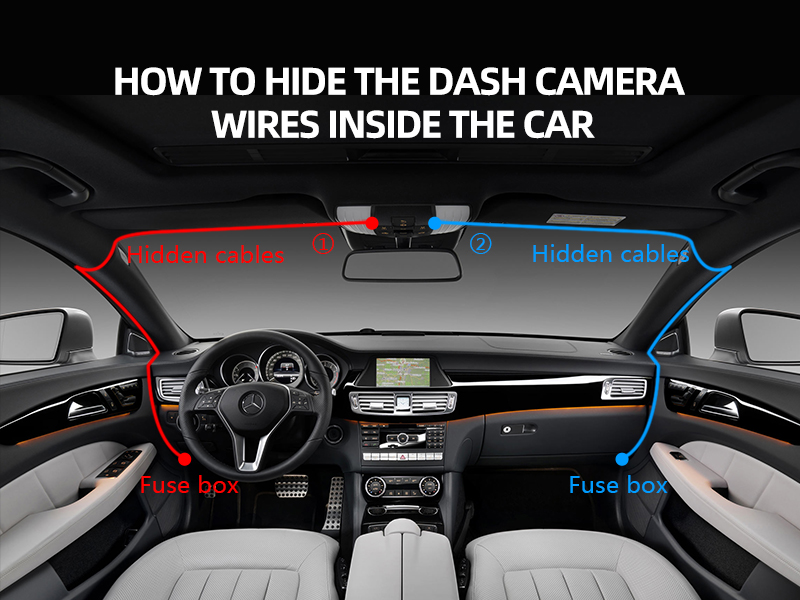
Come nascondere i cavi della dash cam all'interno dell'auto o di altri veicoli

Come nascondere i cavi della dash cam all'interno dell'auto o di altri veicoli?

How to hide the dash camera wires inside the car or other vehicles ?插图

Oggi, siamo lieti di scrivere un post su come nascondere il telecamera da cruscotto I fili si inseriscono negli angoli e nelle fessure lungo il perimetro dello spazio interno del veicolo; ora ci sono molti punti in cui è possibile nascondere un filo, e ne esamineremo alcuni per organizzare i fili in modo semplice; idealmente dovrete usare delle clip per fili, di solito incluse nei kit delle telecamere da cruscotto; la clip per fili ha un adesivo su un lato e sul retro c'è un gancio, potete acquistare queste clip per fili online, sono anche piuttosto economiche, altrimenti potete anche usare dei nastri. Io userò le clip metalliche nelle aree visibili, ma sotto il cruscotto userò invece i nastri.

Schema di cablaggio della telecamera del cruscotto

Far risalire il cavo all'interno dell'headliner e iniziare a rimboccarlo fino a raggiungere il lato, ora far passare il cavo fino a sotto il cruscotto, andare verso il cruscotto centrale e nascondere i cavi in eccesso sul lato, quindi collegarsi, eventuali cavi allentati dovrebbero essere ordinatamente nascosti accanto alla console, il cavo può essere facilmente inserito nell'headliner sui nuovi veicoli, tuttavia è necessario verificare se c'è una copertura dietro la quale nascondere il cavo sui veicoli più vecchi, è possibile fissare il cablaggio agli specchietti, controllare se è chiuso altrimenti tenerlo dritto, non è necessario attaccarlo al finestrino, il rivestimento del capo può essere tirato delicatamente verso il basso e il cavo può essere spinto all'interno per iniziare l'imbottitura, io consiglio di andare verso il lato del passeggero, in quanto un cavo caduto non interferisce con la guida, ma dipende da voi, una volta raggiunta la fine, ho scoperto che far passare il cablaggio all'interno delle guarnizioni o dei rivestimenti laterali è più facile e nasconde maggiormente il cablaggio, iniziate ad esaminare il telaio della portiera per individuare le aree in cui il cavo è saldamente trattenuto e non si dividerà quando la portiera è chiusa, l'alternativa è farlo passare lungo il parabrezza; potreste dover usare del nastro adesivo o una guida per il filo, dato che il rivestimento può essere difficile da premere all'interno.

Schema di cablaggio della telecamera del cruscotto

Una volta raggiunta l'estremità, dovrete riportarla all'esterno e lasciarla cadere accanto al pannello, cercando ancora una volta eventuali aree in cui posizionare il cavo; se non esiste nulla, assicuratevi che il cavo rimanga dritto tirandolo sotto il cruscotto o utilizzando una guida per cavi, in modo da evitare che rimanga impigliato all'interno della portiera, Qualunque sia il metodo scelto, l'obiettivo è quello di raggiungere la parte inferiore del cruscotto, cercando qualsiasi tipo di gancio o area in cui incastrare il cavo; in questo caso, si può impazzire con fascette o nastro adesivo, in quanto non si vedrà; se si è pigri, si può posizionare il tappetino sopra il cavo, assicurandosi che i passeggeri non rimangano impigliati nel cablaggio. Ho già usato questo metodo per un paio di mesi senza danni e senza problemi, una volta che il cavo è accanto al cruscotto, infilate tutti i cavi allentati accanto al sedile e collegate l'estremità, quindi ora avete finito, congratulazioni.

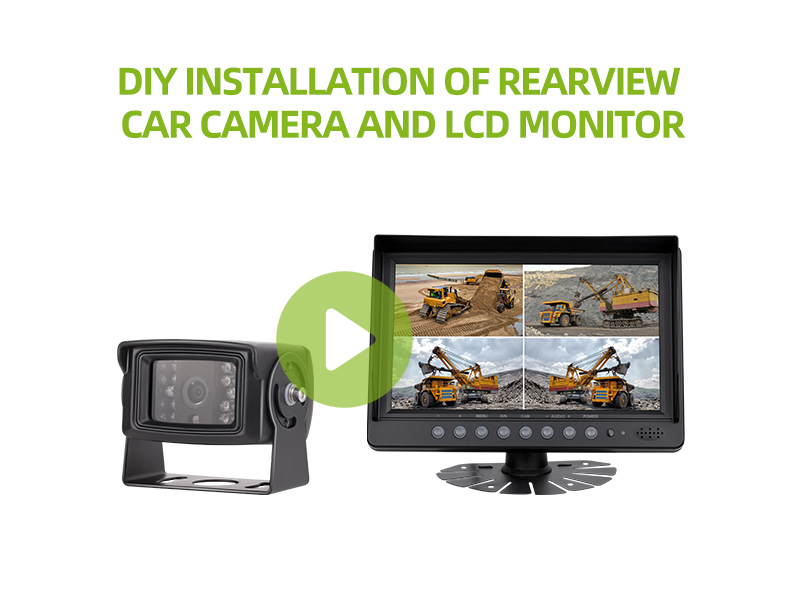
Tutorial su come installare da soli la telecamera posteriore dell'auto e il monitor LCD

Tutorial su come installare da soli la telecamera posteriore dell'auto e il monitor LCD

I was always considering to write a tutorial on how to install the rearview backup camera and lcd display together to user’s own car, as i have seen many consumers prefer to buy rear view backup camera and lcd monitor themselves directly from manufacturer instead of buy from a reseller or an agent,  and then DIY installation themselves, as this will ensure them adopting the best quality cameras and monitors with the lowest budget, at the same time, the satisfaction is a ultimate proud.  However, when i sourcing resources on the internet, i found a DIY video published by Dr. Fuss really perfect, so i decide to share this video to Luview rearview car camera and lcd monitor users ;I have also reorganize the words, so it is more readable for those who have limited access to Youtube. Below is the video and articles, i hope it could helps our user or buyer.

Tutorial on how to DIY installation of rearview car camera and lcd monitor插图

It is dr. fuss here and in this video,I will be replacing the rear view camera which I installed about maybe six seven years ago it’s a wireless one and it really didn’t work that well, a lot of interference, so I’m going to be removing this old one here and replacing it with a wired one so I went on eBay and picked up this 4.3 inch LCD display here and also this rear view camera, let me show you what’s inside, so anyways this is the 4.3 inch LCD with a cabling inside, also here is the serial camera comes with a long wire so you can run it from the back to the front of the car power cable, this is the camera itself very small very compact, so before I installed this new camera in the LCD screen I ran a quick test, basically a wired both the camera and LCD to my 12 volt power supply here and the quick test powers up LCD screen looks good, camera looks good too.

so who’s on this side you don’t have to remove the whole thing, using the association good access to the wire then for the rubber seal basically just pull on the rubber seal, I remove this go around painting all the remove the whole thing the side you need to work, pull the rest here, now over here you got these plastic strap hooks here carefully, yeah you don’t know loosen that right off and uh there’s another one down below here over here with this bottom piece.

Basically there are Clips behind it and Clips underneath here so pull it up this way first on the side panel, basically just pull it back release the clips, you also need to follow this tooth, here is rubber – and then you put access feetthe wire from the back hatch into the car, so the first thing I’m going to do is take the long RCA cable and feed it through this rubber tube here and into the back pouch here, now I do have the old wiring here so I might use that to help me guide that through, but if not basically use a screwdriver or coat hanger and feed it through, I mean the length of this not very long so it’s not that difficult, so we’re going up this end, we want to next is basically put the camera where you want it then once it’s lined up, mark the hole and then we’ll go ahead and mount camera, but the two screws up came the account so that’s what the camera looks like, is it mounted now, we’re going to pass this RCA into the car, so there’s really no easy way about it on this vehicle, some other vehicles you might be able to find a bigger hole but I’m going to have to use a step up, you need it and put a hole right in the middle here, and then feet this wire through, I’m gonna slip a piece of tape in here just to give it a little bit of smoother edge, so when a wire there’s not gonna keep rubbing on it, the close up that hole I got some ducting aluminum tape, and get these at all home people, I cut a piece off and I’m gonna cover the hole with this too, now one thing I just realizes this cable I brought from the inside of the car to the hatch here is is an RCA cable, I have this cable which inside has two conductors, one is going to be for your reverse 12-volt and the other ones in background, and we run this in parallel with this cable here, now that you have the water spread and go ahead and close something from it that goes to the proper holes here, then we’ll carefully feed the wire so go ahead and route the wires along here and use some tie wraps to talk to the existing wires.

Now I want to point out the 20-foot RCA cable also has this red lead now on both sides, there is this red wire and you can use it to carry your reverse 12’o, and that’s why i’m going to use it for, but I’m going to bring in my home power which I ran the wire for the video and then also ran a power cable, so this power cables that go back into the car and connect to the reverse 12-volt, so what I’m going to do is that this wire that goes back into the car and connect to that reverse 12-volt it’s going to power, I’m going to connect to the red here except power the camera and also I’m not tap this wire from the RCA cable onto the 12-volt, also here and this wire that run all the way to the front of the car is going to get the reverse 12-volt to the LCD screen, so that’s how I’m gonna power everything using the reverse light here.

Okay now that everything is connected, go ahead and select the power to the power connector on the camera and using Tyra secure the wire here, so at this point the camera installation is done, we just gotta put the cover back on now, also the hatches put back together, go ahead route the wires along the side here into the car.

Okay let me talk about what am i do here now, because I had a previous reverse camera, I already tapped the reverse light on the back of this car and that’s what this blue wire is, and all I did last time was to basically pull this light out, you have the wiring harness and you’ll need a voltmeter, okay you’re going to need a voltmeter, and probe the wire that goes to the reverse light, you need to basically probe it, so one is going to be on the wire and one is going to be on ground, and that’s that’s how you read the 12-volt, have someone help you put the car in reverse and then once it’s in reverse then you’ll see that there is 12 volt on the wire, so I brought this far in and it goes straight to that wire on the reverse, okay now what I’ll do here is at the ground I’m going to basically tap a ring terminal like you see here and then screw it on to the side of the car, that will give me the ground and again the red wire is going to be the reverse 12v, oh that connects to the backup reverse lights and wiring, okay so here you see the part where the ground is tapped into the chassis of the car, and I tapped a reverse cameras power 12 volt into the reverse wire a dipole, so the next thing you need to do is the other end of the RCA cable is to run this cable, along the inside of the car and all the way to the front of the vehicle.

Now to get the wire from here all the way over behind the third row, you can use like a co hanger like I’m doing here, and this just put the coat hanger all the way down to the bottom here, and pull it through and that’s what I’ve done here, so here’s the RCA, at this point you can go ahead and close everything up at the back now, here I’m at the side door and with most cars these sidesteps you basically pull up, they’re clips on it, I can just remove it.

Now when you get the wire to the b-pillar, that’s a pillow right behind the driver’s seat, this panel typically is quite difficult to take out, because the seatbelts also anchor to here, so what I typically do is tuck it underneath, stick your finger underneath and tuck the wire underneath, so that’s out of the way just run this all the way to the front door and then put the panel back on, when you’re done just feed the wire follow the bundle of wire that is already there now on the a-pillar, basically what you want to do is pull on the weather stripping here all the way up and then over here again there’ll be clips, just want to give a hand in there and put to release the clips as you can see with its RCA cable is too short, I’m sure if it was installed in a sedan then this cable is probably long enough but I have to bring this all the way up on the a-pillar, all the way up here and the LCD wire is not very long so so what I have here is an extension cable basically is one RCA cable with an adapter in the middle, which will allow me to connect this end to that end and extend this video output cable all the way up to the LCD monitor, the other thing I’ll need to extend is going to be the reverse 12-volt red wire that was hooked up at the back and I’m going to extend that up to the a pillar also underneath it – I’m going to find a ground, usually we’ll find a bolt of some sort or you can tap your own ground underneath the dash, and that’ll be my ground so that will complete the connection. I have the video which is the yellow RCA, the red cable is my reverse 12-volt and on my ground, that’s all that’s needed to complete the wiring so I ran the water up through this groove make sure tuck it in, so it doesn’t get pinched all the way up here and I also ran the extension power cable, I have the ground and the reverse 12-volt up here is the extension for the video RCA, so I’ve decided to mount the LCD display above the rear view mirror, so the back here on the base there is a double sided tape, just peel the backing off and stick it on so right now I’m just tucking all the wires up top on the headliner and then close this off and that’s it.

So let me test it out, it’s pretty late outside, so it’s dark outside and this test will give you an idea how well the camera works, so I’ll put it in reverse and illuminates probably good, 15 feet there, and the camera came on pretty quickly, put in the park turns off and we put it back in reverse again, so it comes down pretty quickly, now let me give you another look of the camera at the back, very low profile it looked like it’s a factory camera, and one thing I didn’t mention earlier is about the camera and the LCD that I bought is from eBay, but different sellers, I bought it like that because I wanted to get the lowest price, the camera I paid about twelve dollars, and the LCD display I paid twenty dollars, if you buy as a kit, usually it will be a little more expensive, so just be aware of that and if you have any questions, then leave me us a comment.

Perché una telecamera posteriore per auto con sensore CMOS?

Perché una telecamera posteriore per auto con sensore CMOS?

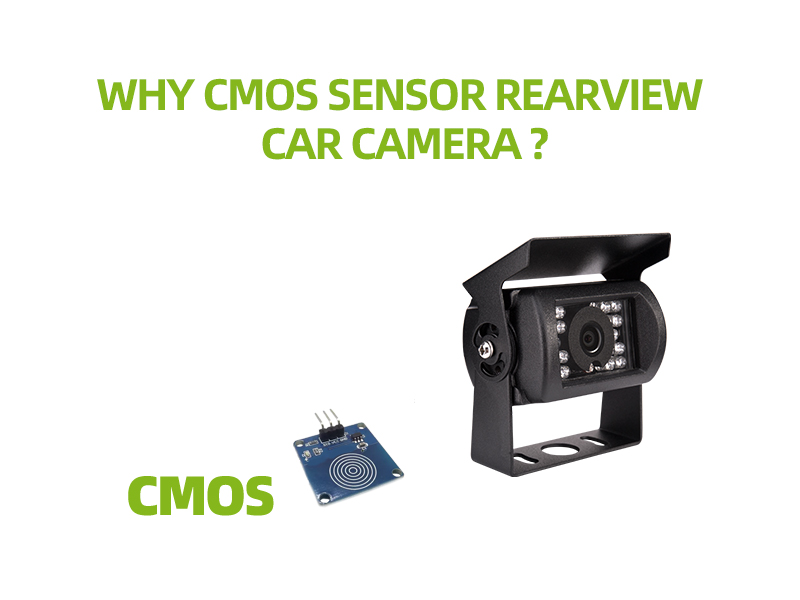
Since the rearview car camera is became more and more important in modern life,espeically for the new driver, and do you know its technology and craftwork requirements? For automotive applications, car camera and mobile phone camera use the same camera sensor, CMOS instead of CCD sensor, the main three reasons as below:

Why CMOS sensor rearview car camera ?插图

First of all, the sensor used in rearview car camera should have the primary feature is: fast. Especially at high speed driving occasion, the rear view car camera must be able to record critical driving conditions.In fact, CMOS is a faster image acquisition technology – the unit in the MCOS sensor is usually controlled and read out by three transistors, which significantly accelerates the image acquisition process. At present, CMOS based high performance cameras can achieve a level of about 5,000 frames per second.

Secondly, CMOS sensors also have the advantage of digital image processing. CCD sensors typically provide analog TSC / PAL signals, which may have to be converted using an additional AD converter, or the CCD sensor should work with a progressive scan method display for digital image output. In either case, using CCD cameras to provide digital video signals significantly increase the complexity of the system; and CMOS sensor can provide LVDS or digital output signal, lcd display can be directly, without delay to deal with these signals.

Thirdly, CMOS sensor cost is bit lower than ccd sensor . And, when there is a strong light into the CMOS sensor, CMOS sensor will not produce Smear noise as CCD sensor. This will reduce the adjustment time due to operational errors.

È possibile sostituire lo specchietto retrovisore dell'auto con delle telecamere?

È possibile sostituire lo specchietto retrovisore dell'auto con delle telecamere?

Certo, e questa è la tendenza futura.

Nel 2010 Nissan ha presentato al Salone dell'Auto di Ginevra il suo specchietto retrovisore intelligente. Questo specchietto retrovisore intelligente è stato integrato nella scheda del monitor LCD; quando necessario, la telecamera posteriore da 1,3 milioni di pixel può inviare le immagini posteriori al pannello di visualizzazione dello specchietto retrovisore, mostrando i dettagli dietro l'auto sullo schermo.

Al Salone Internazionale dei Veicoli Commerciali di Hannover 2014, Mercedes-Benz ha utilizzato una telecamera posteriore al posto dello specchietto retrovisore nel suo concept truck.

La Tesla Model X, inoltre, ha cancellato lo specchietto retrovisore nella sua prima apparizione, utilizzando invece una microcamera (ma questo ha violato le normative statunitensi in materia, tanto da dover tornare allo specchietto retrovisore tradizionale nella versione finale).

Con lo sviluppo della tecnologia delle telecamere e la riduzione dei costi di produzione, credo che sempre più produttori di auto proveranno questa tecnologia. Qual è dunque il vantaggio di utilizzare le telecamere al posto degli specchietti retrovisori?

Can the car rearview mirror be replaced with cameras ?插图

1. Offrire al conducente una visione più ampia. Utilizzando quattro o cinque telecamere grandangolari disposte sulla parte anteriore, laterale e posteriore del veicolo, si ottiene una visione aerea a 360 gradi del veicolo senza punti morti. Lo specchio curvo, a causa dell'osservazione ottica dell'angolo e dell'impatto della distorsione ottica, la portata e la qualità delle immagini sono soggette a determinate limitazioni. Inoltre, attraverso la visuale
Il sensore di luminosità, che consente di ottenere il controllo automatico dei fari, quando il veicolo si avvicina all'auto in arrivo o al sorpasso, rileva automaticamente le luci e autoregola la luce lontana e vicina, per garantire al conducente una buona visione. Inoltre, l'utilizzo di sensori a bassa sensibilità e il design antiriflesso garantiscono al conducente uno spazio di visione completo per una guida sicura e una migliore protezione.

2. Ridurre il coefficiente di resistenza aerodinamica e il consumo di carburante. I ricercatori hanno utilizzato due modelli di auto: uno con specchietti retrovisori esterni e maniglie delle porte, l'altro senza specchietti retrovisori e maniglie delle porte; quindi hanno utilizzato il software di simulazione CFD per analizzare il coefficiente di resistenza aerodinamica, ottenendo infine i seguenti risultati:
Se si eliminano lo specchietto retrovisore e la maniglia della porta, l'area di controvento del veicolo si riduce di 2,56%, mentre la resistenza al vento dell'auto diminuisce di 12,56%. Dai risultati sopra riportati si evince che l'effetto è più significativo se si rimuovono gli specchietti retrovisori.

3. Maggiori possibilità stilistiche. Sappiamo tutti che le prime auto erano prive di specchietto retrovisore e che il conducente doveva guardarsi indietro durante la retromarcia; la comparsa dello specchietto retrovisore è un grande passo avanti per la sicurezza dell'auto, ma anche la forma dell'auto è limitata, a causa dei requisiti normativi. Annullare lo specchietto retrovisore è certamente utile per i progettisti. Credo che con il progresso della tecnologia elettronica, la telecamera potrà essere sempre più piccola, fino a poterla sistemare in uno spazio molto ridotto.

Tuttavia, lo specchietto retrovisore tradizionale non è stato realmente sostituito. In primo luogo a causa di fattori normativi, ma le telecamere hanno ancora un sacco di tecnologia chiave non è completamente risolto. Come l'alta affidabilità, dopo tutto, i componenti elettronici, rispetto a un vetro, l'affidabilità è inferiore, una volta rotto, il conducente ha davvero dovuto tornare alla vecchia auto anni.

Questi problemi tecnici e di costo saranno risolti uno per uno con lo sviluppo della tecnologia: vent'anni fa, molte auto non erano dotate di sensori di retromarcia, mentre ora queste cose sono di serie per le auto, quindi aspettiamo di vedere gli anni in cui lo specchietto retrovisore dell'auto sarà totalmente sostituito dalle telecamere per auto.

Qual è la differenza tra telecamere domestiche e telecamere per auto?

Qual è la differenza tra telecamere domestiche e telecamere per auto?

In daily life, we have been used a lot of mobile phone camera and computer camera , can these cameras be used as car cameras ? What is the difference ? Shenzhen Luview Co., Ltd will tell you how to distinguish between car cameras and home cameras:

What is the difference between home cameras and car cameras ?插图

Car camera has certain requirements for installation , it requires a small and light installation size so that the passenger’s driving environment won’t be affected and the cameras needed to be fixed firmly to avoid affect monitoring effect, there is a certain degree for anti shock performance, the most important is that the car camera need to have a built in infrared light, so it can easy easy to monitor surroundings even when the lightness is not good, such as in the dark night.

Home camera is mostly used in interior design, unlike the car reversing camera mainly for outdoor usage, the production process, waterproof level, anti aging performance, anti shock performance etc are not in the same industrial technology level, which is why the market price of the car camera usually several times more expensive than home or computer cameras.

In addition, the car camera has been improved in night vision effect, high definition and wide view angle,the car camera use the industrial level camera chip.

Again, the car camera pixels usually much lower than the mobile phone camera pixels, the newly released iPhone 8 mobile phone camera pixels have reached 20 million pixels, while the high-end car rearview camera pixels is only 100 million, and general car camera pixels only about 300,000.

Guida all'installazione fai da te del sistema di telecamere posteriori wireless per auto

Guida all'installazione fai da te del sistema di telecamere posteriori wireless per auto

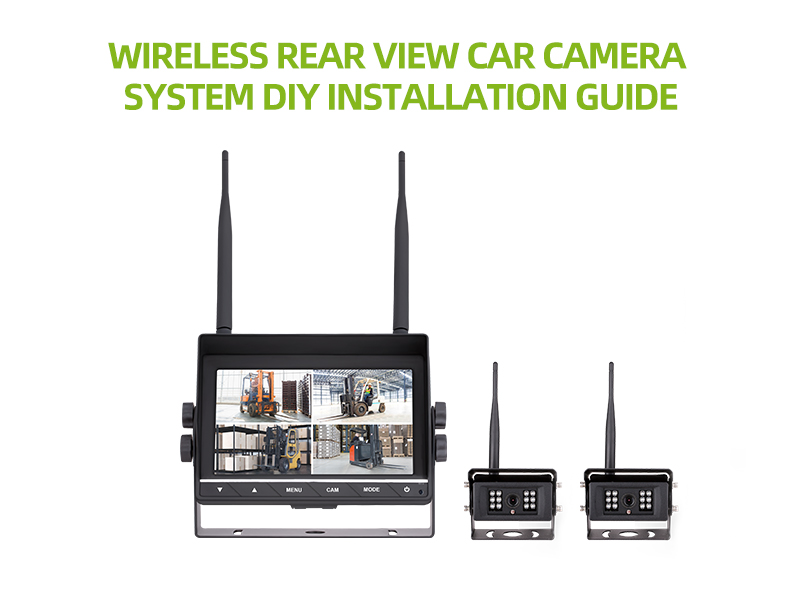
Le telecamere per la visione posteriore sono diventate un elemento di sicurezza sempre più diffuso, presente in molte nuove auto, telecamere di backup diventerà obbligatorio su tutte le nuove auto. Per le vecchie auto che non dispongono di un sistema di retrocamera, è possibile effettuare il fai-da-te. Sistema di telecamere posteriori installazione da soli. Il miglior sistema di retrocamera da installare è una retrocamera wireless che utilizza i fori di montaggio della targa posteriore esistente. È molto più semplice rispetto all'installazione di una retrocamera cablata, perché non è necessario disporre diversi metri di cavi video dalla parte posteriore dell'auto, attraverso l'abitacolo e fino al cruscotto. A parte questo, il processo di installazione di qualsiasi retrocamera è praticamente lo stesso.

Ultimate Wireless Rear View Car Camera System DIY Installation Guide插图

Strumenti necessari: gli strumenti necessari sono semplici:

1.Con una lama o un cacciavite rimuovere la targa, la luce della targa e montare la retrocamera;
2. Nastro biadesivo per attaccare il trasmettitore o l'alimentatore nella parte posteriore del veicolo;
3.Trapano: si consiglia di utilizzare un trapano per montare il trasmettitore wireless all'interno della parte posteriore del veicolo; se non è possibile utilizzare la luce della targa per instradare il cablaggio, potrebbe essere necessario utilizzare un trapano per praticare un piccolo foro per instradare i fili;
4.Fodera di gomma: se si deve praticare un foro, assicurarsi di utilizzare la fodera di gomma fornita con il kit per proteggere i fili dai bordi ruvidi del foro;
5. Nastro isolante per giuntare i cavi di alimentazione della retrocamera con il cablaggio delle luci di posizione;
6. Assicurarsi di avere a disposizione una porta di uscita di alimentazione a 12 V per collegare il monitor montato sul cruscotto o pianificare il cablaggio del monitor montato sul cruscotto con il cablaggio esistente sotto il cruscotto;

Ogni sistema di retrocamera wireless è dotato di tre componenti principali: una telecamera, un trasmettitore e un display/monitor video (telecamera). Di seguito sono riportate le fasi generali di installazione del sistema di retrocamera wireless:

1.Montare la telecamera posteriore

1.1. Montare la retrocamera sulla targa posteriore rimuovendo le viti di montaggio della targa e utilizzandole per montare la retrocamera.
1.2. Ogni veicolo necessita di una targa posteriore illuminata, che di solito viene realizzata con due luci ai lati e sopra la targa. Rimuovere la luce più vicina alla fonte di cablaggio del supporto della telecamera e far passare i fili attraverso il foro con gli altri fili della luce. Sostituire la luce della targa.
1.3. Far passare i fili dalla parte posteriore dell'auto o del bagagliaio fino all'alloggiamento del fanale posteriore più vicino. È necessario identificare il filo della luce di backup e collegare il filo di alimentazione della retrocamera al filo della luce di backup. In questo modo si può garantire che il sistema della retrocamera funzioni solo quando l'auto è in retromarcia. Ciò è utile ai fini della sicurezza.
1.4 Il trasmettitore wireless può essere montato anche all'interno del bagagliaio o della parte posteriore del veicolo e collegato al cavo della telecamera. Una volta terminata questa operazione, tutto ciò che riguarda la parte posteriore dell'auto è stato completato.

2.Montare il monitor della telecamera

2.1. Il monitor è facile da installare, ma può essere problematico avere una buona finitura e un buon aspetto. La maggior parte dei minitor da cruscotto si collega semplicemente a una porta di uscita a 12 V, come un accendisigari, per l'alimentazione e ha anche il ricevitore per ottenere l'alimentazione dall'accendisigari.
2.2. Il monitor della telecamera può essere montato sul cruscotto o sul parabrezza con la base di montaggio in dotazione.
2.3. Alcuni monitor con telecamera sono disponibili sotto forma di specchietti retrovisori digitali sostitutivi. Questi specchietti retrovisori digitali vengono solitamente montati sopra lo specchietto retrovisore esistente con morsetti regolabili incorporati. A
Il sistema di telecamere per specchietti retrovisori, che trasforma lo specchietto retrovisore esistente in un sistema di telecamere digitali, è più difficile da installare e non viene trattato in questa sede.
2.4. Se si desidera nascondere il cablaggio, è possibile fissare il cavo di alimentazione nell'headliner, lungo il montante A, sotto il cruscotto, fino alla più vicina presa di corrente a 12 V o direttamente al cablaggio del veicolo.

3. Prova del sistema di retrocamera

3.1. Accendere l'auto e controllarla durante la retromarcia. Il monitor della telecamera dovrebbe accendersi automaticamente con la visualizzazione del video catturato dalla telecamera posteriore.
3.2. Quando si guida l'auto in qualsiasi altra posizione, lo schermo del monitor della telecamera dovrebbe essere vuoto.

L'installazione di una telecamera posteriore di backup senza fili nei veicoli è così semplice che è per questo che sistema di telecamera posteriore wireless per auto Con il nuovo sistema di retrocamera aftermarket installato, potrete fare retromarcia e parcheggiare in modo più sicuro di prima.

Luview Co., LTD si è concentrata sullo sviluppo e la produzione di tutti i tipi di prodotti e soluzioni per la telecamera di sicurezza del veicolo per 11 anni, siamo in grado di offrire la migliore qualità del sistema di telecamera posteriore alla concorrenza per la maggior parte dei veicoli di marca. Se avete interessi a diventare rivenditore del sistema di telecamera posteriore senza fili Luview o volete trovare un rivenditore locale o un rivenditore per il sistema di telecamera posteriore senza fili Luview, si prega di e-mail a sales@luview.com, si otterrà molto più di satisfication.