
How Reliable Is the Connection in a Wireless Car Camera System
In modern vehicle monitoring and warehouse operations, wireless technology has become increasingly important. For experienced operators and fleet managers, the reliability of a wireless car camera system is a key factor that determines how effectively vehicles and forklifts can be monitored in real time. Stable connectivity ensures clear video transmission, accurate recording, and greater situational awareness, all of which contribute to safer and more efficient operations.
Understanding Wireless Connectivity in Camera Systems
Wireless camera systems transmit video signals using radio frequencies such as 2.4 gigahertz or 5.8 gigahertz. These frequencies allow video data to travel from the camera to the monitor without the need for physical wiring. A transmitter inside the camera sends the image signal, while a receiver inside the monitor displays the live feed. When both parts work in harmony, the connection remains steady even in areas with multiple sources of interference.
Several factors affect the stability of the wireless connection. The distance between the camera and monitor, the presence of metal structures, and the transmission power of the module all play important roles. Advanced systems use digital signal processing and anti-interference technology to maintain image stability. In both automotive and industrial settings, reliable transmission helps operators see what is happening around the vehicle in real time, even under demanding conditions.
Reliable Connection in Luview Wireless Systems
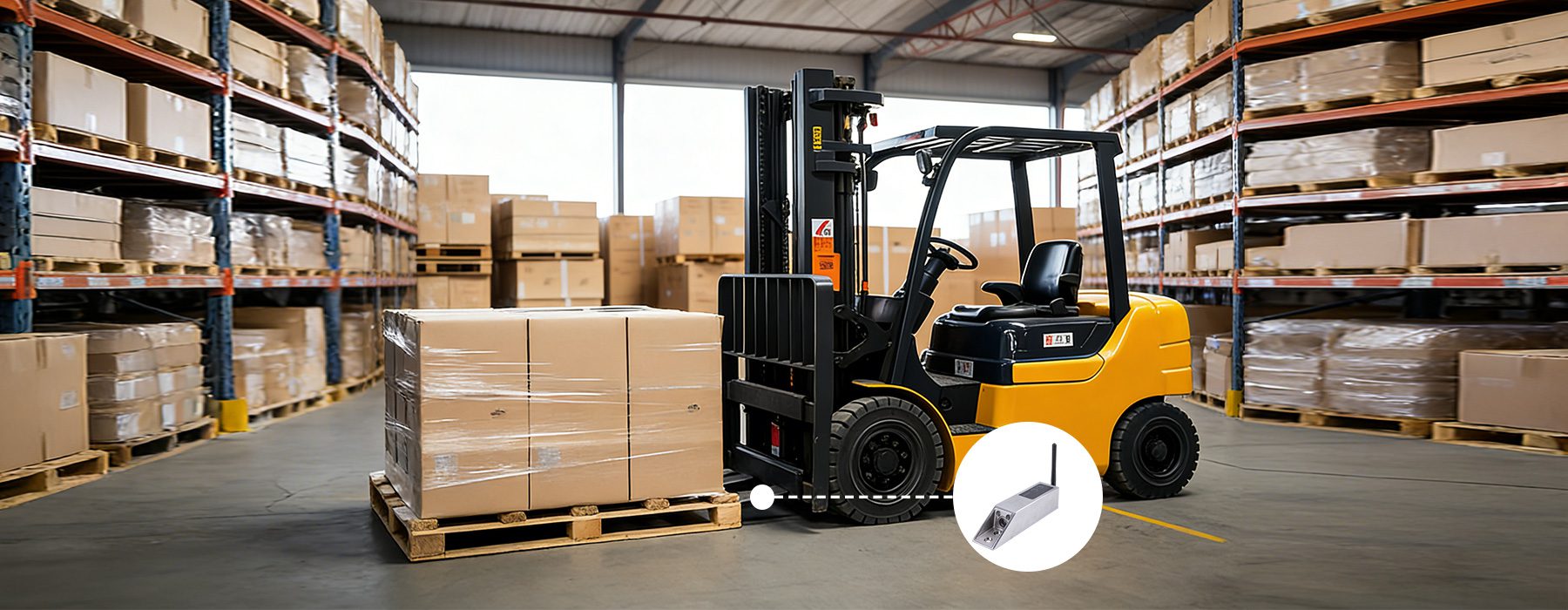
At Luview, we design each wireless car camera system and forklift camera with reliability and signal strength in mind. Our systems are built to perform consistently in transport fleets, warehouses, and industrial environments where stable real-time monitoring is essential.
Traditional wired systems require complex installation and can suffer from cable wear or disconnection. Luview’s wireless solution provides a direct link between the camera and the monitor, offering consistent performance without complicated setup. The connection remains secure, minimizing delay and ensuring smooth video transmission. Operators can view their surroundings clearly and make quick, informed decisions.
Advantages of Luview Wireless Connectivity
Real Time Monitoring: The フォークリフト用カメラ connect directly to the monitor wirelessly, providing continuous visual coverage of blind spots and nearby areas.
Interference Resistance: Our systems maintain strong connections in busy industrial spaces with multiple wireless signals.
Flexible Installation: Cameras can be positioned on different parts of the vehicle or forklift, providing better coverage and visibility.
Compatibility Across Models: Luview’s wireless forklift camera systems fit a wide variety of models, from standard warehouse vehicles to heavy duty equipment.
Stable Range Performance: The connection remains steady over practical operating distances, ensuring uninterrupted visibility during long working hours.
Customized Solutions: We also provide production options based on client requirements, ensuring each system integrates perfectly with your workflow and equipment.
結論
Connection reliability determines the overall performance of any wireless car camera system or forklift camera. A stable and interference resistant link guarantees clear video transmission and consistent real time monitoring.
にて ルビュー, we focus on creating systems that deliver steady connectivity, flexible installation, and dependable operation in both automotive and industrial environments. With advanced wireless technology and customized design, our camera systems help operators and fleet managers maintain complete awareness, improve safety, and enhance productivity every day.