What is AHD camera and its advantages

AHD 카메라란 무엇이며 그 장점은 무엇인가요?

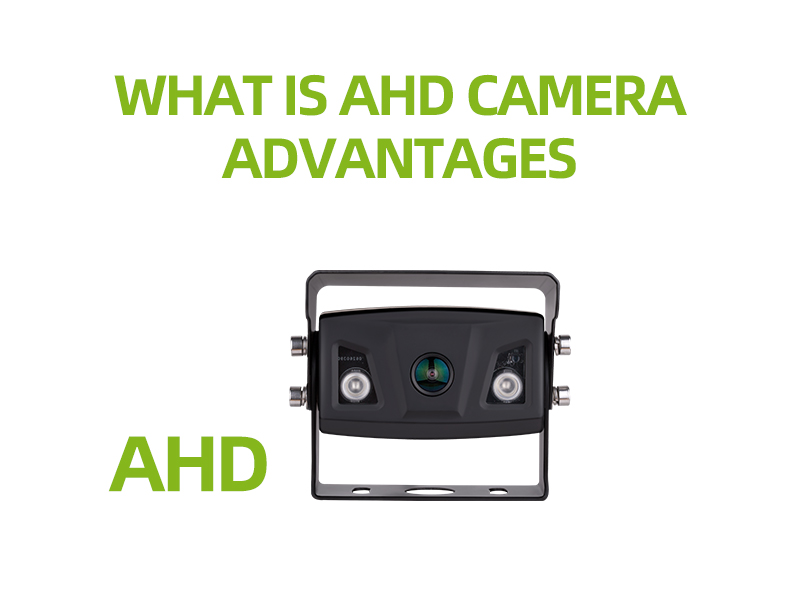
AHD는 아날로그 고화질(Analog High Definition)의 약자로, AHD 카메라는 아날로그 고화질 카메라를 의미하며 전송 신호는 고화질 아날로그 신호입니다. 고화질에 관해 말하자면, 간단히 말해 물리적 해상도가 720p를 초과하는 영상을 일반적으로 고화질(HD)이라고 부릅니다.

What is AHD camera and its advantages ?插图

AHD 기술은 기존 아날로그 전송선로에서 초장거리(500미터) 고화질 영상 신호의 안정적인 전송을 실현할 수 있습니다. 첨단 Y/C 신호 분리 및 시뮬레이션 필터링 기술을 채택하여 고주파 영역의 색 노이즈를 효과적으로 감소시키고, 영상 재현성이 우수합니다. 기존 고화질 제품과 비교하여 AHD 카메라 화질은 질적 도약을 이루었으며, 최고 선명도는 풀네트워크 HD 1080 수준에 상응합니다.

AHD 카메라 특징 및 장점:

  • 더 선명함: 고급 명도 분리, 신호 필터링, 3D 노이즈 감소 기술, 화질 선명도 향상, 우수한 화질 재현성; ;
  • 전송 거리: 동축 케이블을 사용하며, 일반적인 75-5 케이블은 최대 500미터까지 전송 가능;
  • 제로 지연: 캡처된 데이터가 인코딩 없이 모니터로 전송되며, 실시간 및 고충실도입니다;
  • 호환 가능: 일반 D1/960H와 호환 가능, 아날로그 주변기기(분배기, 매트릭스 등 포함)와 호환 가능;
  • 사용하기 쉬움: OSD 메뉴 설계를 지원하며, 원하는 대로 설정 가능;
  • 저렴한: 고화질 품질 제품에 대한 일반적인 시뮬레이션 가격;
  • 고집적: 고화질 품질 제품을 위한 AHD 프런트엔드 칩 가격;
  • 개방형 표준: 제3자에게 개방된 표준으로, 타사 제조업체의 AHD 제품과 호환되어 시장 발전을 가속화합니다.

AHD 카메라는 표준 화질 전송을 시뮬레이션하는 방식을 채택하여 구축 및 배포의 복잡성을 줄이고, 보조 재료 비용을 절감하며, 유지보수 난이도와 기술 인력 요구 사항을 낮춥니다. 기존 시스템 업그레이드에 매우 적합하며, 기존 시스템을 변경하지 않고도 표준 화질에서 고화질로 손쉽게 업그레이드할 수 있습니다. 또한 표준 화질 가격으로 고화질 품질을 제공하므로 AHD 카메라는 민간 및 산업 시장 모두에서 매우 큰 발전 가능성을 지닙니다 (예: AHD 차량용 카메라).

적합한 차량 후방 카메라 선택 방법

적합한 차량 후방 카메라를 선택하는 방법?

There are two types of reverse car camera: wired reverse camera and wireless reverse camera, wired reverse camera is simple and reliable, but need wiring inside the car or other vehicle; wireless  reverse camera does not need wiring along the interior of car or vehicle,  so it is easy to install, but you need additional wireless receiver . However, current wireless receiver receiving effect is still not very ideal, so most reversing cameras in the market are still wired reverse camera. You can choose wired reverse camera from the following aspects :

How to choose suitable car reverse camera ?插图

Camera Chip

Camera chip is the most important part in reversing camera , they can be divided into CCD and CMOS two kinds. CMOS is mainly used in low image quality products,  its advantages are manufacturing costs and power consumption is lower than the CCD, the disadvantage is the CMOS camera has high requirements for the light source;  CCD chip is mainly used in photography, camera , some high-end technical components also comes with a video capture card.  CCD and CMOS in the technical and performance gap is large, in general, CCD effect is better, but the price is more expensive.

결의

Resolution is one of the important indicators when choosing reverse cameras. In general, high-definition reverse camera, its image quality will be better, reverse camera resolution above 420 line has become a mainstream in reversing camera products,  380 lines reverse camera, if debugging properly, can still be a good choice. However, according to different camera chip level, different components, including different technicians’ debugging level , the same chip or the same level reverse camera product output quality may be different; on the contrary, high-definition reverse camera products night vision effect will be reduced.

Night vision

Night vision effect related with reverse camera resolution, higher resolution car reversing camera night vision effect will not be very good, this is because the chip itself, but good quality reverse cameras should have night vision function, and will not affect the image output effect; although the color may be worse, but clearly should not a problem. Car reverse camera with built in infrared light night vision effect will be more clearly visible.

방수

Reversing camera products are basically equipped with waterproof function.
Summary: choose the right reverse camera from the camera aspects per your requirements, the most important thing is to check and  compare the actual image affect.

독일에서 블랙박스 구매 및 사용은 합법인가요?

독일에서 차량용 블랙박스(대시보드 카메라)를 구입하고 사용하는 것이 합법인가요?

우리는 이전에 이런 이야기를 들어본 적이 있을지도 모릅니다: 한 운전자가 대시캠 – 기본적으로 그는 블랙박스를 켜둔 채 운전하며 다니고, 누군가 법을 어기는 걸 목격할 때마다 경찰에 신고했습니다. 당국이 그만두길 요구한 이유는? 법원이 이를 자경단 활동에 해당한다고 판단했기 때문입니다. 또한 사생활 침해 문제도 있었습니다: 독일의 사생활 보호법에 따르면 일반적으로 상대방의 동의 없이 촬영하는 것은 금지되어 있습니다.

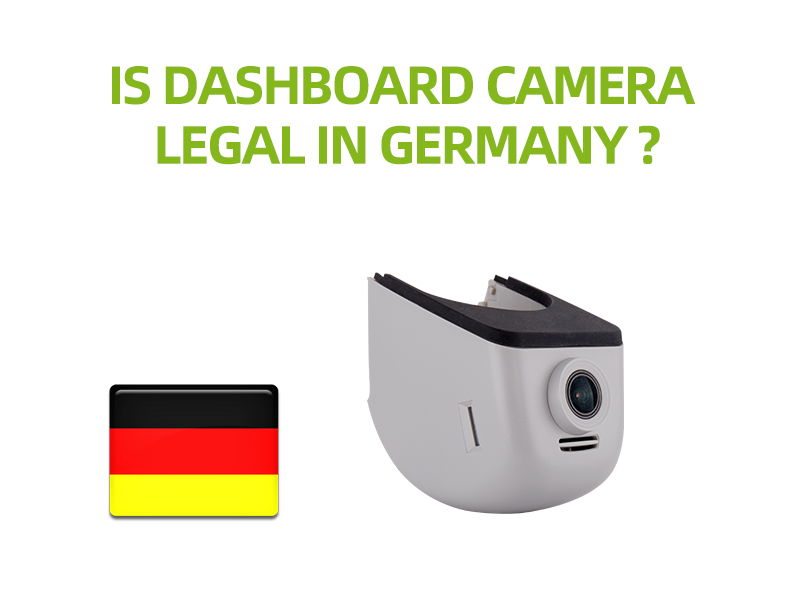
Is buying and using dashboard camera legal in Germany ?插图

너무 많은 사람들이 구매하고 사용하는 것에 대해 대시보드 카메라 독일에서는 불법입니다. 사실 그렇지 않습니다. 독일 정부는 대시보드 카메라를 전혀 금지한 적이 없습니다. 다만 대시보드 카메라는 감시 카메라로 간주되므로, 개인정보 보호법을 위반하지 않도록 사용해야 합니다. 즉:

해당 인물이 요청할 경우, 그리고 그 인물이 공인(예: 유명 스타, 대기업 CEO 등)이 아닌 경우 반드시 얼굴을 가리거나 흐리게 처리해야 합니다. .

공공 행사 사진을 찍어 게시할 수 있지만, 특정 개인을 찍은 경우 사진 게시 허락을 받아야 합니다. 그들은 단지 항의할 수 있고 당신은 그에 대응하기만 하면 되지만, 이는 불법이 아닙니다.

보행자, 자전거 이용자 및 다른 운전자들이 무모한 행동을 할 때 대시보드 카메라를 사용하여 자신의 안전과 재산을 보호할 수 있습니다.

사실 최근 몇 년간 모든 차량 소유자는 자신의 차량에 블랙박스를 설치해야 합니다. 이 영상들이 책임 소재를 확인하기 위해 법정에 제출되지 않기를 바라지만, 필요할 때면 우리를 보호해 줄 수 있습니다.

미국에서 차량용 대시보드 카메라를 사용하는 것이 합법인가요?

미국에서 차량용 대시보드 카메라를 사용하는 것이 합법인가요?

It is 100% legal to install a dashboard camera for your car, truck and other kind of vehicles, and legal to capture videos around the vehicles.

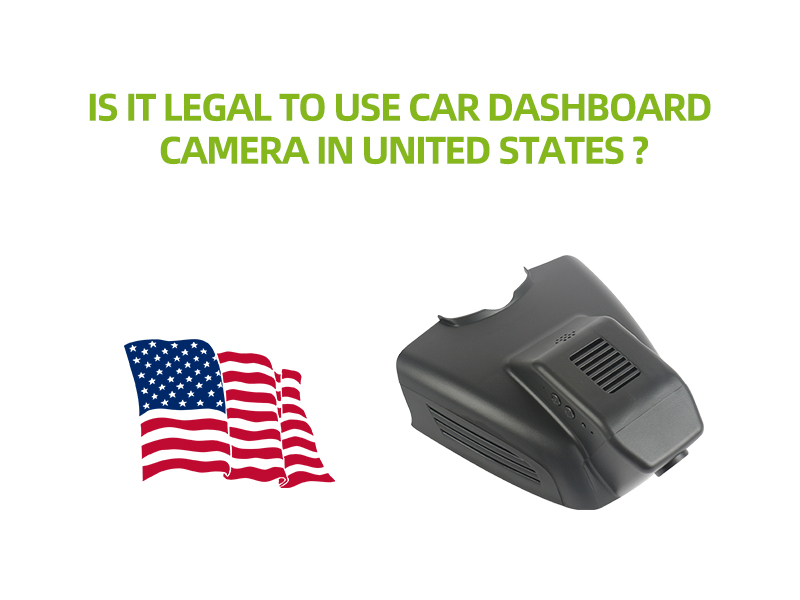
Is it legal to use car dashboard camera in United States ?插图

But sharing those captured videos (which have human faces, other people’s car license plates etc ) to friend or social network such as Youtube, facebook still haven’t got a confident answer on the legality, since these videos may violate other people’s privacy. So we strongly recommend to use the dashboard camera as a backup usage,  so it can be helpful for Police and Insurance company to identify responsibilities in a traffic accident. And if you want to share the beauty captured during your trip with your friends, better add some mask on the human faces and others’ car license plate.

Luview is willing to provide high quality customized dashboard camera for Mercedes Benz, BMW, Audi, GM, Ford, Cadillac and other vehicles. If you are looking for a reliable dashboard camera supplier /factory in China with competitive price, then you are come to the right place. Please contact us by email: sales@luview.com ,  you will be served shortly.

차량 또는 다른 차량 내부의 블랙박스 전선을 숨기는 방법

자동차 또는 다른 차량 내부의 블랙박스 전선을 숨기는 방법은 무엇인가요?

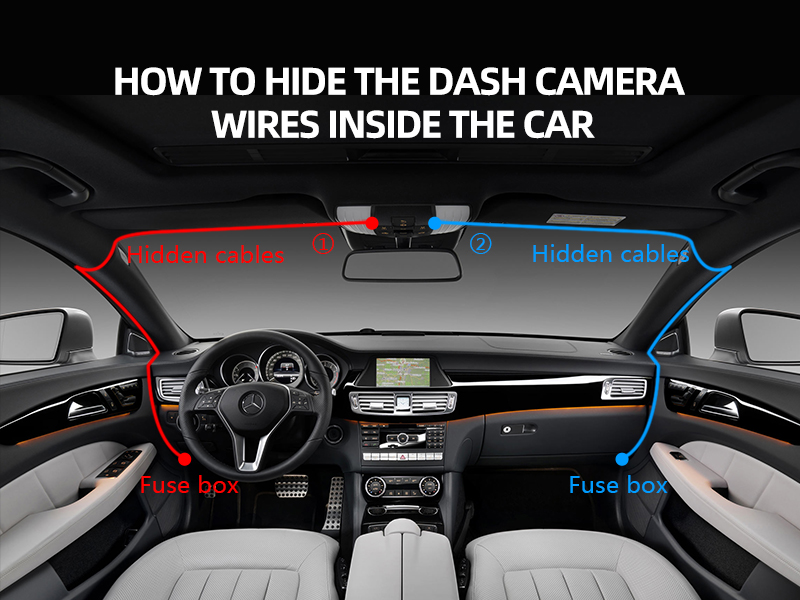
How to hide the dash camera wires inside the car or other vehicles ?插图

Today, we are glad to writing a post on how to hide the 블랙박스 wires into the nooks and crannies around the perimeter of the vehicle inner space, now there’s a lot of spots that you can hide a wire in, and we’re going to jump into some of them to organize your wires easily ,ideally you will have to use some wire clips, usually they’re included in your dash camera kits, the wire clip has an adhesive on one side and on the back there is a hook, you can actually buy these wire clips online, they’re pretty cheap as well, otherwise you can also use some tapes. I am going to use wire clips in the visible areas but underneath the dashboard, i will use the tapes instead.

dashboard camera wiring diagram

Take your cord up into the headliner and start tucking away until you reach the side, now run your wire until you’re under the dash, go towards the center dashboard and stash away your excess cables on the side, then plug in, any extra slack wires should be neatly tucked away beside your console, you can easily run the wire upwards into the headliner on the new vehicles, however you have to check if there’s a cover you can hide the cable behind on older vehicles, you can tape your wiring to the mirrors, check if it’s closed otherwise keep it straight, there’s no need to attach it to the window, the headliner can be gently pulled down and the wire pushed in to start stuffing, I recommend going towards the passenger side, as a fallen cable won’t interfere driving, but it’s really up to you, once you reach the end, i found running the cabling inside the weather sealing or side trim is easier and hides more of the cabling, start by examining your door frame for areas where the cable is securely held and won’t share the cable when the door is closed, the alternative is to run it alongside the windshield, you might have to use tape or a wire guide as the trim can be difficult to press int.

dashboard camera wiring diagram

Once you reach the end, you will have to bring it back out and drop it alongside your board, again look for any areas you can place your cabling, if nothing exists make sure the cable stays straight either from pulling it underneath your dashboard or by using a wire guide, this ensures it won’t be caught inside your door, whatever method you choose the goal is to reach underneath your dashboard, once you look for any sort of hooks or areas you can wedge your cable into, you can go nuts with cable ties or tape here as it won’t be seen, if you’re lazy you can place your floor mat over the cable, making sure any passengers won’t get caught up on the wiring. I’ve used this method before a couple months with no damage and no problems, once the cable is beside your dashboard, shove all the loose wiring beside your seat and plug the end in, so now you’re done, congratulations.

후방 차량용 카메라 및 LCD 모니터를 직접 설치하는 방법에 대한 자습서

후방 차량용 카메라 및 LCD 모니터를 직접 설치하는 방법에 대한 자습서

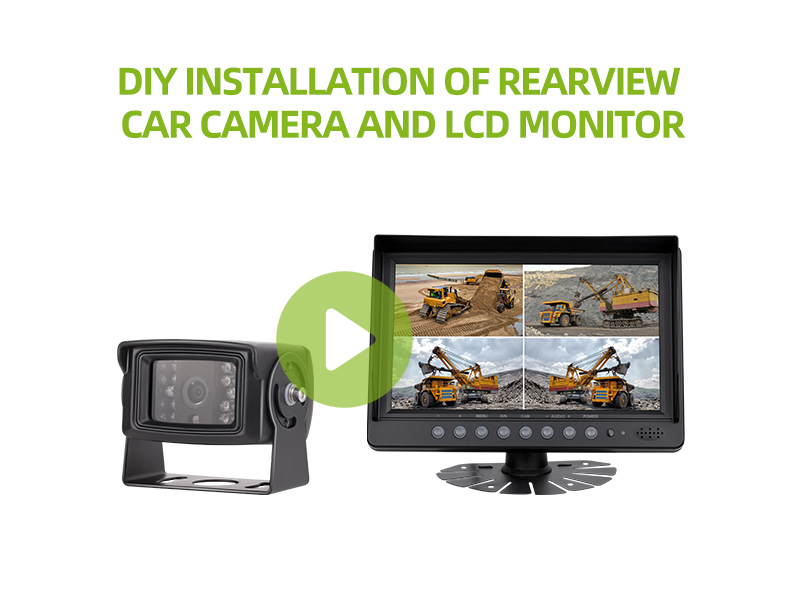
I was always considering to write a tutorial on how to install the rearview backup camera and lcd display together to user’s own car, as i have seen many consumers prefer to buy rear view backup camera and lcd monitor themselves directly from manufacturer instead of buy from a reseller or an agent,  and then DIY installation themselves, as this will ensure them adopting the best quality cameras and monitors with the lowest budget, at the same time, the satisfaction is a ultimate proud.  However, when i sourcing resources on the internet, i found a DIY video published by Dr. Fuss really perfect, so i decide to share this video to Luview rearview car camera and lcd monitor users ;I have also reorganize the words, so it is more readable for those who have limited access to Youtube. Below is the video and articles, i hope it could helps our user or buyer.

Tutorial on how to DIY installation of rearview car camera and lcd monitor插图

It is dr. fuss here and in this video,I will be replacing the rear view camera which I installed about maybe six seven years ago it’s a wireless one and it really didn’t work that well, a lot of interference, so I’m going to be removing this old one here and replacing it with a wired one so I went on eBay and picked up this 4.3 inch LCD display here and also this rear view camera, let me show you what’s inside, so anyways this is the 4.3 inch LCD with a cabling inside, also here is the serial camera comes with a long wire so you can run it from the back to the front of the car power cable, this is the camera itself very small very compact, so before I installed this new camera in the LCD screen I ran a quick test, basically a wired both the camera and LCD to my 12 volt power supply here and the quick test powers up LCD screen looks good, camera looks good too.

so who’s on this side you don’t have to remove the whole thing, using the association good access to the wire then for the rubber seal basically just pull on the rubber seal, I remove this go around painting all the remove the whole thing the side you need to work, pull the rest here, now over here you got these plastic strap hooks here carefully, yeah you don’t know loosen that right off and uh there’s another one down below here over here with this bottom piece.

Basically there are Clips behind it and Clips underneath here so pull it up this way first on the side panel, basically just pull it back release the clips, you also need to follow this tooth, here is rubber – and then you put access feetthe wire from the back hatch into the car, so the first thing I’m going to do is take the long RCA cable and feed it through this rubber tube here and into the back pouch here, now I do have the old wiring here so I might use that to help me guide that through, but if not basically use a screwdriver or coat hanger and feed it through, I mean the length of this not very long so it’s not that difficult, so we’re going up this end, we want to next is basically put the camera where you want it then once it’s lined up, mark the hole and then we’ll go ahead and mount camera, but the two screws up came the account so that’s what the camera looks like, is it mounted now, we’re going to pass this RCA into the car, so there’s really no easy way about it on this vehicle, some other vehicles you might be able to find a bigger hole but I’m going to have to use a step up, you need it and put a hole right in the middle here, and then feet this wire through, I’m gonna slip a piece of tape in here just to give it a little bit of smoother edge, so when a wire there’s not gonna keep rubbing on it, the close up that hole I got some ducting aluminum tape, and get these at all home people, I cut a piece off and I’m gonna cover the hole with this too, now one thing I just realizes this cable I brought from the inside of the car to the hatch here is is an RCA cable, I have this cable which inside has two conductors, one is going to be for your reverse 12-volt and the other ones in background, and we run this in parallel with this cable here, now that you have the water spread and go ahead and close something from it that goes to the proper holes here, then we’ll carefully feed the wire so go ahead and route the wires along here and use some tie wraps to talk to the existing wires.

Now I want to point out the 20-foot RCA cable also has this red lead now on both sides, there is this red wire and you can use it to carry your reverse 12’o, and that’s why i’m going to use it for, but I’m going to bring in my home power which I ran the wire for the video and then also ran a power cable, so this power cables that go back into the car and connect to the reverse 12-volt, so what I’m going to do is that this wire that goes back into the car and connect to that reverse 12-volt it’s going to power, I’m going to connect to the red here except power the camera and also I’m not tap this wire from the RCA cable onto the 12-volt, also here and this wire that run all the way to the front of the car is going to get the reverse 12-volt to the LCD screen, so that’s how I’m gonna power everything using the reverse light here.

Okay now that everything is connected, go ahead and select the power to the power connector on the camera and using Tyra secure the wire here, so at this point the camera installation is done, we just gotta put the cover back on now, also the hatches put back together, go ahead route the wires along the side here into the car.

Okay let me talk about what am i do here now, because I had a previous reverse camera, I already tapped the reverse light on the back of this car and that’s what this blue wire is, and all I did last time was to basically pull this light out, you have the wiring harness and you’ll need a voltmeter, okay you’re going to need a voltmeter, and probe the wire that goes to the reverse light, you need to basically probe it, so one is going to be on the wire and one is going to be on ground, and that’s that’s how you read the 12-volt, have someone help you put the car in reverse and then once it’s in reverse then you’ll see that there is 12 volt on the wire, so I brought this far in and it goes straight to that wire on the reverse, okay now what I’ll do here is at the ground I’m going to basically tap a ring terminal like you see here and then screw it on to the side of the car, that will give me the ground and again the red wire is going to be the reverse 12v, oh that connects to the backup reverse lights and wiring, okay so here you see the part where the ground is tapped into the chassis of the car, and I tapped a reverse cameras power 12 volt into the reverse wire a dipole, so the next thing you need to do is the other end of the RCA cable is to run this cable, along the inside of the car and all the way to the front of the vehicle.

Now to get the wire from here all the way over behind the third row, you can use like a co hanger like I’m doing here, and this just put the coat hanger all the way down to the bottom here, and pull it through and that’s what I’ve done here, so here’s the RCA, at this point you can go ahead and close everything up at the back now, here I’m at the side door and with most cars these sidesteps you basically pull up, they’re clips on it, I can just remove it.

Now when you get the wire to the b-pillar, that’s a pillow right behind the driver’s seat, this panel typically is quite difficult to take out, because the seatbelts also anchor to here, so what I typically do is tuck it underneath, stick your finger underneath and tuck the wire underneath, so that’s out of the way just run this all the way to the front door and then put the panel back on, when you’re done just feed the wire follow the bundle of wire that is already there now on the a-pillar, basically what you want to do is pull on the weather stripping here all the way up and then over here again there’ll be clips, just want to give a hand in there and put to release the clips as you can see with its RCA cable is too short, I’m sure if it was installed in a sedan then this cable is probably long enough but I have to bring this all the way up on the a-pillar, all the way up here and the LCD wire is not very long so so what I have here is an extension cable basically is one RCA cable with an adapter in the middle, which will allow me to connect this end to that end and extend this video output cable all the way up to the LCD monitor, the other thing I’ll need to extend is going to be the reverse 12-volt red wire that was hooked up at the back and I’m going to extend that up to the a pillar also underneath it – I’m going to find a ground, usually we’ll find a bolt of some sort or you can tap your own ground underneath the dash, and that’ll be my ground so that will complete the connection. I have the video which is the yellow RCA, the red cable is my reverse 12-volt and on my ground, that’s all that’s needed to complete the wiring so I ran the water up through this groove make sure tuck it in, so it doesn’t get pinched all the way up here and I also ran the extension power cable, I have the ground and the reverse 12-volt up here is the extension for the video RCA, so I’ve decided to mount the LCD display above the rear view mirror, so the back here on the base there is a double sided tape, just peel the backing off and stick it on so right now I’m just tucking all the wires up top on the headliner and then close this off and that’s it.

So let me test it out, it’s pretty late outside, so it’s dark outside and this test will give you an idea how well the camera works, so I’ll put it in reverse and illuminates probably good, 15 feet there, and the camera came on pretty quickly, put in the park turns off and we put it back in reverse again, so it comes down pretty quickly, now let me give you another look of the camera at the back, very low profile it looked like it’s a factory camera, and one thing I didn’t mention earlier is about the camera and the LCD that I bought is from eBay, but different sellers, I bought it like that because I wanted to get the lowest price, the camera I paid about twelve dollars, and the LCD display I paid twenty dollars, if you buy as a kit, usually it will be a little more expensive, so just be aware of that and if you have any questions, then leave me us a comment.

왜 CMOS 센서 후방 카메라가 필요한가?

왜 CMOS 센서 후방 카메라인가요?

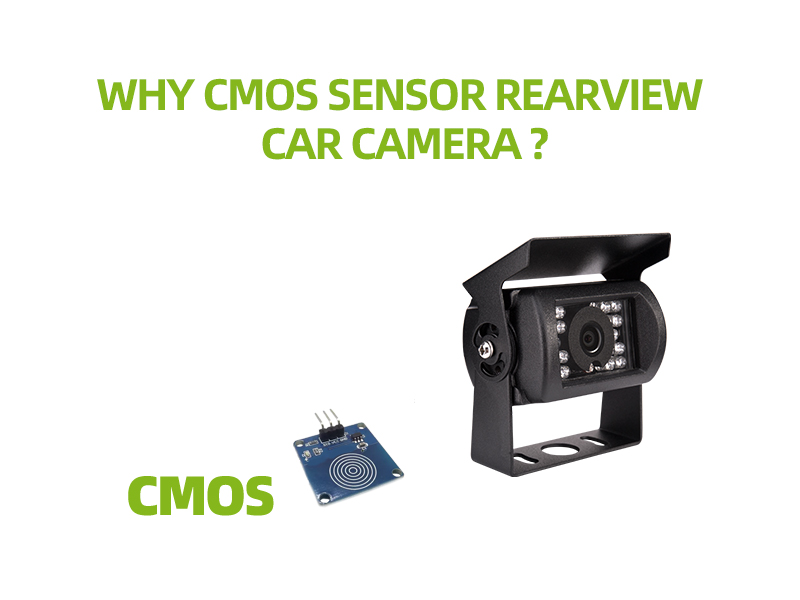
Since the rearview car camera is became more and more important in modern life,espeically for the new driver, and do you know its technology and craftwork requirements? For automotive applications, car camera and mobile phone camera use the same camera sensor, CMOS instead of CCD sensor, the main three reasons as below:

Why CMOS sensor rearview car camera ?插图

First of all, the sensor used in rearview car camera should have the primary feature is: fast. Especially at high speed driving occasion, the rear view car camera must be able to record critical driving conditions.In fact, CMOS is a faster image acquisition technology – the unit in the MCOS sensor is usually controlled and read out by three transistors, which significantly accelerates the image acquisition process. At present, CMOS based high performance cameras can achieve a level of about 5,000 frames per second.

Secondly, CMOS sensors also have the advantage of digital image processing. CCD sensors typically provide analog TSC / PAL signals, which may have to be converted using an additional AD converter, or the CCD sensor should work with a progressive scan method display for digital image output. In either case, using CCD cameras to provide digital video signals significantly increase the complexity of the system; and CMOS sensor can provide LVDS or digital output signal, lcd display can be directly, without delay to deal with these signals.

Thirdly, CMOS sensor cost is bit lower than ccd sensor . And, when there is a strong light into the CMOS sensor, CMOS sensor will not produce Smear noise as CCD sensor. This will reduce the adjustment time due to operational errors.

차량 백미러를 카메라로 대체할 수 있나요?

차량 후방 거울을 카메라로 대체할 수 있나요?

Of course, and this is the future trend.

Nissan in 2010 at the Geneva Motor Show released its intelligent rearview mirror. This intelligent rearview mirror was built in the LCD monitor board, when necessary, the rear 1.3 million pixel camera can send the rear images to the rearview mirror display panel, showing details behind the car on the screen.

On 2014 Hannover International Commercial Vehicle Show, Mercedes-Benz use a rearview camera instead of the rearview mirror in its concept truck.

Tesla Model X, also canceled the rearview mirror in the first appearance, use micro-camera instead (but this has violate the relevant US regulations, they had to back to the traditional rearview mirror on the final version).

With the development of camera technology and manufacturing costs have been reduced, I believe that more and more car manufacturer will try this technology. So what is the advantage of using cameras instead of rearview mirrors ?

Can the car rearview mirror be replaced with cameras ?插图

1. Give the driver a wider view. Using four to five wide angle cameras arranged on the front, side, back of the vehicle, providing 360 degree aerial view of the vehicle without dead points. Curved mirror due to the optical observation of the angle and the impact of optical distortion, imaging range and quality are subject to certain restrictions. In addition, through the visual
sensor, you can achieve automatic headlamp control, when the vehicle close to the oncoming car or overtaking, automatically detecting the lights and self-regulating the far and near light, to ensure that the driver has a good vision. Furthermore, use low-sensitivity sensors and anti-glare design, can ensure the driver full of vision space for safe driving and better protection.

2. Reduce the drag coefficient and reduce fuel consumption. Researchers through two car model: one with outer mirrors and door handles, the other without a rearview mirror and door handle; and then through the CFD simulation software to analyze the drag coefficient, and finally get the following results:
If cancel the rearview mirror and door handle,vehicle upwind area reduced by 2.56%, the car driving wind resistance decreased by 12.56%. From the above results we can seen the effect is more significant if remove the rearview mirrors.

3. More possibilities for styling. We all know that the earliest car is without rearview mirror, driver need to look back when reversing, the emergence of rearview mirror is a great leap for the safety of the car, but the car’s shape is also limited, because it is regulatory requirements. Cancel the rearview mirror, it is certainly helpful for the designers. I believe that with the leap in electronic technology, the camera can be smaller and smaller, until we can arrange it in a very small space.

However, traditional rearview mirror has not really been replaced. First because of regulatory factors, but the cameras still have a lot of key technology is not completely resolved. Such as high reliability, after all, electronic components, relative to a glass, the reliability is lower, once broken, driver really had go back to the old car years.

These technical problems, cost problem, will be resolved one by one with the technology development, twenty years ago, many cars did not have reverse carmeras, reversing sensor, now you can see these things are standard equipment for cars.So let’s wait and see the years of car rearview mirror totally replaced by car cameras.

가정용 카메라와 차량용 카메라의 차이점은 무엇인가요?

가정용 카메라와 차량용 카메라의 차이점은 무엇인가요?

일상생활에서 우리는 휴대폰 카메라와 컴퓨터 카메라를 많이 사용해 왔는데, 이 카메라들을 차량용 카메라 차량용 카메라와 가정용 카메라의 차이점은 무엇인가요? 심천 루뷰(Shenzhen Luview) 주식회사가 알려드립니다:

What is the difference between home cameras and car cameras ?插图

차량용 카메라 설치에는 특정 요구사항이 있습니다. 승객의 운전 환경에 영향을 주지 않도록 소형 경량 설치 크기가 필요하며, 모니터링 효과를 저해하지 않도록 카메라를 단단히 고정해야 합니다. 일정한 수준의 충격 방지 성능이 요구되며, 가장 중요한 것은 차량용 카메라에 내장형 적외선 조명이 탑재되어 어두운 밤과 같이 조도가 낮은 환경에서도 주변을 쉽게 모니터링할 수 있어야 한다는 점입니다.

가정용 카메라는 주로 실내에서 사용되는 반면, 차량 후방 카메라는 주로 실외에서 사용됩니다. 생산 공정, 방수 등급, 내노화 성능, 내충격 성능 등은 동일한 산업 기술 수준이 아니기 때문에 차량용 카메라의 시장 가격은 일반적으로 가정용 또는 컴퓨터용 카메라보다 몇 배 더 비쌉니다.

또한 차량용 카메라는 야간 시야 효과, 고화질 및 광각 시야가 개선되었으며, 산업용 등급 카메라 칩을 사용합니다.

다시 말해, 차량용 카메라의 화소 수는 일반적으로 휴대폰 카메라보다 훨씬 낮습니다. 새로 출시된 아이폰 8의 휴대폰 카메라 화소 수는 2천만 화소에 달하는 반면, 고급 차량용 후방 카메라의 화소 수는 고작 1억 화소에 불과하며, 일반 차량용 카메라의 화소 수는 약 30만 화소에 그칩니다.

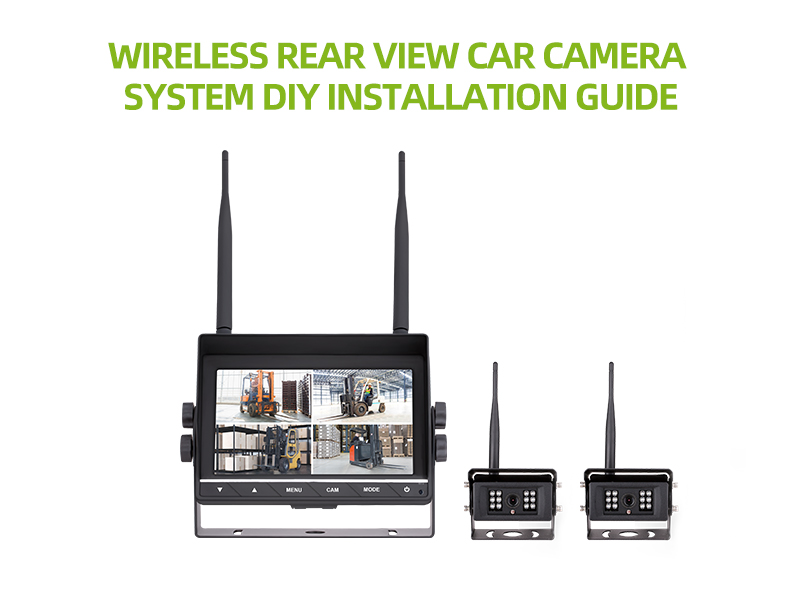
궁극의 무선 후방 카메라 시스템 DIY 설치 가이드

궁극의 무선 후방 카메라 시스템 DIY 설치 가이드

Rear view cameras have become a more and more popular safety feature which is a regular feature of many new cars.In only a couple of years, backup cameras will become mandatory on all new cars. For old car without rear view camera system, You can DIY the rear view camera system installation yourself. The best rear view camera system for installation is a wireless rear view camera that utilize the existing rear license plate mounting holes. It is much far easier than a wired rear view camera installation because you don’t need to arrange several fts of video cables from the rear part of your car, throughout the cabin, and guide to the dashboard. Other than that, any rear view camera installation process is almost the same.

Ultimate Wireless Rear View Car Camera System DIY Installation Guide插图

Tools needed: the tools you will need are simple:

1.Either a blade or screwdriver to remove the license plate, license plate light, and mount the rear view camera;
2.Double-sided adhesive tape to stick the transmitter or power supply in the rear part of your vehicle;
3.Drill driver:You may want to use a drill driver to mount the wireless transmitter inside the rear part of your vehicle;If you are unable to utilize the license plate light to route wiring, you may need to use a drill to make a small hole to route the wires;
4.Rubber liner:If you do have to drill a hole, make sure you use the rubber liner that comes with the kit to protect the wires from the rough edges of the hole;
5.Insulating tape to splice the power cables for the rear view camera with the backup light wiring;
6.Make sure you have an available 12V power output port to plug-in the mounted on dashboard monitor or have a plan on how your will hard-wiring mounted on dashboard monitor with your existing under-dash wiring;

Each wireless rear view camera system comes with three main components: a camera, a transmitter, and a video ( camera ) display/monitor.Below are general wireless rear view camera system installation steps:

1.Mount the rear view camera

1.1. Mount the rear view camera on the rear license plate by removing the license plate mounting screws and utilizing them to mount the rear view camera.
1.2. Every vehicle requires a lighted rear license plate and that is done usually with two lights on either side of and above the plate. Remove the light closest to the camera mount’s wiring source and route the wires through the hole with the other light wires. Replace the license plate light.
1.3. Route the wires from the rear part of your car or trunk to the closest rear taillight housing. You will need to identify which is the backup light wire and connect the rear view camera power wire to the backup light wire. This can ensure that the rear view camera system only running when your car is in reversing process. This is good for safety purposes.
1.4 The wireless transmitter may also be mounted inside the trunk or rear part of the vehicle and connected to the wire from the camera. As soon as that’s done, you have been finished all things on the rear part of the car.

2.Mount the camera monitor

2.1. The monitor is easy to install,however may be troublesome to have a good finishing and looking. Most dashboard minitor simply plug right into a 12V power output port such as a cigarette lighter for power supply and even have the receiver to get power from the cigarette lighter.
2.2. The camera monitor can usually be mounted on the dash board or windshield with the included mount base.
2.3. Some camera monitor come in the form of a replacement digital rear view mirror. These digital rear view mirror are usually mounted over the existing rear view mirror with built in adjustable clamps. A
rearview mirror camera system which convert the existing rear view mirror into a digital rear view camera system is more difficult to install and those steps are not covered here.
2.4. If you want to hide the wiring, you can fix the power cord into the headliner, down the A-pillar, underneath the dash, and either to the nearest 12V power plug or wired directly into the vehicles wiring.

3.Test the rear view camera system

3.1. Turn on the car and check the car during reverse. The camera monitor should power on automatically with the rear view camera captured video displayed.
3.2. When you drive the car’s to any other position, the camera monitor screen should be blank.

It’s so easy to install a wireless backup rear view camera into your vehicles, that is why wireless rear view car camera system is so popular on the market.With your brand new aftermarket rear view camera system installed, you can reverse and park safer than before.

Luview Co., LTD has been focused on developing and manufacturing all kinds of security vehicle camera products and solutions for 11 years,we are able to offer best quality rear view camera system at competitive for most branded vehicles. If you have interests in became Luview wireless rear view camera system dealer or want to find a local dealer or reseller for Luview wireless rear view camera system, please email us at sales@luview.com, you will get far more than satisfication.