In today’s rapidly evolving world, the importance of vehicle cameras cannot be understated. With the increase in road traffic and the inherent risks associated with it, safety and accountability have become paramount. Vehicle cameras play a crucial role in this scenario, offering a myriad of benefits from capturing crucial evidence in case of mishaps, to aiding in better fleet management.
There are several types of vehicle cameras available in the market, each designed to cater to specific needs. Among these, two stand out due to their popularity and widespread usage: Fleet cameras and dashcams. While they both serve the purpose of recording video footage from vehicles, they cater to different audiences and have distinct functionalities. In this article, we will delve deeper into the characteristics of these two types and elucidate their differences.

What is a Fleet Camera?
Definition and Primary Purpose
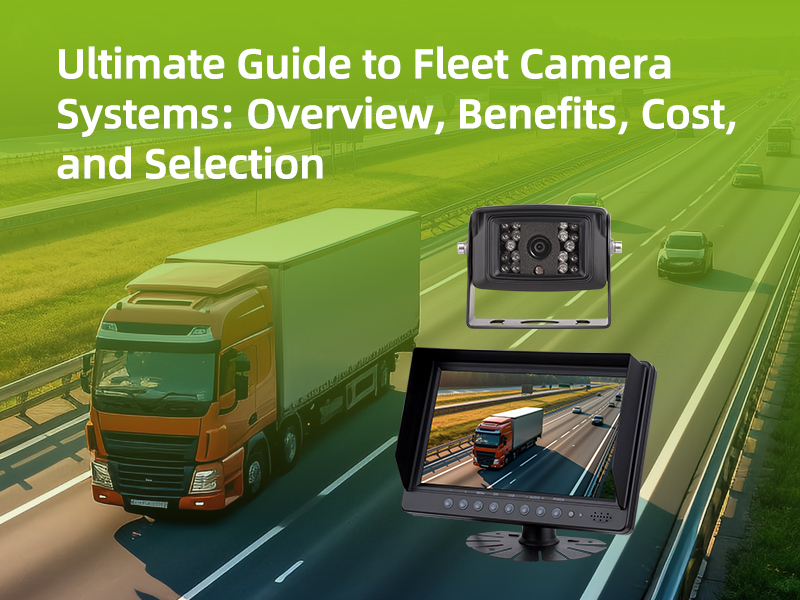
A fleet camera, often referred to as a fleet management camera, is a specialized type of video recording device designed primarily for vehicles that are part of a commercial fleet. Its main purpose is not just to record footage but to aid fleet managers in monitoring, tracking, and ensuring the safety of their vehicles and drivers. These cameras offer an extra layer of oversight, helping businesses reduce liabilities, maintain compliance, and enhance overall fleet performance.
Key Features of Fleet Cameras
- Integrated GPS: Most fleet cameras come with an integrated GPS system, enabling fleet managers to track the real-time location of each vehicle.
- Multiple Channel Recording: Unlike regular dashcams, fleet cameras often have the capability to record multiple views simultaneously. This includes front-facing, rear, cabin, and sometimes even side views.
- Cloud Storage & Real-time Streaming: Many advanced fleet cameras offer cloud storage solutions, ensuring that footage is stored securely and can be accessed remotely. Some even allow for real-time streaming, letting managers monitor situations as they happen.
- Driver Behavior Monitoring: With the integration of advanced sensors, fleet cameras can detect and alert for behaviors like hard braking, rapid acceleration, or sharp cornering, ensuring driver compliance and safety.
- Tamper-Proof Design: Given the commercial use and the need for uninterrupted surveillance, these cameras are designed to be tamper-proof, preventing unauthorized access or tampering.
Common Uses and Industries That Benefit from Fleet Cameras
- Logistics and Transportation: Companies involved in the transportation of goods often use fleet cameras to monitor their vehicles, ensuring timely deliveries and safe transit.
- Public Transportation: Buses, trams, and other public conveyances employ fleet cameras to ensure passenger safety and monitor driver behavior.
- Rental and Car-sharing Services: These businesses deploy fleet cameras to monitor the condition of their vehicles, track usage, and protect against potential abuses or damages.
- Emergency Services: Ambulances, fire trucks, and police vehicles use fleet cameras to document incidents, ensure compliance, and as a tool for training and review.
- Construction and Heavy Machinery: In industries where heavy machinery like dump trucks or excavators are used, fleet cameras help in monitoring operations, ensuring safety protocols are followed, and protecting against potential liabilities.
In essence, any industry that relies heavily on vehicular operations and wishes to enhance safety, compliance, and efficiency can greatly benefit from the use of fleet cameras.
What is a Dashcam?
Definition and Primary Purpose
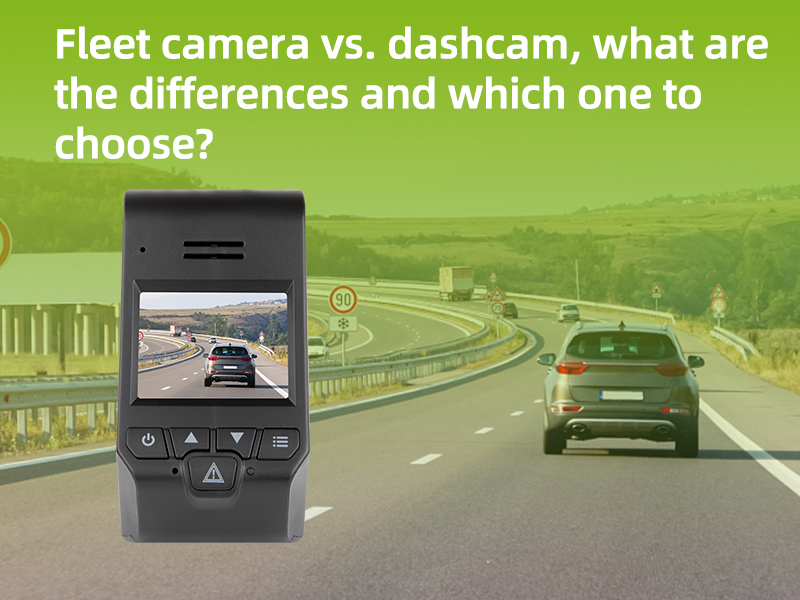
A dashcam, short for dashboard camera, is a compact video recording device mounted on the dashboard or windshield of a vehicle. It is primarily designed to record continuous video footage of the road ahead, serving as a silent witness to any incidents that may occur while driving. The primary purpose of a dashcam is to provide objective evidence in case of road accidents, traffic violations, or any unexpected events, ensuring that the truth is always on record.
Key Features of Dashcams
- Continuous Loop Recording: Dashcams are designed to record footage continuously. Once the storage is full, the oldest footage is overwritten by the newest, ensuring that the most recent events are always captured.
- Automatic Incident Detection: Many dashcams come equipped with sensors that detect sudden changes in motion or impact. When an incident is detected, the dashcam automatically saves and locks the footage surrounding that incident, preventing it from being overwritten.
- Wide-angle Lens: To capture a broad view of the road ahead, dashcams typically employ wide-angle lenses, offering a panoramic view of the surroundings.
- Night Vision: Considering that many incidents can occur during low-light conditions or at night, modern dashcams often come with enhanced night vision capabilities, ensuring clarity even in the dark.
- Parking Mode: Some dashcams feature a parking mode, which activates the camera when the vehicle is stationary. This can be beneficial in capturing events like hit-and-runs or vandalism when the car is parked.
Common Uses and Scenarios Where Dashcams Are Beneficial
- Accident Evidence: The most common use, dashcams provide irrefutable evidence in the event of an accident, clarifying who was at fault.
- Protection Against Fraud: There have been instances where individuals intentionally cause accidents to claim insurance. A dashcam can capture such fraudulent acts, protecting the innocent party.
- Monitoring Driving Behavior: Parents or car owners can use dashcams to monitor the driving habits of their teenagers or renters, ensuring safety and compliance with traffic rules.
- Capturing Unexpected Events: From meteor sightings to rare wildlife crossings, dashcams have captured numerous unexpected and often viral events, providing unique footage that can be shared and cherished.
- Insurance Discounts: Some insurance companies offer discounts to drivers who have dashcams installed, acknowledging the role they play in promoting safer driving and providing clear evidence in case of incidents.
In summary, dashcams have become an indispensable tool for many drivers, offering peace of mind, security, and often even financial savings.
Primary Differences Between Fleet Cameras and Dashcams
Understanding the differences between fleet cameras and dashcams is vital for businesses and individuals alike. Both serve unique purposes and offer distinct features that cater to their intended audiences. Here’s a breakdown of their primary differences:
Functional Differences
- Integration with Systems:
- Fleet Cameras: These are often intertwined with fleet management systems. This integration allows managers to monitor vehicle locations, driving behaviors, and even maintenance needs in real-time. Fleet cameras provide a comprehensive view of the entire fleet’s operations, ensuring smooth and efficient functioning.
- Dashcams: Designed for individual use, dashcams primarily focus on recording footage of the road and immediate surroundings. They lack the broader fleet integration features, serving mainly as an objective witness to on-road incidents.
Technological Differences
- Video Storage Capabilities:
- Fleet Cameras: Given the commercial aspect, these cameras often have larger storage capacities and may come with cloud storage solutions. This ensures that footage can be stored for longer periods and can be accessed remotely by fleet managers.
- Dashcams: Typically, dashcams rely on loop recording, where older footage is overwritten by new recordings when storage is full. Some advanced models might offer cloud storage, but it’s less common than with fleet cameras.
- Integration with Other Systems:
- Fleet Cameras: Apart from fleet management systems, these cameras can also integrate with other enterprise systems, such as maintenance tracking, scheduling, or even customer management systems.
- Dashcams: They are standalone devices, with minimal integration capabilities. Some advanced models might sync with mobile apps for easy footage access and sharing, but the integration usually stops there.
- Camera Quality and Resolution:
- Fleet Cameras: Given the commercial imperative, these cameras might offer higher resolutions and multiple camera feeds (front, cabin, rear, sides). The emphasis is on comprehensive coverage and clarity.
- Dashcams: These offer good quality recordings, especially the premium models. However, most dashcams focus on the front view, with some models offering rear or cabin views as added features.
Usage and Deployment Differences
- Commercial vs. Individual Use:
- Fleet Cameras: As the name suggests, they are predominantly used by commercial fleets. This includes transportation companies, public transit systems, emergency services, and more.
- Dashcams: They are primarily designed for individual motorists. Whether it’s daily commuting, long drives, or even rideshare drivers, dashcams cater to personal vehicle owners seeking an extra layer of security and evidence.
Advantages of Using a Fleet Camera
In the modern transportation and logistics industry, the advantages of employing fleet cameras go far beyond mere surveillance. They provide a suite of benefits that enhance operations, safety, and profitability. Here’s a comprehensive look at the advantages of using fleet cameras:
Enhanced Fleet Management
- Real-time Monitoring: With fleet cameras integrated with GPS systems, fleet managers can monitor vehicles in real time. This allows them to make informed decisions about routes, respond quickly to unforeseen incidents, and manage fleet distribution effectively.
- Efficient Dispatch: By knowing the precise location and status of each vehicle, dispatchers can make data-driven decisions on which vehicle to send for a job, reducing response times and enhancing customer satisfaction.
- Maintenance Alerts: Some advanced fleet camera systems can also provide alerts related to vehicle maintenance, ensuring that vehicles remain in optimal condition and reducing the risk of breakdowns.
Improved Safety for Drivers and Cargo
- Behavior Monitoring: Fleet cameras can detect potentially dangerous driving behaviors, like hard braking or rapid acceleration. This allows managers to address these behaviors through training or other interventions, ensuring safer roads for everyone.
- Cargo Security: For fleets that transport valuable goods, cameras offer an added layer of security, deterring potential thefts and ensuring the safety of the cargo.
- Evidence Collection: In case of accidents or disputes, the footage from fleet cameras provides irrefutable evidence, ensuring that justice is served.
Easier Monitoring and Reporting for Fleet Managers
- Automated Reporting: Many fleet camera systems come with automated reporting features. These can generate insights on fleet performance, driver behavior, fuel consumption, and more, all valuable data for improving operations.
- Incident Reviews: Fleet managers can review footage to analyze incidents, helping in training drivers, understanding bottlenecks, and improving route planning.
- Regulatory Compliance: In some industries, there’s a regulatory need to monitor and record fleet operations. Fleet cameras make it easy to maintain compliance and provide necessary documentation when required.
Possible Insurance Benefits
- Reduced Premiums: Many insurance providers offer reduced premiums for fleets equipped with cameras, recognizing the added safety and accountability they provide.
- Claim Resolution: In case of accidents or damages, having video evidence can expedite the claim resolution process, ensuring faster settlements and reduced downtime.
Utilizing fleet cameras provides a multifaceted approach to managing, monitoring, and maintaining a fleet. From safety to efficiency, the benefits are clear, making them an indispensable tool for modern fleet operations.
Advantages of Using a Dashcam
The adoption of dashcams by individual drivers has witnessed a significant surge in recent years. The reasons for this are manifold, ranging from personal security to potential financial benefits. Here’s a detailed exploration of the advantages of using a dashcam:
Evidence in Case of Accidents or Disputes
- Objective Witness: Dashcams serve as an impartial observer, recording events exactly as they happen. In the unfortunate event of an accident, the footage can clearly show what transpired, helping to establish fault and protect innocent parties.
- Protection Against Fraud: There have been instances of staged accidents or false claims designed to extort money or benefits. A dashcam can capture such deceitful acts, protecting the driver from potential fraud.
Enhanced Safety for Individual Drivers
- Driving Behavior Analysis: While primarily used for recording external events, dashcams can also help drivers self-assess their driving habits. Reviewing footage can highlight areas for improvement, leading to safer driving practices.
- Night Driving: Advanced dashcams with night vision capabilities ensure that events are captured clearly even in low-light conditions, offering protection during night drives.
- Emergency Features: Some dashcams come with emergency SOS features, which can automatically alert emergency services in the event of a severe collision.
Possible Insurance Discounts
- Premium Reduction: Recognizing the safety benefits and the role of dashcams in providing clear evidence, some insurance companies offer discounts to drivers who have them installed. This not only enhances safety but also leads to potential savings.
- Faster Claim Processing: In case of an accident, having clear video evidence can expedite the claim resolution process, ensuring that drivers don’t have to endure prolonged disputes or delays.
Monitoring Parked Vehicles and Anti-Theft Features
- Parking Mode: Some dashcams offer a parking mode, which activates when the vehicle is stationary. This can capture events like hit-and-runs or vandalism, providing evidence and security even when the driver is away from the vehicle.
- Theft Deterrent: The mere presence of a dashcam can act as a deterrent to potential thieves or vandals, adding an extra layer of security to the vehicle.
- Remote Alerts: Advanced dashcams can send real-time alerts to the owner’s smartphone if the vehicle is tampered with or if an incident is detected while parked.
In essence, dashcams offer a multitude of benefits, from safeguarding against unexpected events on the road to ensuring peace of mind when the vehicle is parked. Their advantages underscore the reason behind their growing popularity among motorists worldwide.
Choosing the Right Camera for Your Needs
In a world brimming with technological advancements, selecting the right camera for your vehicular needs can seem daunting. However, a systematic approach can simplify the decision-making process. Here’s a guide to help you choose the right camera based on your specific requirements:
Factors to Consider
Purpose: Commercial Fleet or Individual Use?
- Commercial Fleet: If you’re managing a fleet of vehicles, your needs will gravitate towards fleet cameras. These provide a holistic view of your operations, helping with real-time monitoring, driver behavior analysis, and integration with fleet management systems.
- Individual Use: For personal vehicles or individual motorists, dashcams are more suitable. Their primary focus is on recording road events, safeguarding against potential mishaps, and possibly even availing insurance discounts.
Budget Considerations
- Range of Options: Both fleet cameras and dashcams come in a range of price points. Establishing a budget can help narrow down options and ensure you get the best value for your money.
- Total Cost of Ownership: Beyond the initial purchase price, consider costs related to installation, maintenance, potential cloud storage fees, and any subscription services if applicable.
Technical Requirements
- Resolution and Quality: Depending on your needs, you might want a camera with high-definition recording capabilities. For commercial fleets, clear footage can be crucial, especially if the footage is used for evidence or training.
- Storage Capacity: While most cameras use loop recording, the duration before older footage is overwritten varies. Consider how long you need to retain footage and choose a model with storage capabilities to match.
- Additional Features: Night vision, parking mode, wide-angle lens, and advanced sensors might be features you want to look for based on your specific requirements.
Integration Needs with Other Systems
- Fleet Management Systems: For commercial fleet operators, integration with existing fleet management or enterprise systems is vital. Ensure the camera system is compatible or offers APIs for seamless integration.
- Mobile Apps and Alerts: Individual users might prefer dashcams that come with mobile app integration, allowing for easy access, sharing, and real-time alerts.
- Connectivity: Some advanced models offer Wi-Fi or cellular connectivity, allowing for remote access to camera feeds or cloud storage. Consider if this is a feature you require.
In summary, choosing the right camera boils down to understanding your specific needs and then aligning them with the features and capabilities of available options. Whether it’s for commercial operations or individual protection, investing time in research will ensure you make a well-informed decision.
The Future of Vehicle Cameras
Vehicle cameras, both fleet cameras and dashcams, have witnessed tremendous evolution in recent years. As technology continues to advance at an unprecedented rate, the next generation of vehicle cameras is poised to be smarter, more integrated, and even more indispensable. Let’s explore what the future holds for these devices:
Emerging Technologies and Trends
- Augmented Reality (AR) Integration: Future vehicle cameras might integrate AR to overlay important information on the camera feed. This could include navigational cues, vehicle diagnostics, or even real-time data about traffic conditions.
- 5G and Enhanced Connectivity: With the rollout of 5G networks, the connectivity and data transfer speeds for vehicle cameras are set to increase dramatically. This will enable real-time video streaming, faster uploads to cloud storage, and instantaneous data sharing.
- Advanced Sensors and Improved Night Vision: Next-gen vehicle cameras will incorporate advanced sensors that can detect a wider range of light wavelengths. This will result in clearer footage in low-light conditions and enhanced night vision capabilities.
- Solar-Powered Cameras: With the increasing emphasis on sustainability, we might see the advent of solar-powered vehicle cameras that can operate without draining the vehicle’s battery.
How AI and Machine Learning are Shaping the Future
- Predictive Analysis: AI-powered fleet cameras can analyze driving patterns and predict potential hazards, alerting drivers in real-time. For instance, if a driver is consistently braking hard at certain spots, the AI might recognize a potential hazard in that area and provide a warning in advance.
- Driver Fatigue and Distraction Detection: Through facial recognition and behavioral analysis, AI-enabled cameras can detect signs of driver fatigue or distraction and send alerts, ensuring the driver’s safety.
- Automated Incident Reporting: Upon detecting an accident or collision, AI-driven cameras can automatically compile an incident report, capturing crucial data points like speed, direction, impact force, and more. This not only aids in insurance claims but also in understanding the root causes of incidents.
- Personalized Driver Training: By analyzing a driver’s behavior over time, AI can create personalized training modules highlighting areas of improvement, ensuring that drivers receive tailored feedback to enhance their skills.
- Enhanced Security: AI-driven dashcams can recognize unauthorized access or potential threats to a parked vehicle, triggering alarms or notifying the owner instantly.
- Integration with Smart Cities: As cities become smarter and more connected, AI-driven vehicle cameras will integrate with city-wide systems. This can aid in real-time traffic management, accident response, and even in locating available parking spots.
In conclusion, the fusion of AI, machine learning, and advanced technological trends is set to revolutionize the world of vehicle cameras. These advancements will make roads safer, operations more efficient, and drive the evolution of smarter, more connected cities.
루뷰 is a professional rear view safety products manufacturer and solution provider from China. Whether you are looking for a fleet camera or dashcam, we are the right supplier you are looking for. Please contact sales@luview.com 자세한 내용은.