Benefits of Installing WiFi Backup Camera System缩略图

와이파이 백업 카메라 시스템 설치의 이점
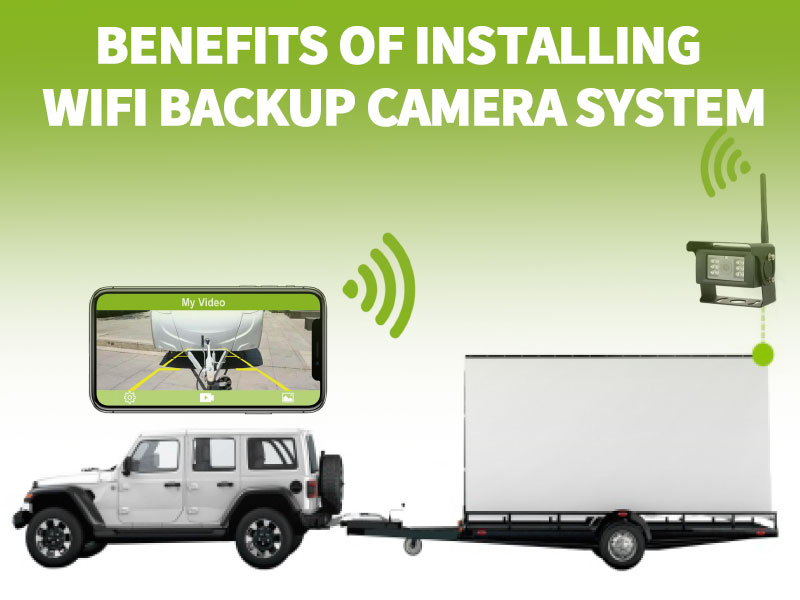
Benefits of Installing WiFi Backup Camera System插图현대 자동차 기술 환경에서 WiFi 후방 카메라 시스템은 점점 더 대중화되고 있습니다. 이 기술은 운전자의 안전성을 높일 뿐만 아니라 편의성을 추가로 제공합니다. 본 글에서는 WiFi 후방 카메라 시스템 설치의 이점과 현대 차량에서 이 시스템이 필수적인 이유가 무엇인지 살펴보겠습니다.

1. 향상된 안전성

WiFi 후방 카메라 시스템을 설치할 때 가장 두드러진 장점 중 하나는 향상된 안전성입니다. 후진 시 운전자는 종종 후방 주변 시야를 방해하는 사각지대에 직면합니다. WiFi 후방 카메라 시스템을 설치하면 운전자는 차량 후방을 실시간으로 모니터링하고 관찰할 수 있어 다른 차량, 보행자 또는 장애물과의 충돌을 피할 수 있습니다. 이 기능은 좁은 주차 공간, 혼잡한 도시 도로를 주행하거나 좁은 공간에 후진할 때 특히 유용합니다. 카메라의 광각 뷰와 가이드 라인은 운전자가 차량의 위치와 거리를 정확히 파악하는 데 도움을 주어 사고 위험을 줄여줍니다.

2. 주차 보조 시스템

주차 보조 기능은 WiFi 백업 카메라 시스템의 또 다른 중요한 장점입니다. 이 시스템은 탁월한 보조 기능을 제공하여 주차 과정을 더욱 정확하고 안전하게 만듭니다. 주변 환경을 지속적으로 모니터링함으로써 시스템은 주차 중 잠재적 장애물을 감지하고 충돌 위험을 피할 수 있습니다. 평행 주차든 직각 주차든, WiFi 백업 카메라 시스템은 뛰어난 보조 능력을 보여줍니다. 운전자에게는 좁은 주차 공간에서도 주변 차량이나 장애물과의 불필요한 접촉을 걱정하지 않고 자신 있게 차량을 조작할 수 있음을 의미합니다. 이러한 편의성은 주차 효율성을 높일 뿐만 아니라 주차 과정에서 발생할 수 있는 사고 위험도 줄여줍니다.

3. 편리한 운전 경험

와이파이 백업 카메라 시스템은 기존 백미러에 비해 편리한 운전 경험을 제공합니다. 백미러는 시야가 제한되는 반면, 와이파이 백업 카메라는 차량 후방의 실시간 영상을 스마트폰이나 차량 디스플레이로 직접 전송합니다. 이를 통해 운전자는 특히 저조도 환경이나 야간 주행 시 후방 주변을 선명하게 확인할 수 있습니다. 또한 일부 와이파이 카메라 시스템은 거리 경고 및 장애물 경고와 같은 유용한 기능을 제공하여 운전 편의성과 안전성을 한층 더 높여줍니다.

4. 간편한 설치

와이파이 백업 카메라 시스템의 또 다른 중요한 장점은 설치가 간편하다는 점입니다. 기존 유선 카메라 시스템과 달리 와이파이 시스템은 복잡한 배선 작업이나 드릴링이 필요하지 않습니다. 카메라를 차량 후면에 쉽게 장착할 수 있으며, 스마트폰이나 차량 디스플레이에 무선으로 연결됩니다. 이러한 설치 방식은 시간을 절약하고 비용을 절감하며 차량 내부의 깔끔함을 유지해 줍니다. 운전자는 와이파이 백업 카메라 시스템을 직접 설치하거나 전문가를 통해 설치할 수 있습니다.

5. 운전 자신감 향상

와이파이 백업 카메라 시스템은 운전자의 도로 주행 자신감을 높여줍니다. 실시간 영상과 보조 기능의 도움으로 운전자는 후진 조작을 손쉽게 수행할 수 있어 불필요한 망설임과 불안감을 최소화할 수 있습니다. 이 점은 특히 초보 운전자나 운전 경험이 부족한 운전자에게 매우 유용합니다. 와이파이 백업 카메라 시스템을 활용하면 운전자는 다양한 후진 상황을 더 큰 자신감으로 대처할 수 있어 전반적인 주행 경험의 편안함과 안정성을 높일 수 있습니다.

결론

와이파이 백업 카메라 시스템 설치는 운전자에게 다양한 이점을 제공합니다. 이는 안전성과 편의성을 높여줄 뿐만 아니라 운전 중 자신감도 증진시킵니다. 기술 발전에 따라 와이파이 백업 카메라 시스템은 자동차 산업에서 점점 더 중요한 역할을 수행하고 있습니다. 신차든 구형 차량이든 와이파이 백업 카메라 시스템 설치는 더 나은 운전 경험과 확신을 제공하는 가치 있는 개선 사항입니다. 위에서 언급한 이점을 고려하여 도로 위 안전, 편의성, 자신감을 최우선으로 하는 선택을 하시기 바랍니다.

고품질의 첨단 기술이 적용된 WiFi 후방 카메라 시스템을 찾고 계신가요? 더 이상 찾아보실 필요 없습니다! 17년 이상의 업계 경험과 탁월한 제품 라인업을 보유한 Luview가 여러분의 요구를 충족시켜 드립니다. 저희와의 파트너십을 위한 첫걸음을 내디디시려면 이메일을 보내주시기 바랍니다. sales@luview.com. 함께 이 여정을 시작해 봅시다!
브레이크 라이트 카메라 시스템의 장점 썸네일

브레이크등 카메라 시스템의 장점

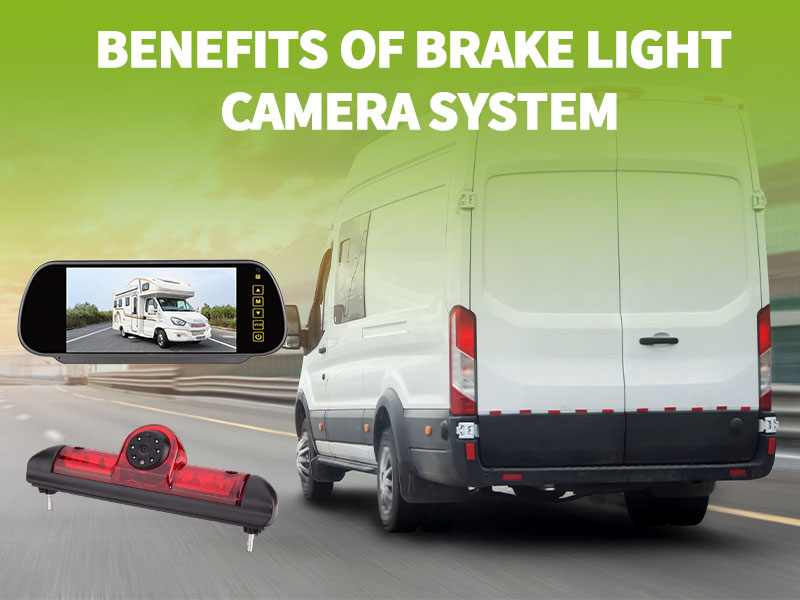
Benefits of Brake Light Camera System插图In today’s era of rapidly advancing automotive technology, the brake light camera system, as one of the advanced safety technologies, is gradually attracting people’s attention. This system provides drivers with more comprehensive and advanced protection in terms of road safety, parking assistance, driving experience, accident evidence, convenience, and cost-effectiveness. Let’s explore the excellent features of the brake light camera system together.

Enhancing road safety

The brake light camera system plays a crucial role in enhancing road safety. By monitoring the rear environment of vehicles in real-time, the system can quickly detect obstacles and prevent accidents before potential collisions occur, significantly improving the safety of road travel. This technology demonstrates exceptional performance, especially in adverse weather conditions, helping drivers have a clearer perception of their surroundings and effectively reducing the risk of accidents caused by weather. With its responsiveness and reliability in different weather conditions, the brake light camera system becomes a powerful safety assistant, providing drivers with comprehensive road protection.

Parking Assist Feature

The parking assist feature is another significant advantage of the brake light camera system. This system plays a crucial role in precise parking by providing excellent assistance to drivers, making the parking process more accurate and safe. By monitoring the surrounding environment of the vehicle in real-time, the system can detect potential obstacles during the parking process, avoiding the risk of potential collisions. Whether it is parallel parking or perpendicular parking, the brake light camera system demonstrates its exceptional assisting capability. For drivers, this means they can confidently perform parking maneuvers in narrow parking spaces without worrying about unnecessary contact with surrounding vehicles or obstacles. This convenience not only improves parking efficiency but also reduces the risk of accidents that may occur during the parking process.

Enhancement of Driving Experience

The role of the brake light camera system goes beyond enhancing road safety and assisting in parking. It also plays a crucial role in enhancing the driving experience. By monitoring the rear environment of the vehicle in real-time, the system effectively reduces the stress on drivers and provides a higher sense of driving security. Drivers can have a clearer understanding of the surrounding conditions, and the seamless integration of the system with other safety features creates a comprehensive driving experience for them. This comprehensive protection and intelligent driving assistance enable drivers to drive with more confidence and comfort, enhancing the overall enjoyment and convenience of the driving process. The brake light camera system is not just a safety technology but a key driving companion that brings driving pleasure and convenience to drivers.

Acquiring Accident Evidence

The automatic recording feature of the brake light camera system provides an efficient and reliable means of acquiring accident evidence, greatly simplifying the claims process and providing credible evidence for insurance claims. By monitoring the vehicle’s driving condition, the system records the occurrence of accidents and unexpected events in real-time, capturing crucial image and video information. This feature not only helps determine liability and the sequence of events, enhancing the fairness and efficiency of claims, but it also effectively protects drivers from fraudulent activities. After an accident, the recorded objective evidence becomes crucial support during the claims process, reducing the possibility of disputes and controversies. Additionally, this technology helps deter fraudulent behavior as the recorded real-time information is difficult to tamper with, providing insurance companies with a more trustworthy source of data. Overall, the powerful capability of the brake light camera system in acquiring accident evidence provides drivers with comprehensive insurance support, enabling them to face unpredictable events on the road with greater confidence.

Convenience and Connectivity

The integration of the brake light camera system with mobile applications enables convenient features such as remote monitoring and real-time risk alerts, allowing drivers to have instant access to their vehicle’s status and enhancing the convenience and safety of driving. Moreover, its seamless connectivity with other intelligent vehicle systems elevates the overall intelligence of the vehicle. By working in harmony with other systems, it provides more comprehensive and intelligent services and management, offering drivers a more convenient and advanced driving experience.

Cost-effective Safety Solution

The brake light camera system not only provides substantial safety assurance for drivers but also demonstrates significant cost-effectiveness on an economic level. Its automatic recording feature provides reliable evidence for insurance claims, potentially reducing insurance expenditure and offering economic advantages to vehicle owners. More importantly, this system effectively prevents costly collisions and repair expenses through real-time monitoring and driving assistance features, reducing the likelihood of vehicle damage and extending the vehicle’s lifespan. Therefore, the brake light camera system not only prioritizes driver safety but also creates long-term economic benefits for vehicle owners, making it a comprehensive and valuable investment in vehicle safety.

결론

In conclusion, the brake light camera system offers outstanding advantages in enhancing road safety as well as in driving experience, parking assistance, accident evidence acquisition, convenience, and cost-effectiveness. Choosing to install such a system will provide drivers with a new level of safety experience. Luview, as a high-quality supplier of brake light camera systems, is worth your serious consideration. For more information, please contact sales@luview.com to select excellent safety protection for your vehicle.

Choosing the Suitable Blind Spot Detection System: A Guide缩略图

Choosing the Suitable Blind Spot Detection System: A Guide

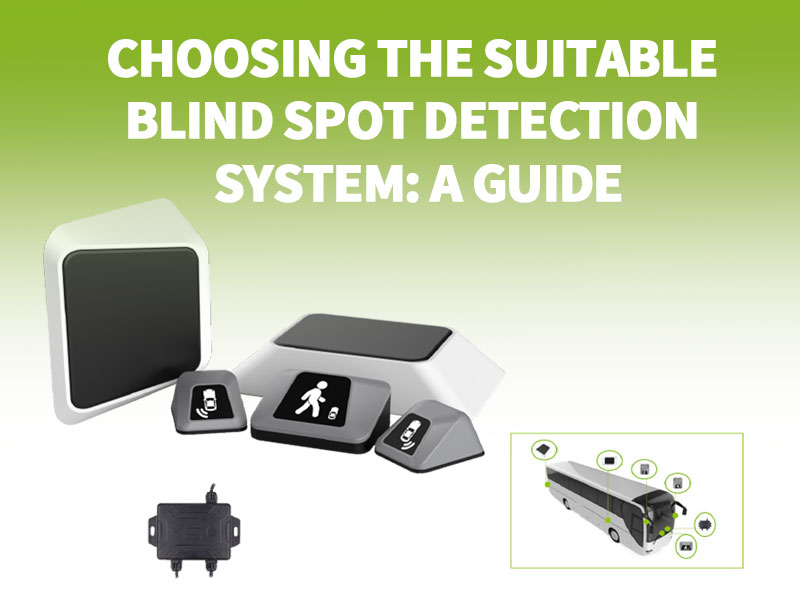
Choosing the Suitable Blind Spot Detection System: A Guide插图In modern traffic, blind-spot accidents are a common and dangerous type of traffic incident. To enhance driving safety, an increasing number of vehicles are equipped with blind-spot detection systems. However, in the market, there are numerous types and brands of blind-spot detection systems, making it not an easy task to choose a system suitable for one’s own vehicle. This article will explore how to select a blind-spot detection system that is suitable for a vehicle, ensuring safety during the driving process.

1. The Danger of Blind-Spot Accidents

The danger of blind-spot accidents cannot be overlooked in modern traffic. These accidents occur in areas not directly observable by drivers, increasing the risk of collisions, especially during lane changes, merging, or reversing. Furthermore, blind-spot accidents may pose a threat to the safety of pedestrians and cyclists, particularly at intersections and during reversing maneuvers. Accidents at intersections, reversing incidents, and hazards during lane changes are closely associated with blind spots.
To mitigate the occurrence of such accidents, vehicle manufacturers adopt technological solutions such as blind-spot detection systems and continuously improve vehicle designs to enhance visibility. Additionally, driver training and attentiveness play crucial roles in reducing blind-spot accidents. By comprehensively implementing these measures, we can effectively elevate the level of traffic safety, minimizing the potential threats posed by blind-spot accidents to drivers and other road users.

2. Types of Blind-Spot Detection Systems

Blind-spot detection systems come in a variety of types, utilizing different technologies to provide additional driving assistance. Radar systems use wireless radar signals to monitor the surrounding environment, while camera systems offer real-time video imagery, particularly useful for visual assistance during reversing or lane-changing maneuvers. Ultrasonic systems measure distances using ultrasonic sensors and emit sound or visual warnings. Additionally, integrated systems combine multiple technologies to provide more comprehensive blind-spot monitoring. Each system has unique advantages and limitations, and selecting a system suitable for a vehicle requires considering factors such as accuracy, coverage, response speed, and real-world performance during driving. Choosing the right system involves considering the type of vehicle and individual preferences.

3. Applicable Vehicle Types and Sizes

Blind-spot detection systems are widely applicable across various vehicle types, especially proving crucial for compact cars, SUVs, trucks, and large commercial vehicles that may face significant blind-spot challenges during driving. These systems, employing visual, radar, or ultrasonic technologies, effectively provide additional warnings to drivers during maneuvers like reversing and lane changes, thereby reducing the potential risk of traffic accidents. When selecting a blind-spot alert system tailored to a specific vehicle type, it is recommended to consider the vehicle’s size and design structure. This involves evaluating the system’s coverage range and sensor placement to ensure optimal driving safety.

4. Considerations for Budget Range

When choosing a blind-spot detection system, several factors need to be considered that impact the budget range. The vehicle model, manufacturer, technology type, and system functionality are the primary factors influencing costs. Luxury vehicle models often come equipped with more advanced safety technology, leading to potentially higher system costs. Different technology types also affect prices, for instance, radar-based systems may be more expensive, while ultrasonic-based ones might be more cost-effective. Advanced features like automatic braking, lane-keeping assistance, etc., can elevate system prices. OEM-installed systems are typically more tightly integrated and may be more expensive. Additionally, market competition and supplier choices can also influence prices. Taking into account both safety requirements and financial constraints, it is crucial to choose a system that aligns with individual needs and driving environments. This investment often enhances driving safety and reduces the potential risk of accidents.

5. Installation Difficulty and Methods

The installation difficulty and methods of blind-spot detection systems vary depending on the vehicle model, system type, and whether it is factory-installed or an aftermarket installation. Factory-installed systems are typically completed by professional technicians during the vehicle manufacturing process, simplifying the installation process. Aftermarket installations may involve more complex steps, depending on the chosen system type and location. This could include the installation of cameras, radar, or ultrasonic sensors, as well as connections to the vehicle’s electrical system. For individuals not familiar with automotive systems, it is advisable to seek professional installation services to ensure the correct installation and proper functioning of the system. This helps enhance safety and reduces potential issues.

6. Technical Reliability and Accuracy

The technical reliability and accuracy are critical differences among various types of blind-spot detection systems. This involves aspects such as the visual recognition capabilities of cameras and the perceptual accuracy of radar. To ensure effective operation in complex traffic environments, users need to choose systems with higher technical reliability and accuracy based on their specific needs and use cases. In this selection process, understanding the technical details of different systems, such as camera resolution and algorithm optimization, radar detection range, and accuracy, will be crucial. Through careful selection, users can ensure that their blind-spot detection systems operate reliably in various situations, enhancing driving safety.

7. Functional Requirements

When selecting a blind spot detection system, users need to consider not only technical reliability and accuracy but also the system’s functional requirements. Different systems offer various warning methods, such as visual, auditory, or vibration alerts. Some systems also have data recording and analysis capabilities, providing detailed information about driving behavior and blind spot events. Users can choose a system that best suits their preferences and driving habits based on these features. For example, drivers who prefer visual alerts may opt for clear and visible indicators, while users interested in data analysis may prefer systems that provide detailed records. Additional features such as automatic sensitivity adjustment, wireless connectivity, and integration with smartphones are also factors to consider, enhancing the convenience and user experience of the system. Therefore, by comprehensively considering both technical features and functional needs, users can better choose a blind spot detection system that aligns with their driving habits and preferences.

8. Compatibility Considerations

When selecting a blind-spot detection system, it is crucial to consider its compatibility with different vehicle years and models. Ensuring smooth integration and proper functionality is of utmost importance. Additionally, users should also pay attention to whether the system supports upgrades and updates to adapt to evolving technology and regulatory requirements. This helps guarantee the long-term availability and adaptability of the system. Therefore, compatibility is a critical factor to consider when choosing a blind-spot detection system, directly impacting its effectiveness on specific vehicles and future maintainability.

9. Compliance with Regulations and Standards

When choosing a blind-spot detection system, users must ensure that the selected system complies with local regulatory requirements and standards. Different regions may have specific certification requirements for such systems, so it is crucial to understand local regulations and opt for a system that meets the applicable standards. This helps ensure the legality and safety of driving, enhancing the overall reliability of the driving experience.

결론

When selecting a blind-spot detection system suitable for a vehicle, it is necessary to consider the above factors comprehensively, weighing the pros and cons to make informed decisions. The role of a blind-spot detection system extends beyond improving driving safety, it also helps reduce the likelihood of accidents. By making a reasonable choice of a blind-spot detection system, we can enjoy the pleasure of driving with greater peace of mind and ensure the traffic safety of ourselves and others.
For ensuring a safe, blind-spot-free driving experience, Luview is your ideal partner for automotive blind-spot detection systems! We specialize in the research and manufacturing of high-quality automotive rearview systems and surveillance video solutions, assisting you in every drive without worries. Take action now, seize safety assurance, and contact us for more customized services and product details at sales@luview.com. Let Luview escort your journey with confidence!

Guide to Choosing a Body Worn Camera缩略图

Guide to Choosing a Body Worn Camera

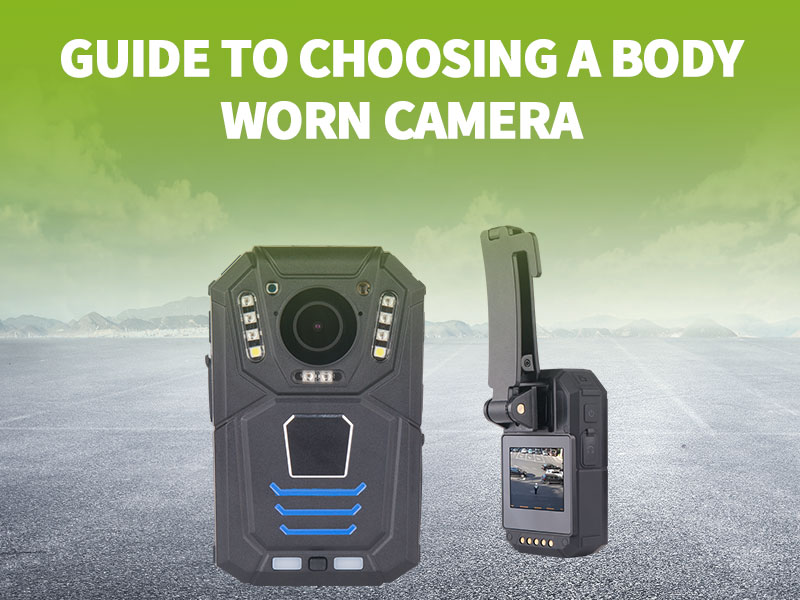
Guide to Choosing a Body Worn Camera插图In modern law enforcement work, body-worn cameras have become an indispensable tool. They not only provide objective evidence but also contribute to maintaining fairness and transparency. However, faced with numerous brands and models of body-worn cameras in the market, choosing a device that suits one’s job requirements can be overwhelming. To assist you in making an informed decision, here is a guide on choosing a body-worn camera.

서론

The application of body-worn cameras in law enforcement has become a prevalent trend. By documenting law enforcement activities, this device provides officers with a powerful means to protect themselves while also enhancing the transparency of their work.

1. Consideration of crucial features

When choosing a body-worn camera, the primary considerations are its crucial features. The resolution and video quality determine the clarity of the recordings, while a wide field of view ensures comprehensive coverage. In addition, low-light performance and battery life are also crucial factors.

2. Storage and data management

Choosing a body-worn camera with robust storage and data management capabilities is equally crucial. Internal storage and external options, cloud storage, as well as data encryption and security features, all need to be carefully considered.

3. Durability and design

Given the often complex and challenging work environments of law enforcement personnel, the durability and design of the equipment are particularly crucial. Choosing a body-worn camera that is impact-resistant, waterproof, dustproof, and designed robustly ensures reliable operation in various circumstances.

4. Ease of Use

A body-worn camera that is easy to use can enhance the efficiency of law enforcement personnel. Ensure that the device has an intuitive user interface and controls, as well as good compatibility with existing systems. Additionally, consider the simplicity of the training process.

5. Connectivity options

Modern law enforcement work demands devices with advanced connectivity options. Wireless features such as Wi-Fi and Bluetooth, compatibility with smartphones or other devices, and remote access and control functionalities are all factors that contribute to a more convenient workflow.

6. Budget considerations

When selecting a body-worn camera, budget is also a crucial factor to consider. It’s essential to strike a balance between the initial equipment cost and long-term maintenance expenses, ensuring a good equilibrium between quality and affordability.

7. Legal and compliance considerations

With the widespread adoption of body-worn cameras, issues related to legality and compliance have become increasingly crucial. Ensure that the chosen equipment complies with local laws and regulations while also addressing privacy concerns and incorporating deletion functionalities to mitigate potential legal issues.

8. Brand reputation and reviews

When choosing a body-worn camera, the brand’s reputation and user reviews are crucial avenues for understanding the device’s performance. Conducting in-depth research on various brands, reading user reviews, and seeking recommendations can provide valuable insights into the actual performance of the equipment.

9. Customer support and warranty

Lastly, ensure that the selected body-worn camera brand offers excellent customer support and a reasonable warranty policy. Understanding the device’s upgrade options and software support is essential to guarantee the stability of the equipment during use.

결론

When selecting a body-worn camera, considering the above factors in a comprehensive manner is crucial. A body-worn camera that suits your work requirements, excels in performance, and is easy to use will become an indispensable tool in law enforcement. If you are looking for a reliable supplier of body-worn cameras, Luview is your ideal choice. Please contact sales@luview.com for more details to ensure your law enforcement work is in capable hands.