Wireless Reversing Camera Kits: Components, Installation, and Performance

In commercial vehicles and specialized machinery, reversing visibility directly affects daily efficiency and operational safety. At 루뷰, we focus on developing reliable wireless backup camera systems that support professional fleets, agricultural machinery operators, and industrial vehicle integrators. Wireless reversing camera kits are not simplified consumer tools; they are complete visual solutions designed to work under vibration, dust, and extended operating hours. Understanding their components, installation logic, and performance characteristics is essential for experienced users who need stable long-term operation rather than basic assistance.

Wireless Reversing Camera Kits: Components, Installation, and Performance插图

Key Components of a Wireless Reversing Camera Kit

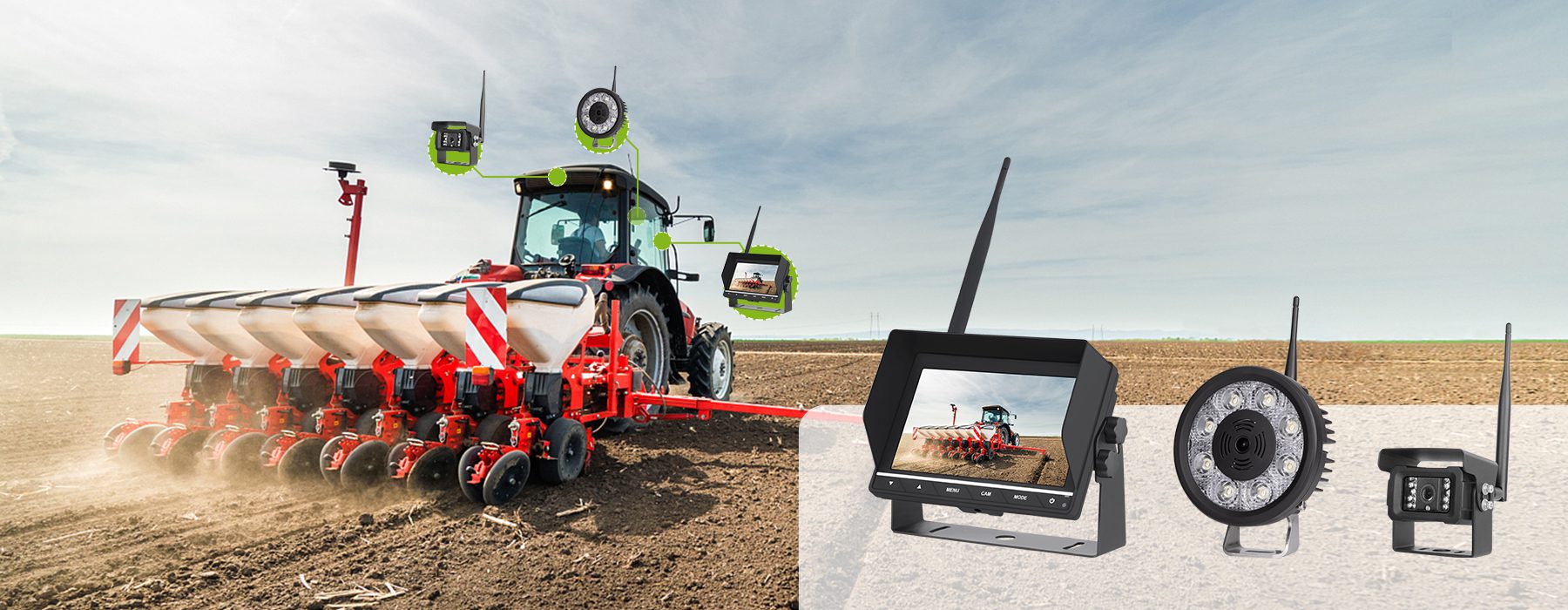
A professional wireless reversing camera kit typically consists of three core elements: a camera unit, a display monitor, and a wireless transmission module. In a truck rear view camera system, the camera is engineered with reinforced housing, wide viewing angles, and infrared or low-light support to maintain visibility during night operations or enclosed working environments. The monitor size and resolution must match the viewing distance in the cabin, while wireless transmission is designed to reduce cable complexity without compromising signal stability. Our systems emphasize compatibility with commercial power supplies and vehicle platforms, ensuring the components function as an integrated unit rather than isolated devices.

Installation Logic for Commercial and Agricultural Vehicles

Installation of wireless reversing camera kits is often driven by vehicle structure and usage scenarios. For agricultural machinery and trucks, mounting positions must consider vibration, exposure to debris, and working light conditions. One example from our portfolio is a 7-inch AHD night vision wireless camera system with an integrated work light, designed for agricultural machinery that operates in low-visibility fields or yards. The wireless structure simplifies installation on long vehicles while still supporting stable image transmission. Power integration follows standard vehicle electrical systems, allowing installers to maintain a clean layout without extensive rewiring.

Performance Considerations in Daily Operation

Performance evaluation goes beyond image clarity. In professional wireless backup camera systems, factors such as transmission latency, resistance to electromagnetic interference, and consistent night performance directly influence usability. AHD technology supports stable image output over wireless links, while night vision functions maintain usable contrast in low-light environments. In a truck rear view camera system, these features support continuous monitoring during reversing, coupling, or equipment alignment tasks. Our development approach focuses on balanced performance rather than isolated specifications, ensuring systems remain reliable under continuous use.

Conclusion: Practical Value of Wireless Reversing Camera Kits

Wireless reversing camera kits serve as functional visibility tools for commercial and industrial vehicles when properly selected and installed. By understanding component roles, installation requirements, and performance expectations, professional users can integrate these systems into daily operations with confidence. At Luview, we design solutions that align with real working conditions, supporting consistent visual assistance without adding unnecessary complexity to vehicle systems.