Luview Fire Drill: Enhancing Safety Awareness and Effectively Responding to Fires缩略图

Luview Fire Drill: Enhancing Safety Awareness and Effectively Responding to Fires

In December, Luview organized a crucial fire drill. The objective of this event was to familiarize employees with emergency evacuation routes, acquaint them with the locations of fire extinguishers and firefighting equipment, and enhance their ability to respond to fires. By participating in this drill, we can adeptly master the procedural steps to be taken in the event of a fire, thereby minimizing potential hazards to the greatest extent possible.

Luview Fire Drill: Enhancing Safety Awareness and Effectively Responding to Fires插图

During the drill, we placed particular emphasis on training for the use of fire extinguishers. Understanding fire safety knowledge is crucial as it enables us to identify signs of a fire, comprehend the ways in which fires can spread, and take appropriate actions to extinguish them. We delved into comprehensive learning on the correct usage of fire extinguishers, gaining proficiency in the operational procedures of these devices.

Luview Fire Drill: Enhancing Safety Awareness and Effectively Responding to Fires插图1


Additionally, we provided a comprehensive explanation of and practical demonstrations on the use of firefighting water hoses. As a crucial firefighting tool, the firefighting water hose is capable of delivering a powerful stream of water to extinguish large-scale fires. During the demonstration, we gained a thorough understanding of the structure and operational principles of firefighting water hoses, as well as the correct procedures for using them to combat fires in emergency situations.

Luview Fire Drill: Enhancing Safety Awareness and Effectively Responding to Fires插图2

Fire safety is the responsibility of each and every one of us. Let’s work together to create a safe and reliable workplace. Through such drill activities, we can better prepare for emergencies, enhance overall safety awareness, and ensure a secure environment for the company.

Luview Fire Drill: Enhancing Safety Awareness and Effectively Responding to Fires插图3

Guide to Choosing a Vehicle Backup Camera for License Plate缩略图

Guide to Choosing a Vehicle Backup Camera for License Plate

In the rapid evolution of modern vehicle safety technologies, the backup camera has emerged as a crucial auxiliary feature, significantly enhancing the safety and convenience of reversing. However, with a plethora of backup camera options available in the market, determining the ideal camera for license plate use has become a concern for many vehicle owners. In this article, we will delve into the selection criteria for choosing a vehicle backup camera specifically designed for license plate installation.

Guide to Choosing a Vehicle Backup Camera for License Plate插图

How to choose the right license plate backup camera

1. Comprehending the functionality of backup cameras

The backup camera is like a little assistant for the vehicle, especially when reversing. It solves the problem of blind spots that we cannot see from the rear, making reversing safer. By instantly delivering a clear rear view, it prevented us from accidentally bumping into things, especially in tight spots. Moreover, the night vision function also makes reversing at night easier and is no longer affected by darkness. Cameras also make parking easier, and we can more accurately judge and avoid obstacles. In general, backup cameras are meant to make driving safer and more convenient, and are part of modern vehicle safety.

2. The importance of resolution and clarity

The resolution and clarity of a license plate backup camera are crucial for driving safety. High resolution provides clear images, enabling drivers to accurately identify obstacles in the rear and reduce the risk of collisions. Clarity also plays a role during nighttime driving and in complex parking scenarios, offering drivers a more reliable spatial perception and simplifying parking maneuvers. This not only enhances the user experience but also provides drivers with reliable assistance during critical moments, making the reversing process safer and more convenient.

3. Consideration of night vision functionality

Night vision functionality is a critical consideration for license plate backup cameras, ensuring clear imaging in low-light or complete darkness through high-sensitivity sensors and infrared assistance. Contrast adjustment, anti-glare design, and real-time responsiveness are crucial to handle various lighting conditions during nighttime driving, providing reliable assistance for reverse maneuvers in the dark. This ensures drivers feel more secure and facilitates convenience during nighttime operations.

4. Installation difficulty and methods

Considering the installation of a camera, it is important to understand whether it requires professional installation services. Some cameras are designed to be easily installed by individuals, while others may require the expertise of professional technicians. If you have limited knowledge of the vehicle’s electrical system or encounter difficulties, it is advisable to seek professional technical support or installation services.

5. Selection of waterproof ratings

When choosing a license plate backup camera, the waterproof rating is a crucial consideration as it directly impacts its stability in different weather conditions. Common waterproof ratings include IP67, IP68, and IP69K, denoting resistance to water depth, water pressure, and high-temperature high-pressure water jets, respectively. In rainy or humid environments, it’s recommended to choose a camera with at least an IP67 rating. For situations requiring frequent washing or exposure to harsh conditions, considering a higher waterproof rating like IP69K might be more suitable. Therefore, it’s important to reasonably select the camera’s waterproof rating based on actual usage and environmental conditions to ensure reliable reverse assistance in various adverse situations.

6. The importance of angle of view and coverage area

When purchasing a license plate backup camera, the angle of view and coverage area are crucial factors to consider. The camera’s angle of view determines the visible range, and choosing an appropriate angle helps in comprehensively understanding the surrounding environment while reversing, reducing blind spots. A wide coverage area provides a clear view of the reversing zone. Therefore, paying attention to the camera’s angle of view and coverage area is key to enhancing reverse safety and convenience.

7. Choice between Wireless and Wired

When selecting a license plate backup camera, you face the choice between wireless and wired connectivity. Wireless cameras eliminate the need for complex wiring, simplifying the installation process and making it more flexible and convenient. However, wired cameras typically offer more stable signal transmission, avoiding potential issues caused by wireless signal interference. Therefore, the choice between wireless and wired involves balancing convenience and stability. It depends on individual preferences and specific needs to determine whether to opt for the convenience of wireless or the reliability of a wired connection.

8. Brand reputation and user reviews as reference

When selecting a license plate backup camera, brand reputation and user reviews are crucial considerations. Reliable brands typically ensure product quality, and user reviews provide practical feedback from actual users. In addition, it’s essential to pay attention to whether the camera’s features align with personal needs, such as high-definition image quality or night vision capabilities. Considering these factors collectively can help choose a camera that best suits the vehicle and specific usage scenarios.

9. Balancing cost and value for money

When choosing a license plate backup camera, it’s essential to strike a balance between cost and value for money. While some high-end cameras may offer more advanced features, they often come with a higher price tag. Therefore, consumers should consider their individual needs and budget, weighing the relationship between the camera’s performance, durability, and price. Focusing on value for money is advantageous for obtaining a practical and economical solution, ensuring that the camera enhances driving safety without imposing an excessive financial burden.

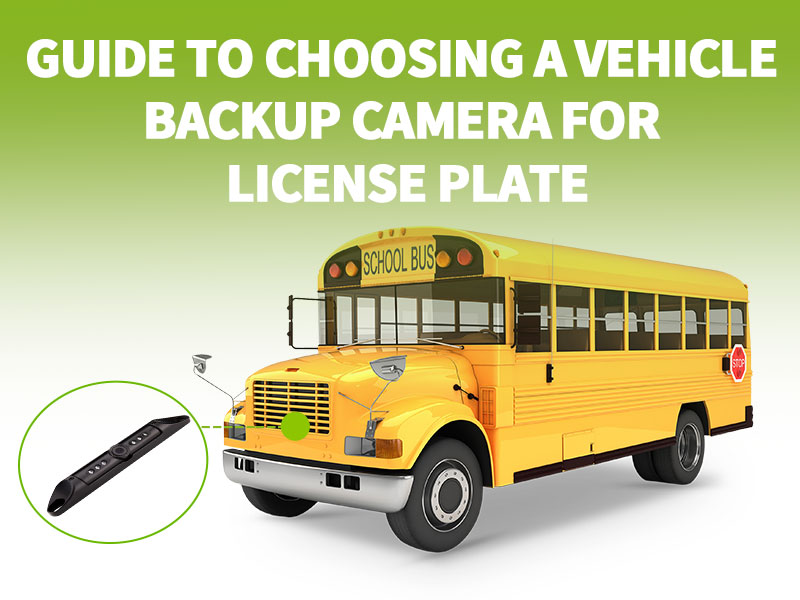
Luview License Plate Backup Camera

The Luview license plate camera boasts an expansive 150° field of view, a high waterproof rating of IP69K, and powerful night vision capabilities (5-10m infrared distance). Additionally, it supports mirror switching and guideline control functions, making it an invaluable assistant for drivers during the reverse process. The wide field of view reduces blind spots, and the high waterproof rating ensures normal operation even in extreme weather conditions. The night vision function enhances visibility during nighttime driving. The mirror switching and guideline control functions further elevate driving convenience, enabling drivers to execute reverse maneuvers with precision. With its unique design and powerful features, the Luview license plate camera creates a more secure and convenient driving experience for users, providing peace of mind and ease during every journey.

Kesimpulan

When selecting a backup camera for your vehicle, it is crucial to consider multiple key factors, including the camera’s resolution, night vision capabilities, installation method, waterproof rating, field of view, connection options, and brand reputation. Through a rational comparison and careful selection, you will be able to find a backup camera that perfectly suits your vehicle, significantly enhancing driving safety and providing a convenient reverse experience.

Luview is a professional Chinese supplier of license plate backup cameras. Feel free to contact us at sales@luview.com to obtain detailed information about our products, allowing you to gain a comprehensive understanding of our professional camera solutions.

Which Forklift Camera System is Right for You: Wireless or Wired?缩略图

Which Forklift Camera System is Right for You: Wireless or Wired?

In today’s logistics and warehousing sector, the forklift camera system has become a crucial tool for enhancing safety and operational efficiency. However, businesses often face a critical decision when choosing a forklift camera system: whether to opt for a wireless forklift camera system or a wired forklift camera system. The following will provide an in-depth comparison of these two systems, exploring their advantages and disadvantages, as well as their applicability in different scenarios.

Which Forklift Camera System is Right for You: Wireless or Wired?插图

Wired forklift camera system

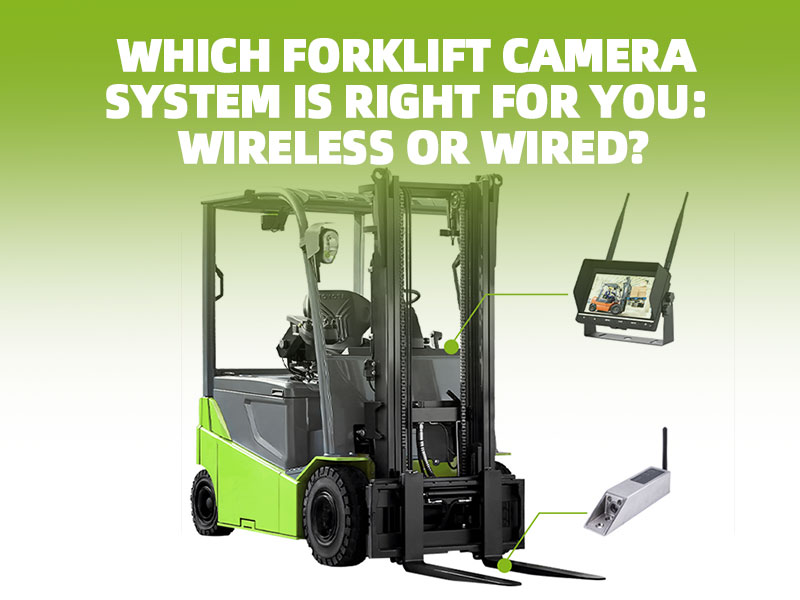
Wireless forklift camera systems offer a range of advantages, with one of them being a high level of flexibility. Due to the absence of wiring constraints, businesses can install and adjust camera positions more freely, accommodating various work scenarios. This flexibility is particularly crucial in dynamic environments where frequent camera movement is required. Additionally, the installation of wireless systems is relatively straightforward, reducing maintenance costs.

However, wireless systems also come with some drawbacks. The stability of the signal may be influenced by external interference, leading to less stable video feeds. Additionally, some wireless systems may require more frequent battery replacements, potentially increasing operational costs.

Wired forklift camera system

Relatively speaking, wired forklift camera systems provide a more stable signal. Due to their wired connections, these systems are less susceptible to external interference, ensuring continuous and reliable monitoring. Additionally, wired systems typically do not require frequent battery replacements, as they are often powered by a stable electrical source.
However, wired systems tend to be more cumbersome in terms of installation, requiring wiring that may involve additional engineering adjustments. This could pose some inconvenience, particularly in scenarios where frequent camera movement or working within narrow spaces is necessary.

How to choose between wireless and wired camera systems

When choosing between wireless and wired forklift camera systems, businesses should balance their decision based on practical needs. For scenarios requiring frequent movement and higher flexibility, wireless camera systems may be more suitable. Conversely, for fixed and long-term monitoring situations, wired camera systems may offer greater reliability.

Additionally, cost is a significant consideration. Wireless systems typically have lower installation and maintenance costs, but it’s crucial to account for potential additional expenses related to battery replacements. Wired systems involve a higher initial investment but may prove more economical over the long term.

Future trends

The continuous advancement of technology has brought improvements to both wireless and wired systems. Wireless technology is evolving, leading to enhanced signal stability and interference resistance. Meanwhile, wired systems are also innovating, incorporating more convenient wiring techniques.

In the future, as technology progresses, the differences between these two systems will gradually diminish. Therefore, when making decisions, businesses should consider various factors comprehensively to ensure that the chosen system can best meet their needs. Whether wireless or wired, both should serve as powerful tools to enhance efficiency and safety.

Kesimpulan

Forklift camera systems play a crucial role in enhancing the safety and efficiency of forklift operations. They eliminate blind spots, monitor potential hazards in real-time, provide operational feedback, and offer innovative solutions for industrial and warehouse safety management. As technology advances, these systems will continue to bolster industrial safety, ensuring the well-being of operators and those in the vicinity.

Luview is a Chinese supplier of forklift camera system solutions, providing reliable solutions to enhance the safety and efficiency of forklift operations. Contact us to learn more at sales@luview.com. Choose Luview and let safety and efficiency go hand in hand! Don’t let negligence lead to accidents. Partner with us to create a safer and more efficient working environment!

How do forklift cameras enhance safety缩略图

How do forklift cameras enhance safety

In the industrial and warehousing sectors, forklifts serve as indispensable tools, providing crucial support for production and logistics. However, the safety hazards inherent in their operation—such as limited visibility, blind spots, and operator negligence—cannot be overlooked. To address these safety challenges, forklift cameras have emerged as an innovative solution to enhance the safety of forklift operations. In this article, we will delve into forklift cameras, specifically focusing on how they play a pivotal role in improving safety, offering a fresh perspective, and presenting solutions for safety management in industrial and warehouse settings.

How do forklift cameras enhance safety插图

Safety challenges in forklift operations

Despite the invaluable role forklifts play in improving efficiency, their operational process entails a series of potential safety risks. The limited visibility of forklift operators, especially in busy work environments where blind spots are prevalent, poses a significant challenge. Additionally, the possibility of operational errors due to factors such as fatigue or distraction further increases the likelihood of collisions and accidents.

Innovative solution of forklift cameras

With the rapid advancement of technology, the introduction of forklift cameras has provided an innovative solution to address the aforementioned safety challenges. Among these solutions, the application of forklift cameras stands out as a crucial one. By installing high-quality cameras on forklifts, these cameras can monitor the surrounding environment in real time, providing high-definition images and video information. This enables operators to gain a more comprehensive and clear view.

The crucial role of forklift lights and cameras

Eliminating blind spots: Forklift cameras play a crucial role in covering blind spots, especially during essential operations such as turning, reversing, as well as when handling goods. They timely detect potential obstacles or pedestrians, thereby reducing the risk of collisions and close encounters.

Real-time monitoring and warning: Forklift camera systems are equipped with intelligent alert systems. Upon detecting hazardous factors, they instantly alert operators through visual and auditory warnings, assisting them in promptly responding to avoid potential accidents.

Enhancing operator abilities and skills

Forklift cameras play a crucial role not only in accident prevention but also in providing real-time operational feedback to operators. Through clear images and visual feedback, operators can accurately grasp the position and posture of the forklift, effectively reducing the occurrence of operational errors. This real-time feedback system can also be used for training and assessing the performance of operators, offering them more targeted guidance to continually enhance their operational skill levels.

LUVIEW forklift cameras and application in safety

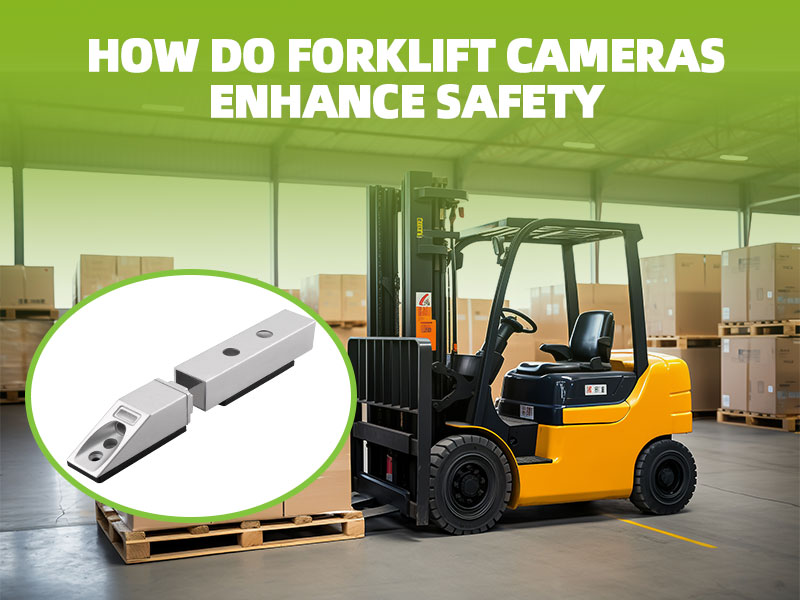
The LUVIEW forklift camera, with its advanced technology and multiple functional features, provides a new level of safety for forklift operations. Utilizing a high-resolution 1/3 CMOS sensor, it supports analog high-definition video at 700TVL, effectively eliminating blind spots for operators. Its IP69K-rated waterproof and dustproof design ensures the stable operation of the camera in harsh environments. The camera supports mirror and ruler switching functions, allowing operators to adjust the image mode as needed and accurately assess distances and object sizes.

Additionally, the design takes into consideration tailpipe and magnet installations, ensuring the camera is securely fixed to the forklift, providing a consistently reliable field of view. The integration of these features plays a crucial role in enhancing operator safety, reducing the risk of accidents, and improving overall work efficiency. The LUVIEW forklift camera serves as an innovative solution for safety management in the industrial and warehouse sectors.

Kesimpulan

Overall, forklift cameras play a crucial role in enhancing the safety and efficiency of forklift operations. Through the elimination of blind spots, real-time monitoring of potential hazards, and providing operational feedback, they bring forth innovative solutions for safety management in the industrial and warehouse sectors. With continuous technological advancements, forklift camera systems will continue to drive improvements in industrial safety, offering comprehensive support for the safety of operators and those in the surrounding environment.

LUVIEW is a professional forklift camera provider from China. If you’re seeking a trustworthy solution to enhance the safety and efficiency of forklift operations, unquestionably, we are your ideal choice. Feel free to contact us immediately to learn more details at: sales@luview.com. Choose LUVIEW and let safety and efficiency move forward hand in hand! Don’t let negligence become the catalyst for accidents. Partner with us to create a safer and more efficient work environment together!

How do work lamp cameras improve agricultural monitoring?缩略图

How do work lamp cameras improve agricultural monitoring?

pengenalan

The importance of agricultural monitoring

Agriculture is a crucial component of human life. With the continuous growth of the global population, the demand for food is on the rise. Consequently, agricultural monitoring has become a key factor in ensuring food production security and agricultural sustainability. In the past, traditional monitoring methods were often constrained by limitations in time, space, and technological conditions, failing to offer round-the-clock effective surveillance.

Innovative applications of work lamp cameras in agricultural monitoring

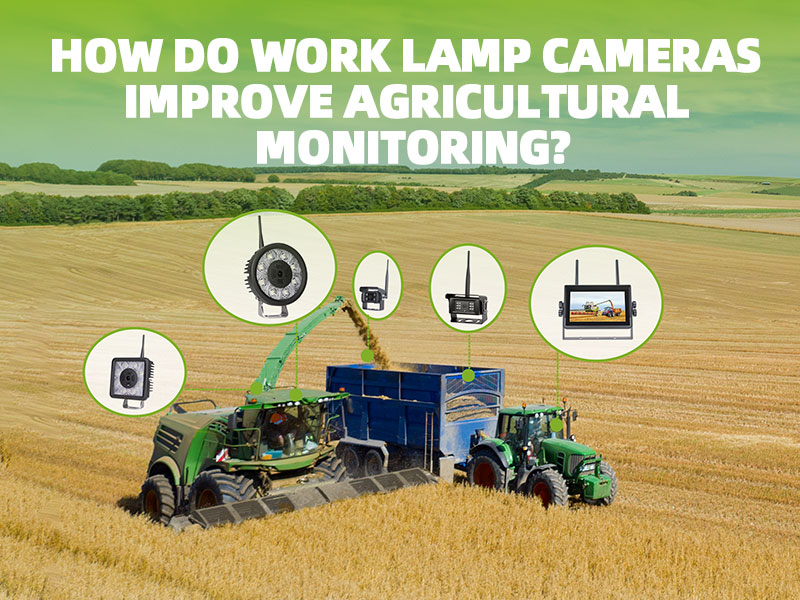
As an innovative solution in modern agricultural surveillance, work lamp cameras offer farmers and landowners an efficient and comprehensive means of monitoring. These devices integrate lighting and camera functionalities, providing not only powerful illumination but also the capability to capture high-definition real-time video, enabling farmers to monitor every corner of their farms around the clock.

These work lamp cameras employ advanced technologies, including high-definition cameras, night vision capabilities, and intelligent monitoring systems, allowing them to deliver clear images and videos in low-light or dark environments. Additionally, they often feature waterproof and durable characteristics, making them adaptable to various adverse weather and environmental conditions.

The intelligent features of these devices, such as motion detection, remote monitoring, and real-time data transmission, empower farmers to quickly respond and take necessary measures. This aids in improving production efficiency, protecting crops, preventing theft, and promoting sustainable agricultural practices.

As an innovative solution in agricultural monitoring, work lamp cameras bring new hope to the agricultural sector and play a crucial role in modern agricultural management.

Advantages of work lamp cameras in agricultural monitoring

1. Real-time monitoring capability

  • 24/7 Surveillance

Work lamp cameras offer round-the-clock monitoring capabilities, free from time constraints, enabling farmers to view their farms’ real-time status at any given moment.

  • Advantages of nighttime monitoring

These cameras are equipped with night vision capabilities, providing high-definition images and videos even in low-light conditions. The ability for nighttime monitoring brings convenience and reliability to farmers, allowing them to monitor their farms during the dark hours.

2. Enhanced Farm Security

  • Prevention of theft and vandalism

Work lamp cameras can monitor every corner of the farm, promptly detecting any potential theft or vandalism, thereby providing a preventive measure and a deterrent effect.

  • Real-time event response

When abnormal situations occur, the cameras can immediately trigger alerts and provide real-time video, enabling farmers to take swift action and minimize potential losses.

3. Crop health monitoring

  • Precision data collection

These cameras can not only capture images but also collect data on crop growth conditions, soil moisture, temperature, and more, assisting farmers in making precise decisions.

  • Prevention of disease and pest spread

Through continuous monitoring of crops, work lamp cameras can assist farmers in early detection of plant diseases or pest infestations, enabling them to implement appropriate control measures and prevent further spread.

How do work lamp cameras improve agricultural monitoring?插图

Luview work lamp camera

The Luview work lamp camera features a 1/2.9 CMOS sensor supporting 720P high-definition video and 2.4GHz digital wireless transmission technology. It provides clear and detailed monitoring footage, covering a spacious distance of up to 140 meters. With its white LED full-color night vision function, it can deliver clear images even in dark environments. The camera is equipped with IP69K-level waterproof and dustproof protection, a wide voltage design (12V-24V), and an optional magnetic installation design, enhancing adaptability and convenience. These features make it an ideal choice for agricultural monitoring, meeting the real-time, high-quality, and all-weather monitoring needs of farmers, contributing to the improvement of agricultural management and safety.

Kesimpulan

Agricultural monitoring is of paramount importance, and work lamp cameras bring remarkable advantages to the solution. Their real-time monitoring capabilities, including 24/7 and night monitoring, provide clear footage around the clock. In terms of farm security, they help prevent theft and vandalism, elevating overall safety levels through real-time event response. Regarding crop health monitoring, precise data collection and prevention of disease and pest spread facilitate scientific decision-making, minimizing crop losses. In summary, choosing work lamp cameras is an intelligent decision to enhance agricultural management, ensure safety, and improve production efficiency.

Luview is a leading provider of work lamp cameras in China, offering professional and reliable solutions. If you are looking for the best supplier, feel free to contact us at sales@luview.com for more detailed information. Choosing Luview, and collaborate with us to fulfill your agricultural monitoring needs, playing a role in shaping the future of smart agriculture!

Kepentingan ujian semburan garam untuk kamera kenderaan

Kepentingan ujian semburan garam untuk kamera kenderaan

The Impact of Salt Spray on Vehicle Cameras

How Does Salt Spray Affect the Functionality and Lifespan of Vehicle Cameras

The impact of salt spray on vehicle cameras is primarily manifested in their functional performance and lifespan. When cameras are exposed to a salt spray environment, various damages may occur, with corrosion being the most significant.

Functional Impact: Salt spray can infiltrate the tiny gaps or cracks in the camera, affecting its internal electronic components and mechanical parts. This may result in various functional impairments, such as reduced image clarity, color distortion, focusing issues, or complete malfunction, rendering it unable to operate normally.

Corrosive Damage: The salt content in salt spray triggers chemical reactions upon contact with metal surfaces, accelerating the corrosion of metal components. This corrosion may harm the camera’s casing, connectors, electronic circuits, and sensors, ultimately affecting its stability and lifespan.

Importance of salt spray testing for vehicle cameras插图

In environments around vehicles, such as coastal areas or roads treated with salt during winter, vehicle cameras are more susceptible to exposure to salt spray. Therefore, conducting salt spray testing is crucial for assessing the durability and performance of cameras. The results of the tests can assist manufacturers in refining designs, selecting more corrosion-resistant materials, and ensuring that vehicle cameras can operate reliably in various challenging environments.

The importance of salt spray testing for vehicle safety and functionality

Cameras in modern vehicles play a crucial role in enhancing vehicle safety and operational functionality. These cameras serve various purposes, including monitoring the surrounding environment, assisting in driving, and providing the driver with a clearer view. Salt spray testing is essential to ensure the reliability of these cameras, thereby further enhancing the overall safety of the vehicle.

From a safety perspective, vehicle cameras play a crucial role in modern vehicles. They are utilized in advanced driver assistance systems, including features such as reverse assistance, lane-keeping assistance, blind-spot monitoring, and more. Additionally, they provide the driver with a clearer environmental perspective, helping reduce the likelihood of accidents and enhancing overall driving safety.

From an operational functionality perspective, cameras play a key role in enhancing vehicle capabilities. They can be utilized for providing navigation assistance, parking assistance, and features related to autonomous driving, making driving more convenient and secure.

Salt spray testing ensures the reliability of vehicle cameras in harsh environments. By simulating the impact of salt spray on the cameras, the testing assesses their durability and corrosion resistance. If cameras fail to function properly in a salt spray environment, their performance may be compromised during actual vehicle use, affecting the overall safety of the vehicle.

Therefore, ensuring that vehicle cameras undergo rigorous salt spray testing to guarantee their reliability is crucial for enhancing the overall safety of the vehicle. Only cameras that have undergone reliable testing can operate stably in various adverse conditions, providing drivers with accurate and clear information, thereby ensuring driving safety and the effectiveness of operational features.

Kesimpulan

In summary, the impact of salt spray testing on vehicle cameras is directly related to the safety and functionality of the vehicle. This critical testing phase ensures that cameras can operate reliably in harsh climates and high-corrosion environments. If you are seeking outstanding solutions for vehicle vision, Luview is a professional provider of vehicle cameras based in China, renowned for its advanced technology and high-quality products. We are committed to delivering the most reliable, durable, and high-performance cameras to ensure the safe operation of vehicles in various conditions.

Luview has consistently adhered to strict standards in ensuring product quality, especially through salt spray testing to validate the durability and stability of cameras. This testing is a crucial part of Luview’s commitment to ensuring exceptional performance in extreme environments, further showcasing our outstanding performance in the industry. Moreover, if you are looking for rear-view cameras or a reliable supplier, Luview is also a wise choice.

Feel free to contact our sales team anytime by sending an email to sales@luview.com for more detailed product information and personalized solutions. Choose Luview to meet your vehicle safety and visual needs!

How do you choose a motorcycle dash cam?缩略图

Bagaimana anda memilih kamera dash untuk motosikal?

Memilih dash cam motosikal kalis air adalah keputusan penting, terutamanya bagi penunggang yang ingin merakam perjalanan mereka dan melindungi peralatan. Dalam artikel ini, kami akan membincangkan faktor utama dalam memilih dash cam motosikal kalis air, menekankan kepentingan menyesuaikan pilihan berdasarkan keadaan cuaca yang dijangka di kawasan tertentu. Kami juga akan memberikan petua penyelenggaraan untuk memastikan prestasi kalis air jangka panjang dash cam motosikal, menekankan kepentingan memilih peranti yang benar-benar kalis air bagi penunggang. Artikel ini akan membincangkan kesilapan biasa yang perlu dielakkan semasa menggunakan peralatan kalis air dan keperluan ujian praktikal untuk mengesahkan prestasi kalis air. Apabila kami meneroka isu-isu utama ini, penunggang akan memperoleh pemahaman yang lebih baik tentang cara memilih, menggunakan, dan menyelenggara dash cam motosikal mereka dalam cabaran air.

How do you choose a motorcycle dash cam?插图

Faktor-faktor yang perlu dipertimbangkan apabila memilih kamera papan pemuka kalis air

Apabila memilih dash cam kalis air, faktor-faktor berikut adalah penting:

1. Jangkaan keadaan cuaca di kawasan anda

Penunggang perlu memilih tahap kalis air yang sesuai berdasarkan ciri cuaca di kawasan mereka. Jika kawasan itu kerap hujan atau berkabus, kamera dash dengan penarafan kalis air yang lebih tinggi (seperti IPX7 atau IPX8) adalah pilihan yang lebih baik. Sebaliknya, jika persekitaran menunggang biasanya kering, tahap kalis air yang lebih rendah (seperti IPX4 atau IPX5) mungkin mencukupi.

2. Perbandingan Pelbagai Penarafan Kalis Air

Penarafan kalis air bermula dari IPX0 hingga IPX8, dengan nombor yang lebih tinggi menunjukkan perlindungan yang lebih kuat terhadap air. Adalah penting untuk diperhatikan bahawa tahap kalis air yang lebih tinggi biasanya bermakna kos yang lebih tinggi. Oleh itu, penunggang perlu menyeimbangkan tahap kalis air dengan harga untuk mencari peranti terbaik yang memenuhi keperluan dan bajet mereka. Sebagai contoh, penarafan IPX6 boleh menahan pancutan air yang kuat, menjadikannya sesuai untuk menunggang dalam hujan lebat, manakala peranti bertaraf IPX7 dan IPX8 boleh terus berfungsi walaupun sepenuhnya terendam, sesuai untuk penunggang yang kerap menghadapi cuaca ekstrem atau persekitaran berair.

3. Kedudukan Pemasangan dan Penggunaan

Lokasi pemasangan dash cam boleh mempengaruhi tahap pendedahan ia kepada air. Sebagai contoh, dash cam yang dipasang di bahagian bawah motosikal mungkin memerlukan penarafan kalis air yang lebih tinggi kerana ia lebih berkemungkinan bersentuhan dengan air dan serpihan dari jalan. Selain itu, jika penunggang merancang untuk menggunakan dash cam dalam pelbagai keadaan iklim, seperti perjalanan harian di bandar hingga pengembaraan luar jalan, memilih dash cam dengan penarafan kalis air yang lebih tinggi adalah lebih bijak.

Petua Penyelenggaraan untuk Kamera Dash Motosikal Kalis Air

Malah dash cam motosikal kalis air berpenarafan tertinggi memerlukan penyelenggaraan yang betul untuk memastikan keupayaan kalis air jangka panjangnya. Berikut adalah beberapa amalan terbaik:

1. Pemeriksaan Berkala

Semak secara berkala O-ring penyegel dan casing dash cam untuk sebarang kerosakan. Retakan atau keausan boleh menyebabkan kemasukan air.

2. Cadangan Pembersihan

Bersihkan sarung dash cam dengan kain yang sedikit lembap secara perlahan, elakkan sebarang agen pembersih korosif yang boleh merosakkan segel. Pastikan kedua-dua tangan anda dan permukaan dash cam benar-benar kering sebelum menyentuh sebarang antara muka elektronik.

3. Tutup Pelabuhan

Jika dash cam mempunyai sebarang port luaran, seperti slot USB atau input kuasa, gunakan penutup kalis air atau pita pelekat untuk memastikan ia kekal tertutup apabila tidak digunakan.

4. Elakkan pendedahan berpanjangan

Walaupun dash cam kalis air gred tinggi direka untuk tahan air, mengelakkan pendedahan lama kepada air, terutamanya apabila tidak digunakan, boleh memanjangkan jangka hayatnya.

5. Cadangan Penyimpanan

Apabila tidak digunakan, simpan dash cam di tempat yang kering dan sejuk, jauh daripada suhu melampau dan kelembapan, yang boleh merosakkan komponen elektronik.

6. Pengelakan Kimia

Jauhkan dash cam daripada pelarut, detergen, atau bahan kimia lain yang boleh merosakkan bahan penutupnya dan kalis airnya.

7. Ikuti manual

Sentiasa baca dan patuhi panduan operasi dan penyelenggaraan yang disediakan oleh pengeluar sebelum menggunakan dash cam, kerana model yang berbeza mungkin mempunyai keperluan penyelenggaraan khusus.

Perbandingan dash cam motosikal kalis air dan tahan air

“Kalise air” dan “Tahan air” adalah dua istilah yang sering dikelirukan, tetapi memahami perbezaan antara keduanya adalah penting apabila memilih dashcam motosikal:

Kalise airPeranti kalis air boleh menahan penembusan air dan biasanya mampu direndam di bawah tekanan air tertentu tanpa mengambil air. Produk kalis air sering dilengkapi dengan penarafan IP (Ingress Protection) khusus, seperti IP67 atau IP68, yang menunjukkan bahawa ia boleh bertahan di bawah air pada kedalaman tertentu untuk tempoh yang ditetapkan tanpa mengalami kerosakan.

Tahan airPeranti kalis air boleh menahan kemasukan air sehingga tahap tertentu tetapi tidak mampu menahan rendaman sepenuhnya. Peranti kalis air mungkin mempunyai penarafan IPX4 atau IPX6, yang menunjukkan ia boleh menahan percikan atau pancutan air tetapi mungkin rosak jika direndam sepenuhnya.

Bagi penunggang motosikal, memilih dashcam yang benar-benar kalis air adalah sangat penting kerana motosikal, terutamanya dalam cuaca buruk atau keadaan luar jalan, mudah terdedah kepada percikan air yang banyak. Dashcam kalis air memberikan perlindungan menyeluruh, memastikan fungsinya tidak terjejas walaupun semasa hujan lebat, sekaligus menjamin detik-detik penting tidak terlepas. Dashcam kalis air direka dengan penekanan pada ketahanan dan penyegelan, menjadikannya lebih boleh dipercayai untuk penggunaan jangka panjang.

Kesilapan Biasa yang Boleh Dielakkan

Apabila menggunakan dashcam motosikal kalis air, penunggang mungkin melakukan beberapa kesilapan biasa yang boleh menjejaskan prestasi kalis air peranti atau menyebabkan kerosakan:

  • Pemasangan yang salah
Pemasangan yang tidak betul boleh merosakkan pengedap kalis air dashcam, menyebabkan kemasukan air. Adalah penting untuk mengikuti dengan ketat garis panduan pengeluar bagi pemasangan, memastikan semua pengedap diletakkan dengan betul.
Mengabaikan Pemeriksaan Berkala: Penunggang mungkin terlepas pemeriksaan berkala pada segel dan bahagian luar dashcam untuk kerosakan, yang boleh melemahkan keupayaan kalis airnya. Memeriksa segel dan sarung peranti secara berkala serta menggantikan komponen yang rosak dengan segera adalah sangat penting.
  • Menggunakan agen pembersih korosif

Penggunaan agen pembersih yang kuat atau korosif boleh merosakkan sarung dan pengedap dashcam. Agen pembersih yang lembut harus dipilih, dan dashcam hendaklah dilap dengan perlahan menggunakan kain bersih.

  • Pendedahan kepada Suhu Melampau

Pendedahan dashcam kepada suhu melampau yang tinggi atau rendah untuk jangka masa panjang boleh merosakkan komponen elektronik atau bahan penyegelannya. Adalah dinasihatkan untuk mengelakkan penggunaan atau penyimpanan dashcam di persekitaran yang terlalu panas atau terlalu sejuk.

  • Mengabaikan kalis air pada antara muka

Walaupun dashcam kalis air, antara muka luaran seperti slot USB atau port pengecasan mungkin tidak kalis air apabila terdedah. Adalah penting untuk memastikan antara muka ini tertutup apabila tidak digunakan.

Membuka Sarung Sebelum Kering Sepenuhnya: Membuka sarung dashcam atau komponennya sebelum ia benar-benar kering boleh membenarkan kelembapan masuk. Sebelum membuka dashcam, pastikan ia benar-benar kering.

Untuk mengelakkan kesilapan biasa ini, penunggang harus:

①Bacalah dengan teliti dan patuhi arahan pemasangan dan penyelenggaraan.

②Melakukan pemeriksaan dan penyelenggaraan secara berkala.

③Gunakan kaedah dan bahan pembersihan yang sesuai.

④Perhatikan persekitaran penyimpanan dan penggunaan peranti.

Mengamalkan langkah-langkah ini boleh mengurangkan risiko kerosakan peranti dengan ketara, memastikan prestasi kalis air dashcam terpelihara dan seterusnya memanjangkan jangka hayat peralatan.

Kesimpulan

Apabila memilih dashcam motosikal, mengambil kira faktor seperti prestasi kalis air, keperluan penyelenggaraan, membandingkan ciri kalis air dan tahan air, serta mengelakkan kesilapan biasa adalah penting untuk memastikan prestasi peranti yang stabil. Jika anda mencari pembekal yang boleh dipercayai, Luview, penyedia terkemuka dari China, mengkhusus dalam menawarkan dashcam motosikal bertaraf tinggi. Produk mereka cemerlang dalam keupayaan kalis air, resolusi video, dan banyak lagi. Tindakan sekarang dan hubungi melalui sales@luview.com untuk maklumat lanjut.

Panduan Penarafan Kalis Air untuk Dashcam Motosikal

Panduan Penarafan Kalis Air untuk Dashcam Motosikal

In the world of motorcycle riding, a dashcam has become an indispensable device. It not only captures the scenery and events during the journey but, more importantly, can provide crucial evidence in the event of an accident. However, given the open design of motorcycles, their dashcams must be able to withstand harsh weather conditions, especially water. This introduces a crucial concept: IP rating, or Ingress Protection rating, which is a standard for measuring the waterproof and dustproof capabilities of electronic devices. For motorcycle dashcams, an appropriate IP rating not only ensures the durability of the device but also guarantees reliability in various weather conditions.

From IPX4, which protects against splashing water, to IPX8, allowing for prolonged submersion, different waterproof ratings define the depth and duration of water resistance for dashcams, ensuring the rider’s peace of mind and the integrity of the recording device. In this article, we will delve into the importance of these waterproof ratings and how they safeguard your motorcycle dashcam from water damage.

Motorcycle Dashcam Waterproof Ratings: Introduction and Significance

Guide to Waterproof Ratings for Motorcycle Dashcam插图

1. Get to Know Waterproof Ratings

  • Explain IP protection levels for electronic equipment

In electronic devices, the IP rating, also known as the Ingress Protection level, is a standard set by the International Organization for Standardization (ISO) to define the device’s ability to resist the entry of foreign objects and water. The IP rating consists of two digits: the first digit indicates the device’s resistance to the infiltration of solid objects such as dust, and the second digit represents the degree of protection against water ingress.

  • How the IP Rating Relates to the Waterproofing of Motorcycle Dash cams.

For motorcycle dash cams, a high IP rating is crucial as they must operate effectively in various weather conditions, including rain and humid environments. A common waterproof rating, such as IP68, signifies that the device is fully dust-resistant (‘6’) and capable of withstanding prolonged submersion in water (‘8’). When consumers choose a motorcycle dash cam, it is advisable to opt for products with a high IP rating to ensure reliable performance even in extreme weather conditions.

2. The Importance of Waterproofing for Motorcycle Dashcams

  • Why Waterproofing is Crucial for Motorcycle Dashcams

The waterproof feature of a motorcycle dashcam is crucial for several reasons:

①Weather Adaptability: Motorcycles are frequently used in various weather conditions, including rainy days. A waterproof dashcam can continue to function seamlessly in adverse weather conditions, providing uninterrupted recording capabilities for motorcyclists.

②Device Protection: A non-waterproof dashcam may suffer damage to its internal circuits due to water infiltration, leading to device malfunction or even complete failure. In contrast, a waterproof device can effectively prevent water ingress, thereby extending its lifespan.

③Safety Recording: One of the primary functions of a dashcam is to provide evidence in the event of an accident. When driving in rainy conditions, if the dashcam is not waterproof, there is a risk of it failing at the most critical moment, unable to provide a recording of the accident when it is needed the most.

④Maintenance Costs: A waterproof dashcam reduces the likelihood of damage due to weather conditions, thus saving costs associated with repairing or replacing the device.

  • Analyzing the Potential Risks of Non-Waterproof Dashcams to Water

Short Circuit: Contact between water and electronic components can result in a short circuit, potentially causing immediate damage to the dashcam.

Corrosion: Prolonged exposure to a humid environment, even if faults don’t occur immediately, can lead to gradual corrosion of the dashcam’s internal metal components, resulting in performance degradation.

Lens Fogging: The lens of a non-waterproof dashcam may fog up in rainy or humid conditions, affecting image quality and rendering the recording ineffective.

3. Different Waterproof Ratings of Dashcams

Explanation of Specific IP Ratings Relevant to Motorcycle Dashcams

For motorcycle dashcams, the IP (Ingress Protection) rating is a crucial standard for assessing their dust and water resistance capabilities. Here are some specific IP ratings relevant to motorcycle dashcams and their meanings:

① IP65: Indicates the dashcam can prevent dust ingress entirely and withstand low-pressure water jets from any direction.

② IP66: Indicates the dashcam is completely dustproof and can endure powerful water jets from any direction.

③ IP67: Indicates the dashcam is entirely dustproof and can withstand brief immersion in water up to 1 meter deep (usually within 30 minutes).

④ IP68: Indicates the dashcam is not only entirely dustproof but can also operate for extended periods underwater, with specific depth and duration typically specified by the manufacturer.
  • Delving into the Significance of Each Digit in the IP Rating:

The first digit (0-6): Indicates the dust protection level. A higher number signifies stronger dust resistance. ‘6’ means the device is completely dust-tight, preventing any dust from entering.

The second digit (0-8): Represents the water resistance level. A higher number indicates stronger water resistance. For instance, ‘5’ means the device can withstand low-pressure water jets, while ‘8’ might indicate the device can endure continuous, prolonged immersion in water.

When designing motorcycle dashcams, consideration is given to the unique usage environment of motorcycles. Therefore, products with IP67 or IP68 ratings are often chosen to ensure normal operation in various weather conditions. For motorcycle riders, it is crucial to understand these ratings and select products based on their specific needs.

Kesimpulan

When selecting a motorcycle dash cam, opting for a device with excellent waterproof capabilities is crucial to ensure stable operation in all weather conditions. Understanding the device’s IP rating—the level of protection against solid objects and liquid ingress—is key. The IPX rating specifically denotes waterproof protection, making it easier to compare product performance. As China’s leading motorcycle dash cam supplier, Luview offers high-quality devices rigorously tested for waterproofing to ensure your riding safety. Need a reliable dash cam? Contact sales@luview.com for more details and ensure your dash cam performs optimally even in the most extreme conditions.

Why is ISO certification vital for vehicle camera suppliers?缩略图

Mengapa pensijilan ISO penting bagi pembekal kamera kenderaan?

Pengenalan pensijilan ISO

Pensijilan ISO ialah pensijilan yang dikeluarkan oleh Pertubuhan Kebangsaan untuk Pemeraturan (ISO), yang mengesahkan bahawa sistem pengurusan sesebuah organisasi, proses pembuatan, perkhidmatan, atau proses dokumentasi mematuhi semua piawaian kualiti dan keselamatan yang telah ditetapkan. Pensijilan ISO diiktiraf secara meluas di peringkat global dan berfungsi sebagai simbol penting komitmen sesebuah syarikat terhadap penambahbaikan berterusan dan memenuhi keperluan pelanggan, tanpa mengira saiz industri.

ISO 9001: Pengurusan Kualiti untuk Pembekal Automotif

Kepentingan ISO 9001 dalam Industri Automotif untuk Pengurusan Kualiti dan Pematuhan kepada Keperluan Undang-Undang Rantaian Bekalan

Why is ISO certification vital for vehicle camera suppliers?插图
ISO 9001 amat penting dalam industri automotif untuk pengurusan kualiti dan pematuhan kepada keperluan undang-undang dalam rantaian bekalan. Standard pengurusan kualiti yang diiktiraf di peringkat global ini amat penting bagi pembekal automotif. Ia memastikan pembekal dapat menyediakan produk dan perkhidmatan yang memenuhi keperluan pelanggan dan peraturan berkaitan yang lain secara konsisten. Dengan mewujudkan proses pengurusan kualiti menyeluruh, pembekal automotif dapat mengoptimumkan operasi mereka, mengurangkan kesilapan, meningkatkan kecekapan, dan akhirnya meningkatkan kualiti produk. Dari segi pengurusan rantaian bekalan, mematuhi ISO 9001 membantu mengurangkan risiko dalam rantaian bekalan dan memastikan pematuhan undang-undang rantaian bekalan, yang penting dalam mencegah kemungkinan akibat bencana.

ISO 14001: Pengurusan Alam Sekitar dalam Pengeluaran Kamera Kenderaan

Pentingnya Pengurusan Alam Sekitar dan Bagaimana ISO 14001 Membantu Syarikat Automotif Mengurangkan Impak Alam Sekitar

ISO 14001 adalah piawaian antarabangsa yang memfokuskan kepada sistem pengurusan alam sekitar, dan ia mempunyai kepentingan khusus bagi pengeluar kamera kenderaan. Piawaian ini direka untuk membantu organisasi mengurangkan impak alam sekitar negatif mereka, memastikan pematuhan terhadap peraturan alam sekitar, dan sentiasa meningkatkan prestasi alam sekitar. Dengan melaksanakan ISO 14001, syarikat automotif dapat menguruskan penggunaan tenaga dan sumber dalam proses pengeluaran mereka dengan lebih berkesan, mengurangkan sisa, dan menurunkan pencemaran. Ini menggalakkan amalan perniagaan lestari, bukan sahaja memenuhi tanggungjawab sosial korporat tetapi juga meningkatkan daya saing pasaran dalam lanskap pengguna yang peka terhadap alam sekitar hari ini.

ISO 45001: Kesihatan dan Keselamatan Pekerjaan dalam Pembuatan

Peranan ISO 45001 dalam Meningkatkan Keselamatan Tempat Kerja dan Mengurangkan Bahaya Pekerjaan dalam Pengeluaran Kamera Kenderaan

ISO 45001 adalah piawaian antarabangsa yang bertujuan membantu organisasi memperbaiki sistem pengurusan kesihatan dan keselamatan pekerjaan mereka, mengurangkan risiko di tempat kerja, dan mencegah kecederaan serta masalah kesihatan berkaitan kerja. Bagi syarikat yang terlibat dalam pembuatan kamera kenderaan, piawaian ini amat penting kerana persekitaran pengeluaran mereka mungkin melibatkan pelbagai potensi bahaya di tempat kerja. Dengan melaksanakan ISO 45001, syarikat dapat mengenal pasti bahaya secara sistematik dan melaksanakan langkah kawalan risiko yang berkesan, sekali gus meningkatkan prestasi keselamatan dan kesihatan pekerjaan secara keseluruhan. Ini bukan sahaja membantu melindungi kesihatan dan kesejahteraan pekerja, malah juga membawa manfaat ekonomi dengan mengurangkan kos yang berkaitan dengan kemalangan dan penyakit.

ISO 50001: Pengurusan Tenaga dalam Operasi Automotif

Manfaat ISO 50001 dalam Mengurangkan Penggunaan Tenaga dan Menggalakkan Kelestarian bagi Syarikat Automotif

ISO 50001 ialah piawaian antarabangsa yang memfokuskan pada sistem pengurusan tenaga, membantu syarikat automotif mengurangkan penggunaan tenaga melalui pengurusan tenaga secara sistematik. Piawaian ini menggalakkan organisasi memantau, mengukur, mendokumentasikan, dan melaporkan aliran tenaga mereka dengan lebih baik, sekali gus memacu penambahbaikan berterusan dalam prestasi tenaga. Bagi industri automotif, ini bermakna mengurangkan kos dan jejak karbon dalam proses pembuatan kamera kenderaan dan komponen automotif lain. Pelaksanaan ISO 50001 membantu perniagaan mengenal pasti dan memanfaatkan peluang penjimatan tenaga, bukan sahaja mengurangkan impak alam sekitar tetapi juga mempromosikan pembangunan lestari sambil meningkatkan manfaat ekonomi.

ISO 27001: Keselamatan Maklumat dalam Syarikat Automotif

Kepentingan ISO 27001 dalam melindungi data dan maklumat sensitif dalam industri automotif

ISO 27001 adalah piawaian antarabangsa untuk Sistem Pengurusan Keselamatan Maklumat (ISMS), penting bagi syarikat automotif kerana mereka mengendalikan sejumlah besar data sensitif, termasuk maklumat pelanggan, data pekerja, dan bahan reka bentuk serta pembangunan. ISO 27001 menyediakan rangka kerja untuk membantu organisasi melindungi maklumat ini daripada akses tanpa kebenaran dan kebocoran data dengan melaksanakan langkah keselamatan yang sesuai. Ini bukan sahaja membantu syarikat automotif mencegah kerentanan keselamatan tetapi juga meningkatkan kepercayaan di kalangan pengguna dan rakan kongsi, memastikan kesinambungan perniagaan dan pematuhan.

IATF 16949: Kualiti dalam Pengeluaran Automotif

Bagaimana IATF 16949 Selaras dengan Piawaian ISO dalam Memfokuskan Pencegahan Kecacatan dan Pengurusan Kualiti dalam Pengeluaran Automotif

IATF 16949 ialah spesifikasi teknikal yang dibangunkan hasil kerjasama antara International Automotive Task Force (IATF) dan International Organization for Standardization (ISO), khusus disesuaikan untuk rantaian bekalan industri automotif. Ia dibina berdasarkan piawaian ISO 9001 dan bertujuan mempromosikan proses pengurusan kualiti berterusan serta penambahbaikan, dengan menumpukan kepada pencegahan kecacatan dan pengurangan pembaziran dalam industri automotif. IATF 16949 menghendaki pengeluar automotif melaksanakan sistem pengurusan kualiti yang konsisten sepanjang keseluruhan proses pengeluaran dan pemasangan bagi memastikan penghantaran produk dan perkhidmatan berkualiti tinggi. Standard ini membantu pembekal industri automotif kekal berdaya saing di pasaran global sambil memenuhi permintaan pengguna yang semakin meningkat terhadap keselamatan dan kebolehpercayaan automotif.

Kajian Kes Pensijilan ISO dalam Industri Automotif

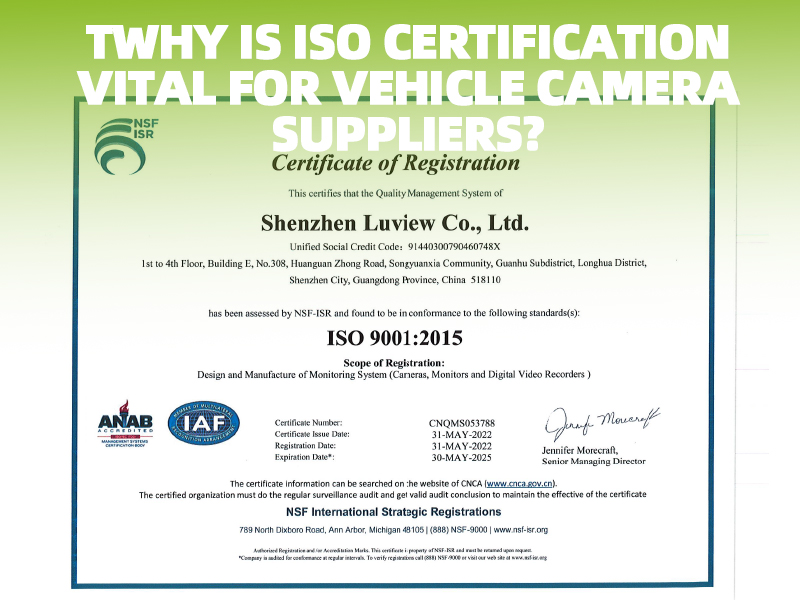
Dalam industri automotif, memperoleh pensijilan ISO seperti ISO 9001 dan IATF 16949 boleh memberikan kelebihan daya saing kerana ia melambangkan komitmen terhadap kualiti, keselamatan, dan kecekapan. Pensijilan ISO bukan sahaja membantu syarikat mematuhi amalan terbaik antarabangsa dan keperluan peraturan, malah juga meningkatkan keyakinan pengguna, pembekal, dan pelabur. Sebagai contoh, Luview telah memperoleh sijil ISO 9001 dan IATF 16949, yang telah meningkatkan reputasi syarikat dan nilai jenama. Ini menunjukkan dedikasi Luview dalam menyampaikan produk berkualiti tinggi yang selari dengan piawaian antarabangsa tertinggi.

Kesimpulan

Pensijilan ISO adalah penting bagi pembekal kamera kenderaan, memastikan kualiti produk dan keselamatan sambil meningkatkan daya saing pasaran global. Luview telah mengukuhkan kedudukan pasarannya dalam pembuatan dan penyediaan penyelesaian untuk produk keselamatan pandangan belakang dengan memperoleh piawaian ISO 9001 dan IATF 16949. Sebagai pengeluar profesional produk keselamatan pandangan belakang, kami menawarkan pelbagai jenis barangan termasuk kamera armada dan monitor kenderaan, bertekad untuk menyampaikan penyelesaian keselamatan kenderaan bertaraf tinggi. Pilih Luview untuk kebolehpercayaan. Untuk maklumat lanjut, sila hubungi kami di sales@luview.com.

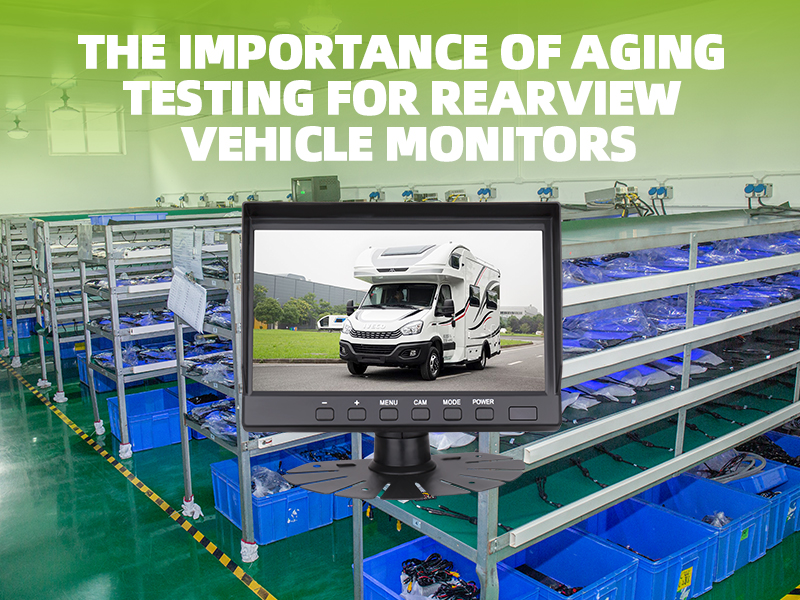
Pentingnya Pengujian Penuaan untuk Monitor Belakang Kenderaan

Kepentingan Pengujian Penuaan untuk Monitor Belakang Kenderaan

pengenalan

The Role and Importance of the Rearview Vehicle Monitor

The rearview vehicle monitor is a device installed inside vehicles, commonly used to display images or videos of the area behind the vehicle, aiding drivers in reversing, parking, and driving maneuvers more safely. These monitors typically work in conjunction with backup cameras or rearview cameras to provide a real-time view of the rear, enabling drivers to clearly see potential obstacles, pedestrians, or other vehicles.

The Importance of Aging Testing for Rearview Vehicle Monitors插图

The Necessity of Aging Tests

Given the significance of rearview vehicle monitors in enhancing driving safety and convenience, ensuring their reliability and performance is critical. This is why aging tests are necessary. Aging tests help manufacturers ensure that these monitors can operate reliably over extended periods under various environmental conditions, meeting drivers’ needs and providing dependable safety.

The Basic Principles and Purpose of Aging Tests

Basic Principles of Aging Tests

Aging tests are systematic testing methods designed to simulate the conditions that a product may experience over extended use and in harsh environments to assess its performance, reliability, and durability. The basic principles of aging tests include:

Simulation of Actual Usage: A key principle of aging tests is to simulate the conditions and environments the product may encounter in actual use. This means that the tests must take into account the real-world application of the product and environmental factors such as temperature, humidity, and vibration.

Accelerated Aging: Aging tests often use accelerating factors, like increased temperature or humidity, to speed up the aging process of the product. This allows the long-term effects of usage to be simulated in a relatively short period.

Continuous Monitoring and Recording: During aging tests, it is essential to continuously monitor and record the performance and condition of the product. These data are crucial for subsequent analysis and improvements.

Assessing Failure Points: One of the objectives of aging tests is to identify the failure points of the product, i.e., the conditions under which the product begins to show decreased performance or malfunctions. This helps manufacturers to identify and improve weaknesses in the product.

What is the Main Purpose of Aging Tests?

The main purposes of aging tests are:

Verifying Product Reliability: By simulating long-term use and harsh environmental conditions, aging tests can verify the reliability of the product in actual use. This helps manufacturers to determine if the product is stable enough to operate normally under challenging conditions.

Early Detection of Issues: Aging tests can help manufacturers detect potential issues and defects before the product is released to the market. This allows for measures to improve product design and manufacturing processes to enhance product quality.

Evaluating Product Life: Through aging tests, manufacturers can assess the lifespan of the product and determine when it may require maintenance or replacement. This helps customers understand the expected life of the product and plan accordingly.

Meeting Regulatory Requirements: In some industries, aging tests are among the requirements of regulations and standards. By conducting aging tests, manufacturers can ensure that their products comply with relevant regulations and standards, thus avoiding legal issues.

How to Conduct Aging Tests on Rearview Vehicle Monitors

Testing Steps

Environmental Simulation: In the test chamber, place the rearview vehicle monitor under constant temperature (40°C) and humidity (90% relative humidity) to simulate a high-temperature and high-humidity environment.

Cycle Testing: Connect the monitor to a reversing camera and continuously run both the monitor and the camera for 12 hours each day to simulate long-term usage.

Vibration Testing: Use a vibration table to simulate the vibrations a vehicle experiences on different road conditions and conduct vibration testing for a duration of 10 hours.

Electromagnetic Interference Test: In an electromagnetic interference testing chamber, expose the monitor to electromagnetic radiation to simulate interference that may be caused by electronic devices within the vehicle.

Continuous Monitoring: Throughout the testing period, continuously monitor and record the performance and condition of the monitor, including indicators such as screen brightness, resolution, and color accuracy.

Kesimpulan

Aging tests are crucial for the performance and reliability of rearview vehicle monitors. They ensure that the products can operate stably in actual use, enhancing the safety and convenience for drivers.

Luview is a professional manufacturer and solution provider of rearview safety products from China. Whether you are looking for vehicle monitors or cameras, we are your choice. If you are searching for a suitable supplier, please contact sales@luview.com for more details. We are committed to providing high-quality, reliable rearview safety products to meet your needs and offer a safer driving experience for your vehicle.