Bagaimana Sistem Pandangan Burung 360 Darjah Meningkatkan Keselamatan Jalan Raya Bagi Kenderaan Besar
Bagaimana Sistem Pandangan Burung 360 Darjah Meningkatkan Keselamatan Jalan Raya Bagi Kenderaan Besar

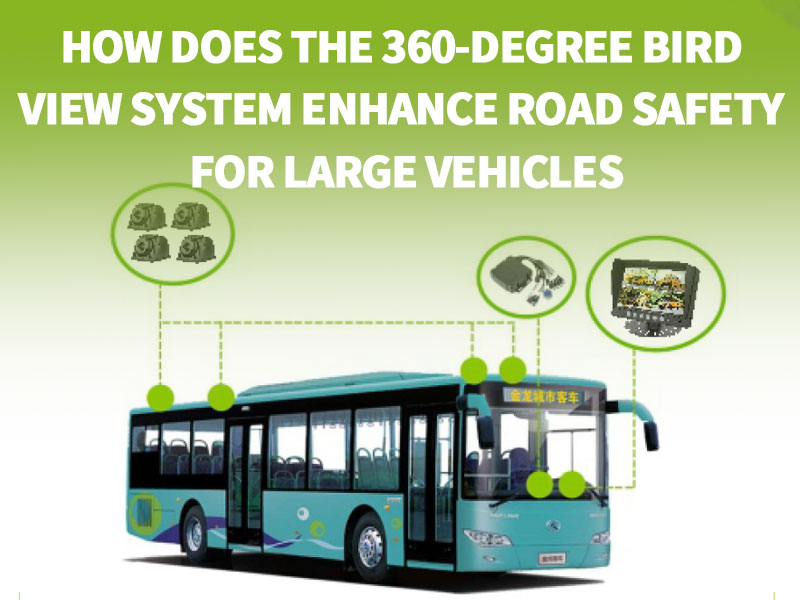
How does the 360-Degree Bird View System Enhance Road Safety For Large Vehicles插图In today’s road traffic, the road safety of large vehicles has always been a matter of concern. Due to their enormous size and limited visibility, these vehicles often have blind spots, leading to increased potential dangers and accident risks. To address this issue, the 360-degree bird’s-eye view system has emerged as an innovative solution to enhance the road safety of large vehicles. This article will explore how the application of the 360-degree bird’s-eye view system provides a comprehensive view, eliminates blind spots, and improves the safety of driving for large vehicles.

1. 360-degree panoramic view

The 360-degree bird’s-eye view system utilizes multiple cameras installed at key positions around the vehicle to provide a comprehensive view of its surroundings. By combining and processing the images captured by these cameras, the system generates a panoramic view without blind spots. This allows the driver to have real-time awareness of the vehicle’s surroundings, without being restricted by visual blind spots, whether it’s the front, rear, left, or right side.

2. eliminating blind spots

Large vehicles often have blind spots, particularly at the rear and sides. With the 360-degree bird’s-eye view system, these blind spots can be effectively eliminated. The system transmits real-time images of the vehicle’s surroundings to a central display screen, allowing the driver to have a clear view of the area around the vehicle, including pedestrians, other vehicles, and obstacles in close proximity. This enables the driver to make more accurate judgments about the surrounding environment and avoid potential collisions and accidents.

3. adapting to low-light environments

The 360-degree bird’s-eye view system plays a significant role in addressing challenges posed by low-light conditions. The system is equipped with advanced low-light technology, including high-sensitivity sensors and infrared cameras. These features ensure that drivers can still maintain a clear view even in dimly lit environments, enabling them to navigate safely during nighttime or in areas with poor lighting conditions.

4. real-time recording and playback

The 360-degree bird’s-eye view system is equipped with real-time recording and playback functionalities, allowing for the recording and storage of driving videos for future review and analysis. This feature proves to be invaluable in the event of accidents or disputes, as it provides valuable evidence and facilitates accident investigations. Drivers and fleet managers can review the recorded footage to examine the vehicle’s driving behavior, understand the causes of accidents, and take appropriate measures to enhance road safety.

5. intelligent assistance features

The 360-degree bird’s-eye view system not only provides a comprehensive view but also incorporates intelligent assistance features to further enhance the road safety of large vehicles. The system utilizes advanced algorithms and image recognition technology to detect potential dangers and risks. For instance, the system can identify pedestrians, bicycles, or other vehicles, and alert the driver through visual or auditory warnings. Additionally, the system can detect the vehicle’s trajectory, lane departure, and emergency braking, providing timely alerts and reminders to help drivers avoid accidents.

Kesimpulan

The application of the 360-degree bird’s-eye view system has significantly enhanced the road safety of large vehicles. With features such as comprehensive visibility, elimination of blind spots, adaptation to low-light environments, and real-time recording and playback, drivers are better equipped to understand their surroundings, reduce accident risks, and improve overall road safety. The system’s ability to adapt to low-light conditions ensures drivers can maintain clear visibility even in dimly lit areas or during nighttime driving. The real-time recording and playback feature allows for valuable evidence and aids accident investigations.

As a leading provider of rear-view system solutions from China, Luview offers excellent 360-degree bird’s-eye view system solutions. If you are seeking a suitable supplier, please contact us at sales@luview.com for more information. Choose Luview for enhanced road safety!

Manfaat Memasang Sistem Kamera Simpanan WiFi

Manfaat Memasang Sistem Kamera Sokongan WiFi

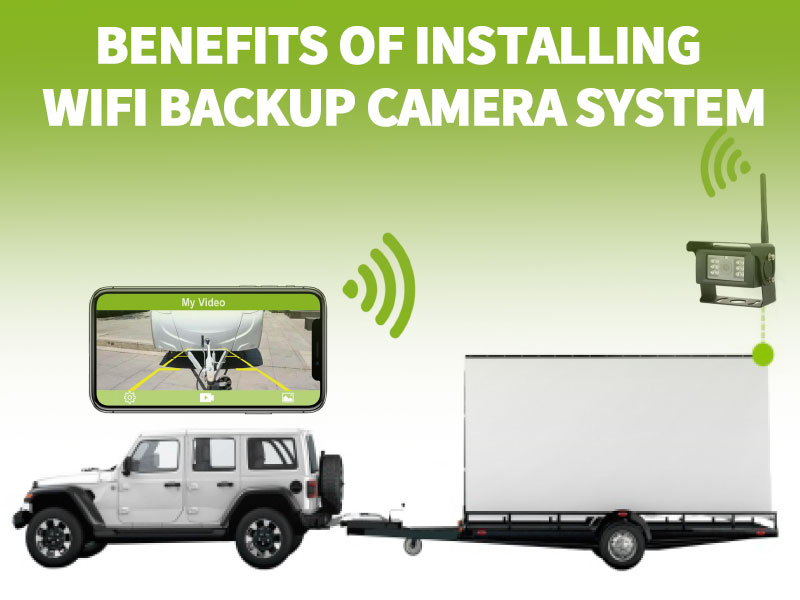
Benefits of Installing WiFi Backup Camera System插图Dalam landskap teknologi automotif hari ini, sistem kamera undur WiFi semakin popular. Teknologi ini bukan sahaja meningkatkan keselamatan pemandu tetapi juga menawarkan kemudahan tambahan. Artikel ini akan meneroka manfaat memasang sistem kamera undur WiFi dan mengapa ia menjadi penting dalam kenderaan moden.
1. Keselamatan yang dipertingkatkan

Salah satu kelebihan paling ketara memasang sistem kamera undur WiFi ialah peningkatan keselamatan yang dibawanya. Semasa memundurkan kenderaan, pemandu sering menghadapi titik buta yang menghalang penglihatan mereka terhadap persekitaran di belakang. Dengan memasang sistem kamera undur WiFi, pemandu dapat memantau dan memerhati bahagian belakang kenderaan mereka secara masa nyata, mengelakkan perlanggaran dengan kenderaan lain, pejalan kaki, atau halangan. Ciri ini amat berguna ketika melalui ruang letak kereta yang sempit, jalan bandar yang sesak, atau ketika memundurkan kenderaan ke tempat yang terhad. Pandangan sudut lebar kamera dan garisan panduan membantu pemandu menilai dengan tepat kedudukan dan jarak kenderaan, mengurangkan risiko kemalangan.

2. Bantuan Parkir

Ciri bantuan parkir adalah satu lagi kelebihan ketara sistem kamera undur WiFi. Sistem ini memberikan bantuan cemerlang, menjadikan proses parkir lebih tepat dan selamat. Dengan memantau persekitaran secara berterusan, sistem ini dapat mengesan halangan berpotensi semasa parkir dan mengelakkan risiko perlanggaran. Sama ada parkir selari atau parkir tegak, sistem kamera undur WiFi ini mempamerkan keupayaan bantuan yang cemerlang. Bagi pemandu, ini bermakna mereka boleh memanipulasi kenderaan mereka dengan yakin di ruang parkir yang sempit tanpa risau tentang sentuhan yang tidak perlu dengan kenderaan atau halangan di sekeliling. Kemudahan ini bukan sahaja meningkatkan kecekapan parkir tetapi juga mengurangkan risiko kemalangan yang mungkin berlaku semasa proses parkir.

3. Pengalaman Memandu yang Selesa

Sistem kamera undur WiFi menawarkan pengalaman memandu yang mudah berbanding cermin pandang belakang tradisional. Manakala cermin pandang belakang memberikan penglihatan terhad, kamera undur WiFi menghantar rakaman video masa nyata bahagian belakang kenderaan terus ke telefon pintar atau paparan kereta. Ini membolehkan pemandu melihat dengan jelas persekitaran di belakang, terutamanya dalam keadaan cahaya rendah atau semasa memandu pada waktu malam. Selain itu, sesetengah sistem kamera WiFi dilengkapi ciri berguna seperti amaran jarak dan amaran halangan, yang meningkatkan lagi kemudahan dan keselamatan semasa memandu.

4. Pemasangan Mudah

Kelebihan ketara lain bagi sistem kamera undur WiFi ialah kemudahan pemasangannya. Berbeza dengan sistem kamera berwayar tradisional, sistem WiFi tidak memerlukan pendawaian kompleks atau penggerudian. Kamera boleh dipasang dengan mudah di bahagian belakang kenderaan dan ia menyambung secara tanpa wayar kepada telefon pintar atau paparan kereta. Kaedah pemasangan ini menjimatkan masa, mengurangkan kos, dan mengekalkan kemas keseluruhan ruang dalaman kenderaan. Pemandu mempunyai pilihan untuk memasang sistem kamera undur WiFi sendiri atau mendapatkan bantuan profesional untuk pemasangan.

5. Meningkatkan keyakinan memandu

Sistem kamera undur WiFi boleh meningkatkan keyakinan pemandu di jalan raya. Dengan bantuan video masa nyata dan ciri bantuan, pemandu boleh melakukan manuver undur dengan mudah, meminimumkan keraguan dan kebimbangan yang tidak perlu. Aspek ini amat berharga bagi pemandu baharu atau mereka yang mempunyai pengalaman memandu terhad. Dengan menggunakan sistem kamera undur WiFi, pemandu dapat menavigasi pelbagai situasi undur dengan keyakinan yang lebih tinggi, sekali gus meningkatkan keselesaan dan kebolehpercayaan keseluruhan pengalaman memandu mereka.

Kesimpulan

Pemasangan sistem kamera undur WiFi membawa pelbagai manfaat kepada pemandu. Ia bukan sahaja menyediakan keselamatan dan kemudahan tambahan tetapi juga meningkatkan keyakinan semasa memandu. Dengan kemajuan teknologi, sistem kamera undur WiFi memainkan peranan yang semakin penting dalam industri automotif. Sama ada untuk kenderaan baharu atau lama, memasang sistem kamera undur WiFi adalah penambahbaikan yang berbaloi yang menawarkan pengalaman pemanduan dan jaminan yang lebih baik. Pertimbangkan manfaat yang disebutkan di atas dan buat pilihan yang mengutamakan keselamatan, kemudahan, dan keyakinan di jalan raya.

Adakah anda sedang mencari sistem kamera pandangan belakang WiFi berkualiti tinggi dan canggih dari segi teknologi? Jangan cari lagi! Dengan lebih 17 tahun pengalaman dalam industri dan rangkaian produk yang luar biasa, Luview bersedia memenuhi keperluan anda. Ambil langkah pertama dalam kerjasama kita dengan menghantar e-mel kepada sales@luview.com. Mari kita memulakan perjalanan ini bersama-sama!

Memilih Sistem Pengesanan Titik Buta yang Sesuai: Panduan Thumbnail

Memilih Sistem Pengesanan Titik Buta yang Sesuai: Panduan

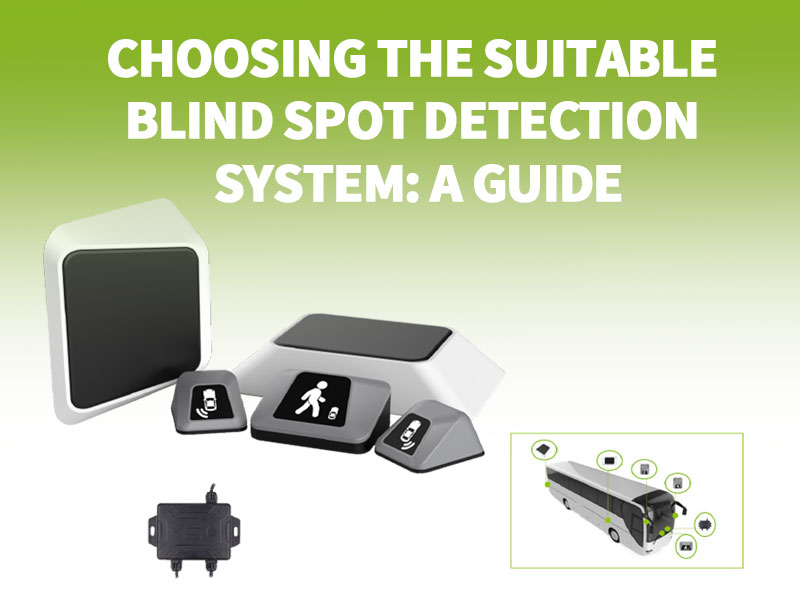
Choosing the Suitable Blind Spot Detection System: A Guide插图In modern traffic, blind-spot accidents are a common and dangerous type of traffic incident. To enhance driving safety, an increasing number of vehicles are equipped with blind-spot detection systems. However, in the market, there are numerous types and brands of blind-spot detection systems, making it not an easy task to choose a system suitable for one’s own vehicle. This article will explore how to select a blind-spot detection system that is suitable for a vehicle, ensuring safety during the driving process.

1. The Danger of Blind-Spot Accidents

The danger of blind-spot accidents cannot be overlooked in modern traffic. These accidents occur in areas not directly observable by drivers, increasing the risk of collisions, especially during lane changes, merging, or reversing. Furthermore, blind-spot accidents may pose a threat to the safety of pedestrians and cyclists, particularly at intersections and during reversing maneuvers. Accidents at intersections, reversing incidents, and hazards during lane changes are closely associated with blind spots.
To mitigate the occurrence of such accidents, vehicle manufacturers adopt technological solutions such as blind-spot detection systems and continuously improve vehicle designs to enhance visibility. Additionally, driver training and attentiveness play crucial roles in reducing blind-spot accidents. By comprehensively implementing these measures, we can effectively elevate the level of traffic safety, minimizing the potential threats posed by blind-spot accidents to drivers and other road users.

2. Types of Blind-Spot Detection Systems

Blind-spot detection systems come in a variety of types, utilizing different technologies to provide additional driving assistance. Radar systems use wireless radar signals to monitor the surrounding environment, while camera systems offer real-time video imagery, particularly useful for visual assistance during reversing or lane-changing maneuvers. Ultrasonic systems measure distances using ultrasonic sensors and emit sound or visual warnings. Additionally, integrated systems combine multiple technologies to provide more comprehensive blind-spot monitoring. Each system has unique advantages and limitations, and selecting a system suitable for a vehicle requires considering factors such as accuracy, coverage, response speed, and real-world performance during driving. Choosing the right system involves considering the type of vehicle and individual preferences.

3. Applicable Vehicle Types and Sizes

Blind-spot detection systems are widely applicable across various vehicle types, especially proving crucial for compact cars, SUVs, trucks, and large commercial vehicles that may face significant blind-spot challenges during driving. These systems, employing visual, radar, or ultrasonic technologies, effectively provide additional warnings to drivers during maneuvers like reversing and lane changes, thereby reducing the potential risk of traffic accidents. When selecting a blind-spot alert system tailored to a specific vehicle type, it is recommended to consider the vehicle’s size and design structure. This involves evaluating the system’s coverage range and sensor placement to ensure optimal driving safety.

4. Considerations for Budget Range

When choosing a blind-spot detection system, several factors need to be considered that impact the budget range. The vehicle model, manufacturer, technology type, and system functionality are the primary factors influencing costs. Luxury vehicle models often come equipped with more advanced safety technology, leading to potentially higher system costs. Different technology types also affect prices, for instance, radar-based systems may be more expensive, while ultrasonic-based ones might be more cost-effective. Advanced features like automatic braking, lane-keeping assistance, etc., can elevate system prices. OEM-installed systems are typically more tightly integrated and may be more expensive. Additionally, market competition and supplier choices can also influence prices. Taking into account both safety requirements and financial constraints, it is crucial to choose a system that aligns with individual needs and driving environments. This investment often enhances driving safety and reduces the potential risk of accidents.

5. Installation Difficulty and Methods

The installation difficulty and methods of blind-spot detection systems vary depending on the vehicle model, system type, and whether it is factory-installed or an aftermarket installation. Factory-installed systems are typically completed by professional technicians during the vehicle manufacturing process, simplifying the installation process. Aftermarket installations may involve more complex steps, depending on the chosen system type and location. This could include the installation of cameras, radar, or ultrasonic sensors, as well as connections to the vehicle’s electrical system. For individuals not familiar with automotive systems, it is advisable to seek professional installation services to ensure the correct installation and proper functioning of the system. This helps enhance safety and reduces potential issues.

6. Technical Reliability and Accuracy

The technical reliability and accuracy are critical differences among various types of blind-spot detection systems. This involves aspects such as the visual recognition capabilities of cameras and the perceptual accuracy of radar. To ensure effective operation in complex traffic environments, users need to choose systems with higher technical reliability and accuracy based on their specific needs and use cases. In this selection process, understanding the technical details of different systems, such as camera resolution and algorithm optimization, radar detection range, and accuracy, will be crucial. Through careful selection, users can ensure that their blind-spot detection systems operate reliably in various situations, enhancing driving safety.

7. Functional Requirements

When selecting a blind spot detection system, users need to consider not only technical reliability and accuracy but also the system’s functional requirements. Different systems offer various warning methods, such as visual, auditory, or vibration alerts. Some systems also have data recording and analysis capabilities, providing detailed information about driving behavior and blind spot events. Users can choose a system that best suits their preferences and driving habits based on these features. For example, drivers who prefer visual alerts may opt for clear and visible indicators, while users interested in data analysis may prefer systems that provide detailed records. Additional features such as automatic sensitivity adjustment, wireless connectivity, and integration with smartphones are also factors to consider, enhancing the convenience and user experience of the system. Therefore, by comprehensively considering both technical features and functional needs, users can better choose a blind spot detection system that aligns with their driving habits and preferences.

8. Compatibility Considerations

When selecting a blind-spot detection system, it is crucial to consider its compatibility with different vehicle years and models. Ensuring smooth integration and proper functionality is of utmost importance. Additionally, users should also pay attention to whether the system supports upgrades and updates to adapt to evolving technology and regulatory requirements. This helps guarantee the long-term availability and adaptability of the system. Therefore, compatibility is a critical factor to consider when choosing a blind-spot detection system, directly impacting its effectiveness on specific vehicles and future maintainability.

9. Compliance with Regulations and Standards

When choosing a blind-spot detection system, users must ensure that the selected system complies with local regulatory requirements and standards. Different regions may have specific certification requirements for such systems, so it is crucial to understand local regulations and opt for a system that meets the applicable standards. This helps ensure the legality and safety of driving, enhancing the overall reliability of the driving experience.

Kesimpulan

When selecting a blind-spot detection system suitable for a vehicle, it is necessary to consider the above factors comprehensively, weighing the pros and cons to make informed decisions. The role of a blind-spot detection system extends beyond improving driving safety, it also helps reduce the likelihood of accidents. By making a reasonable choice of a blind-spot detection system, we can enjoy the pleasure of driving with greater peace of mind and ensure the traffic safety of ourselves and others.
For ensuring a safe, blind-spot-free driving experience, Luview is your ideal partner for automotive blind-spot detection systems! We specialize in the research and manufacturing of high-quality automotive rearview systems and surveillance video solutions, assisting you in every drive without worries. Take action now, seize safety assurance, and contact us for more customized services and product details at sales@luview.com. Let Luview escort your journey with confidence!