What Makes 1080P Resolution Important for Backup Cameras缩略图

What Makes 1080P Resolution Important for Backup Cameras

In modern driving, visibility behind the vehicle is just as crucial as what lies ahead. For experienced drivers, relying on a backup camera 1080P system is no longer a luxury——it is a practical choice that enhances safety and awareness during reversing, parking, and lane changes. At Luview, we focus on delivering clear, real-time video for every maneuver, helping drivers make informed decisions with confidence.

What Makes 1080P Resolution Important for Backup Cameras插图

The Clarity Advantage of 1080p

One of the primary benefits of a backup camera 1080P system is the unmatched clarity it provides. High-definition resolution ensures that every detail behind the vehicle is visible, from small obstacles like curbs or pets to the precise distance of approaching objects. Unlike lower-resolution cameras, 1080p delivers sharper images and a wider field of view without pixelation. For drivers who rely on split-second judgments, this precision can prevent accidents and reduce vehicle damage during tight maneuvers.

Low-Latency Video for Safer Driving

A reverse camera rear view mirror equipped with low-latency 1080P video ensures that the live feed matches real-world timing. At Luview, our systems use LVDS technology to deliver smooth, real-time video with minimal lag. This feature is particularly important for reversing in crowded areas or changing lanes, where delayed video could lead to miscalculations. With low-latency 1080P, drivers experience seamless feedback that aligns with their steering inputs, enhancing control and safety.

Split-View Dual-Channel Display

Modern vehicles often benefit from more than one camera angle, and a split-view dual-channel display allows simultaneous monitoring of multiple perspectives. Luview’s 12.3-inch monitors support two camera inputs, showing a split-screen view that covers both sides or a combination of rear and side views. This wider situational awareness allows experienced drivers to navigate tight parking spots, monitor blind spots, and detect obstacles on either side of the vehicle—all without adjusting multiple screens.

Wide Application Across Vehicle Types

High-resolution backup cameras are not limited to sedans or SUVs. They are increasingly applied in commercial vans, trucks, and even recreational vehicles where rear visibility is often restricted. Luview systems are designed for flexibility, supporting various vehicle types while maintaining image quality and real-time performance. For drivers managing larger vehicles, this capability provides critical confidence when reversing or maneuvering in complex environments.

Conclusie

Choosing a backup camera 1080P system with features like low-latency video and split-view dual-channel display offers experienced drivers practical safety benefits. Luview focuses on clear, real-time imagery that ensures precision, reduces the risk of collisions, and accommodates a wide range of vehicles. By investing in a high-definition reverse camera rear view mirror, drivers can enhance visibility and control, making every maneuver more secure and confident.
How to Install a 1080p Backup Camera缩略图

How to Install a 1080p Backup Camera

Installing a 1080p backup camera can significantly improve safety while reversing, and for experienced drivers, understanding the installation process helps ensure a smooth setup. While modern cameras are easier to install than ever, following clear steps is key to achieving optimal performance.

How to Install a 1080p Backup Camera插图

Step 1: Prepare Your Vehicle

Park on a flat surface with the engine off. Disconnect the battery to prevent electrical issues. Gather tools such as screwdrivers, trim removal tools, and cable ties. Identify the rear camera mounting location and ensure there is an accessible power source.

Step 2: Mount the Rear Camera

Secure the camera near the rear bumper or license plate area. Adjust the angle so it provides a level, centered view of the rear. Use screws or adhesive, depending on your vehicle and mounting preference. Test the fit before final tightening.

Step 3: Route the Wiring

Route the camera cable carefully from the rear of the vehicle to the front. Run the cable along interior trim or under panels to protect it from heat, sharp edges, or moving parts. Use cable ties to keep it secure.

Step 4: Install the Mirror Display

Replace or attach the mirror display over your existing rearview mirror if needed. Connect the camera feed to the display input. Ensure the mirror is stable and connections are secure.

Step 5: Connect Power

Connect the camera and mirror display to a 12V power source, often via the fuse box or accessory line. Inline fuses can add safety. Once connected, restore the battery and verify that the display powers on.

Step 6: Test the System

Shift the vehicle into reverse to test the camera. Ensure the video feed is centered and covers the full rear view. Adjust the camera angle if necessary and confirm that wiring does not interfere with vehicle functions.

Easy Installation with Luview

For drivers looking for a more streamlined experience, the Luview 12.3-inch electronic rear view mirror system offers an easy plug-and-play setup. The mirror mounts over your existing rearview mirror, and the camera wiring connects directly to the mirror input. This design allows experienced users to upgrade their vehicle quickly without complicated modifications, saving time and effort while ensuring professional-level results.

Conclusie

Installing a 1080p backup camera can be straightforward when the proper steps are followed. From preparing the vehicle to testing the camera feed, careful installation ensures optimal performance and safety. Systems like the Luview car rear view mirror with camera simplify the process further, providing a reliable, easy-to-install solution that enhances rear visibility and driving confidence.

Which Smart Rear View Mirror Offers the Most Value for Money缩略图

Which Smart Rear View Mirror Offers the Most Value for Money

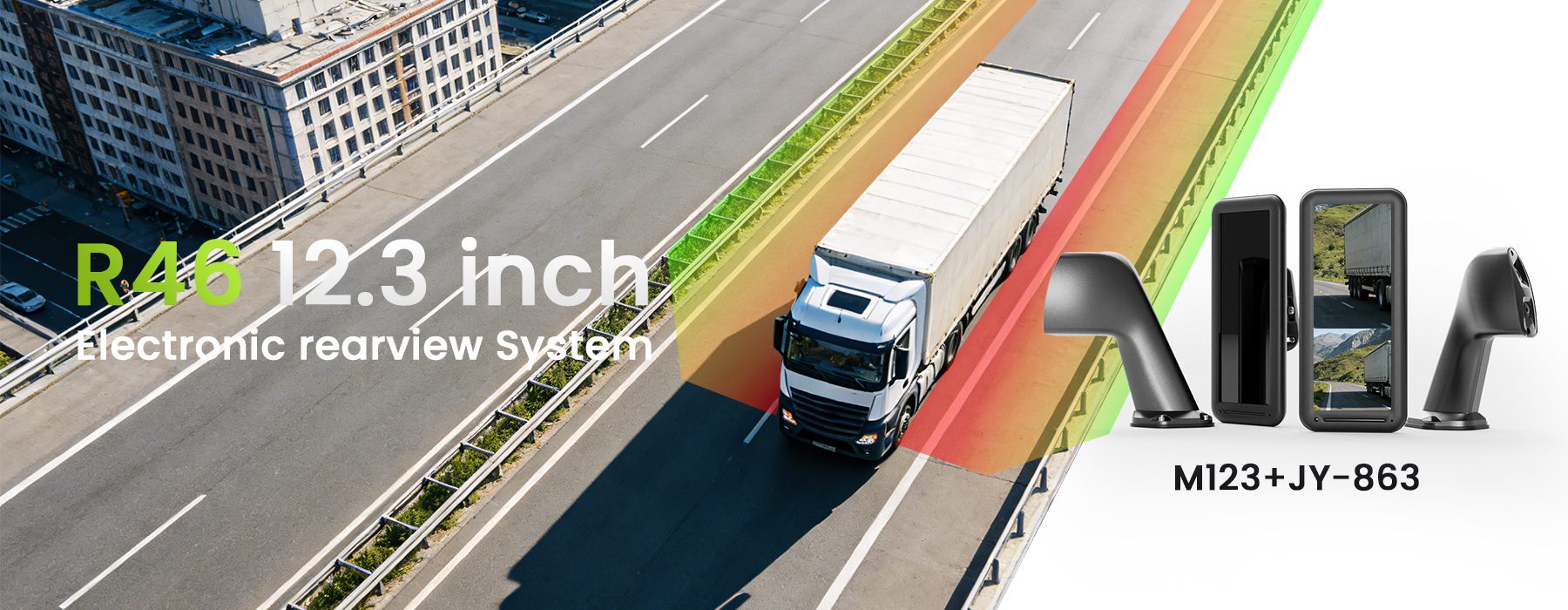
Choosing the right smart rear view mirror for a car can make a tangible difference for experienced drivers. Modern vehicles demand systems that not only provide clear rear visibility but also integrate safety features that help during parking, reversing, and navigating tight spaces. Among the many options available, the Luview 12.3-inch electronic rear view mirror system stands out for combining high-quality imaging with practical durability.

Which Smart Rear View Mirror Offers the Most Value for Money插图

Understanding Backup Rear View Camera Mirrors

A backup rear view camera mirror functions as both a conventional rearview mirror and a display for live video feed from a rear-mounted camera. This dual functionality allows drivers to seamlessly switch between reflective and digital views. Experienced drivers often appreciate features such as low-latency video, wide dynamic range imaging, and durability under harsh conditions—all essential for daily commuting, long-distance driving, or heavy-duty vehicle use.

Low-Latency 1080P Video for Safer Driving

The Luview system delivers 1080p low-latency video through LVDS technology. Low latency is crucial for experienced drivers who rely on real-time visuals during maneuvers. A delayed video feed can cause misjudgments, particularly when reversing or changing lanes in busy traffic. By providing smooth live video, the Luview smart mirror reduces the chances of collisions, offering consistent reliability in daily driving scenarios.

LED Anti-Flicker and Wide Dynamic Range Imaging

Lighting conditions often vary drastically while driving. Ordinary backup cameras can struggle in high-contrast or rapidly changing environments, such as sunlit streets, shadowed lanes, or tunnels. The Luview mirror addresses this challenge with LED anti-flicker technology and Wide Dynamic Range (WDR) imaging, ensuring that the video feed remains sharp and clear. Obstacles, pedestrians, or other vehicles are easier to spot, supporting safer decisions and minimizing potential risks.

Heated Defogging and IP69K Waterproof Rating

Weather resilience is a critical factor for any smart rear view mirror for a car. Luview integrates heated defogging functionality to prevent condensation, ensuring that visibility is not compromised in cold or humid conditions. Additionally, the mirror’s IP69K waterproof rating allows it to withstand high-pressure cleaning, rain, snow, and dust. This durability ensures the backup camera mirror continues to function reliably under extreme conditions, providing value over the long term.

Conclusie

For experienced drivers seeking both reliability and advanced features, the Luview 12.3-inch electronic rear view mirror system offers substantial value for money. Its combination of low-latency 1080p video, LED anti-flicker and WDR imaging, as well as weatherproof and defogging capabilities, makes it a practical choice for daily use. Investing in a high-quality backup rear view camera mirror, like Luview, ensures enhanced safety, consistent performance, and peace of mind on the road.

What is the Best Smart Rear View Mirror on the Market缩略图

What is the Best Smart Rear View Mirror on the Market

For experienced drivers and fleet operators, having clear visibility around the vehicle is crucial. Choosing the best smart rear view mirror is no longer just about convenience—it directly impacts safety and operational efficiency. In this article, we explore the features and advantages of advanced systems, with a focus on the Luview solution.

Understanding Smart Rear View Mirrors

A rear view mirror with a backup camera goes beyond the traditional reflective mirror. These systems integrate digital displays, multiple camera inputs, and sometimes even recording capabilities. For commercial vehicles, especially, the ability to monitor blind spots and rear traffic in real time can reduce accidents and improve driver confidence.

Smart rear view mirrors offer several benefits:

Enhanced visibility: They provide a clear, unobstructed view of the surroundings, even in poor lighting conditions.

Multiple angles: Many systems support dual input or split-screen views, allowing drivers to see both sides of the vehicle simultaneously.

Integration with vehicle technology: Modern mirrors can interface with sensors, parking assistance systems, and fleet management platforms.

Choosing a system that meets regulatory standards is essential, particularly for professional drivers operating commercial vehicles.

Why Luview Stands Out

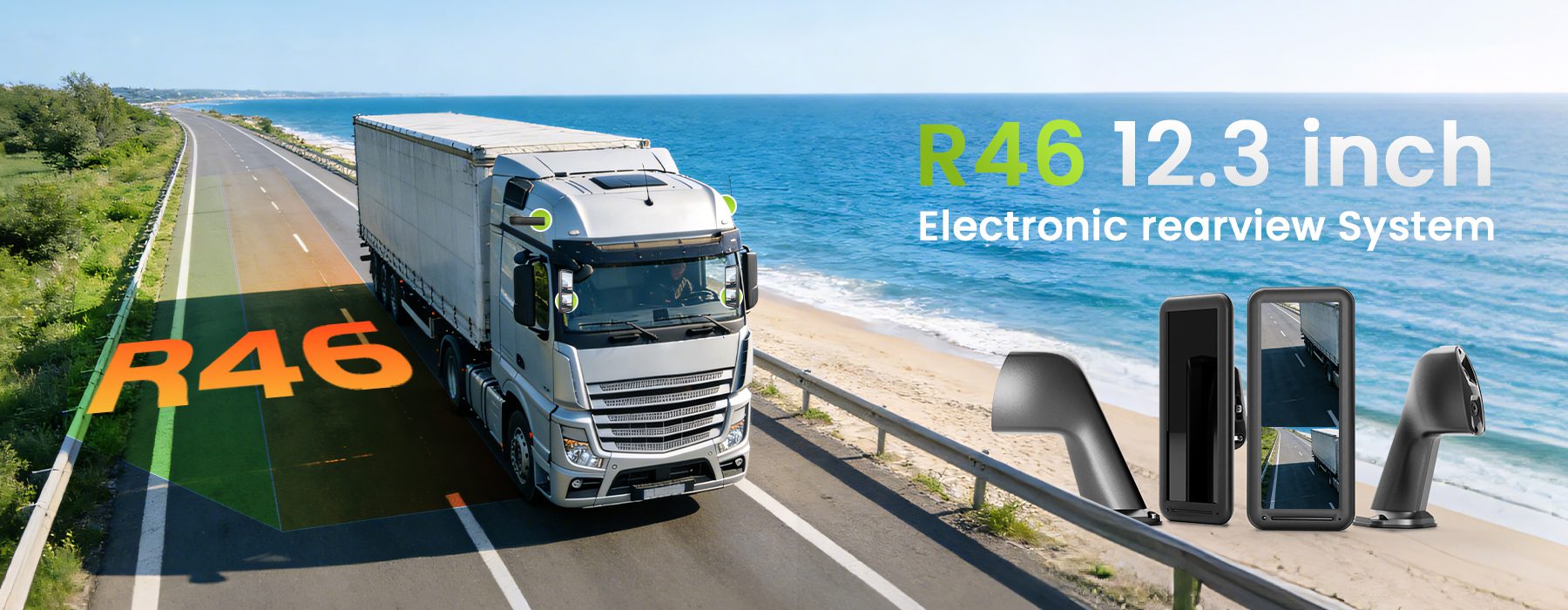
The Luview 12.3-inch electronic rear view mirror system is designed with both performance and compliance in mind. Unlike conventional mirrors, it offers dual input and split-screen functionality, allowing drivers to monitor multiple angles at once. This feature is particularly useful for reducing blind spots when maneuvering large vehicles.

Safety and regulatory compliance are central to the Luview system. It is fully certified under UN ECER46, meaning it satisfies global standards for indirect vision systems. For commercial drivers, this certification ensures that replacing traditional side mirrors with the Luview electronic system meets legal requirements without compromising safety.

Additional features include:

High-resolution display: Provides clear, real-time imaging, essential for busy urban or highway environments.

Backup camera integration: The system includes a high-quality rear camera, giving drivers a rear view mirror with backup camera functionality to simplify parking and reversing.

Durable design: Built to withstand the rigors of daily use in commercial operations, Luview mirrors maintain performance in extreme temperatures and vibration conditions.

Choosing the Right System

When evaluating the best smart rear view mirror, consider the following factors:

Display size and clarity: A larger, high-resolution screen allows better situational awareness.

Input flexibility: Dual or multiple camera inputs enable monitoring of both sides of the vehicle and the rear simultaneously.

Regulatory compliance: Ensure the system meets regional standards for indirect vision systems to replace traditional mirrors legally.

Installation and integration: A system should integrate seamlessly with existing vehicle electronics without requiring extensive modifications.

Conclusie

For experienced drivers seeking a combination of safety, compliance, and advanced technology, the Luview 12.3-inch electronic rear view mirror system presents a compelling option. Its dual input, split-screen capabilities, and backup camera integration make it a practical choice for reducing blind spots and improving situational awareness. With full certification under UN ECER46, Luview not only meets legal requirements but also enhances the driving experience for commercial vehicle operators.

Whether upgrading a fleet or equipping a personal vehicle, selecting the best smart rear view mirror, like Luview 12.3-inch electronic rear view mirror system, ensures both safety and efficiency are prioritized without compromise.

How Can Wireless Camera Systems Prevent Forklift Accidents缩略图

How Can Wireless Camera Systems Prevent Forklift Accidents

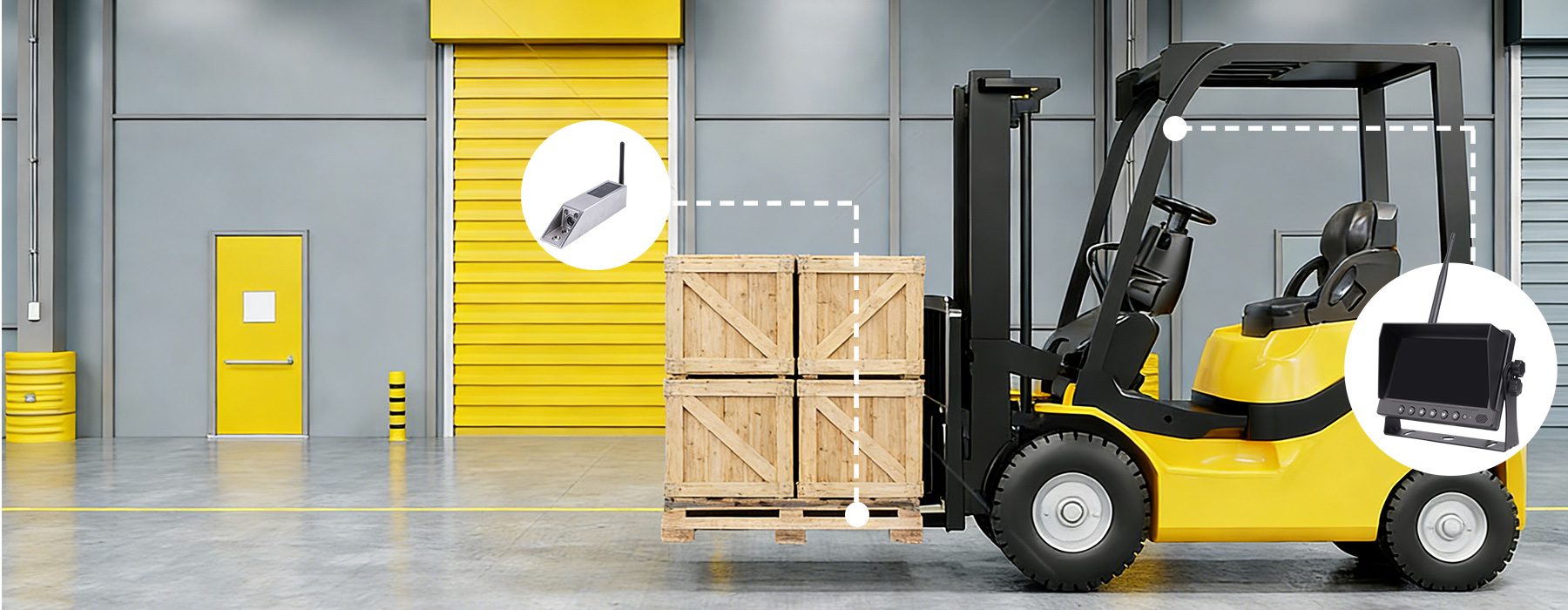
Forklifts play a crucial role in warehouses, logistics centers, and manufacturing sites, but they are also one of the main sources of workplace accidents. According to safety studies, most forklift accidents result from poor visibility—operators cannot see what is around them due to load size, narrow aisles, or blind spots. To address this issue, more companies are turning to the forklift wireless camera system as a reliable safety enhancement.

How Can Wireless Camera Systems Prevent Forklift Accidents插图

At Luview, we believe that improving visibility is the foundation of preventing forklift-related injuries and property damage. Our forklift camera systems are specifically designed to reduce blind spots, support operator awareness, and minimize human error in all working environments.

Why Visibility Matters in Forklift Safety

When a forklift carries bulky loads, the operator’s line of sight is often blocked. This creates blind zones where pedestrians, pallets, or obstacles can go unnoticed. Even experienced operators may struggle to react in time, especially in crowded warehouses or low-light conditions.

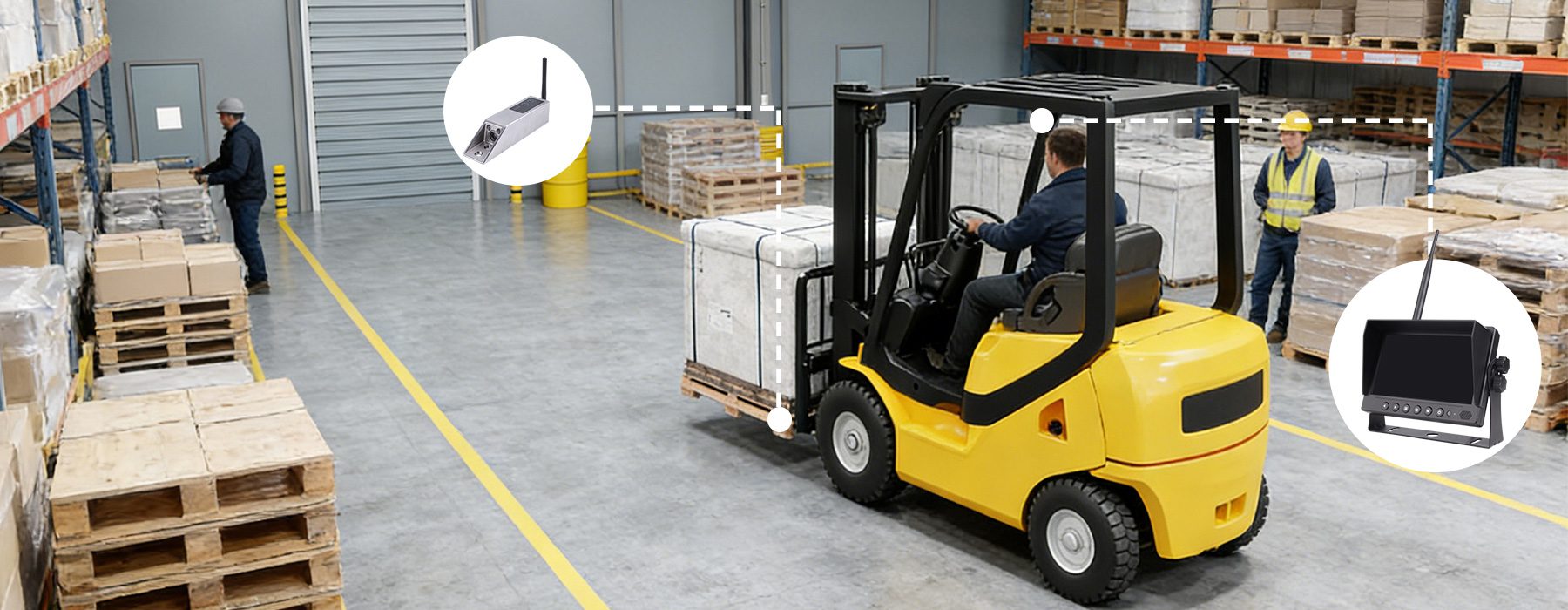
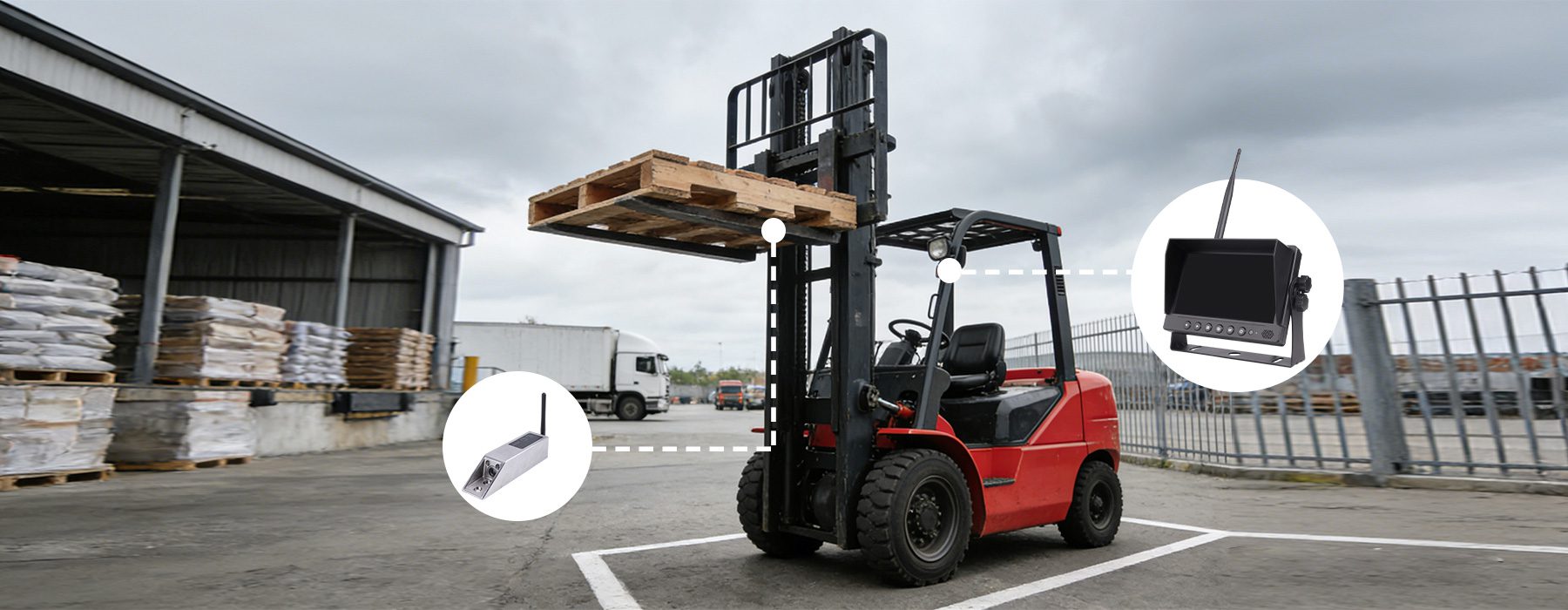
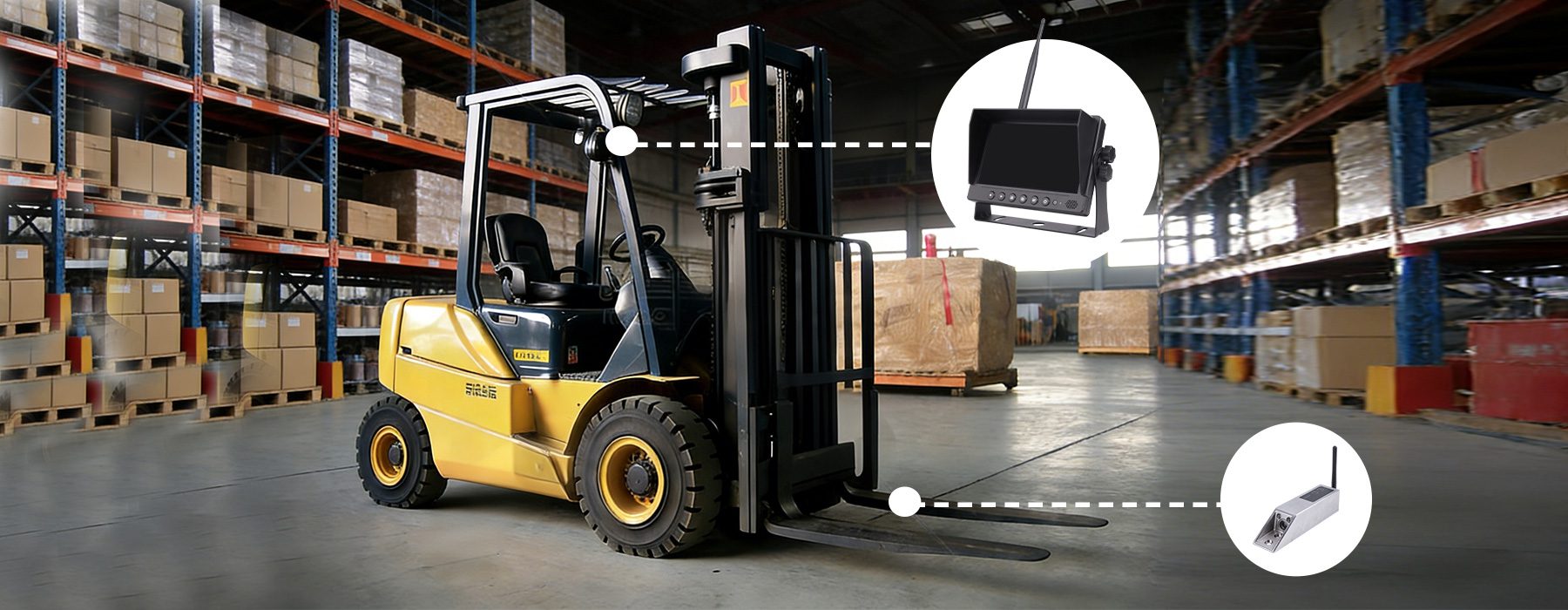
A forklift wireless camera system directly addresses this challenge by providing a clear, real-time view from multiple angles. Cameras mounted around the forklift transmit live footage to a monitor in the operator’s cabin, allowing them to detect movement or obstacles that would otherwise remain unseen. Enhanced visibility reduces the likelihood of collisions and allows for smoother, more confident operation.

How Luview Wireless Camera Systems Prevent Accidents

Luview’s waterproof forklift wireless camera system is engineered to create a safer working environment by eliminating blind spots and improving situational awareness. Supporting up to four high-definition cameras, it offers a 360° panoramic view around the forklift. This full coverage helps operators identify potential hazards—such as other vehicles, workers, or uneven surfaces—before an accident occurs.

Each camera is IP68-rated, ensuring reliable performance in dusty, humid, or outdoor environments. Night vision capability allows operators to see clearly even in dimly lit warehouses or during night shifts, reducing accidents caused by poor lighting conditions.

By integrating these technologies, Luview’s system allows operators to anticipate risks rather than simply react to them. With every turn, lift, or reverse movement, they can clearly observe their surroundings and make safe, informed decisions.

Advantages Over Traditional Forklift Cameras

Conventional forklift cameras often rely on wired connections, which can complicate installation and limit flexibility. Luview’s wireless forklift camera systems simplify the process with magnetic mounting and stable wireless transmission, making setup quick and adaptable to different forklift models.

Traditional systems usually support only a single camera, leaving certain angles uncovered. In contrast, Luview’s solution supports up to four cameras, ensuring comprehensive visibility from every direction. This reduces the operator’s stress and improves both safety and productivity, especially in fast-paced warehouse operations.

Conclusie

Preventing forklift accidents begins with eliminating uncertainty. A forklift wireless camera system provides operators with the clear, real-time vision they need to detect hazards, avoid collisions, and protect both people and property.

Bij Luview, our forklift camera systems combine durable construction, wireless convenience, and all-around visibility to help businesses build safer and more efficient workplaces. With improved visibility and awareness, operators can perform their tasks with greater precision and confidence—reducing risks and ensuring a safer environment for everyone.

What Are the Key Features to Look for in a Wireless Forklift Camera缩略图

What Are the Key Features to Look for in a Wireless Forklift Camera

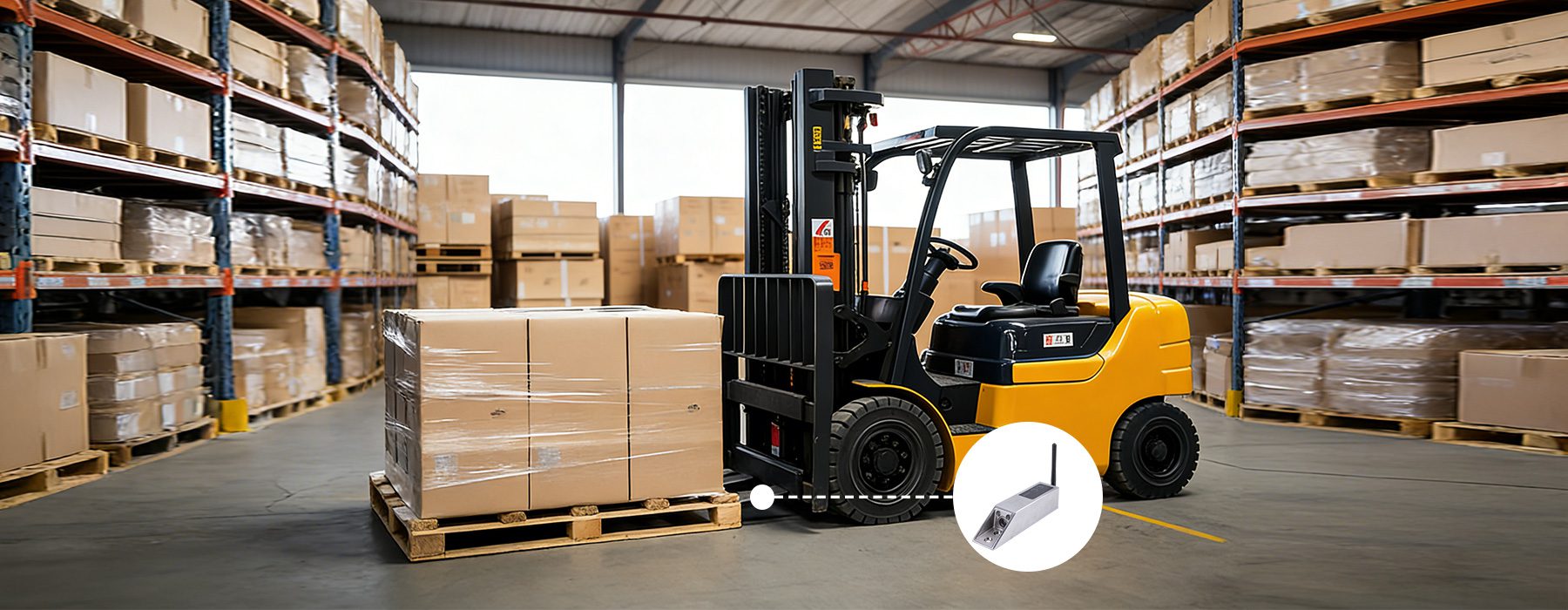
In modern warehouse and logistics environments, visibility and precision are essential for maintaining both safety and efficiency. For many operators, wireless forklift camera systems have become a reliable solution to address blind spots and enhance maneuverability. At Luview, we understand that experienced forklift operators and fleet managers seek dependable performance and practical features—not unnecessary complexity. Below, we outline the key features to look for when choosing a wireless forklift camera that meets your operational standards.

What Are the Key Features to Look for in a Wireless Forklift Camera插图

Reliable Safety and High Performance

A dependable forklift camera should perform consistently even in challenging industrial environments. Luview wireless forklift cameras are designed with durability in mind, offering an IP68 waterproof structure that withstands dust, moisture, and vibration. This ensures reliable performance whether the forklift operates indoors or outdoors.

In addition, automatic shutdown helps conserve energy when the system is not in use, while rapid startup enables immediate visibility once the forklift is active. For safer operation, the camera system supports upper and lower flipping functions, allowing flexible installation positions. Equipped with a laser positioning function, it helps operators align loads precisely—minimizing the risk of damage or accidents during handling.

Enhanced Operational Precision

Accuracy is critical when lifting, stacking, or placing pallets in narrow aisles. To assist operators, Luview wireless forklift camera systems include customizable on-screen guidelines that appear on the monitor. These visual markers guide operators in aligning the forks or adjusting lift height accurately. This feature not only helps improve loading efficiency but also reduces time spent correcting placement errors.

By integrating such real-time visual assistance, warehouse operations become smoother, especially for high-frequency material handling tasks. Experienced operators can work more confidently and productively with this added precision.

Superior Visibility in Complex Environments

Visibility can often be compromised in warehouses with low light, glare, or tight spaces. That’s why Luview wireless forklift cameras incorporate LED indicator display vision technology. The built-in LED lights illuminate dark areas, ensuring a clear view even in dimly lit environments.

This feature is particularly beneficial for night shifts, large storage facilities, and outdoor operations at dawn or dusk. When combined with high-definition imaging, operators gain a clear and stable view of obstacles, pedestrians, and load positions—helping maintain consistent safety across shifts and lighting conditions.

Wireless Connectivity and Real-Time Monitoring

One of the greatest advantages of modern forklift camera systems is wireless connectivity. Luview wireless forklift cameras connect directly to the monitor without the need for complex wiring. This simplifies installation, reduces maintenance time, and ensures a clean, organized setup.

The wireless connection provides real-time video transmission, giving operators continuous visibility of forklift blind spots. With minimal signal delay, the system allows for smoother coordination between the camera and monitor, improving situational awareness during reversing, stacking, or narrow aisle operations.

Conclusie

When selecting a wireless forklift camera, it’s important to prioritize features that directly enhance safety, precision, and operational convenience. Look for a camera system that offers robust waterproof performance, laser positioning, on-screen guidelines, LED visibility enhancement, and reliable wireless monitoring.

Bij Luview, we design wireless forklift camera systems that integrate these essential features, providing operators with the tools they need to work efficiently and safely in demanding environments. By investing in a well-engineered camera solution, businesses can reduce workplace risks, increase operational accuracy, and maintain a higher level of productivity across their fleets.

How Reliable Is the Connection in a Wireless Car Camera System缩略图

How Reliable Is the Connection in a Wireless Car Camera System

In modern vehicle monitoring and warehouse operations, wireless technology has become increasingly important. For experienced operators and fleet managers, the reliability of a wireless car camera system is a key factor that determines how effectively vehicles and forklifts can be monitored in real time. Stable connectivity ensures clear video transmission, accurate recording, and greater situational awareness, all of which contribute to safer and more efficient operations.

How Reliable Is the Connection in a Wireless Car Camera System插图

Understanding Wireless Connectivity in Camera Systems

Wireless camera systems transmit video signals using radio frequencies such as 2.4 gigahertz or 5.8 gigahertz. These frequencies allow video data to travel from the camera to the monitor without the need for physical wiring. A transmitter inside the camera sends the image signal, while a receiver inside the monitor displays the live feed. When both parts work in harmony, the connection remains steady even in areas with multiple sources of interference.

Several factors affect the stability of the wireless connection. The distance between the camera and monitor, the presence of metal structures, and the transmission power of the module all play important roles. Advanced systems use digital signal processing and anti-interference technology to maintain image stability. In both automotive and industrial settings, reliable transmission helps operators see what is happening around the vehicle in real time, even under demanding conditions.

Reliable Connection in Luview Wireless Systems

At Luview, we design each wireless car camera system and forklift camera with reliability and signal strength in mind. Our systems are built to perform consistently in transport fleets, warehouses, and industrial environments where stable real-time monitoring is essential.

Traditional wired systems require complex installation and can suffer from cable wear or disconnection. Luview’s wireless solution provides a direct link between the camera and the monitor, offering consistent performance without complicated setup. The connection remains secure, minimizing delay and ensuring smooth video transmission. Operators can view their surroundings clearly and make quick, informed decisions.

Advantages of Luview Wireless Connectivity

Real Time Monitoring: The forklift cameras connect directly to the monitor wirelessly, providing continuous visual coverage of blind spots and nearby areas.

Interference Resistance: Our systems maintain strong connections in busy industrial spaces with multiple wireless signals.

Flexible Installation: Cameras can be positioned on different parts of the vehicle or forklift, providing better coverage and visibility.

Compatibility Across Models: Luview’s wireless forklift camera systems fit a wide variety of models, from standard warehouse vehicles to heavy duty equipment.

Stable Range Performance: The connection remains steady over practical operating distances, ensuring uninterrupted visibility during long working hours.

Customized Solutions: We also provide production options based on client requirements, ensuring each system integrates perfectly with your workflow and equipment.

Conclusie

Connection reliability determines the overall performance of any wireless car camera system or forklift camera. A stable and interference resistant link guarantees clear video transmission and consistent real time monitoring.

Bij Luview, we focus on creating systems that deliver steady connectivity, flexible installation, and dependable operation in both automotive and industrial environments. With advanced wireless technology and customized design, our camera systems help operators and fleet managers maintain complete awareness, improve safety, and enhance productivity every day.

Which Wireless Dual Dash Cam Offers the Highest Video Quality缩略图

Which Wireless Dual Dash Cam Offers the Highest Video Quality

High-quality video capture is essential for both automotive and industrial applications. For cars, the best wireless car dash camera front and rear provides complete monitoring of traffic conditions, parking situations, and accident evidence. In industrial environments, such as warehouses or distribution centers, a forklift truck camera improves operator awareness, reduces blind spots, and enhances overall safety. Understanding what determines video clarity can help operators select the right system for their fleet.

Understanding Video Quality in Dash Cameras

The quality of footage depends on several technical factors. Resolution determines how much detail is captured, while sensor size affects low-light performance. Larger sensors allow more light to reach the imaging element, which is important for night driving or dim warehouse conditions. Frame rate reduces motion blur, ensuring smooth recording of fast-moving objects. Additionally, wide dynamic range (WDR) balances lighting differences, making both bright and shadowed areas visible. Wireless connectivity allows real-time monitoring without interfering with vehicle or forklift operation.

Luview Wireless Dash Cameras

At Luview, we provide dash camera systems designed for clear video and practical usability. Our wireless car dash camera, front and rear, and forklift truck camera solutions deliver reliable footage and flexible installation.

Traditional forklift cameras rely on wired connections, which are difficult to install and restrict positioning. Luview’s wireless cameras feature magnetic mounts and simple connectivity, reducing setup time. Unlike single-camera systems, our solution supports up to four cameras, offering a full 360° view around the forklift. For cars, our dual dash cams record both front and rear simultaneously, capturing all critical angles without compromise.

Features Supporting High-Quality Video

  • High-Resolution Sensors

Full HD recording ensures sharp, detailed footage, important for accident documentation and operational review.

  • Wide Dynamic Range (WDR)

Balances bright and dark areas to maintain visibility in challenging lighting conditions.

  • High Frame Rate

Smooth video capture reduces motion blur, even when vehicles or forklifts are moving quickly.

  • Multi-Camera Support

Up to four cameras for forklifts provide comprehensive coverage and minimize blind spots.

  • Wireless Connectivity

Simplifies installation and allows flexible camera placement without running cables.

  • Durable Construction

Built to withstand vibrations, temperature changes, and daily industrial or automotive use.

Conclusie

Selecting the right dual dash camera is about ensuring reliable, clear video for safety and operational efficiency. Luview’s wireless car dash camera front and rear and forklift truck camera systems combine high-resolution sensors, WDR, multi-camera support, and wireless installation to provide consistent, dependable footage. For fleet managers and experienced operators, Luview delivers the technology needed to monitor every situation with confidence.

How to Choose the Right Wireless Safety Camera for Your Forklift Fleet缩略图

How to Choose the Right Wireless Safety Camera for Your Forklift Fleet

Forklifts play a critical role in warehouses, logistics centers, and industrial environments. Even skilled operators face challenges due to blind spots, low-light conditions, and tight maneuvering spaces. A camera for a forklift can significantly improve safety and operational efficiency, but choosing the right system requires understanding key considerations.

How to Choose the Right Wireless Safety Camera for Your Forklift Fleet插图

Key Considerations When Selecting a Forklift Camera

When looking for cameras for forklifts, it’s important to focus on factors that impact both safety and efficiency:

  1. Field of View

A wide-angle view helps operators see blind spots around the forklift, especially behind the load. Cameras with adjustable viewing angles provide flexibility to adapt to different load sizes and warehouse layouts.

  1. Image Clarity in Various Lighting Conditions

Warehouses often have uneven or low lighting. Look for cameras that provide clear images in both bright and dim environments. Night vision or LED-assisted cameras are particularly useful for early morning, late night, or poorly illuminated storage areas.

  1. Real-Time Monitoring

The camera system should provide instant video feedback to the operator’s monitor without noticeable lag. Real-time monitoring ensures the operator can make immediate adjustments to prevent collisions and safely handle loads.

  1. Wireless Reliability

Wireless connectivity is convenient, but stability is crucial. A reliable system must maintain a strong connection over the forklift’s operating area, even when navigating large warehouses or obstructed paths.

  1. Ease of Installation and Maintenance

Choose a system that can be installed with minimal disruption to your fleet. The camera should be robust and easy to maintain, minimizing downtime and maintenance costs.

  1. Compatibility with Your Fleet

Ensure the camera system works with the types of forklifts in your fleet and integrates easily with existing monitors or displays. Some systems offer flexible mounting options to fit various models.

Why Choose Luview Camera for Forklifts?

After considering these factors, Luview cameras for forklifts stand out as a practical solution for industrial operations. Designed for safety, precision, and reliability, Luview systems provide:

Enhanced Operational Precision: Visual guidelines on the monitor help operators position loads accurately.

Superior Visibility in Complex Environments: LED-assisted vision ensures clear images in low-light conditions.

Wireless Connectivity & Real-Time Monitoring: Instant video transmission displays blind spots in real-time.

Maximum Transmission Distance: Reliable wireless connection up to 60 meters supports large warehouse operations.

Conclusie

Choosing the right camera for forklifts requires evaluating the field of view, image clarity, real-time monitoring, wireless stability, installation, and fleet compatibility. For businesses seeking a dependable and high-performance solution, Luview cameras for forklifts combine these essential factors with features designed to enhance operational safety and efficiency.

By selecting a system that addresses these practical considerations, operators can navigate their work environment with confidence, reduce accidents, and handle materials more precisely. Luview provides the safety, clarity, and reliability your forklift fleet needs.

Can Wireless Safety Cameras Integrate with Other Forklift Safety Systems缩略图

Can Wireless Safety Cameras Integrate with Other Forklift Safety Systems

In modern warehouse and industrial environments, safety remains a top priority. Forklifts, while essential for efficient material handling, are associated with a significant risk of accidents due to blind spots and limited rear visibility. Forklift wireless safety cameras have emerged as an effective solution, offering operators a clear view of their surroundings and reducing the likelihood of collisions. These systems combine advanced optics, wireless transmission, and intelligent design to improve situational awareness, ultimately protecting both personnel and inventory.

Can Wireless Safety Cameras Integrate with Other Forklift Safety Systems插图

How Wireless Forklift Cameras Enhance Safety

Traditional backup cameras have long been used in vehicles, but forklifts present unique challenges. Frequent stops, high load heights, and the constant movement of pallets demand a system that is both robust and reliable. A forklift backup camera system addresses these needs by providing a real-time video feed to the operator, typically displayed on an onboard monitor.

Luview’s wireless forklift camera system incorporates several features that ensure safety without complicating the operator’s workflow:

Easy Installation: Its magnetic mounting structure allows quick attachment without extensive wiring, reducing downtime and avoiding tangled cables.

Reliable Performance: Designed with IP68 waterproofing and automatic shutdown, the system withstands industrial environments while conserving energy.

Operational Convenience: With upper and lower screen flipping and a laser positioning function, operators gain precise visibility for both close-range maneuvering and elevated load handling.

Integrating with Other Safety Systems

A common question among warehouse managers and experienced forklift operators is whether wireless cameras can integrate with existing safety systems, such as proximity sensors, collision alert systems, or fleet management software. The answer is largely affirmative, as most modern forklift wireless safety cameras are designed with interoperability in mind.

Luview‘s system, in particular, offers flexibility for integration. Its wireless transmission and standardized video output allow connection with other visual or alert systems. For example, pairing the camera with proximity sensors or audible alarms can create a comprehensive safety network that alerts operators to nearby hazards, improving decision-making during complex maneuvers. While full integration depends on the compatibility of third-party systems, Luview’s solution is engineered to work seamlessly with most forklifts on the market, providing a versatile upgrade without requiring extensive modifications.

Conclusie

We believe incorporating a forklift backup camera system into your operations is a practical way to enhance safety, reduce accidents, and boost operator confidence. When combined with other safety measures, such as sensors or alarms, our wireless cameras help create a more comprehensive safety environment. At Luview, we design our wireless forklift safety camera solutions for easy installation, durable performance, and broad compatibility, providing a reliable solution for warehouses and industrial sites. By choosing our versatile system, operators can enjoy improved visibility and safer operations without the need for complex rewiring or equipment modifications.