Benefits of Brake Light Camera System缩略图

Benefits of Brake Light Camera System
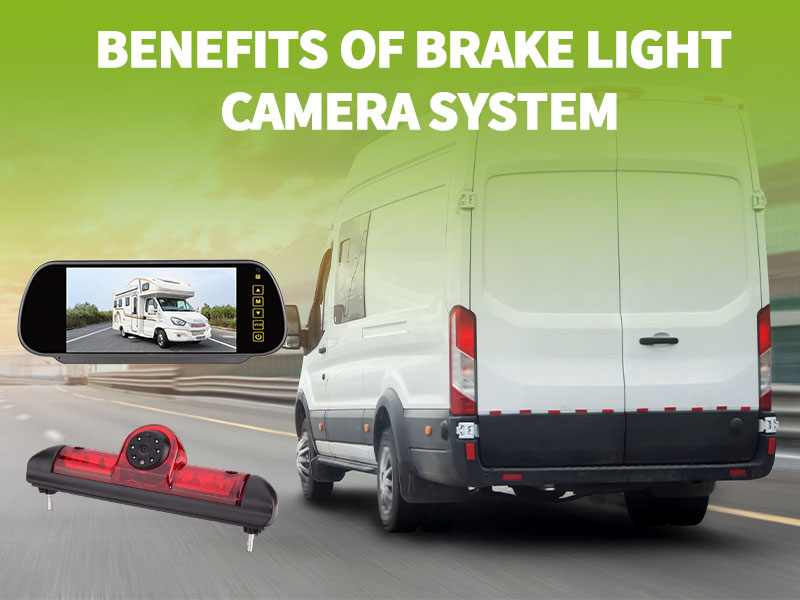
Benefits of Brake Light Camera System插图In today’s era of rapidly advancing automotive technology, the brake light camera system, as one of the advanced safety technologies, is gradually attracting people’s attention. This system provides drivers with more comprehensive and advanced protection in terms of road safety, parking assistance, driving experience, accident evidence, convenience, and cost-effectiveness. Let’s explore the excellent features of the brake light camera system together.

Enhancing road safety

The brake light camera system plays a crucial role in enhancing road safety. By monitoring the rear environment of vehicles in real-time, the system can quickly detect obstacles and prevent accidents before potential collisions occur, significantly improving the safety of road travel. This technology demonstrates exceptional performance, especially in adverse weather conditions, helping drivers have a clearer perception of their surroundings and effectively reducing the risk of accidents caused by weather. With its responsiveness and reliability in different weather conditions, the brake light camera system becomes a powerful safety assistant, providing drivers with comprehensive road protection.

Parking Assist Feature

The parking assist feature is another significant advantage of the brake light camera system. This system plays a crucial role in precise parking by providing excellent assistance to drivers, making the parking process more accurate and safe. By monitoring the surrounding environment of the vehicle in real-time, the system can detect potential obstacles during the parking process, avoiding the risk of potential collisions. Whether it is parallel parking or perpendicular parking, the brake light camera system demonstrates its exceptional assisting capability. For drivers, this means they can confidently perform parking maneuvers in narrow parking spaces without worrying about unnecessary contact with surrounding vehicles or obstacles. This convenience not only improves parking efficiency but also reduces the risk of accidents that may occur during the parking process.

Enhancement of Driving Experience

The role of the brake light camera system goes beyond enhancing road safety and assisting in parking. It also plays a crucial role in enhancing the driving experience. By monitoring the rear environment of the vehicle in real-time, the system effectively reduces the stress on drivers and provides a higher sense of driving security. Drivers can have a clearer understanding of the surrounding conditions, and the seamless integration of the system with other safety features creates a comprehensive driving experience for them. This comprehensive protection and intelligent driving assistance enable drivers to drive with more confidence and comfort, enhancing the overall enjoyment and convenience of the driving process. The brake light camera system is not just a safety technology but a key driving companion that brings driving pleasure and convenience to drivers.

Acquiring Accident Evidence

The automatic recording feature of the brake light camera system provides an efficient and reliable means of acquiring accident evidence, greatly simplifying the claims process and providing credible evidence for insurance claims. By monitoring the vehicle’s driving condition, the system records the occurrence of accidents and unexpected events in real-time, capturing crucial image and video information. This feature not only helps determine liability and the sequence of events, enhancing the fairness and efficiency of claims, but it also effectively protects drivers from fraudulent activities. After an accident, the recorded objective evidence becomes crucial support during the claims process, reducing the possibility of disputes and controversies. Additionally, this technology helps deter fraudulent behavior as the recorded real-time information is difficult to tamper with, providing insurance companies with a more trustworthy source of data. Overall, the powerful capability of the brake light camera system in acquiring accident evidence provides drivers with comprehensive insurance support, enabling them to face unpredictable events on the road with greater confidence.

Convenience and Connectivity

The integration of the brake light camera system with mobile applications enables convenient features such as remote monitoring and real-time risk alerts, allowing drivers to have instant access to their vehicle’s status and enhancing the convenience and safety of driving. Moreover, its seamless connectivity with other intelligent vehicle systems elevates the overall intelligence of the vehicle. By working in harmony with other systems, it provides more comprehensive and intelligent services and management, offering drivers a more convenient and advanced driving experience.

Cost-effective Safety Solution

The brake light camera system not only provides substantial safety assurance for drivers but also demonstrates significant cost-effectiveness on an economic level. Its automatic recording feature provides reliable evidence for insurance claims, potentially reducing insurance expenditure and offering economic advantages to vehicle owners. More importantly, this system effectively prevents costly collisions and repair expenses through real-time monitoring and driving assistance features, reducing the likelihood of vehicle damage and extending the vehicle’s lifespan. Therefore, the brake light camera system not only prioritizes driver safety but also creates long-term economic benefits for vehicle owners, making it a comprehensive and valuable investment in vehicle safety.

Conclusie

In conclusion, the brake light camera system offers outstanding advantages in enhancing road safety as well as in driving experience, parking assistance, accident evidence acquisition, convenience, and cost-effectiveness. Choosing to install such a system will provide drivers with a new level of safety experience. Luview, as a high-quality supplier of brake light camera systems, is worth your serious consideration. For more information, please contact sales@luview.com to select excellent safety protection for your vehicle.
Choosing the Suitable Blind Spot Detection System: A Guide缩略图

Choosing the Suitable Blind Spot Detection System: A Guide

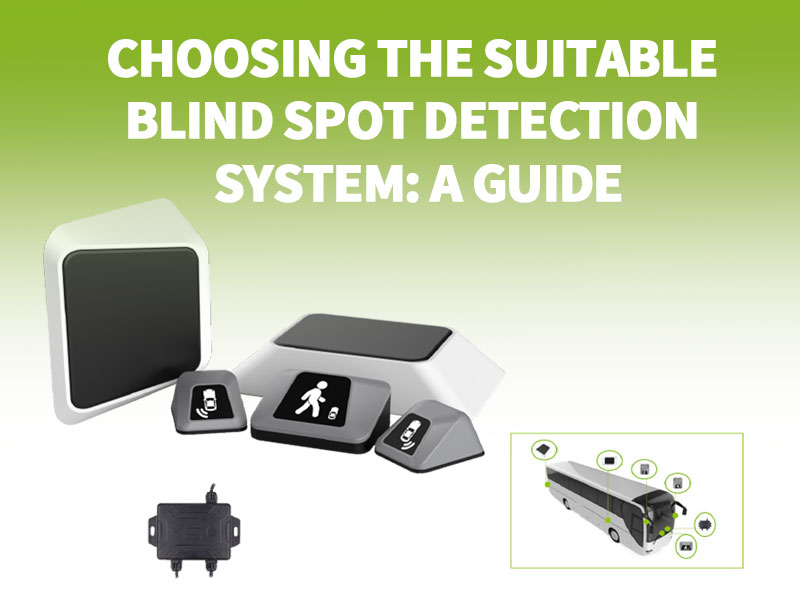
Choosing the Suitable Blind Spot Detection System: A Guide插图In modern traffic, blind-spot accidents are a common and dangerous type of traffic incident. To enhance driving safety, an increasing number of vehicles are equipped with blind-spot detection systems. However, in the market, there are numerous types and brands of blind-spot detection systems, making it not an easy task to choose a system suitable for one’s own vehicle. This article will explore how to select a blind-spot detection system that is suitable for a vehicle, ensuring safety during the driving process.
1. The Danger of Blind-Spot Accidents

The danger of blind-spot accidents cannot be overlooked in modern traffic. These accidents occur in areas not directly observable by drivers, increasing the risk of collisions, especially during lane changes, merging, or reversing. Furthermore, blind-spot accidents may pose a threat to the safety of pedestrians and cyclists, particularly at intersections and during reversing maneuvers. Accidents at intersections, reversing incidents, and hazards during lane changes are closely associated with blind spots.
To mitigate the occurrence of such accidents, vehicle manufacturers adopt technological solutions such as blind-spot detection systems and continuously improve vehicle designs to enhance visibility. Additionally, driver training and attentiveness play crucial roles in reducing blind-spot accidents. By comprehensively implementing these measures, we can effectively elevate the level of traffic safety, minimizing the potential threats posed by blind-spot accidents to drivers and other road users.

2. Types of Blind-Spot Detection Systems

Blind-spot detection systems come in a variety of types, utilizing different technologies to provide additional driving assistance. Radar systems use wireless radar signals to monitor the surrounding environment, while camera systems offer real-time video imagery, particularly useful for visual assistance during reversing or lane-changing maneuvers. Ultrasonic systems measure distances using ultrasonic sensors and emit sound or visual warnings. Additionally, integrated systems combine multiple technologies to provide more comprehensive blind-spot monitoring. Each system has unique advantages and limitations, and selecting a system suitable for a vehicle requires considering factors such as accuracy, coverage, response speed, and real-world performance during driving. Choosing the right system involves considering the type of vehicle and individual preferences.

3. Applicable Vehicle Types and Sizes

Blind-spot detection systems are widely applicable across various vehicle types, especially proving crucial for compact cars, SUVs, trucks, and large commercial vehicles that may face significant blind-spot challenges during driving. These systems, employing visual, radar, or ultrasonic technologies, effectively provide additional warnings to drivers during maneuvers like reversing and lane changes, thereby reducing the potential risk of traffic accidents. When selecting a blind-spot alert system tailored to a specific vehicle type, it is recommended to consider the vehicle’s size and design structure. This involves evaluating the system’s coverage range and sensor placement to ensure optimal driving safety.

4. Considerations for Budget Range

When choosing a blind-spot detection system, several factors need to be considered that impact the budget range. The vehicle model, manufacturer, technology type, and system functionality are the primary factors influencing costs. Luxury vehicle models often come equipped with more advanced safety technology, leading to potentially higher system costs. Different technology types also affect prices, for instance, radar-based systems may be more expensive, while ultrasonic-based ones might be more cost-effective. Advanced features like automatic braking, lane-keeping assistance, etc., can elevate system prices. OEM-installed systems are typically more tightly integrated and may be more expensive. Additionally, market competition and supplier choices can also influence prices. Taking into account both safety requirements and financial constraints, it is crucial to choose a system that aligns with individual needs and driving environments. This investment often enhances driving safety and reduces the potential risk of accidents.

5. Installation Difficulty and Methods

The installation difficulty and methods of blind-spot detection systems vary depending on the vehicle model, system type, and whether it is factory-installed or an aftermarket installation. Factory-installed systems are typically completed by professional technicians during the vehicle manufacturing process, simplifying the installation process. Aftermarket installations may involve more complex steps, depending on the chosen system type and location. This could include the installation of cameras, radar, or ultrasonic sensors, as well as connections to the vehicle’s electrical system. For individuals not familiar with automotive systems, it is advisable to seek professional installation services to ensure the correct installation and proper functioning of the system. This helps enhance safety and reduces potential issues.

6. Technical Reliability and Accuracy

The technical reliability and accuracy are critical differences among various types of blind-spot detection systems. This involves aspects such as the visual recognition capabilities of cameras and the perceptual accuracy of radar. To ensure effective operation in complex traffic environments, users need to choose systems with higher technical reliability and accuracy based on their specific needs and use cases. In this selection process, understanding the technical details of different systems, such as camera resolution and algorithm optimization, radar detection range, and accuracy, will be crucial. Through careful selection, users can ensure that their blind-spot detection systems operate reliably in various situations, enhancing driving safety.

7. Functional Requirements

When selecting a blind spot detection system, users need to consider not only technical reliability and accuracy but also the system’s functional requirements. Different systems offer various warning methods, such as visual, auditory, or vibration alerts. Some systems also have data recording and analysis capabilities, providing detailed information about driving behavior and blind spot events. Users can choose a system that best suits their preferences and driving habits based on these features. For example, drivers who prefer visual alerts may opt for clear and visible indicators, while users interested in data analysis may prefer systems that provide detailed records. Additional features such as automatic sensitivity adjustment, wireless connectivity, and integration with smartphones are also factors to consider, enhancing the convenience and user experience of the system. Therefore, by comprehensively considering both technical features and functional needs, users can better choose a blind spot detection system that aligns with their driving habits and preferences.

8. Compatibility Considerations

When selecting a blind-spot detection system, it is crucial to consider its compatibility with different vehicle years and models. Ensuring smooth integration and proper functionality is of utmost importance. Additionally, users should also pay attention to whether the system supports upgrades and updates to adapt to evolving technology and regulatory requirements. This helps guarantee the long-term availability and adaptability of the system. Therefore, compatibility is a critical factor to consider when choosing a blind-spot detection system, directly impacting its effectiveness on specific vehicles and future maintainability.

9. Compliance with Regulations and Standards

When choosing a blind-spot detection system, users must ensure that the selected system complies with local regulatory requirements and standards. Different regions may have specific certification requirements for such systems, so it is crucial to understand local regulations and opt for a system that meets the applicable standards. This helps ensure the legality and safety of driving, enhancing the overall reliability of the driving experience.

Conclusie

When selecting a blind-spot detection system suitable for a vehicle, it is necessary to consider the above factors comprehensively, weighing the pros and cons to make informed decisions. The role of a blind-spot detection system extends beyond improving driving safety, it also helps reduce the likelihood of accidents. By making a reasonable choice of a blind-spot detection system, we can enjoy the pleasure of driving with greater peace of mind and ensure the traffic safety of ourselves and others.
For ensuring a safe, blind-spot-free driving experience, Luview is your ideal partner for automotive blind-spot detection systems! We specialize in the research and manufacturing of high-quality automotive rearview systems and surveillance video solutions, assisting you in every drive without worries. Take action now, seize safety assurance, and contact us for more customized services and product details at sales@luview.com. Let Luview escort your journey with confidence!

Guide to Choosing a Body Worn Camera缩略图

Guide to Choosing a Body Worn Camera

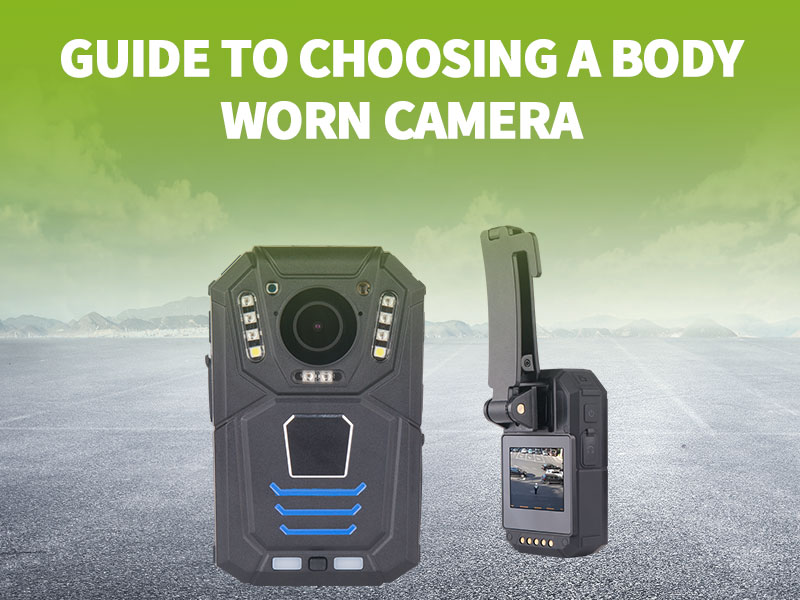
Guide to Choosing a Body Worn Camera插图In modern law enforcement work, body-worn cameras have become an indispensable tool. They not only provide objective evidence but also contribute to maintaining fairness and transparency. However, faced with numerous brands and models of body-worn cameras in the market, choosing a device that suits one’s job requirements can be overwhelming. To assist you in making an informed decision, here is a guide on choosing a body-worn camera.
Inleiding

The application of body-worn cameras in law enforcement has become a prevalent trend. By documenting law enforcement activities, this device provides officers with a powerful means to protect themselves while also enhancing the transparency of their work.

1. Consideration of crucial features

When choosing a body-worn camera, the primary considerations are its crucial features. The resolution and video quality determine the clarity of the recordings, while a wide field of view ensures comprehensive coverage. In addition, low-light performance and battery life are also crucial factors.

2. Storage and data management

Choosing a body-worn camera with robust storage and data management capabilities is equally crucial. Internal storage and external options, cloud storage, as well as data encryption and security features, all need to be carefully considered.

3. Durability and design

Given the often complex and challenging work environments of law enforcement personnel, the durability and design of the equipment are particularly crucial. Choosing a body-worn camera that is impact-resistant, waterproof, dustproof, and designed robustly ensures reliable operation in various circumstances.

4. Ease of Use

A body-worn camera that is easy to use can enhance the efficiency of law enforcement personnel. Ensure that the device has an intuitive user interface and controls, as well as good compatibility with existing systems. Additionally, consider the simplicity of the training process.

5. Connectivity options

Modern law enforcement work demands devices with advanced connectivity options. Wireless features such as Wi-Fi and Bluetooth, compatibility with smartphones or other devices, and remote access and control functionalities are all factors that contribute to a more convenient workflow.

6. Budget considerations

When selecting a body-worn camera, budget is also a crucial factor to consider. It’s essential to strike a balance between the initial equipment cost and long-term maintenance expenses, ensuring a good equilibrium between quality and affordability.

7. Legal and compliance considerations

With the widespread adoption of body-worn cameras, issues related to legality and compliance have become increasingly crucial. Ensure that the chosen equipment complies with local laws and regulations while also addressing privacy concerns and incorporating deletion functionalities to mitigate potential legal issues.

8. Brand reputation and reviews

When choosing a body-worn camera, the brand’s reputation and user reviews are crucial avenues for understanding the device’s performance. Conducting in-depth research on various brands, reading user reviews, and seeking recommendations can provide valuable insights into the actual performance of the equipment.

9. Customer support and warranty

Lastly, ensure that the selected body-worn camera brand offers excellent customer support and a reasonable warranty policy. Understanding the device’s upgrade options and software support is essential to guarantee the stability of the equipment during use.

Conclusie

When selecting a body-worn camera, considering the above factors in a comprehensive manner is crucial. A body-worn camera that suits your work requirements, excels in performance, and is easy to use will become an indispensable tool in law enforcement. If you are looking for a reliable supplier of body-worn cameras, Luview is your ideal choice. Please contact sales@luview.com for more details to ensure your law enforcement work is in capable hands.

Guide to Choosing a Vehicle Backup Camera for License Plate缩略图

Guide to Choosing a Vehicle Backup Camera for License Plate

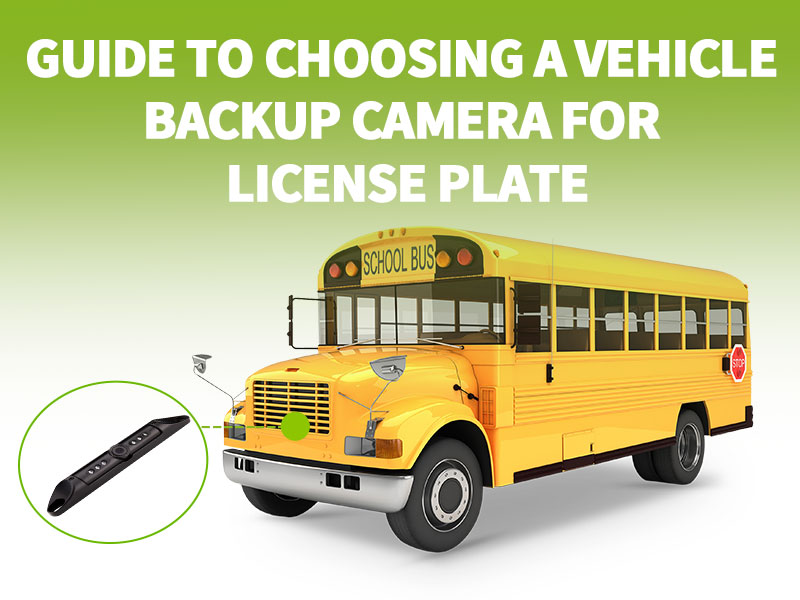
In the rapid evolution of modern vehicle safety technologies, the backup camera has emerged as a crucial auxiliary feature, significantly enhancing the safety and convenience of reversing. However, with a plethora of backup camera options available in the market, determining the ideal camera for license plate use has become a concern for many vehicle owners. In this article, we will delve into the selection criteria for choosing a vehicle backup camera specifically designed for license plate installation.

Guide to Choosing a Vehicle Backup Camera for License Plate插图

How to choose the right license plate backup camera

1. Comprehending the functionality of backup cameras

The backup camera is like a little assistant for the vehicle, especially when reversing. It solves the problem of blind spots that we cannot see from the rear, making reversing safer. By instantly delivering a clear rear view, it prevented us from accidentally bumping into things, especially in tight spots. Moreover, the night vision function also makes reversing at night easier and is no longer affected by darkness. Cameras also make parking easier, and we can more accurately judge and avoid obstacles. In general, backup cameras are meant to make driving safer and more convenient, and are part of modern vehicle safety.

2. The importance of resolution and clarity

The resolution and clarity of a license plate backup camera are crucial for driving safety. High resolution provides clear images, enabling drivers to accurately identify obstacles in the rear and reduce the risk of collisions. Clarity also plays a role during nighttime driving and in complex parking scenarios, offering drivers a more reliable spatial perception and simplifying parking maneuvers. This not only enhances the user experience but also provides drivers with reliable assistance during critical moments, making the reversing process safer and more convenient.

3. Consideration of night vision functionality

Night vision functionality is a critical consideration for license plate backup cameras, ensuring clear imaging in low-light or complete darkness through high-sensitivity sensors and infrared assistance. Contrast adjustment, anti-glare design, and real-time responsiveness are crucial to handle various lighting conditions during nighttime driving, providing reliable assistance for reverse maneuvers in the dark. This ensures drivers feel more secure and facilitates convenience during nighttime operations.

4. Installation difficulty and methods

Considering the installation of a camera, it is important to understand whether it requires professional installation services. Some cameras are designed to be easily installed by individuals, while others may require the expertise of professional technicians. If you have limited knowledge of the vehicle’s electrical system or encounter difficulties, it is advisable to seek professional technical support or installation services.

5. Selection of waterproof ratings

When choosing a license plate backup camera, the waterproof rating is a crucial consideration as it directly impacts its stability in different weather conditions. Common waterproof ratings include IP67, IP68, and IP69K, denoting resistance to water depth, water pressure, and high-temperature high-pressure water jets, respectively. In rainy or humid environments, it’s recommended to choose a camera with at least an IP67 rating. For situations requiring frequent washing or exposure to harsh conditions, considering a higher waterproof rating like IP69K might be more suitable. Therefore, it’s important to reasonably select the camera’s waterproof rating based on actual usage and environmental conditions to ensure reliable reverse assistance in various adverse situations.

6. The importance of angle of view and coverage area

When purchasing a license plate backup camera, the angle of view and coverage area are crucial factors to consider. The camera’s angle of view determines the visible range, and choosing an appropriate angle helps in comprehensively understanding the surrounding environment while reversing, reducing blind spots. A wide coverage area provides a clear view of the reversing zone. Therefore, paying attention to the camera’s angle of view and coverage area is key to enhancing reverse safety and convenience.

7. Choice between Wireless and Wired

When selecting a license plate backup camera, you face the choice between wireless and wired connectivity. Wireless cameras eliminate the need for complex wiring, simplifying the installation process and making it more flexible and convenient. However, wired cameras typically offer more stable signal transmission, avoiding potential issues caused by wireless signal interference. Therefore, the choice between wireless and wired involves balancing convenience and stability. It depends on individual preferences and specific needs to determine whether to opt for the convenience of wireless or the reliability of a wired connection.

8. Brand reputation and user reviews as reference

When selecting a license plate backup camera, brand reputation and user reviews are crucial considerations. Reliable brands typically ensure product quality, and user reviews provide practical feedback from actual users. In addition, it’s essential to pay attention to whether the camera’s features align with personal needs, such as high-definition image quality or night vision capabilities. Considering these factors collectively can help choose a camera that best suits the vehicle and specific usage scenarios.

9. Balancing cost and value for money

When choosing a license plate backup camera, it’s essential to strike a balance between cost and value for money. While some high-end cameras may offer more advanced features, they often come with a higher price tag. Therefore, consumers should consider their individual needs and budget, weighing the relationship between the camera’s performance, durability, and price. Focusing on value for money is advantageous for obtaining a practical and economical solution, ensuring that the camera enhances driving safety without imposing an excessive financial burden.

Luview License Plate Backup Camera

The Luview license plate camera boasts an expansive 150° field of view, a high waterproof rating of IP69K, and powerful night vision capabilities (5-10m infrared distance). Additionally, it supports mirror switching and guideline control functions, making it an invaluable assistant for drivers during the reverse process. The wide field of view reduces blind spots, and the high waterproof rating ensures normal operation even in extreme weather conditions. The night vision function enhances visibility during nighttime driving. The mirror switching and guideline control functions further elevate driving convenience, enabling drivers to execute reverse maneuvers with precision. With its unique design and powerful features, the Luview license plate camera creates a more secure and convenient driving experience for users, providing peace of mind and ease during every journey.

Conclusie

When selecting a backup camera for your vehicle, it is crucial to consider multiple key factors, including the camera’s resolution, night vision capabilities, installation method, waterproof rating, field of view, connection options, and brand reputation. Through a rational comparison and careful selection, you will be able to find a backup camera that perfectly suits your vehicle, significantly enhancing driving safety and providing a convenient reverse experience.

Luview is a professional Chinese supplier of license plate backup cameras. Feel free to contact us at sales@luview.com to obtain detailed information about our products, allowing you to gain a comprehensive understanding of our professional camera solutions.

Which Forklift Camera System is Right for You: Wireless or Wired?缩略图

Which Forklift Camera System is Right for You: Wireless or Wired?

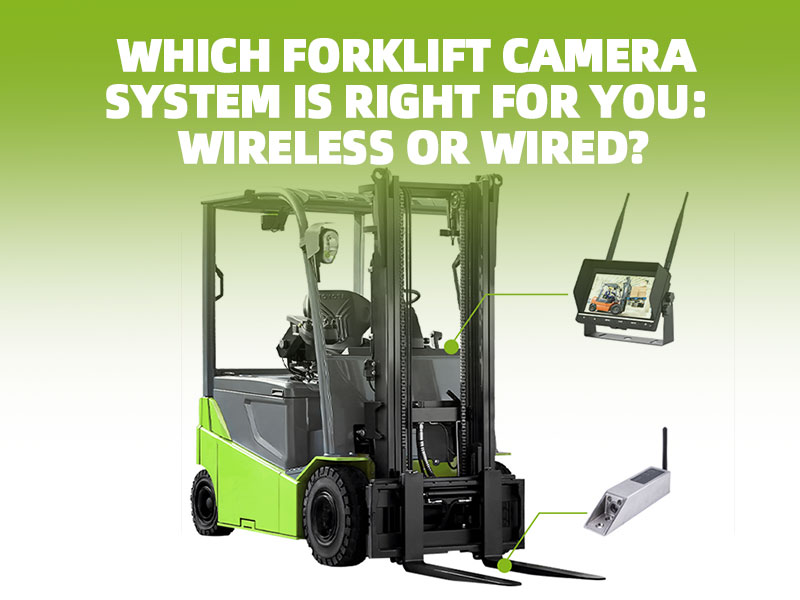
In today’s logistics and warehousing sector, the forklift camera system has become a crucial tool for enhancing safety and operational efficiency. However, businesses often face a critical decision when choosing a forklift camera system: whether to opt for a wireless forklift camera system or a wired forklift camera system. The following will provide an in-depth comparison of these two systems, exploring their advantages and disadvantages, as well as their applicability in different scenarios.

Which Forklift Camera System is Right for You: Wireless or Wired?插图

Wired forklift camera system

Wireless forklift camera systems offer a range of advantages, with one of them being a high level of flexibility. Due to the absence of wiring constraints, businesses can install and adjust camera positions more freely, accommodating various work scenarios. This flexibility is particularly crucial in dynamic environments where frequent camera movement is required. Additionally, the installation of wireless systems is relatively straightforward, reducing maintenance costs.

However, wireless systems also come with some drawbacks. The stability of the signal may be influenced by external interference, leading to less stable video feeds. Additionally, some wireless systems may require more frequent battery replacements, potentially increasing operational costs.

Wired forklift camera system

Relatively speaking, wired forklift camera systems provide a more stable signal. Due to their wired connections, these systems are less susceptible to external interference, ensuring continuous and reliable monitoring. Additionally, wired systems typically do not require frequent battery replacements, as they are often powered by a stable electrical source.
However, wired systems tend to be more cumbersome in terms of installation, requiring wiring that may involve additional engineering adjustments. This could pose some inconvenience, particularly in scenarios where frequent camera movement or working within narrow spaces is necessary.

How to choose between wireless and wired camera systems

When choosing between wireless and wired forklift camera systems, businesses should balance their decision based on practical needs. For scenarios requiring frequent movement and higher flexibility, wireless camera systems may be more suitable. Conversely, for fixed and long-term monitoring situations, wired camera systems may offer greater reliability.

Additionally, cost is a significant consideration. Wireless systems typically have lower installation and maintenance costs, but it’s crucial to account for potential additional expenses related to battery replacements. Wired systems involve a higher initial investment but may prove more economical over the long term.

Future trends

The continuous advancement of technology has brought improvements to both wireless and wired systems. Wireless technology is evolving, leading to enhanced signal stability and interference resistance. Meanwhile, wired systems are also innovating, incorporating more convenient wiring techniques.

In the future, as technology progresses, the differences between these two systems will gradually diminish. Therefore, when making decisions, businesses should consider various factors comprehensively to ensure that the chosen system can best meet their needs. Whether wireless or wired, both should serve as powerful tools to enhance efficiency and safety.

Conclusie

Forklift camera systems play a crucial role in enhancing the safety and efficiency of forklift operations. They eliminate blind spots, monitor potential hazards in real-time, provide operational feedback, and offer innovative solutions for industrial and warehouse safety management. As technology advances, these systems will continue to bolster industrial safety, ensuring the well-being of operators and those in the vicinity.

Luview is a Chinese supplier of forklift camera system solutions, providing reliable solutions to enhance the safety and efficiency of forklift operations. Contact us to learn more at sales@luview.com. Choose Luview and let safety and efficiency go hand in hand! Don’t let negligence lead to accidents. Partner with us to create a safer and more efficient working environment!

How do forklift cameras enhance safety缩略图

How do forklift cameras enhance safety

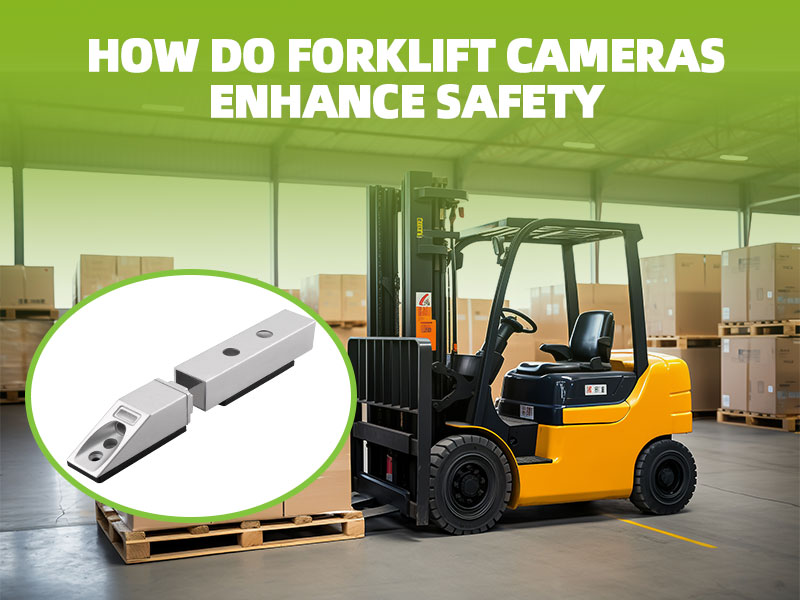
In the industrial and warehousing sectors, forklifts serve as indispensable tools, providing crucial support for production and logistics. However, the safety hazards inherent in their operation—such as limited visibility, blind spots, and operator negligence—cannot be overlooked. To address these safety challenges, forklift cameras have emerged as an innovative solution to enhance the safety of forklift operations. In this article, we will delve into forklift cameras, specifically focusing on how they play a pivotal role in improving safety, offering a fresh perspective, and presenting solutions for safety management in industrial and warehouse settings.

How do forklift cameras enhance safety插图

Safety challenges in forklift operations

Despite the invaluable role forklifts play in improving efficiency, their operational process entails a series of potential safety risks. The limited visibility of forklift operators, especially in busy work environments where blind spots are prevalent, poses a significant challenge. Additionally, the possibility of operational errors due to factors such as fatigue or distraction further increases the likelihood of collisions and accidents.

Innovative solution of forklift cameras

With the rapid advancement of technology, the introduction of forklift cameras has provided an innovative solution to address the aforementioned safety challenges. Among these solutions, the application of forklift cameras stands out as a crucial one. By installing high-quality cameras on forklifts, these cameras can monitor the surrounding environment in real time, providing high-definition images and video information. This enables operators to gain a more comprehensive and clear view.

The crucial role of forklift lights and cameras

Eliminating blind spots: Forklift cameras play a crucial role in covering blind spots, especially during essential operations such as turning, reversing, as well as when handling goods. They timely detect potential obstacles or pedestrians, thereby reducing the risk of collisions and close encounters.

Real-time monitoring and warning: Forklift camera systems are equipped with intelligent alert systems. Upon detecting hazardous factors, they instantly alert operators through visual and auditory warnings, assisting them in promptly responding to avoid potential accidents.

Enhancing operator abilities and skills

Forklift cameras play a crucial role not only in accident prevention but also in providing real-time operational feedback to operators. Through clear images and visual feedback, operators can accurately grasp the position and posture of the forklift, effectively reducing the occurrence of operational errors. This real-time feedback system can also be used for training and assessing the performance of operators, offering them more targeted guidance to continually enhance their operational skill levels.

LUVIEW forklift cameras and application in safety

The LUVIEW forklift camera, with its advanced technology and multiple functional features, provides a new level of safety for forklift operations. Utilizing a high-resolution 1/3 CMOS sensor, it supports analog high-definition video at 700TVL, effectively eliminating blind spots for operators. Its IP69K-rated waterproof and dustproof design ensures the stable operation of the camera in harsh environments. The camera supports mirror and ruler switching functions, allowing operators to adjust the image mode as needed and accurately assess distances and object sizes.

Additionally, the design takes into consideration tailpipe and magnet installations, ensuring the camera is securely fixed to the forklift, providing a consistently reliable field of view. The integration of these features plays a crucial role in enhancing operator safety, reducing the risk of accidents, and improving overall work efficiency. The LUVIEW forklift camera serves as an innovative solution for safety management in the industrial and warehouse sectors.

Conclusie

Overall, forklift cameras play a crucial role in enhancing the safety and efficiency of forklift operations. Through the elimination of blind spots, real-time monitoring of potential hazards, and providing operational feedback, they bring forth innovative solutions for safety management in the industrial and warehouse sectors. With continuous technological advancements, forklift camera systems will continue to drive improvements in industrial safety, offering comprehensive support for the safety of operators and those in the surrounding environment.

LUVIEW is a professional forklift camera provider from China. If you’re seeking a trustworthy solution to enhance the safety and efficiency of forklift operations, unquestionably, we are your ideal choice. Feel free to contact us immediately to learn more details at: sales@luview.com. Choose LUVIEW and let safety and efficiency move forward hand in hand! Don’t let negligence become the catalyst for accidents. Partner with us to create a safer and more efficient work environment together!

How do work lamp cameras improve agricultural monitoring?缩略图

How do work lamp cameras improve agricultural monitoring?

Inleiding

The importance of agricultural monitoring

Agriculture is a crucial component of human life. With the continuous growth of the global population, the demand for food is on the rise. Consequently, agricultural monitoring has become a key factor in ensuring food production security and agricultural sustainability. In the past, traditional monitoring methods were often constrained by limitations in time, space, and technological conditions, failing to offer round-the-clock effective surveillance.

Innovative applications of work lamp cameras in agricultural monitoring

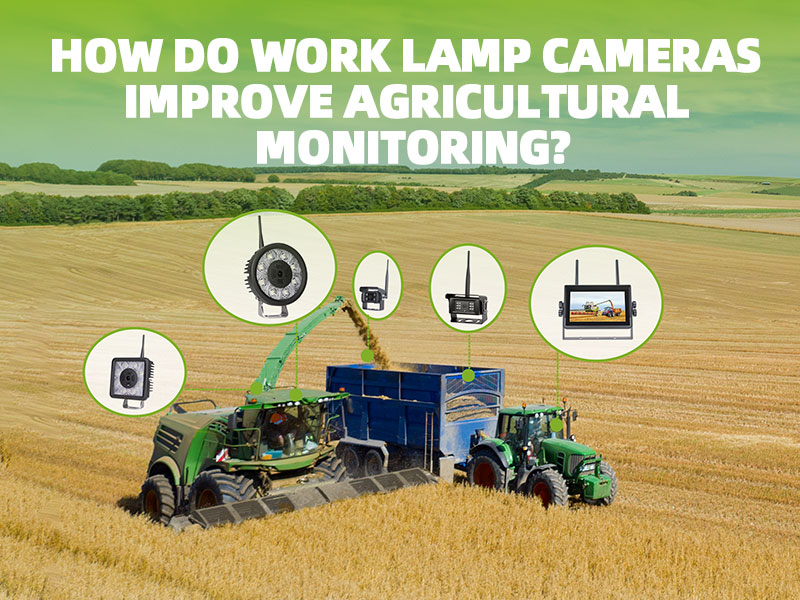
As an innovative solution in modern agricultural surveillance, work lamp cameras offer farmers and landowners an efficient and comprehensive means of monitoring. These devices integrate lighting and camera functionalities, providing not only powerful illumination but also the capability to capture high-definition real-time video, enabling farmers to monitor every corner of their farms around the clock.

These work lamp cameras employ advanced technologies, including high-definition cameras, night vision capabilities, and intelligent monitoring systems, allowing them to deliver clear images and videos in low-light or dark environments. Additionally, they often feature waterproof and durable characteristics, making them adaptable to various adverse weather and environmental conditions.

The intelligent features of these devices, such as motion detection, remote monitoring, and real-time data transmission, empower farmers to quickly respond and take necessary measures. This aids in improving production efficiency, protecting crops, preventing theft, and promoting sustainable agricultural practices.

As an innovative solution in agricultural monitoring, work lamp cameras bring new hope to the agricultural sector and play a crucial role in modern agricultural management.

Advantages of work lamp cameras in agricultural monitoring

1. Real-time monitoring capability

  • 24/7 Surveillance

Work lamp cameras offer round-the-clock monitoring capabilities, free from time constraints, enabling farmers to view their farms’ real-time status at any given moment.

  • Advantages of nighttime monitoring

These cameras are equipped with night vision capabilities, providing high-definition images and videos even in low-light conditions. The ability for nighttime monitoring brings convenience and reliability to farmers, allowing them to monitor their farms during the dark hours.

2. Enhanced Farm Security

  • Prevention of theft and vandalism

Work lamp cameras can monitor every corner of the farm, promptly detecting any potential theft or vandalism, thereby providing a preventive measure and a deterrent effect.

  • Real-time event response

When abnormal situations occur, the cameras can immediately trigger alerts and provide real-time video, enabling farmers to take swift action and minimize potential losses.

3. Crop health monitoring

  • Precision data collection

These cameras can not only capture images but also collect data on crop growth conditions, soil moisture, temperature, and more, assisting farmers in making precise decisions.

  • Prevention of disease and pest spread

Through continuous monitoring of crops, work lamp cameras can assist farmers in early detection of plant diseases or pest infestations, enabling them to implement appropriate control measures and prevent further spread.

How do work lamp cameras improve agricultural monitoring?插图

Luview work lamp camera

The Luview work lamp camera features a 1/2.9 CMOS sensor supporting 720P high-definition video and 2.4GHz digital wireless transmission technology. It provides clear and detailed monitoring footage, covering a spacious distance of up to 140 meters. With its white LED full-color night vision function, it can deliver clear images even in dark environments. The camera is equipped with IP69K-level waterproof and dustproof protection, a wide voltage design (12V-24V), and an optional magnetic installation design, enhancing adaptability and convenience. These features make it an ideal choice for agricultural monitoring, meeting the real-time, high-quality, and all-weather monitoring needs of farmers, contributing to the improvement of agricultural management and safety.

Conclusie

Agricultural monitoring is of paramount importance, and work lamp cameras bring remarkable advantages to the solution. Their real-time monitoring capabilities, including 24/7 and night monitoring, provide clear footage around the clock. In terms of farm security, they help prevent theft and vandalism, elevating overall safety levels through real-time event response. Regarding crop health monitoring, precise data collection and prevention of disease and pest spread facilitate scientific decision-making, minimizing crop losses. In summary, choosing work lamp cameras is an intelligent decision to enhance agricultural management, ensure safety, and improve production efficiency.

Luview is a leading provider of work lamp cameras in China, offering professional and reliable solutions. If you are looking for the best supplier, feel free to contact us at sales@luview.com for more detailed information. Choosing Luview, and collaborate with us to fulfill your agricultural monitoring needs, playing a role in shaping the future of smart agriculture!

Importance of salt spray testing for vehicle cameras缩略图

Importance of salt spray testing for vehicle cameras

The Impact of Salt Spray on Vehicle Cameras

How Does Salt Spray Affect the Functionality and Lifespan of Vehicle Cameras

The impact of salt spray on vehicle cameras is primarily manifested in their functional performance and lifespan. When cameras are exposed to a salt spray environment, various damages may occur, with corrosion being the most significant.

Functional Impact: Salt spray can infiltrate the tiny gaps or cracks in the camera, affecting its internal electronic components and mechanical parts. This may result in various functional impairments, such as reduced image clarity, color distortion, focusing issues, or complete malfunction, rendering it unable to operate normally.

Corrosive Damage: The salt content in salt spray triggers chemical reactions upon contact with metal surfaces, accelerating the corrosion of metal components. This corrosion may harm the camera’s casing, connectors, electronic circuits, and sensors, ultimately affecting its stability and lifespan.

Importance of salt spray testing for vehicle cameras插图

In environments around vehicles, such as coastal areas or roads treated with salt during winter, vehicle cameras are more susceptible to exposure to salt spray. Therefore, conducting salt spray testing is crucial for assessing the durability and performance of cameras. The results of the tests can assist manufacturers in refining designs, selecting more corrosion-resistant materials, and ensuring that vehicle cameras can operate reliably in various challenging environments.

The importance of salt spray testing for vehicle safety and functionality

Cameras in modern vehicles play a crucial role in enhancing vehicle safety and operational functionality. These cameras serve various purposes, including monitoring the surrounding environment, assisting in driving, and providing the driver with a clearer view. Salt spray testing is essential to ensure the reliability of these cameras, thereby further enhancing the overall safety of the vehicle.

From a safety perspective, vehicle cameras play a crucial role in modern vehicles. They are utilized in advanced driver assistance systems, including features such as reverse assistance, lane-keeping assistance, blind-spot monitoring, and more. Additionally, they provide the driver with a clearer environmental perspective, helping reduce the likelihood of accidents and enhancing overall driving safety.

From an operational functionality perspective, cameras play a key role in enhancing vehicle capabilities. They can be utilized for providing navigation assistance, parking assistance, and features related to autonomous driving, making driving more convenient and secure.

Salt spray testing ensures the reliability of vehicle cameras in harsh environments. By simulating the impact of salt spray on the cameras, the testing assesses their durability and corrosion resistance. If cameras fail to function properly in a salt spray environment, their performance may be compromised during actual vehicle use, affecting the overall safety of the vehicle.

Therefore, ensuring that vehicle cameras undergo rigorous salt spray testing to guarantee their reliability is crucial for enhancing the overall safety of the vehicle. Only cameras that have undergone reliable testing can operate stably in various adverse conditions, providing drivers with accurate and clear information, thereby ensuring driving safety and the effectiveness of operational features.

Conclusie

In summary, the impact of salt spray testing on vehicle cameras is directly related to the safety and functionality of the vehicle. This critical testing phase ensures that cameras can operate reliably in harsh climates and high-corrosion environments. If you are seeking outstanding solutions for vehicle vision, Luview is a professional provider of vehicle cameras based in China, renowned for its advanced technology and high-quality products. We are committed to delivering the most reliable, durable, and high-performance cameras to ensure the safe operation of vehicles in various conditions.

Luview has consistently adhered to strict standards in ensuring product quality, especially through salt spray testing to validate the durability and stability of cameras. This testing is a crucial part of Luview’s commitment to ensuring exceptional performance in extreme environments, further showcasing our outstanding performance in the industry. Moreover, if you are looking for rear-view cameras or a reliable supplier, Luview is also a wise choice.

Feel free to contact our sales team anytime by sending an email to sales@luview.com for more detailed product information and personalized solutions. Choose Luview to meet your vehicle safety and visual needs!

Hoe kies je een dashcam voor je motorfiets?缩略图

Hoe kies je een dashcam voor je motorfiets?

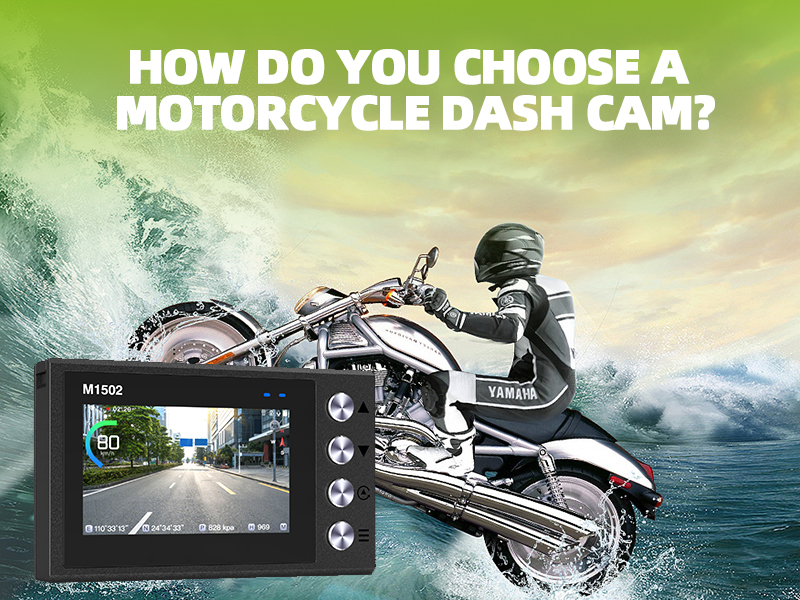
Het kiezen van een waterdichte dashcam voor op de motor is een cruciale beslissing, vooral voor motorrijders die hun reizen willen vastleggen en hun uitrusting willen beschermen. In dit artikel gaan we dieper in op de belangrijkste factoren bij het kiezen van een waterdichte dashcam voor op de motor, waarbij we het belang benadrukken van het afstemmen van de keuze op de verwachte weersomstandigheden in specifieke regio's. We geven ook onderhoudstips om ervoor te zorgen dat de dashcam voor motorfietsen langdurig waterdicht blijft, waarbij we benadrukken hoe belangrijk het is voor motorrijders om een echt waterdicht apparaat te kiezen. In het artikel komen veelgemaakte fouten aan bod die moeten worden vermeden bij het gebruik van waterdichte apparatuur, evenals de noodzaak van praktische tests om de waterdichtheid te controleren. Door deze belangrijke kwesties te bespreken, krijgen motorrijders een beter inzicht in hoe ze hun dashcam voor motorfietsen moeten kiezen, gebruiken en onderhouden in uitdagende wateromstandigheden.

Hoe kies je een dashcam voor je motorfiets?插图

Factoren waarmee u rekening moet houden bij het kiezen van een waterdichte dashcam

Bij het kiezen van een waterdichte dashcam zijn de volgende factoren van cruciaal belang:

1. Verwachte weersomstandigheden in uw regio

Rijders moeten het juiste waterdichtheidsniveau kiezen op basis van de weersomstandigheden in hun regio. Als het in de regio vaak regent of mistig is, is een dashcam met een hogere waterdichtheidsclassificatie (zoals IPX7 of IPX8) een betere keuze. Als de rijomgeving daarentegen doorgaans droog is, kan een lager waterdichtheidsniveau (zoals IPX4 of IPX5) voldoende zijn.

2. Vergelijking van verschillende waterdichtheidsclassificaties

Waterdichtheidsclassificaties variëren van IPX0 tot IPX8, waarbij hogere cijfers een betere bescherming tegen water aangeven. Het is belangrijk om op te merken dat een hogere waterdichtheid meestal ook hogere kosten met zich meebrengt. Daarom moeten fietsers een evenwicht vinden tussen de mate van waterdichtheid en de prijs om het beste apparaat te vinden dat aan hun behoeften en budget voldoet. Een IPX6-classificatie is bijvoorbeeld bestand tegen krachtige waterstralen, waardoor het geschikt is voor fietsen in zware regen, terwijl apparaten met een IPX7- en IPX8-classificatie volledig ondergedompeld kunnen blijven werken, ideaal voor fietsers die vaak te maken hebben met extreme weersomstandigheden of natte omgevingen.

3. Installatiepositie en gebruik

De montageplaats van de dashcam kan van invloed zijn op de mate waarin deze wordt blootgesteld aan water. Een dashcam die bijvoorbeeld onderaan een motorfiets is geïnstalleerd, moet mogelijk een hogere waterdichtheidsklasse hebben, omdat deze eerder in contact komt met water en vuil van de weg. Als een motorrijder van plan is om de dashcam in verschillende klimatologische omstandigheden te gebruiken, zoals woon-werkverkeer in de stad en offroad-avonturen, is het verstandiger om te kiezen voor een dashcam met een hogere waterdichtheidsklasse.

Onderhoudstips voor waterdichte dashcams voor motorfietsen

Zelfs de best beoordeelde waterdichte dashcams voor motorfietsen moeten goed worden onderhouden om hun waterdichtheid op lange termijn te garanderen. Hier volgen enkele aanbevolen werkwijzen:

1. Regelmatige inspecties

Controleer regelmatig de afdichtingsringen en behuizing van de dashcam op beschadigingen. Scheuren of slijtage kunnen leiden tot binnendringend water.

2. Aanbevelingen voor reiniging

Reinig de behuizing van de dashcam voorzichtig met een licht vochtige doek en vermijd corrosieve schoonmaakmiddelen die de afdichtingen kunnen beschadigen. Zorg ervoor dat zowel uw handen als het oppervlak van de dashcam volledig droog zijn voordat u elektronische interfaces aanraakt.

3. Afdichtingspoorten

Als de dashcam externe poorten heeft, zoals USB-aansluitingen of stroomaansluitingen, gebruik dan waterdichte afdekkingen of tape om ervoor te zorgen dat ze afgesloten blijven wanneer ze niet worden gebruikt.

4. Vermijd langdurige blootstelling

Hoewel hoogwaardige waterdichte dashcams zijn ontworpen om waterbestendig te zijn, kan het vermijden van langdurige blootstelling aan water, vooral wanneer ze niet worden gebruikt, hun levensduur verlengen.

5. Opslagadviezen

Bewaar de dashcam wanneer u deze niet gebruikt op een droge, koele plaats, uit de buurt van extreme temperaturen en vochtigheid, die de elektronische onderdelen kunnen beschadigen.

6. Vermijden van chemische stoffen

Houd de dashcam uit de buurt van oplosmiddelen, reinigingsmiddelen of andere chemicaliën die de behuizing en waterdichtheid kunnen aantasten.

7. Volg de handleiding

Lees altijd de gebruiksaanwijzing en het onderhoudsboekje van de fabrikant voordat u de dashcam gebruikt, aangezien verschillende modellen specifieke onderhoudsvereisten kunnen hebben.

Vergelijking van waterdichte en waterbestendige dashcams voor motorfietsen

“Waterdicht” en “waterbestendig” zijn twee termen die vaak gemakkelijk door elkaar worden gehaald, maar het is cruciaal om het verschil tussen beide te begrijpen bij het kiezen van een dashcam voor op de motor:

WaterdichtWaterdichte apparaten zijn bestand tegen binnendringend water en kunnen doorgaans onder een bepaalde waterdruk worden ondergedompeld zonder water op te nemen. Waterdichte producten hebben vaak een specifieke IP-classificatie (Ingress Protection), zoals IP67 of IP68, wat aangeeft dat ze gedurende een bepaalde tijd op een bepaalde diepte onder water kunnen blijven zonder schade op te lopen.

Waterbestendig: Waterbestendige apparaten zijn tot op zekere hoogte bestand tegen binnendringend water, maar kunnen niet volledig ondergedompeld worden. Een waterbestendig apparaat kan een IPX4- of IPX6-classificatie hebben, wat betekent dat het bestand is tegen spatten of waterstralen, maar beschadigd kan raken als het volledig ondergedompeld wordt.

Voor motorrijders is het cruciaal om een echt waterdichte dashcam te kiezen, omdat motorfietsen, vooral bij slecht weer of offroad-omstandigheden, vaak worden blootgesteld aan veel water. Een waterdichte dashcam biedt uitgebreide bescherming, zodat hij zelfs bij hevige regen goed blijft werken en je geen belangrijke momenten mist. Waterdichte dashcams zijn ontworpen met de nadruk op duurzaamheid en afdichting, waardoor ze betrouwbaarder zijn voor langdurig gebruik.

Veelgemaakte fouten die voorkomen kunnen worden

Bij het gebruik van waterdichte dashcams voor motorfietsen kunnen motorrijders een aantal veelvoorkomende fouten maken die de waterdichtheid van het apparaat in gevaar kunnen brengen of tot schade kunnen leiden:

  • Onjuiste installatie
Onjuiste installatie kan de waterdichte afdichting van de dashcam beschadigen, waardoor er water kan binnendringen. Het is essentieel om de installatievoorschriften van de fabrikant strikt op te volgen en ervoor te zorgen dat alle afdichtingen correct zijn aangebracht.
Het negeren van regelmatige inspecties: Bestuurders kunnen voorbijgaan aan regelmatige inspecties van de afdichtingen en de buitenkant van de dashcam op beschadigingen, waardoor de waterdichtheid kan worden aangetast. Het is van cruciaal belang om de afdichtingen en behuizing van het apparaat regelmatig te controleren en beschadigde onderdelen onmiddellijk te vervangen.
  • Gebruik van bijtende reinigingsmiddelen

Het gebruik van krachtige of bijtende schoonmaakmiddelen kan de behuizing en afdichtingen van de dashcam beschadigen. Kies voor milde schoonmaakmiddelen en veeg de dashcam voorzichtig af met een schone doek.

  • Blootstelling aan extreme temperaturen

Langdurige blootstelling van de dashcam aan extreem hoge of lage temperaturen kan de elektronische componenten of afdichtingsmaterialen beschadigen. Het is raadzaam om de dashcam niet te gebruiken of op te bergen in extreem warme of koude omgevingen.

  • Het negeren van de waterdichtheid van interfaces

Zelfs met een waterdichte dashcam zijn externe interfaces zoals USB-aansluitingen of oplaadpoorten mogelijk niet waterdicht wanneer ze worden blootgesteld. Het is belangrijk om deze interfaces afgedicht te houden wanneer ze niet worden gebruikt.

De behuizing openen voordat deze volledig droog is: Als u de behuizing van de dashcam of de onderdelen ervan opent voordat deze volledig droog zijn, kan er vocht binnendringen. Controleer voordat u de dashcam opent of deze volledig droog is.

Om deze veelgemaakte fouten te vermijden, moeten motorrijders:

①Lees de installatie- en onderhoudsinstructies zorgvuldig door en volg ze op.

②Voer regelmatig inspecties en onderhoud uit.

③Gebruik geschikte reinigingsmethoden en -materialen.

④Let op de opslag- en gebruiksomgeving van het apparaat.

Door deze maatregelen te nemen, kunt u het risico op schade aan het apparaat aanzienlijk verminderen, zodat de waterdichtheid van de dashcam behouden blijft en de levensduur van de apparatuur wordt verlengd.

Conclusie

Bij het kiezen van een dashcam voor motorfietsen is het van cruciaal belang om rekening te houden met factoren zoals waterdichtheid, onderhoudsbehoeften, het vergelijken van waterdichte en waterbestendige functies en het vermijden van veelgemaakte fouten om een stabiele prestatie van het apparaat te garanderen. Als u op zoek bent naar een betrouwbare leverancier, dan is Luview, een toonaangevende leverancier uit China, gespecialiseerd in het aanbieden van eersteklas dashcams voor motorfietsen. Hun producten blinken uit in waterdichtheid, videoresolutie en meer. Onderneem nu actie en neem contact op via sales@luview.com voor meer informatie.

Gids voor waterdichtheidsclassificaties voor dashcams voor motorfietsen缩略图

Gids voor waterdichtheidsclassificaties voor dashcams voor motorfietsen

In de wereld van het motorrijden is een dashcam een onmisbaar apparaat geworden. Het legt niet alleen het landschap en de gebeurtenissen tijdens de reis vast, maar kan vooral ook cruciaal bewijsmateriaal leveren in geval van een ongeval. Gezien het open ontwerp van motorfietsen moeten hun dashcams echter bestand zijn tegen zware weersomstandigheden, met name water. Dit introduceert een cruciaal concept: IP-classificatie, of Ingress Protection-classificatie, een norm voor het meten van de water- en stofdichtheid van elektronische apparaten. Voor dashcams voor motorfietsen zorgt een geschikte IP-classificatie niet alleen voor de duurzaamheid van het apparaat, maar ook voor betrouwbaarheid in verschillende weersomstandigheden.

Van IPX4, dat beschermt tegen opspattend water, tot IPX8, dat langdurige onderdompeling mogelijk maakt, bepalen verschillende waterdichtheidsclassificaties de diepte en duur van de waterbestendigheid van dashcams, waardoor de motorrijder gemoedsrust heeft en de integriteit van het opnameapparaat gewaarborgd is. In dit artikel gaan we dieper in op het belang van deze waterdichtheidsclassificaties en hoe ze uw motorfietsdashcam beschermen tegen waterschade.

Waterdichtheid van dashcams voor motorfietsen: inleiding en betekenis

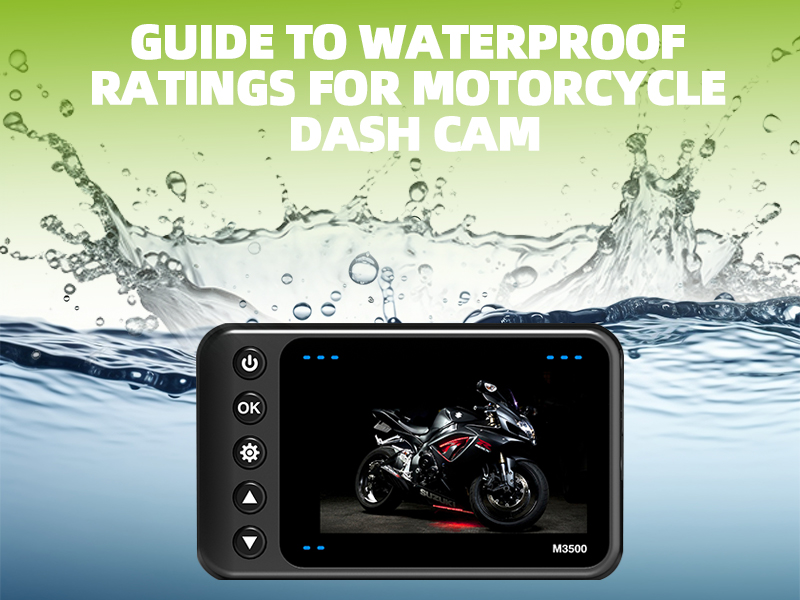
Gids voor waterdichtheidsclassificaties voor dashcams voor motorfietsen插图

1. Maak kennis met waterdichtheidsclassificaties

  • Leg de IP-beschermingsniveaus voor elektronische apparatuur uit.

In elektronische apparaten is de IP-classificatie, ook wel bekend als het Ingress Protection-niveau, een norm die is vastgesteld door de Internationale Organisatie voor Standaardisatie (ISO) om het vermogen van het apparaat om het binnendringen van vreemde voorwerpen en water te weerstaan te definiëren. De IP-classificatie bestaat uit twee cijfers: het eerste cijfer geeft de weerstand van het apparaat tegen het binnendringen van vaste voorwerpen zoals stof aan, en het tweede cijfer geeft de mate van bescherming tegen het binnendringen van water aan.

  • Hoe de IP-classificatie verband houdt met de waterdichtheid van dashcams voor motorfietsen.

Voor dashcams voor motorfietsen is een hoge IP-classificatie cruciaal, omdat ze onder verschillende weersomstandigheden, waaronder regen en vochtige omgevingen, effectief moeten werken. Een gangbare waterdichtheidsclassificatie, zoals IP68, betekent dat het apparaat volledig stofbestendig is (‘6’) en bestand is tegen langdurige onderdompeling in water (‘8’). Wanneer consumenten een dashcam voor motorfietsen kiezen, is het raadzaam om te kiezen voor producten met een hoge IP-classificatie om betrouwbare prestaties te garanderen, zelfs in extreme weersomstandigheden.

2. Het belang van waterdichtheid voor dashcams voor motorfietsen

  • Waarom waterdichtheid cruciaal is voor dashcams voor motorfietsen

De waterdichte eigenschap van een dashcam voor motorfietsen is om verschillende redenen cruciaal:

①Weerbestendigheid: Motorfietsen worden vaak gebruikt in verschillende weersomstandigheden, waaronder regenachtige dagen. Een waterdichte dashcam blijft ook bij slechte weersomstandigheden naadloos functioneren en biedt motorrijders ononderbroken opnamemogelijkheden.

②Apparaatbeveiliging: Een niet-waterdichte dashcam kan schade oplopen aan de interne circuits door binnendringend water, wat kan leiden tot storingen of zelfs volledige uitval van het apparaat. Een waterdicht apparaat daarentegen kan het binnendringen van water effectief voorkomen, waardoor de levensduur wordt verlengd.

③Veiligheidsregistratie: Een van de belangrijkste functies van een dashcam is het leveren van bewijs bij een ongeval. Als je in regenachtige omstandigheden rijdt en de dashcam niet waterdicht is, bestaat het risico dat hij op het meest cruciale moment uitvalt en geen opname van het ongeval kan leveren wanneer dat het hardst nodig is.

④Onderhoudskosten: Een waterdichte dashcam vermindert de kans op schade door weersomstandigheden, waardoor kosten voor reparatie of vervanging van het apparaat worden bespaard.

  • Analyse van de potentiële risico's van niet-waterdichte dashcams voor water

Kortsluiting: Contact tussen water en elektronische componenten kan kortsluiting veroorzaken, wat mogelijk onmiddellijke schade aan de dashcam tot gevolg heeft.

Corrosie: Langdurige blootstelling aan een vochtige omgeving kan, zelfs als er niet onmiddellijk storingen optreden, leiden tot geleidelijke corrosie van de interne metalen onderdelen van de dashcam, wat resulteert in prestatieverlies.

Lenscondensatie: De lens van een niet-waterdichte dashcam kan bij regen of vochtige omstandigheden beslaan, waardoor de beeldkwaliteit wordt beïnvloed en de opname onbruikbaar wordt.

3. Verschillende waterdichtheidsclassificaties van dashcams

Uitleg over specifieke IP-classificaties die relevant zijn voor dashcams voor motorfietsen

Voor dashcams voor motorfietsen is de IP-classificatie (Ingress Protection) een cruciale norm voor het beoordelen van hun stof- en waterbestendigheid. Hier volgen enkele specifieke IP-classificaties die relevant zijn voor dashcams voor motorfietsen en hun betekenis:

① IP65: Geeft aan dat de dashcam volledig beschermd is tegen het binnendringen van stof en bestand is tegen waterstralen met lage druk vanuit elke richting.

② IP66: Geeft aan dat de dashcam volledig stofdicht is en bestand is tegen krachtige waterstralen vanuit elke richting.

③ IP67: Geeft aan dat de dashcam volledig stofdicht is en bestand is tegen korte onderdompeling in water tot 1 meter diep (meestal binnen 30 minuten).

④ IP68: Geeft aan dat de dashcam niet alleen volledig stofdicht is, maar ook gedurende langere tijd onder water kan worden gebruikt, waarbij de specifieke diepte en duur doorgaans door de fabrikant worden aangegeven.
  • De betekenis van elk cijfer in de IP-classificatie:

Het eerste cijfer (0-6): Geeft het stofbeschermingsniveau aan. Een hoger cijfer betekent een sterkere stofbestendigheid. ‘6’ betekent dat het apparaat volledig stofdicht is, waardoor er geen stof kan binnendringen.

Het tweede cijfer (0-8): Geeft het niveau van waterbestendigheid aan. Een hoger cijfer betekent een sterkere waterbestendigheid. Zo betekent ‘5’ dat het apparaat bestand is tegen waterstralen met lage druk, terwijl ‘8’ kan betekenen dat het apparaat bestand is tegen langdurige onderdompeling in water.

Bij het ontwerpen van dashcams voor motorfietsen wordt rekening gehouden met de unieke gebruiksomgeving van motorfietsen. Daarom wordt vaak gekozen voor producten met een IP67- of IP68-classificatie om een normale werking onder verschillende weersomstandigheden te garanderen. Voor motorrijders is het van cruciaal belang om deze classificaties te begrijpen en producten te selecteren op basis van hun specifieke behoeften.

Conclusie

Bij het kiezen van een dashcam voor motorfietsen is het cruciaal om te kiezen voor een apparaat met uitstekende waterdichte eigenschappen, zodat het onder alle weersomstandigheden stabiel blijft werken. Het is belangrijk om de IP-classificatie van het apparaat te begrijpen: het niveau van bescherming tegen vaste voorwerpen en het binnendringen van vloeistoffen. De IPX-classificatie geeft specifiek de waterdichte bescherming aan, waardoor het gemakkelijker wordt om de prestaties van producten te vergelijken. Als toonaangevende leverancier van dashcams voor motorfietsen in China biedt Luview hoogwaardige apparaten die grondig zijn getest op waterdichtheid om uw veiligheid tijdens het rijden te garanderen. Heeft u een betrouwbare dashcam nodig? Neem contact op met sales@luview.com voor meer informatie en om ervoor te zorgen dat uw dashcam zelfs onder de meest extreme omstandigheden optimaal presteert.