Luview Fire Drill: Enhancing Safety Awareness and Effectively Responding to Fires缩略图

Luview Fire Drill: Enhancing Safety Awareness and Effectively Responding to Fires

In December, Luview organized a crucial fire drill. The objective of this event was to familiarize employees with emergency evacuation routes, acquaint them with the locations of fire extinguishers and firefighting equipment, and enhance their ability to respond to fires. By participating in this drill, we can adeptly master the procedural steps to be taken in the event of a fire, thereby minimizing potential hazards to the greatest extent possible.

Luview Fire Drill: Enhancing Safety Awareness and Effectively Responding to Fires插图

During the drill, we placed particular emphasis on training for the use of fire extinguishers. Understanding fire safety knowledge is crucial as it enables us to identify signs of a fire, comprehend the ways in which fires can spread, and take appropriate actions to extinguish them. We delved into comprehensive learning on the correct usage of fire extinguishers, gaining proficiency in the operational procedures of these devices.

Luview Fire Drill: Enhancing Safety Awareness and Effectively Responding to Fires插图1


Additionally, we provided a comprehensive explanation of and practical demonstrations on the use of firefighting water hoses. As a crucial firefighting tool, the firefighting water hose is capable of delivering a powerful stream of water to extinguish large-scale fires. During the demonstration, we gained a thorough understanding of the structure and operational principles of firefighting water hoses, as well as the correct procedures for using them to combat fires in emergency situations.

Luview Fire Drill: Enhancing Safety Awareness and Effectively Responding to Fires插图2

Fire safety is the responsibility of each and every one of us. Let’s work together to create a safe and reliable workplace. Through such drill activities, we can better prepare for emergencies, enhance overall safety awareness, and ensure a secure environment for the company.

Luview Fire Drill: Enhancing Safety Awareness and Effectively Responding to Fires插图3

Guide to Choosing a Vehicle Backup Camera for License Plate缩略图

Guide to Choosing a Vehicle Backup Camera for License Plate

In the rapid evolution of modern vehicle safety technologies, the backup camera has emerged as a crucial auxiliary feature, significantly enhancing the safety and convenience of reversing. However, with a plethora of backup camera options available in the market, determining the ideal camera for license plate use has become a concern for many vehicle owners. In this article, we will delve into the selection criteria for choosing a vehicle backup camera specifically designed for license plate installation.

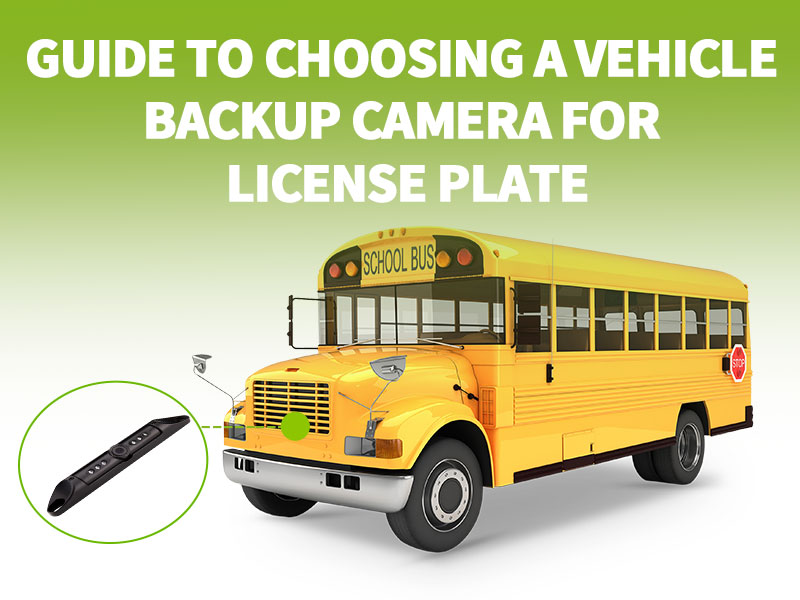
Guide to Choosing a Vehicle Backup Camera for License Plate插图

How to choose the right license plate backup camera

1. Comprehending the functionality of backup cameras

The backup camera is like a little assistant for the vehicle, especially when reversing. It solves the problem of blind spots that we cannot see from the rear, making reversing safer. By instantly delivering a clear rear view, it prevented us from accidentally bumping into things, especially in tight spots. Moreover, the night vision function also makes reversing at night easier and is no longer affected by darkness. Cameras also make parking easier, and we can more accurately judge and avoid obstacles. In general, backup cameras are meant to make driving safer and more convenient, and are part of modern vehicle safety.

2. The importance of resolution and clarity

The resolution and clarity of a license plate backup camera are crucial for driving safety. High resolution provides clear images, enabling drivers to accurately identify obstacles in the rear and reduce the risk of collisions. Clarity also plays a role during nighttime driving and in complex parking scenarios, offering drivers a more reliable spatial perception and simplifying parking maneuvers. This not only enhances the user experience but also provides drivers with reliable assistance during critical moments, making the reversing process safer and more convenient.

3. Consideration of night vision functionality

Night vision functionality is a critical consideration for license plate backup cameras, ensuring clear imaging in low-light or complete darkness through high-sensitivity sensors and infrared assistance. Contrast adjustment, anti-glare design, and real-time responsiveness are crucial to handle various lighting conditions during nighttime driving, providing reliable assistance for reverse maneuvers in the dark. This ensures drivers feel more secure and facilitates convenience during nighttime operations.

4. Installation difficulty and methods

Considering the installation of a camera, it is important to understand whether it requires professional installation services. Some cameras are designed to be easily installed by individuals, while others may require the expertise of professional technicians. If you have limited knowledge of the vehicle’s electrical system or encounter difficulties, it is advisable to seek professional technical support or installation services.

5. Selection of waterproof ratings

When choosing a license plate backup camera, the waterproof rating is a crucial consideration as it directly impacts its stability in different weather conditions. Common waterproof ratings include IP67, IP68, and IP69K, denoting resistance to water depth, water pressure, and high-temperature high-pressure water jets, respectively. In rainy or humid environments, it’s recommended to choose a camera with at least an IP67 rating. For situations requiring frequent washing or exposure to harsh conditions, considering a higher waterproof rating like IP69K might be more suitable. Therefore, it’s important to reasonably select the camera’s waterproof rating based on actual usage and environmental conditions to ensure reliable reverse assistance in various adverse situations.

6. The importance of angle of view and coverage area

When purchasing a license plate backup camera, the angle of view and coverage area are crucial factors to consider. The camera’s angle of view determines the visible range, and choosing an appropriate angle helps in comprehensively understanding the surrounding environment while reversing, reducing blind spots. A wide coverage area provides a clear view of the reversing zone. Therefore, paying attention to the camera’s angle of view and coverage area is key to enhancing reverse safety and convenience.

7. Choice between Wireless and Wired

When selecting a license plate backup camera, you face the choice between wireless and wired connectivity. Wireless cameras eliminate the need for complex wiring, simplifying the installation process and making it more flexible and convenient. However, wired cameras typically offer more stable signal transmission, avoiding potential issues caused by wireless signal interference. Therefore, the choice between wireless and wired involves balancing convenience and stability. It depends on individual preferences and specific needs to determine whether to opt for the convenience of wireless or the reliability of a wired connection.

8. Brand reputation and user reviews as reference

When selecting a license plate backup camera, brand reputation and user reviews are crucial considerations. Reliable brands typically ensure product quality, and user reviews provide practical feedback from actual users. In addition, it’s essential to pay attention to whether the camera’s features align with personal needs, such as high-definition image quality or night vision capabilities. Considering these factors collectively can help choose a camera that best suits the vehicle and specific usage scenarios.

9. Balancing cost and value for money

When choosing a license plate backup camera, it’s essential to strike a balance between cost and value for money. While some high-end cameras may offer more advanced features, they often come with a higher price tag. Therefore, consumers should consider their individual needs and budget, weighing the relationship between the camera’s performance, durability, and price. Focusing on value for money is advantageous for obtaining a practical and economical solution, ensuring that the camera enhances driving safety without imposing an excessive financial burden.

Luview License Plate Backup Camera

The Luview license plate camera boasts an expansive 150° field of view, a high waterproof rating of IP69K, and powerful night vision capabilities (5-10m infrared distance). Additionally, it supports mirror switching and guideline control functions, making it an invaluable assistant for drivers during the reverse process. The wide field of view reduces blind spots, and the high waterproof rating ensures normal operation even in extreme weather conditions. The night vision function enhances visibility during nighttime driving. The mirror switching and guideline control functions further elevate driving convenience, enabling drivers to execute reverse maneuvers with precision. With its unique design and powerful features, the Luview license plate camera creates a more secure and convenient driving experience for users, providing peace of mind and ease during every journey.

Wnioski

When selecting a backup camera for your vehicle, it is crucial to consider multiple key factors, including the camera’s resolution, night vision capabilities, installation method, waterproof rating, field of view, connection options, and brand reputation. Through a rational comparison and careful selection, you will be able to find a backup camera that perfectly suits your vehicle, significantly enhancing driving safety and providing a convenient reverse experience.

Luview is a professional Chinese supplier of license plate backup cameras. Feel free to contact us at sales@luview.com to obtain detailed information about our products, allowing you to gain a comprehensive understanding of our professional camera solutions.

Which Forklift Camera System is Right for You: Wireless or Wired?缩略图

Which Forklift Camera System is Right for You: Wireless or Wired?

In today’s logistics and warehousing sector, the forklift camera system has become a crucial tool for enhancing safety and operational efficiency. However, businesses often face a critical decision when choosing a forklift camera system: whether to opt for a wireless forklift camera system or a wired forklift camera system. The following will provide an in-depth comparison of these two systems, exploring their advantages and disadvantages, as well as their applicability in different scenarios.

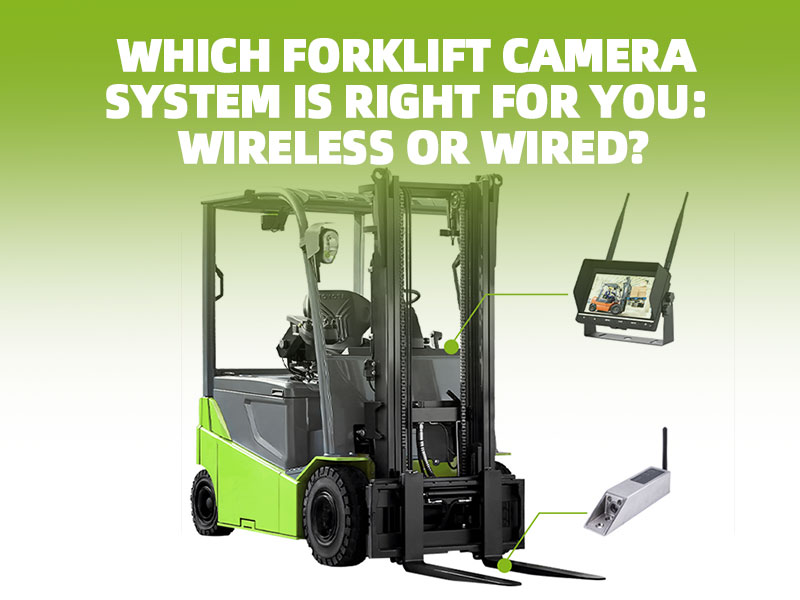
Which Forklift Camera System is Right for You: Wireless or Wired?插图

Wired forklift camera system

Wireless forklift camera systems offer a range of advantages, with one of them being a high level of flexibility. Due to the absence of wiring constraints, businesses can install and adjust camera positions more freely, accommodating various work scenarios. This flexibility is particularly crucial in dynamic environments where frequent camera movement is required. Additionally, the installation of wireless systems is relatively straightforward, reducing maintenance costs.

However, wireless systems also come with some drawbacks. The stability of the signal may be influenced by external interference, leading to less stable video feeds. Additionally, some wireless systems may require more frequent battery replacements, potentially increasing operational costs.

Wired forklift camera system

Relatively speaking, wired forklift camera systems provide a more stable signal. Due to their wired connections, these systems are less susceptible to external interference, ensuring continuous and reliable monitoring. Additionally, wired systems typically do not require frequent battery replacements, as they are often powered by a stable electrical source.
However, wired systems tend to be more cumbersome in terms of installation, requiring wiring that may involve additional engineering adjustments. This could pose some inconvenience, particularly in scenarios where frequent camera movement or working within narrow spaces is necessary.

How to choose between wireless and wired camera systems

When choosing between wireless and wired forklift camera systems, businesses should balance their decision based on practical needs. For scenarios requiring frequent movement and higher flexibility, wireless camera systems may be more suitable. Conversely, for fixed and long-term monitoring situations, wired camera systems may offer greater reliability.

Additionally, cost is a significant consideration. Wireless systems typically have lower installation and maintenance costs, but it’s crucial to account for potential additional expenses related to battery replacements. Wired systems involve a higher initial investment but may prove more economical over the long term.

Future trends

The continuous advancement of technology has brought improvements to both wireless and wired systems. Wireless technology is evolving, leading to enhanced signal stability and interference resistance. Meanwhile, wired systems are also innovating, incorporating more convenient wiring techniques.

In the future, as technology progresses, the differences between these two systems will gradually diminish. Therefore, when making decisions, businesses should consider various factors comprehensively to ensure that the chosen system can best meet their needs. Whether wireless or wired, both should serve as powerful tools to enhance efficiency and safety.

Wnioski

Forklift camera systems play a crucial role in enhancing the safety and efficiency of forklift operations. They eliminate blind spots, monitor potential hazards in real-time, provide operational feedback, and offer innovative solutions for industrial and warehouse safety management. As technology advances, these systems will continue to bolster industrial safety, ensuring the well-being of operators and those in the vicinity.

Luview is a Chinese supplier of forklift camera system solutions, providing reliable solutions to enhance the safety and efficiency of forklift operations. Contact us to learn more at sales@luview.com. Choose Luview and let safety and efficiency go hand in hand! Don’t let negligence lead to accidents. Partner with us to create a safer and more efficient working environment!

How do forklift cameras enhance safety缩略图

How do forklift cameras enhance safety

In the industrial and warehousing sectors, forklifts serve as indispensable tools, providing crucial support for production and logistics. However, the safety hazards inherent in their operation—such as limited visibility, blind spots, and operator negligence—cannot be overlooked. To address these safety challenges, forklift cameras have emerged as an innovative solution to enhance the safety of forklift operations. In this article, we will delve into forklift cameras, specifically focusing on how they play a pivotal role in improving safety, offering a fresh perspective, and presenting solutions for safety management in industrial and warehouse settings.

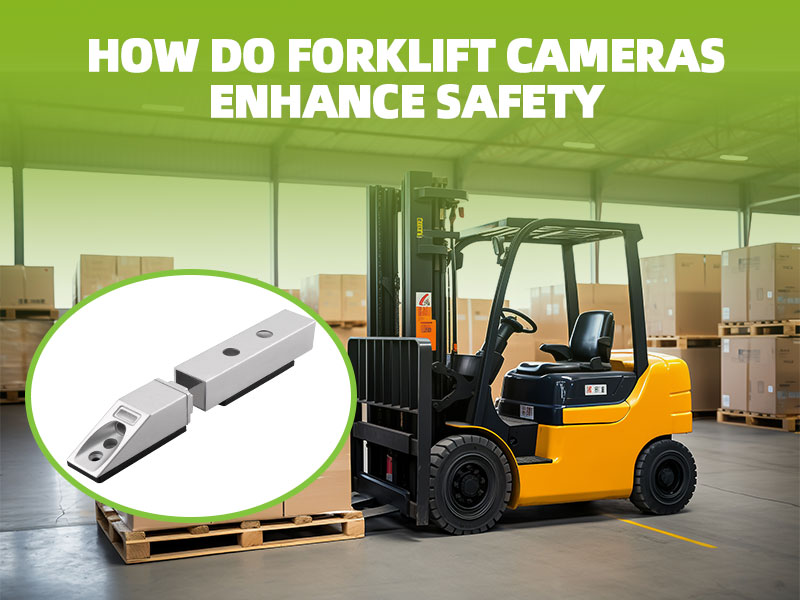
How do forklift cameras enhance safety插图

Safety challenges in forklift operations

Despite the invaluable role forklifts play in improving efficiency, their operational process entails a series of potential safety risks. The limited visibility of forklift operators, especially in busy work environments where blind spots are prevalent, poses a significant challenge. Additionally, the possibility of operational errors due to factors such as fatigue or distraction further increases the likelihood of collisions and accidents.

Innovative solution of forklift cameras

With the rapid advancement of technology, the introduction of forklift cameras has provided an innovative solution to address the aforementioned safety challenges. Among these solutions, the application of forklift cameras stands out as a crucial one. By installing high-quality cameras on forklifts, these cameras can monitor the surrounding environment in real time, providing high-definition images and video information. This enables operators to gain a more comprehensive and clear view.

The crucial role of forklift lights and cameras

Eliminating blind spots: Forklift cameras play a crucial role in covering blind spots, especially during essential operations such as turning, reversing, as well as when handling goods. They timely detect potential obstacles or pedestrians, thereby reducing the risk of collisions and close encounters.

Real-time monitoring and warning: Forklift camera systems are equipped with intelligent alert systems. Upon detecting hazardous factors, they instantly alert operators through visual and auditory warnings, assisting them in promptly responding to avoid potential accidents.

Enhancing operator abilities and skills

Forklift cameras play a crucial role not only in accident prevention but also in providing real-time operational feedback to operators. Through clear images and visual feedback, operators can accurately grasp the position and posture of the forklift, effectively reducing the occurrence of operational errors. This real-time feedback system can also be used for training and assessing the performance of operators, offering them more targeted guidance to continually enhance their operational skill levels.

LUVIEW forklift cameras and application in safety

The LUVIEW forklift camera, with its advanced technology and multiple functional features, provides a new level of safety for forklift operations. Utilizing a high-resolution 1/3 CMOS sensor, it supports analog high-definition video at 700TVL, effectively eliminating blind spots for operators. Its IP69K-rated waterproof and dustproof design ensures the stable operation of the camera in harsh environments. The camera supports mirror and ruler switching functions, allowing operators to adjust the image mode as needed and accurately assess distances and object sizes.

Additionally, the design takes into consideration tailpipe and magnet installations, ensuring the camera is securely fixed to the forklift, providing a consistently reliable field of view. The integration of these features plays a crucial role in enhancing operator safety, reducing the risk of accidents, and improving overall work efficiency. The LUVIEW forklift camera serves as an innovative solution for safety management in the industrial and warehouse sectors.

Wnioski

Overall, forklift cameras play a crucial role in enhancing the safety and efficiency of forklift operations. Through the elimination of blind spots, real-time monitoring of potential hazards, and providing operational feedback, they bring forth innovative solutions for safety management in the industrial and warehouse sectors. With continuous technological advancements, forklift camera systems will continue to drive improvements in industrial safety, offering comprehensive support for the safety of operators and those in the surrounding environment.

LUVIEW is a professional forklift camera provider from China. If you’re seeking a trustworthy solution to enhance the safety and efficiency of forklift operations, unquestionably, we are your ideal choice. Feel free to contact us immediately to learn more details at: sales@luview.com. Choose LUVIEW and let safety and efficiency move forward hand in hand! Don’t let negligence become the catalyst for accidents. Partner with us to create a safer and more efficient work environment together!

How do work lamp cameras improve agricultural monitoring?缩略图

How do work lamp cameras improve agricultural monitoring?

Wprowadzenie

The importance of agricultural monitoring

Agriculture is a crucial component of human life. With the continuous growth of the global population, the demand for food is on the rise. Consequently, agricultural monitoring has become a key factor in ensuring food production security and agricultural sustainability. In the past, traditional monitoring methods were often constrained by limitations in time, space, and technological conditions, failing to offer round-the-clock effective surveillance.

Innovative applications of work lamp cameras in agricultural monitoring

As an innovative solution in modern agricultural surveillance, work lamp cameras offer farmers and landowners an efficient and comprehensive means of monitoring. These devices integrate lighting and camera functionalities, providing not only powerful illumination but also the capability to capture high-definition real-time video, enabling farmers to monitor every corner of their farms around the clock.

These work lamp cameras employ advanced technologies, including high-definition cameras, night vision capabilities, and intelligent monitoring systems, allowing them to deliver clear images and videos in low-light or dark environments. Additionally, they often feature waterproof and durable characteristics, making them adaptable to various adverse weather and environmental conditions.

The intelligent features of these devices, such as motion detection, remote monitoring, and real-time data transmission, empower farmers to quickly respond and take necessary measures. This aids in improving production efficiency, protecting crops, preventing theft, and promoting sustainable agricultural practices.

As an innovative solution in agricultural monitoring, work lamp cameras bring new hope to the agricultural sector and play a crucial role in modern agricultural management.

Advantages of work lamp cameras in agricultural monitoring

1. Real-time monitoring capability

  • 24/7 Surveillance

Work lamp cameras offer round-the-clock monitoring capabilities, free from time constraints, enabling farmers to view their farms’ real-time status at any given moment.

  • Advantages of nighttime monitoring

These cameras are equipped with night vision capabilities, providing high-definition images and videos even in low-light conditions. The ability for nighttime monitoring brings convenience and reliability to farmers, allowing them to monitor their farms during the dark hours.

2. Enhanced Farm Security

  • Prevention of theft and vandalism

Work lamp cameras can monitor every corner of the farm, promptly detecting any potential theft or vandalism, thereby providing a preventive measure and a deterrent effect.

  • Real-time event response

When abnormal situations occur, the cameras can immediately trigger alerts and provide real-time video, enabling farmers to take swift action and minimize potential losses.

3. Crop health monitoring

  • Precision data collection

These cameras can not only capture images but also collect data on crop growth conditions, soil moisture, temperature, and more, assisting farmers in making precise decisions.

  • Prevention of disease and pest spread

Through continuous monitoring of crops, work lamp cameras can assist farmers in early detection of plant diseases or pest infestations, enabling them to implement appropriate control measures and prevent further spread.

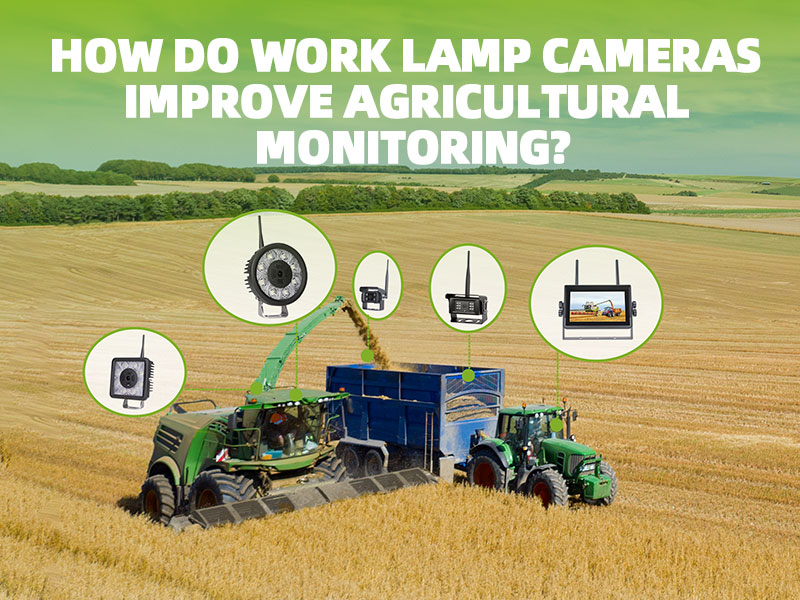
How do work lamp cameras improve agricultural monitoring?插图

Luview work lamp camera

The Luview work lamp camera features a 1/2.9 CMOS sensor supporting 720P high-definition video and 2.4GHz digital wireless transmission technology. It provides clear and detailed monitoring footage, covering a spacious distance of up to 140 meters. With its white LED full-color night vision function, it can deliver clear images even in dark environments. The camera is equipped with IP69K-level waterproof and dustproof protection, a wide voltage design (12V-24V), and an optional magnetic installation design, enhancing adaptability and convenience. These features make it an ideal choice for agricultural monitoring, meeting the real-time, high-quality, and all-weather monitoring needs of farmers, contributing to the improvement of agricultural management and safety.

Wnioski

Agricultural monitoring is of paramount importance, and work lamp cameras bring remarkable advantages to the solution. Their real-time monitoring capabilities, including 24/7 and night monitoring, provide clear footage around the clock. In terms of farm security, they help prevent theft and vandalism, elevating overall safety levels through real-time event response. Regarding crop health monitoring, precise data collection and prevention of disease and pest spread facilitate scientific decision-making, minimizing crop losses. In summary, choosing work lamp cameras is an intelligent decision to enhance agricultural management, ensure safety, and improve production efficiency.

Luview is a leading provider of work lamp cameras in China, offering professional and reliable solutions. If you are looking for the best supplier, feel free to contact us at sales@luview.com for more detailed information. Choosing Luview, and collaborate with us to fulfill your agricultural monitoring needs, playing a role in shaping the future of smart agriculture!

Importance of salt spray testing for vehicle cameras缩略图

Importance of salt spray testing for vehicle cameras

The Impact of Salt Spray on Vehicle Cameras

How Does Salt Spray Affect the Functionality and Lifespan of Vehicle Cameras

The impact of salt spray on vehicle cameras is primarily manifested in their functional performance and lifespan. When cameras are exposed to a salt spray environment, various damages may occur, with corrosion being the most significant.

Functional Impact: Salt spray can infiltrate the tiny gaps or cracks in the camera, affecting its internal electronic components and mechanical parts. This may result in various functional impairments, such as reduced image clarity, color distortion, focusing issues, or complete malfunction, rendering it unable to operate normally.

Corrosive Damage: The salt content in salt spray triggers chemical reactions upon contact with metal surfaces, accelerating the corrosion of metal components. This corrosion may harm the camera’s casing, connectors, electronic circuits, and sensors, ultimately affecting its stability and lifespan.

Importance of salt spray testing for vehicle cameras插图

In environments around vehicles, such as coastal areas or roads treated with salt during winter, vehicle cameras are more susceptible to exposure to salt spray. Therefore, conducting salt spray testing is crucial for assessing the durability and performance of cameras. The results of the tests can assist manufacturers in refining designs, selecting more corrosion-resistant materials, and ensuring that vehicle cameras can operate reliably in various challenging environments.

The importance of salt spray testing for vehicle safety and functionality

Cameras in modern vehicles play a crucial role in enhancing vehicle safety and operational functionality. These cameras serve various purposes, including monitoring the surrounding environment, assisting in driving, and providing the driver with a clearer view. Salt spray testing is essential to ensure the reliability of these cameras, thereby further enhancing the overall safety of the vehicle.

From a safety perspective, vehicle cameras play a crucial role in modern vehicles. They are utilized in advanced driver assistance systems, including features such as reverse assistance, lane-keeping assistance, blind-spot monitoring, and more. Additionally, they provide the driver with a clearer environmental perspective, helping reduce the likelihood of accidents and enhancing overall driving safety.

From an operational functionality perspective, cameras play a key role in enhancing vehicle capabilities. They can be utilized for providing navigation assistance, parking assistance, and features related to autonomous driving, making driving more convenient and secure.

Salt spray testing ensures the reliability of vehicle cameras in harsh environments. By simulating the impact of salt spray on the cameras, the testing assesses their durability and corrosion resistance. If cameras fail to function properly in a salt spray environment, their performance may be compromised during actual vehicle use, affecting the overall safety of the vehicle.

Therefore, ensuring that vehicle cameras undergo rigorous salt spray testing to guarantee their reliability is crucial for enhancing the overall safety of the vehicle. Only cameras that have undergone reliable testing can operate stably in various adverse conditions, providing drivers with accurate and clear information, thereby ensuring driving safety and the effectiveness of operational features.

Wnioski

In summary, the impact of salt spray testing on vehicle cameras is directly related to the safety and functionality of the vehicle. This critical testing phase ensures that cameras can operate reliably in harsh climates and high-corrosion environments. If you are seeking outstanding solutions for vehicle vision, Luview is a professional provider of vehicle cameras based in China, renowned for its advanced technology and high-quality products. We are committed to delivering the most reliable, durable, and high-performance cameras to ensure the safe operation of vehicles in various conditions.

Luview has consistently adhered to strict standards in ensuring product quality, especially through salt spray testing to validate the durability and stability of cameras. This testing is a crucial part of Luview’s commitment to ensuring exceptional performance in extreme environments, further showcasing our outstanding performance in the industry. Moreover, if you are looking for rear-view cameras or a reliable supplier, Luview is also a wise choice.

Feel free to contact our sales team anytime by sending an email to sales@luview.com for more detailed product information and personalized solutions. Choose Luview to meet your vehicle safety and visual needs!

Jak wybrać kamerę do motocykla? 缩略图

Jak wybrać kamerę do motocykla?

Choosing a waterproof motorcycle dash cam is a crucial decision, especially for riders who want to document their journeys and protect their equipment. In this article, we will delve into the key factors when selecting a waterproof motorcycle dash cam, emphasizing the importance of customizing the choice based on the expected weather conditions in specific regions. We will also provide maintenance tips to ensure the long-term waterproof performance of the motorcycle dash cam, highlighting the critical importance of selecting a truly waterproof device for riders. The article will cover common mistakes to avoid when using waterproof equipment and the necessity of practical testing to verify waterproof performance. As we explore these key issues, riders will gain a better understanding of how to choose, use, and maintain their motorcycle dash cam in aquatic challenges.

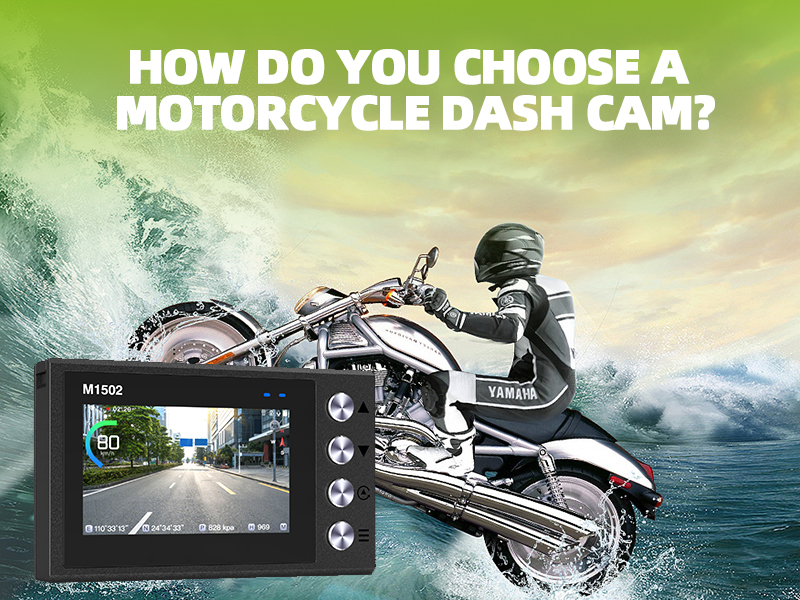
How do you choose a motorcycle dash cam?插图

Factors to consider when choosing a waterproof dash cam

When selecting a waterproof dash cam, the following factors are crucial:

1. Expected Weather Conditions in Your Area

Riders should choose the appropriate level of waterproofing based on the weather characteristics of their area. If the area is prone to frequent rain or fog, a dash cam with a higher waterproof rating (such as IPX7 or IPX8) would be a better choice. Conversely, if the riding environment is typically dry, a lower level of waterproofing (such as IPX4 or IPX5) may suffice.

2. Comparison of Different Waterproof Ratings

Waterproof ratings range from IPX0 to IPX8, with higher numbers indicating stronger protection against water. It’s important to note that higher levels of waterproofing usually mean higher costs. Therefore, riders need to balance the level of waterproofing against the price to find the best device that meets their needs and budget. For instance, an IPX6 rating can withstand strong jets of water, making it suitable for riding in heavy rain, while devices rated IPX7 and IPX8 can continue to operate while completely submerged, ideal for riders who frequently encounter extreme weather or watery environments.

3. Installation Position and Usage

The mounting location of the dash cam can affect the degree to which it is exposed to water. For instance, a dash cam installed at the bottom of a motorcycle may require a higher waterproof rating as it is more likely to come into contact with water and debris from the road. Furthermore, if a rider plans to use the dash cam across various climate conditions, such as commuting in the city to off-road adventures, opting for a dash cam with a higher waterproof rating would be more prudent.

Maintenance Tips for Waterproof Motorcycle Dash Cams

Even the highest-rated waterproof motorcycle dash cams require proper maintenance to ensure their long-term waterproof capabilities. Here are some best practices:

1. Regular Inspections

Periodically check the dash cam’s sealing O-rings and casing for any damage. Cracks or wear could lead to water ingress.

2. Cleaning Recommendations

Gently clean the dash cam’s casing with a slightly damp cloth, avoiding any corrosive cleaning agents that might damage the seals. Ensure that both your hands and the dash cam’s surface are completely dry before touching any electronic interfaces.

3. Seal Ports

If the dash cam has any external ports, like USB slots or power inputs, use waterproof covers or tape to ensure they remain sealed when not in use.

4. Avoid Prolonged Exposure

While high-grade waterproof dash cams are designed to be water-resistant, avoiding prolonged exposure to water, especially when not in use, can extend their lifespan.

5. Storage Suggestions

When not in use, store the dash cam in a dry, cool place away from extreme temperatures and humidity, which can damage the electronic components.

6. Chemical Avoidance

Keep the dash cam away from solvents, detergents, or other chemicals that may degrade its housing materials and waterproofing.

7. Follow the Manual

Always read and adhere to the operation and maintenance guide provided by the manufacturer before using the dash cam, as different models may have specific maintenance requirements.

Comparison of Waterproof and Water-Resistant Motorcycle Dash Cams

“Waterproof” and “Water-Resistant” are two terms that are often easily confused, but understanding the difference between them is crucial when selecting a motorcycle dashcam:

Waterproof: Waterproof devices can withstand water penetration and are typically capable of being submerged under a certain water pressure without taking in water. Waterproof products often come with specific IP (Ingress Protection) ratings, such as IP67 or IP68, indicating that they can endure being underwater at a certain depth for a specified duration without sustaining damage.

Water-Resistant: Water-resistant devices can resist water ingress to a certain extent but cannot endure complete submersion. A water-resistant device might have IPX4 or IPX6 ratings, signifying that it can withstand splashes or water jets but may sustain damage if fully submerged.

For motorcycle riders, choosing a truly waterproof dashcam is crucial because motorcycles, especially in adverse weather or off-road conditions, are prone to substantial water exposure. A waterproof dashcam provides comprehensive protection, ensuring that its functionality remains unaffected even in heavy rain, guaranteeing that crucial moments are not lost. Waterproof dashcams are designed with a focus on durability and sealing, making them more reliable for long-term use.

Avoidable Common Mistakes

When dealing with waterproof motorcycle dashcams, riders may make some common mistakes that could compromise the device’s waterproof performance or lead to damage:

  • Incorrect Installation
Improper installation can damage the waterproof sealing of the dashcam, leading to water infiltration. It is essential to strictly follow the manufacturer’s guidelines for installation, ensuring that all seals are correctly in place.
Neglecting Regular Inspections: Riders may overlook regular inspections of the dashcam’s seals and exterior for damages, which can weaken its waterproof capabilities. Regularly checking the device’s seals and casing and promptly replacing damaged components is crucial.
  • Using Corrosive Cleaning Agents

The use of powerful or corrosive cleaning agents can damage the casing and seals of the dashcam. Mild cleaning agents should be chosen, and the dashcam should be gently wiped with a clean cloth.

  • Exposure to Extreme Temperatures

Prolonged exposure of the dashcam to extreme high or low temperatures can damage its electronic components or sealing materials. It is advisable to avoid using or storing the dashcam in extremely hot or cold environments.

  • Ignoring the Waterproofing of Interfaces

Even with a waterproof dashcam, external interfaces such as USB slots or charging ports may not be waterproof when exposed. It is important to keep these interfaces sealed when not in use.

Opening the Casing Before Fully Drying: Opening the casing of the dashcam or its components before they are completely dry may allow moisture to enter. Before opening the dashcam, ensure that it is thoroughly dry.

To avoid these common mistakes, riders should:

①Carefully read and adhere to installation and maintenance instructions.

②Conduct regular inspections and maintenance.

③Utilize appropriate cleaning methods and materials.

④Pay attention to the storage and usage environment of the device.

Following these practices can significantly reduce the risk of device damage, ensuring the waterproof performance of the dashcam is maintained and thereby extending the lifespan of the equipment.

Wnioski

When choosing a motorcycle dashcam, considering factors like waterproof performance, maintenance needs, comparing waterproof and water-resistant features, and avoiding common mistakes are crucial for ensuring stable device performance. If you’re seeking a reliable supplier, Luview, a leading provider from China, specializes in offering top-notch motorcycle dashcams. Their products excel in waterproof capabilities, video resolution, and more. Take action now and reach out via sales@luview.com for further details.

Guide to Waterproof Ratings for Motorcycle Dashcam缩略图

Przewodnik po klasach wodoodporności kamer motocyklowych

W świecie motocyklistów kamera samochodowa stała się niezbędnym urządzeniem. Nie tylko rejestruje ona krajobrazy i wydarzenia podczas podróży, ale, co ważniejsze, może dostarczyć kluczowych dowodów w razie wypadku. Jednak ze względu na otwartą konstrukcję motocykli, kamery samochodowe muszą być odporne na trudne warunki pogodowe, zwłaszcza wodę. W tym miejscu pojawia się kluczowe pojęcie: klasa IP, czyli stopień ochrony przed wnikaniem, który jest standardem służącym do pomiaru wodoodporności i pyłoszczelności urządzeń elektronicznych. W przypadku kamer samochodowych do motocykli odpowiedni stopień ochrony IP nie tylko zapewnia trwałość urządzenia, ale także gwarantuje niezawodność w różnych warunkach pogodowych.

Od IPX4, który chroni przed rozpryskami wody, po IPX8, który pozwala na długotrwałe zanurzenie, różne klasy wodoodporności określają głębokość i czas trwania odporności na wodę kamer samochodowych, zapewniając kierowcy spokój ducha i integralność urządzenia rejestrującego. W tym artykule omówimy znaczenie tych klas wodoodporności i sposób, w jaki chronią one kamerę samochodową przed uszkodzeniem przez wodę.

Wodoodporność kamer motocyklowych: wprowadzenie i znaczenie

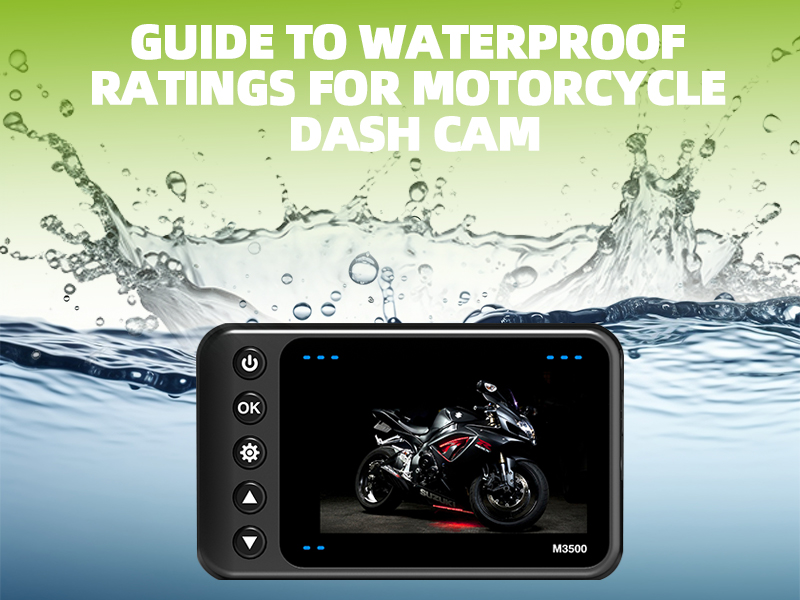
Guide to Waterproof Ratings for Motorcycle Dashcam插图

1. Poznaj klasy wodoodporności

  • Wyjaśnij poziomy ochrony własności intelektualnej w przypadku sprzętu elektronicznego.

W urządzeniach elektronicznych klasa IP, znana również jako poziom ochrony przed wnikaniem, jest normą ustanowioną przez Międzynarodową Organizację Normalizacyjną (ISO) w celu określenia odporności urządzenia na wnikanie ciał obcych i wody. Klasa IP składa się z dwóch cyfr: pierwsza cyfra wskazuje odporność urządzenia na wnikanie ciał stałych, takich jak kurz, a druga cyfra oznacza stopień ochrony przed wnikaniem wody.

  • Jak klasyfikacja IP odnosi się do wodoodporności kamer motocyklowych.

W przypadku kamer motocyklowych wysoki stopień ochrony IP ma kluczowe znaczenie, ponieważ muszą one działać skutecznie w różnych warunkach pogodowych, w tym podczas deszczu i w wilgotnym otoczeniu. Typowy stopień wodoodporności, taki jak IP68, oznacza, że urządzenie jest całkowicie odporne na kurz (‘6’) i wytrzymuje długotrwałe zanurzenie w wodzie (‘8’). Przy wyborze kamery samochodowej do motocykla zaleca się wybór produktów o wysokim stopniu ochrony IP, aby zapewnić niezawodne działanie nawet w ekstremalnych warunkach pogodowych.

2. Znaczenie wodoodporności kamer motocyklowych

  • Dlaczego wodoodporność jest tak ważna dla kamer motocyklowych

Wodoodporność kamery motocyklowej jest kluczowa z kilku powodów:

①Dostosowanie do warunków pogodowych: Motocykle są często używane w różnych warunkach pogodowych, w tym w deszczowe dni. Wodoodporna kamera samochodowa może działać bez zarzutu w niesprzyjających warunkach pogodowych, zapewniając motocyklistom nieprzerwane nagrywanie.

②Ochrona urządzenia: Kamera samochodowa, która nie jest wodoodporna, może ulec uszkodzeniu wewnętrznych obwodów w wyniku przedostania się wody, co może prowadzić do nieprawidłowego działania urządzenia, a nawet do jego całkowitej awarii. Natomiast urządzenie wodoodporne skutecznie zapobiega przedostawaniu się wody, co wydłuża jego żywotność.

③Rejestracja bezpieczeństwa: Jedną z podstawowych funkcji kamery samochodowej jest dostarczanie dowodów w razie wypadku. Podczas jazdy w deszczu, jeśli kamera nie jest wodoodporna, istnieje ryzyko, że zawiedzie w najbardziej krytycznym momencie i nie będzie w stanie zapewnić nagrania wypadku, gdy jest to najbardziej potrzebne.

④Koszty utrzymania: Wodoodporna kamera samochodowa zmniejsza prawdopodobieństwo uszkodzenia spowodowanego warunkami pogodowymi, co pozwala zaoszczędzić koszty związane z naprawą lub wymianą urządzenia.

  • Analiza potencjalnych zagrożeń związanych z wodą dla kamer samochodowych, które nie są wodoodporne

Zwarcie: Kontakt wody z elementami elektronicznymi może spowodować zwarcie, co może doprowadzić do natychmiastowego uszkodzenia kamery samochodowej.

Korozja: Długotrwała ekspozycja na wilgotne środowisko, nawet jeśli nie powoduje natychmiastowych usterek, może prowadzić do stopniowej korozji wewnętrznych elementów metalowych kamery samochodowej, co skutkuje pogorszeniem jej działania.

Zaparowanie obiektywu: Obiektyw nieodpornej na wodę kamery samochodowej może zaparować w deszczowych lub wilgotnych warunkach, co wpływa na jakość obrazu i sprawia, że nagranie jest nieefektywne.

3. Różne klasy wodoodporności kamer samochodowych

Objaśnienie konkretnych klas IP dotyczących kamer motocyklowych

W przypadku kamer motocyklowych stopień ochrony IP (Ingress Protection) jest kluczowym standardem służącym do oceny ich odporności na kurz i wodę. Oto kilka konkretnych stopni ochrony IP dotyczących kamer motocyklowych oraz ich znaczenie:

① IP65: Oznacza, że kamera samochodowa całkowicie zapobiega przedostawaniu się kurzu i jest odporna na strumienie wody pod niskim ciśnieniem z dowolnego kierunku.

② IP66: Oznacza, że kamera samochodowa jest całkowicie pyłoszczelna i wytrzymuje silne strumienie wody z dowolnego kierunku.

③ IP67: Oznacza, że kamera samochodowa jest całkowicie pyłoszczelna i może wytrzymać krótkotrwałe zanurzenie w wodzie na głębokość do 1 metra (zwykle w ciągu 30 minut).

④ IP68: Oznacza, że kamera samochodowa jest nie tylko całkowicie pyłoszczelna, ale może również działać przez dłuższy czas pod wodą, przy czym konkretna głębokość i czas działania są zazwyczaj określone przez producenta.
  • Zagłębiając się w znaczenie każdej cyfry w klasyfikacji IP:

Pierwsza cyfra (0-6): Wskazuje poziom ochrony przed pyłem. Wyższa liczba oznacza większą odporność na pył. ‘6’ oznacza, że urządzenie jest całkowicie pyłoszczelne, co zapobiega przedostawaniu się pyłu do środka.

Druga cyfra (0–8): oznacza poziom wodoodporności. Wyższa liczba oznacza wyższą wodoodporność. Na przykład ‘5’ oznacza, że urządzenie jest odporne na strumień wody pod niskim ciśnieniem, natomiast ‘8’ może oznaczać, że urządzenie wytrzymuje ciągłe, długotrwałe zanurzenie w wodzie.

Podczas projektowania kamer motocyklowych uwzględnia się specyficzne warunki użytkowania motocykli. Dlatego często wybierane są produkty o stopniu ochrony IP67 lub IP68, aby zapewnić normalne działanie w różnych warunkach pogodowych. Dla motocyklistów bardzo ważne jest zrozumienie tych klasyfikacji i dobór produktów w oparciu o ich konkretne potrzeby.

Wnioski

Przy wyborze kamery motocyklowej kluczowe znaczenie ma wybór urządzenia o doskonałej wodoodporności, aby zapewnić stabilne działanie w każdych warunkach pogodowych. Kluczowe znaczenie ma zrozumienie klasy IP urządzenia — poziomu ochrony przed przedostawaniem się ciał stałych i cieczy. Klasa IPX odnosi się konkretnie do wodoodporności, co ułatwia porównanie wydajności produktów. Jako wiodący chiński dostawca kamer motocyklowych, Luview oferuje wysokiej jakości urządzenia, które zostały poddane rygorystycznym testom wodoodporności, aby zapewnić bezpieczeństwo podczas jazdy. Potrzebujesz niezawodnej kamery motocyklowej? Skontaktuj się z nami. sales@luview.com aby uzyskać więcej informacji i zapewnić optymalne działanie kamery samochodowej nawet w najbardziej ekstremalnych warunkach.

Dlaczego certyfikacja ISO jest tak ważna dla dostawców kamer samochodowych? 缩略图

Dlaczego certyfikacja ISO jest tak ważna dla dostawców kamer samochodowych?

ISO certification introduction

ISO certification is a certification issued by the International Organization for Standardization (ISO), which verifies that an organization’s management system, manufacturing processes, services, or documentation processes comply with all standardized quality and safety standards. ISO certification is widely recognized globally and serves as an important symbol of a company’s commitment to continuous improvement and meeting customer needs, regardless of the industry’s size.

ISO 9001: Quality Management for Automotive Suppliers

The Importance of ISO 9001 in the Automotive Industry for Quality Management and Compliance with Supply Chain Legal Requirements

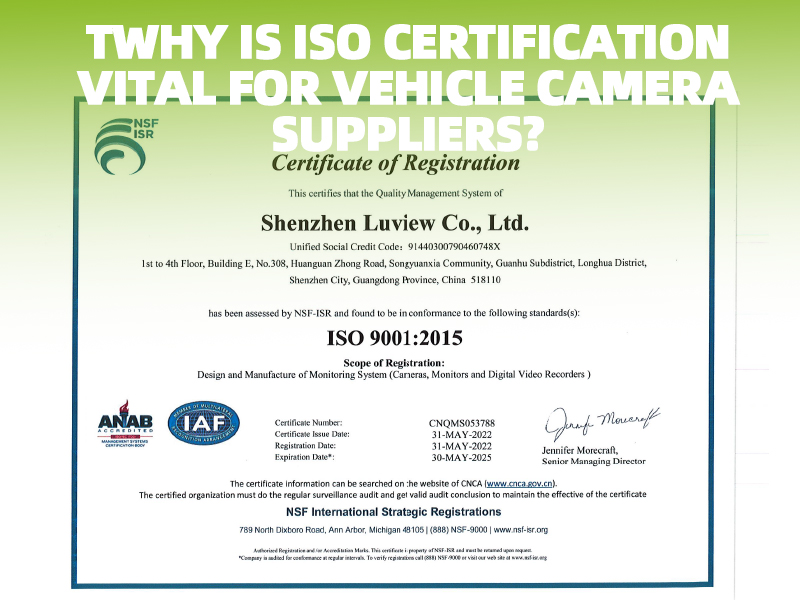
Why is ISO certification vital for vehicle camera suppliers?插图
ISO 9001 is of paramount importance in the automotive industry for quality management and compliance with legal requirements in the supply chain. This globally recognized quality management standard is particularly crucial for automotive suppliers. It ensures that suppliers can consistently provide products and services that meet customer and other relevant regulatory requirements. By establishing comprehensive quality management processes, automotive suppliers can optimize their operations, reduce errors, improve efficiency, and ultimately enhance product quality. In terms of supply chain management, adhering to ISO 9001 helps to mitigate risks within the supply chain and ensure the legal compliance of the supply chain, which is crucial in preventing potential catastrophic consequences.

ISO 14001: Environmental Management in the Production of  Vehicle Cameras

The Importance of Environmental Management and How ISO 14001 Helps Automobile Companies Reduce Environmental Impact

ISO 14001 is an international standard focusing on environmental management systems, and it holds particular significance for manufacturers of vehicle cameras. This standard is designed to assist organizations in reducing their negative environmental impacts, ensuring compliance with environmental regulations, and continually improving environmental performance. By implementing ISO 14001, automobile companies can more effectively manage energy and resource consumption in their production processes, reduce waste, and lower pollution. This promotes sustainable business practices, not only fulfilling corporate social responsibility but also enhancing market competitiveness in today’s environmentally conscious consumer landscape.

ISO 45001: Occupational Health and Safety in Manufacturing

The Role of ISO 45001 in Enhancing Workplace Safety and Reducing Occupational Hazards in the Production of Vehicle Cameras

ISO 45001 is an international standard aimed at helping organizations improve their occupational health and safety management systems, reducing workplace risks, and preventing work-related injuries and health issues. For companies involved in manufacturing vehicle cameras, this standard is particularly crucial, as their production environments may involve various potential workplace hazards. By implementing ISO 45001, companies can systematically identify hazards and implement effective risk control measures, thereby enhancing overall occupational health and safety performance. This not only helps protect the health and well-being of employees but also brings about economic benefits by reducing costs associated with accidents and illness.

ISO 50001: Energy Management in Automotive Operations

The Benefits of ISO 50001 in Reducing Energy Consumption and Promoting Sustainability for Automotive Companies

ISO 50001 is an international standard focusing on energy management systems, aiding automotive companies in reducing energy consumption through systematic energy management. This standard encourages organizations to better monitor, measure, document, and report on their energy flows, thereby driving continuous improvement in energy performance. For the automotive industry, this means reducing costs and carbon footprint in the process of manufacturing vehicle cameras and other automotive components. Implementing ISO 50001 helps businesses identify and capitalize on energy-saving opportunities, not only reducing environmental impact but also promoting sustainable development while enhancing economic benefits.

ISO 27001: Information Security in Automotive Companies

The Importance of ISO 27001 in Protecting Sensitive Data and Information in the Automotive Industry

ISO 27001 is an international standard for Information Security Management Systems (ISMS), crucial for automotive companies due to their handling of large amounts of sensitive data, including customer information, employee data, and design and development materials. ISO 27001 provides a framework to help organizations protect this information from unauthorized access and data breaches by implementing appropriate security measures. This not only helps automotive companies prevent security vulnerabilities but also enhances trust among consumers and partners, ensuring business continuity and compliance.

IATF 16949: Quality in Automotive Production

How IATF 16949 Aligns with ISO Standards in Focusing on Defect Prevention and Quality Management in Automotive Production

IATF 16949 is a technical specification developed in collaboration between the International Automotive Task Force (IATF) and the International Organization for Standardization (ISO), specifically tailored to the automotive industry’s supply chain. It is built upon the ISO 9001 standard and aims to promote continuous quality management and improvement processes, focusing on defect prevention and waste reduction in the automotive industry. IATF 16949 requires automotive manufacturers to implement consistent quality management systems throughout the entire production and assembly process to ensure the delivery of high-quality products and services. This standard assists automotive industry suppliers in remaining competitive in the global market while meeting the growing consumer demands for automotive safety and reliability.

Case Study of ISO Certification in the Automotive Industry

In the automotive industry, obtaining ISO certifications such as ISO 9001 and IATF 16949 can provide a competitive edge because they represent a commitment to quality, safety, and efficiency. ISO certifications not only help companies comply with international best practices and regulatory requirements but also enhance the confidence of consumers, suppliers, and investors. Luview, for instance, has achieved ISO 9001 and IATF 16949 certificates, which have elevated the company’s reputation and brand value. This demonstrates Luview’s dedication to delivering high-quality products that align with the highest international standards.

Wnioski

ISO certification is pivotal for vehicle camera suppliers, ensuring product quality and safety while enhancing global market competitiveness. Luview has fortified its market position in manufacturing and providing solutions for rear-view safety products by obtaining ISO 9001 and IATF 16949 standards. As a professional manufacturer of rear-view safety products, we offer an extensive range of items including fleet cameras and vehicle monitors, committed to delivering high-standard vehicular safety solutions. Choose Luview for reliability. For more information, please contact us at sales@luview.com.

Znaczenie testów starzenia się monitorów tylnej kamery samochodowej 缩略图

Znaczenie testów starzenia się monitorów tylnej kamery samochodowej

Wprowadzenie

The Role and Importance of the Rearview Vehicle Monitor

The rearview vehicle monitor is a device installed inside vehicles, commonly used to display images or videos of the area behind the vehicle, aiding drivers in reversing, parking, and driving maneuvers more safely. These monitors typically work in conjunction with backup cameras or rearview cameras to provide a real-time view of the rear, enabling drivers to clearly see potential obstacles, pedestrians, or other vehicles.

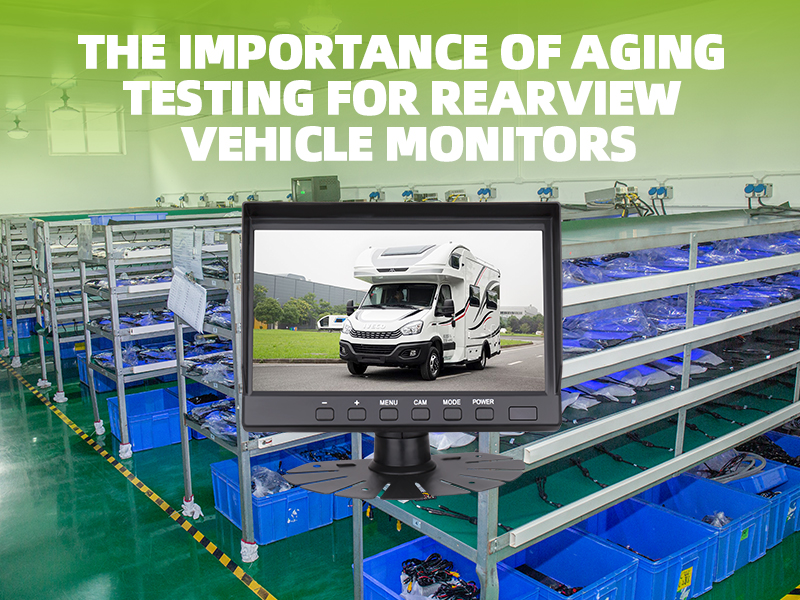
The Importance of Aging Testing for Rearview Vehicle Monitors插图

The Necessity of Aging Tests

Given the significance of rearview vehicle monitors in enhancing driving safety and convenience, ensuring their reliability and performance is critical. This is why aging tests are necessary. Aging tests help manufacturers ensure that these monitors can operate reliably over extended periods under various environmental conditions, meeting drivers’ needs and providing dependable safety.

The Basic Principles and Purpose of Aging Tests

Basic Principles of Aging Tests

Aging tests are systematic testing methods designed to simulate the conditions that a product may experience over extended use and in harsh environments to assess its performance, reliability, and durability. The basic principles of aging tests include:

Simulation of Actual Usage: A key principle of aging tests is to simulate the conditions and environments the product may encounter in actual use. This means that the tests must take into account the real-world application of the product and environmental factors such as temperature, humidity, and vibration.

Accelerated Aging: Aging tests often use accelerating factors, like increased temperature or humidity, to speed up the aging process of the product. This allows the long-term effects of usage to be simulated in a relatively short period.

Continuous Monitoring and Recording: During aging tests, it is essential to continuously monitor and record the performance and condition of the product. These data are crucial for subsequent analysis and improvements.

Assessing Failure Points: One of the objectives of aging tests is to identify the failure points of the product, i.e., the conditions under which the product begins to show decreased performance or malfunctions. This helps manufacturers to identify and improve weaknesses in the product.

What is the Main Purpose of Aging Tests?

The main purposes of aging tests are:

Verifying Product Reliability: By simulating long-term use and harsh environmental conditions, aging tests can verify the reliability of the product in actual use. This helps manufacturers to determine if the product is stable enough to operate normally under challenging conditions.

Early Detection of Issues: Aging tests can help manufacturers detect potential issues and defects before the product is released to the market. This allows for measures to improve product design and manufacturing processes to enhance product quality.

Evaluating Product Life: Through aging tests, manufacturers can assess the lifespan of the product and determine when it may require maintenance or replacement. This helps customers understand the expected life of the product and plan accordingly.

Meeting Regulatory Requirements: In some industries, aging tests are among the requirements of regulations and standards. By conducting aging tests, manufacturers can ensure that their products comply with relevant regulations and standards, thus avoiding legal issues.

How to Conduct Aging Tests on Rearview Vehicle Monitors

Testing Steps

Environmental Simulation: In the test chamber, place the rearview vehicle monitor under constant temperature (40°C) and humidity (90% relative humidity) to simulate a high-temperature and high-humidity environment.

Cycle Testing: Connect the monitor to a reversing camera and continuously run both the monitor and the camera for 12 hours each day to simulate long-term usage.

Vibration Testing: Use a vibration table to simulate the vibrations a vehicle experiences on different road conditions and conduct vibration testing for a duration of 10 hours.

Electromagnetic Interference Test: In an electromagnetic interference testing chamber, expose the monitor to electromagnetic radiation to simulate interference that may be caused by electronic devices within the vehicle.

Continuous Monitoring: Throughout the testing period, continuously monitor and record the performance and condition of the monitor, including indicators such as screen brightness, resolution, and color accuracy.

Wnioski

Aging tests are crucial for the performance and reliability of rearview vehicle monitors. They ensure that the products can operate stably in actual use, enhancing the safety and convenience for drivers.

Luview is a professional manufacturer and solution provider of rearview safety products from China. Whether you are looking for vehicle monitors or cameras, we are your choice. If you are searching for a suitable supplier, please contact sales@luview.com for more details. We are committed to providing high-quality, reliable rearview safety products to meet your needs and offer a safer driving experience for your vehicle.