
Jakich kluczowych funkcji należy szukać w bezprzewodowej kamerze do wózków widłowych?
W nowoczesnych środowiskach magazynowych i logistycznych widoczność i precyzja są niezbędne do utrzymania zarówno bezpieczeństwa, jak i wydajności. Dla wielu operatorów, bezprzewodowa kamera do wózków widłowych stały się niezawodnym rozwiązaniem do eliminowania martwych punktów i zwiększania zwrotności. W Luview rozumiemy, że doświadczeni operatorzy wózków widłowych i menedżerowie flot poszukują niezawodnej wydajności i praktycznych funkcji - a nie niepotrzebnej złożoności. Poniżej przedstawiamy kluczowe cechy, na które należy zwrócić uwagę przy wyborze bezprzewodowej kamery do wózka widłowego, która spełnia standardy operacyjne.
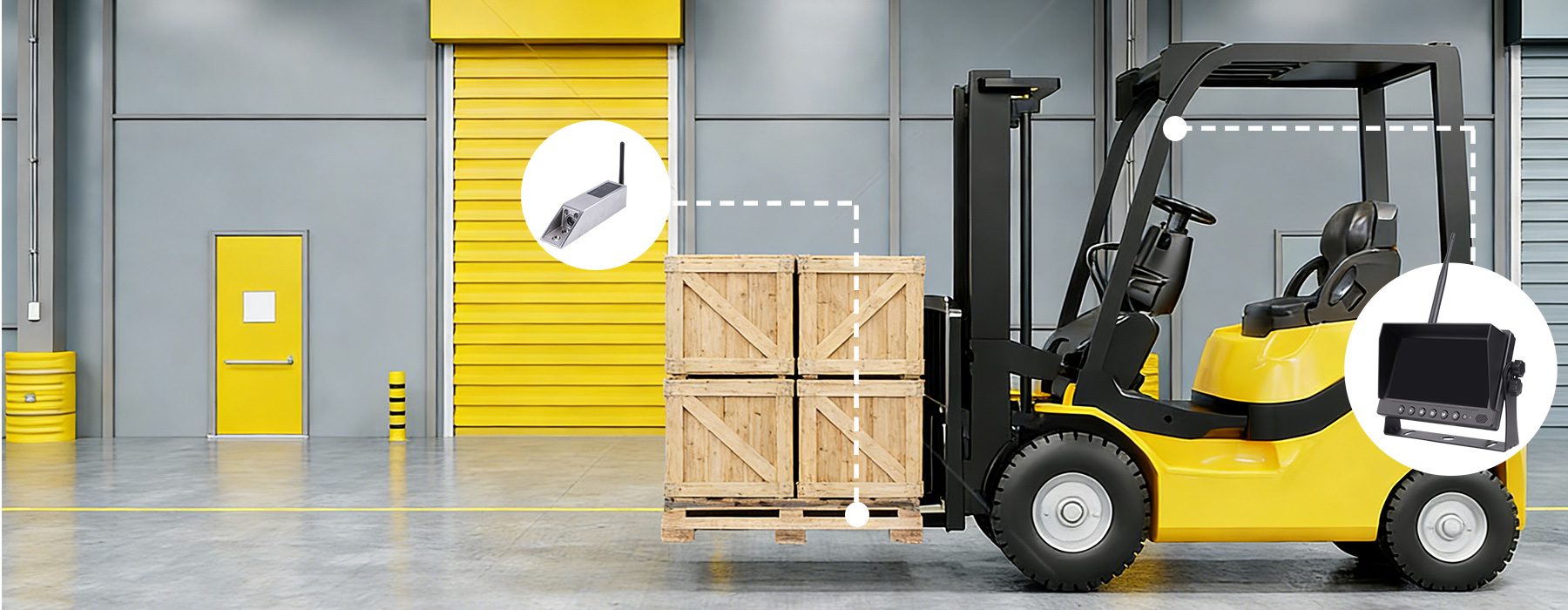
Niezawodne bezpieczeństwo i wysoka wydajność
Niezawodna kamera do wózków widłowych powinna działać niezawodnie nawet w trudnych warunkach przemysłowych. Bezprzewodowe kamery do wózków widłowych Luview zostały zaprojektowane z myślą o trwałości, oferując wodoodporną konstrukcję IP68, która jest odporna na kurz, wilgoć i wibracje. Zapewnia to niezawodne działanie niezależnie od tego, czy wózek widłowy pracuje w pomieszczeniu, czy na zewnątrz.
Ponadto automatyczne wyłączanie pomaga oszczędzać energię, gdy system nie jest używany, a szybkie uruchamianie umożliwia natychmiastową widoczność po uruchomieniu wózka widłowego. Aby zapewnić bezpieczniejszą pracę, system kamer obsługuje funkcje obracania w górę i w dół, umożliwiając elastyczne pozycje montażowe. Wyposażony w funkcję pozycjonowania laserowego, pomaga operatorom precyzyjnie ustawiać ładunki - minimalizując ryzyko uszkodzeń lub wypadków podczas obsługi.
Zwiększona precyzja działania
Dokładność ma kluczowe znaczenie podczas podnoszenia, układania lub umieszczania palet w wąskich korytarzach. Aby pomóc operatorom, Luview bezprzewodowe systemy kamer do wózków widłowych obejmują konfigurowalne wskazówki ekranowe wyświetlane na monitorze. Te wizualne znaczniki pomagają operatorom w dokładnym ustawieniu wideł lub regulacji wysokości podnoszenia. Funkcja ta nie tylko pomaga poprawić wydajność załadunku, ale także skraca czas poświęcany na korygowanie błędów rozmieszczenia.
Dzięki integracji takiego wsparcia wizualnego w czasie rzeczywistym, operacje magazynowe stają się płynniejsze, szczególnie w przypadku zadań związanych z obsługą materiałów o wysokiej częstotliwości. Doświadczeni operatorzy mogą pracować pewniej i wydajniej dzięki dodatkowej precyzji.
Doskonała widoczność w złożonych środowiskach
Widoczność może być często ograniczona w magazynach ze słabym oświetleniem, odblaskami lub ciasnymi przestrzeniami. Właśnie dlatego bezprzewodowe kamery do wózków widłowych Luview wykorzystują technologię wizyjnego wskaźnika LED. Wbudowane diody LED oświetlają ciemne obszary, zapewniając wyraźny obraz nawet w słabo oświetlonych miejscach.
Funkcja ta jest szczególnie korzystna w przypadku nocnych zmian, dużych magazynów i operacji na zewnątrz o świcie lub zmierzchu. W połączeniu z obrazowaniem w wysokiej rozdzielczości operatorzy uzyskują wyraźny i stabilny widok przeszkód, pieszych i pozycji ładunku - pomagając zachować spójne bezpieczeństwo w różnych zmianach i warunkach oświetleniowych.
Łączność bezprzewodowa i monitorowanie w czasie rzeczywistym
Jedną z największych zalet nowoczesnych systemów kamer do wózków widłowych jest łączność bezprzewodowa. Bezprzewodowe kamery do wózków widłowych Luview łączą się bezpośrednio z monitorem bez konieczności stosowania skomplikowanego okablowania. Upraszcza to instalację, skraca czas konserwacji i zapewnia czystą, zorganizowaną konfigurację.
Bezprzewodowe połączenie zapewnia transmisję wideo w czasie rzeczywistym, zapewniając operatorom ciągłą widoczność martwych punktów wózka widłowego. Przy minimalnym opóźnieniu sygnału, system pozwala na płynniejszą koordynację między kamerą a monitorem, poprawiając świadomość sytuacyjną podczas cofania, układania w stosy lub operacji w wąskich korytarzach.
Wnioski
Wybierając bezprzewodową kamerę do wózka widłowego, ważne jest, aby priorytetowo traktować funkcje, które bezpośrednio zwiększają bezpieczeństwo, precyzję i wygodę obsługi. Poszukaj systemu kamer, który oferuje solidną wodoodporność, pozycjonowanie laserowe, wskazówki na ekranie, poprawę widoczności LED i niezawodne monitorowanie bezprzewodowe.
Przy Luview, Projektujemy bezprzewodowe systemy kamer do wózków widłowych, które integrują te podstawowe funkcje, zapewniając operatorom narzędzia potrzebne do wydajnej i bezpiecznej pracy w wymagających środowiskach. Inwestując w dobrze zaprojektowane rozwiązanie kamerowe, firmy mogą zmniejszyć ryzyko w miejscu pracy, zwiększyć dokładność operacyjną i utrzymać wyższy poziom produktywności w całej swojej flocie.