
Systemy kamer AI dla inteligentnych aplikacji wykrywania i monitorowania
In commercial vehicle safety and intelligent transportation, visual perception has become a core component of monitoring and risk prevention. We see increasing demand for AI camera systems that can support intelligent detection while remaining compliant with regulatory frameworks. At Luview, we design vision-based solutions for experienced system integrators who require stable performance rather than experimental concepts. An AI camera photography system focuses not only on image capture, but also on structured data output for downstream decision-making. For detection and monitoring tasks, clarity, consistency, and integration flexibility determine whether a system can be reliably deployed across different vehicle platforms.
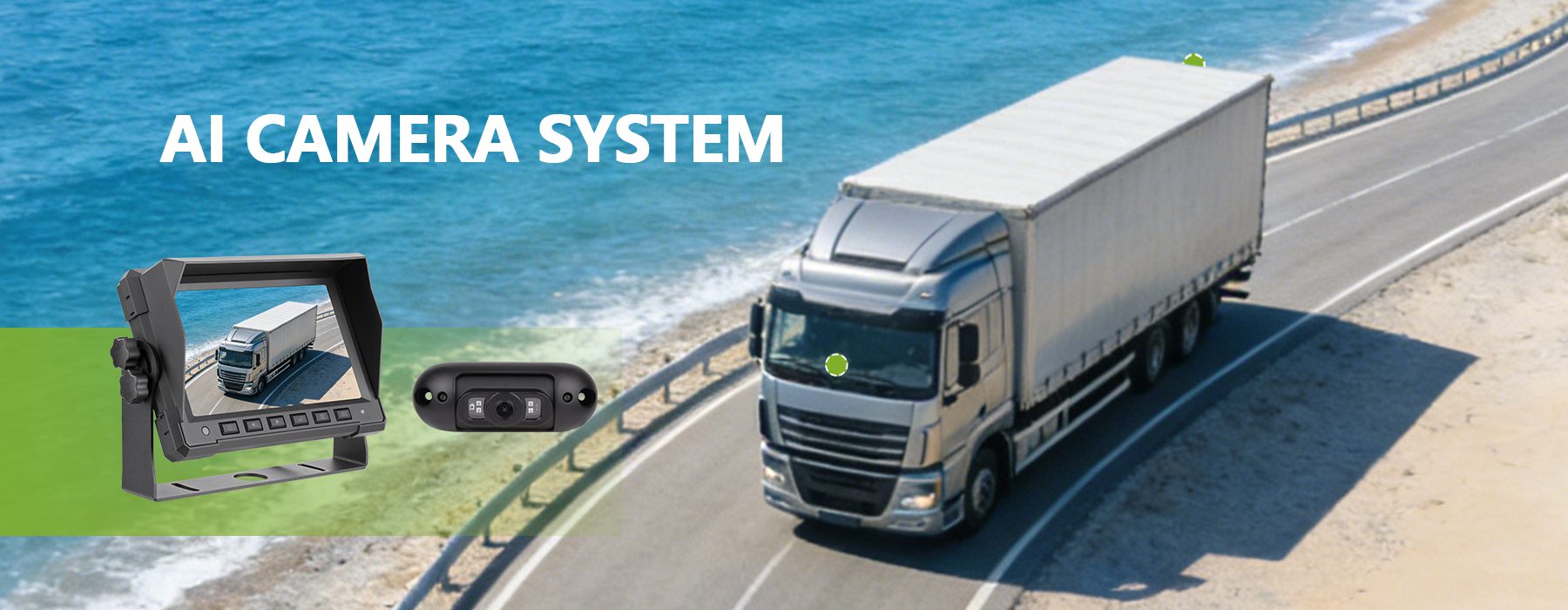
Intelligent Detection Logic in Monitoring Scenarios
In practical applications, intelligent detection depends on how image data is processed rather than raw resolution alone. Modern AI camera systems integrate onboard processing to identify vehicles, pedestrians, and vulnerable road users in defined zones. In blind spot and moving-off monitoring scenarios, an AI camera photography system supports continuous analysis of surrounding environments without increasing driver workload. Our R151/R159 compliant AI camera solution is designed for BSIS and MOIS applications, where pedestrian and vehicle detection accuracy must align with operational safety requirements. By focusing on object classification and alert logic, the system supports monitoring tasks without relying on cloud connectivity, which is important for commercial fleets operating in diverse conditions.
System Performance and Deployment Considerations
Beyond detection capability, long-term performance is a critical factor for professional users. An AI camera systems architecture must maintain stable operation under vibration, temperature variation, and extended duty cycles. In our development approach, we emphasize hardware reliability and algorithm consistency so that an AI camera photography system can deliver predictable results over time. The R151/R159 compliant model supports standardized interfaces for integration into existing safety architectures, helping engineering teams reduce redesign effort. When deployed in monitoring applications, consistent image output and detection response contribute to system trust, especially in regulated environments where validation and documentation are required.
Conclusion: Applying AI Camera Systems in Professional Monitoring
For intelligent detection and monitoring applications, selecting an AI camera systems solution requires balancing perception capability with compliance and operational stability. An AI camera photography system that supports vehicle and pedestrian detection can enhance situational awareness when designed for real-world deployment rather than laboratory conditions. At Luview, we focus on practical system design that aligns with professional safety standards and integration needs. By combining structured visual data, onboard intelligence, and deployment-ready design, AI-based camera solutions can support monitoring applications without adding unnecessary complexity to existing vehicle systems.