
W jaki sposób system widoku 360 stopni poprawia bezpieczeństwo na drogach dla dużych pojazdów? Skrót

W jaki sposób system widoku 360 stopni poprawia bezpieczeństwo na drogach w przypadku dużych pojazdów?
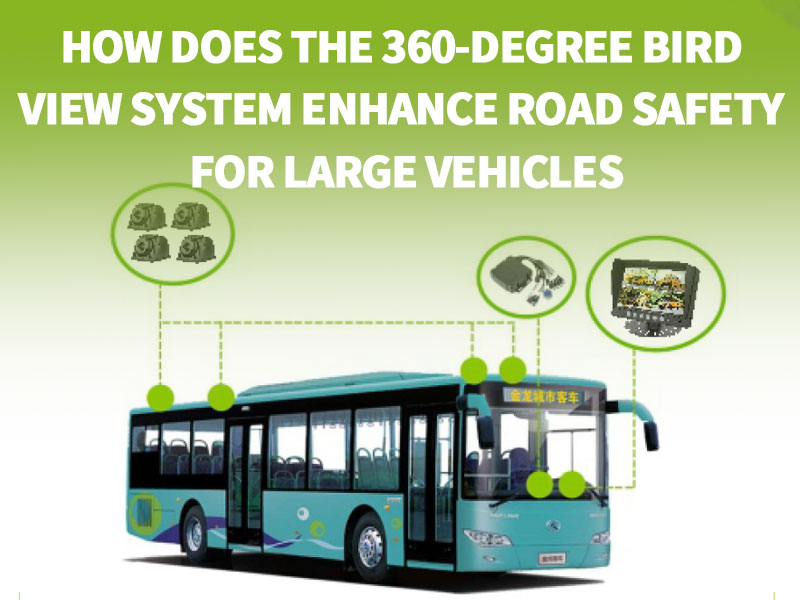
W jaki spos贸b 360-stopniowy system Bird View zwi臋ksza bezpiecze艅stwo drogowe du偶ych pojazd贸w?We współczesnym ruchu drogowym bezpieczeństwo dużych pojazdów zawsze budziło obawy. Ze względu na ich ogromne rozmiary i ograniczoną widoczność, pojazdy te często mają martwe punkty, co prowadzi do zwiększonego potencjalnego ryzyka i wypadków. Aby rozwiązać ten problem, system 360-stopniowego widoku z lotu ptaka stał się innowacyjnym rozwiązaniem zwiększającym bezpieczeństwo drogowe dużych pojazdów. W tym artykule zbadamy, w jaki sposób zastosowanie 360-stopniowego systemu widoku z lotu ptaka zapewnia kompleksowy widok, eliminuje martwe punkty i poprawia bezpieczeństwo jazdy dużymi pojazdami.

1. Panoramiczny widok 360 stopni

System 360-stopniowego widoku z lotu ptaka wykorzystuje wiele kamer zainstalowanych w kluczowych miejscach wokół pojazdu, aby zapewnić kompleksowy widok jego otoczenia. Łącząc i przetwarzając obrazy zarejestrowane przez te kamery, system generuje panoramiczny widok bez martwych punktów. Dzięki temu kierowca ma świadomość otoczenia pojazdu w czasie rzeczywistym, bez ograniczeń wynikających z martwych punktów, niezależnie od tego, czy jest to przód, tył, lewa czy prawa strona.

2. eliminacja martwych punktów

Duże pojazdy często mają martwe punkty, szczególnie z tyłu i po bokach. Dzięki systemowi 360-stopniowego widoku z lotu ptaka można skutecznie wyeliminować te martwe punkty. System przesyła obrazy otoczenia pojazdu w czasie rzeczywistym na centralny ekran wyświetlacza, umożliwiając kierowcy wyraźny widok obszaru wokół pojazdu, w tym pieszych, innych pojazdów i przeszkód znajdujących się w pobliżu. Umożliwia to kierowcy dokonywanie dokładniejszych ocen otaczającego środowiska i unikanie potencjalnych kolizji i wypadków.

3. adaptacja do warunków słabego oświetlenia

System 360-stopniowego widoku z lotu ptaka odgrywa znaczącą rolę w radzeniu sobie z wyzwaniami związanymi ze słabym oświetleniem. System jest wyposażony w zaawansowaną technologię słabego oświetlenia, w tym czujniki o wysokiej czułości i kamery na podczerwień. Funkcje te zapewniają, że kierowcy mogą zachować dobrą widoczność nawet w słabo oświetlonym otoczeniu, umożliwiając im bezpieczną nawigację w nocy lub w obszarach o słabych warunkach oświetleniowych.

4. Nagrywanie i odtwarzanie w czasie rzeczywistym

System 360-stopniowego widoku z lotu ptaka jest wyposażony w funkcje nagrywania i odtwarzania w czasie rzeczywistym, umożliwiając nagrywanie i przechowywanie filmów z jazdy w celu późniejszego przeglądu i analizy. Funkcja ta okazuje się nieoceniona w przypadku wypadków lub sporów, ponieważ dostarcza cennych dowodów i ułatwia prowadzenie dochodzeń w sprawie wypadków. Kierowcy i kierownicy flot mogą przeglądać nagrane materiały, aby zbadać zachowanie pojazdu podczas jazdy, zrozumieć przyczyny wypadków i podjąć odpowiednie środki w celu zwiększenia bezpieczeństwa na drodze.

5. inteligentne funkcje wspomagające

System 360-stopniowego widoku z lotu ptaka nie tylko zapewnia kompleksowy widok, ale także zawiera inteligentne funkcje wspomagające, które dodatkowo zwiększają bezpieczeństwo dużych pojazdów na drodze. System wykorzystuje zaawansowane algorytmy i technologię rozpoznawania obrazu do wykrywania potencjalnych niebezpieczeństw i zagrożeń. Przykładowo, system może identyfikować pieszych, rowery lub inne pojazdy i ostrzegać kierowcę za pomocą ostrzeżeń wizualnych lub dźwiękowych. Ponadto system może wykrywać trajektorię pojazdu, zjazd z pasa ruchu i hamowanie awaryjne, zapewniając na czas alerty i przypomnienia, aby pomóc kierowcom uniknąć wypadków.

Wnioski

Zastosowanie systemu 360-stopniowego widoku z lotu ptaka znacznie zwiększyło bezpieczeństwo dużych pojazdów na drogach. Dzięki takim funkcjom, jak kompleksowa widoczność, eliminacja martwych punktów, adaptacja do warunków słabego oświetlenia oraz nagrywanie i odtwarzanie w czasie rzeczywistym, kierowcy są lepiej przygotowani do zrozumienia otoczenia, zmniejszenia ryzyka wypadków i poprawy ogólnego bezpieczeństwa na drodze. Zdolność systemu do adaptacji do warunków słabego oświetlenia zapewnia kierowcom dobrą widoczność nawet w słabo oświetlonych obszarach lub podczas jazdy nocą. Funkcja nagrywania i odtwarzania w czasie rzeczywistym pozwala na uzyskanie cennych dowodów i pomaga w dochodzeniach w sprawie wypadków.

Jako wiodący dostawca rozwiązań w zakresie systemów cofania z Chin, Luview oferuje doskonałe rozwiązania w zakresie 360-stopniowego widoku z lotu ptaka. Jeśli szukasz odpowiedniego dostawcy, skontaktuj się z nami pod adresem sales@luview.com więcej informacji. Wybierz Luview dla większego bezpieczeństwa na drodze!
Korzyści wynikające z instalacji systemu kamer WiFi z funkcją kopii zapasowej

Korzyści wynikające z zainstalowania systemu kamer WiFi Backup

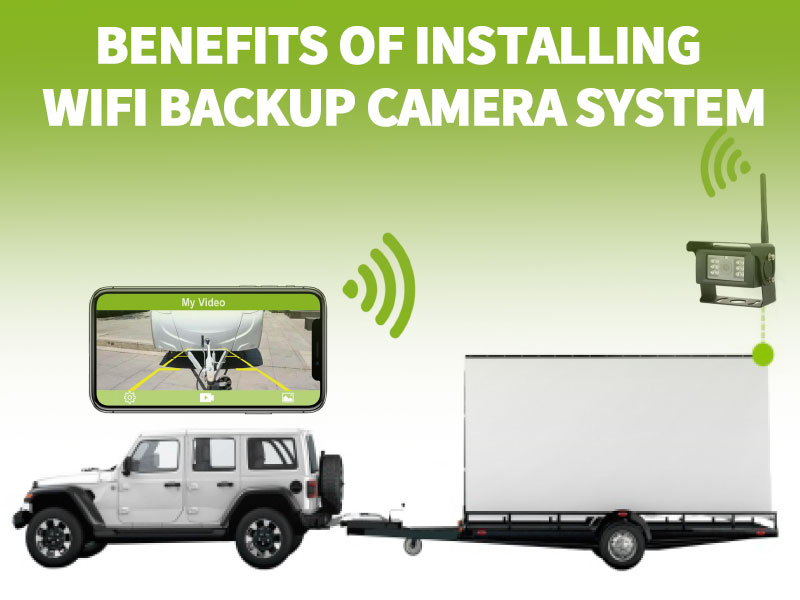
Benefits of Installing WiFi Backup Camera System插图W dzisiejszym krajobrazie technologii motoryzacyjnej systemy kamer cofania WiFi stają się coraz bardziej popularne. Technologia ta nie tylko zwiększa bezpieczeństwo kierowców, ale także zapewnia dodatkową wygodę. W tym artykule zbadamy korzyści płynące z instalacji systemów kamer cofania WiFi i dlaczego stały się one kluczowe w nowoczesnych pojazdach.
1. Zwiększone bezpieczeństwo

Jedną z najważniejszych zalet instalacji systemu kamer cofania WiFi jest poprawa bezpieczeństwa. Podczas cofania kierowcy często napotykają martwe punkty, które utrudniają im widoczność tylnego otoczenia. Instalując system kamery cofania WiFi, kierowcy mogą monitorować i obserwować tył swojego pojazdu w czasie rzeczywistym, unikając kolizji z innymi pojazdami, pieszymi lub przeszkodami. Funkcja ta jest szczególnie przydatna podczas poruszania się po wąskich miejscach parkingowych, zatłoczonych ulicach miasta lub podczas cofania w ciasnych miejscach. Szerokokątny widok kamery i linie prowadzące pomagają kierowcom dokładnie ocenić położenie pojazdu i odległość, zmniejszając ryzyko wypadków.

2. Parking Assist

The parking assistance feature is another significant advantage of the WiFi backup camera system. This system provides excellent assistance, making the parking process more accurate and safe. By continuously monitoring the surrounding environment, the system can detect potential obstacles during parking and avoid collision risks. Whether it’s parallel parking or perpendicular parking, the WiFi backup camera system demonstrates its outstanding assistance capabilities. For drivers, this means they can confidently maneuver their vehicle in tight parking spaces without worrying about unnecessary contact with surrounding vehicles or obstacles. This convenience not only improves parking efficiency but also reduces the risk of accidents that may occur during the parking process.

3. Convenient Driving Experience

WiFi backup camera systems offer a convenient driving experience compared to traditional rearview mirrors. While rearview mirrors provide limited visibility, WiFi backup cameras transmit real-time video footage of the vehicle’s rear directly to a smartphone or car display. This allows drivers to have a clear view of the rear surroundings, especially in low-light conditions or during nighttime driving. Additionally, some WiFi camera systems come with helpful features such as distance alerts and obstacle warnings, further enhancing convenience and safety while driving.

4. Easy Installation

Another significant advantage of WiFi backup camera systems is their ease of installation. Unlike traditional wired camera systems, WiFi systems do not require complex wiring or drilling. The cameras can be easily mounted on the rear of the vehicle, and they connect wirelessly to smartphones or car displays. This installation method saves time, reduces costs, and maintains the overall neatness of the vehicle’s interior. Drivers have the option to install WiFi backup camera systems themselves or seek professional help for installation.

5. Increase driving confidence

WiFi backup camera systems can boost drivers’ confidence on the road. With the help of real-time video and assistance features, drivers can effortlessly perform reverse maneuvers, minimizing unnecessary hesitation and anxiety. This aspect is particularly valuable for novice drivers or those who have had limited driving experience. By using WiFi backup camera systems, drivers can navigate various reverse scenarios with increased confidence, thus enhancing the overall comfort and reliability of their driving experience.

Wnioski

The installation of a WiFi backup camera system brings numerous benefits to drivers. It not only provides added safety and convenience but also boosts confidence while driving. With advancing technology, WiFi backup camera systems are playing an ever-increasing role in the automotive industry. Whether for new or older vehicles, installing a WiFi backup camera system is a worthwhile improvement that offers a better driving experience and assurance. Consider the benefits mentioned above and make a choice that prioritizes safety, convenience, and confidence on the road.

Are you in search of a high-quality, technologically advanced WiFi rearview camera system? Look no further! With over 17 years of industry experience and an exceptional product lineup, Luview is ready to meet your needs. Take the first step in our partnership by sending an email to sales@luview.com. Let’s embark on this journey together!

Wybór odpowiedniego systemu wykrywania martwego pola: przewodnik 缩略图

Wybór odpowiedniego systemu wykrywania martwego pola: przewodnik

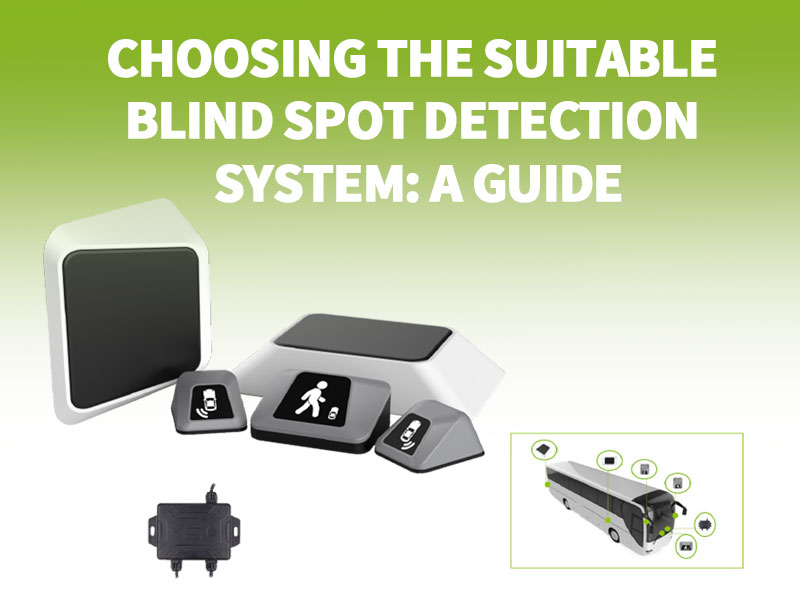
Choosing the Suitable Blind Spot Detection System: A Guide插图In modern traffic, blind-spot accidents are a common and dangerous type of traffic incident. To enhance driving safety, an increasing number of vehicles are equipped with blind-spot detection systems. However, in the market, there are numerous types and brands of blind-spot detection systems, making it not an easy task to choose a system suitable for one’s own vehicle. This article will explore how to select a blind-spot detection system that is suitable for a vehicle, ensuring safety during the driving process.

1. The Danger of Blind-Spot Accidents

The danger of blind-spot accidents cannot be overlooked in modern traffic. These accidents occur in areas not directly observable by drivers, increasing the risk of collisions, especially during lane changes, merging, or reversing. Furthermore, blind-spot accidents may pose a threat to the safety of pedestrians and cyclists, particularly at intersections and during reversing maneuvers. Accidents at intersections, reversing incidents, and hazards during lane changes are closely associated with blind spots.
To mitigate the occurrence of such accidents, vehicle manufacturers adopt technological solutions such as blind-spot detection systems and continuously improve vehicle designs to enhance visibility. Additionally, driver training and attentiveness play crucial roles in reducing blind-spot accidents. By comprehensively implementing these measures, we can effectively elevate the level of traffic safety, minimizing the potential threats posed by blind-spot accidents to drivers and other road users.

2. Types of Blind-Spot Detection Systems

Blind-spot detection systems come in a variety of types, utilizing different technologies to provide additional driving assistance. Radar systems use wireless radar signals to monitor the surrounding environment, while camera systems offer real-time video imagery, particularly useful for visual assistance during reversing or lane-changing maneuvers. Ultrasonic systems measure distances using ultrasonic sensors and emit sound or visual warnings. Additionally, integrated systems combine multiple technologies to provide more comprehensive blind-spot monitoring. Each system has unique advantages and limitations, and selecting a system suitable for a vehicle requires considering factors such as accuracy, coverage, response speed, and real-world performance during driving. Choosing the right system involves considering the type of vehicle and individual preferences.

3. Applicable Vehicle Types and Sizes

Blind-spot detection systems are widely applicable across various vehicle types, especially proving crucial for compact cars, SUVs, trucks, and large commercial vehicles that may face significant blind-spot challenges during driving. These systems, employing visual, radar, or ultrasonic technologies, effectively provide additional warnings to drivers during maneuvers like reversing and lane changes, thereby reducing the potential risk of traffic accidents. When selecting a blind-spot alert system tailored to a specific vehicle type, it is recommended to consider the vehicle’s size and design structure. This involves evaluating the system’s coverage range and sensor placement to ensure optimal driving safety.

4. Considerations for Budget Range

When choosing a blind-spot detection system, several factors need to be considered that impact the budget range. The vehicle model, manufacturer, technology type, and system functionality are the primary factors influencing costs. Luxury vehicle models often come equipped with more advanced safety technology, leading to potentially higher system costs. Different technology types also affect prices, for instance, radar-based systems may be more expensive, while ultrasonic-based ones might be more cost-effective. Advanced features like automatic braking, lane-keeping assistance, etc., can elevate system prices. OEM-installed systems are typically more tightly integrated and may be more expensive. Additionally, market competition and supplier choices can also influence prices. Taking into account both safety requirements and financial constraints, it is crucial to choose a system that aligns with individual needs and driving environments. This investment often enhances driving safety and reduces the potential risk of accidents.

5. Installation Difficulty and Methods

The installation difficulty and methods of blind-spot detection systems vary depending on the vehicle model, system type, and whether it is factory-installed or an aftermarket installation. Factory-installed systems are typically completed by professional technicians during the vehicle manufacturing process, simplifying the installation process. Aftermarket installations may involve more complex steps, depending on the chosen system type and location. This could include the installation of cameras, radar, or ultrasonic sensors, as well as connections to the vehicle’s electrical system. For individuals not familiar with automotive systems, it is advisable to seek professional installation services to ensure the correct installation and proper functioning of the system. This helps enhance safety and reduces potential issues.

6. Technical Reliability and Accuracy

The technical reliability and accuracy are critical differences among various types of blind-spot detection systems. This involves aspects such as the visual recognition capabilities of cameras and the perceptual accuracy of radar. To ensure effective operation in complex traffic environments, users need to choose systems with higher technical reliability and accuracy based on their specific needs and use cases. In this selection process, understanding the technical details of different systems, such as camera resolution and algorithm optimization, radar detection range, and accuracy, will be crucial. Through careful selection, users can ensure that their blind-spot detection systems operate reliably in various situations, enhancing driving safety.

7. Functional Requirements

When selecting a blind spot detection system, users need to consider not only technical reliability and accuracy but also the system’s functional requirements. Different systems offer various warning methods, such as visual, auditory, or vibration alerts. Some systems also have data recording and analysis capabilities, providing detailed information about driving behavior and blind spot events. Users can choose a system that best suits their preferences and driving habits based on these features. For example, drivers who prefer visual alerts may opt for clear and visible indicators, while users interested in data analysis may prefer systems that provide detailed records. Additional features such as automatic sensitivity adjustment, wireless connectivity, and integration with smartphones are also factors to consider, enhancing the convenience and user experience of the system. Therefore, by comprehensively considering both technical features and functional needs, users can better choose a blind spot detection system that aligns with their driving habits and preferences.

8. Compatibility Considerations

When selecting a blind-spot detection system, it is crucial to consider its compatibility with different vehicle years and models. Ensuring smooth integration and proper functionality is of utmost importance. Additionally, users should also pay attention to whether the system supports upgrades and updates to adapt to evolving technology and regulatory requirements. This helps guarantee the long-term availability and adaptability of the system. Therefore, compatibility is a critical factor to consider when choosing a blind-spot detection system, directly impacting its effectiveness on specific vehicles and future maintainability.

9. Compliance with Regulations and Standards

When choosing a blind-spot detection system, users must ensure that the selected system complies with local regulatory requirements and standards. Different regions may have specific certification requirements for such systems, so it is crucial to understand local regulations and opt for a system that meets the applicable standards. This helps ensure the legality and safety of driving, enhancing the overall reliability of the driving experience.

Wnioski

When selecting a blind-spot detection system suitable for a vehicle, it is necessary to consider the above factors comprehensively, weighing the pros and cons to make informed decisions. The role of a blind-spot detection system extends beyond improving driving safety, it also helps reduce the likelihood of accidents. By making a reasonable choice of a blind-spot detection system, we can enjoy the pleasure of driving with greater peace of mind and ensure the traffic safety of ourselves and others.
For ensuring a safe, blind-spot-free driving experience, Luview is your ideal partner for automotive blind-spot detection systems! We specialize in the research and manufacturing of high-quality automotive rearview systems and surveillance video solutions, assisting you in every drive without worries. Take action now, seize safety assurance, and contact us for more customized services and product details at sales@luview.com. Let Luview escort your journey with confidence!