Korzyści wynikające z instalacji systemu kamer WiFi z funkcją kopii zapasowej

Korzyści wynikające z zainstalowania systemu kamer WiFi Backup
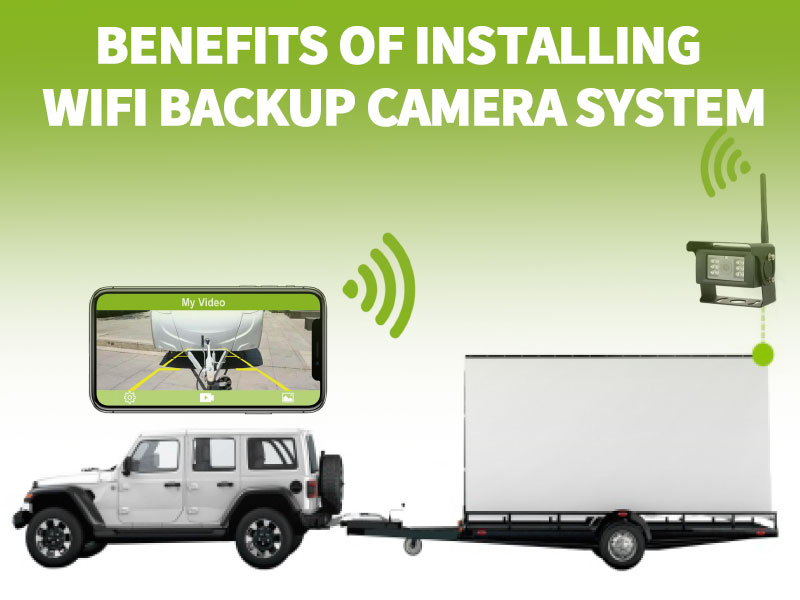
Benefits of Installing WiFi Backup Camera System插图W dzisiejszym krajobrazie technologii motoryzacyjnej systemy kamer cofania WiFi stają się coraz bardziej popularne. Technologia ta nie tylko zwiększa bezpieczeństwo kierowców, ale także zapewnia dodatkową wygodę. W tym artykule zbadamy korzyści płynące z instalacji systemów kamer cofania WiFi i dlaczego stały się one kluczowe w nowoczesnych pojazdach.

1. Zwiększone bezpieczeństwo

Jedną z najważniejszych zalet instalacji systemu kamer cofania WiFi jest poprawa bezpieczeństwa. Podczas cofania kierowcy często napotykają martwe punkty, które utrudniają im widoczność tylnego otoczenia. Instalując system kamery cofania WiFi, kierowcy mogą monitorować i obserwować tył swojego pojazdu w czasie rzeczywistym, unikając kolizji z innymi pojazdami, pieszymi lub przeszkodami. Funkcja ta jest szczególnie przydatna podczas poruszania się po wąskich miejscach parkingowych, zatłoczonych ulicach miasta lub podczas cofania w ciasnych miejscach. Szerokokątny widok kamery i linie prowadzące pomagają kierowcom dokładnie ocenić położenie pojazdu i odległość, zmniejszając ryzyko wypadków.

2. Parking Assist

The parking assistance feature is another significant advantage of the WiFi backup camera system. This system provides excellent assistance, making the parking process more accurate and safe. By continuously monitoring the surrounding environment, the system can detect potential obstacles during parking and avoid collision risks. Whether it’s parallel parking or perpendicular parking, the WiFi backup camera system demonstrates its outstanding assistance capabilities. For drivers, this means they can confidently maneuver their vehicle in tight parking spaces without worrying about unnecessary contact with surrounding vehicles or obstacles. This convenience not only improves parking efficiency but also reduces the risk of accidents that may occur during the parking process.

3. Convenient Driving Experience

WiFi backup camera systems offer a convenient driving experience compared to traditional rearview mirrors. While rearview mirrors provide limited visibility, WiFi backup cameras transmit real-time video footage of the vehicle’s rear directly to a smartphone or car display. This allows drivers to have a clear view of the rear surroundings, especially in low-light conditions or during nighttime driving. Additionally, some WiFi camera systems come with helpful features such as distance alerts and obstacle warnings, further enhancing convenience and safety while driving.

4. Easy Installation

Another significant advantage of WiFi backup camera systems is their ease of installation. Unlike traditional wired camera systems, WiFi systems do not require complex wiring or drilling. The cameras can be easily mounted on the rear of the vehicle, and they connect wirelessly to smartphones or car displays. This installation method saves time, reduces costs, and maintains the overall neatness of the vehicle’s interior. Drivers have the option to install WiFi backup camera systems themselves or seek professional help for installation.

5. Increase driving confidence

WiFi backup camera systems can boost drivers’ confidence on the road. With the help of real-time video and assistance features, drivers can effortlessly perform reverse maneuvers, minimizing unnecessary hesitation and anxiety. This aspect is particularly valuable for novice drivers or those who have had limited driving experience. By using WiFi backup camera systems, drivers can navigate various reverse scenarios with increased confidence, thus enhancing the overall comfort and reliability of their driving experience.

Wnioski

The installation of a WiFi backup camera system brings numerous benefits to drivers. It not only provides added safety and convenience but also boosts confidence while driving. With advancing technology, WiFi backup camera systems are playing an ever-increasing role in the automotive industry. Whether for new or older vehicles, installing a WiFi backup camera system is a worthwhile improvement that offers a better driving experience and assurance. Consider the benefits mentioned above and make a choice that prioritizes safety, convenience, and confidence on the road.

Are you in search of a high-quality, technologically advanced WiFi rearview camera system? Look no further! With over 17 years of industry experience and an exceptional product lineup, Luview is ready to meet your needs. Take the first step in our partnership by sending an email to sales@luview.com. Let’s embark on this journey together!

Zalety systemu kamer hamulcowych 缩略图

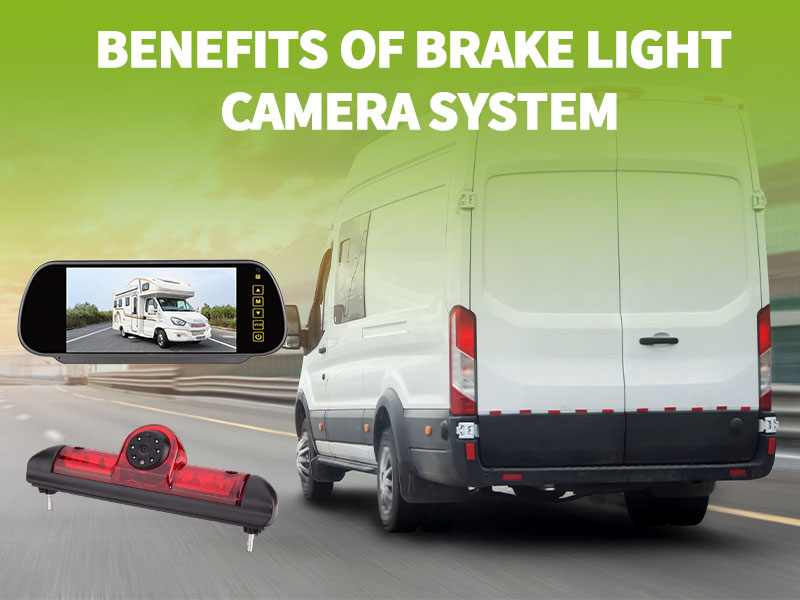
Zalety systemu kamer świateł hamowania

Benefits of Brake Light Camera System插图In today’s era of rapidly advancing automotive technology, the brake light camera system, as one of the advanced safety technologies, is gradually attracting people’s attention. This system provides drivers with more comprehensive and advanced protection in terms of road safety, parking assistance, driving experience, accident evidence, convenience, and cost-effectiveness. Let’s explore the excellent features of the brake light camera system together.
Enhancing road safety

The brake light camera system plays a crucial role in enhancing road safety. By monitoring the rear environment of vehicles in real-time, the system can quickly detect obstacles and prevent accidents before potential collisions occur, significantly improving the safety of road travel. This technology demonstrates exceptional performance, especially in adverse weather conditions, helping drivers have a clearer perception of their surroundings and effectively reducing the risk of accidents caused by weather. With its responsiveness and reliability in different weather conditions, the brake light camera system becomes a powerful safety assistant, providing drivers with comprehensive road protection.

Parking Assist Feature

The parking assist feature is another significant advantage of the brake light camera system. This system plays a crucial role in precise parking by providing excellent assistance to drivers, making the parking process more accurate and safe. By monitoring the surrounding environment of the vehicle in real-time, the system can detect potential obstacles during the parking process, avoiding the risk of potential collisions. Whether it is parallel parking or perpendicular parking, the brake light camera system demonstrates its exceptional assisting capability. For drivers, this means they can confidently perform parking maneuvers in narrow parking spaces without worrying about unnecessary contact with surrounding vehicles or obstacles. This convenience not only improves parking efficiency but also reduces the risk of accidents that may occur during the parking process.

Enhancement of Driving Experience

The role of the brake light camera system goes beyond enhancing road safety and assisting in parking. It also plays a crucial role in enhancing the driving experience. By monitoring the rear environment of the vehicle in real-time, the system effectively reduces the stress on drivers and provides a higher sense of driving security. Drivers can have a clearer understanding of the surrounding conditions, and the seamless integration of the system with other safety features creates a comprehensive driving experience for them. This comprehensive protection and intelligent driving assistance enable drivers to drive with more confidence and comfort, enhancing the overall enjoyment and convenience of the driving process. The brake light camera system is not just a safety technology but a key driving companion that brings driving pleasure and convenience to drivers.

Acquiring Accident Evidence

The automatic recording feature of the brake light camera system provides an efficient and reliable means of acquiring accident evidence, greatly simplifying the claims process and providing credible evidence for insurance claims. By monitoring the vehicle’s driving condition, the system records the occurrence of accidents and unexpected events in real-time, capturing crucial image and video information. This feature not only helps determine liability and the sequence of events, enhancing the fairness and efficiency of claims, but it also effectively protects drivers from fraudulent activities. After an accident, the recorded objective evidence becomes crucial support during the claims process, reducing the possibility of disputes and controversies. Additionally, this technology helps deter fraudulent behavior as the recorded real-time information is difficult to tamper with, providing insurance companies with a more trustworthy source of data. Overall, the powerful capability of the brake light camera system in acquiring accident evidence provides drivers with comprehensive insurance support, enabling them to face unpredictable events on the road with greater confidence.

Convenience and Connectivity

The integration of the brake light camera system with mobile applications enables convenient features such as remote monitoring and real-time risk alerts, allowing drivers to have instant access to their vehicle’s status and enhancing the convenience and safety of driving. Moreover, its seamless connectivity with other intelligent vehicle systems elevates the overall intelligence of the vehicle. By working in harmony with other systems, it provides more comprehensive and intelligent services and management, offering drivers a more convenient and advanced driving experience.

Cost-effective Safety Solution

The brake light camera system not only provides substantial safety assurance for drivers but also demonstrates significant cost-effectiveness on an economic level. Its automatic recording feature provides reliable evidence for insurance claims, potentially reducing insurance expenditure and offering economic advantages to vehicle owners. More importantly, this system effectively prevents costly collisions and repair expenses through real-time monitoring and driving assistance features, reducing the likelihood of vehicle damage and extending the vehicle’s lifespan. Therefore, the brake light camera system not only prioritizes driver safety but also creates long-term economic benefits for vehicle owners, making it a comprehensive and valuable investment in vehicle safety.

Wnioski

In conclusion, the brake light camera system offers outstanding advantages in enhancing road safety as well as in driving experience, parking assistance, accident evidence acquisition, convenience, and cost-effectiveness. Choosing to install such a system will provide drivers with a new level of safety experience. Luview, as a high-quality supplier of brake light camera systems, is worth your serious consideration. For more information, please contact sales@luview.com to select excellent safety protection for your vehicle.

Wybór odpowiedniego systemu wykrywania martwego pola: przewodnik 缩略图

Wybór odpowiedniego systemu wykrywania martwego pola: przewodnik

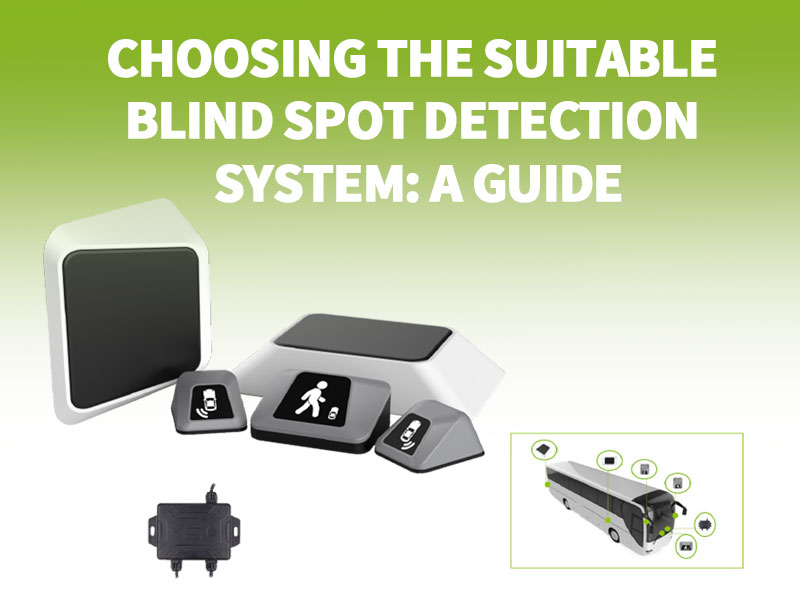
Choosing the Suitable Blind Spot Detection System: A Guide插图In modern traffic, blind-spot accidents are a common and dangerous type of traffic incident. To enhance driving safety, an increasing number of vehicles are equipped with blind-spot detection systems. However, in the market, there are numerous types and brands of blind-spot detection systems, making it not an easy task to choose a system suitable for one’s own vehicle. This article will explore how to select a blind-spot detection system that is suitable for a vehicle, ensuring safety during the driving process.
1. The Danger of Blind-Spot Accidents

The danger of blind-spot accidents cannot be overlooked in modern traffic. These accidents occur in areas not directly observable by drivers, increasing the risk of collisions, especially during lane changes, merging, or reversing. Furthermore, blind-spot accidents may pose a threat to the safety of pedestrians and cyclists, particularly at intersections and during reversing maneuvers. Accidents at intersections, reversing incidents, and hazards during lane changes are closely associated with blind spots.
To mitigate the occurrence of such accidents, vehicle manufacturers adopt technological solutions such as blind-spot detection systems and continuously improve vehicle designs to enhance visibility. Additionally, driver training and attentiveness play crucial roles in reducing blind-spot accidents. By comprehensively implementing these measures, we can effectively elevate the level of traffic safety, minimizing the potential threats posed by blind-spot accidents to drivers and other road users.

2. Types of Blind-Spot Detection Systems

Blind-spot detection systems come in a variety of types, utilizing different technologies to provide additional driving assistance. Radar systems use wireless radar signals to monitor the surrounding environment, while camera systems offer real-time video imagery, particularly useful for visual assistance during reversing or lane-changing maneuvers. Ultrasonic systems measure distances using ultrasonic sensors and emit sound or visual warnings. Additionally, integrated systems combine multiple technologies to provide more comprehensive blind-spot monitoring. Each system has unique advantages and limitations, and selecting a system suitable for a vehicle requires considering factors such as accuracy, coverage, response speed, and real-world performance during driving. Choosing the right system involves considering the type of vehicle and individual preferences.

3. Applicable Vehicle Types and Sizes

Blind-spot detection systems are widely applicable across various vehicle types, especially proving crucial for compact cars, SUVs, trucks, and large commercial vehicles that may face significant blind-spot challenges during driving. These systems, employing visual, radar, or ultrasonic technologies, effectively provide additional warnings to drivers during maneuvers like reversing and lane changes, thereby reducing the potential risk of traffic accidents. When selecting a blind-spot alert system tailored to a specific vehicle type, it is recommended to consider the vehicle’s size and design structure. This involves evaluating the system’s coverage range and sensor placement to ensure optimal driving safety.

4. Considerations for Budget Range

When choosing a blind-spot detection system, several factors need to be considered that impact the budget range. The vehicle model, manufacturer, technology type, and system functionality are the primary factors influencing costs. Luxury vehicle models often come equipped with more advanced safety technology, leading to potentially higher system costs. Different technology types also affect prices, for instance, radar-based systems may be more expensive, while ultrasonic-based ones might be more cost-effective. Advanced features like automatic braking, lane-keeping assistance, etc., can elevate system prices. OEM-installed systems are typically more tightly integrated and may be more expensive. Additionally, market competition and supplier choices can also influence prices. Taking into account both safety requirements and financial constraints, it is crucial to choose a system that aligns with individual needs and driving environments. This investment often enhances driving safety and reduces the potential risk of accidents.

5. Installation Difficulty and Methods

The installation difficulty and methods of blind-spot detection systems vary depending on the vehicle model, system type, and whether it is factory-installed or an aftermarket installation. Factory-installed systems are typically completed by professional technicians during the vehicle manufacturing process, simplifying the installation process. Aftermarket installations may involve more complex steps, depending on the chosen system type and location. This could include the installation of cameras, radar, or ultrasonic sensors, as well as connections to the vehicle’s electrical system. For individuals not familiar with automotive systems, it is advisable to seek professional installation services to ensure the correct installation and proper functioning of the system. This helps enhance safety and reduces potential issues.

6. Technical Reliability and Accuracy

The technical reliability and accuracy are critical differences among various types of blind-spot detection systems. This involves aspects such as the visual recognition capabilities of cameras and the perceptual accuracy of radar. To ensure effective operation in complex traffic environments, users need to choose systems with higher technical reliability and accuracy based on their specific needs and use cases. In this selection process, understanding the technical details of different systems, such as camera resolution and algorithm optimization, radar detection range, and accuracy, will be crucial. Through careful selection, users can ensure that their blind-spot detection systems operate reliably in various situations, enhancing driving safety.

7. Functional Requirements

When selecting a blind spot detection system, users need to consider not only technical reliability and accuracy but also the system’s functional requirements. Different systems offer various warning methods, such as visual, auditory, or vibration alerts. Some systems also have data recording and analysis capabilities, providing detailed information about driving behavior and blind spot events. Users can choose a system that best suits their preferences and driving habits based on these features. For example, drivers who prefer visual alerts may opt for clear and visible indicators, while users interested in data analysis may prefer systems that provide detailed records. Additional features such as automatic sensitivity adjustment, wireless connectivity, and integration with smartphones are also factors to consider, enhancing the convenience and user experience of the system. Therefore, by comprehensively considering both technical features and functional needs, users can better choose a blind spot detection system that aligns with their driving habits and preferences.

8. Compatibility Considerations

When selecting a blind-spot detection system, it is crucial to consider its compatibility with different vehicle years and models. Ensuring smooth integration and proper functionality is of utmost importance. Additionally, users should also pay attention to whether the system supports upgrades and updates to adapt to evolving technology and regulatory requirements. This helps guarantee the long-term availability and adaptability of the system. Therefore, compatibility is a critical factor to consider when choosing a blind-spot detection system, directly impacting its effectiveness on specific vehicles and future maintainability.

9. Compliance with Regulations and Standards

When choosing a blind-spot detection system, users must ensure that the selected system complies with local regulatory requirements and standards. Different regions may have specific certification requirements for such systems, so it is crucial to understand local regulations and opt for a system that meets the applicable standards. This helps ensure the legality and safety of driving, enhancing the overall reliability of the driving experience.

Wnioski

When selecting a blind-spot detection system suitable for a vehicle, it is necessary to consider the above factors comprehensively, weighing the pros and cons to make informed decisions. The role of a blind-spot detection system extends beyond improving driving safety, it also helps reduce the likelihood of accidents. By making a reasonable choice of a blind-spot detection system, we can enjoy the pleasure of driving with greater peace of mind and ensure the traffic safety of ourselves and others.
For ensuring a safe, blind-spot-free driving experience, Luview is your ideal partner for automotive blind-spot detection systems! We specialize in the research and manufacturing of high-quality automotive rearview systems and surveillance video solutions, assisting you in every drive without worries. Take action now, seize safety assurance, and contact us for more customized services and product details at sales@luview.com. Let Luview escort your journey with confidence!

Przewodnik po wyborze kamery noszonej na ciele缩略图

Przewodnik po wyborze kamery noszonej na ciele

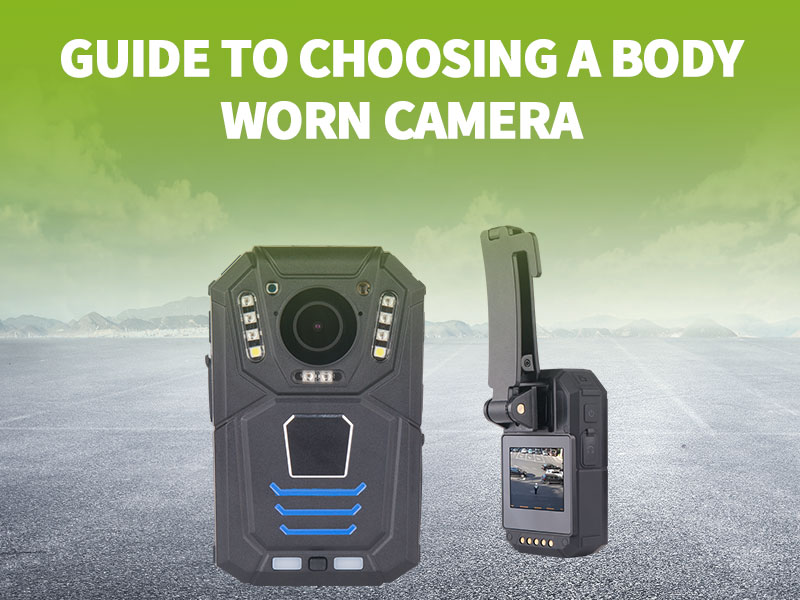
Guide to Choosing a Body Worn Camera插图W nowoczesnej pracy organów ścigania kamery noszone na ciele stały się niezbędnym narzędziem. Nie tylko dostarczają obiektywnych dowodów, ale także przyczyniają się do zachowania uczciwości i przejrzystości. Jednak w obliczu wielu marek i modeli kamer noszonych na ciele na rynku, wybór urządzenia, które spełnia wymagania pracy, może być przytłaczający. Aby pomóc ci w podjęciu świadomej decyzji, oto przewodnik dotyczący wyboru kamery noszonej na ciele.
Wprowadzenie

Stosowanie kamer noszonych na ciele w organach ścigania stało się powszechnym trendem. Dokumentując działania organów ścigania, urządzenie to zapewnia funkcjonariuszom potężne środki ochrony, jednocześnie zwiększając przejrzystość ich pracy.

1. Uwzględnienie kluczowych cech

Wybierając kamerę noszoną na ciele, należy przede wszystkim wziąć pod uwagę jej kluczowe cechy. Rozdzielczość i jakość wideo decydują o wyrazistości nagrań, a szerokie pole widzenia zapewnia kompleksowy zasięg. Ponadto, wydajność przy słabym oświetleniu i żywotność baterii są również kluczowymi czynnikami.

2. Przechowywanie i zarządzanie danymi

Wybór kamery noszonej na ciele z solidnymi możliwościami przechowywania i zarządzania danymi jest równie ważny. Pamięć wewnętrzna i opcje zewnętrzne, przechowywanie w chmurze, a także szyfrowanie danych i funkcje bezpieczeństwa - wszystko to należy dokładnie rozważyć.

3. Trwałość i konstrukcja

Biorąc pod uwagę często złożone i wymagające środowisko pracy pracowników organów ścigania, trwałość i konstrukcja sprzętu są szczególnie istotne. Wybór kamery noszonej na ciele, która jest odporna na uderzenia, wodoodporna, pyłoszczelna i solidnie zaprojektowana, zapewnia niezawodne działanie w różnych okolicznościach.

4. Łatwość użytkowania

Kamera noszona na ciele, która jest łatwa w użyciu, może zwiększyć wydajność pracowników organów ścigania. Upewnij się, że urządzenie ma intuicyjny interfejs użytkownika i elementy sterujące, a także dobrą kompatybilność z istniejącymi systemami. Ponadto należy rozważyć prostotę procesu szkolenia.

5. Opcje łączności

Nowoczesna praca organów ścigania wymaga urządzeń z zaawansowanymi opcjami łączności. Funkcje bezprzewodowe, takie jak Wi-Fi i Bluetooth, kompatybilność ze smartfonami lub innymi urządzeniami oraz funkcje zdalnego dostępu i kontroli to czynniki, które przyczyniają się do wygodniejszego przepływu pracy.

6. Kwestie budżetowe

Przy wyborze kamery noszonej na ciele, budżet jest również kluczowym czynnikiem, który należy wziąć pod uwagę. Ważne jest, aby znaleźć równowagę między początkowym kosztem sprzętu a długoterminowymi wydatkami na konserwację, zapewniając dobrą równowagę między jakością a przystępną ceną.

7. Kwestie prawne i zgodności z przepisami

Wraz z powszechnym przyjęciem kamer noszonych na ciele, kwestie związane z legalnością i zgodnością stają się coraz bardziej istotne. Upewnij się, że wybrany sprzęt jest zgodny z lokalnymi przepisami i regulacjami, a jednocześnie uwzględnia kwestie prywatności i zawiera funkcje usuwania, aby złagodzić potencjalne kwestie prawne.

8. Reputacja marki i recenzje

Przy wyborze kamery noszonej na ciele, reputacja marki i opinie użytkowników są kluczowymi czynnikami pozwalającymi zrozumieć wydajność urządzenia. Prowadzenie dogłębnych badań na temat różnych marek, czytanie recenzji użytkowników i szukanie rekomendacji może zapewnić cenny wgląd w rzeczywistą wydajność sprzętu.

9. Obsługa klienta i gwarancja

Wreszcie, upewnij się, że wybrana marka kamer noszonych na ciele oferuje doskonałą obsługę klienta i rozsądną politykę gwarancyjną. Zrozumienie opcji aktualizacji urządzenia i wsparcia oprogramowania jest niezbędne, aby zagwarantować stabilność sprzętu podczas użytkowania.

Wnioski

Przy wyborze kamery noszonej na ciele kluczowe znaczenie ma kompleksowe rozważenie powyższych czynników. Kamera noszona na ciele, która spełnia wymagania pracy, wyróżnia się wydajnością i jest łatwa w użyciu, stanie się niezbędnym narzędziem w egzekwowaniu prawa. Jeśli szukasz niezawodnego dostawcy kamer noszonych na ciele, Luview jest idealnym wyborem. Prosimy o kontakt sales@luview.com aby uzyskać więcej informacji i upewnić się, że praca organów ścigania jest w dobrych rękach.

Przewodnik po wyborze kamery cofania do tablic rejestracyjnych缩略图

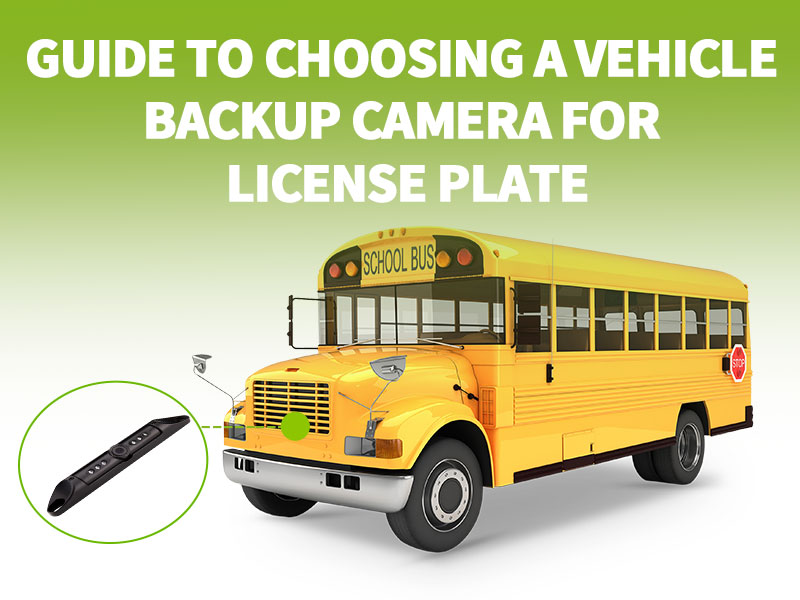
Przewodnik po wyborze kamery cofania pojazdu dla tablicy rejestracyjnej

In the rapid evolution of modern vehicle safety technologies, the backup camera has emerged as a crucial auxiliary feature, significantly enhancing the safety and convenience of reversing. However, with a plethora of backup camera options available in the market, determining the ideal camera for license plate use has become a concern for many vehicle owners. In this article, we will delve into the selection criteria for choosing a vehicle backup camera specifically designed for license plate installation.

Guide to Choosing a Vehicle Backup Camera for License Plate插图

How to choose the right license plate backup camera

1. Comprehending the functionality of backup cameras

The backup camera is like a little assistant for the vehicle, especially when reversing. It solves the problem of blind spots that we cannot see from the rear, making reversing safer. By instantly delivering a clear rear view, it prevented us from accidentally bumping into things, especially in tight spots. Moreover, the night vision function also makes reversing at night easier and is no longer affected by darkness. Cameras also make parking easier, and we can more accurately judge and avoid obstacles. In general, backup cameras are meant to make driving safer and more convenient, and are part of modern vehicle safety.

2. The importance of resolution and clarity

The resolution and clarity of a license plate backup camera are crucial for driving safety. High resolution provides clear images, enabling drivers to accurately identify obstacles in the rear and reduce the risk of collisions. Clarity also plays a role during nighttime driving and in complex parking scenarios, offering drivers a more reliable spatial perception and simplifying parking maneuvers. This not only enhances the user experience but also provides drivers with reliable assistance during critical moments, making the reversing process safer and more convenient.

3. Consideration of night vision functionality

Night vision functionality is a critical consideration for license plate backup cameras, ensuring clear imaging in low-light or complete darkness through high-sensitivity sensors and infrared assistance. Contrast adjustment, anti-glare design, and real-time responsiveness are crucial to handle various lighting conditions during nighttime driving, providing reliable assistance for reverse maneuvers in the dark. This ensures drivers feel more secure and facilitates convenience during nighttime operations.

4. Installation difficulty and methods

Considering the installation of a camera, it is important to understand whether it requires professional installation services. Some cameras are designed to be easily installed by individuals, while others may require the expertise of professional technicians. If you have limited knowledge of the vehicle’s electrical system or encounter difficulties, it is advisable to seek professional technical support or installation services.

5. Selection of waterproof ratings

When choosing a license plate backup camera, the waterproof rating is a crucial consideration as it directly impacts its stability in different weather conditions. Common waterproof ratings include IP67, IP68, and IP69K, denoting resistance to water depth, water pressure, and high-temperature high-pressure water jets, respectively. In rainy or humid environments, it’s recommended to choose a camera with at least an IP67 rating. For situations requiring frequent washing or exposure to harsh conditions, considering a higher waterproof rating like IP69K might be more suitable. Therefore, it’s important to reasonably select the camera’s waterproof rating based on actual usage and environmental conditions to ensure reliable reverse assistance in various adverse situations.

6. The importance of angle of view and coverage area

When purchasing a license plate backup camera, the angle of view and coverage area are crucial factors to consider. The camera’s angle of view determines the visible range, and choosing an appropriate angle helps in comprehensively understanding the surrounding environment while reversing, reducing blind spots. A wide coverage area provides a clear view of the reversing zone. Therefore, paying attention to the camera’s angle of view and coverage area is key to enhancing reverse safety and convenience.

7. Choice between Wireless and Wired

When selecting a license plate backup camera, you face the choice between wireless and wired connectivity. Wireless cameras eliminate the need for complex wiring, simplifying the installation process and making it more flexible and convenient. However, wired cameras typically offer more stable signal transmission, avoiding potential issues caused by wireless signal interference. Therefore, the choice between wireless and wired involves balancing convenience and stability. It depends on individual preferences and specific needs to determine whether to opt for the convenience of wireless or the reliability of a wired connection.

8. Brand reputation and user reviews as reference

When selecting a license plate backup camera, brand reputation and user reviews are crucial considerations. Reliable brands typically ensure product quality, and user reviews provide practical feedback from actual users. In addition, it’s essential to pay attention to whether the camera’s features align with personal needs, such as high-definition image quality or night vision capabilities. Considering these factors collectively can help choose a camera that best suits the vehicle and specific usage scenarios.

9. Balancing cost and value for money

When choosing a license plate backup camera, it’s essential to strike a balance between cost and value for money. While some high-end cameras may offer more advanced features, they often come with a higher price tag. Therefore, consumers should consider their individual needs and budget, weighing the relationship between the camera’s performance, durability, and price. Focusing on value for money is advantageous for obtaining a practical and economical solution, ensuring that the camera enhances driving safety without imposing an excessive financial burden.

Luview License Plate Backup Camera

The Luview license plate camera boasts an expansive 150° field of view, a high waterproof rating of IP69K, and powerful night vision capabilities (5-10m infrared distance). Additionally, it supports mirror switching and guideline control functions, making it an invaluable assistant for drivers during the reverse process. The wide field of view reduces blind spots, and the high waterproof rating ensures normal operation even in extreme weather conditions. The night vision function enhances visibility during nighttime driving. The mirror switching and guideline control functions further elevate driving convenience, enabling drivers to execute reverse maneuvers with precision. With its unique design and powerful features, the Luview license plate camera creates a more secure and convenient driving experience for users, providing peace of mind and ease during every journey.

Wnioski

When selecting a backup camera for your vehicle, it is crucial to consider multiple key factors, including the camera’s resolution, night vision capabilities, installation method, waterproof rating, field of view, connection options, and brand reputation. Through a rational comparison and careful selection, you will be able to find a backup camera that perfectly suits your vehicle, significantly enhancing driving safety and providing a convenient reverse experience.

Luview is a professional Chinese supplier of license plate backup cameras. Feel free to contact us at sales@luview.com to obtain detailed information about our products, allowing you to gain a comprehensive understanding of our professional camera solutions.

Który system kamer do wózków widłowych jest odpowiedni dla Ciebie? Bezprzewodowy czy przewodowy?

Który system kamer do wózków widłowych jest odpowiedni? Bezprzewodowy czy przewodowy?

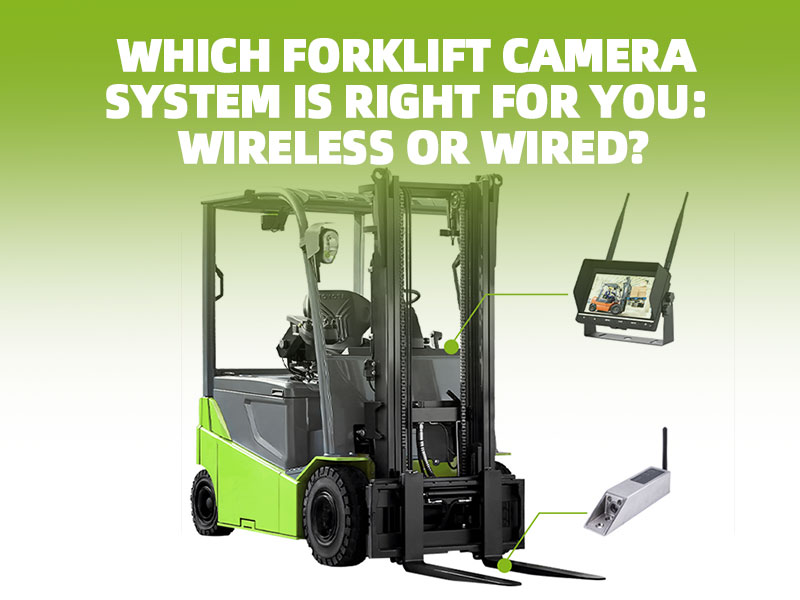
W dzisiejszym sektorze logistyki i magazynowania system kamer do wózków widłowych stał się kluczowym narzędziem zwiększającym bezpieczeństwo i wydajność operacyjną. Jednak firmy często stają przed krytyczną decyzją przy wyborze systemu kamer do wózków widłowych: czy wybrać bezprzewodowy system kamer do wózków widłowych, czy przewodowy system kamer do wózków widłowych. Poniżej przedstawimy dogłębne porównanie tych dwóch systemów, badając ich zalety i wady, a także ich zastosowanie w różnych scenariuszach.

Which Forklift Camera System is Right for You: Wireless or Wired?插图

Przewodowy system kamer do wózków widłowych

Bezprzewodowe systemy kamer do wózków widłowych oferują szereg korzyści, a jedną z nich jest wysoki poziom elastyczności. Ze względu na brak ograniczeń związanych z okablowaniem, firmy mogą swobodniej instalować i dostosowywać pozycje kamer, dostosowując je do różnych scenariuszy pracy. Elastyczność ta jest szczególnie istotna w dynamicznych środowiskach, w których wymagany jest częsty ruch kamery. Ponadto instalacja systemów bezprzewodowych jest stosunkowo prosta, co zmniejsza koszty konserwacji.

Systemy bezprzewodowe mają jednak również pewne wady. Na stabilność sygnału mogą wpływać zakłócenia zewnętrzne, co prowadzi do mniej stabilnego sygnału wideo. Ponadto niektóre systemy bezprzewodowe mogą wymagać częstszej wymiany baterii, co potencjalnie zwiększa koszty operacyjne.

Przewodowy system kamer do wózków widłowych

Względnie rzecz biorąc, przewodowe systemy kamer do wózków widłowych zapewniają bardziej stabilny sygnał. Dzięki połączeniom przewodowym systemy te są mniej podatne na zakłócenia zewnętrzne, zapewniając ciągłe i niezawodne monitorowanie. Ponadto systemy przewodowe zazwyczaj nie wymagają częstej wymiany baterii, ponieważ często są zasilane ze stabilnego źródła elektrycznego.
Systemy przewodowe są jednak zwykle bardziej kłopotliwe pod względem instalacji, wymagając okablowania, które może wymagać dodatkowych dostosowań inżynieryjnych. Może to stanowić pewną niedogodność, szczególnie w scenariuszach, w których konieczne jest częste poruszanie kamerą lub praca w wąskich przestrzeniach.

Jak wybrać pomiędzy bezprzewodowymi i przewodowymi systemami kamer?

Wybierając między bezprzewodowymi i przewodowymi systemami kamer do wózków widłowych, firmy powinny zrównoważyć swoją decyzję w oparciu o praktyczne potrzeby. W przypadku scenariuszy wymagających częstego przemieszczania się i większej elastyczności, bezprzewodowe systemy kamer mogą być bardziej odpowiednie. Z drugiej strony, w przypadku stałego i długoterminowego monitorowania, przewodowe systemy kamer mogą oferować większą niezawodność.

Dodatkowo, istotną kwestią jest koszt. Systemy bezprzewodowe mają zazwyczaj niższe koszty instalacji i konserwacji, ale ważne jest, aby wziąć pod uwagę potencjalne dodatkowe wydatki związane z wymianą baterii. Systemy przewodowe wiążą się z wyższą inwestycją początkową, ale mogą okazać się bardziej ekonomiczne w dłuższej perspektywie.

Przyszłe trendy

Ciągły rozwój technologii przyniósł ulepszenia zarówno w systemach bezprzewodowych, jak i przewodowych. Technologia bezprzewodowa ewoluuje, prowadząc do zwiększenia stabilności sygnału i odporności na zakłócenia. W międzyczasie systemy przewodowe również wprowadzają innowacje, obejmujące wygodniejsze techniki okablowania.

W przyszłości, wraz z postępem technologicznym, różnice między tymi dwoma systemami będą się stopniowo zmniejszać. Dlatego przy podejmowaniu decyzji firmy powinny kompleksowo rozważyć różne czynniki, aby upewnić się, że wybrany system może najlepiej zaspokoić ich potrzeby. Niezależnie od tego, czy jest to system bezprzewodowy, czy przewodowy, oba powinny służyć jako potężne narzędzia zwiększające wydajność i bezpieczeństwo.

Wnioski

Systemy kamer do wózków widłowych odgrywają kluczową rolę w zwiększaniu bezpieczeństwa i wydajności pracy wózków widłowych. Eliminują martwe punkty, monitorują potencjalne zagrożenia w czasie rzeczywistym, zapewniają informacje zwrotne i oferują innowacyjne rozwiązania do zarządzania bezpieczeństwem w przemyśle i magazynach. Wraz z postępem technologicznym systemy te będą nadal zwiększać bezpieczeństwo przemysłowe, zapewniając dobre samopoczucie operatorów i osób znajdujących się w pobliżu.

Luview jest chińskim dostawcą systemów kamer do wózków widłowych, zapewniającym niezawodne rozwiązania zwiększające bezpieczeństwo i wydajność pracy wózków widłowych. Skontaktuj się z nami, aby dowiedzieć się więcej na sales@luview.com. Wybierz Luview i pozwól, aby bezpieczeństwo i wydajność szły w parze! Nie pozwól, aby zaniedbania prowadziły do wypadków. Współpracuj z nami, aby stworzyć bezpieczniejsze i bardziej wydajne środowisko pracy!

Jak kamery do wózków wid艂owych zwi臋kszaj膮 bezpiecze艅stwo?

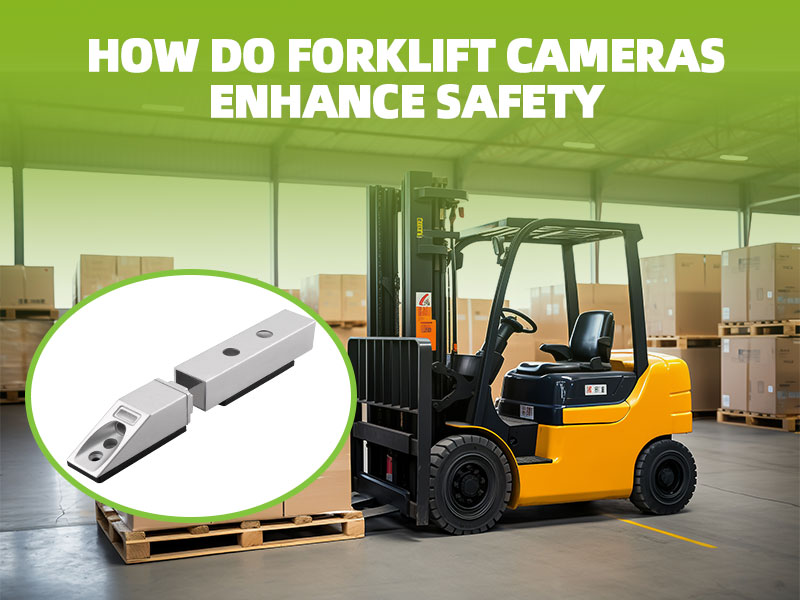
Jak kamery do wózków widłowych zwiększają bezpieczeństwo?

In the industrial and warehousing sectors, forklifts serve as indispensable tools, providing crucial support for production and logistics. However, the safety hazards inherent in their operation—such as limited visibility, blind spots, and operator negligence—cannot be overlooked. To address these safety challenges, forklift cameras have emerged as an innovative solution to enhance the safety of forklift operations. In this article, we will delve into forklift cameras, specifically focusing on how they play a pivotal role in improving safety, offering a fresh perspective, and presenting solutions for safety management in industrial and warehouse settings.

How do forklift cameras enhance safety插图

Safety challenges in forklift operations

Despite the invaluable role forklifts play in improving efficiency, their operational process entails a series of potential safety risks. The limited visibility of forklift operators, especially in busy work environments where blind spots are prevalent, poses a significant challenge. Additionally, the possibility of operational errors due to factors such as fatigue or distraction further increases the likelihood of collisions and accidents.

Innovative solution of forklift cameras

With the rapid advancement of technology, the introduction of forklift cameras has provided an innovative solution to address the aforementioned safety challenges. Among these solutions, the application of forklift cameras stands out as a crucial one. By installing high-quality cameras on forklifts, these cameras can monitor the surrounding environment in real time, providing high-definition images and video information. This enables operators to gain a more comprehensive and clear view.

The crucial role of forklift lights and cameras

Eliminating blind spots: Forklift cameras play a crucial role in covering blind spots, especially during essential operations such as turning, reversing, as well as when handling goods. They timely detect potential obstacles or pedestrians, thereby reducing the risk of collisions and close encounters.

Real-time monitoring and warning: Forklift camera systems are equipped with intelligent alert systems. Upon detecting hazardous factors, they instantly alert operators through visual and auditory warnings, assisting them in promptly responding to avoid potential accidents.

Enhancing operator abilities and skills

Forklift cameras play a crucial role not only in accident prevention but also in providing real-time operational feedback to operators. Through clear images and visual feedback, operators can accurately grasp the position and posture of the forklift, effectively reducing the occurrence of operational errors. This real-time feedback system can also be used for training and assessing the performance of operators, offering them more targeted guidance to continually enhance their operational skill levels.

LUVIEW forklift cameras and application in safety

The LUVIEW forklift camera, with its advanced technology and multiple functional features, provides a new level of safety for forklift operations. Utilizing a high-resolution 1/3 CMOS sensor, it supports analog high-definition video at 700TVL, effectively eliminating blind spots for operators. Its IP69K-rated waterproof and dustproof design ensures the stable operation of the camera in harsh environments. The camera supports mirror and ruler switching functions, allowing operators to adjust the image mode as needed and accurately assess distances and object sizes.

Additionally, the design takes into consideration tailpipe and magnet installations, ensuring the camera is securely fixed to the forklift, providing a consistently reliable field of view. The integration of these features plays a crucial role in enhancing operator safety, reducing the risk of accidents, and improving overall work efficiency. The LUVIEW forklift camera serves as an innovative solution for safety management in the industrial and warehouse sectors.

Wnioski

Overall, forklift cameras play a crucial role in enhancing the safety and efficiency of forklift operations. Through the elimination of blind spots, real-time monitoring of potential hazards, and providing operational feedback, they bring forth innovative solutions for safety management in the industrial and warehouse sectors. With continuous technological advancements, forklift camera systems will continue to drive improvements in industrial safety, offering comprehensive support for the safety of operators and those in the surrounding environment.

LUVIEW is a professional forklift camera provider from China. If you’re seeking a trustworthy solution to enhance the safety and efficiency of forklift operations, unquestionably, we are your ideal choice. Feel free to contact us immediately to learn more details at: sales@luview.com. Choose LUVIEW and let safety and efficiency move forward hand in hand! Don’t let negligence become the catalyst for accidents. Partner with us to create a safer and more efficient work environment together!

W jaki sposób kamery lamp roboczych usprawniają monitorowanie rolnictwa?

W jaki sposób kamery lamp roboczych usprawniają monitorowanie rolnictwa?

Wprowadzenie

Znaczenie monitorowania rolnictwa

Rolnictwo jest kluczowym elementem ludzkiego życia. Wraz z ciągłym wzrostem globalnej populacji rośnie zapotrzebowanie na żywność. W związku z tym monitorowanie rolnictwa stało się kluczowym czynnikiem zapewniającym bezpieczeństwo produkcji żywności i zrównoważony rozwój rolnictwa. W przeszłości tradycyjne metody monitorowania były często ograniczone przez ograniczenia czasowe, przestrzenne i technologiczne, nie oferując całodobowego skutecznego nadzoru.

Innowacyjne zastosowania kamer lamp roboczych w monitoringu rolnictwa

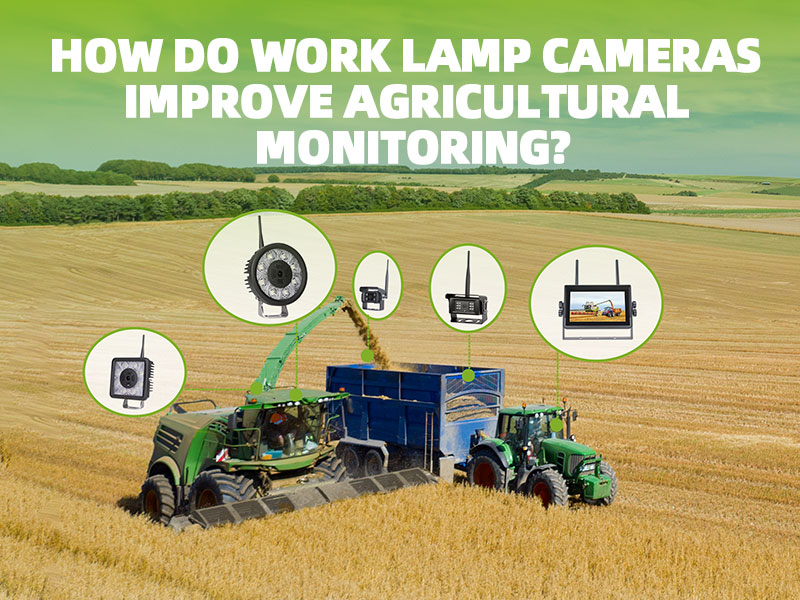
Jako innowacyjne rozwiązanie w nowoczesnym nadzorze rolnym, kamery z lampami roboczymi oferują rolnikom i właścicielom gruntów wydajne i kompleksowe środki monitorowania. Urządzenia te integrują funkcje oświetlenia i kamery, zapewniając nie tylko mocne oświetlenie, ale także możliwość przechwytywania wideo w wysokiej rozdzielczości w czasie rzeczywistym, umożliwiając rolnikom monitorowanie każdego zakątka ich gospodarstw przez całą dobę.

Te kamery do lamp roboczych wykorzystują zaawansowane technologie, w tym kamery o wysokiej rozdzielczości, funkcje noktowizyjne i inteligentne systemy monitorowania, co pozwala im dostarczać wyraźne obrazy i filmy w warunkach słabego oświetlenia lub ciemności. Ponadto często charakteryzują się wodoodpornością i trwałością, dzięki czemu można je dostosować do różnych niekorzystnych warunków pogodowych i środowiskowych.

Inteligentne funkcje tych urządzeń, takie jak wykrywanie ruchu, zdalne monitorowanie i transmisja danych w czasie rzeczywistym, umożliwiają rolnikom szybkie reagowanie i podejmowanie niezbędnych działań. Pomaga to w poprawie wydajności produkcji, ochronie upraw, zapobieganiu kradzieży i promowaniu zrównoważonych praktyk rolniczych.

Jako innowacyjne rozwiązanie w monitorowaniu rolnictwa, kamery lamp roboczych wnoszą nową nadzieję do sektora rolniczego i odgrywają kluczową rolę w nowoczesnym zarządzaniu rolnictwem.

Zalety kamer z lampą roboczą w monitorowaniu rolnictwa

1. Możliwość monitorowania w czasie rzeczywistym

  • Nadzór 24/7

Kamery do lamp roboczych oferują całodobowe możliwości monitorowania, wolne od ograniczeń czasowych, umożliwiając rolnikom podgląd stanu ich gospodarstw w czasie rzeczywistym w dowolnym momencie.

  • Zalety monitorowania w nocy

Kamery te są wyposażone w funkcje noktowizyjne, zapewniając obrazy i filmy w wysokiej rozdzielczości nawet w warunkach słabego oświetlenia. Możliwość monitorowania w nocy zapewnia rolnikom wygodę i niezawodność, pozwalając im monitorować swoje gospodarstwa w ciemnych godzinach.

2. Zwiększone bezpieczeństwo gospodarstw rolnych

  • Zapobieganie kradzieżom i aktom wandalizmu

Kamery z lampami roboczymi mogą monitorować każdy zakątek gospodarstwa, szybko wykrywając wszelkie potencjalne kradzieże lub akty wandalizmu, zapewniając w ten sposób środek zapobiegawczy i efekt odstraszający.

  • Reakcja na zdarzenia w czasie rzeczywistym

W przypadku wystąpienia nietypowych sytuacji kamery mogą natychmiast wyzwalać alerty i dostarczać obraz w czasie rzeczywistym, umożliwiając rolnikom podjęcie szybkich działań i zminimalizowanie potencjalnych strat.

3. Monitorowanie stanu upraw

  • Precyzyjne gromadzenie danych

Kamery te mogą nie tylko rejestrować obrazy, ale także gromadzić dane na temat warunków wzrostu upraw, wilgotności gleby, temperatury i nie tylko, pomagając rolnikom w podejmowaniu precyzyjnych decyzji.

  • Zapobieganie rozprzestrzenianiu się chorób i szkodników

Dzięki ciągłemu monitorowaniu upraw, kamery lamp roboczych mogą pomóc rolnikom we wczesnym wykrywaniu chorób roślin lub inwazji szkodników, umożliwiając im wdrożenie odpowiednich środków kontroli i zapobieganie dalszemu rozprzestrzenianiu się.

How do work lamp cameras improve agricultural monitoring?插图

Kamera z lampą roboczą Luview

Kamera do lamp roboczych Luview jest wyposażona w przetwornik 1/2,9 CMOS obsługujący wideo w wysokiej rozdzielczości 720P i technologię cyfrowej transmisji bezprzewodowej 2,4 GHz. Zapewnia wyraźny i szczegółowy obraz z monitoringu, obejmujący zasięg do 140 metrów. Dzięki funkcji pełnokolorowego noktowizora z białymi diodami LED, kamera zapewnia wyraźny obraz nawet w ciemnym otoczeniu. Kamera jest wyposażona w wodoszczelną i pyłoszczelną obudowę o stopniu ochrony IP69K, szeroki zakres napięć (12 V-24 V) i opcjonalną magnetyczną konstrukcję montażową, co zwiększa możliwości adaptacji i wygodę. Cechy te sprawiają, że jest to idealny wybór do monitorowania rolnictwa, spełniający potrzeby rolników w zakresie monitorowania w czasie rzeczywistym, wysokiej jakości i w każdych warunkach pogodowych, przyczyniając się do poprawy zarządzania rolnictwem i bezpieczeństwa.

Wnioski

Monitoring w rolnictwie ma ogromne znaczenie, a kamery do lamp roboczych przynoszą niezwykłe korzyści. Ich możliwości monitorowania w czasie rzeczywistym, w tym 24/7 i w nocy, zapewniają wyraźny obraz przez całą dobę. Jeśli chodzi o bezpieczeństwo gospodarstwa, pomagają one zapobiegać kradzieżom i aktom wandalizmu, podnosząc ogólny poziom bezpieczeństwa poprzez reagowanie na zdarzenia w czasie rzeczywistym. Jeśli chodzi o monitorowanie stanu upraw, precyzyjne gromadzenie danych i zapobieganie rozprzestrzenianiu się chorób i szkodników ułatwia podejmowanie decyzji naukowych, minimalizując straty w uprawach. Podsumowując, wybór kamer do lamp roboczych to inteligentna decyzja usprawniająca zarządzanie rolnictwem, zapewniająca bezpieczeństwo i poprawiająca wydajność produkcji.

Luview jest wiodącym dostawcą kamer do lamp roboczych w Chinach, oferującym profesjonalne i niezawodne rozwiązania. Jeśli szukasz najlepszego dostawcy, skontaktuj się z nami pod adresem sales@luview.com aby uzyskać bardziej szczegółowe informacje. Wybierz Luview i współpracuj z nami, aby zaspokoić swoje potrzeby w zakresie monitorowania rolnictwa, odgrywając rolę w kształtowaniu przyszłości inteligentnego rolnictwa!

Znaczenie testów w mgle solnej dla kamer samochodowych缩略图

Znaczenie testów w mgle solnej dla kamer samochodowych

Wpływ mgły solnej na kamery samochodowe

Jak mgła solna wpływa na funkcjonalność i żywotność kamer samochodowych?

Wpływ mgły solnej na kamery samochodowe przejawia się przede wszystkim w ich wydajności funkcjonalnej i żywotności. Gdy kamery są narażone na działanie mgły solnej, mogą wystąpić różne uszkodzenia, z których najważniejszym jest korozja.

Wpływ funkcjonalny: Mgła solna może przedostać się do niewielkich szczelin lub pęknięć w kamerze, wpływając na jej wewnętrzne podzespoły elektroniczne i części mechaniczne. Może to skutkować różnymi wadami funkcjonalnymi, takimi jak zmniejszona klarowność obrazu, zniekształcenia kolorów, problemy z ustawianiem ostrości lub całkowita awaria, uniemożliwiająca normalne działanie.

Uszkodzenia korozyjne: Sól zawarta w mgle solnej wywołuje reakcje chemiczne w kontakcie z metalowymi powierzchniami, przyspieszając korozję metalowych elementów. Korozja ta może uszkodzić obudowę kamery, złącza, obwody elektroniczne i czujniki, ostatecznie wpływając na jej stabilność i żywotność.

Importance of salt spray testing for vehicle cameras插图

W środowiskach otaczających pojazdy, takich jak obszary przybrzeżne lub drogi posypywane solą w zimie, kamery samochodowe są bardziej podatne na działanie mgły solnej. Dlatego też przeprowadzanie testów w mgle solnej ma kluczowe znaczenie dla oceny trwałości i wydajności kamer. Wyniki testów mogą pomóc producentom w udoskonalaniu projektów, wyborze bardziej odpornych na korozję materiałów i zapewnieniu niezawodnego działania kamer samochodowych w różnych wymagających środowiskach.

Znaczenie testów w mgle solnej dla bezpieczeństwa i funkcjonalności pojazdów

Kamery w nowoczesnych pojazdach odgrywają kluczową rolę w zwiększaniu bezpieczeństwa i funkcjonalności pojazdu. Kamery te służą różnym celom, w tym monitorowaniu otaczającego środowiska, pomaganiu w prowadzeniu pojazdu i zapewnianiu kierowcy lepszej widoczności. Testy w mgle solnej są niezbędne do zapewnienia niezawodności tych kamer, co dodatkowo zwiększa ogólne bezpieczeństwo pojazdu.

Z punktu widzenia bezpieczeństwa, kamery samochodowe odgrywają kluczową rolę w nowoczesnych pojazdach. Są one wykorzystywane w zaawansowanych systemach wspomagania kierowcy, w tym w takich funkcjach jak asystent cofania, asystent utrzymania pasa ruchu, monitorowanie martwego pola i inne. Ponadto zapewniają kierowcy wyraźniejszą perspektywę środowiskową, pomagając zmniejszyć prawdopodobieństwo wypadków i zwiększając ogólne bezpieczeństwo jazdy.

Z perspektywy funkcjonalności operacyjnej, kamery odgrywają kluczową rolę w zwiększaniu możliwości pojazdów. Mogą być wykorzystywane do zapewniania pomocy nawigacyjnej, pomocy w parkowaniu i funkcji związanych z autonomiczną jazdą, czyniąc jazdę wygodniejszą i bezpieczniejszą.

Testy w mgle solnej zapewniają niezawodność kamer samochodowych w trudnych warunkach. Symulując wpływ mgły solnej na kamery, testy oceniają ich trwałość i odporność na korozję. Jeśli kamery nie działają prawidłowo w środowisku mgły solnej, ich wydajność może być zagrożona podczas rzeczywistego użytkowania pojazdu, wpływając na ogólne bezpieczeństwo pojazdu.

Dlatego też zapewnienie, że kamery samochodowe przechodzą rygorystyczne testy w mgle solnej, aby zagwarantować ich niezawodność, ma kluczowe znaczenie dla zwiększenia ogólnego bezpieczeństwa pojazdu. Tylko kamery, które przeszły wiarygodne testy, mogą działać stabilnie w różnych niekorzystnych warunkach, dostarczając kierowcom dokładnych i wyraźnych informacji, zapewniając tym samym bezpieczeństwo jazdy i skuteczność funkcji operacyjnych.

Wnioski

Podsumowując, wpływ testów w mgle solnej na kamery samochodowe jest bezpośrednio związany z bezpieczeństwem i funkcjonalnością pojazdu. Ta krytyczna faza testowania zapewnia, że kamery mogą działać niezawodnie w trudnych warunkach klimatycznych i środowiskach o wysokiej korozji. Jeśli szukasz wyjątkowych rozwiązań w zakresie wizji pojazdów, Luview jest profesjonalnym dostawcą kamer samochodowych z siedzibą w Chinach, znanym z zaawansowanej technologii i wysokiej jakości produktów. Jesteśmy zaangażowani w dostarczanie najbardziej niezawodnych, trwałych i wydajnych kamer, aby zapewnić bezpieczną eksploatację pojazdów w różnych warunkach.

Luview konsekwentnie przestrzega surowych standardów w zakresie zapewniania jakości produktów, w szczególności poprzez testy w mgle solnej w celu sprawdzenia trwałości i stabilności kamer. Testy te są kluczową częścią zaangażowania Luview w zapewnienie wyjątkowej wydajności w ekstremalnych warunkach, co dodatkowo świadczy o naszej wyjątkowej wydajności w branży. Co więcej, jeśli szukasz kamer cofania lub niezawodnego dostawcy, Luview jest również mądrym wyborem.

Zachęcamy do kontaktu z naszym zespołem sprzedaży w dowolnym momencie, wysyłając wiadomość e-mail na adres sales@luview.com aby uzyskać bardziej szczegółowe informacje o produktach i spersonalizowanych rozwiązaniach. Wybierz Luview, aby zaspokoić swoje potrzeby w zakresie bezpieczeństwa i wizualizacji pojazdów!

Jak wybrać kamerę do motocykla? 缩略图

Jak wybrać kamerę do motocykla?

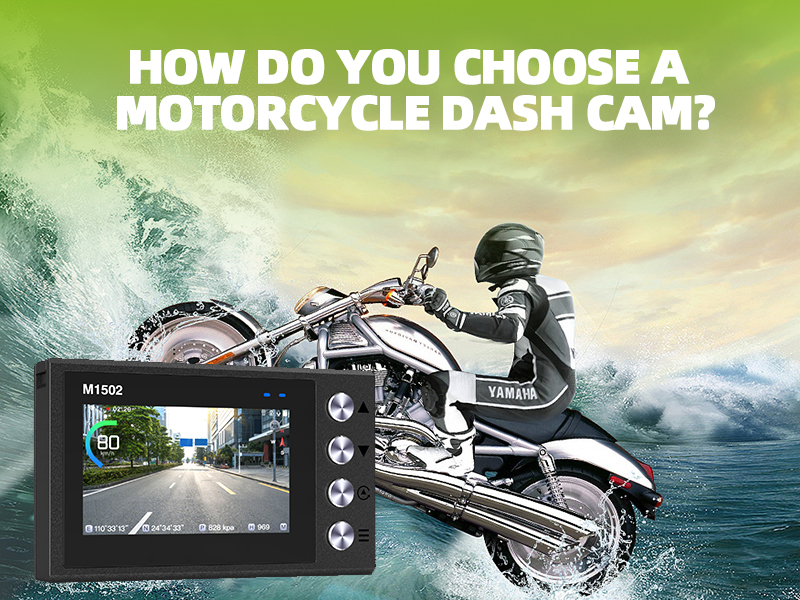
Choosing a waterproof motorcycle dash cam is a crucial decision, especially for riders who want to document their journeys and protect their equipment. In this article, we will delve into the key factors when selecting a waterproof motorcycle dash cam, emphasizing the importance of customizing the choice based on the expected weather conditions in specific regions. We will also provide maintenance tips to ensure the long-term waterproof performance of the motorcycle dash cam, highlighting the critical importance of selecting a truly waterproof device for riders. The article will cover common mistakes to avoid when using waterproof equipment and the necessity of practical testing to verify waterproof performance. As we explore these key issues, riders will gain a better understanding of how to choose, use, and maintain their motorcycle dash cam in aquatic challenges.

How do you choose a motorcycle dash cam?插图

Factors to consider when choosing a waterproof dash cam

When selecting a waterproof dash cam, the following factors are crucial:

1. Expected Weather Conditions in Your Area

Riders should choose the appropriate level of waterproofing based on the weather characteristics of their area. If the area is prone to frequent rain or fog, a dash cam with a higher waterproof rating (such as IPX7 or IPX8) would be a better choice. Conversely, if the riding environment is typically dry, a lower level of waterproofing (such as IPX4 or IPX5) may suffice.

2. Comparison of Different Waterproof Ratings

Waterproof ratings range from IPX0 to IPX8, with higher numbers indicating stronger protection against water. It’s important to note that higher levels of waterproofing usually mean higher costs. Therefore, riders need to balance the level of waterproofing against the price to find the best device that meets their needs and budget. For instance, an IPX6 rating can withstand strong jets of water, making it suitable for riding in heavy rain, while devices rated IPX7 and IPX8 can continue to operate while completely submerged, ideal for riders who frequently encounter extreme weather or watery environments.

3. Installation Position and Usage

The mounting location of the dash cam can affect the degree to which it is exposed to water. For instance, a dash cam installed at the bottom of a motorcycle may require a higher waterproof rating as it is more likely to come into contact with water and debris from the road. Furthermore, if a rider plans to use the dash cam across various climate conditions, such as commuting in the city to off-road adventures, opting for a dash cam with a higher waterproof rating would be more prudent.

Maintenance Tips for Waterproof Motorcycle Dash Cams

Even the highest-rated waterproof motorcycle dash cams require proper maintenance to ensure their long-term waterproof capabilities. Here are some best practices:

1. Regular Inspections

Periodically check the dash cam’s sealing O-rings and casing for any damage. Cracks or wear could lead to water ingress.

2. Cleaning Recommendations

Gently clean the dash cam’s casing with a slightly damp cloth, avoiding any corrosive cleaning agents that might damage the seals. Ensure that both your hands and the dash cam’s surface are completely dry before touching any electronic interfaces.

3. Seal Ports

If the dash cam has any external ports, like USB slots or power inputs, use waterproof covers or tape to ensure they remain sealed when not in use.

4. Avoid Prolonged Exposure

While high-grade waterproof dash cams are designed to be water-resistant, avoiding prolonged exposure to water, especially when not in use, can extend their lifespan.

5. Storage Suggestions

When not in use, store the dash cam in a dry, cool place away from extreme temperatures and humidity, which can damage the electronic components.

6. Chemical Avoidance

Keep the dash cam away from solvents, detergents, or other chemicals that may degrade its housing materials and waterproofing.

7. Follow the Manual

Always read and adhere to the operation and maintenance guide provided by the manufacturer before using the dash cam, as different models may have specific maintenance requirements.

Comparison of Waterproof and Water-Resistant Motorcycle Dash Cams

“Waterproof” and “Water-Resistant” are two terms that are often easily confused, but understanding the difference between them is crucial when selecting a motorcycle dashcam:

Wodoodporny: Waterproof devices can withstand water penetration and are typically capable of being submerged under a certain water pressure without taking in water. Waterproof products often come with specific IP (Ingress Protection) ratings, such as IP67 or IP68, indicating that they can endure being underwater at a certain depth for a specified duration without sustaining damage.

Water-Resistant: Water-resistant devices can resist water ingress to a certain extent but cannot endure complete submersion. A water-resistant device might have IPX4 or IPX6 ratings, signifying that it can withstand splashes or water jets but may sustain damage if fully submerged.

For motorcycle riders, choosing a truly waterproof dashcam is crucial because motorcycles, especially in adverse weather or off-road conditions, are prone to substantial water exposure. A waterproof dashcam provides comprehensive protection, ensuring that its functionality remains unaffected even in heavy rain, guaranteeing that crucial moments are not lost. Waterproof dashcams are designed with a focus on durability and sealing, making them more reliable for long-term use.

Avoidable Common Mistakes

When dealing with waterproof motorcycle dashcams, riders may make some common mistakes that could compromise the device’s waterproof performance or lead to damage:

  • Incorrect Installation
Improper installation can damage the waterproof sealing of the dashcam, leading to water infiltration. It is essential to strictly follow the manufacturer’s guidelines for installation, ensuring that all seals are correctly in place.
Neglecting Regular Inspections: Riders may overlook regular inspections of the dashcam’s seals and exterior for damages, which can weaken its waterproof capabilities. Regularly checking the device’s seals and casing and promptly replacing damaged components is crucial.
  • Using Corrosive Cleaning Agents

The use of powerful or corrosive cleaning agents can damage the casing and seals of the dashcam. Mild cleaning agents should be chosen, and the dashcam should be gently wiped with a clean cloth.

  • Exposure to Extreme Temperatures

Prolonged exposure of the dashcam to extreme high or low temperatures can damage its electronic components or sealing materials. It is advisable to avoid using or storing the dashcam in extremely hot or cold environments.

  • Ignoring the Waterproofing of Interfaces

Even with a waterproof dashcam, external interfaces such as USB slots or charging ports may not be waterproof when exposed. It is important to keep these interfaces sealed when not in use.

Opening the Casing Before Fully Drying: Opening the casing of the dashcam or its components before they are completely dry may allow moisture to enter. Before opening the dashcam, ensure that it is thoroughly dry.

To avoid these common mistakes, riders should:

①Carefully read and adhere to installation and maintenance instructions.

②Conduct regular inspections and maintenance.

③Utilize appropriate cleaning methods and materials.

④Pay attention to the storage and usage environment of the device.

Following these practices can significantly reduce the risk of device damage, ensuring the waterproof performance of the dashcam is maintained and thereby extending the lifespan of the equipment.

Wnioski

When choosing a motorcycle dashcam, considering factors like waterproof performance, maintenance needs, comparing waterproof and water-resistant features, and avoiding common mistakes are crucial for ensuring stable device performance. If you’re seeking a reliable supplier, Luview, a leading provider from China, specializes in offering top-notch motorcycle dashcams. Their products excel in waterproof capabilities, video resolution, and more. Take action now and reach out via sales@luview.com for further details.