Simulação de incêndio da Luview: aumentando a conscientização sobre segurança e respondendo eficazmente a incêndios缩略图

Simulação de incêndio da Luview: aumentando a conscientização sobre segurança e respondendo eficazmente a incêndios

In December, Luview organized a crucial fire drill. The objective of this event was to familiarize employees with emergency evacuation routes, acquaint them with the locations of fire extinguishers and firefighting equipment, and enhance their ability to respond to fires. By participating in this drill, we can adeptly master the procedural steps to be taken in the event of a fire, thereby minimizing potential hazards to the greatest extent possible.

Luview Fire Drill: Enhancing Safety Awareness and Effectively Responding to Fires插图

During the drill, we placed particular emphasis on training for the use of fire extinguishers. Understanding fire safety knowledge is crucial as it enables us to identify signs of a fire, comprehend the ways in which fires can spread, and take appropriate actions to extinguish them. We delved into comprehensive learning on the correct usage of fire extinguishers, gaining proficiency in the operational procedures of these devices.

Luview Fire Drill: Enhancing Safety Awareness and Effectively Responding to Fires插图1


Additionally, we provided a comprehensive explanation of and practical demonstrations on the use of firefighting water hoses. As a crucial firefighting tool, the firefighting water hose is capable of delivering a powerful stream of water to extinguish large-scale fires. During the demonstration, we gained a thorough understanding of the structure and operational principles of firefighting water hoses, as well as the correct procedures for using them to combat fires in emergency situations.

Luview Fire Drill: Enhancing Safety Awareness and Effectively Responding to Fires插图2

Fire safety is the responsibility of each and every one of us. Let’s work together to create a safe and reliable workplace. Through such drill activities, we can better prepare for emergencies, enhance overall safety awareness, and ensure a secure environment for the company.

Luview Fire Drill: Enhancing Safety Awareness and Effectively Responding to Fires插图3

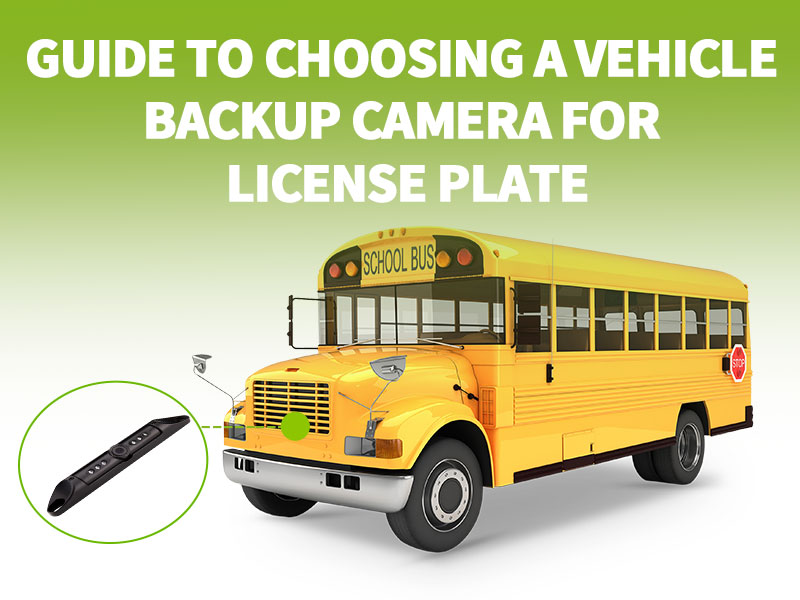
Guide to Choosing a Vehicle Backup Camera for License Plate缩略图

Guia para escolher uma câmara de marcha-atrás para matrículas

Na rápida evolução das tecnologias modernas de segurança veicular, a câmara de marcha-atrás surgiu como um recurso auxiliar crucial, aumentando significativamente a segurança e a conveniência da marcha-atrás. No entanto, com uma infinidade de opções de câmaras de marcha-atrás disponíveis no mercado, determinar a câmara ideal para uso em matrículas tornou-se uma preocupação para muitos proprietários de veículos. Neste artigo, vamos aprofundar os critérios de seleção para escolher uma câmara de marcha-atrás para veículos projetada especificamente para instalação em matrículas.

Guide to Choosing a Vehicle Backup Camera for License Plate插图

Como escolher a câmara de marcha-atrás para matrícula adequada

1. Compreender a funcionalidade das câmaras de backup

A câmara de marcha-atrás é como um pequeno assistente para o veículo, especialmente ao fazer marcha-atrás. Resolve o problema dos ângulos mortos que não conseguimos ver pela traseira, tornando a marcha-atrás mais segura. Ao fornecer instantaneamente uma visão traseira nítida, impede-nos de bater acidentalmente em objetos, especialmente em espaços apertados. Além disso, a função de visão noturna também facilita a marcha-atrás à noite e já não é afetada pela escuridão. As câmaras também facilitam o estacionamento, e podemos avaliar com mais precisão e evitar obstáculos. Em geral, as câmaras de marcha-atrás têm como objetivo tornar a condução mais segura e conveniente, e fazem parte da segurança dos veículos modernos.

2. A importância da resolução e da clareza

A resolução e a nitidez de uma câmara de marcha-atrás para matrículas são cruciais para a segurança na condução. A alta resolução proporciona imagens nítidas, permitindo aos condutores identificar com precisão os obstáculos à retaguarda e reduzir o risco de colisões. A nitidez também desempenha um papel importante durante a condução noturna e em cenários de estacionamento complexos, oferecendo aos condutores uma perceção espacial mais fiável e simplificando as manobras de estacionamento. Isto não só melhora a experiência do utilizador, como também proporciona aos condutores uma assistência fiável em momentos críticos, tornando o processo de marcha-atrás mais seguro e conveniente.

3. Consideração da funcionalidade de visão noturna

A funcionalidade de visão noturna é uma consideração crítica para câmaras de backup de matrículas, garantindo imagens nítidas em condições de pouca luz ou escuridão total através de sensores de alta sensibilidade e assistência infravermelha. O ajuste de contraste, o design antirreflexo e a capacidade de resposta em tempo real são cruciais para lidar com várias condições de iluminação durante a condução noturna, fornecendo assistência fiável para manobras de marcha-atrás no escuro. Isso garante que os condutores se sintam mais seguros e facilita a conveniência durante as operações noturnas.

4. Dificuldade e métodos de instalação

Ao considerar a instalação de uma câmara, é importante saber se ela requer serviços de instalação profissionais. Algumas câmaras são projetadas para serem facilmente instaladas por particulares, enquanto outras podem exigir o conhecimento especializado de técnicos profissionais. Se tiver conhecimentos limitados sobre o sistema elétrico do veículo ou encontrar dificuldades, é aconselhável procurar suporte técnico profissional ou serviços de instalação.

5. Seleção de classificações de impermeabilidade

Ao escolher uma câmara de backup para matrícula, a classificação de impermeabilidade é uma consideração crucial, pois afeta diretamente a sua estabilidade em diferentes condições meteorológicas. As classificações de impermeabilidade comuns incluem IP67, IP68 e IP69K, indicando resistência à profundidade da água, pressão da água e jatos de água de alta temperatura e alta pressão, respetivamente. Em ambientes chuvosos ou húmidos, recomenda-se escolher uma câmara com classificação IP67, no mínimo. Para situações que exigem lavagens frequentes ou exposição a condições adversas, pode ser mais adequado considerar uma classificação de impermeabilidade mais elevada, como IP69K. Portanto, é importante selecionar razoavelmente a classificação de impermeabilidade da câmara com base na utilização real e nas condições ambientais para garantir uma assistência de marcha-atrás fiável em várias situações adversas.

6. A importância do ângulo de visão e da área de cobertura

Ao adquirir uma câmara de marcha-atrás para matrícula, o ângulo de visão e a área de cobertura são fatores cruciais a considerar. O ângulo de visão da câmara determina o alcance visível, e escolher um ângulo adequado ajuda a compreender de forma abrangente o ambiente circundante durante a marcha-atrás, reduzindo os ângulos mortos. Uma área de cobertura ampla proporciona uma visão clara da zona de marcha-atrás. Portanto, prestar atenção ao ângulo de visão e à área de cobertura da câmara é fundamental para aumentar a segurança e a conveniência durante a marcha-atrás.

7. Escolha entre sem fios e com fios

Ao selecionar uma câmara de backup para matrícula, tem de escolher entre conectividade sem fios e com fios. As câmaras sem fios eliminam a necessidade de cablagem complexa, simplificando o processo de instalação e tornando-o mais flexível e conveniente. No entanto, as câmaras com fios normalmente oferecem uma transmissão de sinal mais estável, evitando potenciais problemas causados pela interferência do sinal sem fios. Portanto, a escolha entre sem fios e com fios envolve equilibrar conveniência e estabilidade. Depende das preferências individuais e das necessidades específicas para determinar se deve optar pela conveniência do sem fios ou pela fiabilidade de uma ligação com fios.

8. Reputação da marca e avaliações dos utilizadores como referência

Ao selecionar uma câmara de marcha-atrás para matrícula, a reputação da marca e as avaliações dos utilizadores são fatores cruciais a ter em conta. Marcas fiáveis garantem normalmente a qualidade do produto, e as avaliações dos utilizadores fornecem feedback prático de utilizadores reais. Além disso, é essencial prestar atenção se as funcionalidades da câmara correspondem às necessidades pessoais, tais como qualidade de imagem de alta definição ou capacidades de visão noturna. Considerar estes fatores em conjunto pode ajudar a escolher a câmara que melhor se adapta ao veículo e aos cenários de utilização específicos.

9. Equilibrar custo e relação custo-benefício

Ao escolher uma câmara de marcha-atrás para matrícula, é essencial encontrar um equilíbrio entre custo e valor pelo dinheiro. Embora algumas câmaras topo de gama possam oferecer funcionalidades mais avançadas, muitas vezes têm um preço mais elevado. Portanto, os consumidores devem considerar as suas necessidades individuais e o seu orçamento, ponderando a relação entre o desempenho, a durabilidade e o preço da câmara. Concentrar-se na relação custo-benefício é vantajoso para obter uma solução prática e económica, garantindo que a câmara melhore a segurança ao volante sem impor uma carga financeira excessiva.

Câmara de marcha atrás com matrícula Luview

A câmara para matrículas Luview possui um amplo campo de visão de 150°, uma elevada classificação de impermeabilidade IP69K e poderosas capacidades de visão noturna (distância infravermelha de 5-10 m). Além disso, suporta funções de comutação de espelho e controlo de linhas-guia, tornando-a uma assistente inestimável para os condutores durante o processo de marcha-atrás. O amplo campo de visão reduz os ângulos mortos e a elevada classificação de impermeabilidade garante o funcionamento normal mesmo em condições meteorológicas extremas. A função de visão noturna melhora a visibilidade durante a condução noturna. As funções de comutação do espelho e controlo da linha-guia aumentam ainda mais a conveniência da condução, permitindo aos condutores executar manobras de marcha-atrás com precisão. Com o seu design exclusivo e funcionalidades poderosas, a câmara para matrículas Luview cria uma experiência de condução mais segura e conveniente para os utilizadores, proporcionando tranquilidade e facilidade durante cada viagem.

Conclusão

Ao selecionar uma câmara de marcha-atrás para o seu veículo, é fundamental considerar vários fatores importantes, incluindo a resolução da câmara, capacidades de visão noturna, método de instalação, classificação de impermeabilidade, campo de visão, opções de conexão e reputação da marca. Através de uma comparação racional e seleção cuidadosa, poderá encontrar uma câmara de marcha-atrás que se adapte perfeitamente ao seu veículo, aumentando significativamente a segurança ao dirigir e proporcionando uma experiência de marcha-atrás conveniente.

A Luview é um fornecedor chinês profissional de câmaras de backup para matrículas. Não hesite em contactar-nos através do e-mail sales@luview.com para obter informações detalhadas sobre os nossos produtos, permitindo-lhe obter uma compreensão abrangente das nossas soluções profissionais de câmaras.

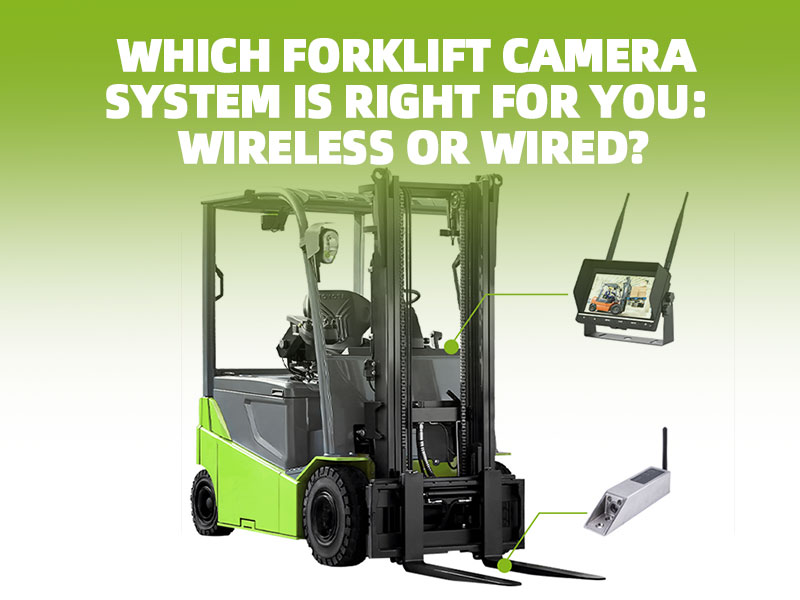
Qual sistema de câmaras para empilhadeiras é o ideal para si: sem fios ou com fios?

Qual sistema de câmaras para empilhadeiras é o ideal para si: sem fios ou com fios?

In today’s logistics and warehousing sector, the forklift camera system has become a crucial tool for enhancing safety and operational efficiency. However, businesses often face a critical decision when choosing a forklift camera system: whether to opt for a wireless forklift camera system or a wired forklift camera system. The following will provide an in-depth comparison of these two systems, exploring their advantages and disadvantages, as well as their applicability in different scenarios.

Which Forklift Camera System is Right for You: Wireless or Wired?插图

Wired forklift camera system

Wireless forklift camera systems offer a range of advantages, with one of them being a high level of flexibility. Due to the absence of wiring constraints, businesses can install and adjust camera positions more freely, accommodating various work scenarios. This flexibility is particularly crucial in dynamic environments where frequent camera movement is required. Additionally, the installation of wireless systems is relatively straightforward, reducing maintenance costs.

However, wireless systems also come with some drawbacks. The stability of the signal may be influenced by external interference, leading to less stable video feeds. Additionally, some wireless systems may require more frequent battery replacements, potentially increasing operational costs.

Wired forklift camera system

Relatively speaking, wired forklift camera systems provide a more stable signal. Due to their wired connections, these systems are less susceptible to external interference, ensuring continuous and reliable monitoring. Additionally, wired systems typically do not require frequent battery replacements, as they are often powered by a stable electrical source.
However, wired systems tend to be more cumbersome in terms of installation, requiring wiring that may involve additional engineering adjustments. This could pose some inconvenience, particularly in scenarios where frequent camera movement or working within narrow spaces is necessary.

How to choose between wireless and wired camera systems

When choosing between wireless and wired forklift camera systems, businesses should balance their decision based on practical needs. For scenarios requiring frequent movement and higher flexibility, wireless camera systems may be more suitable. Conversely, for fixed and long-term monitoring situations, wired camera systems may offer greater reliability.

Additionally, cost is a significant consideration. Wireless systems typically have lower installation and maintenance costs, but it’s crucial to account for potential additional expenses related to battery replacements. Wired systems involve a higher initial investment but may prove more economical over the long term.

Future trends

The continuous advancement of technology has brought improvements to both wireless and wired systems. Wireless technology is evolving, leading to enhanced signal stability and interference resistance. Meanwhile, wired systems are also innovating, incorporating more convenient wiring techniques.

In the future, as technology progresses, the differences between these two systems will gradually diminish. Therefore, when making decisions, businesses should consider various factors comprehensively to ensure that the chosen system can best meet their needs. Whether wireless or wired, both should serve as powerful tools to enhance efficiency and safety.

Conclusão

Forklift camera systems play a crucial role in enhancing the safety and efficiency of forklift operations. They eliminate blind spots, monitor potential hazards in real-time, provide operational feedback, and offer innovative solutions for industrial and warehouse safety management. As technology advances, these systems will continue to bolster industrial safety, ensuring the well-being of operators and those in the vicinity.

Luview is a Chinese supplier of forklift camera system solutions, providing reliable solutions to enhance the safety and efficiency of forklift operations. Contact us to learn more at sales@luview.com. Choose Luview and let safety and efficiency go hand in hand! Don’t let negligence lead to accidents. Partner with us to create a safer and more efficient working environment!

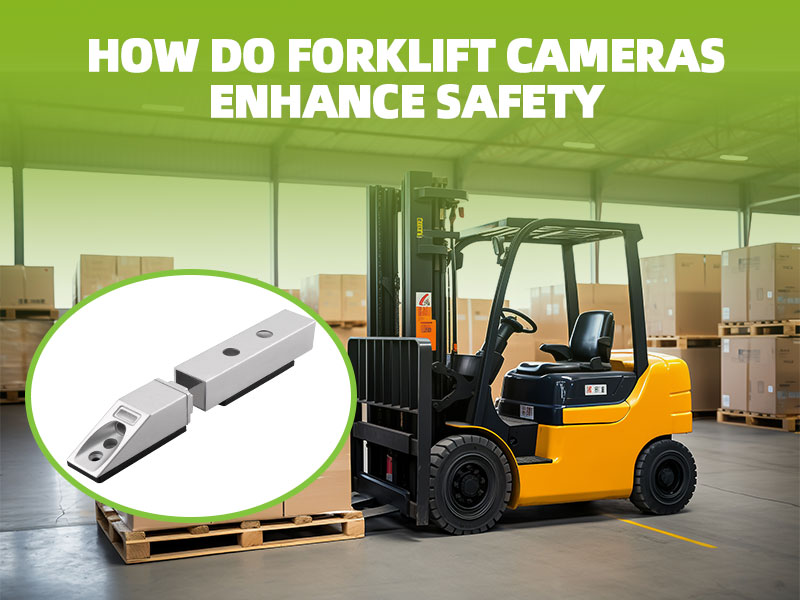
How do forklift cameras enhance safety缩略图

Como as câmaras nas empilhadoras aumentam a segurança

In the industrial and warehousing sectors, forklifts serve as indispensable tools, providing crucial support for production and logistics. However, the safety hazards inherent in their operation—such as limited visibility, blind spots, and operator negligence—cannot be overlooked. To address these safety challenges, forklift cameras have emerged as an innovative solution to enhance the safety of forklift operations. In this article, we will delve into forklift cameras, specifically focusing on how they play a pivotal role in improving safety, offering a fresh perspective, and presenting solutions for safety management in industrial and warehouse settings.

How do forklift cameras enhance safety插图

Safety challenges in forklift operations

Despite the invaluable role forklifts play in improving efficiency, their operational process entails a series of potential safety risks. The limited visibility of forklift operators, especially in busy work environments where blind spots are prevalent, poses a significant challenge. Additionally, the possibility of operational errors due to factors such as fatigue or distraction further increases the likelihood of collisions and accidents.

Innovative solution of forklift cameras

With the rapid advancement of technology, the introduction of forklift cameras has provided an innovative solution to address the aforementioned safety challenges. Among these solutions, the application of forklift cameras stands out as a crucial one. By installing high-quality cameras on forklifts, these cameras can monitor the surrounding environment in real time, providing high-definition images and video information. This enables operators to gain a more comprehensive and clear view.

The crucial role of forklift lights and cameras

Eliminating blind spots: Forklift cameras play a crucial role in covering blind spots, especially during essential operations such as turning, reversing, as well as when handling goods. They timely detect potential obstacles or pedestrians, thereby reducing the risk of collisions and close encounters.

Real-time monitoring and warning: Forklift camera systems are equipped with intelligent alert systems. Upon detecting hazardous factors, they instantly alert operators through visual and auditory warnings, assisting them in promptly responding to avoid potential accidents.

Enhancing operator abilities and skills

Forklift cameras play a crucial role not only in accident prevention but also in providing real-time operational feedback to operators. Through clear images and visual feedback, operators can accurately grasp the position and posture of the forklift, effectively reducing the occurrence of operational errors. This real-time feedback system can also be used for training and assessing the performance of operators, offering them more targeted guidance to continually enhance their operational skill levels.

LUVIEW forklift cameras and application in safety

The LUVIEW forklift camera, with its advanced technology and multiple functional features, provides a new level of safety for forklift operations. Utilizing a high-resolution 1/3 CMOS sensor, it supports analog high-definition video at 700TVL, effectively eliminating blind spots for operators. Its IP69K-rated waterproof and dustproof design ensures the stable operation of the camera in harsh environments. The camera supports mirror and ruler switching functions, allowing operators to adjust the image mode as needed and accurately assess distances and object sizes.

Additionally, the design takes into consideration tailpipe and magnet installations, ensuring the camera is securely fixed to the forklift, providing a consistently reliable field of view. The integration of these features plays a crucial role in enhancing operator safety, reducing the risk of accidents, and improving overall work efficiency. The LUVIEW forklift camera serves as an innovative solution for safety management in the industrial and warehouse sectors.

Conclusão

Overall, forklift cameras play a crucial role in enhancing the safety and efficiency of forklift operations. Through the elimination of blind spots, real-time monitoring of potential hazards, and providing operational feedback, they bring forth innovative solutions for safety management in the industrial and warehouse sectors. With continuous technological advancements, forklift camera systems will continue to drive improvements in industrial safety, offering comprehensive support for the safety of operators and those in the surrounding environment.

LUVIEW is a professional forklift camera provider from China. If you’re seeking a trustworthy solution to enhance the safety and efficiency of forklift operations, unquestionably, we are your ideal choice. Feel free to contact us immediately to learn more details at: sales@luview.com. Choose LUVIEW and let safety and efficiency move forward hand in hand! Don’t let negligence become the catalyst for accidents. Partner with us to create a safer and more efficient work environment together!

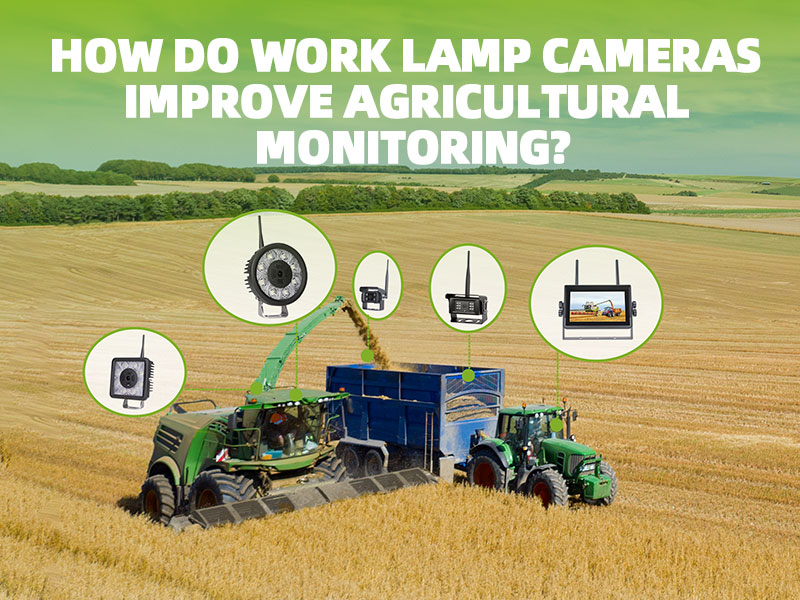
How do work lamp cameras improve agricultural monitoring?缩略图

Como as câmaras com lâmpadas de trabalho melhoram a monitorização agrícola?

Introdução

The importance of agricultural monitoring

Agriculture is a crucial component of human life. With the continuous growth of the global population, the demand for food is on the rise. Consequently, agricultural monitoring has become a key factor in ensuring food production security and agricultural sustainability. In the past, traditional monitoring methods were often constrained by limitations in time, space, and technological conditions, failing to offer round-the-clock effective surveillance.

Innovative applications of work lamp cameras in agricultural monitoring

As an innovative solution in modern agricultural surveillance, work lamp cameras offer farmers and landowners an efficient and comprehensive means of monitoring. These devices integrate lighting and camera functionalities, providing not only powerful illumination but also the capability to capture high-definition real-time video, enabling farmers to monitor every corner of their farms around the clock.

These work lamp cameras employ advanced technologies, including high-definition cameras, night vision capabilities, and intelligent monitoring systems, allowing them to deliver clear images and videos in low-light or dark environments. Additionally, they often feature waterproof and durable characteristics, making them adaptable to various adverse weather and environmental conditions.

The intelligent features of these devices, such as motion detection, remote monitoring, and real-time data transmission, empower farmers to quickly respond and take necessary measures. This aids in improving production efficiency, protecting crops, preventing theft, and promoting sustainable agricultural practices.

As an innovative solution in agricultural monitoring, work lamp cameras bring new hope to the agricultural sector and play a crucial role in modern agricultural management.

Advantages of work lamp cameras in agricultural monitoring

1. Real-time monitoring capability

  • 24/7 Surveillance

Work lamp cameras offer round-the-clock monitoring capabilities, free from time constraints, enabling farmers to view their farms’ real-time status at any given moment.

  • Advantages of nighttime monitoring

These cameras are equipped with night vision capabilities, providing high-definition images and videos even in low-light conditions. The ability for nighttime monitoring brings convenience and reliability to farmers, allowing them to monitor their farms during the dark hours.

2. Enhanced Farm Security

  • Prevention of theft and vandalism

Work lamp cameras can monitor every corner of the farm, promptly detecting any potential theft or vandalism, thereby providing a preventive measure and a deterrent effect.

  • Real-time event response

When abnormal situations occur, the cameras can immediately trigger alerts and provide real-time video, enabling farmers to take swift action and minimize potential losses.

3. Crop health monitoring

  • Precision data collection

These cameras can not only capture images but also collect data on crop growth conditions, soil moisture, temperature, and more, assisting farmers in making precise decisions.

  • Prevention of disease and pest spread

Through continuous monitoring of crops, work lamp cameras can assist farmers in early detection of plant diseases or pest infestations, enabling them to implement appropriate control measures and prevent further spread.

How do work lamp cameras improve agricultural monitoring?插图

Luview work lamp camera

The Luview work lamp camera features a 1/2.9 CMOS sensor supporting 720P high-definition video and 2.4GHz digital wireless transmission technology. It provides clear and detailed monitoring footage, covering a spacious distance of up to 140 meters. With its white LED full-color night vision function, it can deliver clear images even in dark environments. The camera is equipped with IP69K-level waterproof and dustproof protection, a wide voltage design (12V-24V), and an optional magnetic installation design, enhancing adaptability and convenience. These features make it an ideal choice for agricultural monitoring, meeting the real-time, high-quality, and all-weather monitoring needs of farmers, contributing to the improvement of agricultural management and safety.

Conclusão

Agricultural monitoring is of paramount importance, and work lamp cameras bring remarkable advantages to the solution. Their real-time monitoring capabilities, including 24/7 and night monitoring, provide clear footage around the clock. In terms of farm security, they help prevent theft and vandalism, elevating overall safety levels through real-time event response. Regarding crop health monitoring, precise data collection and prevention of disease and pest spread facilitate scientific decision-making, minimizing crop losses. In summary, choosing work lamp cameras is an intelligent decision to enhance agricultural management, ensure safety, and improve production efficiency.

Luview is a leading provider of work lamp cameras in China, offering professional and reliable solutions. If you are looking for the best supplier, feel free to contact us at sales@luview.com for more detailed information. Choosing Luview, and collaborate with us to fulfill your agricultural monitoring needs, playing a role in shaping the future of smart agriculture!

Importance of salt spray testing for vehicle cameras缩略图

Importância dos testes de névoa salina para câmaras de veículos

The Impact of Salt Spray on Vehicle Cameras

How Does Salt Spray Affect the Functionality and Lifespan of Vehicle Cameras

The impact of salt spray on vehicle cameras is primarily manifested in their functional performance and lifespan. When cameras are exposed to a salt spray environment, various damages may occur, with corrosion being the most significant.

Functional Impact: Salt spray can infiltrate the tiny gaps or cracks in the camera, affecting its internal electronic components and mechanical parts. This may result in various functional impairments, such as reduced image clarity, color distortion, focusing issues, or complete malfunction, rendering it unable to operate normally.

Corrosive Damage: The salt content in salt spray triggers chemical reactions upon contact with metal surfaces, accelerating the corrosion of metal components. This corrosion may harm the camera’s casing, connectors, electronic circuits, and sensors, ultimately affecting its stability and lifespan.

Importance of salt spray testing for vehicle cameras插图

In environments around vehicles, such as coastal areas or roads treated with salt during winter, vehicle cameras are more susceptible to exposure to salt spray. Therefore, conducting salt spray testing is crucial for assessing the durability and performance of cameras. The results of the tests can assist manufacturers in refining designs, selecting more corrosion-resistant materials, and ensuring that vehicle cameras can operate reliably in various challenging environments.

The importance of salt spray testing for vehicle safety and functionality

Cameras in modern vehicles play a crucial role in enhancing vehicle safety and operational functionality. These cameras serve various purposes, including monitoring the surrounding environment, assisting in driving, and providing the driver with a clearer view. Salt spray testing is essential to ensure the reliability of these cameras, thereby further enhancing the overall safety of the vehicle.

From a safety perspective, vehicle cameras play a crucial role in modern vehicles. They are utilized in advanced driver assistance systems, including features such as reverse assistance, lane-keeping assistance, blind-spot monitoring, and more. Additionally, they provide the driver with a clearer environmental perspective, helping reduce the likelihood of accidents and enhancing overall driving safety.

From an operational functionality perspective, cameras play a key role in enhancing vehicle capabilities. They can be utilized for providing navigation assistance, parking assistance, and features related to autonomous driving, making driving more convenient and secure.

Salt spray testing ensures the reliability of vehicle cameras in harsh environments. By simulating the impact of salt spray on the cameras, the testing assesses their durability and corrosion resistance. If cameras fail to function properly in a salt spray environment, their performance may be compromised during actual vehicle use, affecting the overall safety of the vehicle.

Therefore, ensuring that vehicle cameras undergo rigorous salt spray testing to guarantee their reliability is crucial for enhancing the overall safety of the vehicle. Only cameras that have undergone reliable testing can operate stably in various adverse conditions, providing drivers with accurate and clear information, thereby ensuring driving safety and the effectiveness of operational features.

Conclusão

In summary, the impact of salt spray testing on vehicle cameras is directly related to the safety and functionality of the vehicle. This critical testing phase ensures that cameras can operate reliably in harsh climates and high-corrosion environments. If you are seeking outstanding solutions for vehicle vision, Luview is a professional provider of vehicle cameras based in China, renowned for its advanced technology and high-quality products. We are committed to delivering the most reliable, durable, and high-performance cameras to ensure the safe operation of vehicles in various conditions.

Luview has consistently adhered to strict standards in ensuring product quality, especially through salt spray testing to validate the durability and stability of cameras. This testing is a crucial part of Luview’s commitment to ensuring exceptional performance in extreme environments, further showcasing our outstanding performance in the industry. Moreover, if you are looking for rear-view cameras or a reliable supplier, Luview is also a wise choice.

Feel free to contact our sales team anytime by sending an email to sales@luview.com for more detailed product information and personalized solutions. Choose Luview to meet your vehicle safety and visual needs!

How do you choose a motorcycle dash cam?缩略图

How do you choose a motorcycle dash cam?

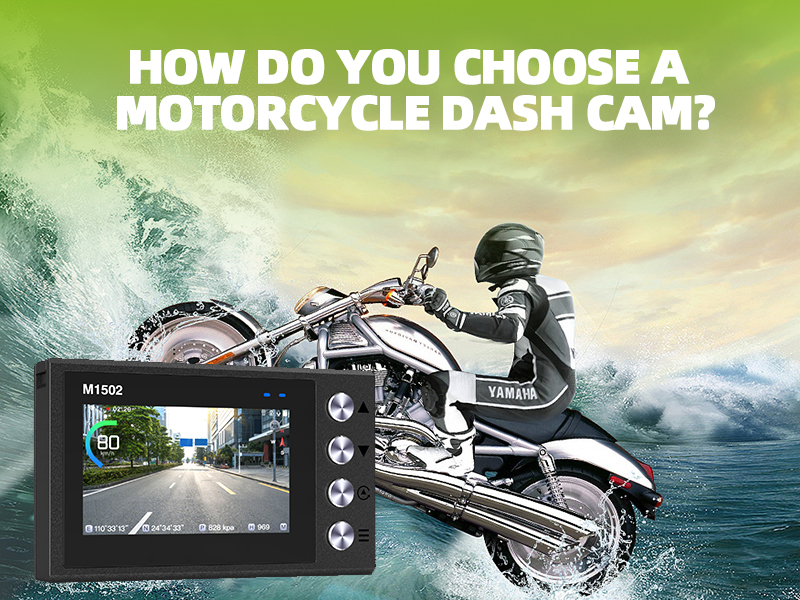
Choosing a waterproof motorcycle dash cam is a crucial decision, especially for riders who want to document their journeys and protect their equipment. In this article, we will delve into the key factors when selecting a waterproof motorcycle dash cam, emphasizing the importance of customizing the choice based on the expected weather conditions in specific regions. We will also provide maintenance tips to ensure the long-term waterproof performance of the motorcycle dash cam, highlighting the critical importance of selecting a truly waterproof device for riders. The article will cover common mistakes to avoid when using waterproof equipment and the necessity of practical testing to verify waterproof performance. As we explore these key issues, riders will gain a better understanding of how to choose, use, and maintain their motorcycle dash cam in aquatic challenges.

How do you choose a motorcycle dash cam?插图

Factors to consider when choosing a waterproof dash cam

When selecting a waterproof dash cam, the following factors are crucial:

1. Expected Weather Conditions in Your Area

Riders should choose the appropriate level of waterproofing based on the weather characteristics of their area. If the area is prone to frequent rain or fog, a dash cam with a higher waterproof rating (such as IPX7 or IPX8) would be a better choice. Conversely, if the riding environment is typically dry, a lower level of waterproofing (such as IPX4 or IPX5) may suffice.

2. Comparison of Different Waterproof Ratings

Waterproof ratings range from IPX0 to IPX8, with higher numbers indicating stronger protection against water. It’s important to note that higher levels of waterproofing usually mean higher costs. Therefore, riders need to balance the level of waterproofing against the price to find the best device that meets their needs and budget. For instance, an IPX6 rating can withstand strong jets of water, making it suitable for riding in heavy rain, while devices rated IPX7 and IPX8 can continue to operate while completely submerged, ideal for riders who frequently encounter extreme weather or watery environments.

3. Installation Position and Usage

The mounting location of the dash cam can affect the degree to which it is exposed to water. For instance, a dash cam installed at the bottom of a motorcycle may require a higher waterproof rating as it is more likely to come into contact with water and debris from the road. Furthermore, if a rider plans to use the dash cam across various climate conditions, such as commuting in the city to off-road adventures, opting for a dash cam with a higher waterproof rating would be more prudent.

Maintenance Tips for Waterproof Motorcycle Dash Cams

Even the highest-rated waterproof motorcycle dash cams require proper maintenance to ensure their long-term waterproof capabilities. Here are some best practices:

1. Regular Inspections

Periodically check the dash cam’s sealing O-rings and casing for any damage. Cracks or wear could lead to water ingress.

2. Cleaning Recommendations

Gently clean the dash cam’s casing with a slightly damp cloth, avoiding any corrosive cleaning agents that might damage the seals. Ensure that both your hands and the dash cam’s surface are completely dry before touching any electronic interfaces.

3. Seal Ports

If the dash cam has any external ports, like USB slots or power inputs, use waterproof covers or tape to ensure they remain sealed when not in use.

4. Avoid Prolonged Exposure

While high-grade waterproof dash cams are designed to be water-resistant, avoiding prolonged exposure to water, especially when not in use, can extend their lifespan.

5. Storage Suggestions

When not in use, store the dash cam in a dry, cool place away from extreme temperatures and humidity, which can damage the electronic components.

6. Chemical Avoidance

Keep the dash cam away from solvents, detergents, or other chemicals that may degrade its housing materials and waterproofing.

7. Follow the Manual

Always read and adhere to the operation and maintenance guide provided by the manufacturer before using the dash cam, as different models may have specific maintenance requirements.

Comparison of Waterproof and Water-Resistant Motorcycle Dash Cams

“Waterproof” and “Water-Resistant” are two terms that are often easily confused, but understanding the difference between them is crucial when selecting a motorcycle dashcam:

Impermeável: Waterproof devices can withstand water penetration and are typically capable of being submerged under a certain water pressure without taking in water. Waterproof products often come with specific IP (Ingress Protection) ratings, such as IP67 or IP68, indicating that they can endure being underwater at a certain depth for a specified duration without sustaining damage.

Water-Resistant: Water-resistant devices can resist water ingress to a certain extent but cannot endure complete submersion. A water-resistant device might have IPX4 or IPX6 ratings, signifying that it can withstand splashes or water jets but may sustain damage if fully submerged.

For motorcycle riders, choosing a truly waterproof dashcam is crucial because motorcycles, especially in adverse weather or off-road conditions, are prone to substantial water exposure. A waterproof dashcam provides comprehensive protection, ensuring that its functionality remains unaffected even in heavy rain, guaranteeing that crucial moments are not lost. Waterproof dashcams are designed with a focus on durability and sealing, making them more reliable for long-term use.

Avoidable Common Mistakes

When dealing with waterproof motorcycle dashcams, riders may make some common mistakes that could compromise the device’s waterproof performance or lead to damage:

  • Incorrect Installation
Improper installation can damage the waterproof sealing of the dashcam, leading to water infiltration. It is essential to strictly follow the manufacturer’s guidelines for installation, ensuring that all seals are correctly in place.
Neglecting Regular Inspections: Riders may overlook regular inspections of the dashcam’s seals and exterior for damages, which can weaken its waterproof capabilities. Regularly checking the device’s seals and casing and promptly replacing damaged components is crucial.
  • Using Corrosive Cleaning Agents

The use of powerful or corrosive cleaning agents can damage the casing and seals of the dashcam. Mild cleaning agents should be chosen, and the dashcam should be gently wiped with a clean cloth.

  • Exposure to Extreme Temperatures

Prolonged exposure of the dashcam to extreme high or low temperatures can damage its electronic components or sealing materials. It is advisable to avoid using or storing the dashcam in extremely hot or cold environments.

  • Ignoring the Waterproofing of Interfaces

Even with a waterproof dashcam, external interfaces such as USB slots or charging ports may not be waterproof when exposed. It is important to keep these interfaces sealed when not in use.

Opening the Casing Before Fully Drying: Opening the casing of the dashcam or its components before they are completely dry may allow moisture to enter. Before opening the dashcam, ensure that it is thoroughly dry.

To avoid these common mistakes, riders should:

①Carefully read and adhere to installation and maintenance instructions.

②Conduct regular inspections and maintenance.

③Utilize appropriate cleaning methods and materials.

④Pay attention to the storage and usage environment of the device.

Following these practices can significantly reduce the risk of device damage, ensuring the waterproof performance of the dashcam is maintained and thereby extending the lifespan of the equipment.

Conclusão

When choosing a motorcycle dashcam, considering factors like waterproof performance, maintenance needs, comparing waterproof and water-resistant features, and avoiding common mistakes are crucial for ensuring stable device performance. If you’re seeking a reliable supplier, Luview, a leading provider from China, specializes in offering top-notch motorcycle dashcams. Their products excel in waterproof capabilities, video resolution, and more. Take action now and reach out via sales@luview.com for further details.

Guia de classificações de impermeabilidade para câmaras de bordo para motociclos缩略图

Guia de classificação de impermeabilidade para câmaras de bordo para motociclos

In the world of motorcycle riding, a dashcam has become an indispensable device. It not only captures the scenery and events during the journey but, more importantly, can provide crucial evidence in the event of an accident. However, given the open design of motorcycles, their dashcams must be able to withstand harsh weather conditions, especially water. This introduces a crucial concept: IP rating, or Ingress Protection rating, which is a standard for measuring the waterproof and dustproof capabilities of electronic devices. For motorcycle dashcams, an appropriate IP rating not only ensures the durability of the device but also guarantees reliability in various weather conditions.

From IPX4, which protects against splashing water, to IPX8, allowing for prolonged submersion, different waterproof ratings define the depth and duration of water resistance for dashcams, ensuring the rider’s peace of mind and the integrity of the recording device. In this article, we will delve into the importance of these waterproof ratings and how they safeguard your motorcycle dashcam from water damage.

Motorcycle Dashcam Waterproof Ratings: Introduction and Significance

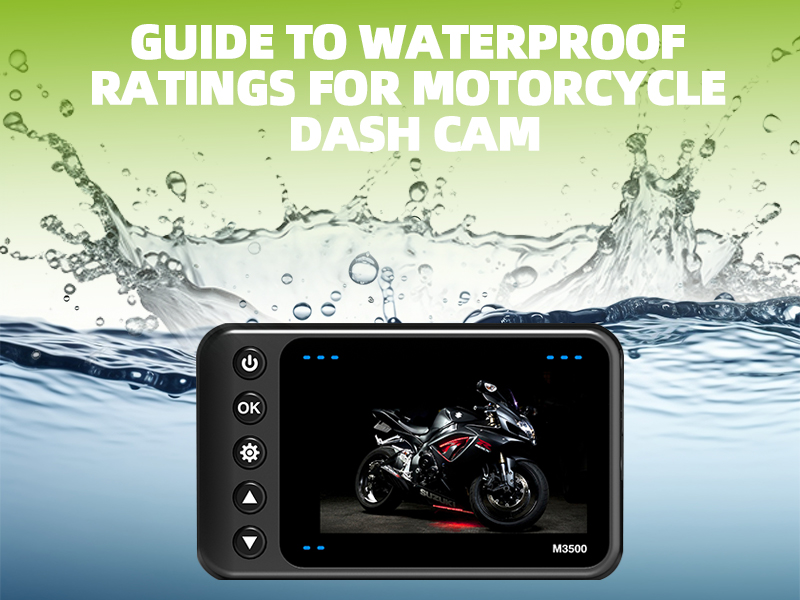
Guide to Waterproof Ratings for Motorcycle Dashcam插图

1. Get to Know Waterproof Ratings

  • Explain IP protection levels for electronic equipment

In electronic devices, the IP rating, also known as the Ingress Protection level, is a standard set by the International Organization for Standardization (ISO) to define the device’s ability to resist the entry of foreign objects and water. The IP rating consists of two digits: the first digit indicates the device’s resistance to the infiltration of solid objects such as dust, and the second digit represents the degree of protection against water ingress.

  • How the IP Rating Relates to the Waterproofing of Motorcycle Dash cams.

For motorcycle dash cams, a high IP rating is crucial as they must operate effectively in various weather conditions, including rain and humid environments. A common waterproof rating, such as IP68, signifies that the device is fully dust-resistant (‘6’) and capable of withstanding prolonged submersion in water (‘8’). When consumers choose a motorcycle dash cam, it is advisable to opt for products with a high IP rating to ensure reliable performance even in extreme weather conditions.

2. The Importance of Waterproofing for Motorcycle Dashcams

  • Why Waterproofing is Crucial for Motorcycle Dashcams

The waterproof feature of a motorcycle dashcam is crucial for several reasons:

①Weather Adaptability: Motorcycles are frequently used in various weather conditions, including rainy days. A waterproof dashcam can continue to function seamlessly in adverse weather conditions, providing uninterrupted recording capabilities for motorcyclists.

②Device Protection: A non-waterproof dashcam may suffer damage to its internal circuits due to water infiltration, leading to device malfunction or even complete failure. In contrast, a waterproof device can effectively prevent water ingress, thereby extending its lifespan.

③Safety Recording: One of the primary functions of a dashcam is to provide evidence in the event of an accident. When driving in rainy conditions, if the dashcam is not waterproof, there is a risk of it failing at the most critical moment, unable to provide a recording of the accident when it is needed the most.

④Maintenance Costs: A waterproof dashcam reduces the likelihood of damage due to weather conditions, thus saving costs associated with repairing or replacing the device.

  • Analyzing the Potential Risks of Non-Waterproof Dashcams to Water

Short Circuit: Contact between water and electronic components can result in a short circuit, potentially causing immediate damage to the dashcam.

Corrosion: Prolonged exposure to a humid environment, even if faults don’t occur immediately, can lead to gradual corrosion of the dashcam’s internal metal components, resulting in performance degradation.

Lens Fogging: The lens of a non-waterproof dashcam may fog up in rainy or humid conditions, affecting image quality and rendering the recording ineffective.

3. Different Waterproof Ratings of Dashcams

Explanation of Specific IP Ratings Relevant to Motorcycle Dashcams

For motorcycle dashcams, the IP (Ingress Protection) rating is a crucial standard for assessing their dust and water resistance capabilities. Here are some specific IP ratings relevant to motorcycle dashcams and their meanings:

① IP65: Indicates the dashcam can prevent dust ingress entirely and withstand low-pressure water jets from any direction.

② IP66: Indicates the dashcam is completely dustproof and can endure powerful water jets from any direction.

③ IP67: Indicates the dashcam is entirely dustproof and can withstand brief immersion in water up to 1 meter deep (usually within 30 minutes).

④ IP68: Indicates the dashcam is not only entirely dustproof but can also operate for extended periods underwater, with specific depth and duration typically specified by the manufacturer.
  • Delving into the Significance of Each Digit in the IP Rating:

The first digit (0-6): Indicates the dust protection level. A higher number signifies stronger dust resistance. ‘6’ means the device is completely dust-tight, preventing any dust from entering.

The second digit (0-8): Represents the water resistance level. A higher number indicates stronger water resistance. For instance, ‘5’ means the device can withstand low-pressure water jets, while ‘8’ might indicate the device can endure continuous, prolonged immersion in water.

When designing motorcycle dashcams, consideration is given to the unique usage environment of motorcycles. Therefore, products with IP67 or IP68 ratings are often chosen to ensure normal operation in various weather conditions. For motorcycle riders, it is crucial to understand these ratings and select products based on their specific needs.

Conclusão

When selecting a motorcycle dash cam, opting for a device with excellent waterproof capabilities is crucial to ensure stable operation in all weather conditions. Understanding the device’s IP rating—the level of protection against solid objects and liquid ingress—is key. The IPX rating specifically denotes waterproof protection, making it easier to compare product performance. As China’s leading motorcycle dash cam supplier, Luview offers high-quality devices rigorously tested for waterproofing to ensure your riding safety. Need a reliable dash cam? Contact sales@luview.com for more details and ensure your dash cam performs optimally even in the most extreme conditions.

Why is ISO certification vital for vehicle camera suppliers?缩略图

Por que a certificação ISO é vital para os fornecedores de câmaras para veículos?

Introdução à certificação ISO

A certificação ISO é uma certificação emitida pela Organização Internacional de Normalização (ISO), que verifica se o sistema de gestão, os processos de fabrico, os serviços ou os processos de documentação de uma organização estão em conformidade com todas as normas padronizadas de qualidade e segurança. A certificação ISO é amplamente reconhecida globalmente e serve como um importante símbolo do compromisso de uma empresa com a melhoria contínua e o atendimento às necessidades dos clientes, independentemente do tamanho do setor.

ISO 9001: Gestão da Qualidade para Fornecedores Automotivos

A importância da ISO 9001 na indústria automóvel para a gestão da qualidade e a conformidade com os requisitos legais da cadeia de abastecimento

Why is ISO certification vital for vehicle camera suppliers?插图
A ISO 9001 é de suma importância na indústria automóvel para a gestão da qualidade e conformidade com os requisitos legais na cadeia de abastecimento. Esta norma de gestão da qualidade reconhecida globalmente é particularmente crucial para os fornecedores automóveis. Ela garante que os fornecedores possam fornecer consistentemente produtos e serviços que atendam aos requisitos dos clientes e outros requisitos regulamentares relevantes. Ao estabelecer processos abrangentes de gestão da qualidade, os fornecedores automóveis podem otimizar as suas operações, reduzir erros, melhorar a eficiência e, em última análise, melhorar a qualidade do produto. Em termos de gestão da cadeia de abastecimento, a adesão à ISO 9001 ajuda a mitigar os riscos dentro da cadeia de abastecimento e a garantir a conformidade legal da cadeia de abastecimento, o que é crucial para prevenir potenciais consequências catastróficas.

ISO 14001: Gestão ambiental na produção de câmaras para veículos

A importância da gestão ambiental e como a ISO 14001 ajuda as empresas automotivas a reduzir o impacto ambiental

A ISO 14001 é uma norma internacional focada em sistemas de gestão ambiental e tem um significado especial para os fabricantes de câmaras para veículos. Esta norma foi concebida para ajudar as organizações a reduzir os seus impactos ambientais negativos, garantir a conformidade com as regulamentações ambientais e melhorar continuamente o desempenho ambiental. Ao implementar a ISO 14001, as empresas automóveis podem gerir de forma mais eficaz o consumo de energia e recursos nos seus processos de produção, reduzir o desperdício e diminuir a poluição. Isto promove práticas comerciais sustentáveis, não só cumprindo a responsabilidade social corporativa, mas também aumentando a competitividade no mercado no panorama atual de consumidores conscientes do ambiente.

ISO 45001: Saúde e segurança ocupacional na indústria transformadora

O papel da ISO 45001 no aumento da segurança no local de trabalho e na redução dos riscos ocupacionais na produção de câmaras para veículos

A ISO 45001 é uma norma internacional que visa ajudar as organizações a melhorar os seus sistemas de gestão da saúde e segurança ocupacional, reduzindo os riscos no local de trabalho e prevenindo lesões e problemas de saúde relacionados com o trabalho. Para as empresas envolvidas na fabricação de câmaras para veículos, esta norma é particularmente crucial, uma vez que os seus ambientes de produção podem envolver vários riscos potenciais no local de trabalho. Ao implementar a ISO 45001, as empresas podem identificar sistematicamente os riscos e implementar medidas eficazes de controlo de riscos, melhorando assim o desempenho geral em matéria de saúde e segurança no trabalho. Isto não só ajuda a proteger a saúde e o bem-estar dos funcionários, como também traz benefícios económicos, reduzindo os custos associados a acidentes e doenças.

ISO 50001: Gestão de energia em operações automotivas

Os benefícios da ISO 50001 na redução do consumo de energia e na promoção da sustentabilidade para empresas automotivas

A ISO 50001 é uma norma internacional focada em sistemas de gestão de energia, auxiliando as empresas automotivas a reduzir o consumo de energia por meio de uma gestão sistemática da energia. Essa norma incentiva as organizações a monitorar, medir, documentar e relatar melhor seus fluxos de energia, promovendo assim a melhoria contínua no desempenho energético. Para a indústria automóvel, isso significa reduzir custos e a pegada de carbono no processo de fabricação de câmaras para veículos e outros componentes automóveis. A implementação da ISO 50001 ajuda as empresas a identificar e capitalizar oportunidades de economia de energia, não só reduzindo o impacto ambiental, mas também promovendo o desenvolvimento sustentável e aumentando os benefícios económicos.

ISO 27001: Segurança da informação em empresas automotivas

A importância da ISO 27001 na proteção de dados e informações confidenciais na indústria automóvel

A ISO 27001 é uma norma internacional para Sistemas de Gestão da Segurança da Informação (SGSI), crucial para empresas automotivas devido ao manuseio de grandes quantidades de dados confidenciais, incluindo informações de clientes, dados de funcionários e materiais de design e desenvolvimento. A ISO 27001 fornece uma estrutura para ajudar as organizações a proteger essas informações contra acesso não autorizado e violações de dados, implementando medidas de segurança adequadas. Isso não só ajuda as empresas automotivas a prevenir vulnerabilidades de segurança, mas também aumenta a confiança entre consumidores e parceiros, garantindo a continuidade dos negócios e a conformidade.

IATF 16949: Qualidade na produção automóvel

Como a IATF 16949 se alinha às normas ISO ao focar na prevenção de defeitos e na gestão da qualidade na produção automotiva

A IATF 16949 é uma especificação técnica desenvolvida em colaboração entre a International Automotive Task Force (IATF) e a Organização Internacional de Normalização (ISO), especificamente adaptada à cadeia de abastecimento da indústria automóvel. Baseia-se na norma ISO 9001 e visa promover processos contínuos de gestão e melhoria da qualidade, com foco na prevenção de defeitos e redução de desperdícios na indústria automóvel. A IATF 16949 exige que os fabricantes automóveis implementem sistemas de gestão da qualidade consistentes em todo o processo de produção e montagem, a fim de garantir a entrega de produtos e serviços de alta qualidade. Esta norma ajuda os fornecedores da indústria automóvel a manterem-se competitivos no mercado global, ao mesmo tempo que satisfazem as crescentes exigências dos consumidores em termos de segurança e fiabilidade automóvel.

Estudo de caso da certificação ISO na indústria automóvel

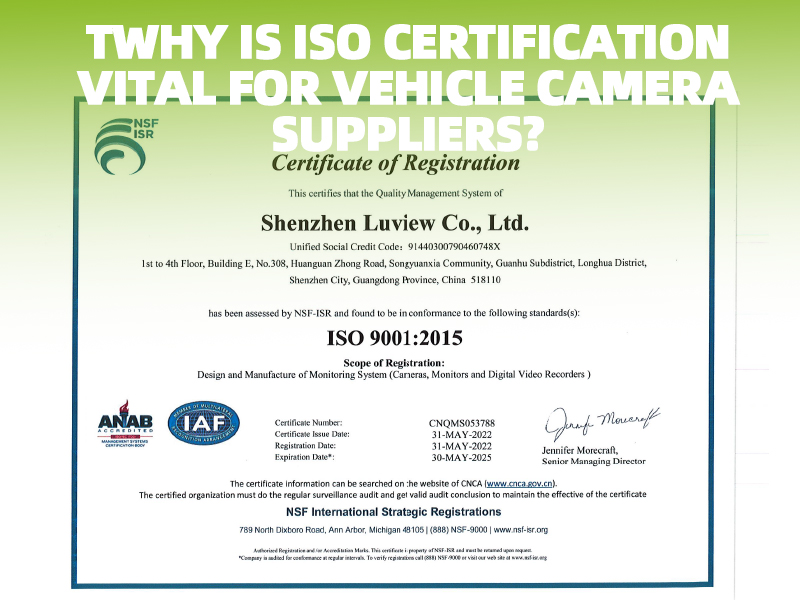
Na indústria automóvel, obter certificações ISO, como a ISO 9001 e a IATF 16949, pode proporcionar uma vantagem competitiva, pois representam um compromisso com a qualidade, a segurança e a eficiência. As certificações ISO não só ajudam as empresas a cumprir as melhores práticas internacionais e os requisitos regulamentares, como também aumentam a confiança dos consumidores, fornecedores e investidores. A Luview, por exemplo, obteve as certificações ISO 9001 e IATF 16949, o que elevou a reputação e o valor da marca da empresa. Isso demonstra a dedicação da Luview em fornecer produtos de alta qualidade que estão em conformidade com os mais elevados padrões internacionais.

Conclusão

A certificação ISO é fundamental para os fornecedores de câmaras para veículos, garantindo a qualidade e a segurança dos produtos, ao mesmo tempo que aumenta a competitividade no mercado global. A Luview fortaleceu a sua posição no mercado na fabricação e fornecimento de soluções para produtos de segurança de visão traseira, obtendo as certificações ISO 9001 e IATF 16949. Como fabricante profissional de produtos de segurança de visão traseira, oferecemos uma ampla gama de itens, incluindo câmaras para frotas e monitores para veículos, comprometidos em fornecer soluções de segurança veicular de alto padrão. Escolha a Luview pela sua fiabilidade. Para mais informações, contacte-nos através do sales@luview.com.

A importância dos testes de envelhecimento para monitores retrovisores de veículos缩略图

A importância dos testes de envelhecimento para monitores retrovisores de veículos

Introdução

The Role and Importance of the Rearview Vehicle Monitor

The rearview vehicle monitor is a device installed inside vehicles, commonly used to display images or videos of the area behind the vehicle, aiding drivers in reversing, parking, and driving maneuvers more safely. These monitors typically work in conjunction with backup cameras or rearview cameras to provide a real-time view of the rear, enabling drivers to clearly see potential obstacles, pedestrians, or other vehicles.

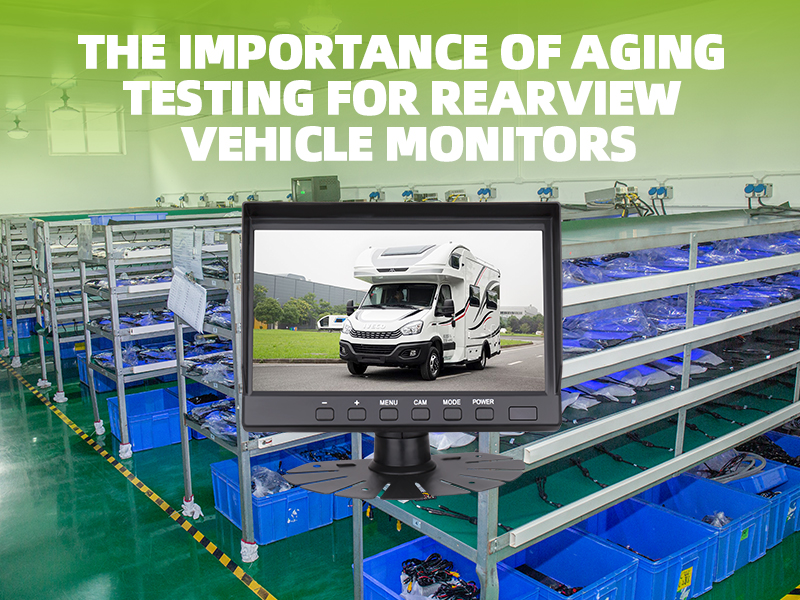
The Importance of Aging Testing for Rearview Vehicle Monitors插图

The Necessity of Aging Tests

Given the significance of rearview vehicle monitors in enhancing driving safety and convenience, ensuring their reliability and performance is critical. This is why aging tests are necessary. Aging tests help manufacturers ensure that these monitors can operate reliably over extended periods under various environmental conditions, meeting drivers’ needs and providing dependable safety.

The Basic Principles and Purpose of Aging Tests

Basic Principles of Aging Tests

Aging tests are systematic testing methods designed to simulate the conditions that a product may experience over extended use and in harsh environments to assess its performance, reliability, and durability. The basic principles of aging tests include:

Simulation of Actual Usage: A key principle of aging tests is to simulate the conditions and environments the product may encounter in actual use. This means that the tests must take into account the real-world application of the product and environmental factors such as temperature, humidity, and vibration.

Accelerated Aging: Aging tests often use accelerating factors, like increased temperature or humidity, to speed up the aging process of the product. This allows the long-term effects of usage to be simulated in a relatively short period.

Continuous Monitoring and Recording: During aging tests, it is essential to continuously monitor and record the performance and condition of the product. These data are crucial for subsequent analysis and improvements.

Assessing Failure Points: One of the objectives of aging tests is to identify the failure points of the product, i.e., the conditions under which the product begins to show decreased performance or malfunctions. This helps manufacturers to identify and improve weaknesses in the product.

What is the Main Purpose of Aging Tests?

The main purposes of aging tests are:

Verifying Product Reliability: By simulating long-term use and harsh environmental conditions, aging tests can verify the reliability of the product in actual use. This helps manufacturers to determine if the product is stable enough to operate normally under challenging conditions.

Early Detection of Issues: Aging tests can help manufacturers detect potential issues and defects before the product is released to the market. This allows for measures to improve product design and manufacturing processes to enhance product quality.

Evaluating Product Life: Through aging tests, manufacturers can assess the lifespan of the product and determine when it may require maintenance or replacement. This helps customers understand the expected life of the product and plan accordingly.

Meeting Regulatory Requirements: In some industries, aging tests are among the requirements of regulations and standards. By conducting aging tests, manufacturers can ensure that their products comply with relevant regulations and standards, thus avoiding legal issues.

How to Conduct Aging Tests on Rearview Vehicle Monitors

Testing Steps

Environmental Simulation: In the test chamber, place the rearview vehicle monitor under constant temperature (40°C) and humidity (90% relative humidity) to simulate a high-temperature and high-humidity environment.

Cycle Testing: Connect the monitor to a reversing camera and continuously run both the monitor and the camera for 12 hours each day to simulate long-term usage.

Vibration Testing: Use a vibration table to simulate the vibrations a vehicle experiences on different road conditions and conduct vibration testing for a duration of 10 hours.

Electromagnetic Interference Test: In an electromagnetic interference testing chamber, expose the monitor to electromagnetic radiation to simulate interference that may be caused by electronic devices within the vehicle.

Continuous Monitoring: Throughout the testing period, continuously monitor and record the performance and condition of the monitor, including indicators such as screen brightness, resolution, and color accuracy.

Conclusão

Aging tests are crucial for the performance and reliability of rearview vehicle monitors. They ensure that the products can operate stably in actual use, enhancing the safety and convenience for drivers.

Luview is a professional manufacturer and solution provider of rearview safety products from China. Whether you are looking for vehicle monitors or cameras, we are your choice. If you are searching for a suitable supplier, please contact sales@luview.com for more details. We are committed to providing high-quality, reliable rearview safety products to meet your needs and offer a safer driving experience for your vehicle.