
O que é que uma câmara de deteção de IA pode realmente detetar
Compreender o que é um Câmara de deteção de IA A capacidade de deteção da IA é crucial para empresas, operadores de frotas e condutores conscientes da segurança que pretendem melhorar a segurança rodoviária. Na Luview, concentramo-nos na combinação de algoritmos avançados de IA com hardware robusto para criar câmaras de trânsito com IA que proporcionam uma deteção fiável em condições de condução reais. Neste artigo, analisamos as capacidades das câmaras de deteção de IA, começando pela tecnologia subjacente e passando para as vantagens dos nossos produtos.
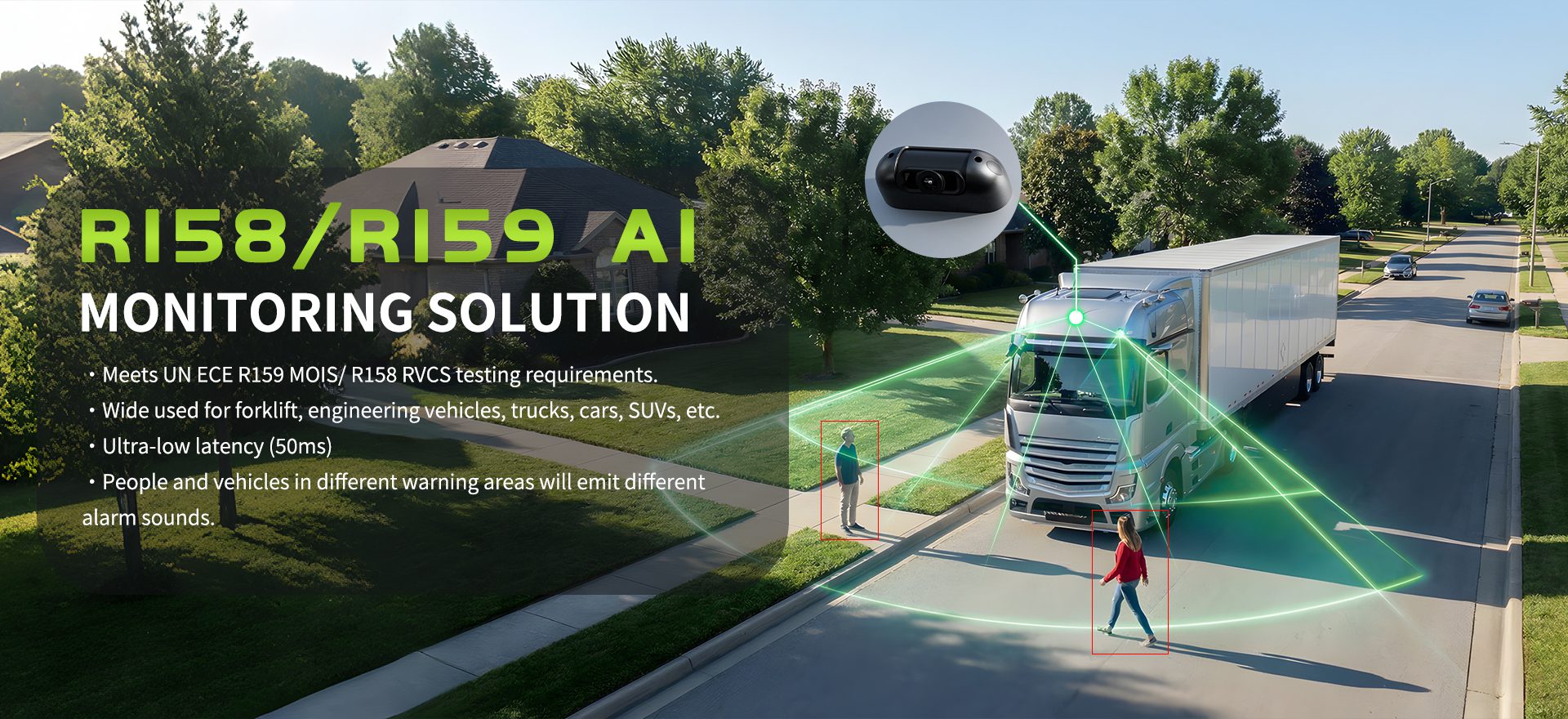
Como funcionam as câmaras de deteção de IA
Uma câmara de deteção com IA baseia-se em algoritmos inteligentes para analisar os dados visuais captados pela câmara. Ao contrário das câmaras tradicionais, que se limitam a gravar filmagens, as câmaras com IA processam imagens em tempo real para identificar objectos específicos, como peões, veículos e outros alvos em movimento. Isto é conseguido através do reconhecimento de padrões e da análise de movimentos, permitindo ao sistema distinguir entre objectos de fundo e perigos reais.
A tecnologia foi concebida para funcionar em ambientes complexos e dinâmicos. Por exemplo, em áreas urbanas, as câmaras de deteção de IA podem monitorizar ruas movimentadas, reconhecendo peões que atravessam a estrada, veículos que entram no trânsito ou mesmo objectos parcialmente ocultos por outros veículos. Ao filtrarem o ruído de fundo irrelevante, estes sistemas reduzem os falsos alarmes, mantendo uma elevada precisão de deteção.
Função de deteção de pessoas e veículos
Um dos principais pontos fortes da Luview Câmaras de trânsito com IA é a função de deteção de pessoas e veículos. Os nossos sistemas de câmaras para veículos podem identificar de forma fiável peões e veículos dentro do campo de visão da câmara. Esta capacidade assegura que os condutores recebem alertas direcionados para perigos reais, reduzindo as detecções falhadas e melhorando os tempos de reação. Em cenários de condução com muita gente ou complexos, esta funcionalidade é particularmente valiosa, ajudando a evitar acidentes e melhorando a segurança geral.
Os algoritmos inteligentes do sistema distinguem entre alvos em movimento e objectos de fundo estáticos. Isto minimiza os alertas desnecessários e permite que os condutores se concentrem nos riscos genuínos, tornando as câmaras de deteção de IA uma ferramenta essencial tanto para frotas comerciais como para condutores individuais que procuram uma consciência situacional melhorada.
Durabilidade e proteção ambiental
O desempenho da deteção é apenas uma parte da história. A implantação no mundo real requer um hardware robusto capaz de suportar condições adversas. As câmaras de trânsito Luview AI são construídas de acordo com as normas IP69K, proporcionando uma proteção extrema contra poeira, água e lavagens de alta pressão. Isto assegura um funcionamento contínuo mesmo em ambientes sujos, húmidos ou difíceis, reduzindo o tempo de inatividade e os custos de manutenção das frotas.
Conformidade com as normas de segurança
Para além do desempenho e da durabilidade, a conformidade regulamentar é uma consideração fundamental. O sistema de câmaras Luview AI cumpre as normas R158/R159, fornecendo uma solução certificada para aplicações em veículos regulamentados. A conformidade simplifica os processos de aprovação de frotas e garante que os operadores cumprem os requisitos legais, facilitando a implementação de câmaras de deteção de IA em vários tipos de veículos.
Conclusão
As câmaras de deteção de IA são mais do que meros dispositivos de gravação - analisam ativamente o ambiente para detetar peões, veículos e objectos em movimento, fornecendo alertas atempados que aumentam a consciência do condutor. Com Luview Com as câmaras de trânsito AI, obtém a vantagem da deteção precisa de pessoas e veículos, hardware robusto com classificação IP69K e conformidade com as normas R158/R159. Ao integrar estas câmaras nos seus veículos, pode melhorar a segurança, reduzir os acidentes e garantir um funcionamento fiável em ambientes exigentes.