
AI Vision Camera Systems for Real-Time Detection and Analysis
With the growing demand for intelligent perception in transportation and industrial environments, AI vision technologies are increasingly applied to real-time detection and analysis tasks. At Luview, we work with system integrators and fleet operators who require stable visual data for safety-related decision-making rather than consumer-oriented features. An AI-based vision solution focuses on consistent object recognition, image processing, and data output under real operating conditions. In this context, the best ИИ security camera system is not defined by marketing labels, but by how effectively it supports continuous detection accuracy and system reliability. Our experience with AI safety monitoring cameras shows that performance in real traffic scenarios depends on both hardware design and algorithm coordination.
Real-Time Detection Requirements in AI Vision Systems
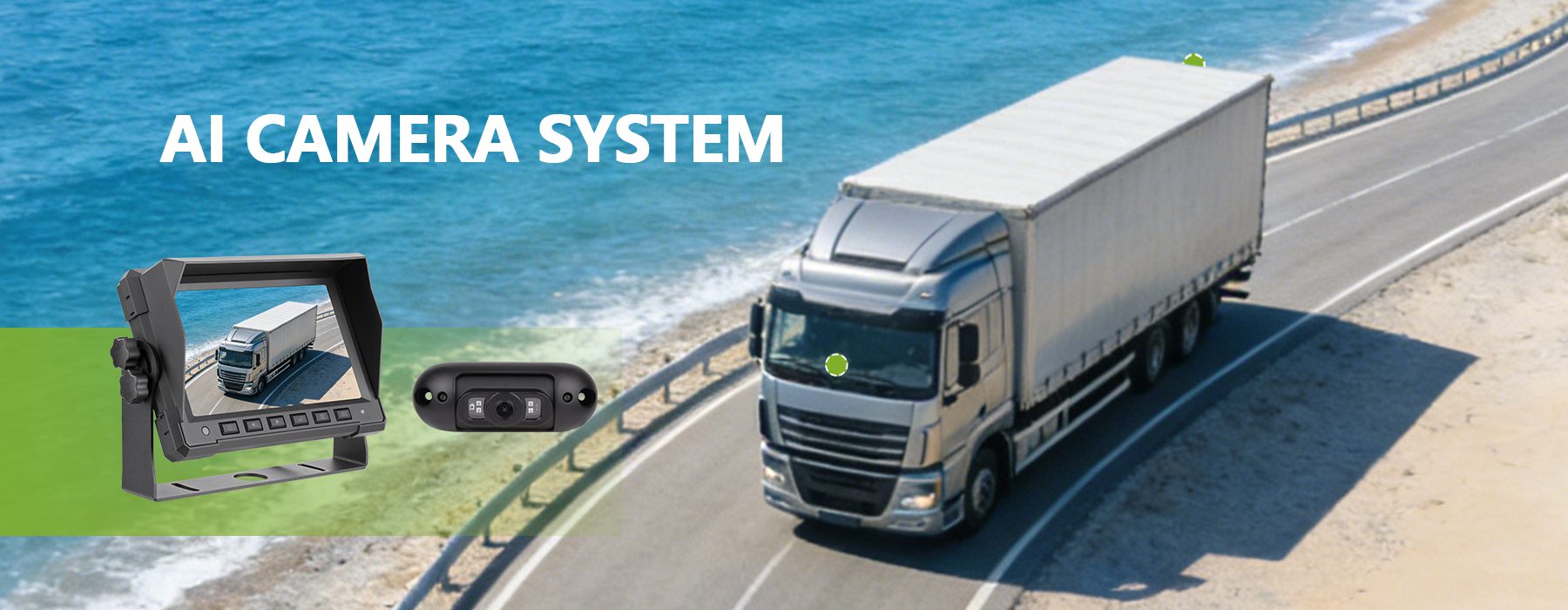
Real-time detection places specific demands on AI vision camera systems, especially in vehicle and roadside safety applications. These systems must identify vehicles, pedestrians, and vulnerable road users with minimal delay while maintaining image stability. In a professional deployment, the best AI security camera system must balance resolution, processing capability, and environmental adaptability rather than focus on a single specification. Our R151–R159 compliant AI camera system is designed for use in BSIS and MOIS applications, supporting vehicle and pedestrian detection through embedded AI processing. For AI safety monitoring cameras, reliable detection across varying lighting and weather conditions is essential, as these systems often operate continuously in open-road environments where visual noise cannot be fully controlled.
System Performance and Practical Integration
Beyond detection accuracy, system performance is closely linked to integration and operational continuity. In our projects, we consider how an AI vision camera fits into an existing safety architecture rather than treating it as a standalone device. The R151–R159 compliant solution supports standardized installation approaches for commercial vehicles and infrastructure systems, helping integrators deploy AI safety monitoring cameras with predictable behavior. A best AI security camera system should deliver stable output without frequent recalibration, especially in long-term fleet use. At Luview, we focus on maintaining consistent processing performance while ensuring that system outputs remain usable for downstream safety modules and monitoring platforms, which is a key requirement for professional users managing large-scale deployments.
Conclusion: Evaluating AI Vision Cameras for Professional Safety Applications
AI vision camera systems for real-time detection and analysis must be evaluated based on how well they support real operational needs. From detection consistency to integration flexibility, each component affects overall system reliability. In practical applications, ИИ safety monitoring cameras contribute to improved situational awareness when they are designed around regulatory compliance and stable performance. A best AI security camera system should align with professional safety workflows rather than introduce unnecessary complexity. By focusing on compliant design, reliable detection logic, and integration-oriented development, we support experienced users seeking dependable AI vision solutions for safety-critical environments.