
1080P Yedekleme Kameralı Dijital Dikiz Aynaları: Görüntü Kalitesi ve Performans
Araç güvenliği düzenlemeleri ve sürüş ortamları gelişmeye devam ettikçe, dijital arka görüş filo operatörleri ve otomotiv sistem entegratörleri için önemli bir konu haline geldi. Şu anda Luview, 'de, gerçek dünyadaki ticari araç gereksinimlerine uyarken arka görüşü iyileştiren dijital ayna çözümleri geliştirmeye odaklanıyoruz. Bir dikiz aynası kamera sistemi, yüksek çözünürlüklü kameralar ve kabin içi ekranlar kullanarak geleneksel optik aynaları değiştirir veya geliştirir ve sürücülerin daha geniş ve daha tutarlı bir görüş alanına erişmesine olanak tanır. Dijital aynalar, bir yedek dikiz kamera aynası ile eşleştirildiğinde, özellikle sınırlı arka camları veya engellenmiş kargo alanları olan araçlar için daha güvenli geri gitmeyi ve şerit farkındalığını destekler.
Dijital Dikiz Aynaları için Görüntü Kalitesi Hususları
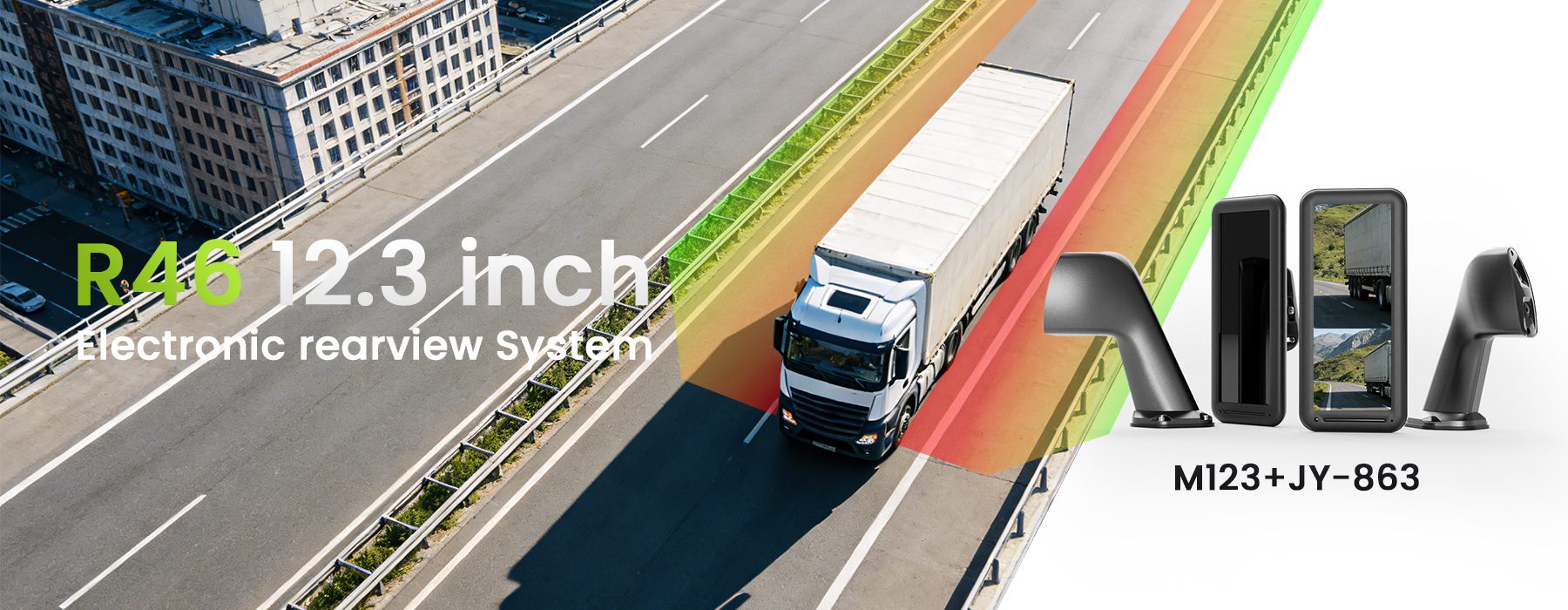
Görüntü netliği, bir dijital ayna çözümünü değerlendirirken en önemli faktörlerden biridir. Bir dikiz aynası kamera sisteminde çözünürlük, sürücülerin farklı mesafelerdeki araçları, yayaları ve yol işaretlerini ne kadar net tanıyabileceğini doğrudan etkiler. UN ECE R46 sertifikalı 12,3 inç elektronik aynamız, değişen aydınlatma koşullarında sabit görüntü ayrıntısı sağlamak için 1080P kamera içerir. Analog çözümlerle karşılaştırıldığında, dijital iletim kullanan bir yedek arka görüş kamerası aynası bozulmayı azaltır ve gece sürüşü veya güçlü arka ışık senaryolarında tutarlı parlaklığı korur. Bölünmüş ekran tasarımı ayrıca sürücülerin ekran karmaşasını artırmadan tam arka görüş ve birleşik görünümler arasında geçiş yapmasına olanak tanır; bu da hızlı görsel muhakemeye güvenen profesyonel sürücüler için önemlidir.
Günlük Operasyonda Performans ve Sistem Entegrasyonu
Görüntü çözünürlüğünün ötesinde, sistem performansı sinyal kararlılığına, ekran tepkisine ve uzun vadeli güvenilirliğe bağlıdır. Geliştirme sürecimizde her bir dikiz aynası kamera sistemini, ticari araçlarda sürekli çalışmayı desteklerken yasal gereklilikleri karşılayacak şekilde tasarlıyoruz. 12,3 inç dijital ayna sistemi, minimum gecikmeyle gerçek zamanlı ekranı destekleyerek görsel geri bildirimin araç hareketiyle senkronize kalmasını sağlar. Düzgün yapılandırılmış bir yedek arka görüş kamera aynası özellikle büyük araçlarda geleneksel aynalara kıyasla kör bölgeleri de azaltabilir. Luview'de kurulum esnekliğini ve mevcut araç platformlarıyla uyumluluğu göz önünde bulundurarak sistem entegratörlerinin orijinal araç yapılarında gereksiz değişiklik yapmadan dijital aynalar kullanmasına yardımcı oluyoruz.
Sonuç: Profesyonel Kullanım için Dijital Aynaların Değerlendirilmesi
Deneyimli alıcılar, 1080P yedek kameralı dijital dikiz aynalarını değerlendirirken pazarlama iddialarından ziyade görüntü kalitesi, ekran performansı ve uyumluluğa odaklanmalıdır. İyi tasarlanmış bir dikiz aynası kamera sistemi arka görüş tutarlılığını artırırken, güvenilir bir geri görüş kamerası aynası karmaşık ortamlarda daha güvenli geri dönüşü destekler. Sertifikalı tasarım, net görüntüleme ve pratik ekran düzenlerini bir araya getiren dijital ayna çözümleri, operasyonel karmaşıklığı artırmadan günlük sürüş görevlerini destekleyebilir. Bu faktörler, tüm araç ömrü boyunca performans istikrarının önemli olduğu ticari ve filo uygulamaları için gereklidir.