Lợi ích của Hệ thống camera đèn phanh - Hình thu nhỏ

Lợi ích của Hệ thống camera đèn phanh

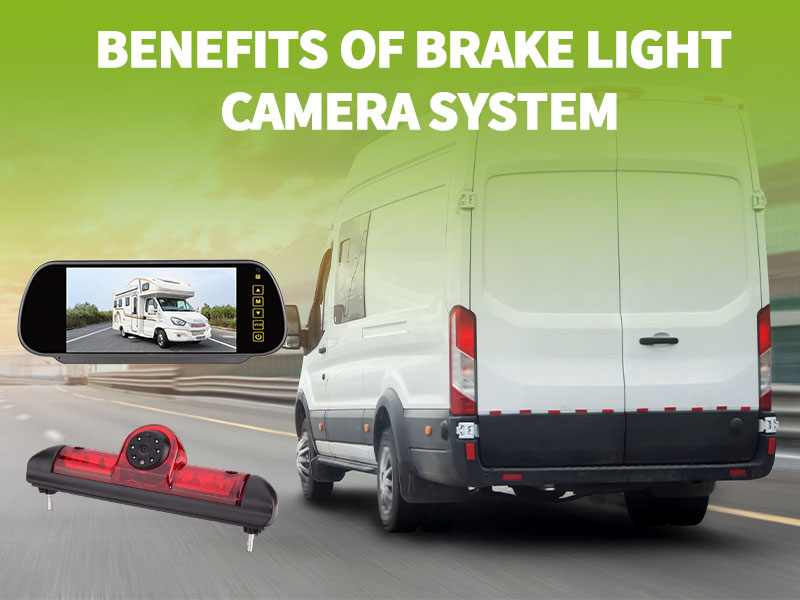
Lợi ích của Hệ thống camera đèn phanh插图Trong thời đại công nghệ ô tô phát triển nhanh chóng như hiện nay, hệ thống camera đèn phanh - một trong những công nghệ an toàn tiên tiến - đang dần thu hút sự chú ý của mọi người. Hệ thống này mang lại cho tài xế sự bảo vệ toàn diện và tiên tiến hơn về an toàn giao thông, hỗ trợ đỗ xe, trải nghiệm lái xe, bằng chứng tai nạn, tiện lợi và hiệu quả về chi phí. Hãy cùng tìm hiểu những tính năng ưu việt của hệ thống camera đèn phanh.

Nâng cao an toàn giao thông đường bộ

Hệ thống camera đèn phanh đóng vai trò quan trọng trong việc nâng cao an toàn giao thông. Bằng cách theo dõi môi trường phía sau xe theo thời gian thực, hệ thống có thể nhanh chóng phát hiện chướng ngại vật và ngăn chặn tai nạn trước khi va chạm có thể xảy ra, từ đó nâng cao đáng kể an toàn giao thông. Công nghệ này thể hiện hiệu suất xuất sắc, đặc biệt trong điều kiện thời tiết xấu, giúp tài xế có cái nhìn rõ ràng hơn về môi trường xung quanh và giảm thiểu hiệu quả nguy cơ tai nạn do thời tiết gây ra. Với khả năng phản ứng nhanh và độ tin cậy trong các điều kiện thời tiết khác nhau, hệ thống camera đèn phanh trở thành trợ thủ an toàn mạnh mẽ, cung cấp cho tài xế sự bảo vệ toàn diện trên đường.

Tính năng hỗ trợ đỗ xe

Tính năng hỗ trợ đỗ xe là một ưu điểm nổi bật khác của hệ thống camera đèn phanh. Hệ thống này đóng vai trò quan trọng trong việc đỗ xe chính xác bằng cách cung cấp sự hỗ trợ tuyệt vời cho tài xế, giúp quá trình đỗ xe trở nên chính xác và an toàn hơn. Bằng cách theo dõi môi trường xung quanh xe theo thời gian thực, hệ thống có thể phát hiện các chướng ngại vật tiềm ẩn trong quá trình đỗ xe, tránh nguy cơ va chạm không mong muốn. Dù là đỗ xe song song hay đỗ xe vuông góc, hệ thống camera đèn phanh đều thể hiện khả năng hỗ trợ xuất sắc. Đối với tài xế, điều này có nghĩa là họ có thể tự tin thực hiện các thao tác đỗ xe trong không gian hẹp mà không lo lắng về việc va chạm không mong muốn với các phương tiện hoặc vật cản xung quanh. Sự tiện lợi này không chỉ nâng cao hiệu quả đỗ xe mà còn giảm thiểu nguy cơ tai nạn có thể xảy ra trong quá trình đỗ xe.

Nâng cao trải nghiệm lái xe

Hệ thống camera đèn phanh không chỉ góp phần nâng cao an toàn giao thông và hỗ trợ đỗ xe. Nó còn đóng vai trò quan trọng trong việc nâng cao trải nghiệm lái xe. Bằng cách theo dõi môi trường phía sau xe theo thời gian thực, hệ thống giúp giảm bớt áp lực cho người lái và mang lại cảm giác an toàn khi lái xe cao hơn. Tài xế có thể hiểu rõ hơn về điều kiện xung quanh, và sự tích hợp mượt mà của hệ thống với các tính năng an toàn khác tạo ra một trải nghiệm lái xe toàn diện cho họ. Sự bảo vệ toàn diện và hỗ trợ lái xe thông minh này giúp tài xế lái xe với sự tự tin và thoải mái hơn, nâng cao sự thú vị và tiện lợi của quá trình lái xe. Hệ thống camera đèn phanh không chỉ là công nghệ an toàn mà còn là người bạn đồng hành quan trọng mang lại niềm vui và tiện lợi cho tài xế.

Thu thập bằng chứng tai nạn

Tính năng ghi hình tự động của hệ thống camera đèn phanh cung cấp một phương pháp hiệu quả và đáng tin cậy để thu thập bằng chứng tai nạn, giúp đơn giản hóa quy trình bồi thường và cung cấp bằng chứng đáng tin cậy cho các yêu cầu bồi thường bảo hiểm. Bằng cách theo dõi tình trạng lái xe của phương tiện, hệ thống ghi lại các vụ tai nạn và sự cố bất ngờ trong thời gian thực, thu thập thông tin hình ảnh và video quan trọng. Tính năng này không chỉ giúp xác định trách nhiệm và trình tự sự kiện, nâng cao tính công bằng và hiệu quả của quy trình bồi thường, mà còn bảo vệ tài xế khỏi các hoạt động gian lận. Sau tai nạn, bằng chứng khách quan được ghi lại trở thành hỗ trợ quan trọng trong quá trình bồi thường, giảm thiểu khả năng tranh chấp và tranh cãi. Ngoài ra, công nghệ này giúp ngăn chặn hành vi gian lận vì thông tin thời gian thực được ghi lại khó bị sửa đổi, cung cấp cho các công ty bảo hiểm nguồn dữ liệu đáng tin cậy hơn. Nhìn chung, khả năng mạnh mẽ của hệ thống camera đèn phanh trong việc thu thập bằng chứng tai nạn mang lại cho tài xế sự hỗ trợ bảo hiểm toàn diện, giúp họ đối mặt với các sự cố bất ngờ trên đường với sự tự tin hơn.

Tiện lợi và Kết nối

Hệ thống camera đèn phanh tích hợp với ứng dụng di động mang lại các tính năng tiện lợi như giám sát từ xa và cảnh báo rủi ro thời gian thực, cho phép tài xế truy cập ngay lập tức vào trạng thái của xe và nâng cao sự tiện lợi và an toàn khi lái xe. Hơn nữa, khả năng kết nối mượt mà với các hệ thống xe thông minh khác giúp nâng cao trí tuệ tổng thể của xe. Bằng cách hoạt động hài hòa với các hệ thống khác, nó cung cấp các dịch vụ và quản lý toàn diện và thông minh hơn, mang lại cho tài xế trải nghiệm lái xe tiện lợi và tiên tiến hơn.

Giải pháp an toàn hiệu quả về chi phí

Hệ thống camera đèn phanh không chỉ mang lại sự đảm bảo an toàn đáng kể cho người lái xe mà còn thể hiện hiệu quả kinh tế cao. Tính năng ghi hình tự động của hệ thống cung cấp bằng chứng đáng tin cậy cho các yêu cầu bồi thường bảo hiểm, có thể giảm chi phí bảo hiểm và mang lại lợi ích kinh tế cho chủ xe. Quan trọng hơn, hệ thống này hiệu quả trong việc ngăn chặn các va chạm tốn kém và chi phí sửa chữa thông qua tính năng giám sát thời gian thực và hỗ trợ lái xe, giảm khả năng hư hỏng xe và kéo dài tuổi thọ của xe. Do đó, hệ thống camera đèn phanh không chỉ ưu tiên an toàn cho người lái mà còn tạo ra lợi ích kinh tế lâu dài cho chủ xe, khiến nó trở thành một khoản đầu tư toàn diện và có giá trị trong lĩnh vực an toàn xe cộ.

Kết luận

Tóm lại, hệ thống camera đèn phanh mang lại những ưu điểm nổi bật trong việc nâng cao an toàn giao thông, trải nghiệm lái xe, hỗ trợ đỗ xe, thu thập bằng chứng tai nạn, tiện lợi và hiệu quả về chi phí. Việc lắp đặt hệ thống này sẽ mang lại cho tài xế một trải nghiệm an toàn ở mức độ mới. Luview, với tư cách là nhà cung cấp hệ thống camera đèn phanh chất lượng cao, xứng đáng được quý khách hàng cân nhắc nghiêm túc. Để biết thêm thông tin, vui lòng liên hệ. sales@luview.com Để lựa chọn các giải pháp bảo vệ an toàn xuất sắc cho phương tiện của bạn.

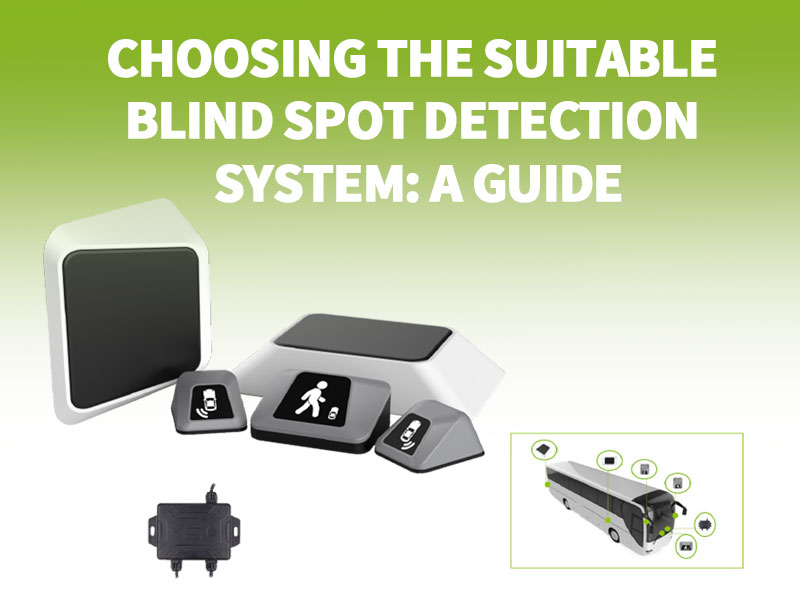
Lựa chọn Hệ thống Phát hiện Điểm Mù Phù hợp: Hướng dẫn (Hình thu nhỏ)

Lựa chọn Hệ thống Phát hiện Điểm Mù Phù hợp: Hướng dẫn

Lựa chọn Hệ thống Phát hiện Điểm Mù Phù hợp: Hướng dẫn có minh họaTrong giao thông hiện đại, tai nạn do điểm mù là một loại tai nạn giao thông phổ biến và nguy hiểm. Để nâng cao an toàn khi lái xe, ngày càng nhiều phương tiện được trang bị hệ thống phát hiện điểm mù. Tuy nhiên, trên thị trường hiện nay có rất nhiều loại và thương hiệu hệ thống phát hiện điểm mù, khiến việc lựa chọn một hệ thống phù hợp với phương tiện của mình trở nên không dễ dàng. Bài viết này sẽ tìm hiểu cách lựa chọn hệ thống phát hiện điểm mù phù hợp với phương tiện, đảm bảo an toàn trong quá trình lái xe.

1. Nguy cơ tai nạn do điểm mù

Nguy cơ tai nạn do điểm mù không thể bị xem nhẹ trong giao thông hiện đại. Những tai nạn này xảy ra ở những khu vực không thể quan sát trực tiếp bởi tài xế, làm tăng nguy cơ va chạm, đặc biệt là khi chuyển làn, nhập làn hoặc lùi xe. Hơn nữa, tai nạn do điểm mù có thể đe dọa an toàn của người đi bộ và người đi xe đạp, đặc biệt là tại các giao lộ và khi thực hiện các thao tác lùi xe. Tai nạn tại giao lộ, sự cố lùi xe và nguy hiểm khi chuyển làn có mối liên hệ chặt chẽ với điểm mù.
Để giảm thiểu nguy cơ xảy ra các vụ tai nạn liên quan đến điểm mù, các nhà sản xuất ô tô áp dụng các giải pháp công nghệ như hệ thống phát hiện điểm mù và liên tục cải tiến thiết kế xe để nâng cao tầm nhìn. Ngoài ra, việc đào tạo tài xế và sự tập trung của họ cũng đóng vai trò quan trọng trong việc giảm thiểu tai nạn do điểm mù gây ra. Bằng cách triển khai toàn diện các biện pháp này, chúng ta có thể nâng cao hiệu quả an toàn giao thông, giảm thiểu các mối đe dọa tiềm ẩn do tai nạn điểm mù gây ra cho tài xế và các phương tiện khác trên đường.

2. Các loại hệ thống phát hiện điểm mù

Hệ thống phát hiện điểm mù có nhiều loại khác nhau, sử dụng các công nghệ khác nhau để cung cấp hỗ trợ lái xe bổ sung. Hệ thống radar sử dụng tín hiệu radar không dây để theo dõi môi trường xung quanh, trong khi hệ thống camera cung cấp hình ảnh video thời gian thực, đặc biệt hữu ích cho hỗ trợ thị giác khi lùi xe hoặc chuyển làn. Hệ thống siêu âm đo khoảng cách bằng cảm biến siêu âm và phát ra cảnh báo bằng âm thanh hoặc hình ảnh. Ngoài ra, các hệ thống tích hợp kết hợp nhiều công nghệ để cung cấp giám sát điểm mù toàn diện hơn. Mỗi hệ thống có những ưu điểm và hạn chế riêng, và việc lựa chọn hệ thống phù hợp cho xe yêu cầu xem xét các yếu tố như độ chính xác, phạm vi phủ sóng, tốc độ phản hồi và hiệu suất thực tế trong quá trình lái xe. Việc chọn hệ thống phù hợp đòi hỏi phải xem xét loại xe và sở thích cá nhân.

3. Các loại xe và kích thước áp dụng

Hệ thống phát hiện điểm mù được áp dụng rộng rãi trên nhiều loại phương tiện, đặc biệt là đối với xe compact, SUV, xe tải và xe thương mại cỡ lớn, những loại phương tiện có thể gặp phải thách thức lớn về điểm mù trong quá trình lái xe. Các hệ thống này, sử dụng công nghệ hình ảnh, radar hoặc siêu âm, cung cấp cảnh báo bổ sung cho tài xế trong các thao tác như lùi xe và chuyển làn, từ đó giảm thiểu nguy cơ tai nạn giao thông. Khi lựa chọn hệ thống cảnh báo điểm mù phù hợp với loại xe cụ thể, nên xem xét kích thước và cấu trúc thiết kế của xe. Điều này bao gồm việc đánh giá phạm vi phủ sóng của hệ thống và vị trí đặt cảm biến để đảm bảo an toàn lái xe tối ưu.

4. Các yếu tố cần xem xét trong phạm vi ngân sách

Khi lựa chọn hệ thống phát hiện điểm mù, có một số yếu tố cần xem xét ảnh hưởng đến phạm vi ngân sách. Mẫu xe, nhà sản xuất, loại công nghệ và chức năng của hệ thống là những yếu tố chính ảnh hưởng đến chi phí. Các mẫu xe sang thường được trang bị công nghệ an toàn tiên tiến hơn, dẫn đến chi phí hệ thống có thể cao hơn. Các loại công nghệ khác nhau cũng ảnh hưởng đến giá cả, ví dụ, hệ thống dựa trên radar có thể đắt hơn, trong khi hệ thống dựa trên sóng siêu âm có thể tiết kiệm chi phí hơn. Các tính năng nâng cao như phanh tự động, hỗ trợ giữ làn đường, v.v., có thể làm tăng giá hệ thống. Các hệ thống được lắp đặt bởi nhà sản xuất (OEM) thường được tích hợp chặt chẽ hơn và có thể đắt hơn. Ngoài ra, cạnh tranh thị trường và lựa chọn nhà cung cấp cũng có thể ảnh hưởng đến giá cả. Xem xét cả yêu cầu an toàn và hạn chế tài chính, việc lựa chọn một hệ thống phù hợp với nhu cầu cá nhân và môi trường lái xe là điều quan trọng. Đầu tư này thường nâng cao an toàn khi lái xe và giảm thiểu nguy cơ tai nạn tiềm ẩn.

5. Độ khó và phương pháp lắp đặt

Độ khó và phương pháp lắp đặt hệ thống phát hiện điểm mù thay đổi tùy thuộc vào mẫu xe, loại hệ thống và liệu hệ thống đó được lắp đặt sẵn tại nhà máy hay là lắp đặt sau khi mua xe. Hệ thống lắp đặt sẵn tại nhà máy thường được thực hiện bởi các kỹ thuật viên chuyên nghiệp trong quá trình sản xuất xe, giúp đơn giản hóa quy trình lắp đặt. Lắp đặt sau khi mua xe có thể bao gồm các bước phức tạp hơn, tùy thuộc vào loại hệ thống và vị trí lắp đặt. Điều này có thể bao gồm việc lắp đặt camera, radar hoặc cảm biến siêu âm, cũng như kết nối với hệ thống điện của xe. Đối với những người không quen thuộc với hệ thống ô tô, nên tìm kiếm dịch vụ lắp đặt chuyên nghiệp để đảm bảo hệ thống được lắp đặt chính xác và hoạt động đúng cách. Điều này giúp nâng cao an toàn và giảm thiểu các vấn đề tiềm ẩn.

6. Độ tin cậy kỹ thuật và độ chính xác

Độ tin cậy kỹ thuật và độ chính xác là những yếu tố phân biệt quan trọng giữa các loại hệ thống phát hiện điểm mù khác nhau. Điều này bao gồm các khía cạnh như khả năng nhận diện hình ảnh của camera và độ chính xác cảm biến của radar. Để đảm bảo hoạt động hiệu quả trong môi trường giao thông phức tạp, người dùng cần lựa chọn các hệ thống có độ tin cậy kỹ thuật và độ chính xác cao hơn dựa trên nhu cầu và trường hợp sử dụng cụ thể của mình. Trong quá trình lựa chọn này, việc hiểu rõ các chi tiết kỹ thuật của các hệ thống khác nhau, như độ phân giải camera và tối ưu hóa thuật toán, phạm vi phát hiện và độ chính xác của radar, sẽ là yếu tố quan trọng. Thông qua việc lựa chọn cẩn thận, người dùng có thể đảm bảo rằng hệ thống phát hiện điểm mù của họ hoạt động đáng tin cậy trong các tình huống khác nhau, từ đó nâng cao an toàn khi lái xe.

7. Yêu cầu chức năng

Khi lựa chọn hệ thống phát hiện điểm mù, người dùng cần xem xét không chỉ độ tin cậy kỹ thuật và độ chính xác mà còn các yêu cầu chức năng của hệ thống. Các hệ thống khác nhau cung cấp các phương pháp cảnh báo đa dạng, chẳng hạn như cảnh báo bằng hình ảnh, âm thanh hoặc rung. Một số hệ thống còn có khả năng ghi lại và phân tích dữ liệu, cung cấp thông tin chi tiết về hành vi lái xe và các sự cố liên quan đến điểm mù. Người dùng có thể lựa chọn hệ thống phù hợp nhất với sở thích và thói quen lái xe của mình dựa trên các tính năng này. Ví dụ, những tài xế ưa chuộng cảnh báo hình ảnh có thể lựa chọn các chỉ báo rõ ràng và dễ nhìn, trong khi người dùng quan tâm đến phân tích dữ liệu có thể ưa thích các hệ thống cung cấp bản ghi chi tiết. Các tính năng bổ sung như điều chỉnh độ nhạy tự động, kết nối không dây và tích hợp với điện thoại thông minh cũng là yếu tố cần xem xét, giúp nâng cao sự tiện lợi và trải nghiệm người dùng của hệ thống. Do đó, bằng cách xem xét toàn diện cả các tính năng kỹ thuật và nhu cầu chức năng, người dùng có thể lựa chọn hệ thống phát hiện điểm mù phù hợp hơn với thói quen lái xe và sở thích của mình.

8. Các yếu tố tương thích cần xem xét

Khi lựa chọn hệ thống phát hiện điểm mù, việc xem xét tính tương thích của hệ thống với các năm sản xuất và mẫu xe khác nhau là vô cùng quan trọng. Đảm bảo tích hợp mượt mà và chức năng hoạt động đúng đắn là yếu tố hàng đầu. Ngoài ra, người dùng cũng nên chú ý xem hệ thống có hỗ trợ cập nhật và nâng cấp để thích ứng với công nghệ và yêu cầu quy định ngày càng phát triển hay không. Điều này giúp đảm bảo tính sẵn có và khả năng thích ứng lâu dài của hệ thống. Do đó, tính tương thích là yếu tố quan trọng cần xem xét khi lựa chọn hệ thống phát hiện điểm mù, ảnh hưởng trực tiếp đến hiệu quả của hệ thống trên các loại xe cụ thể và khả năng bảo trì trong tương lai.

9. Tuân thủ các quy định và tiêu chuẩn

Khi lựa chọn hệ thống phát hiện điểm mù, người dùng cần đảm bảo rằng hệ thống được chọn tuân thủ các quy định và tiêu chuẩn địa phương. Các khu vực khác nhau có thể có yêu cầu chứng nhận cụ thể đối với các hệ thống này, do đó việc hiểu rõ các quy định địa phương và lựa chọn hệ thống đáp ứng các tiêu chuẩn áp dụng là điều quan trọng. Điều này giúp đảm bảo tính hợp pháp và an toàn khi lái xe, đồng thời nâng cao độ tin cậy tổng thể của trải nghiệm lái xe.

Kết luận

Khi lựa chọn hệ thống phát hiện điểm mù phù hợp cho xe, cần xem xét toàn diện các yếu tố trên, đánh giá ưu nhược điểm để đưa ra quyết định sáng suốt. Vai trò của hệ thống phát hiện điểm mù không chỉ giúp nâng cao an toàn khi lái xe mà còn góp phần giảm thiểu nguy cơ tai nạn. Bằng cách lựa chọn hợp lý hệ thống phát hiện điểm mù, chúng ta có thể tận hưởng niềm vui lái xe với sự an tâm hơn và đảm bảo an toàn giao thông cho bản thân và người khác.
Để đảm bảo một trải nghiệm lái xe an toàn và không có điểm mù, Luview là đối tác lý tưởng của bạn trong lĩnh vực hệ thống phát hiện điểm mù ô tô! Chúng tôi chuyên nghiên cứu và sản xuất các hệ thống gương chiếu hậu ô tô chất lượng cao và giải pháp giám sát video, hỗ trợ bạn trong mọi chuyến đi mà không lo lắng. Hãy hành động ngay, nắm bắt sự an toàn và liên hệ với chúng tôi để biết thêm chi tiết về dịch vụ và sản phẩm tùy chỉnh tại sales@luview.com. Hãy để Luview đồng hành cùng bạn trên hành trình với sự tự tin!

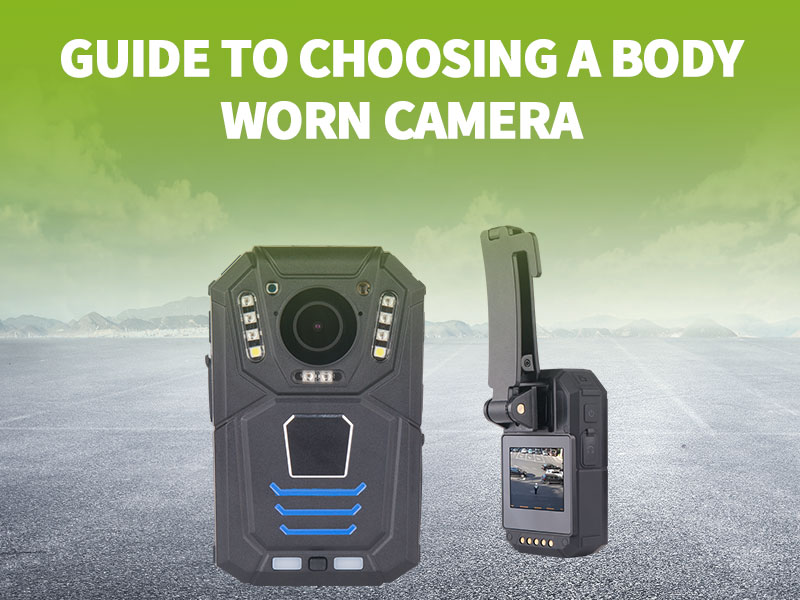
Hướng dẫn chọn camera đeo trên người (Thu nhỏ hình ảnh)

Hướng dẫn chọn camera đeo trên người

Hướng dẫn chọn camera đeo trên người (Hình minh họa)Trong công tác thực thi pháp luật hiện đại, camera gắn trên người đã trở thành một công cụ không thể thiếu. Chúng không chỉ cung cấp bằng chứng khách quan mà còn góp phần duy trì công bằng và minh bạch. Tuy nhiên, trước sự đa dạng về thương hiệu và mẫu mã của camera gắn trên người trên thị trường, việc lựa chọn một thiết bị phù hợp với yêu cầu công việc có thể gây khó khăn. Để giúp bạn đưa ra quyết định sáng suốt, dưới đây là hướng dẫn về cách chọn camera gắn trên người.
Giới thiệu

Việc áp dụng camera gắn trên người trong lực lượng thi hành pháp luật đã trở thành một xu hướng phổ biến. Bằng cách ghi lại các hoạt động thi hành pháp luật, thiết bị này cung cấp cho các cán bộ một công cụ mạnh mẽ để bảo vệ bản thân đồng thời nâng cao tính minh bạch trong công việc của họ.

1. Xem xét các tính năng quan trọng

Khi lựa chọn camera đeo trên người, các yếu tố quan trọng nhất cần xem xét là những tính năng cốt lõi của thiết bị. Độ phân giải và chất lượng video quyết định độ rõ nét của hình ảnh ghi lại, trong khi góc nhìn rộng đảm bảo phạm vi phủ sóng toàn diện. Ngoài ra, khả năng hoạt động trong điều kiện ánh sáng yếu và thời lượng pin cũng là những yếu tố quan trọng không thể bỏ qua.

2. Lưu trữ và quản lý dữ liệu

Lựa chọn một camera đeo trên người có khả năng lưu trữ và quản lý dữ liệu mạnh mẽ cũng quan trọng không kém. Các tùy chọn lưu trữ nội bộ và ngoại vi, lưu trữ đám mây, cũng như các tính năng mã hóa dữ liệu và bảo mật, đều cần được xem xét kỹ lưỡng.

3. Độ bền và thiết kế

Do tính chất phức tạp và thách thức của môi trường làm việc của nhân viên thực thi pháp luật, độ bền và thiết kế của trang thiết bị đặc biệt quan trọng. Lựa chọn camera đeo trên người có khả năng chống va đập, chống nước, chống bụi và được thiết kế chắc chắn sẽ đảm bảo hoạt động đáng tin cậy trong nhiều tình huống khác nhau.

4. Dễ sử dụng

Một camera đeo trên người dễ sử dụng có thể nâng cao hiệu quả làm việc của nhân viên thực thi pháp luật. Đảm bảo thiết bị có giao diện người dùng trực quan và các điều khiển dễ sử dụng, cũng như khả năng tương thích tốt với các hệ thống hiện có. Ngoài ra, cần xem xét tính đơn giản của quy trình đào tạo.

5. Các tùy chọn kết nối

Công tác thực thi pháp luật hiện đại đòi hỏi các thiết bị có các tùy chọn kết nối tiên tiến. Các tính năng không dây như Wi-Fi và Bluetooth, khả năng tương thích với điện thoại thông minh hoặc các thiết bị khác, cùng với các chức năng truy cập và điều khiển từ xa đều là những yếu tố góp phần tạo nên một quy trình làm việc thuận tiện hơn.

6. Các yếu tố liên quan đến ngân sách

Khi lựa chọn camera đeo trên người, ngân sách cũng là một yếu tố quan trọng cần xem xét. Việc cân bằng giữa chi phí ban đầu của thiết bị và chi phí bảo trì lâu dài là điều cần thiết, đảm bảo sự cân đối hợp lý giữa chất lượng và tính kinh tế.

7. Các vấn đề pháp lý và tuân thủ

Với sự phổ biến ngày càng rộng rãi của camera đeo trên người, các vấn đề liên quan đến tính hợp pháp và tuân thủ quy định đã trở nên ngày càng quan trọng. Đảm bảo rằng thiết bị được lựa chọn tuân thủ các quy định pháp luật địa phương, đồng thời giải quyết các vấn đề liên quan đến quyền riêng tư và tích hợp các tính năng xóa dữ liệu để giảm thiểu các rủi ro pháp lý tiềm ẩn.

8. Danh tiếng thương hiệu và đánh giá

Khi lựa chọn camera đeo trên người, uy tín của thương hiệu và đánh giá của người dùng là những yếu tố quan trọng để đánh giá hiệu suất của thiết bị. Việc nghiên cứu kỹ lưỡng về các thương hiệu khác nhau, đọc đánh giá của người dùng và tham khảo ý kiến khuyến nghị có thể cung cấp những thông tin quý giá về hiệu suất thực tế của thiết bị.

9. Hỗ trợ khách hàng và bảo hành

Cuối cùng, hãy đảm bảo rằng thương hiệu camera đeo trên người mà bạn chọn cung cấp dịch vụ hỗ trợ khách hàng xuất sắc và chính sách bảo hành hợp lý. Việc hiểu rõ các tùy chọn nâng cấp thiết bị và hỗ trợ phần mềm là điều cần thiết để đảm bảo tính ổn định của thiết bị trong quá trình sử dụng.

Kết luận

Khi lựa chọn camera đeo trên người, việc xem xét các yếu tố trên một cách toàn diện là vô cùng quan trọng. Một camera đeo trên người phù hợp với yêu cầu công việc, có hiệu suất vượt trội và dễ sử dụng sẽ trở thành công cụ không thể thiếu trong lĩnh vực thi hành pháp luật. Nếu bạn đang tìm kiếm nhà cung cấp camera đeo trên người đáng tin cậy, Luview là lựa chọn lý tưởng của bạn. Vui lòng liên hệ sales@luview.com Để biết thêm chi tiết nhằm đảm bảo công tác thực thi pháp luật của bạn được thực hiện bởi những người có năng lực.

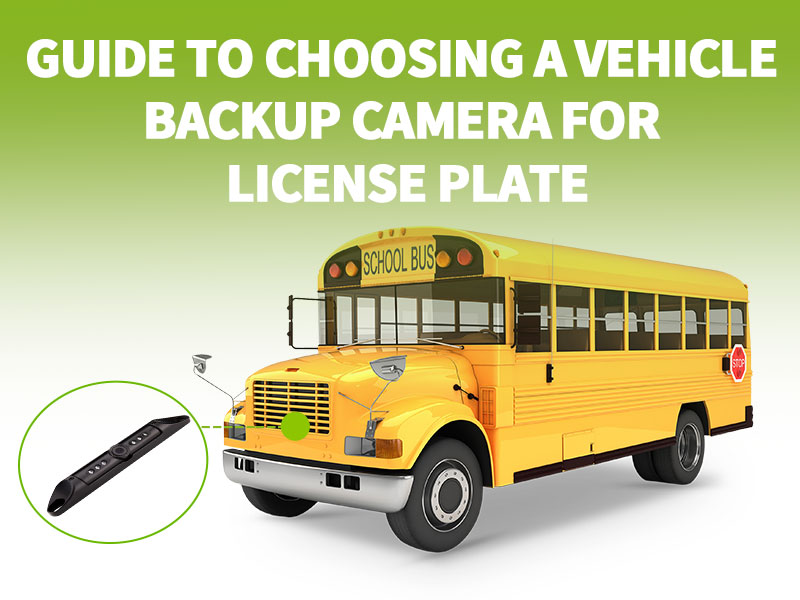
Guide to Choosing a Vehicle Backup Camera for License Plate缩略图

Guide to Choosing a Vehicle Backup Camera for License Plate

In the rapid evolution of modern vehicle safety technologies, the backup camera has emerged as a crucial auxiliary feature, significantly enhancing the safety and convenience of reversing. However, with a plethora of backup camera options available in the market, determining the ideal camera for license plate use has become a concern for many vehicle owners. In this article, we will delve into the selection criteria for choosing a vehicle backup camera specifically designed for license plate installation.

Guide to Choosing a Vehicle Backup Camera for License Plate插图

How to choose the right license plate backup camera

1. Comprehending the functionality of backup cameras

The backup camera is like a little assistant for the vehicle, especially when reversing. It solves the problem of blind spots that we cannot see from the rear, making reversing safer. By instantly delivering a clear rear view, it prevented us from accidentally bumping into things, especially in tight spots. Moreover, the night vision function also makes reversing at night easier and is no longer affected by darkness. Cameras also make parking easier, and we can more accurately judge and avoid obstacles. In general, backup cameras are meant to make driving safer and more convenient, and are part of modern vehicle safety.

2. The importance of resolution and clarity

The resolution and clarity of a license plate backup camera are crucial for driving safety. High resolution provides clear images, enabling drivers to accurately identify obstacles in the rear and reduce the risk of collisions. Clarity also plays a role during nighttime driving and in complex parking scenarios, offering drivers a more reliable spatial perception and simplifying parking maneuvers. This not only enhances the user experience but also provides drivers with reliable assistance during critical moments, making the reversing process safer and more convenient.

3. Consideration of night vision functionality

Night vision functionality is a critical consideration for license plate backup cameras, ensuring clear imaging in low-light or complete darkness through high-sensitivity sensors and infrared assistance. Contrast adjustment, anti-glare design, and real-time responsiveness are crucial to handle various lighting conditions during nighttime driving, providing reliable assistance for reverse maneuvers in the dark. This ensures drivers feel more secure and facilitates convenience during nighttime operations.

4. Installation difficulty and methods

Considering the installation of a camera, it is important to understand whether it requires professional installation services. Some cameras are designed to be easily installed by individuals, while others may require the expertise of professional technicians. If you have limited knowledge of the vehicle’s electrical system or encounter difficulties, it is advisable to seek professional technical support or installation services.

5. Selection of waterproof ratings

When choosing a license plate backup camera, the waterproof rating is a crucial consideration as it directly impacts its stability in different weather conditions. Common waterproof ratings include IP67, IP68, and IP69K, denoting resistance to water depth, water pressure, and high-temperature high-pressure water jets, respectively. In rainy or humid environments, it’s recommended to choose a camera with at least an IP67 rating. For situations requiring frequent washing or exposure to harsh conditions, considering a higher waterproof rating like IP69K might be more suitable. Therefore, it’s important to reasonably select the camera’s waterproof rating based on actual usage and environmental conditions to ensure reliable reverse assistance in various adverse situations.

6. The importance of angle of view and coverage area

When purchasing a license plate backup camera, the angle of view and coverage area are crucial factors to consider. The camera’s angle of view determines the visible range, and choosing an appropriate angle helps in comprehensively understanding the surrounding environment while reversing, reducing blind spots. A wide coverage area provides a clear view of the reversing zone. Therefore, paying attention to the camera’s angle of view and coverage area is key to enhancing reverse safety and convenience.

7. Choice between Wireless and Wired

When selecting a license plate backup camera, you face the choice between wireless and wired connectivity. Wireless cameras eliminate the need for complex wiring, simplifying the installation process and making it more flexible and convenient. However, wired cameras typically offer more stable signal transmission, avoiding potential issues caused by wireless signal interference. Therefore, the choice between wireless and wired involves balancing convenience and stability. It depends on individual preferences and specific needs to determine whether to opt for the convenience of wireless or the reliability of a wired connection.

8. Brand reputation and user reviews as reference

When selecting a license plate backup camera, brand reputation and user reviews are crucial considerations. Reliable brands typically ensure product quality, and user reviews provide practical feedback from actual users. In addition, it’s essential to pay attention to whether the camera’s features align with personal needs, such as high-definition image quality or night vision capabilities. Considering these factors collectively can help choose a camera that best suits the vehicle and specific usage scenarios.

9. Balancing cost and value for money

When choosing a license plate backup camera, it’s essential to strike a balance between cost and value for money. While some high-end cameras may offer more advanced features, they often come with a higher price tag. Therefore, consumers should consider their individual needs and budget, weighing the relationship between the camera’s performance, durability, and price. Focusing on value for money is advantageous for obtaining a practical and economical solution, ensuring that the camera enhances driving safety without imposing an excessive financial burden.

Luview License Plate Backup Camera

The Luview license plate camera boasts an expansive 150° field of view, a high waterproof rating of IP69K, and powerful night vision capabilities (5-10m infrared distance). Additionally, it supports mirror switching and guideline control functions, making it an invaluable assistant for drivers during the reverse process. The wide field of view reduces blind spots, and the high waterproof rating ensures normal operation even in extreme weather conditions. The night vision function enhances visibility during nighttime driving. The mirror switching and guideline control functions further elevate driving convenience, enabling drivers to execute reverse maneuvers with precision. With its unique design and powerful features, the Luview license plate camera creates a more secure and convenient driving experience for users, providing peace of mind and ease during every journey.

Kết luận

When selecting a backup camera for your vehicle, it is crucial to consider multiple key factors, including the camera’s resolution, night vision capabilities, installation method, waterproof rating, field of view, connection options, and brand reputation. Through a rational comparison and careful selection, you will be able to find a backup camera that perfectly suits your vehicle, significantly enhancing driving safety and providing a convenient reverse experience.

Luview is a professional Chinese supplier of license plate backup cameras. Feel free to contact us at sales@luview.com to obtain detailed information about our products, allowing you to gain a comprehensive understanding of our professional camera solutions.

Which Forklift Camera System is Right for You: Wireless or Wired?缩略图

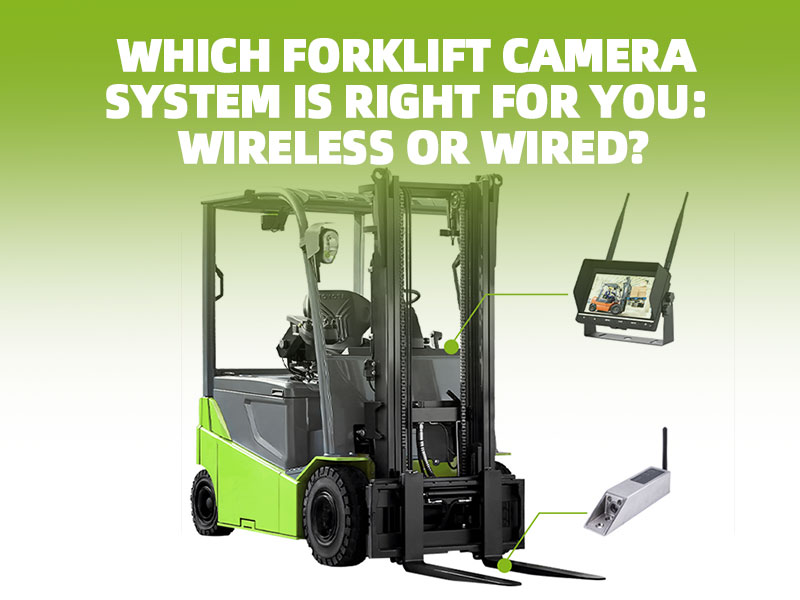
Which Forklift Camera System is Right for You: Wireless or Wired?

In today’s logistics and warehousing sector, the forklift camera system has become a crucial tool for enhancing safety and operational efficiency. However, businesses often face a critical decision when choosing a forklift camera system: whether to opt for a wireless forklift camera system or a wired forklift camera system. The following will provide an in-depth comparison of these two systems, exploring their advantages and disadvantages, as well as their applicability in different scenarios.

Which Forklift Camera System is Right for You: Wireless or Wired?插图

Wired forklift camera system

Wireless forklift camera systems offer a range of advantages, with one of them being a high level of flexibility. Due to the absence of wiring constraints, businesses can install and adjust camera positions more freely, accommodating various work scenarios. This flexibility is particularly crucial in dynamic environments where frequent camera movement is required. Additionally, the installation of wireless systems is relatively straightforward, reducing maintenance costs.

However, wireless systems also come with some drawbacks. The stability of the signal may be influenced by external interference, leading to less stable video feeds. Additionally, some wireless systems may require more frequent battery replacements, potentially increasing operational costs.

Wired forklift camera system

Relatively speaking, wired forklift camera systems provide a more stable signal. Due to their wired connections, these systems are less susceptible to external interference, ensuring continuous and reliable monitoring. Additionally, wired systems typically do not require frequent battery replacements, as they are often powered by a stable electrical source.
However, wired systems tend to be more cumbersome in terms of installation, requiring wiring that may involve additional engineering adjustments. This could pose some inconvenience, particularly in scenarios where frequent camera movement or working within narrow spaces is necessary.

How to choose between wireless and wired camera systems

When choosing between wireless and wired forklift camera systems, businesses should balance their decision based on practical needs. For scenarios requiring frequent movement and higher flexibility, wireless camera systems may be more suitable. Conversely, for fixed and long-term monitoring situations, wired camera systems may offer greater reliability.

Additionally, cost is a significant consideration. Wireless systems typically have lower installation and maintenance costs, but it’s crucial to account for potential additional expenses related to battery replacements. Wired systems involve a higher initial investment but may prove more economical over the long term.

Future trends

The continuous advancement of technology has brought improvements to both wireless and wired systems. Wireless technology is evolving, leading to enhanced signal stability and interference resistance. Meanwhile, wired systems are also innovating, incorporating more convenient wiring techniques.

In the future, as technology progresses, the differences between these two systems will gradually diminish. Therefore, when making decisions, businesses should consider various factors comprehensively to ensure that the chosen system can best meet their needs. Whether wireless or wired, both should serve as powerful tools to enhance efficiency and safety.

Kết luận

Forklift camera systems play a crucial role in enhancing the safety and efficiency of forklift operations. They eliminate blind spots, monitor potential hazards in real-time, provide operational feedback, and offer innovative solutions for industrial and warehouse safety management. As technology advances, these systems will continue to bolster industrial safety, ensuring the well-being of operators and those in the vicinity.

Luview is a Chinese supplier of forklift camera system solutions, providing reliable solutions to enhance the safety and efficiency of forklift operations. Contact us to learn more at sales@luview.com. Choose Luview and let safety and efficiency go hand in hand! Don’t let negligence lead to accidents. Partner with us to create a safer and more efficient working environment!

How do forklift cameras enhance safety缩略图

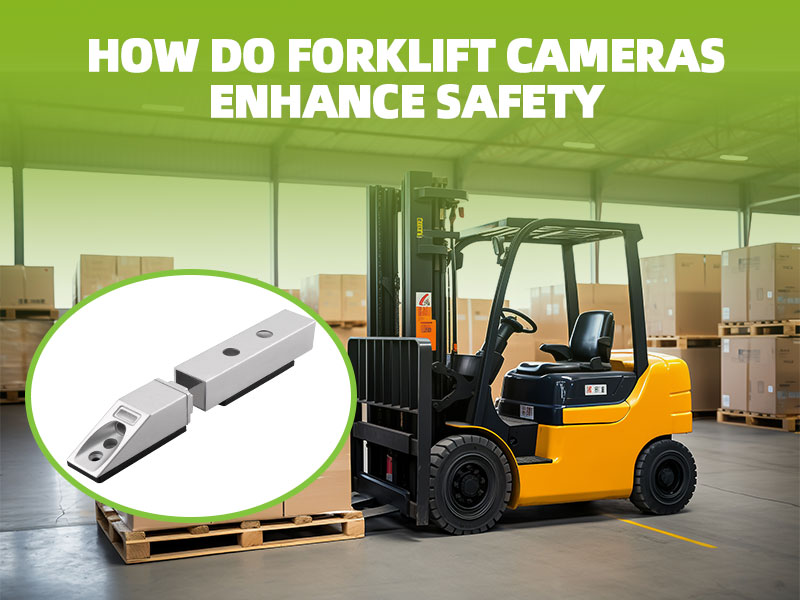
How do forklift cameras enhance safety

In the industrial and warehousing sectors, forklifts serve as indispensable tools, providing crucial support for production and logistics. However, the safety hazards inherent in their operation—such as limited visibility, blind spots, and operator negligence—cannot be overlooked. To address these safety challenges, forklift cameras have emerged as an innovative solution to enhance the safety of forklift operations. In this article, we will delve into forklift cameras, specifically focusing on how they play a pivotal role in improving safety, offering a fresh perspective, and presenting solutions for safety management in industrial and warehouse settings.

How do forklift cameras enhance safety插图

Safety challenges in forklift operations

Despite the invaluable role forklifts play in improving efficiency, their operational process entails a series of potential safety risks. The limited visibility of forklift operators, especially in busy work environments where blind spots are prevalent, poses a significant challenge. Additionally, the possibility of operational errors due to factors such as fatigue or distraction further increases the likelihood of collisions and accidents.

Innovative solution of forklift cameras

With the rapid advancement of technology, the introduction of forklift cameras has provided an innovative solution to address the aforementioned safety challenges. Among these solutions, the application of forklift cameras stands out as a crucial one. By installing high-quality cameras on forklifts, these cameras can monitor the surrounding environment in real time, providing high-definition images and video information. This enables operators to gain a more comprehensive and clear view.

The crucial role of forklift lights and cameras

Eliminating blind spots: Forklift cameras play a crucial role in covering blind spots, especially during essential operations such as turning, reversing, as well as when handling goods. They timely detect potential obstacles or pedestrians, thereby reducing the risk of collisions and close encounters.

Real-time monitoring and warning: Forklift camera systems are equipped with intelligent alert systems. Upon detecting hazardous factors, they instantly alert operators through visual and auditory warnings, assisting them in promptly responding to avoid potential accidents.

Enhancing operator abilities and skills

Forklift cameras play a crucial role not only in accident prevention but also in providing real-time operational feedback to operators. Through clear images and visual feedback, operators can accurately grasp the position and posture of the forklift, effectively reducing the occurrence of operational errors. This real-time feedback system can also be used for training and assessing the performance of operators, offering them more targeted guidance to continually enhance their operational skill levels.

LUVIEW forklift cameras and application in safety

The LUVIEW forklift camera, with its advanced technology and multiple functional features, provides a new level of safety for forklift operations. Utilizing a high-resolution 1/3 CMOS sensor, it supports analog high-definition video at 700TVL, effectively eliminating blind spots for operators. Its IP69K-rated waterproof and dustproof design ensures the stable operation of the camera in harsh environments. The camera supports mirror and ruler switching functions, allowing operators to adjust the image mode as needed and accurately assess distances and object sizes.

Additionally, the design takes into consideration tailpipe and magnet installations, ensuring the camera is securely fixed to the forklift, providing a consistently reliable field of view. The integration of these features plays a crucial role in enhancing operator safety, reducing the risk of accidents, and improving overall work efficiency. The LUVIEW forklift camera serves as an innovative solution for safety management in the industrial and warehouse sectors.

Kết luận

Overall, forklift cameras play a crucial role in enhancing the safety and efficiency of forklift operations. Through the elimination of blind spots, real-time monitoring of potential hazards, and providing operational feedback, they bring forth innovative solutions for safety management in the industrial and warehouse sectors. With continuous technological advancements, forklift camera systems will continue to drive improvements in industrial safety, offering comprehensive support for the safety of operators and those in the surrounding environment.

LUVIEW is a professional forklift camera provider from China. If you’re seeking a trustworthy solution to enhance the safety and efficiency of forklift operations, unquestionably, we are your ideal choice. Feel free to contact us immediately to learn more details at: sales@luview.com. Choose LUVIEW and let safety and efficiency move forward hand in hand! Don’t let negligence become the catalyst for accidents. Partner with us to create a safer and more efficient work environment together!

How do work lamp cameras improve agricultural monitoring?缩略图

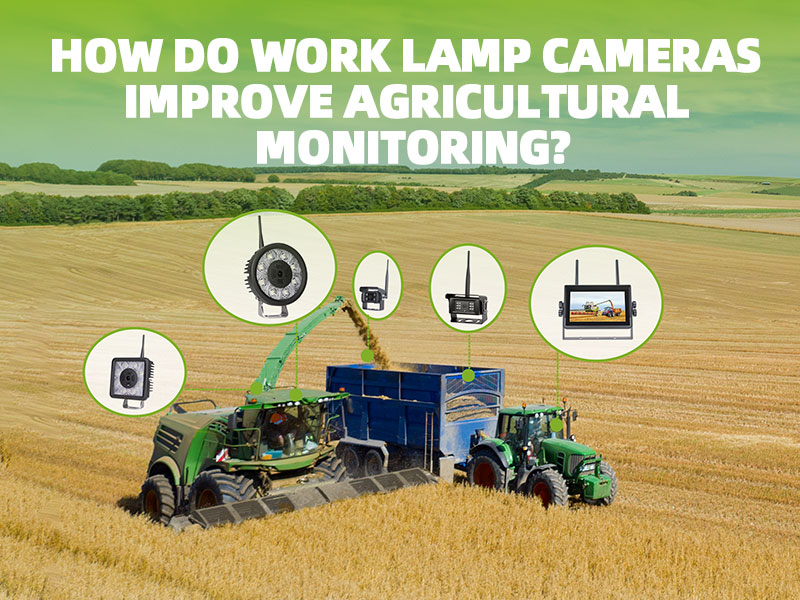
How do work lamp cameras improve agricultural monitoring?

Giới thiệu

The importance of agricultural monitoring

Agriculture is a crucial component of human life. With the continuous growth of the global population, the demand for food is on the rise. Consequently, agricultural monitoring has become a key factor in ensuring food production security and agricultural sustainability. In the past, traditional monitoring methods were often constrained by limitations in time, space, and technological conditions, failing to offer round-the-clock effective surveillance.

Innovative applications of work lamp cameras in agricultural monitoring

As an innovative solution in modern agricultural surveillance, work lamp cameras offer farmers and landowners an efficient and comprehensive means of monitoring. These devices integrate lighting and camera functionalities, providing not only powerful illumination but also the capability to capture high-definition real-time video, enabling farmers to monitor every corner of their farms around the clock.

These work lamp cameras employ advanced technologies, including high-definition cameras, night vision capabilities, and intelligent monitoring systems, allowing them to deliver clear images and videos in low-light or dark environments. Additionally, they often feature waterproof and durable characteristics, making them adaptable to various adverse weather and environmental conditions.

The intelligent features of these devices, such as motion detection, remote monitoring, and real-time data transmission, empower farmers to quickly respond and take necessary measures. This aids in improving production efficiency, protecting crops, preventing theft, and promoting sustainable agricultural practices.

As an innovative solution in agricultural monitoring, work lamp cameras bring new hope to the agricultural sector and play a crucial role in modern agricultural management.

Advantages of work lamp cameras in agricultural monitoring

1. Real-time monitoring capability

  • 24/7 Surveillance

Work lamp cameras offer round-the-clock monitoring capabilities, free from time constraints, enabling farmers to view their farms’ real-time status at any given moment.

  • Advantages of nighttime monitoring

These cameras are equipped with night vision capabilities, providing high-definition images and videos even in low-light conditions. The ability for nighttime monitoring brings convenience and reliability to farmers, allowing them to monitor their farms during the dark hours.

2. Enhanced Farm Security

  • Prevention of theft and vandalism

Work lamp cameras can monitor every corner of the farm, promptly detecting any potential theft or vandalism, thereby providing a preventive measure and a deterrent effect.

  • Real-time event response

When abnormal situations occur, the cameras can immediately trigger alerts and provide real-time video, enabling farmers to take swift action and minimize potential losses.

3. Crop health monitoring

  • Precision data collection

These cameras can not only capture images but also collect data on crop growth conditions, soil moisture, temperature, and more, assisting farmers in making precise decisions.

  • Prevention of disease and pest spread

Through continuous monitoring of crops, work lamp cameras can assist farmers in early detection of plant diseases or pest infestations, enabling them to implement appropriate control measures and prevent further spread.

How do work lamp cameras improve agricultural monitoring?插图

Luview work lamp camera

The Luview work lamp camera features a 1/2.9 CMOS sensor supporting 720P high-definition video and 2.4GHz digital wireless transmission technology. It provides clear and detailed monitoring footage, covering a spacious distance of up to 140 meters. With its white LED full-color night vision function, it can deliver clear images even in dark environments. The camera is equipped with IP69K-level waterproof and dustproof protection, a wide voltage design (12V-24V), and an optional magnetic installation design, enhancing adaptability and convenience. These features make it an ideal choice for agricultural monitoring, meeting the real-time, high-quality, and all-weather monitoring needs of farmers, contributing to the improvement of agricultural management and safety.

Kết luận

Agricultural monitoring is of paramount importance, and work lamp cameras bring remarkable advantages to the solution. Their real-time monitoring capabilities, including 24/7 and night monitoring, provide clear footage around the clock. In terms of farm security, they help prevent theft and vandalism, elevating overall safety levels through real-time event response. Regarding crop health monitoring, precise data collection and prevention of disease and pest spread facilitate scientific decision-making, minimizing crop losses. In summary, choosing work lamp cameras is an intelligent decision to enhance agricultural management, ensure safety, and improve production efficiency.

Luview is a leading provider of work lamp cameras in China, offering professional and reliable solutions. If you are looking for the best supplier, feel free to contact us at sales@luview.com for more detailed information. Choosing Luview, and collaborate with us to fulfill your agricultural monitoring needs, playing a role in shaping the future of smart agriculture!

Importance of salt spray testing for vehicle cameras缩略图

Importance of salt spray testing for vehicle cameras

The Impact of Salt Spray on Vehicle Cameras

How Does Salt Spray Affect the Functionality and Lifespan of Vehicle Cameras

The impact of salt spray on vehicle cameras is primarily manifested in their functional performance and lifespan. When cameras are exposed to a salt spray environment, various damages may occur, with corrosion being the most significant.

Functional Impact: Salt spray can infiltrate the tiny gaps or cracks in the camera, affecting its internal electronic components and mechanical parts. This may result in various functional impairments, such as reduced image clarity, color distortion, focusing issues, or complete malfunction, rendering it unable to operate normally.

Corrosive Damage: The salt content in salt spray triggers chemical reactions upon contact with metal surfaces, accelerating the corrosion of metal components. This corrosion may harm the camera’s casing, connectors, electronic circuits, and sensors, ultimately affecting its stability and lifespan.

Importance of salt spray testing for vehicle cameras插图

In environments around vehicles, such as coastal areas or roads treated with salt during winter, vehicle cameras are more susceptible to exposure to salt spray. Therefore, conducting salt spray testing is crucial for assessing the durability and performance of cameras. The results of the tests can assist manufacturers in refining designs, selecting more corrosion-resistant materials, and ensuring that vehicle cameras can operate reliably in various challenging environments.

The importance of salt spray testing for vehicle safety and functionality

Cameras in modern vehicles play a crucial role in enhancing vehicle safety and operational functionality. These cameras serve various purposes, including monitoring the surrounding environment, assisting in driving, and providing the driver with a clearer view. Salt spray testing is essential to ensure the reliability of these cameras, thereby further enhancing the overall safety of the vehicle.

From a safety perspective, vehicle cameras play a crucial role in modern vehicles. They are utilized in advanced driver assistance systems, including features such as reverse assistance, lane-keeping assistance, blind-spot monitoring, and more. Additionally, they provide the driver with a clearer environmental perspective, helping reduce the likelihood of accidents and enhancing overall driving safety.

From an operational functionality perspective, cameras play a key role in enhancing vehicle capabilities. They can be utilized for providing navigation assistance, parking assistance, and features related to autonomous driving, making driving more convenient and secure.

Salt spray testing ensures the reliability of vehicle cameras in harsh environments. By simulating the impact of salt spray on the cameras, the testing assesses their durability and corrosion resistance. If cameras fail to function properly in a salt spray environment, their performance may be compromised during actual vehicle use, affecting the overall safety of the vehicle.

Therefore, ensuring that vehicle cameras undergo rigorous salt spray testing to guarantee their reliability is crucial for enhancing the overall safety of the vehicle. Only cameras that have undergone reliable testing can operate stably in various adverse conditions, providing drivers with accurate and clear information, thereby ensuring driving safety and the effectiveness of operational features.

Kết luận

In summary, the impact of salt spray testing on vehicle cameras is directly related to the safety and functionality of the vehicle. This critical testing phase ensures that cameras can operate reliably in harsh climates and high-corrosion environments. If you are seeking outstanding solutions for vehicle vision, Luview is a professional provider of vehicle cameras based in China, renowned for its advanced technology and high-quality products. We are committed to delivering the most reliable, durable, and high-performance cameras to ensure the safe operation of vehicles in various conditions.

Luview has consistently adhered to strict standards in ensuring product quality, especially through salt spray testing to validate the durability and stability of cameras. This testing is a crucial part of Luview’s commitment to ensuring exceptional performance in extreme environments, further showcasing our outstanding performance in the industry. Moreover, if you are looking for rear-view cameras or a reliable supplier, Luview is also a wise choice.

Feel free to contact our sales team anytime by sending an email to sales@luview.com for more detailed product information and personalized solutions. Choose Luview to meet your vehicle safety and visual needs!

How do you choose a motorcycle dash cam?缩略图

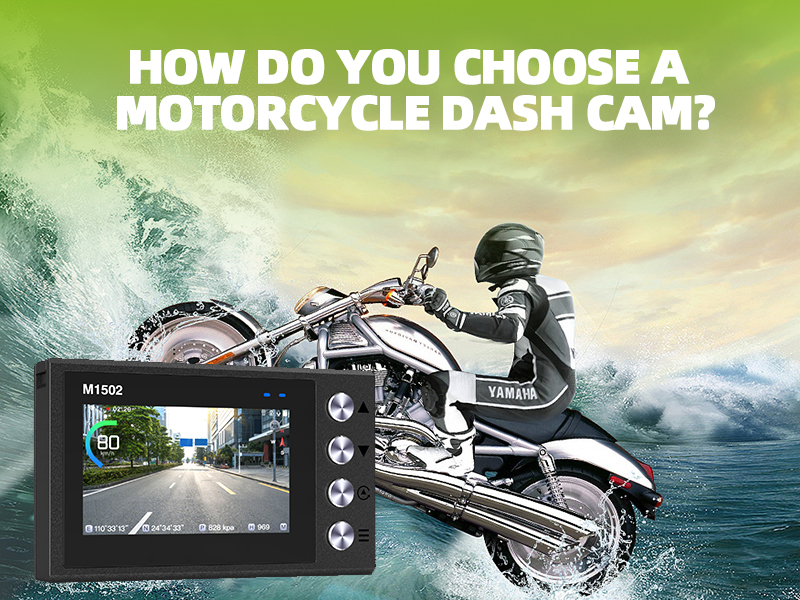
How do you choose a motorcycle dash cam?

Choosing a waterproof motorcycle dash cam is a crucial decision, especially for riders who want to document their journeys and protect their equipment. In this article, we will delve into the key factors when selecting a waterproof motorcycle dash cam, emphasizing the importance of customizing the choice based on the expected weather conditions in specific regions. We will also provide maintenance tips to ensure the long-term waterproof performance of the motorcycle dash cam, highlighting the critical importance of selecting a truly waterproof device for riders. The article will cover common mistakes to avoid when using waterproof equipment and the necessity of practical testing to verify waterproof performance. As we explore these key issues, riders will gain a better understanding of how to choose, use, and maintain their motorcycle dash cam in aquatic challenges.

How do you choose a motorcycle dash cam?插图

Factors to consider when choosing a waterproof dash cam

When selecting a waterproof dash cam, the following factors are crucial:

1. Expected Weather Conditions in Your Area

Riders should choose the appropriate level of waterproofing based on the weather characteristics of their area. If the area is prone to frequent rain or fog, a dash cam with a higher waterproof rating (such as IPX7 or IPX8) would be a better choice. Conversely, if the riding environment is typically dry, a lower level of waterproofing (such as IPX4 or IPX5) may suffice.

2. Comparison of Different Waterproof Ratings

Waterproof ratings range from IPX0 to IPX8, with higher numbers indicating stronger protection against water. It’s important to note that higher levels of waterproofing usually mean higher costs. Therefore, riders need to balance the level of waterproofing against the price to find the best device that meets their needs and budget. For instance, an IPX6 rating can withstand strong jets of water, making it suitable for riding in heavy rain, while devices rated IPX7 and IPX8 can continue to operate while completely submerged, ideal for riders who frequently encounter extreme weather or watery environments.

3. Installation Position and Usage

The mounting location of the dash cam can affect the degree to which it is exposed to water. For instance, a dash cam installed at the bottom of a motorcycle may require a higher waterproof rating as it is more likely to come into contact with water and debris from the road. Furthermore, if a rider plans to use the dash cam across various climate conditions, such as commuting in the city to off-road adventures, opting for a dash cam with a higher waterproof rating would be more prudent.

Maintenance Tips for Waterproof Motorcycle Dash Cams

Even the highest-rated waterproof motorcycle dash cams require proper maintenance to ensure their long-term waterproof capabilities. Here are some best practices:

1. Regular Inspections

Periodically check the dash cam’s sealing O-rings and casing for any damage. Cracks or wear could lead to water ingress.

2. Cleaning Recommendations

Gently clean the dash cam’s casing with a slightly damp cloth, avoiding any corrosive cleaning agents that might damage the seals. Ensure that both your hands and the dash cam’s surface are completely dry before touching any electronic interfaces.

3. Seal Ports

If the dash cam has any external ports, like USB slots or power inputs, use waterproof covers or tape to ensure they remain sealed when not in use.

4. Avoid Prolonged Exposure

While high-grade waterproof dash cams are designed to be water-resistant, avoiding prolonged exposure to water, especially when not in use, can extend their lifespan.

5. Storage Suggestions

When not in use, store the dash cam in a dry, cool place away from extreme temperatures and humidity, which can damage the electronic components.

6. Chemical Avoidance

Keep the dash cam away from solvents, detergents, or other chemicals that may degrade its housing materials and waterproofing.

7. Follow the Manual

Always read and adhere to the operation and maintenance guide provided by the manufacturer before using the dash cam, as different models may have specific maintenance requirements.

Comparison of Waterproof and Water-Resistant Motorcycle Dash Cams

“Waterproof” and “Water-Resistant” are two terms that are often easily confused, but understanding the difference between them is crucial when selecting a motorcycle dashcam:

Waterproof: Waterproof devices can withstand water penetration and are typically capable of being submerged under a certain water pressure without taking in water. Waterproof products often come with specific IP (Ingress Protection) ratings, such as IP67 or IP68, indicating that they can endure being underwater at a certain depth for a specified duration without sustaining damage.

Water-Resistant: Water-resistant devices can resist water ingress to a certain extent but cannot endure complete submersion. A water-resistant device might have IPX4 or IPX6 ratings, signifying that it can withstand splashes or water jets but may sustain damage if fully submerged.

For motorcycle riders, choosing a truly waterproof dashcam is crucial because motorcycles, especially in adverse weather or off-road conditions, are prone to substantial water exposure. A waterproof dashcam provides comprehensive protection, ensuring that its functionality remains unaffected even in heavy rain, guaranteeing that crucial moments are not lost. Waterproof dashcams are designed with a focus on durability and sealing, making them more reliable for long-term use.

Avoidable Common Mistakes

When dealing with waterproof motorcycle dashcams, riders may make some common mistakes that could compromise the device’s waterproof performance or lead to damage:

  • Incorrect Installation
Improper installation can damage the waterproof sealing of the dashcam, leading to water infiltration. It is essential to strictly follow the manufacturer’s guidelines for installation, ensuring that all seals are correctly in place.
Neglecting Regular Inspections: Riders may overlook regular inspections of the dashcam’s seals and exterior for damages, which can weaken its waterproof capabilities. Regularly checking the device’s seals and casing and promptly replacing damaged components is crucial.
  • Using Corrosive Cleaning Agents

The use of powerful or corrosive cleaning agents can damage the casing and seals of the dashcam. Mild cleaning agents should be chosen, and the dashcam should be gently wiped with a clean cloth.

  • Exposure to Extreme Temperatures

Prolonged exposure of the dashcam to extreme high or low temperatures can damage its electronic components or sealing materials. It is advisable to avoid using or storing the dashcam in extremely hot or cold environments.

  • Ignoring the Waterproofing of Interfaces

Even with a waterproof dashcam, external interfaces such as USB slots or charging ports may not be waterproof when exposed. It is important to keep these interfaces sealed when not in use.

Opening the Casing Before Fully Drying: Opening the casing of the dashcam or its components before they are completely dry may allow moisture to enter. Before opening the dashcam, ensure that it is thoroughly dry.

To avoid these common mistakes, riders should:

①Carefully read and adhere to installation and maintenance instructions.

②Conduct regular inspections and maintenance.

③Utilize appropriate cleaning methods and materials.

④Pay attention to the storage and usage environment of the device.

Following these practices can significantly reduce the risk of device damage, ensuring the waterproof performance of the dashcam is maintained and thereby extending the lifespan of the equipment.

Kết luận

When choosing a motorcycle dashcam, considering factors like waterproof performance, maintenance needs, comparing waterproof and water-resistant features, and avoiding common mistakes are crucial for ensuring stable device performance. If you’re seeking a reliable supplier, Luview, a leading provider from China, specializes in offering top-notch motorcycle dashcams. Their products excel in waterproof capabilities, video resolution, and more. Take action now and reach out via sales@luview.com for further details.

Guide to Waterproof Ratings for Motorcycle Dashcam缩略图

Guide to Waterproof Ratings for Motorcycle Dashcam

In the world of motorcycle riding, a dashcam has become an indispensable device. It not only captures the scenery and events during the journey but, more importantly, can provide crucial evidence in the event of an accident. However, given the open design of motorcycles, their dashcams must be able to withstand harsh weather conditions, especially water. This introduces a crucial concept: IP rating, or Ingress Protection rating, which is a standard for measuring the waterproof and dustproof capabilities of electronic devices. For motorcycle dashcams, an appropriate IP rating not only ensures the durability of the device but also guarantees reliability in various weather conditions.

From IPX4, which protects against splashing water, to IPX8, allowing for prolonged submersion, different waterproof ratings define the depth and duration of water resistance for dashcams, ensuring the rider’s peace of mind and the integrity of the recording device. In this article, we will delve into the importance of these waterproof ratings and how they safeguard your motorcycle dashcam from water damage.

Motorcycle Dashcam Waterproof Ratings: Introduction and Significance

Guide to Waterproof Ratings for Motorcycle Dashcam插图

1. Get to Know Waterproof Ratings

  • Explain IP protection levels for electronic equipment

In electronic devices, the IP rating, also known as the Ingress Protection level, is a standard set by the International Organization for Standardization (ISO) to define the device’s ability to resist the entry of foreign objects and water. The IP rating consists of two digits: the first digit indicates the device’s resistance to the infiltration of solid objects such as dust, and the second digit represents the degree of protection against water ingress.

  • How the IP Rating Relates to the Waterproofing of Motorcycle Dash cams.

For motorcycle dash cams, a high IP rating is crucial as they must operate effectively in various weather conditions, including rain and humid environments. A common waterproof rating, such as IP68, signifies that the device is fully dust-resistant (‘6’) and capable of withstanding prolonged submersion in water (‘8’). When consumers choose a motorcycle dash cam, it is advisable to opt for products with a high IP rating to ensure reliable performance even in extreme weather conditions.

2. The Importance of Waterproofing for Motorcycle Dashcams

  • Why Waterproofing is Crucial for Motorcycle Dashcams

The waterproof feature of a motorcycle dashcam is crucial for several reasons:

①Weather Adaptability: Motorcycles are frequently used in various weather conditions, including rainy days. A waterproof dashcam can continue to function seamlessly in adverse weather conditions, providing uninterrupted recording capabilities for motorcyclists.

②Device Protection: A non-waterproof dashcam may suffer damage to its internal circuits due to water infiltration, leading to device malfunction or even complete failure. In contrast, a waterproof device can effectively prevent water ingress, thereby extending its lifespan.

③Safety Recording: One of the primary functions of a dashcam is to provide evidence in the event of an accident. When driving in rainy conditions, if the dashcam is not waterproof, there is a risk of it failing at the most critical moment, unable to provide a recording of the accident when it is needed the most.

④Maintenance Costs: A waterproof dashcam reduces the likelihood of damage due to weather conditions, thus saving costs associated with repairing or replacing the device.

  • Analyzing the Potential Risks of Non-Waterproof Dashcams to Water

Short Circuit: Contact between water and electronic components can result in a short circuit, potentially causing immediate damage to the dashcam.

Corrosion: Prolonged exposure to a humid environment, even if faults don’t occur immediately, can lead to gradual corrosion of the dashcam’s internal metal components, resulting in performance degradation.

Lens Fogging: The lens of a non-waterproof dashcam may fog up in rainy or humid conditions, affecting image quality and rendering the recording ineffective.

3. Different Waterproof Ratings of Dashcams

Explanation of Specific IP Ratings Relevant to Motorcycle Dashcams

For motorcycle dashcams, the IP (Ingress Protection) rating is a crucial standard for assessing their dust and water resistance capabilities. Here are some specific IP ratings relevant to motorcycle dashcams and their meanings:

① IP65: Indicates the dashcam can prevent dust ingress entirely and withstand low-pressure water jets from any direction.

② IP66: Indicates the dashcam is completely dustproof and can endure powerful water jets from any direction.

③ IP67: Indicates the dashcam is entirely dustproof and can withstand brief immersion in water up to 1 meter deep (usually within 30 minutes).

④ IP68: Indicates the dashcam is not only entirely dustproof but can also operate for extended periods underwater, with specific depth and duration typically specified by the manufacturer.
  • Delving into the Significance of Each Digit in the IP Rating:

The first digit (0-6): Indicates the dust protection level. A higher number signifies stronger dust resistance. ‘6’ means the device is completely dust-tight, preventing any dust from entering.

The second digit (0-8): Represents the water resistance level. A higher number indicates stronger water resistance. For instance, ‘5’ means the device can withstand low-pressure water jets, while ‘8’ might indicate the device can endure continuous, prolonged immersion in water.

When designing motorcycle dashcams, consideration is given to the unique usage environment of motorcycles. Therefore, products with IP67 or IP68 ratings are often chosen to ensure normal operation in various weather conditions. For motorcycle riders, it is crucial to understand these ratings and select products based on their specific needs.

Kết luận

When selecting a motorcycle dash cam, opting for a device with excellent waterproof capabilities is crucial to ensure stable operation in all weather conditions. Understanding the device’s IP rating—the level of protection against solid objects and liquid ingress—is key. The IPX rating specifically denotes waterproof protection, making it easier to compare product performance. As China’s leading motorcycle dash cam supplier, Luview offers high-quality devices rigorously tested for waterproofing to ensure your riding safety. Need a reliable dash cam? Contact sales@luview.com for more details and ensure your dash cam performs optimally even in the most extreme conditions.