أنظمة كاميرا DVR المتنقلة للشاحنات والحافلات ومركبات الخدمة

أنظمة كاميرات DVR المتنقلة للشاحنات والحافلات ومركبات الخدمة

As fleet operations become more data-driven, video monitoring has shifted from a basic recording function to an integrated management tool. At لوفيو, we design in-vehicle video solutions for professional operators who require stable performance across different vehicle types. A mobile vehicle DVR is commonly used in trucks, buses, and service vehicles to support daily supervision, incident review, and compliance management. When combined with a 1080p car DVR camera, modern mobile systems provide clearer visual records that help fleet managers understand driving behavior and vehicle surroundings without interrupting normal operations.

Mobile DVR Camera Systems for Trucks, Buses, and Service Vehicles插图

Image Clarity and Multi-Channel Recording for Fleet Vehicles

Image quality plays a direct role in how useful recorded footage is for post-event analysis. In commercial fleets, a mobile vehicle مسجل فيديو رقمي often needs to capture multiple camera inputs at the same time, including front road views and interior scenes. High-definition input from a 1080p car DVR camera allows recorded details such as lane position, traffic signals, and vehicle spacing to remain readable during playback. Our JY-DV8004 MDVR supports four AHD channels and 1080P recording, enabling synchronized video capture from different angles within one system. This structure supports consistent image output across long driving hours, which is especially important for logistics vehicles and public transportation fleets operating on fixed routes.

System Performance and Fleet Management Integration

Beyond recording quality, stable system performance determines whether a mobile video solution can be deployed at scale. A mobile vehicle DVR used in fleet environments must maintain reliable operation under vibration, temperature changes, and extended runtime. The JY-DV8004 integrates recording, storage, and AI-assisted functions into a single unit, reducing the need for additional external modules. When paired with a 1080p car مسجل فيديو رقمي كاميرا, the system supports real-time monitoring and historical playback for fleet supervisors. Features such as multi-channel input and centralized data handling allow fleet operators to review events efficiently while keeping system architecture straightforward for vehicle installation and maintenance.

Conclusion: Practical Evaluation of Mobile DVR Camera Systems

When selecting mobile DVR camera systems for trucks, buses, and service vehicles, experienced buyers should evaluate how image quality and system stability align with operational needs. A well-configured mobile vehicle DVR ensures that video data remains usable across different driving scenarios, while consistent output from a 1080p car DVR camera supports accurate incident review and daily management tasks. At Luview, we focus on delivering solutions that fit professional fleet environments, balancing recording clarity, multi-channel performance, and integration flexibility. These considerations help fleet operators deploy video systems that support long-term vehicle management without unnecessary complexity.
حلول مسجل الفيديو الرقمي للمركبات المتنقلة لإدارة الأسطول

حلول مسجل الفيديو الرقمي للمركبات المتنقلة لإدارة الأسطول

As fleet operations become more data-driven, video recording systems play an increasingly practical role in daily management. At Luview, we work closely with commercial fleet operators and system integrators to support safer driving, clearer incident review, and structured vehicle supervision. A well-designed MDVR system allows fleet managers to collect visual evidence directly from vehicles while maintaining stable operation in long-hour driving scenarios. When deployed correctly, a 4 channel vehicle DVR supports multi-angle monitoring without adding unnecessary complexity to existing vehicle electronics, making it suitable for professional fleet environments rather than consumer use.

Mobile Vehicle DVR Solutions for Fleet Management插图

Functional Value of MDVR Systems in Fleet Operations

In fleet management, video systems are evaluated not by novelty but by reliability and clarity in real conditions. A MDVR system records synchronized footage from multiple cameras, enabling managers to review driving behavior, accident context, and operational compliance. Compared with single-lens recorders, a 4 channel vehicle مسجل فيديو رقمي provides wider coverage of both interior and exterior views, which is useful for logistics vehicles, buses, and service fleets. Our JY-DV8004 model is designed as an all-in-one mobile DVR, supporting four-channel 1080P AHD video input and centralized data management. This configuration allows fleets to standardize installation while maintaining consistent recording quality across different vehicle types.

System Performance and Integration for Experienced Users

Performance stability is essential for long-term deployment. In our product development, we focus on ensuring that each MDVR system operates reliably under vibration, temperature changes, and extended recording cycles. The JY-DV8004 integrates AI-related functional support at the system level, helping fleet operators improve event identification without overloading drivers with alerts. A properly configured 4 channel vehicle DVR also supports structured data retrieval, which is important for post-event analysis and internal training. At لوفيو, we design these systems to integrate with fleet management platforms and vehicle power architectures, allowing professional users to deploy video solutions without disrupting daily operations.

Conclusion: Practical Video Solutions for Fleet Management

Mobile DVR solutions are most effective when they align with real fleet workflows rather than theoretical use cases. A stable MDVR system helps fleet managers gain consistent visual records for incident review and compliance management, while a reliable 4 channel vehicle DVR enables broader situational awareness across vehicles operating in diverse road conditions. By focusing on video clarity, system durability, data storage stability, and integration flexibility with existing fleet platforms, mobile DVR technology can support safer driving and more transparent fleet operations. These considerations are especially important for experienced fleet users who prioritize long-term system value, operational reliability, and reduced maintenance costs over short-term features.

أنظمة DVR للمركبات ذات 4 قنوات للمراقبة متعددة الكاميرات

أنظمة DVR للمركبات ذات 4 قنوات للمراقبة متعددة الكاميرات

مع الطلب المتزايد على الرؤية الشاملة للمركبات، أصبحت المراقبة متعددة الكاميرات مطلباً عملياً لمشغلي الأساطيل وشركات تكامل الأنظمة. في Luview، نركز في Luview على تطوير حلول تدعم التسجيل الثابت للفيديو وإدارة البيانات المنظمة عبر المركبات التجارية. تصميم جيد مسجلات فيديو رقمية متنقلة تسمح البنية بإدارة مدخلات الكاميرا المتعددة داخل وحدة واحدة، مما يضمن التقاط صور متسقة أثناء العمليات اليومية. عند نشره كنظام كاميرا DVR للمركبة، يدعم التكوين رباعي القنوات التغطية الأمامية والخلفية والجانبية، مما يساعد المشغلين على توثيق سلوك القيادة ومحيط المركبة بطريقة أكثر منهجية.

4 Channel Vehicle DVR Systems for Multi-Camera Monitoring插图

التغطية متعددة الكاميرات وبنية النظام

يلعب التسجيل رباعي القنوات دورًا مهمًا في تحقيق المراقبة المتوازنة دون تعقيد النظام غير الضروري. في إعداد مسجلات الفيديو الرقمية المتنقلة، تلتقط كل قناة تدفقات فيديو متزامنة، مما يسهل مراجعة الأحداث من زوايا مختلفة. تم تصميم جهاز JY-DV8004 MDVR الذي نقدّمه لدعم أربعة مدخلات كاميرا بدقة 1080P AHD في جهاز واحد صغير الحجم، وهو ما يتوافق مع متطلبات تركيب الأساطيل الشائعة. بالنسبة إلى شركات الدمج التي تقوم ببناء نظام كاميرا DVR للمركبات، فإن هذا الهيكل يبسّط الأسلاك ويقلل من مخاوف التوافق بين الكاميرات ووحدات التخزين. تُعد التغطية متعددة الكاميرات ذات قيمة خاصة في الخدمات اللوجستية والحافلات ومركبات الخدمة، حيث يجب توثيق النقاط العمياء ومناطق المخاطر التشغيلية بصريًا بتنسيق متسق.

الأداء، وثبات التسجيل، وتطبيق الأسطول

بالإضافة إلى عدد القنوات، يعتمد أداء النظام على استقرار التسجيل والقدرة على معالجة البيانات. في الاستخدام اليومي للأسطول، يجب أن تعمل مسجلات الفيديو الرقمية المتنقلة بشكل موثوق في ظل الاهتزازات وتغير درجات الحرارة وساعات العمل الطويلة. يدمج حل MDVR رباعي القنوات الذي نقدمه وظائف التسجيل والتخزين والوظائف المدعومة بالذكاء الاصطناعي في وحدة واحدة، مما يدعم المراقبة المستمرة دون تدخل يدوي متكرر. عند نشره كجزء من نظام كاميرا DVR للمركبة، يتيح الجهاز إدارة مركزية للفيديو، مما يسهّل على مديري الأساطيل مراجعة الحوادث وسجلات القيادة الروتينية. في لوفيو, ، يركز نهجنا في التصميم على النشر العملي، مما يضمن بقاء أداء النظام متسقًا عبر أنواع المركبات وبيئات التشغيل المختلفة.

الخلاصة: تقييم أنظمة مسجل الفيديو الرقمي رباعي القنوات للمراقبة الاحترافية

عند اختيار حل مسجل فيديو رقمي رباعي القنوات، يجب على المشترين ذوي الخبرة التركيز على توافق الكاميرا واستقرار التسجيل ومرونة التكامل. تدعم منصة مسجّلات الفيديو الرقمية المتنقلة المكوّنة بشكل صحيح جمع الفيديو المنظم من وجهات نظر متعددة، في حين أن مركبة مسجل فيديو رقمي نظام الكاميرا يساهم في تحقيق رقابة تشغيلية أوضح. من خلال الجمع بين دعم الكاميرات المتعددة وأداء التسجيل المستقر، توفر أنظمة MDVR رباعية القنوات قيمة عملية لمراقبة الأسطول وإدارته. تساعد هذه الاعتبارات على ضمان توافق حلول الكاميرات المتعددة مع الاحتياجات التشغيلية الحقيقية بدلاً من إضافة تعقيدات غير ضرورية.

نظم كاميرات الرؤية بالذكاء الاصطناعي للكشف والتحليل في الوقت الحقيقي

أنظمة كاميرات الرؤية بالذكاء الاصطناعي للكشف والتحليل في الوقت الحقيقي

مع الطلب المتزايد على الإدراك الذكي في بيئات النقل والبيئات الصناعية، يتم تطبيق تقنيات الرؤية بالذكاء الاصطناعي بشكل متزايد على مهام الكشف والتحليل في الوقت الفعلي. في Luview، نعمل مع شركات تكامل الأنظمة ومشغلي الأساطيل الذين يحتاجون إلى بيانات مرئية ثابتة لاتخاذ القرارات المتعلقة بالسلامة بدلاً من الميزات الموجهة للمستهلكين. يركز حل الرؤية القائم على الذكاء الاصطناعي على التعرف على الأجسام ومعالجة الصور ومخرجات البيانات في ظل ظروف التشغيل الحقيقية. في هذا السياق، فإن الأفضل الذكاء الاصطناعي نظام الكاميرات الأمنية لا يتم تعريفها من خلال العلامات التسويقية بل من خلال مدى فعاليتها في دعم دقة الكشف المستمر وموثوقية النظام. تُظهر تجربتنا مع كاميرات مراقبة السلامة التي تعمل بالذكاء الاصطناعي أن الأداء في سيناريوهات حركة المرور الحقيقية يعتمد على كل من تصميم الأجهزة وتنسيق الخوارزمية.

AI Vision Camera Systems for Real-Time Detection and Analysis插图

متطلبات الكشف في الوقت الحقيقي في أنظمة الرؤية بالذكاء الاصطناعي

يفرض الاكتشاف في الوقت الحقيقي متطلبات محددة على أنظمة كاميرات الرؤية بالذكاء الاصطناعي، خاصةً في تطبيقات سلامة المركبات والطرق. يجب أن تحدد هذه الأنظمة المركبات والمشاة ومستخدمي الطرق المعرضين للخطر بأقل قدر من التأخير مع الحفاظ على ثبات الصورة. في حالة النشر الاحترافي، يجب أن يوازن أفضل نظام كاميرا أمان بالذكاء الاصطناعي بين الدقة وقدرة المعالجة والقدرة على التكيف البيئي بدلاً من التركيز على مواصفات واحدة. لقد تم تصميم نظام كاميرات الذكاء الاصطناعي المتوافق مع R151-R159 الخاص بنا للاستخدام في تطبيقات نظام معلومات السلامة الأمنية ونظام معلومات السلامة الأمنية على الطرق، مما يدعم اكتشاف المركبات والمشاة من خلال معالجة الذكاء الاصطناعي المدمجة. بالنسبة لكاميرات مراقبة السلامة التي تعمل بالذكاء الاصطناعي، يُعد الاكتشاف الموثوق به عبر ظروف الإضاءة والظروف الجوية المختلفة أمرًا ضروريًا، حيث تعمل هذه الأنظمة غالبًا بشكل مستمر في بيئات الطرق المفتوحة حيث لا يمكن التحكم في التشويش البصري بشكل كامل.

أداء النظام والتكامل العملي

بالإضافة إلى دقة الكشف، يرتبط أداء النظام ارتباطاً وثيقاً بالتكامل والاستمرارية التشغيلية. في مشاريعنا، نراعي في مشاريعنا كيفية ملاءمة كاميرا الرؤية بالذكاء الاصطناعي مع بنية السلامة الحالية بدلاً من التعامل معها كجهاز مستقل. ويدعم الحل المتوافق مع R151-R159 أساليب التركيب الموحدة للمركبات التجارية وأنظمة البنية التحتية، مما يساعد شركات الدمج على نشر كاميرات مراقبة السلامة بالذكاء الاصطناعي بسلوك يمكن التنبؤ به. يجب أن يوفر أفضل نظام كاميرا مراقبة أمان بالذكاء الاصطناعي مخرجات مستقرة دون إعادة معايرة متكررة، خاصةً في استخدام الأسطول على المدى الطويل. في لوفيو, ، نركز على الحفاظ على أداء معالجة متناسق مع ضمان بقاء مخرجات النظام قابلة للاستخدام في وحدات السلامة النهائية ومنصات المراقبة، وهو مطلب رئيسي للمستخدمين المحترفين الذين يديرون عمليات النشر على نطاق واسع.

الخاتمة: تقييم كاميرات الرؤية بالذكاء الاصطناعي لتطبيقات السلامة المهنية

يجب تقييم أنظمة كاميرات الرؤية بالذكاء الاصطناعي للكشف والتحليل في الوقت الحقيقي بناءً على مدى دعمها للاحتياجات التشغيلية الحقيقية. ويؤثر كل مكوّن على موثوقية النظام بشكل عام، بدءاً من اتساق الاكتشاف إلى مرونة التكامل. في التطبيقات العملية, الذكاء الاصطناعي كاميرات مراقبة السلامة تساهم في تحسين الوعي الظرفي عندما يتم تصميمها حول الامتثال التنظيمي والأداء المستقر. يجب أن يتماشى أفضل نظام كاميرا أمان بالذكاء الاصطناعي مع تدفقات عمل السلامة الاحترافية بدلاً من إدخال تعقيدات غير ضرورية. ومن خلال التركيز على التصميم المتوافق ومنطق الكشف الموثوق به والتطوير الموجه نحو التكامل، فإننا ندعم المستخدمين ذوي الخبرة الذين يبحثون عن حلول رؤية ذكاء اصطناعي يمكن الاعتماد عليها في البيئات الحرجة للسلامة.

أنظمة كاميرات المراقبة الأمنية المزودة بالذكاء الاصطناعي مع كشف الحركة والأشياء

أنظمة كاميرات المراقبة الأمنية المزودة بالذكاء الاصطناعي مع خاصية كشف الحركة والأشياء

As safety requirements increase across transportation and infrastructure projects, AI-based visual monitoring has become an essential part of modern security systems. At Luview, we design AI security camera solutions for professional users who require stable detection performance rather than consumer-level features. An الذكاء الاصطناعي WIFI smart camera is no longer limited to simple video streaming; in professional environments, it must support motion recognition, object classification, and reliable data transmission. When evaluated carefully, a so-called best AI camera system should be judged by detection accuracy, compliance, and system integration capability rather than marketing language.

AI Security Camera Systems with Motion and Object Detection插图

Motion and Object Detection in AI Security Systems

Motion and object detection are core functions in AI security camera systems used for traffic safety and infrastructure monitoring. Our AI camera solutions are designed to identify vehicles and pedestrians based on trained recognition models, reducing false alerts caused by shadows or environmental changes. In applications such as blind spot information systems and moving off information systems, accurate detection is critical for timely warnings. A well-configured AI WIFI smart camera supports real-time image processing and stable wireless communication, ensuring detection results can be transmitted without delay. Within a professional best AI camera system, object detection performance depends on sensor quality, algorithm stability, and system calibration, all of which must be aligned with operational requirements.

Product Application in Vehicle and Pedestrian Detection

Our R151–R159 compliant AI camera system is developed specifically for vehicle and pedestrian detection in BSIS and MOIS applications. It supports AI-based recognition designed to meet regulatory and operational needs in commercial vehicle environments. Rather than focusing on consumer features, this solution emphasizes consistent detection performance under changing lighting and weather conditions. As part of our broader security portfolio, the system can be integrated into an AI WIFI smart camera network for centralized monitoring and data management. From a system design perspective, a best AI camera system in transportation scenarios should prioritize reliability, clear detection logic, and compatibility with existing safety architectures. لوفيو focuses on these practical considerations when developing AI camera products for experienced system integrators and fleet operators.

Conclusion: Practical Evaluation of AI Security Camera Systems

When assessing AI security camera systems with motion and object detection, professional buyers should focus on functional performance and application suitability. An effective AI WIFI smart camera must deliver stable detection results and support real-world deployment conditions rather than relying on simplified demonstrations. Similarly, a الأفضل الذكاء الاصطناعي نظام الكاميرا should be evaluated based on integration capability, detection consistency, and regulatory alignment. By concentrating on vehicle and pedestrian detection for safety-critical applications, we aim to provide AI camera solutions that support long-term system operation. This approach allows experienced users to deploy AI security camera systems with confidence across transportation and infrastructure projects.

Best AI Camera System: Key Features for Security and Safety Solutions缩略图

أفضل أنظمة كاميرات الذكاء الاصطناعي: الميزات الرئيسية لحلول الأمن والسلامة

مع استمرار زيادة متطلبات السلامة في قطاعات النقل والبنية التحتية، أصبحت تقنية الرؤية الذكية مكوناً أساسياً في استراتيجيات المراقبة الحديثة. في لوفو، نعمل عن كثب مع شركات تكامل الأنظمة ومزوّدي حلول المركبات لمواجهة التحديات التشغيلية الحقيقية باستخدام أنظمة كاميرات المراقبة الأمنية القائمة على الذكاء الاصطناعي والمصممة للبيئات المعقدة. وبدلاً من التركيز على الميزات على مستوى المستهلك، نركز على الموثوقية ودقة الكشف والمواءمة التنظيمية. في هذا السياق, الذكاء الاصطناعي أنظمة كاميرات الرؤية يتم اعتمادها بشكل متزايد لدعم حلول الأمن والسلامة حيث يتطلب الأمر التعرف على الأجسام والوعي الظرفي المتسق.

Best AI Camera System: Key Features for Security and Safety Solutions插图

قدرات الكشف الرئيسية في أنظمة الكاميرا القائمة على الذكاء الاصطناعي

بالنسبة للمشترين ذوي الخبرة، تكمن قيمة نظام كاميرا الذكاء الاصطناعي في مدى فعاليته في تحديد الأهداف ذات الصلة مع تقليل التنبيهات غير الضرورية. في تطوير منتجاتنا, الذكاء الاصطناعي أنظمة الكاميرات الأمنية تم تصميمها للتمييز بين المركبات والمشاة والعوائق المحيطة باستخدام خوارزميات مدمجة. صُمم نظام كاميرا الرؤية بالذكاء الاصطناعي المتوافق مع R151-R159 خصيصًا لتطبيقات نظام معلومات السلامة والأمن ونظام معلومات السلامة والأمن، حيث يدعم اكتشاف المركبات والمشاة في سيناريوهات المراقبة الجانبية وسيناريوهات مراقبة النقاط العمياء. من خلال معالجة البيانات المرئية مباشرةً داخل الكاميرا، يمكن لأنظمة كاميرا الرؤية بالذكاء الاصطناعي توفير نتائج الكشف في الوقت المناسب دون الاعتماد على وحدات حوسبة خارجية، مما يساعد على تبسيط بنية النظام وتحسين اتساق الاستجابة الكلية.

أداء النظام وتطبيقه في حلول السلامة

بالإضافة إلى منطق الكشف، يرتبط أداء النظام ارتباطًا وثيقًا بالاستقرار والقدرة على التكيف البيئي ومرونة التكامل. يدعم حل كاميرا الذكاء الاصطناعي الخاص بنا التشغيل المستمر في ظل ظروف الإضاءة والظروف الجوية المختلفة، وهو أمر ضروري للتطبيقات المتعلقة بالسلامة. عند نشرها كجزء من أنظمة كاميرات الرؤية بالذكاء الاصطناعي، تعمل الكاميرا جنباً إلى جنب مع أجهزة الاستشعار الأخرى لتوفير تأكيد بصري تكميلي، مما يدعم مساعدة السائق والوعي الظرفي. في أنظمة كاميرا الرؤية بالذكاء الاصطناعي، تسمح المعالجة المتسقة للإطار وبيانات الإخراج المهيكلة لمدمجي النظام بمواءمة الكاميرا مع البنى الإلكترونية الحالية للمركبة. وتكتسب هذه الخصائص أهمية خاصة بالنسبة للمركبات التجارية التي تعمل في البيئات الحضرية الكثيفة حيث تُعدّ حوادث النقاط العمياء عامل خطر معروف.

الخاتمة: تقييم أنظمة كاميرات الذكاء الاصطناعي للاستخدام المهني

يتطلب اختيار نظام كاميرا ذكاء اصطناعي لحلول الأمن والسلامة فهماً واضحاً للمتطلبات الوظيفية بدلاً من مطالبات الأداء العامة. بالنسبة للمستخدمين المحترفين، يجب أن تُظهر أنظمة كاميرات الأمن بالذكاء الاصطناعي سلوكاً مستقراً للكشف، والامتثال لمعايير التطبيق، وخيارات التكامل العملية. وبالمثل، تحتاج أنظمة كاميرات الرؤية بالذكاء الاصطناعي إلى تقديم ذكاء بصري موثوق يدعم اتخاذ القرار في ظروف القيادة الحقيقية. في لوفيو, ، نركز على تطوير حلول كاميرات الذكاء الاصطناعي التي تتماشى مع هذه التوقعات من خلال الجمع بين وظائف الكشف المستهدفة والتوافق على مستوى النظام. من خلال تقييم أنظمة كاميرات الذكاء الاصطناعي من خلال عدسة سيناريوهات السلامة في العالم الحقيقي، يمكن للمشترين ذوي الخبرة اختيار الحلول التي تدعم الموثوقية التشغيلية طويلة الأجل والاحتياجات التنظيمية.

أنظمة كاميرات الذكاء الاصطناعي لتطبيقات الكشف والمراقبة الذكية

أنظمة كاميرات الذكاء الاصطناعي لتطبيقات الكشف والمراقبة الذكية

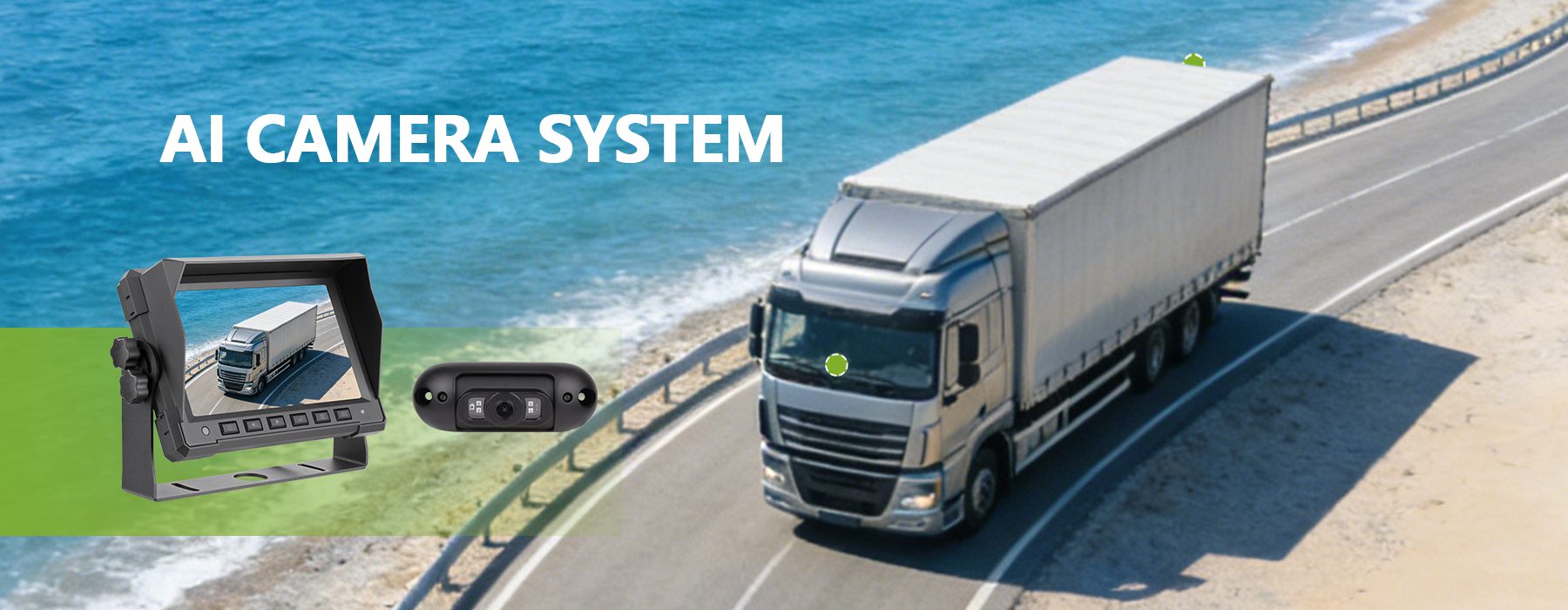
In commercial vehicle safety and intelligent transportation, visual perception has become a core component of monitoring and risk prevention. We see increasing demand for الذكاء الاصطناعي camera systems that can support intelligent detection while remaining compliant with regulatory frameworks. At Luview, we design vision-based solutions for experienced system integrators who require stable performance rather than experimental concepts. An AI camera photography system focuses not only on image capture, but also on structured data output for downstream decision-making. For detection and monitoring tasks, clarity, consistency, and integration flexibility determine whether a system can be reliably deployed across different vehicle platforms.

AI Camera Systems for Intelligent Detection and Monitoring Applications插图

Intelligent Detection Logic in Monitoring Scenarios

In practical applications, intelligent detection depends on how image data is processed rather than raw resolution alone. Modern AI camera systems integrate onboard processing to identify vehicles, pedestrians, and vulnerable road users in defined zones. In blind spot and moving-off monitoring scenarios, an AI camera photography system supports continuous analysis of surrounding environments without increasing driver workload. Our R151/R159 compliant AI camera solution is designed for BSIS and MOIS applications, where pedestrian and vehicle detection accuracy must align with operational safety requirements. By focusing on object classification and alert logic, the system supports monitoring tasks without relying on cloud connectivity, which is important for commercial fleets operating in diverse conditions.

System Performance and Deployment Considerations

Beyond detection capability, long-term performance is a critical factor for professional users. An AI camera systems architecture must maintain stable operation under vibration, temperature variation, and extended duty cycles. In our development approach, we emphasize hardware reliability and algorithm consistency so that an الذكاء الاصطناعي camera photography system can deliver predictable results over time. The R151/R159 compliant model supports standardized interfaces for integration into existing safety architectures, helping engineering teams reduce redesign effort. When deployed in monitoring applications, consistent image output and detection response contribute to system trust, especially in regulated environments where validation and documentation are required.

Conclusion: Applying AI Camera Systems in Professional Monitoring

For intelligent detection and monitoring applications, selecting an AI camera systems solution requires balancing perception capability with compliance and operational stability. An AI camera photography system that supports vehicle and pedestrian detection can enhance situational awareness when designed for real-world deployment rather than laboratory conditions. At لوفيو, we focus on practical system design that aligns with professional safety standards and integration needs. By combining structured visual data, onboard intelligence, and deployment-ready design, AI-based camera solutions can support monitoring applications without adding unnecessary complexity to existing vehicle systems.

1080P Backup Camera Systems for Cars: Resolution, Night Vision, and Reliability缩略图

أنظمة كاميرات احتياطية بدقة 1080 بكسل للسيارات: الدقة والرؤية الليلية والموثوقية

As digital vision systems become part of modern vehicle architecture, experienced buyers are paying closer attention to how 1080P backup camera systems perform in real operating conditions. At Luview, we develop camera-based mirror solutions for professional automotive applications where resolution, night visibility, and long-term reliability matter more than visual novelty. An electronic rear view mirror for car integrates a high-definition camera with an in-cabin display, allowing drivers to maintain consistent rear awareness even when traditional mirrors are limited. When combined with a reverse camera rear view mirror, this configuration supports safer reversing and continuous rear monitoring across different vehicle types.

1080P Backup Camera Systems for Cars: Resolution, Night Vision, and Reliability插图

Resolution and Image Stability in 1080P Camera Systems

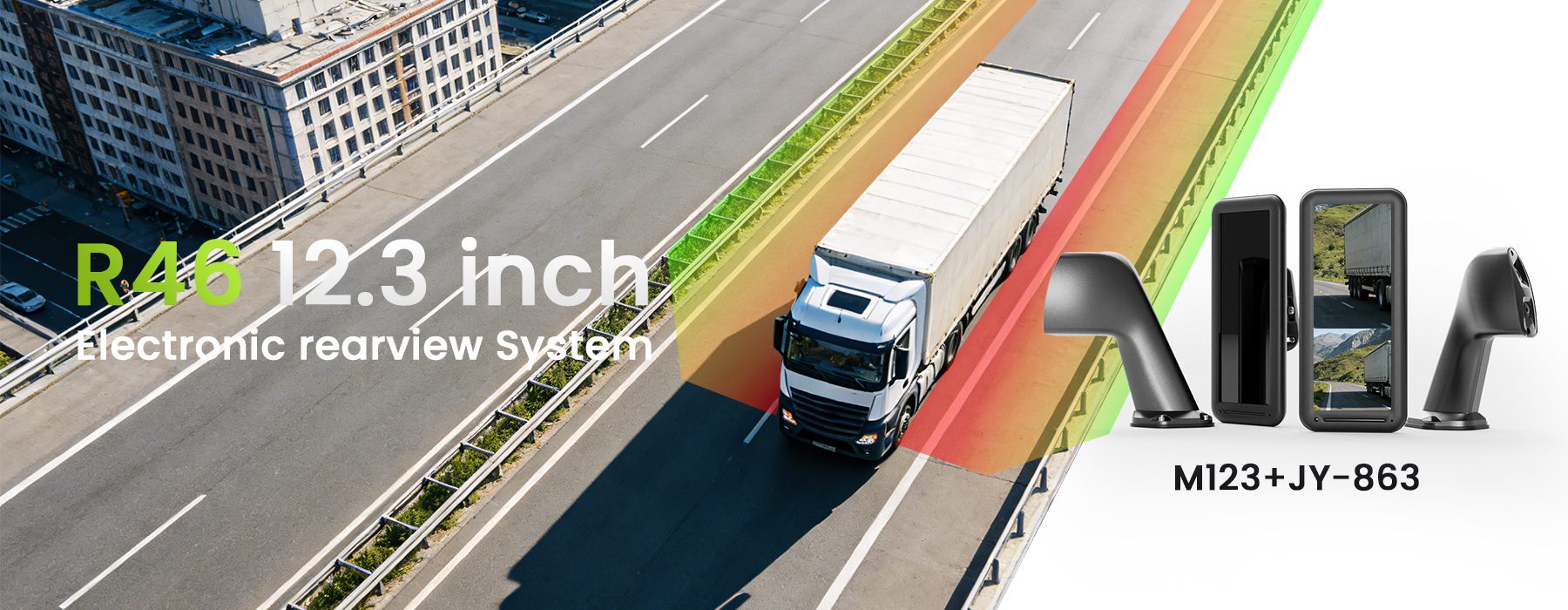
Resolution directly affects how effectively drivers can interpret rear traffic and surrounding objects. In an electronic rear view mirror for car, a 1080P camera provides clearer edge definition and more stable image detail than lower-resolution systems, especially during lane changes or reversing maneuvers. Our UN ECE R46-certificated 12.3-inch electronic mirror system adopts a full HD camera paired with a wide-format display to ensure balanced image proportions. A reverse camera rear view mirror using digital signal processing also minimizes distortion and maintains image consistency across varying speeds. For professional users, stable resolution is not about visual sharpness alone but about reducing uncertainty during daily driving tasks.

Night Vision Performance and Operational Reliability

Night driving places higher demands on camera sensitivity and signal handling. A reverse camera rear view mirror must deliver usable contrast under low-light conditions without excessive noise or delay. In our system design, image processing is optimized to support night visibility while keeping display response synchronized with vehicle movement. The electronic rear view mirror for car we provide supports real-time switching between full rear view and split-screen modes, helping drivers adapt to different driving scenarios without distraction. Reliability is equally important for commercial and fleet vehicles, where continuous operation and environmental exposure are expected. At لوفيو, system validation focuses on stable performance rather than short-term demonstration results.

Conclusion: Evaluating 1080P Backup Camera Systems for Professional Use

When evaluating 1080P backup camera systems for cars, experienced buyers should consider how resolution, night vision, and system reliability work together in daily operation. An electronic rear view mirror for car offers consistent rear visibility when optical mirrors fall short, while a well-integrated reverse camera rear view mirror supports safer reversing in confined or low-visibility environments. Certified compliance, stable image processing, and practical display layouts are key factors for long-term use. By focusing on these fundamentals, digital mirror systems can support professional driving requirements without adding unnecessary complexity.

Reverse Camera Rear View Mirror Systems for 12V Vehicles缩略图

أنظمة مرايا الرؤية الخلفية بكاميرا عكسية للمركبات بجهد 12 فولت

In commercial and special-purpose vehicles, rear visibility remains a core safety and operational concern. At Luview, we work closely with system integrators and vehicle manufacturers to address these challenges through digital mirror solutions designed for 12V platforms. A مرآة الرؤية الخلفية الإلكترونية system combines camera input with an in-cabin display, allowing drivers to monitor rear traffic and reversing conditions even when traditional mirrors are limited. For fleets and upfitters, a car rear view mirror with camera supports more consistent rear vision across different vehicle bodies, including vans, trucks, and utility vehicles.

Reverse Camera Rear View Mirror Systems for 12V Vehicles插图

System Design Requirements for 12V Vehicle Platforms

When evaluating reverse camera rear view mirror systems for 12V vehicles, experienced buyers usually focus on electrical compatibility and long-term stability. A rear view mirror electronic solution must integrate smoothly with existing 12V power architectures without introducing voltage instability or signal interference. In our product development, we ensure that each system is designed for standard automotive electrical environments, supporting continuous operation during long driving cycles. A car rear view mirror with camera also needs to maintain image stability during engine start, idling, and load changes, which is particularly important for commercial vehicles operating across varied duty conditions.

Image Performance and Display Configuration

Image performance is another key factor influencing daily usability. Our UN ECE R46-certificated 12.3-inch electronic rear view mirror system uses a 1080P camera to provide clear rear images under normal daylight and low-light conditions. In a rear view mirror electronic configuration, higher resolution helps drivers better judge distance and object movement when reversing or changing lanes. The split-view screen design allows flexible display modes, supporting both full rear vision and combined camera views without increasing visual distraction. For professional drivers, a car rear view mirror with camera must present information clearly and consistently, ensuring that visual feedback aligns with real vehicle movement.

Conclusion: Practical Value for Commercial Applications

Reverse camera rear view mirror systems for 12V vehicles are not just about replacing traditional mirrors; they are about improving operational visibility in real working environments. A well-designed rear view mirror electronic system can enhance rear awareness while fitting into existing vehicle electrical systems. At لوفيو, we focus on certified compliance, stable image performance, and practical display layouts that support professional driving habits. By applying a car rear view mirror with camera in appropriate vehicle platforms, fleet operators and integrators can improve rear visibility without adding unnecessary complexity, making digital mirror systems a practical option for modern commercial vehicles.

Digital Rear View Mirrors with 1080P Backup Camera: Image Quality and Performance缩略图

مرايا الرؤية الخلفية الرقمية المزودة بكاميرا احتياطية بدقة 1080 بكسل: جودة الصورة والأداء

As vehicle safety regulations and driving environments continue to evolve, digital rear vision has become an important topic for fleet operators and automotive system integrators. At لوفيو, we focus on developing digital mirror solutions that improve rear visibility while fitting real-world commercial vehicle requirements. A rear view mirror camera system replaces or enhances traditional optical mirrors by using high-definition cameras and in-cabin displays, allowing drivers to access a wider and more consistent field of view. When paired with a backup rear view camera mirror, digital mirrors support safer reversing and lane awareness, especially for vehicles with limited rear windows or obstructed cargo areas.

Digital Rear View Mirrors with 1080P Backup Camera: Image Quality and Performance插图

Image Quality Considerations for Digital Rear View Mirrors

Image clarity is one of the most important factors when evaluating a digital mirror solution. In a rear view mirror camera system, resolution directly affects how clearly drivers can recognize vehicles, pedestrians, and road markings at different distances. Our UN ECE R46-certificated 12.3-inch electronic mirror integrates a 1080P camera to provide stable image detail under varying lighting conditions. Compared with analog solutions, a backup rear view camera mirror using digital transmission reduces distortion and maintains consistent brightness in night driving or strong backlight scenarios. The split-view screen design also allows drivers to switch between full rear vision and combined views without increasing screen clutter, which is important for professional drivers who rely on fast visual judgment.

Performance and System Integration in Daily Operation

Beyond image resolution, system performance depends on signal stability, screen response, and long-term reliability. In our development process, we design each rear view mirror camera system to meet regulatory requirements while supporting continuous operation in commercial vehicles. The 12.3-inch digital mirror system supports real-time display with minimal latency, ensuring that visual feedback remains synchronized with vehicle movement. A properly configured مرآة كاميرا الرؤية الخلفية الاحتياطية can also reduce blind zones compared with traditional mirrors, particularly on larger vehicles. At Luview, we consider installation flexibility and compatibility with existing vehicle platforms, helping system integrators deploy digital mirrors without unnecessary modification to original vehicle structures.

Conclusion: Evaluating Digital Mirrors for Professional Use

When assessing digital rear view mirrors with a 1080P backup camera, experienced buyers should focus on image quality, display performance, and compliance rather than marketing claims. A well-engineered نظام كاميرا مرآة الرؤية الخلفية improves rear visibility consistency, while a reliable backup rear view camera mirror supports safer reversing in complex environments. By combining certified design, clear imaging, and practical screen layouts, digital mirror solutions can support daily driving tasks without adding operational complexity. These factors are essential for commercial and fleet applications where performance stability matters over the entire vehicle lifecycle.