
أنظمة مراقبة النقطة العمياء المتقدمة لتغيير المسار بشكل أكثر أماناً
مع زيادة كثافة حركة المرور واستمرار تطور تصاميم المركبات، تظل النقاط العمياء مصدر قلق عملي للمركبات التجارية ومشغلي الأساطيل. في لوفيو, نلاحظ أن التغييرات الأكثر أماناً في حارة السير تعتمد بشكل أقل على خبرة السائق وحدها وأكثر على مدى فعالية إدراك المركبات لحركة المرور المحيطة. يدعم نظام مراقبة النقطة العمياء المتطور هذه الحاجة من خلال استخدام الاستشعار القائم على الرادار لاكتشاف المركبات المجاورة التي قد لا تكون مرئية من خلال المرايا. عند تطبيق نظام الكشف التلقائي عن النقاط العمياء بشكل صحيح، يساعد نظام الكشف التلقائي عن النقاط العمياء في تقليل حالة عدم اليقين أثناء تغيير المسار، خاصة بالنسبة للمركبات الكبيرة حيث تكون المناطق العمياء أوسع بشكل طبيعي.
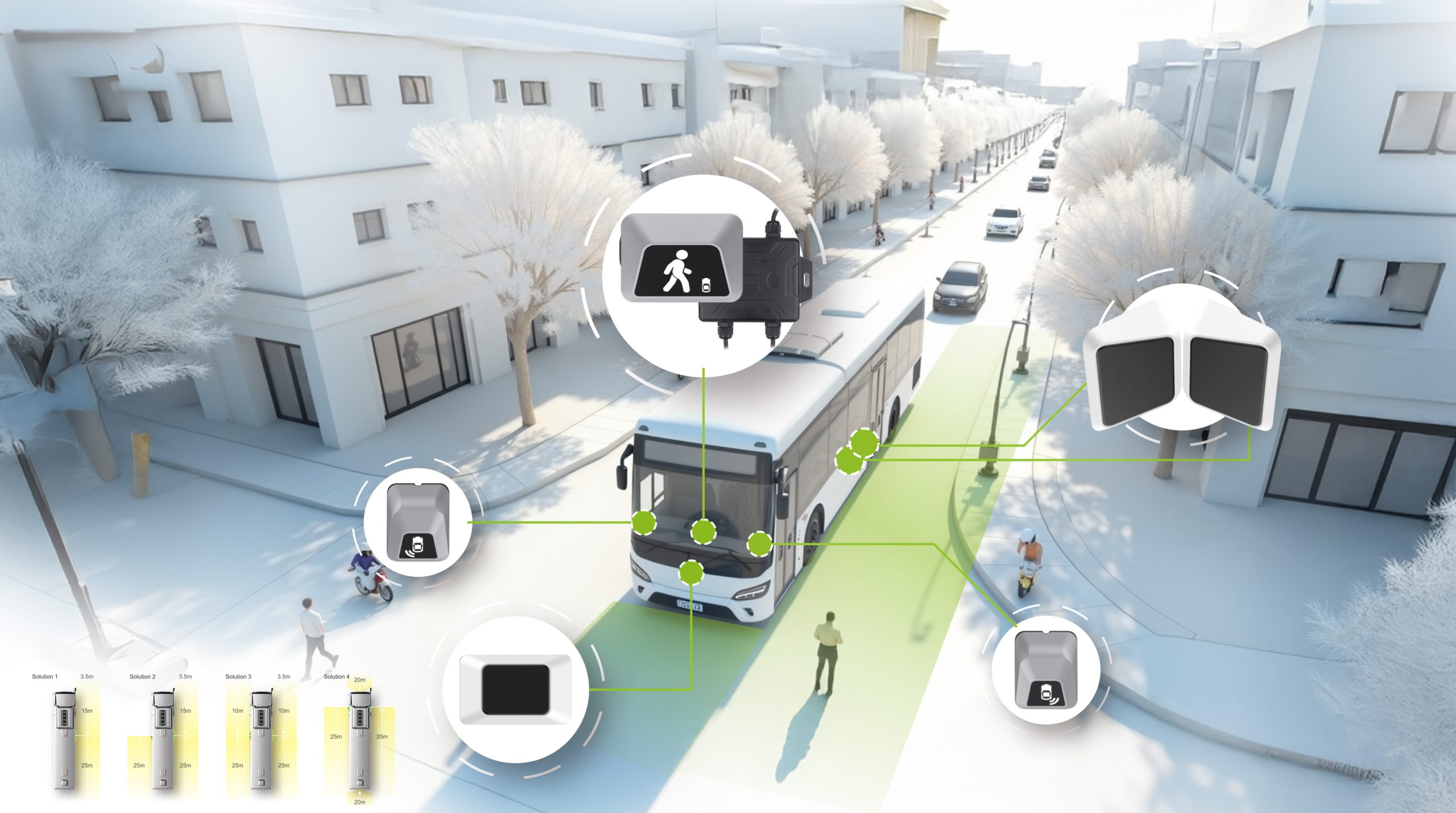
فهم كشف النقطة العمياء في سيناريوهات القيادة الحقيقية
تعتمد مراقبة النقطة العمياء على الكشف المستمر بدلاً من التنبيهات اللحظية. في التشغيل اليومي، فإن نظام مراقبة النقطة العمياء المتطور يجب التمييز بين المركبات الفعلية والأجسام غير ذات الصلة على جانب الطريق لتجنب التحذيرات غير الضرورية. ويستخدم نظام الرادار JY-PT10 الخاص بنا لمراقبة النقطة العمياء ونظام رادار مساعدة المسارات مستشعر موجات المليمتر 77 جيجا هرتز لمراقبة المسارات المجاورة بأداء مستقر في مختلف الظروف الجوية. يشيع استخدام نطاق التردد هذا في رادار السيارات لأنه يوازن بين دقة الكشف وسرعة الاستجابة. بالنسبة لأساطيل السيارات والتطبيقات التجارية، من المتوقع أن يعمل نظام الكشف التلقائي عن النقاط العمياء بشكل مستمر خلال دورات القيادة الطويلة، مما يوفر للسائقين وعياً موثوقاً بالحالة بدلاً من التنبيهات المتقطعة.
أداء النظام وتكامله من أجل سلامة تغيير المسار
يُعد تناسق الأداء أمراً بالغ الأهمية عند دمج أنظمة النقطة العمياء في السيارات الاحترافية. نقوم بتصميم كل نظام متطور لمراقبة النقاط العمياء لدعم المساعدة في تغيير المسار من خلال تقديم تنبيهات مرئية أو مسموعة في الوقت المناسب عند دخول سيارة أخرى إلى المنطقة المراقبة. يدعم نظام JY-PT10 التغطية الجانبية والخلفية دون الاعتماد على رؤية الكاميرا وحدها، وهو أمر مفيد بشكل خاص في ظروف الإضاءة المنخفضة أو الظروف الجوية السيئة. كما أن نظام الكشف التلقائي عن النقاط العمياء استناداً إلى الاستشعار بالرادار يقلل أيضاً من الاعتماد على الإضاءة الخارجية، مما يجعله مناسباً للقيادة على الطرق السريعة والطرق اللوجستية. ومن منظور التكامل، نأخذ بعين الاعتبار التوافق مع البنى الكهربائية الحالية للمركبات، مما يسمح لمركبي الأنظمة بنشر حلول النقاط العمياء دون الحاجة إلى إجراء تعديلات مفرطة.
الخلاصة: القيمة العملية لمراقبة النقطة العمياء باستخدام الرادار
بالنسبة للمشترين المتمرسين الذين يقيّمون تقنيات السلامة، تكمن قيمة نظام مراقبة النقطة العمياء في الأداء المتوقع والثبات التشغيلي. يعزز نظام مراقبة النقطة العمياء المتطور من وعي السائق أثناء تغيير حارة السير من خلال توفير رصد متناسق للسيارات القريبة. في الوقت نفسه، يدعم نظام الرصد التلقائي للنقطة العمياء القائم على رادار 77 جيجا هرتز المناورة الأكثر أماناً دون إضافة تعقيدات إلى عملية القيادة. من خلال التركيز على دقة الرادار، ومرونة التكامل، وسهولة الاستخدام في العالم الحقيقي، يمكن لحلول مراقبة النقاط العمياء أن تدعم تغييرات أكثر أماناً في حارات السير في عمليات المركبات التجارية وأساطيل المركبات.