Night Vision Wireless Camera System for Safe Driving in Low-Light Conditions缩略图

Night Vision Wireless Camera System for Safe Driving in Low-Light Conditions

Operating vehicles and machinery in low-light conditions presents ongoing challenges for professional users across agriculture, construction, and industrial transport. At Luview, we work with B2B customers who require stable visual support during night operations without increasing system complexity. In these environments, limited visibility often affects reversing accuracy, equipment alignment, and overall situational awareness. A properly designed backup camera wireless system plays a practical role in addressing these issues by providing consistent rear visibility when ambient light is insufficient. By focusing on night vision performance and wireless transmission reliability, we support safer driving and operation in real working conditions rather than ideal laboratory settings.

Night Vision Wireless Camera System for Safe Driving in Low-Light Conditions插图

Night Vision Technology and Wireless Stability in Professional Use

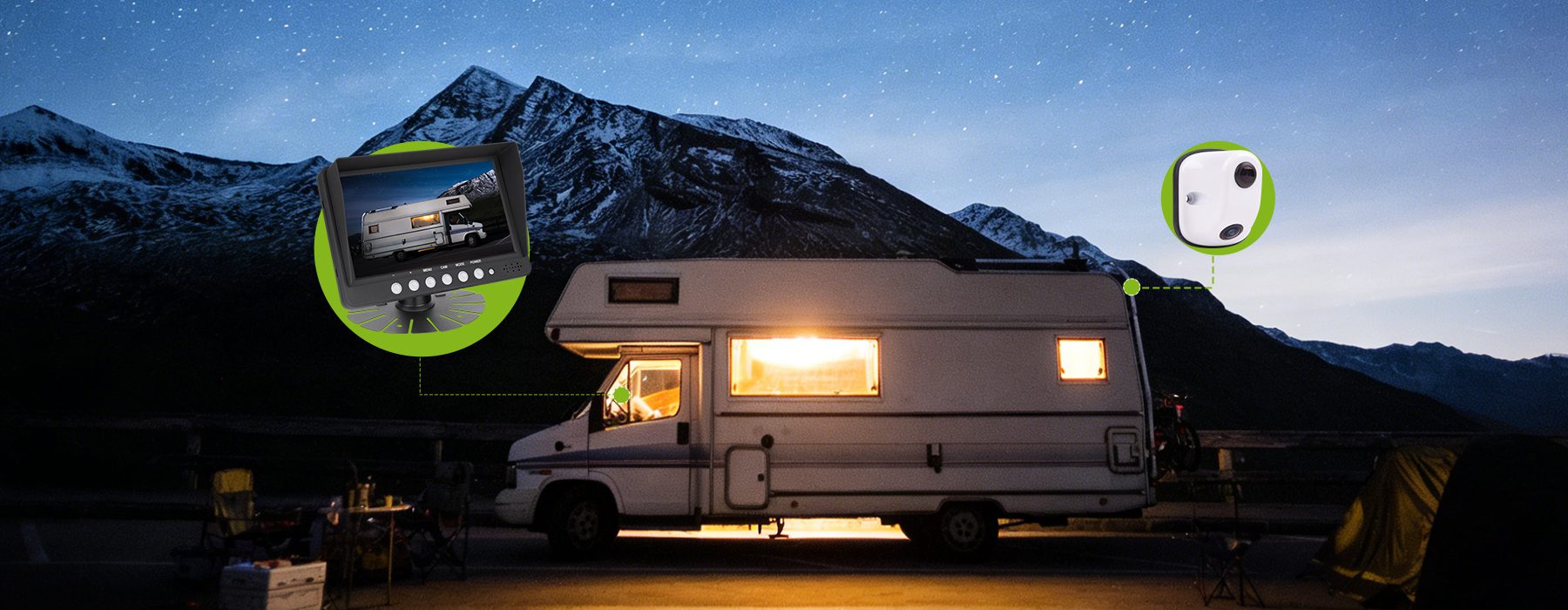
Night vision capability is essential for maintaining image clarity when headlights or external lighting are limited. In professional vehicle applications, a rear view wireless camera system must deliver usable images without delay, distortion, or signal loss. Infrared night vision allows cameras to capture objects and terrain details beyond the reach of visible light, while AHD signal processing helps maintain image definition on larger monitors. Wireless transmission reduces dependence on long cable runs, which are often exposed to vibration, dust, and mechanical stress. From our experience, system stability is as important as image brightness, especially for operators who rely on continuous visual feedback during extended night shifts.
Night Vision Wireless Camera System for Safe Driving in Low-Light Conditions插图1

Application of Wireless Night Vision Systems in Agricultural Machinery

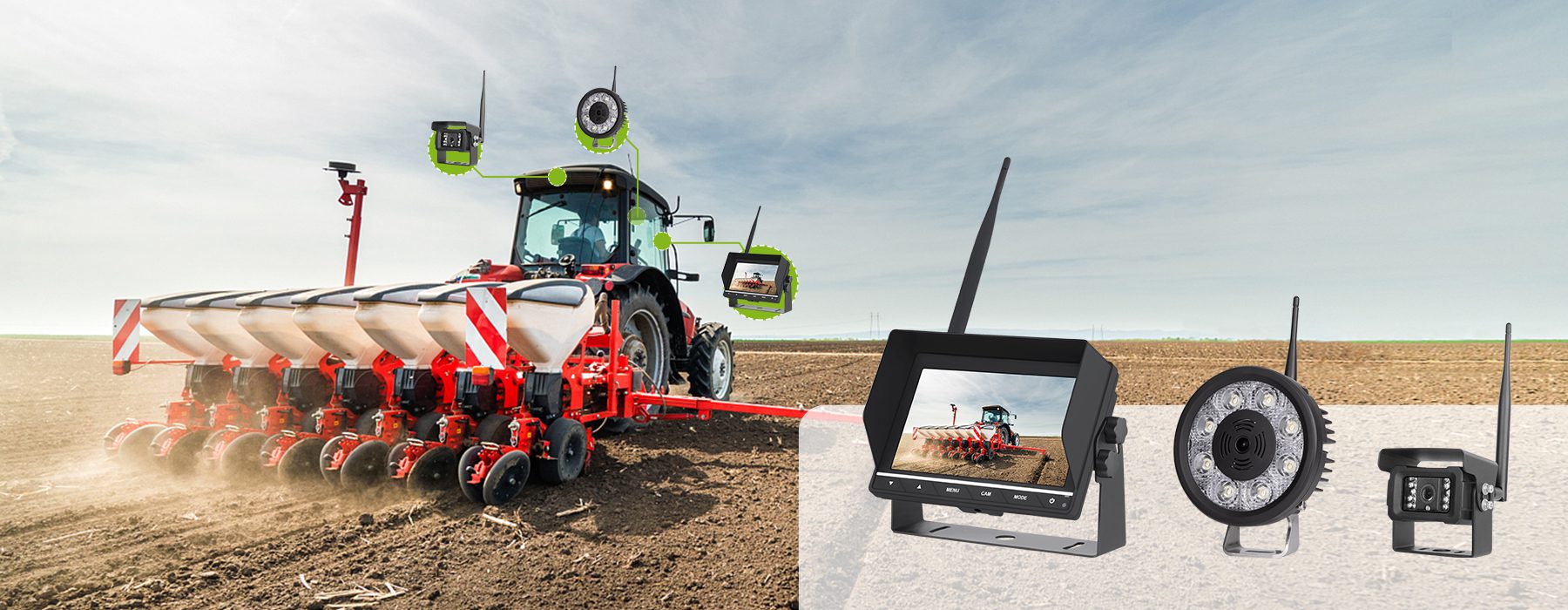
Agricultural machinery frequently operates before sunrise or after sunset, making rear visibility a critical safety factor. Our 7-inch AHD night vision wireless camera system with work light is developed to address these conditions in a practical manner. The system integrates infrared night vision with a built-in work light to support reversing and attachment operations in dark fields. Wireless installation allows flexible placement on tractors, harvesters, and other equipment without modifying existing structures. The 7-inch monitor provides sufficient viewing area for professional operators, while the camera’s wide-angle design supports consistent coverage of blind zones. As a backup camera wireless system, it assists experienced users in maintaining control during low-speed maneuvers where precision matters most.

Conclusion: Enhancing Low-Light Safety Through Practical Wireless Design

Safe driving and equipment operation in low-light environments depend on reliable visual information rather than added operational burden. By combining night vision imaging, wireless transmission, and application-focused hardware design, we aim to support professional users facing real-world visibility challenges. Our approach to the rear view wireless camera system emphasizes compatibility with existing vehicles, stable performance, and suitability for long working hours. Through continuous refinement of wireless night vision solutions, Luview remains focused on helping B2B customers improve operational safety and confidence when working in low-light conditions.
Truck Rear View Camera System Solutions for Fleet and Commercial Vehicles缩略图

Truck Rear View Camera System Solutions for Fleet and Commercial Vehicles

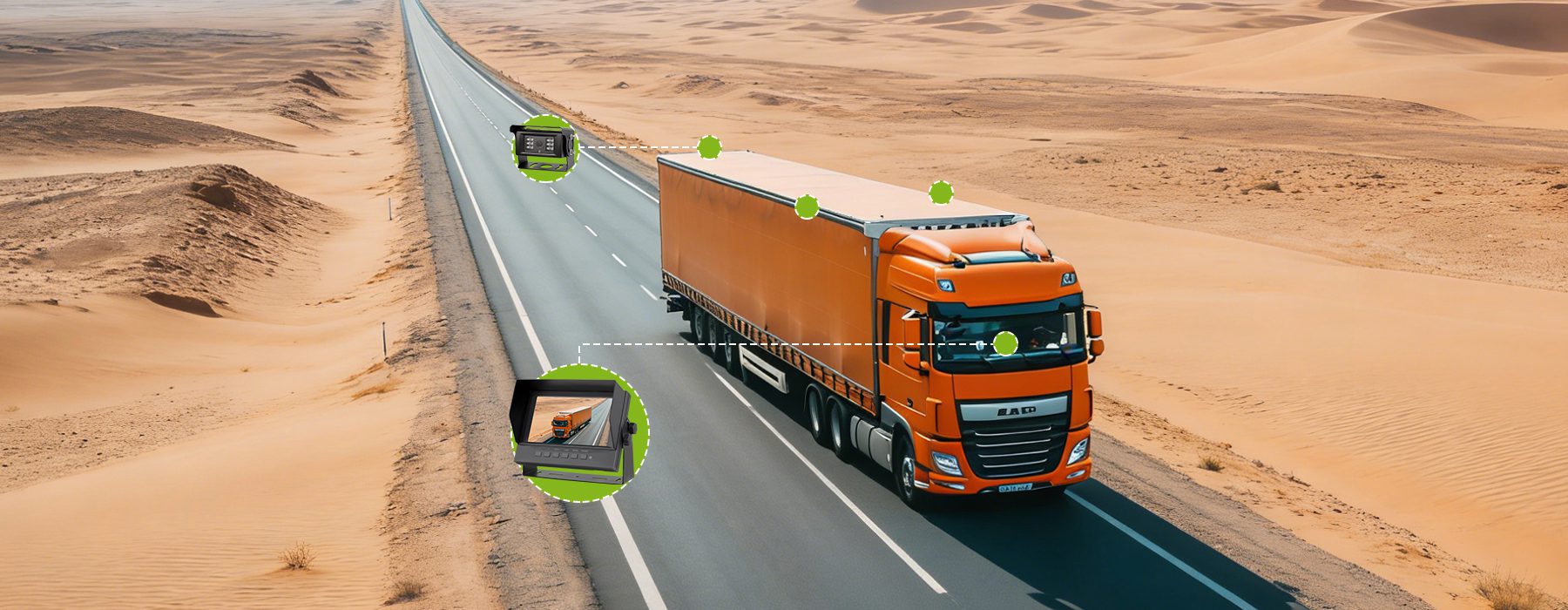
As fleet operations grow more complex, we see increasing demand for stable and adaptable rear-view visibility solutions in trucks and commercial vehicles. In daily logistics, construction transport, and special-purpose operations, blind spots and limited rear visibility directly affect operational safety and efficiency. At Luview, we focus on developing camera systems that integrate smoothly into existing vehicle platforms. When fleets evaluate a best wireless RV camera system, they are usually considering more than image clarity. Signal stability, installation flexibility, and compatibility with different vehicle sizes all matter. In real working conditions, rear-view systems must support long operating hours, frequent vehicle movement, and varied environments without adding unnecessary complexity to fleet management.

Truck Rear View Camera System Solutions for Fleet and Commercial Vehicles插图

Adapting Rear View Camera Systems to Fleet Operations

For commercial fleets, a truck rear view camera system must fit diverse vehicle types while remaining easy to deploy at scale. Our experience shows that wireless configurations help reduce installation time and avoid extensive vehicle modification. This is especially relevant for mixed fleets operating trucks, agricultural machinery, and utility vehicles. We design systems that support consistent image transmission and stable monitoring, which is essential when operators rely on real-time feedback during reversing or loading tasks. A night vision wireless camera system also becomes important for fleets working early mornings or overnight schedules. Low-light performance helps drivers maintain awareness without depending solely on external lighting, supporting safer maneuvering in confined or poorly lit work areas.

Truck Rear View Camera System Solutions for Fleet and Commercial Vehicles插图1

Integrating Product-Level Solutions into Real Applications

In response to these operational needs, we offer practical system configurations based on proven hardware. One example is our 7-inch AHD night vision wireless camera system with an integrated work light, designed for agricultural machinery and heavy commercial vehicles. The AHD technology supports stable image transmission, while the wireless setup simplifies installation across multiple units. The built-in work light provides functional assistance during nighttime operations without adding extra external components. For fleet managers selecting a best wireless RV camera system, such configurations demonstrate how monitoring, visibility, and auxiliary lighting can be combined into a single rear-view solution that fits demanding commercial use rather than passenger applications.

Conclusion: Supporting Fleet Safety Through Practical Camera Systems

From our perspective, effective truck rear view camera system solutions should align with how fleets actually operate. By focusing on compatibility, durability, and functional clarity, we help commercial customers choose systems that support daily work rather than complicate it. Whether fleets prioritize wireless deployment, night operation, or adaptable monitoring layouts, a well-configured night vision wireless camera system can play a practical role in reducing blind spots and improving vehicle control. At Luview, we continue refining rear-view solutions with fleet and commercial vehicle requirements in mind, ensuring that system design follows real operational demands instead of theoretical features.

Backup Camera vs Vehicle Monitoring System: Key Differences and Applications缩略图

Backup Camera vs Vehicle Monitoring System: Key Differences and Applications

Modern commercial vehicles rely heavily on visual assistance technologies to improve safety and operational efficiency. In fleet operations, logistics vehicles, and specialized industrial transport, understanding the difference between a backup camera and a vehicle monitoring system is essential. As a camera system company, Luview focuses on designing visual solutions that support experienced B2B customers who require stable performance, system compatibility, and long-term reliability. This article explains how these two systems differ in structure, function, and application scenarios, helping professionals choose suitable configurations for real-world use.

Backup Camera vs Vehicle Monitoring System: Key Differences and Applications插图

Functional Scope and System Structure

A backup camera is primarily designed to support reversing operations by providing a rear-facing visual feed. It activates automatically when the vehicle is shifted into reverse, helping drivers identify obstacles behind the vehicle. In contrast, a vehicle monitoring system integrates multiple visual inputs into a unified display platform. These systems may include front, side, and rear views, along with interior monitoring when required. Our solutions often incorporate wireless vehicle cameras to simplify installation and reduce cable routing complexity, especially for long vehicles or retrofit projects. From a system perspective, monitoring platforms are built for continuous observation rather than single-scenario use.

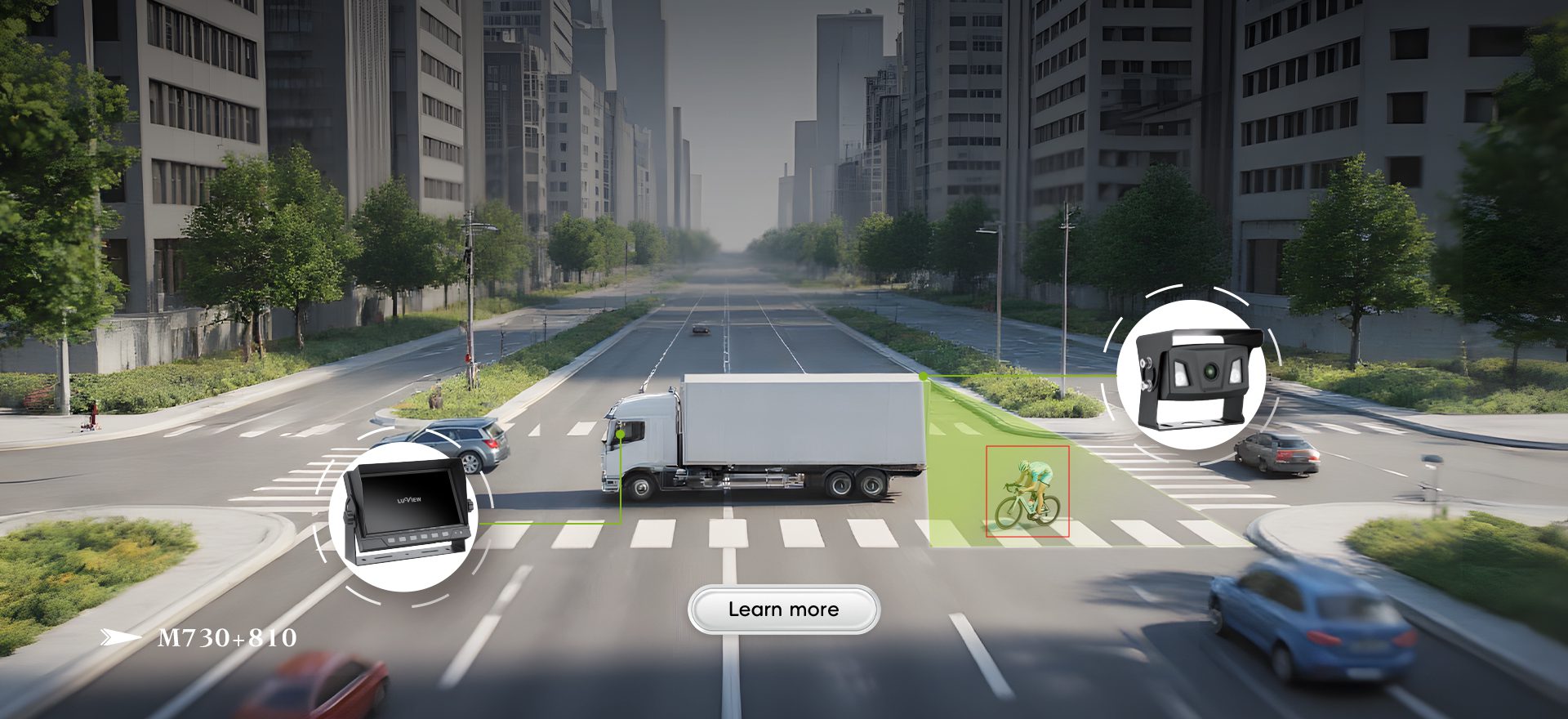
INTELLIGENT PERSON&VEHICEL DETECTION CAMERA

Application Scenarios in Commercial Vehicles

Backup cameras are commonly used in light commercial vehicles where reversing is the primary risk point. However, for buses, trucks, agricultural machinery, and special-purpose vehicles, a monitoring system offers broader operational value. These systems support lane changes, loading supervision, blind spot awareness, and driver behavior observation. As a camera system company, we work closely with OEMs and fleet integrators to ensure our solutions match vehicle layouts and operational workflows. The use of wireless vehicle cameras in these environments allows flexible camera placement while maintaining signal stability under demanding conditions.

Integration, Scalability, and Operational Needs

From an integration standpoint, backup cameras operate as independent units with limited expansion capability. Vehicle monitoring systems are modular and scalable, allowing additional cameras or displays to be added as operational requirements change. Our engineering teams design systems that can be integrated with existing electrical architectures without altering vehicle structure. By applying wireless vehicle cameras, we help reduce installation time while supporting multi-channel monitoring demands. This approach aligns with the expectations of experienced customers who prioritize system adaptability and long-term deployment efficiency.

Conclusion: Choosing the Right Visual Solution

Understanding the differences between a backup camera and a vehicle monitoring system helps decision-makers align technology with operational goals. Backup cameras address specific reversing scenarios, while monitoring systems provide comprehensive visual coverage across driving and operational phases. At Luview, we apply our experience as a camera system company to develop solutions that meet professional B2B requirements across diverse vehicle types. By combining system design expertise with flexible camera options, including wireless vehicle cameras, we support safer, more efficient vehicle operations without unnecessary complexity.

Automotive Camera Systems Explained: From Reverse Cameras to AI Detection缩略图

Automotive Camera Systems Explained: From Reverse Cameras to AI Detection

As vehicle safety regulations and fleet management requirements continue to evolve, automotive camera systems have become a core component of modern vehicles. From basic reversing assistance to intelligent visual perception, these systems support safer driving and more efficient vehicle operation. At Luview, we focus on developing automotive camera solutions for professional manufacturers and system integrators, helping them apply camera technology in real production environments rather than consumer-level use cases.

Automotive Camera Systems Explained: From Reverse Cameras to AI Detection插图

Understanding Reverse and Backup Camera Applications

Reverse and backup cameras are among the earliest and most widely adopted automotive camera solutions. Their primary function is to provide drivers with a clear rear view during reversing, reducing blind spots and supporting safer maneuvering in confined spaces. In commercial vehicles and special-purpose fleets, these systems are often integrated into existing displays or monitoring platforms. Through our backup camera OEM services, we work with vehicle manufacturers to adapt camera specifications such as viewing angle, housing structure, and signal output to match different vehicle platforms and operating conditions. This customization ensures compatibility with professional vehicle systems without altering original layouts.

From Visual Assistance to Intelligent Detection

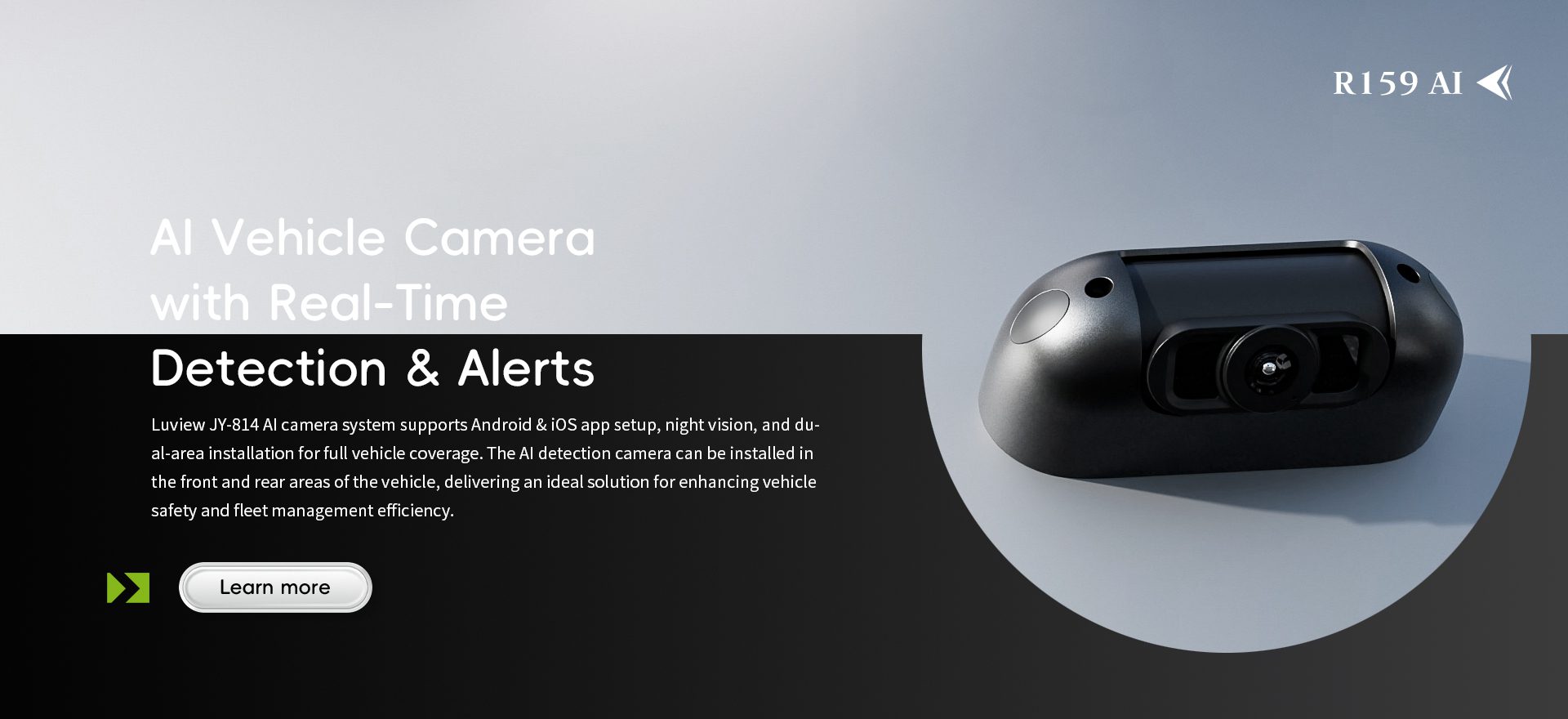
While traditional camera systems focus on image capture and display, newer solutions are increasingly designed to interpret visual data. Intelligent automotive cameras can identify lane markings, pedestrians, and surrounding vehicles, providing structured data rather than simple video output. Our AI camera system solutions are developed for industrial and automotive-grade applications where reliability and environmental adaptability are essential. By integrating image sensors with onboard processing units, these systems support advanced driver assistance functions without relying solely on cloud-based processing, which is especially important for commercial and off-road vehicles.

LUVIEW 7INCH AIREAR VIEW CAMERA SYSTEM

System Integration and B2B-Oriented Design

For experienced automotive customers, camera performance is only one part of the system evaluation. Long-term stability, interface compatibility, and production scalability are equally critical. Our company designs camera modules with standard automotive communication protocols and durable materials to meet OEM and Tier-1 integration requirements. Instead of focusing on retail features, Luview emphasizes manufacturability, testing consistency, and lifecycle management. This approach allows our camera systems to be deployed across different vehicle models while maintaining consistent performance throughout production cycles.

Conclusion: Practical Evolution of Automotive Camera Systems

Automotive camera technology has progressed from simple reversing assistance to intelligent perception systems that support safer and more efficient vehicle operation. By understanding the functional differences between basic visual tools and advanced detection systems, manufacturers can select solutions that match their technical and operational goals. At Luview, we continue to support this evolution by providing adaptable automotive camera systems designed for professional B2B applications, balancing technical capability with practical integration requirements.

What to Look for in a Reliable Backup Camera Supplier缩略图

What to Look for in a Reliable Backup Camera Supplier

In commercial vehicle and mobility projects, selecting a reliable backup camera supplier is not a casual decision. From our perspective, system stability, long-term supply capability, and engineering alignment matter more than surface-level specifications. When evaluating an OEM backup camera partner, we focus on how well the supplier understands real vehicle operating environments and integrates imaging solutions into broader safety architectures. At Luview, our experience working with global B2B customers has shaped a structured approach to supplier reliability, centered on consistency, compliance, and scalable production support.

What to Look for in a Reliable Backup Camera Supplier插图

Engineering Capability and Product Integration

A dependable supplier must demonstrate strong engineering foundations, not only at the component level but also at the system level. In our work with vehicle manufacturers and fleet solution providers, we often see that a backup camera is only one element within a larger car monitor system. Reliable partners should be able to support signal compatibility, environmental durability, and multi-camera coordination. For an OEM backup camera, this means stable image output, verified testing processes, and clear documentation that supports integration into existing vehicle platforms without unnecessary redesign.

Manufacturing Control and Quality Assurance

Beyond engineering design, manufacturing discipline plays a decisive role in long-term reliability. From our experience, suppliers with mature quality management systems are better equipped to maintain consistency across large production volumes. This is particularly relevant when a car monitor system is deployed across different vehicle models or markets. At Luview, we emphasize controlled production workflows, traceability, and validation procedures to ensure that every OEM backup camera meets defined operational requirements before delivery, reducing downstream risk for our partners.

Supply Chain Stability and OEM Collaboration

Another key factor is supply chain stability and the ability to support OEM collaboration over extended project cycles. A reliable supplier should be prepared to align with customer development timelines, customization needs, and regulatory requirements. In many cases, a car monitor system evolves alongside vehicle updates, requiring ongoing technical communication. We believe that effective OEM cooperation is built on transparency, responsive engineering feedback, and realistic lead-time planning, especially for customized OEM backup camera programs.

Conclusion: Evaluating Reliability from a System Perspective

When assessing what to look for in a reliable backup camera supplier, we believe the answer lies in a system-level perspective. Engineering depth, manufacturing control, and OEM collaboration together define long-term value. At Luview, we approach backup imaging not as isolated hardware, but as part of an integrated car monitor system designed for real-world commercial use. By aligning technical capability with stable supply support, we aim to meet the expectations of experienced B2B customers seeking dependable OEM backup camera solutions.

How to Choose the Right Vehicle Camera Manufacturers for OEM Projects缩略图

How to Choose the Right Vehicle Camera Manufacturers for OEM Projects

When OEM teams evaluate partners for vehicle vision systems, the decision process usually starts with technical alignment rather than price alone. For us at Luview, OEM cooperation means long-term engineering coordination, not just component supply. Choosing suitable vehicle camera manufacturers requires understanding how product design, validation processes, and production capability connect to real vehicle applications. In many OEM projects, camera systems are part of a larger safety or monitoring architecture, which means the supplier must clearly understand system-level integration, signal stability, and vehicle environment constraints from the beginning.

How to Choose the Right Vehicle Camera Manufacturers for OEM Projects插图

Engineering Compatibility and System Integration Capability

In OEM projects, camera hardware rarely works as a standalone device. It must integrate smoothly with ECUs, displays, and in-vehicle networks. This is why experienced vehicle camera manufacturers are usually evaluated based on their ability to adapt camera modules to different platforms, voltage requirements, and communication protocols. From our experience, engineering discussions often focus on lens selection, sensor tuning, waterproof structure design, and long-term reliability under vibration and temperature variation. A camera designed for stable image output directly affects how a car’s monitor displays information to the driver, especially in reversing, side-view, or continuous monitoring scenarios.

Manufacturing Process and Quality Consistency

OEM customers typically place strong emphasis on production consistency rather than short-term delivery speed. A reliable manufacturing process ensures that each batch of camera modules maintains stable optical performance and electrical behavior. As one of the vehicle camera manufacturers serving global OEM projects, we pay close attention to traceability, in-line inspection, and aging tests. These processes help ensure that every unit delivered works correctly with a car’s monitor system already validated by the customer, reducing downstream calibration and integration risks during vehicle assembly.

Product Scope and Application Experience

Another important factor when selecting partners is the breadth of application experience. OEM projects may involve rear-view cameras, surround-view systems, or in-cabin monitoring solutions. We typically support OEM customers by offering a product portfolio that includes camera modules, monitors, and complete vision system configurations. In many projects, the compatibility between the camera output and the car’s monitor interface becomes a practical consideration during system design. Application experience helps suppliers anticipate these integration details earlier, which simplifies validation and approval cycles for OEM teams.

Conclusion: Building a Stable OEM Camera Partnership

Choosing the right vehicle camera manufacturers for OEM projects is ultimately about technical confidence, manufacturing discipline, and communication efficiency. From our perspective, long-term cooperation depends on transparent engineering processes, stable product performance, and realistic system-level understanding. When camera modules and cars monitor solutions are developed with OEM requirements in mind, integration becomes smoother and project risks are easier to manage. A structured selection process helps OEM customers build partnerships that support both current vehicle platforms and future development plans.

Is a Wired RV Backup Camera Hard to Install?缩略图

Is a Wired RV Backup Camera Hard to Install?

Installing a wired RV backup camera may seem daunting for many RV owners, but it doesn’t have to be. Given the advantages these systems provide—like enhanced safety and improved visibility—understanding the installation process can empower you to make the switch confidently. This article delves into the ease of installing a caravan reversing camera and highlights why opting for a wired RV backup camera is a smart choice.

Is a Wired RV Backup Camera Hard to Install?插图

Understanding the Components

A wired RV backup camera system typically includes a camera, a monitor, cables, and mounting hardware. The AHD dual-camera RV monitoring rear view system, for example, comes equipped with a large 7-inch anti-glare screen that ensures visibility in different lighting conditions. This feature minimizes eye strain during long drives and enhances the overall user experience, making it easier for drivers to navigate tight spaces.

The installation process generally involves mounting the camera on the rear of your vehicle, running wiring through the RV to connect the camera to the monitor, and securing the monitor in an easily viewable position in the cab. While the thought of working with cables may be intimidating, most kits come with clear instructions and all necessary tools, making the process straightforward even for those with minimal technical expertise.

Step-by-Step Installation Guide

  • Choosing the Right Location

Start by identifying where you want to mount your caravan reversing camera. It should have a clear view of the area directly behind your RV.

  • Mounting the Camera

Use the provided mounting hardware to secure the camera in place. Ensure it’s stable and correctly aligned to catch all blind spots.

  • Running the Cables

Carefully route the wires from the camera through the RV and to the monitor. Many choose to run cables under trim pieces to maintain.

  • Connecting to the Monitor

Finally, install the monitor on the dashboard or another convenient location, connecting it to the camera using the supplied cables.

With these steps, many RV owners find that installing a wired RV backup camera is a manageable task. Should you encounter difficulties, online video tutorials can provide additional guidance.

The Benefits of a Wired System

While some may consider wireless options, wired RV backup cameras boast several advantages. They generally offer better video quality without the risk of signal loss, providing a consistent view of what’s behind you. Additionally, the support for up to four-channel video input allows for the connection of multiple cameras. This versatility enables monitoring various angles simultaneously, significantly improving safety and operational efficiency when navigating tight campsites or busy roads.

At Luview, we understand how important safety and usability are for RV owners. Our AHD dual-camera RV monitoring rear view system is designed not only for clarity and ease of installation but also for enhancing your travel experience. By equipping your RV with a wired RV backup camera, you invest in peace of mind and enhance your driving capabilities. Make the leap towards safer travels today—your adventures await!

Why Choose Luview Wired RV Backup Camera缩略图

Why Choose Luview Wired RV Backup Camera

Safety and convenience are vital when traversing the open road in a motorhome or RV. The right technology can make a significant difference, especially when it comes to visibility and control. Luview’s JY-032 rear view camera system offers an innovative solution that resolves common challenges associated with blind spots and obstructed views. By selecting the best RV backup camera system, RV owners can enhance their driving experience and ensure safer travels.

Why Choose Luview Wired RV Backup Camera插图

Comprehensive Visibility for Enhanced Safety

Modern RVs often come with numerous blind spots, making it difficult for drivers to navigate safely. The Luview JY-032 rearview camera system is designed specifically to address these challenges. Featuring a dual lens setup, this caravan rear view camera kit provides a full perspective of the area behind the vehicle, effectively eliminating most blind spots.

Safety is not just about maintaining visibility; it’s also about peace of mind. The JY-032 enhances safety when reversing, allowing drivers to maneuver their RVs confidently. Its angled viewing is especially useful in crowded camping spots where precision is essential. By investing in this advanced camera system, RV owners can avoid potential accidents and protect both themselves and others on the road.

Versatile Application for Various Vehicle Types

One of the standout features of the Luview JY-032 rearview camera system is its versatility. This caravan rear view camera kit is compatible with a range of vehicles, including campers, trailers, tent trailers, and tow hooks. Whether you’re operating a compact motorhome or a large travel trailer, this system adapts seamlessly to your specific needs.

The flexibility of the JY-032 means that RV owners don’t need to worry about multiple camera solutions for different vehicles. Instead, they can rely on a single, high-quality system that meets all their reversing and parking needs. This not only simplifies the decision-making process but also enhances the overall user experience across various types of trailers and vehicles.

Durability and Dependability for Long-Term Use

Choosing a highly reliable and durable backup camera is essential for continuous performance. The Luview JY-032 offers long-lasting quality, ensuring that it withstands the wear and tear typically associated with outdoor travel. Designed with robust materials, this best RV backup camera system provides dependable service, enhancing safety and visual clarity regardless of road conditions.

When investing in a caravan rear view camera kit, durability should be a top consideration. The JY-032 ensures peace of mind by delivering reliable performance through varying weather and environmental challenges, making it an indispensable addition for any RV enthusiast.

Trust Luview for Your RV Needs

At Luview, we are committed to enhancing safety and convenience on the road. Our JY-032 rearview camera system stands out as the best RV backup camera system, designed to eliminate blind spots and improve safety during reversing. By choosing our caravan rear view camera kits, you can enjoy unparalleled visibility and peace of mind, no matter where your travels take you. Trust Luview to provide the innovation and quality that enriches every journey.

Things to Consider Before Installing a Wired Backup Camera on Your RV缩略图

Things to Consider Before Installing a Wired Backup Camera on Your RV

Installing a wired backup camera system for your RV can significantly enhance safety and visibility while on the road. However, there are several key factors to consider before making this important decision. Below, we share insights and experiences that can help you avoid common pitfalls and make informed choices when implementing an RV backup camera monitor.

Things to Consider Before Installing a Wired Backup Camera on Your RV插图

Understanding the Installation Process

The installation process is often more complex than many anticipate. A wired backup camera system for RVs requires running cables from the camera to the monitor, which can involve navigating through tight spaces and connecting to the vehicle’s electrical system. For those unfamiliar with electrical work, it may be beneficial to consult professionals or seek comprehensive guides before starting the installation.

Utilizing high-quality equipment is crucial. For instance, the Luview JY-032 IP68 1080P AHD dual lens rear view camera provides exceptional clarity and durability, ensuring that the camera performs well in various weather conditions. Investing in a reliable backup camera will pay off in terms of performance and longevity, ultimately enhancing your RV’s safety features.

Choosing the Right Monitor

When selecting an RV backup camera monitor, consider screen size and resolution. A larger screen with high-definition quality makes it easier to see your surroundings clearly. The clarity offered by an AHD (Analog High Definition) monitor can be crucial when reversing or parking in tight spaces. Additionally, look for monitors that come with essential features such as grid lines for better guidance and ease of use during maneuvers.

Ensure compatibility between the camera and monitor; some systems may have specific requirements or limitations. Opting for a package that includes both components can streamline the installation process and minimize potential compatibility issues.

Eliminating Blind Spots

One of the key benefits of installing a wired backup camera system is its ability to eliminate blind spots. The Luview JY-032 rear view camera system excels in providing angled views that enhance safety when reversing or changing lanes. With dual lenses, this camera reduces blind spots significantly, allowing you to navigate with confidence in your RV, camper, or trailer.

Before installation, take the time to position the camera correctly. Proper placement is vital for capturing the optimal field of view. Test the camera’s angles to ensure they meet your unique needs, especially if you frequently tow additional vehicles or trailers.

Enhance Your Journey with Luview

Investing in a quality backup camera system for RVs not only improves your driving experience but also enhances safety for you and others on the road. At Luview, we are dedicated to providing high-performance rearview camera solutions designed specifically for RVs and other vehicles. Our JY-032 model offers dual lenses and outstanding image quality, making it one of the best options for enhancing visibility.

We encourage you to explore our innovative products and see how we can help elevate your RV travel experience with greater safety and peace of mind. Together, let’s make every journey safe and enjoyable with Luview’s advanced backup camera systems.

Together, let’s elevate your travel adventures with advanced safety solutions!

Why Most RV Accidents Happen While Reversing — And How a Wired Backup Camera Prevents Them缩略图

Why Most RV Accidents Happen While Reversing — And How a Wired Backup Camera Prevents Them

Reversing can be one of the most challenging maneuvers for RV drivers, often leading to accidents that could have been easily avoided. As recreational vehicles (RVs) grow in size and complexity, the blind spots increase, making it critical for drivers to have the right tools at their disposal. This article explores the reasons behind the high incidence of reversing accidents and how investing in the best wired RV backup camera can drastically enhance safety on the road.

Why Most RV Accidents Happen While Reversing — And How a Wired Backup Camera Prevents Them插图

Common Causes of Accidents While Reversing

Many factors contribute to the prevalence of accidents when RVs are in reverse. One of the primary reasons is insufficient visibility. Unlike standard vehicles, RVs often have larger blind spots that can obscure pedestrians, smaller vehicles, or even objects directly behind or to the side. This lack of visibility can be particularly acute when parking or maneuvering in tight spaces.

Moreover, the unique handling characteristics of an RV can complicate reversing. Drivers may find it difficult to gauge the distance to obstacles due to the vehicle’s size and weight. Without an effective monitoring system, even the most experienced drivers can become overwhelmed while trying to reverse.Checking blind spots physically is often not enough.

The Solution: Best Wired RV Backup Camera Systems

This is where the best wired RV backup camera comes into play. Wired systems provide a direct and reliable way to enhance visibility while reversing. Unlike wireless backups, wired systems ensure a consistent connection without interference from other electronic devices.

Among the options available, the Luview AHD dual-camera RV monitoring rear view system stands out. This advanced system offers a unique up-and-down dual-camera setup, providing independent perspectives that allow drivers to monitor both rear and side areas simultaneously. This comprehensive coverage significantly improves safety and reduces the risk of accidents during parking and lane changes.

Adding to its advantages, the system features a 7-inch anti-glare screen. This feature guarantees clear visibility even under challenging lighting conditions, making it easier for drivers to keep track of their surroundings and eliminate potential hazards.

Why Choose Luview?

At Luview, we recognize the importance of safety when on the road. Our AHD dual-camera RV monitoring rear view system is designed with the needs of RV drivers in mind. By reducing blind spots and providing an all-encompassing view, our backup camera systems for RV enhance not just visibility but overall driving confidence. With an easy installation process and user-friendly design, we ensure that our customers can focus more on enjoying their journey and less on the potential risks.

Investing in a reliable backup camera is not just about preventing accidents; it’s about securing peace of mind on every adventure. Join us in making RV travel safer and more enjoyable with Luview’s innovative solutions.