How to Install a 1080p Backup Camera缩略图

So installieren Sie eine 1080p-Rückfahrkamera

Installation einer 1080p Rückfahrkamera können die Sicherheit beim Rückwärtsfahren erheblich verbessern, und für erfahrene Fahrer ist es hilfreich, den Installationsprozess zu verstehen, um eine reibungslose Einrichtung zu gewährleisten. Moderne Kameras sind zwar einfacher denn je zu installieren, aber das Befolgen klarer Schritte ist der Schlüssel zu einer optimalen Leistung.

How to Install a 1080p Backup Camera插图

Schritt 1: Bereiten Sie Ihr Fahrzeug vor

Parken Sie auf einer ebenen Fläche mit abgestelltem Motor. Klemmen Sie die Batterie ab, um elektrische Probleme zu vermeiden. Legen Sie Werkzeuge wie Schraubendreher, Werkzeuge zum Entfernen von Verkleidungen und Kabelbinder bereit. Ermitteln Sie den Montageort der Rückfahrkamera und stellen Sie sicher, dass eine Stromquelle verfügbar ist.

Schritt 2: Montieren Sie die Rückfahrkamera

Befestigen Sie die Kamera in der Nähe des hinteren Stoßfängers oder des Nummernschildbereichs. Stellen Sie den Winkel so ein, dass die Kamera einen ebenen, zentrierten Blick auf das Heck bietet. Verwenden Sie Schrauben oder Kleber, je nach Fahrzeug und Befestigungsart. Testen Sie den Sitz vor dem endgültigen Festziehen.

Schritt 3: Verlegung der Verkabelung

Verlegen Sie das Kamerakabel vorsichtig vom Heck des Fahrzeugs nach vorne. Führen Sie das Kabel entlang der Innenverkleidung oder unter Verkleidungen, um es vor Hitze, scharfen Kanten oder beweglichen Teilen zu schützen. Verwenden Sie Kabelbinder, um das Kabel zu sichern.

Schritt 4: Installieren Sie die Spiegelanzeige

Ersetzen Sie das Spiegeldisplay oder befestigen Sie es über Ihrem vorhandenen Rückspiegel, falls erforderlich. Schließen Sie die Kamera an den Display-Eingang an. Stellen Sie sicher, dass der Spiegel stabil ist und die Verbindungen sicher sind.

Schritt 5: Strom anschließen

Schließen Sie die Kamera und das Spiegeldisplay an eine 12-V-Stromquelle an, häufig über den Sicherungskasten oder die Zubehörleitung. Inline-Sicherungen können die Sicherheit erhöhen. Legen Sie nach dem Anschluss die Batterie wieder ein und prüfen Sie, ob sich das Display einschaltet.

Schritt 6: Testen Sie das System

Legen Sie den Rückwärtsgang ein, um die Kamera zu testen. Vergewissern Sie sich, dass die Videoübertragung zentriert ist und die gesamte Rückansicht abdeckt. Stellen Sie den Kamerawinkel bei Bedarf ein und vergewissern Sie sich, dass die Verkabelung die Fahrzeugfunktionen nicht beeinträchtigt.

Einfache Installation mit Luview

Für Autofahrer, die ein schlankeres Erlebnis suchen, ist der Luview Das elektronische 12,3-Zoll-Rückspiegelsystem bietet eine einfache Plug-and-Play-Einrichtung. Der Spiegel wird über den vorhandenen Rückspiegel montiert, und das Kamerakabel wird direkt an den Spiegeleingang angeschlossen. Dieses Design ermöglicht es erfahrenen Benutzern, ihr Fahrzeug schnell und ohne komplizierte Modifikationen aufzurüsten, was Zeit und Mühe spart und gleichzeitig professionelle Ergebnisse gewährleistet.

Schlussfolgerung

Die Installation einer 1080p-Rückfahrkamera kann ganz einfach sein, wenn die richtigen Schritte befolgt werden. Von der Vorbereitung des Fahrzeugs bis zum Testen der Kameraübertragung sorgt eine sorgfältige Installation für optimale Leistung und Sicherheit. Systeme wie das Luview Autorückspiegel mit Kamera vereinfachen den Prozess weiter und bieten eine zuverlässige, einfach zu installierende Lösung, die die Sicht nach hinten und das Fahrgefühl verbessert.

Which Smart Rear View Mirror Offers the Most Value for Money缩略图

Welcher intelligente Rückspiegel bietet das beste Preis-Leistungs-Verhältnis?

Choosing the right smart rear view mirror for a car can make a tangible difference for experienced drivers. Modern vehicles demand systems that not only provide clear rear visibility but also integrate safety features that help during parking, reversing, and navigating tight spaces. Among the many options available, the Luview 12.3-inch electronic rear view mirror system stands out for combining high-quality imaging with practical durability.

Which Smart Rear View Mirror Offers the Most Value for Money插图

Understanding Backup Rear View Camera Mirrors

A backup rear view camera mirror functions as both a conventional rearview mirror and a display for live video feed from a rear-mounted camera. This dual functionality allows drivers to seamlessly switch between reflective and digital views. Experienced drivers often appreciate features such as low-latency video, wide dynamic range imaging, and durability under harsh conditions—all essential for daily commuting, long-distance driving, or heavy-duty vehicle use.

Low-Latency 1080P Video for Safer Driving

The Luview system delivers 1080p low-latency video through LVDS technology. Low latency is crucial for experienced drivers who rely on real-time visuals during maneuvers. A delayed video feed can cause misjudgments, particularly when reversing or changing lanes in busy traffic. By providing smooth live video, the Luview smart mirror reduces the chances of collisions, offering consistent reliability in daily driving scenarios.

LED Anti-Flicker and Wide Dynamic Range Imaging

Lighting conditions often vary drastically while driving. Ordinary backup cameras can struggle in high-contrast or rapidly changing environments, such as sunlit streets, shadowed lanes, or tunnels. The Luview mirror addresses this challenge with LED anti-flicker technology and Wide Dynamic Range (WDR) imaging, ensuring that the video feed remains sharp and clear. Obstacles, pedestrians, or other vehicles are easier to spot, supporting safer decisions and minimizing potential risks.

Heated Defogging and IP69K Waterproof Rating

Weather resilience is a critical factor for any smart rear view mirror for a car. Luview integrates heated defogging functionality to prevent condensation, ensuring that visibility is not compromised in cold or humid conditions. Additionally, the mirror’s IP69K waterproof rating allows it to withstand high-pressure cleaning, rain, snow, and dust. This durability ensures the backup camera mirror continues to function reliably under extreme conditions, providing value over the long term.

Schlussfolgerung

For experienced drivers seeking both reliability and advanced features, the Luview 12.3-inch electronic rear view mirror system offers substantial value for money. Its combination of low-latency 1080p video, LED anti-flicker and WDR imaging, as well as weatherproof and defogging capabilities, makes it a practical choice for daily use. Investing in a high-quality backup rear view camera mirror, like Luview, ensures enhanced safety, consistent performance, and peace of mind on the road.

What is the Best Smart Rear View Mirror on the Market缩略图

Was ist der beste intelligente Rückspiegel auf dem Markt?

For experienced drivers and fleet operators, having clear visibility around the vehicle is crucial. Choosing the best smart rear view mirror is no longer just about convenience—it directly impacts safety and operational efficiency. In this article, we explore the features and advantages of advanced systems, with a focus on the Luview solution.

Understanding Smart Rear View Mirrors

A rear view mirror with a backup camera goes beyond the traditional reflective mirror. These systems integrate digital displays, multiple camera inputs, and sometimes even recording capabilities. For commercial vehicles, especially, the ability to monitor blind spots and rear traffic in real time can reduce accidents and improve driver confidence.

Smart rear view mirrors offer several benefits:

Enhanced visibility: They provide a clear, unobstructed view of the surroundings, even in poor lighting conditions.

Multiple angles: Many systems support dual input or split-screen views, allowing drivers to see both sides of the vehicle simultaneously.

Integration with vehicle technology: Modern mirrors can interface with sensors, parking assistance systems, and fleet management platforms.

Choosing a system that meets regulatory standards is essential, particularly for professional drivers operating commercial vehicles.

Why Luview Stands Out

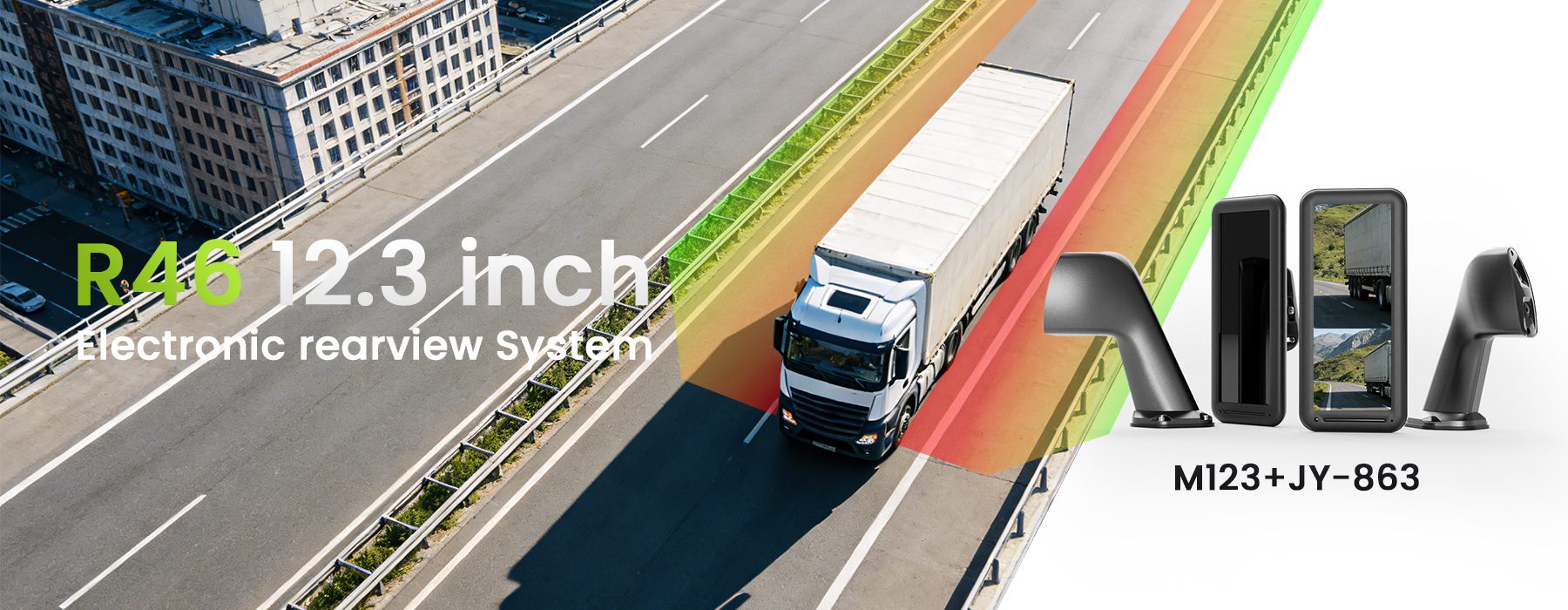
The Luview 12.3-inch electronic rear view mirror system is designed with both performance and compliance in mind. Unlike conventional mirrors, it offers dual input and split-screen functionality, allowing drivers to monitor multiple angles at once. This feature is particularly useful for reducing blind spots when maneuvering large vehicles.

Safety and regulatory compliance are central to the Luview system. It is fully certified under UN ECER46, meaning it satisfies global standards for indirect vision systems. For commercial drivers, this certification ensures that replacing traditional side mirrors with the Luview electronic system meets legal requirements without compromising safety.

Additional features include:

High-resolution display: Provides clear, real-time imaging, essential for busy urban or highway environments.

Backup camera integration: The system includes a high-quality rear camera, giving drivers a rear view mirror with backup camera functionality to simplify parking and reversing.

Durable design: Built to withstand the rigors of daily use in commercial operations, Luview mirrors maintain performance in extreme temperatures and vibration conditions.

Choosing the Right System

When evaluating the best smart rear view mirror, consider the following factors:

Display size and clarity: A larger, high-resolution screen allows better situational awareness.

Input flexibility: Dual or multiple camera inputs enable monitoring of both sides of the vehicle and the rear simultaneously.

Regulatory compliance: Ensure the system meets regional standards for indirect vision systems to replace traditional mirrors legally.

Installation and integration: A system should integrate seamlessly with existing vehicle electronics without requiring extensive modifications.

Schlussfolgerung

For experienced drivers seeking a combination of safety, compliance, and advanced technology, the Luview 12.3-inch electronic rear view mirror system presents a compelling option. Its dual input, split-screen capabilities, and backup camera integration make it a practical choice for reducing blind spots and improving situational awareness. With full certification under UN ECER46, Luview not only meets legal requirements but also enhances the driving experience for commercial vehicle operators.

Whether upgrading a fleet or equipping a personal vehicle, selecting the best smart rear view mirror, like Luview 12.3-inch electronic rear view mirror system, ensures both safety and efficiency are prioritized without compromise.

How Can Wireless Camera Systems Prevent Forklift Accidents缩略图

Wie können drahtlose Kamerasysteme Unfälle mit Gabelstaplern verhindern?

Forklifts play a crucial role in warehouses, logistics centers, and manufacturing sites, but they are also one of the main sources of workplace accidents. According to safety studies, most forklift accidents result from poor visibility—operators cannot see what is around them due to load size, narrow aisles, or blind spots. To address this issue, more companies are turning to the forklift wireless camera system as a reliable safety enhancement.

How Can Wireless Camera Systems Prevent Forklift Accidents插图

At Luview, we believe that improving visibility is the foundation of preventing forklift-related injuries and property damage. Our Gabelstapler-Kamerasysteme are specifically designed to reduce blind spots, support operator awareness, and minimize human error in all working environments.

Why Visibility Matters in Forklift Safety

When a forklift carries bulky loads, the operator’s line of sight is often blocked. This creates blind zones where pedestrians, pallets, or obstacles can go unnoticed. Even experienced operators may struggle to react in time, especially in crowded warehouses or low-light conditions.

A forklift wireless camera system directly addresses this challenge by providing a clear, real-time view from multiple angles. Cameras mounted around the forklift transmit live footage to a monitor in the operator’s cabin, allowing them to detect movement or obstacles that would otherwise remain unseen. Enhanced visibility reduces the likelihood of collisions and allows for smoother, more confident operation.

How Luview Wireless Camera Systems Prevent Accidents

Luview’s waterproof Drahtloses Kamerasystem für Gabelstapler is engineered to create a safer working environment by eliminating blind spots and improving situational awareness. Supporting up to four high-definition cameras, it offers a 360° panoramic view around the forklift. This full coverage helps operators identify potential hazards—such as other vehicles, workers, or uneven surfaces—before an accident occurs.

Each camera is IP68-rated, ensuring reliable performance in dusty, humid, or outdoor environments. Night vision capability allows operators to see clearly even in dimly lit warehouses or during night shifts, reducing accidents caused by poor lighting conditions.

By integrating these technologies, Luview’s system allows operators to anticipate risks rather than simply react to them. With every turn, lift, or reverse movement, they can clearly observe their surroundings and make safe, informed decisions.

Advantages Over Traditional Forklift Cameras

Conventional forklift cameras often rely on wired connections, which can complicate installation and limit flexibility. Luview’s wireless forklift camera systems simplify the process with magnetic mounting and stable wireless transmission, making setup quick and adaptable to different forklift models.

Traditional systems usually support only a single camera, leaving certain angles uncovered. In contrast, Luview’s solution supports up to four cameras, ensuring comprehensive visibility from every direction. This reduces the operator’s stress and improves both safety and productivity, especially in fast-paced warehouse operations.

Schlussfolgerung

Preventing forklift accidents begins with eliminating uncertainty. A forklift wireless camera system provides operators with the clear, real-time vision they need to detect hazards, avoid collisions, and protect both people and property.

Bei Luview, our forklift camera systems combine durable construction, wireless convenience, and all-around visibility to help businesses build safer and more efficient workplaces. With improved visibility and awareness, operators can perform their tasks with greater precision and confidence—reducing risks and ensuring a safer environment for everyone.

What Are the Key Features to Look for in a Wireless Forklift Camera缩略图

Was sind die wichtigsten Merkmale, die eine drahtlose Gabelstaplerkamera aufweisen sollte?

In modern warehouse and logistics environments, visibility and precision are essential for maintaining both safety and efficiency. For many operators, wireless forklift camera systems have become a reliable solution to address blind spots and enhance maneuverability. At Luview, we understand that experienced forklift operators and fleet managers seek dependable performance and practical features—not unnecessary complexity. Below, we outline the key features to look for when choosing a wireless forklift camera that meets your operational standards.

What Are the Key Features to Look for in a Wireless Forklift Camera插图

Reliable Safety and High Performance

A dependable forklift camera should perform consistently even in challenging industrial environments. Luview wireless forklift cameras are designed with durability in mind, offering an IP68 waterproof structure that withstands dust, moisture, and vibration. This ensures reliable performance whether the forklift operates indoors or outdoors.

In addition, automatic shutdown helps conserve energy when the system is not in use, while rapid startup enables immediate visibility once the forklift is active. For safer operation, the camera system supports upper and lower flipping functions, allowing flexible installation positions. Equipped with a laser positioning function, it helps operators align loads precisely—minimizing the risk of damage or accidents during handling.

Enhanced Operational Precision

Accuracy is critical when lifting, stacking, or placing pallets in narrow aisles. To assist operators, Luview drahtlose Kamerasysteme für Gabelstapler include customizable on-screen guidelines that appear on the monitor. These visual markers guide operators in aligning the forks or adjusting lift height accurately. This feature not only helps improve loading efficiency but also reduces time spent correcting placement errors.

By integrating such real-time visual assistance, warehouse operations become smoother, especially for high-frequency material handling tasks. Experienced operators can work more confidently and productively with this added precision.

Hervorragende Sichtbarkeit in komplexen Umgebungen

Visibility can often be compromised in warehouses with low light, glare, or tight spaces. That’s why Luview wireless forklift cameras incorporate LED indicator display vision technology. The built-in LED lights illuminate dark areas, ensuring a clear view even in dimly lit environments.

This feature is particularly beneficial for night shifts, large storage facilities, and outdoor operations at dawn or dusk. When combined with high-definition imaging, operators gain a clear and stable view of obstacles, pedestrians, and load positions—helping maintain consistent safety across shifts and lighting conditions.

Wireless Connectivity and Real-Time Monitoring

One of the greatest advantages of modern forklift camera systems is wireless connectivity. Luview wireless forklift cameras connect directly to the monitor without the need for complex wiring. This simplifies installation, reduces maintenance time, and ensures a clean, organized setup.

The wireless connection provides real-time video transmission, giving operators continuous visibility of forklift blind spots. With minimal signal delay, the system allows for smoother coordination between the camera and monitor, improving situational awareness during reversing, stacking, or narrow aisle operations.

Schlussfolgerung

When selecting a wireless forklift camera, it’s important to prioritize features that directly enhance safety, precision, and operational convenience. Look for a camera system that offers robust waterproof performance, laser positioning, on-screen guidelines, LED visibility enhancement, and reliable wireless monitoring.

Bei Luview, we design wireless forklift camera systems that integrate these essential features, providing operators with the tools they need to work efficiently and safely in demanding environments. By investing in a well-engineered camera solution, businesses can reduce workplace risks, increase operational accuracy, and maintain a higher level of productivity across their fleets.

How Reliable Is the Connection in a Wireless Car Camera System缩略图

Wie zuverlässig ist die Verbindung bei einem drahtlosen Autokamerasystem?

In modern vehicle monitoring and warehouse operations, wireless technology has become increasingly important. For experienced operators and fleet managers, the reliability of a wireless car camera system is a key factor that determines how effectively vehicles and forklifts can be monitored in real time. Stable connectivity ensures clear video transmission, accurate recording, and greater situational awareness, all of which contribute to safer and more efficient operations.

How Reliable Is the Connection in a Wireless Car Camera System插图

Understanding Wireless Connectivity in Camera Systems

Wireless camera systems transmit video signals using radio frequencies such as 2.4 gigahertz or 5.8 gigahertz. These frequencies allow video data to travel from the camera to the monitor without the need for physical wiring. A transmitter inside the camera sends the image signal, while a receiver inside the monitor displays the live feed. When both parts work in harmony, the connection remains steady even in areas with multiple sources of interference.

Several factors affect the stability of the wireless connection. The distance between the camera and monitor, the presence of metal structures, and the transmission power of the module all play important roles. Advanced systems use digital signal processing and anti-interference technology to maintain image stability. In both automotive and industrial settings, reliable transmission helps operators see what is happening around the vehicle in real time, even under demanding conditions.

Reliable Connection in Luview Wireless Systems

At Luview, we design each wireless car camera system and forklift camera with reliability and signal strength in mind. Our systems are built to perform consistently in transport fleets, warehouses, and industrial environments where stable real-time monitoring is essential.

Traditional wired systems require complex installation and can suffer from cable wear or disconnection. Luview’s wireless solution provides a direct link between the camera and the monitor, offering consistent performance without complicated setup. The connection remains secure, minimizing delay and ensuring smooth video transmission. Operators can view their surroundings clearly and make quick, informed decisions.

Advantages of Luview Wireless Connectivity

Real Time Monitoring: The Gabelstapler-Kameras connect directly to the monitor wirelessly, providing continuous visual coverage of blind spots and nearby areas.

Interference Resistance: Our systems maintain strong connections in busy industrial spaces with multiple wireless signals.

Flexible Installation: Cameras can be positioned on different parts of the vehicle or forklift, providing better coverage and visibility.

Compatibility Across Models: Luview’s wireless forklift camera systems fit a wide variety of models, from standard warehouse vehicles to heavy duty equipment.

Stable Range Performance: The connection remains steady over practical operating distances, ensuring uninterrupted visibility during long working hours.

Customized Solutions: We also provide production options based on client requirements, ensuring each system integrates perfectly with your workflow and equipment.

Schlussfolgerung

Connection reliability determines the overall performance of any wireless car camera system or forklift camera. A stable and interference resistant link guarantees clear video transmission and consistent real time monitoring.

Bei Luview, we focus on creating systems that deliver steady connectivity, flexible installation, and dependable operation in both automotive and industrial environments. With advanced wireless technology and customized design, our camera systems help operators and fleet managers maintain complete awareness, improve safety, and enhance productivity every day.

Which Wireless Dual Dash Cam Offers the Highest Video Quality缩略图

Welche drahtlose Dual Dash Cam bietet die beste Videoqualität?

High-quality video capture is essential for both automotive and industrial applications. For cars, the best wireless car dash camera front and rear provides complete monitoring of traffic conditions, parking situations, and accident evidence. In industrial environments, such as warehouses or distribution centers, a forklift truck camera improves operator awareness, reduces blind spots, and enhances overall safety. Understanding what determines video clarity can help operators select the right system for their fleet.

Understanding Video Quality in Dash Cameras

The quality of footage depends on several technical factors. Resolution determines how much detail is captured, while sensor size affects low-light performance. Larger sensors allow more light to reach the imaging element, which is important for night driving or dim warehouse conditions. Frame rate reduces motion blur, ensuring smooth recording of fast-moving objects. Additionally, wide dynamic range (WDR) balances lighting differences, making both bright and shadowed areas visible. Wireless connectivity allows real-time monitoring without interfering with vehicle or forklift operation.

Luview Wireless Dash Cameras

At Luview, we provide dash camera systems designed for clear video and practical usability. Our wireless car dash camera, front and rear, and forklift truck camera solutions deliver reliable footage and flexible installation.

Traditional forklift cameras rely on wired connections, which are difficult to install and restrict positioning. Luview’s wireless cameras feature magnetic mounts and simple connectivity, reducing setup time. Unlike single-camera systems, our solution supports up to four cameras, offering a full 360° view around the forklift. For cars, our dual dash cams record both front and rear simultaneously, capturing all critical angles without compromise.

Features Supporting High-Quality Video

  • High-Resolution Sensors

Full HD recording ensures sharp, detailed footage, important for accident documentation and operational review.

  • Wide Dynamic Range (WDR)

Balances bright and dark areas to maintain visibility in challenging lighting conditions.

  • High Frame Rate

Smooth video capture reduces motion blur, even when vehicles or forklifts are moving quickly.

  • Multi-Camera Support

Up to four cameras for forklifts provide comprehensive coverage and minimize blind spots.

  • Wireless Connectivity

Simplifies installation and allows flexible camera placement without running cables.

  • Durable Construction

Built to withstand vibrations, temperature changes, and daily industrial or automotive use.

Schlussfolgerung

Selecting the right dual dash camera is about ensuring reliable, clear video for safety and operational efficiency. Luview’s wireless car dash camera front and rear and forklift truck camera systems combine high-resolution sensors, WDR, multi-camera support, and wireless installation to provide consistent, dependable footage. For fleet managers and experienced operators, Luview delivers the technology needed to monitor every situation with confidence.

Wie Sie die richtige drahtlose Sicherheitskamera für Ihre Gabelstaplerflotte auswählen缩略图

Wie Sie die richtige drahtlose Sicherheitskamera für Ihre Gabelstaplerflotte auswählen

Forklifts play a critical role in warehouses, logistics centers, and industrial environments. Even skilled operators face challenges due to blind spots, low-light conditions, and tight maneuvering spaces. A camera for a forklift can significantly improve safety and operational efficiency, but choosing the right system requires understanding key considerations.

How to Choose the Right Wireless Safety Camera for Your Forklift Fleet插图

Key Considerations When Selecting a Forklift Camera

When looking for cameras for forklifts, it’s important to focus on factors that impact both safety and efficiency:

  1. Field of View

A wide-angle view helps operators see blind spots around the forklift, especially behind the load. Cameras with adjustable viewing angles provide flexibility to adapt to different load sizes and warehouse layouts.

  1. Image Clarity in Various Lighting Conditions

Warehouses often have uneven or low lighting. Look for cameras that provide clear images in both bright and dim environments. Night vision or LED-assisted cameras are particularly useful for early morning, late night, or poorly illuminated storage areas.

  1. Real-Time Monitoring

The camera system should provide instant video feedback to the operator’s monitor without noticeable lag. Real-time monitoring ensures the operator can make immediate adjustments to prevent collisions and safely handle loads.

  1. Wireless Reliability

Wireless connectivity is convenient, but stability is crucial. A reliable system must maintain a strong connection over the forklift’s operating area, even when navigating large warehouses or obstructed paths.

  1. Ease of Installation and Maintenance

Choose a system that can be installed with minimal disruption to your fleet. The camera should be robust and easy to maintain, minimizing downtime and maintenance costs.

  1. Compatibility with Your Fleet

Ensure the camera system works with the types of forklifts in your fleet and integrates easily with existing monitors or displays. Some systems offer flexible mounting options to fit various models.

Why Choose Luview Camera for Forklifts?

After considering these factors, Luview cameras for forklifts stand out as a practical solution for industrial operations. Designed for safety, precision, and reliability, Luview systems provide:

Enhanced Operational Precision: Visual guidelines on the monitor help operators position loads accurately.

Superior Visibility in Complex Environments: LED-assisted vision ensures clear images in low-light conditions.

Wireless Connectivity & Real-Time Monitoring: Instant video transmission displays blind spots in real-time.

Maximum Transmission Distance: Reliable wireless connection up to 60 meters supports large warehouse operations.

Schlussfolgerung

Choosing the right camera for forklifts requires evaluating the field of view, image clarity, real-time monitoring, wireless stability, installation, and fleet compatibility. For businesses seeking a dependable and high-performance solution, Luview cameras for forklifts combine these essential factors with features designed to enhance operational safety and efficiency.

By selecting a system that addresses these practical considerations, operators can navigate their work environment with confidence, reduce accidents, and handle materials more precisely. Luview provides the safety, clarity, and reliability your forklift fleet needs.

Can Wireless Safety Cameras Integrate with Other Forklift Safety Systems缩略图

Können drahtlose Sicherheitskameras mit anderen Sicherheitssystemen für Gabelstapler integriert werden?

In modernen Lager- und Industrieumgebungen hat die Sicherheit nach wie vor oberste Priorität. Gabelstapler sind zwar für einen effizienten Materialumschlag unerlässlich, bergen aber aufgrund des toten Winkels und der eingeschränkten Sicht nach hinten ein erhebliches Unfallrisiko. Drahtlose Sicherheitskameras für Gabelstapler haben sich als wirksame Lösung erwiesen, die dem Bediener eine klare Sicht auf seine Umgebung bietet und die Wahrscheinlichkeit von Kollisionen verringert. Diese Systeme kombinieren fortschrittliche Optik, drahtlose Übertragung und intelligentes Design, um das Situationsbewusstsein zu verbessern und letztlich sowohl das Personal als auch das Inventar zu schützen.

Can Wireless Safety Cameras Integrate with Other Forklift Safety Systems插图

Wie drahtlose Gabelstaplerkameras die Sicherheit erhöhen

Herkömmliche Rückfahrkameras werden seit langem in Fahrzeugen eingesetzt, aber Gabelstapler stellen besondere Herausforderungen dar. Häufige Stopps, große Ladehöhen und die ständige Bewegung von Paletten erfordern ein System, das sowohl robust als auch zuverlässig ist. A Rückfahrkamera-System für Gabelstapler erfüllt diese Anforderungen, indem es dem Bediener ein Echtzeit-Video zur Verfügung stellt, das in der Regel auf einem Bildschirm an Bord angezeigt wird.

Das drahtlose Gabelstapler-Kamerasystem von Luview verfügt über mehrere Funktionen, die die Sicherheit gewährleisten, ohne den Arbeitsablauf des Fahrers zu erschweren:

Einfache Installation: Die magnetische Befestigungsstruktur ermöglicht eine schnelle Anbringung ohne aufwändige Verkabelung, wodurch Ausfallzeiten reduziert und Kabelsalat vermieden wird.

Zuverlässige Leistung: Das System ist wasserdicht nach IP68 und verfügt über eine automatische Abschaltung, sodass es industriellen Umgebungen standhält und gleichzeitig Energie spart.

Bedienungskomfort: Durch das Umklappen des oberen und unteren Bildschirms und die Laserpositionierungsfunktion erhält der Fahrer eine präzise Sicht sowohl für Manöver im Nahbereich als auch für die Handhabung von Lasten in großer Höhe.

Integration mit anderen Sicherheitssystemen

Eine häufige Frage unter Lagerleitern und erfahrenen Gabelstaplerfahrern ist, ob sich drahtlose Kameras in bestehende Sicherheitssysteme wie Näherungssensoren, Kollisionswarnsysteme oder Flottenmanagementsoftware integrieren lassen. Die Antwort ist weitgehend positiv, da die meisten modernen drahtlosen Sicherheitskameras für Gabelstapler auf Interoperabilität ausgelegt sind.

Luview‘Das System bietet insbesondere Flexibilität bei der Integration. Die drahtlose Übertragung und der standardisierte Videoausgang ermöglichen die Verbindung mit anderen visuellen oder Warnsystemen. Durch die Kombination der Kamera mit Näherungssensoren oder akustischen Alarmen kann beispielsweise ein umfassendes Sicherheitsnetzwerk geschaffen werden, das die Bediener auf Gefahren in der Nähe aufmerksam macht und die Entscheidungsfindung bei komplexen Manövern verbessert. Während die vollständige Integration von der Kompatibilität der Systeme von Drittanbietern abhängt, ist die Lösung von Luview so konzipiert, dass sie nahtlos mit den meisten auf dem Markt befindlichen Gabelstaplern funktioniert und eine vielseitige Aufrüstung ohne umfangreiche Modifikationen ermöglicht.

Schlussfolgerung

Wir sind davon überzeugt, dass die Integration eines Rückfahrkamerasystems für Gabelstapler in Ihren Betrieb ein praktischer Weg ist, um die Sicherheit zu erhöhen, Unfälle zu reduzieren und das Vertrauen der Fahrer zu stärken. In Kombination mit anderen Sicherheitsmaßnahmen, wie z. B. Sensoren oder Alarmen, tragen unsere drahtlosen Kameras zu einer umfassenderen Sicherheitsumgebung bei. Bei Luview entwickeln wir unsere kabellose Gabelstapler-Sicherheitskamera Lösungen für eine einfache Installation, dauerhafte Leistung und breite Kompatibilität, die eine zuverlässige Lösung für Lagerhäuser und Industriestandorte darstellen. Wenn Sie sich für unser vielseitiges System entscheiden, profitieren Sie von besserer Sicht und sichereren Abläufen, ohne dass eine komplexe Neuverkabelung oder Änderungen an der Ausrüstung erforderlich sind.

Was sind die gesetzlichen Anforderungen an eine Rückfahrkamera für Gabelstapler?

Was sind die gesetzlichen Anforderungen für eine Rückfahrkamera für Gabelstapler?

Forklifts are common in warehouses, logistics centers, and industrial sites. They help move heavy loads quickly, but they also have safety risks. One of the biggest risks is limited visibility, especially behind the vehicle. A forklift backup camera or a forklift safety camera system can help operators see blind spots and prevent accidents.

What Are the Regulatory Requirements for Forklift Backup Camera插图

How a Forklift Backup Camera Works

A forklift backup camera uses a wide-angle lens and a high-resolution sensor to show what is behind the forklift. The video is sent in real time to a monitor that the operator can see easily. Some systems include infrared for low light or multiple cameras for full coverage.

These cameras improve safety by giving operators a clear view of obstacles, people, and shelves. Studies show that using a forklift safety camera system reduces collisions and near-misses. Operators can make faster and safer decisions because they can see everything around the forklift.

International Standards for Forklift Safety Camera System

Many countries have rules and standards for forklift safety. A good forklift safety camera system should follow these standards:

ISO 3691-1: Provides safety guidelines for industrial trucks, including visibility and protective features.

SAE J1113: Covers vehicle electronic systems and tests cameras for vibration, temperature, and electrical conditions.

CE and FCC Certification: Shows that the camera meets European and U.S. safety and performance rules.

DOT Compliance: Ensures the camera can be used in areas with local vehicle safety laws.

By following these standards, your forklift backup camera meets safety rules and improves workplace safety.

Why Choose Luview Forklift Camera Systems

At Luview, we provide high-quality forklift backup cameras and forklift safety camera systems. We are a global vehicle camera supplier and a certified national high-tech enterprise. Our system certifications include IATF 16949:2016, ISO 9001:2015, and BSCI.

Our products pass strict tests for waterproofing, shockproofing, salt spray, high and low temperatures, and more. They are also CE, FCC, E-MARK, DOT, and SAE certified.

We offer OEM and ODM services. This means we can make cameras that fit your brand and specific requirements. Every system is designed to help operators work safely and efficiently.

Schlussfolgerung

A forklift backup camera is an essential tool for modern forklift operations. A forklift safety camera system reduces accidents and improves visibility. Following standards like ISO 3691-1, SAE, CE, and DOT ensures your system is safe and reliable.

With Luview, you get certified cameras built for tough conditions and tailored to your needs. Choosing the right forklift backup camera makes your workplace safer and more efficient.