Sistemas de detección de puntos ciegos en vehículos: cómo funcionan conjuntamente el radar y las cámaras
A medida que las condiciones del tráfico se vuelven más complejas, es fundamental garantizar una percepción completa del entorno del vehículo. En Luview, nos centramos en desarrollar soluciones que integren tecnologías de radar y cámara para mejorar la percepción del conductor. Un sistema de alerta de punto ciego combina la supervisión en tiempo real con sensores avanzados para detectar vehículos cercanos y posibles peligros en zonas que no cubren los espejos convencionales. Cuando se combinan con un sistema de detección de punto ciego para automóviles, estas tecnologías ayudan a los operadores de flotas profesionales y a los integradores automotrices a mantener estándares de seguridad más elevados, al tiempo que minimizan las zonas ciegas tanto en vehículos grandes como compactos.
La tecnología de radar en la detección de puntos ciegos
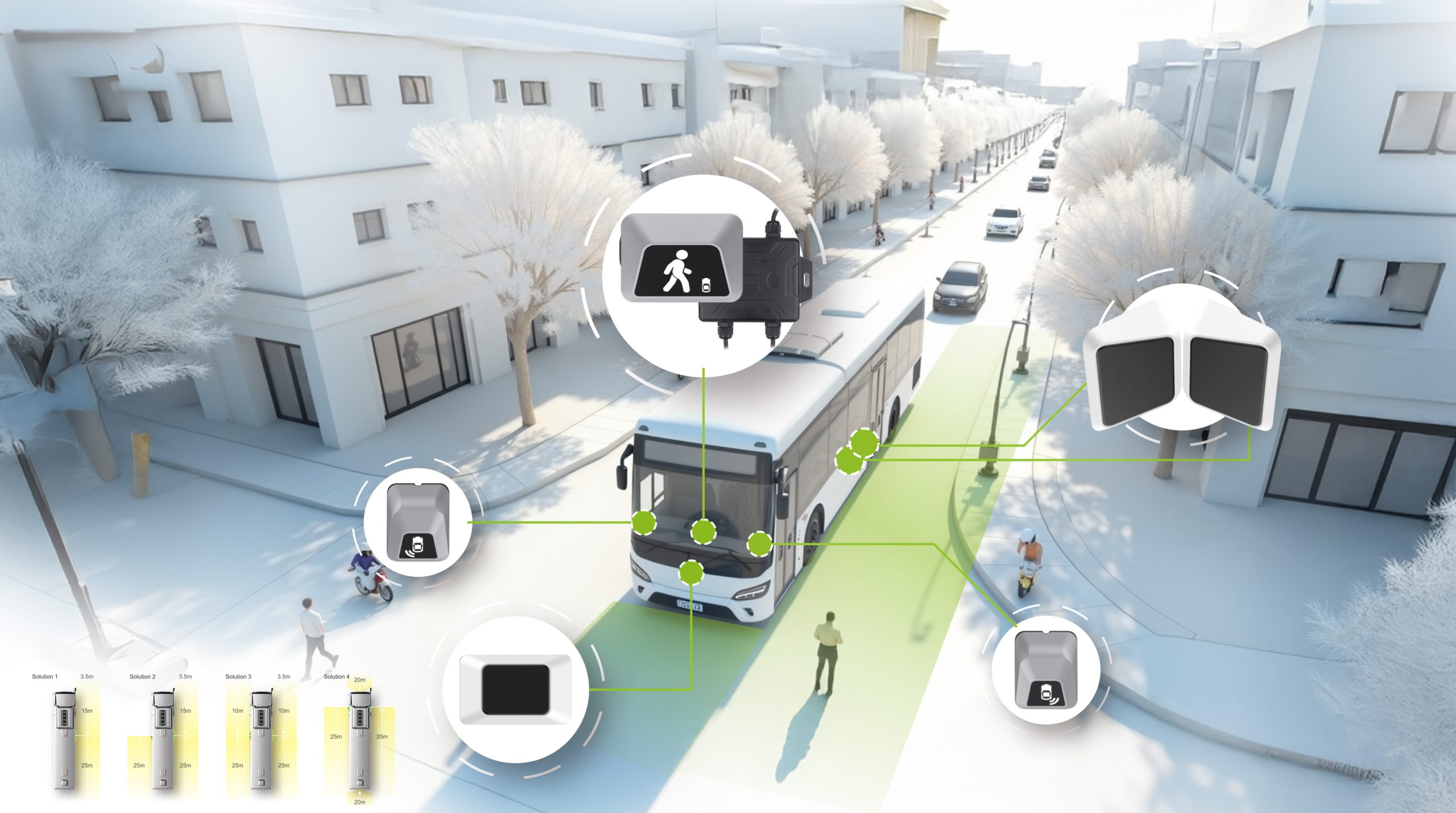
Los sensores de radar son fundamentales para una detección eficaz de los puntos ciegos. Nuestro sistema de alerta de ángulo muerto Incorpora un radar de ondas milimétricas de 77 GHz, similar al utilizado en nuestro modelo JY-PT10, para medir con precisión la distancia y la velocidad de los vehículos adyacentes. A diferencia de los sistemas ópticos, el radar mantiene su rendimiento en condiciones climáticas adversas o de baja visibilidad, como lluvia, niebla o luz solar directa. Al escanear continuamente los laterales y la parte trasera del vehículo, los datos del radar proporcionan alertas en tiempo real al conductor, lo cual es fundamental para los vehículos comerciales que circulan con frecuencia por entornos urbanos estrechos. Según nuestra experiencia, la combinación del radar con cámaras garantiza que la detección sea consistente y reduce las falsas alarmas que pueden producirse con los sistemas de un solo sensor.
Integración de cámaras para una mayor precisión
Si bien el radar proporciona una medición fiable de la distancia, las cámaras ofrecen una verificación visual de los objetos detectados. En un sistema de detección de ángulos muertos, Las cámaras de alta definición capturan imágenes laterales y traseras, que luego se procesan para identificar vehículos, motocicletas o peatones. El sistema JY-PT10 integra datos tanto del radar como de las cámaras para generar advertencias visuales en el interior de la cabina, lo que mejora la percepción de la situación sin saturar al conductor con información. Este enfoque de doble sensor también ofrece asistencia para el cambio de carril y alertas de salida de carril, lo que añade un nivel adicional de seguridad para los conductores experimentados que dependen de una respuesta precisa del sistema en situaciones de mucho tráfico.
Conclusión: La combinación de radares y cámaras para una seguridad práctica
Al evaluar los sistemas de control de puntos ciegos, es importante comprender cómo se complementan el radar y las cámaras. Un sistema de alerta de puntos ciegos bien diseñado mejora la fiabilidad en la detección de objetos, mientras que un sistema de detección de puntos ciegos totalmente integrado en el vehículo aumenta la confianza y la seguridad del conductor. En Luview, diseñamos nuestras soluciones para equilibrar la precisión, la capacidad de respuesta en tiempo real y el cumplimiento normativo. Al combinar el radar de ondas milimétricas con las imágenes de las cámaras, nuestros sistemas ofrecen un enfoque práctico y de nivel profesional para la detección de puntos ciegos que satisface las expectativas tanto de los operadores comerciales como de los integradores automotrices.