Why is ISO certification vital for vehicle camera suppliers?缩略图

Why is ISO certification vital for vehicle camera suppliers?

ISO certification introduction

ISO certification is a certification issued by the International Organization for Standardization (ISO), which verifies that an organization’s management system, manufacturing processes, services, or documentation processes comply with all standardized quality and safety standards. ISO certification is widely recognized globally and serves as an important symbol of a company’s commitment to continuous improvement and meeting customer needs, regardless of the industry’s size.

ISO 9001: Quality Management for Automotive Suppliers

The Importance of ISO 9001 in the Automotive Industry for Quality Management and Compliance with Supply Chain Legal Requirements
Why is ISO certification vital for vehicle camera suppliers?插图
ISO 9001 is of paramount importance in the automotive industry for quality management and compliance with legal requirements in the supply chain. This globally recognized quality management standard is particularly crucial for automotive suppliers. It ensures that suppliers can consistently provide products and services that meet customer and other relevant regulatory requirements. By establishing comprehensive quality management processes, automotive suppliers can optimize their operations, reduce errors, improve efficiency, and ultimately enhance product quality. In terms of supply chain management, adhering to ISO 9001 helps to mitigate risks within the supply chain and ensure the legal compliance of the supply chain, which is crucial in preventing potential catastrophic consequences.

ISO 14001: Environmental Management in the Production of  Vehicle Cameras

The Importance of Environmental Management and How ISO 14001 Helps Automobile Companies Reduce Environmental Impact

ISO 14001 is an international standard focusing on environmental management systems, and it holds particular significance for manufacturers of vehicle cameras. This standard is designed to assist organizations in reducing their negative environmental impacts, ensuring compliance with environmental regulations, and continually improving environmental performance. By implementing ISO 14001, automobile companies can more effectively manage energy and resource consumption in their production processes, reduce waste, and lower pollution. This promotes sustainable business practices, not only fulfilling corporate social responsibility but also enhancing market competitiveness in today’s environmentally conscious consumer landscape.

ISO 45001: Occupational Health and Safety in Manufacturing

The Role of ISO 45001 in Enhancing Workplace Safety and Reducing Occupational Hazards in the Production of Vehicle Cameras

ISO 45001 is an international standard aimed at helping organizations improve their occupational health and safety management systems, reducing workplace risks, and preventing work-related injuries and health issues. For companies involved in manufacturing vehicle cameras, this standard is particularly crucial, as their production environments may involve various potential workplace hazards. By implementing ISO 45001, companies can systematically identify hazards and implement effective risk control measures, thereby enhancing overall occupational health and safety performance. This not only helps protect the health and well-being of employees but also brings about economic benefits by reducing costs associated with accidents and illness.

ISO 50001: Energy Management in Automotive Operations

The Benefits of ISO 50001 in Reducing Energy Consumption and Promoting Sustainability for Automotive Companies

ISO 50001 is an international standard focusing on energy management systems, aiding automotive companies in reducing energy consumption through systematic energy management. This standard encourages organizations to better monitor, measure, document, and report on their energy flows, thereby driving continuous improvement in energy performance. For the automotive industry, this means reducing costs and carbon footprint in the process of manufacturing vehicle cameras and other automotive components. Implementing ISO 50001 helps businesses identify and capitalize on energy-saving opportunities, not only reducing environmental impact but also promoting sustainable development while enhancing economic benefits.

ISO 27001: Information Security in Automotive Companies

The Importance of ISO 27001 in Protecting Sensitive Data and Information in the Automotive Industry

ISO 27001 is an international standard for Information Security Management Systems (ISMS), crucial for automotive companies due to their handling of large amounts of sensitive data, including customer information, employee data, and design and development materials. ISO 27001 provides a framework to help organizations protect this information from unauthorized access and data breaches by implementing appropriate security measures. This not only helps automotive companies prevent security vulnerabilities but also enhances trust among consumers and partners, ensuring business continuity and compliance.

IATF 16949: Quality in Automotive Production

How IATF 16949 Aligns with ISO Standards in Focusing on Defect Prevention and Quality Management in Automotive Production

IATF 16949 is a technical specification developed in collaboration between the International Automotive Task Force (IATF) and the International Organization for Standardization (ISO), specifically tailored to the automotive industry’s supply chain. It is built upon the ISO 9001 standard and aims to promote continuous quality management and improvement processes, focusing on defect prevention and waste reduction in the automotive industry. IATF 16949 requires automotive manufacturers to implement consistent quality management systems throughout the entire production and assembly process to ensure the delivery of high-quality products and services. This standard assists automotive industry suppliers in remaining competitive in the global market while meeting the growing consumer demands for automotive safety and reliability.

Case Study of ISO Certification in the Automotive Industry

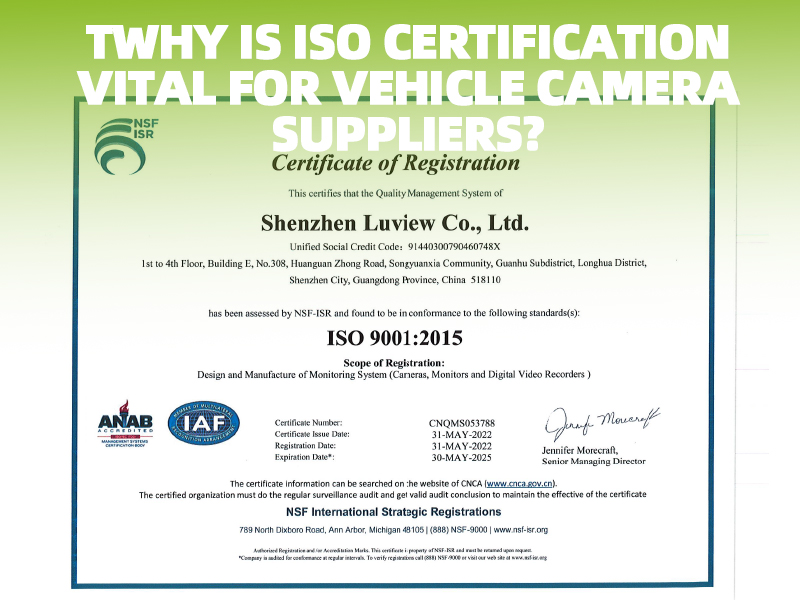
In the automotive industry, obtaining ISO certifications such as ISO 9001 and IATF 16949 can provide a competitive edge because they represent a commitment to quality, safety, and efficiency. ISO certifications not only help companies comply with international best practices and regulatory requirements but also enhance the confidence of consumers, suppliers, and investors. Luview, for instance, has achieved ISO 9001 and IATF 16949 certificates, which have elevated the company’s reputation and brand value. This demonstrates Luview’s dedication to delivering high-quality products that align with the highest international standards.

Conclusion

ISO certification is pivotal for vehicle camera suppliers, ensuring product quality and safety while enhancing global market competitiveness. Luview has fortified its market position in manufacturing and providing solutions for rear-view safety products by obtaining ISO 9001 and IATF 16949 standards. As a professional manufacturer of rear-view safety products, we offer an extensive range of items including fleet cameras and vehicle monitors, committed to delivering high-standard vehicular safety solutions. Choose Luview for reliability. For more information, please contact us at sales@luview.com.

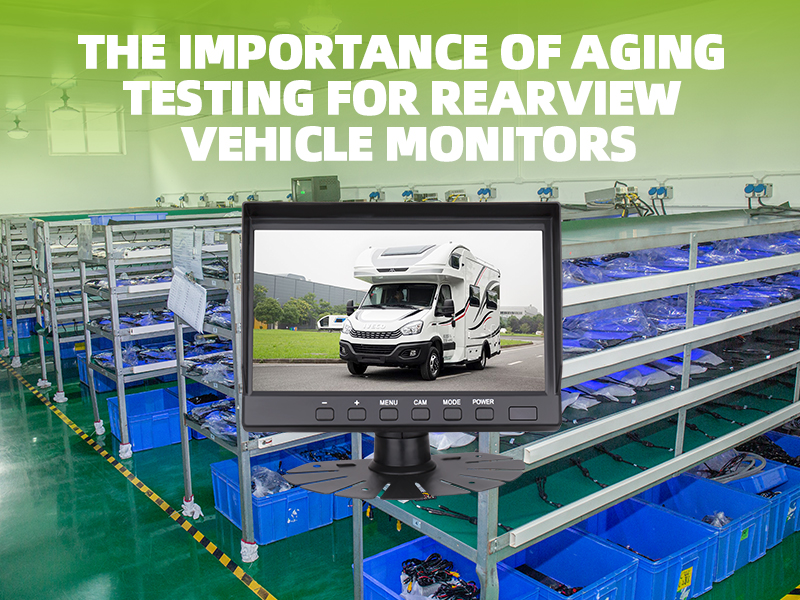
The Importance of Aging Testing for Rearview Vehicle Monitors缩略图

The Importance of Aging Testing for Rearview Vehicle Monitors

Introduction

The Role and Importance of the Rearview Vehicle Monitor

The rearview vehicle monitor is a device installed inside vehicles, commonly used to display images or videos of the area behind the vehicle, aiding drivers in reversing, parking, and driving maneuvers more safely. These monitors typically work in conjunction with backup cameras or rearview cameras to provide a real-time view of the rear, enabling drivers to clearly see potential obstacles, pedestrians, or other vehicles.

The Importance of Aging Testing for Rearview Vehicle Monitors插图

The Necessity of Aging Tests

Given the significance of rearview vehicle monitors in enhancing driving safety and convenience, ensuring their reliability and performance is critical. This is why aging tests are necessary. Aging tests help manufacturers ensure that these monitors can operate reliably over extended periods under various environmental conditions, meeting drivers’ needs and providing dependable safety.

The Basic Principles and Purpose of Aging Tests

Basic Principles of Aging Tests

Aging tests are systematic testing methods designed to simulate the conditions that a product may experience over extended use and in harsh environments to assess its performance, reliability, and durability. The basic principles of aging tests include:

Simulation of Actual Usage: A key principle of aging tests is to simulate the conditions and environments the product may encounter in actual use. This means that the tests must take into account the real-world application of the product and environmental factors such as temperature, humidity, and vibration.

Accelerated Aging: Aging tests often use accelerating factors, like increased temperature or humidity, to speed up the aging process of the product. This allows the long-term effects of usage to be simulated in a relatively short period.

Continuous Monitoring and Recording: During aging tests, it is essential to continuously monitor and record the performance and condition of the product. These data are crucial for subsequent analysis and improvements.

Assessing Failure Points: One of the objectives of aging tests is to identify the failure points of the product, i.e., the conditions under which the product begins to show decreased performance or malfunctions. This helps manufacturers to identify and improve weaknesses in the product.

What is the Main Purpose of Aging Tests?

The main purposes of aging tests are:

Verifying Product Reliability: By simulating long-term use and harsh environmental conditions, aging tests can verify the reliability of the product in actual use. This helps manufacturers to determine if the product is stable enough to operate normally under challenging conditions.

Early Detection of Issues: Aging tests can help manufacturers detect potential issues and defects before the product is released to the market. This allows for measures to improve product design and manufacturing processes to enhance product quality.

Evaluating Product Life: Through aging tests, manufacturers can assess the lifespan of the product and determine when it may require maintenance or replacement. This helps customers understand the expected life of the product and plan accordingly.

Meeting Regulatory Requirements: In some industries, aging tests are among the requirements of regulations and standards. By conducting aging tests, manufacturers can ensure that their products comply with relevant regulations and standards, thus avoiding legal issues.

How to Conduct Aging Tests on Rearview Vehicle Monitors

Testing Steps

Environmental Simulation: In the test chamber, place the rearview vehicle monitor under constant temperature (40°C) and humidity (90% relative humidity) to simulate a high-temperature and high-humidity environment.

Cycle Testing: Connect the monitor to a reversing camera and continuously run both the monitor and the camera for 12 hours each day to simulate long-term usage.

Vibration Testing: Use a vibration table to simulate the vibrations a vehicle experiences on different road conditions and conduct vibration testing for a duration of 10 hours.

Electromagnetic Interference Test: In an electromagnetic interference testing chamber, expose the monitor to electromagnetic radiation to simulate interference that may be caused by electronic devices within the vehicle.

Continuous Monitoring: Throughout the testing period, continuously monitor and record the performance and condition of the monitor, including indicators such as screen brightness, resolution, and color accuracy.

Conclusion

Aging tests are crucial for the performance and reliability of rearview vehicle monitors. They ensure that the products can operate stably in actual use, enhancing the safety and convenience for drivers.

Luview is a professional manufacturer and solution provider of rearview safety products from China. Whether you are looking for vehicle monitors or cameras, we are your choice. If you are searching for a suitable supplier, please contact sales@luview.com for more details. We are committed to providing high-quality, reliable rearview safety products to meet your needs and offer a safer driving experience for your vehicle.

Why is waterproof testing needed for vehicle cameras?缩略图

Why is waterproof testing needed for vehicle cameras?

Introduce

Vehicle cameras are increasingly prevalent due to their role in enhancing driving safety, compliance with traffic regulations, and providing driver assistance. With technological advancements and consumer demand for high-tech vehicles, these cameras have become an essential component of new car models. Therefore, the durability and reliability of vehicle cameras are crucial—they must operate effectively under extreme weather conditions and resist wear and tear from daily use. This is why vehicle cameras must undergo rigorous waterproof testing to ensure they maintain optimal performance in all circumstances.

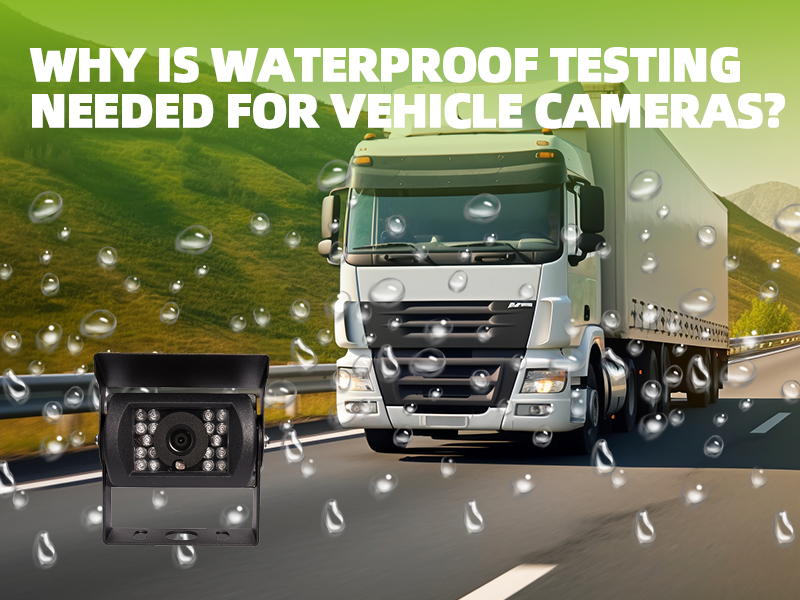
Why is waterproof testing needed for vehicle cameras?插图

Challenges for Vehicle Cameras

1. Exposure to Diverse Environmental Conditions

Vehicle cameras are exposed to a variety of environmental conditions during use, including high temperatures, low temperatures, humidity fluctuations, and the impact of dust and pollutants, all of which can affect the performance and lifespan of the cameras.

2. The Necessity for Functionality in Various Lighting and Weather Conditions

Vehicle cameras need to function in various lighting and weather conditions, such as at night, in tunnels, during storms, or in snowy conditions, to provide stable image quality and accurate visual information.

Necessity of Waterproof Testing

1. Risk of Water Damage from Weather and Vehicle Washing

Vehicle cameras are often exposed to harsh weather conditions such as rain, snow, and other forms of precipitation. Additionally, during car washes, cameras can come into direct contact with water. Without proper waterproof capabilities, water ingress could damage the internal circuits and cause malfunctions.

2. Requirement to Maintain Consistent Performance in Humid Conditions

Vehicle cameras need to provide clear images continuously, especially in humid conditions, to ensure the normal operation of the driving safety system. Therefore, conducting waterproof tests is a crucial step to ensure that cameras maintain their performance and reliability even in wet conditions.

Standards and Certifications

1. Explanation of IP Rating and Its Implications for Vehicle Cameras

The IP rating, defined by the International Electrotechnical Commission, describes the degree of protection an enclosure offers against solids and liquids. For vehicle cameras, a higher IP rating, such as IP67 or IP68, means the camera is dust-tight and can withstand being submerged in water to a certain depth for a specified duration.

2. Waterproofing Industry Standards

Beyond the IP rating, there are other industry standards and certifications that ensure the waterproofing performance of vehicle cameras, such as those from ASTM International and ISO. These standards provide testing methods, equipment requirements, and performance evaluation criteria to help manufacturers design cameras that can withstand various environmental effects.

Conclusion

Waterproof testing is a critical factor in ensuring the reliability of vehicle cameras, as it not only guarantees continuous operation in varying weather conditions but also extends the product’s lifespan. Opting for high-quality vehicle camera systems that have undergone stringent waterproof tests can make driving safer and reduce additional maintenance costs due to equipment failure.

For your driving safety, choosing a trustworthy vehicle camera supplier is crucial. Luview Industry is your reliable choice, a professional manufacturer and solution provider of rear-view safety products from China. Whether you’re looking for vehicle cameras or vehicle rear-view systems, we can meet your needs. Please contact us at sales@luview.com to learn more details.

Why is high-temperature testing important for car cameras?缩略图

Why is high-temperature testing important for car cameras?

Introduce

In the modern automotive industry, vehicle cameras have become an indispensable component, particularly in the development of autonomous driving and driver assistance systems. As technology advances, the role of these cameras continues to expand, making their performance crucial. However, vehicles must operate under a variety of climatic conditions, especially in high temperatures. Thus, high-temperature testing becomes a critical step to ensure the durability and reliability of these complex systems. This article will discuss the relevance of high-temperature testing, the potential issues that may arise without it, and how these tests help maintain optimal camera performance in the most adverse conditions.

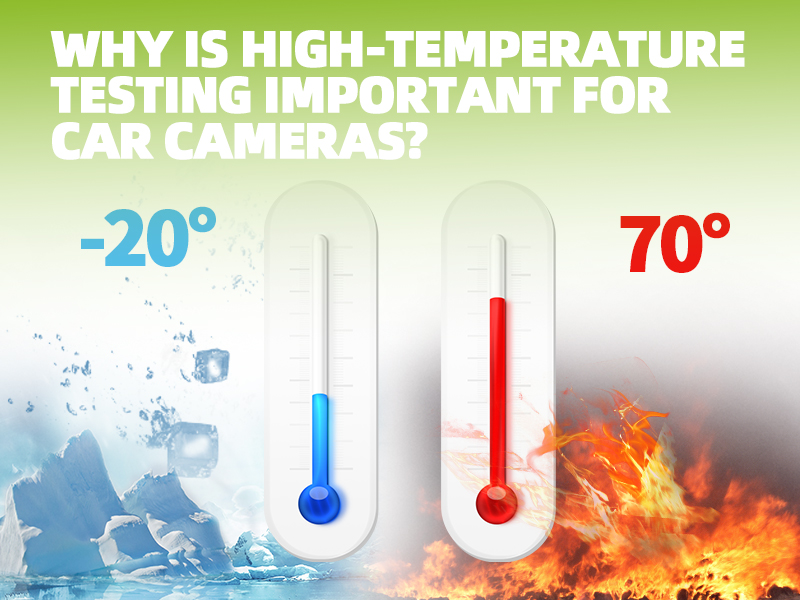
Why is high-temperature testing important for car cameras?插图

High Temperature Testing and Its Relevance to Automotive Cameras

High-temperature testing is a crucial examination for automobiles and their components, aimed at ensuring reliability and performance of the vehicles in high-temperature environments. Cars must undergo a series of high-temperature tests during design and manufacturing to simulate use in hot climate conditions and to ensure that all parts work properly under extreme temperatures. For vehicle cameras, high-temperature testing is particularly important for several reasons:

1. Reliability of Electronic Components: Vehicle cameras consist of multiple electronic components, including image sensors and processors. High temperatures might affect the functionality of these electronics, leading to failure or decreased performance.

2. Image Quality Maintenance: Under high-temperature conditions, the image quality of cameras must not degrade as it can impact the judgment of assistive driving systems, such as in automatic parking, autonomous driving, or collision prevention systems.

3. Material Aging: Prolonged exposure to high temperatures can lead to changes in material properties of the camera’s housing and lens, such as deformation or fading, which can affect the camera’s durability and imaging results.

4. Performance of Adhesives and Sealants: Cameras may use adhesives and sealants internally to secure components, and these materials could fail at high temperatures, causing structural loosening or moisture ingress inside the camera.

5. Internal Cooling Mechanisms: Some high-end vehicle cameras may be equipped with cooling systems to prevent overheating when operating for extended periods in high temperatures. High-temperature testing can verify the effectiveness of these cooling mechanisms.

6. Software Stability: The camera’s software, including image processing and analysis applications, must also remain stable at high temperatures.

7. Self-Protection Features: Some cameras are designed with overheating protection, reducing power consumption or temporarily shutting down when temperatures are too high to protect internal components. High-temperature testing can ensure these features are reliable.

Potential problems that may arise

If vehicle cameras are not subjected to proper high-temperature testing, they could encounter various potential issues during actual use. These issues could affect the performance of the camera and also negatively impact the overall safety and reliability of the vehicle. Here are some potential problems that may arise:

1. Deterioration in Image Quality

  • The camera’s image sensor may malfunction in high temperatures, leading to image distortion, color deviation, or reduced contrast.
  • Lens materials may deform, resulting in blurred images or inaccurate focusing.

2. Electronic Component Failure

  • High temperatures could lead to premature aging or damage of electronic components within the camera, such as processors overheating or circuit boards expanding.
  • Memory and sensors might fail due to high temperatures, leading to data loss or incorrect information output.

3. Internal Cooling Failure

  • If the camera has a cooling system, an untested camera might not cool effectively under high temperatures, leading to excessively high internal temperatures.

4. Physical Damage

  • The camera casing and internal structure may crack or deform due to the reduced performance of materials at high temperatures.
  • Adhesives and sealants may melt or fail, causing internal components to come loose or allowing moisture to seep in.

5. Reduced Reliability

  • The camera may not maintain stable performance under continuous high temperatures, leading to intermittent failures.
  • Reliability of critical moments, such as automatic emergency braking or lane-keeping assistance, may be reduced, increasing the risk of traffic accidents.

6. Shortened Lifespan

  • The expected lifespan of the camera may be significantly reduced due to long-term exposure to high temperatures without adequate adaptive improvements.

7. Safety Risks

  • If the camera is part of an autonomous driving system, a decline in performance may cause system failures, increasing safety risks.
  • A sudden stop in the camera’s operation under high temperatures may affect vehicle safety systems like parking assistance or blind-spot monitoring.

8. Increased Warranty and Maintenance Costs

  • Cameras that frequently fail under high temperatures could lead to increased warranty claims, raising the manufacturer’s post-sales service costs.
  • For consumers, frequent repairs and replacements could lead to increased ownership costs.

How high-temperature testing ensures vehicle cameras maintain optimal performance even in adverse weather conditions

High-temperature testing is a key process to ensure vehicle cameras maintain optimal performance under harsh weather conditions. These tests simulate the highest temperature environments a vehicle might encounter and assess the durability and functional stability of the cameras under extreme conditions. Here’s how high-temperature testing helps ensure vehicle cameras keep their best performance:

1. Simulation of Actual Conditions

  • High-temperature tests are typically conducted in specially designed chambers that can simulate a range of conditions from direct sunlight to high-temperature storage.
  • Simulation tests include prolonged thermal exposure and rapid temperature changes to assess conditions that cameras may face in actual use.

2. Assessment of Material Performance

  • Tests examine the reaction of various materials used in the camera, including plastics, metals, optical components, and sealants under high temperatures.
  • These tests determine if materials will deform, degrade, or lose their protective properties.

3. Reliability Testing of Electronic Components

  • High-temperature conditions are a significant challenge for electronic components, especially sensors and processors in cameras.
  • High-temperature testing ensures electronic components do not overheat, circuit boards do not expand or crack, and connections remain secure.

4. Optical Performance Evaluation

  • Tests ensure that lenses and sensors do not change optical properties, such as focal length and lens shape, under prolonged high temperatures.
  • Ensures that image quality is unaffected by temperature variations, maintaining clarity and accurate color reproduction.

5. Software and Hardware Functionality Verification

  • Testing includes assessing the stability of the camera’s software and hardware functions, such as whether autofocus and image stabilization work correctly at high temperatures.
  • Ensures all intelligent functions of the camera, like lane tracking and obstacle detection, remain reliable in high-temperature environments.

6. Long-Term Durability and Aging Tests

  • Accelerated aging tests predict performance degradation that cameras might experience in everyday use due to long-term exposure to high temperatures.
  • This helps manufacturers understand when maintenance or replacement might be needed and the expected lifespan of the product.

7. Safety Assurance

  • Since vehicle cameras are often used for critical safety systems, such as Automatic Emergency Braking (AEB) and Lane Keeping Assist Systems (LKAS), high-temperature testing also ensures these systems continue to provide protection in high temperatures.

8. Certification and Compliance

  • High-temperature testing is performed to ensure cameras meet regulations and standards across the globe, which is essential for marketing and using vehicles in different markets.

Conclusion

In conclusion, high-temperature testing is essential for the reliability of vehicle cameras in extreme heat. It highlights risks, underlines safety for occupants, and ensures camera performance in all conditions. Such testing is not optional but a vital part of manufacturers’ quality assurance.

Luview offers rear-view safety products and solutions in China, ensuring high-quality and compliance with industry standards. Our advanced technology aims to make your driving experience safer and more enjoyable. For further information or to enhance your vehicle with our camera solutions, reach out to our expert team at sales@luview.com.

How to Clean a 12.3 Inch Electronic Vehicle Rearview Mirror?缩略图

How to Clean a 12.3 Inch Electronic Vehicle Rearview Mirror?

Preparing Cleaning Tools and Materials

Cleaning the 12.3 Inch Electronic Rearview Mirror: Required Tools and Materials

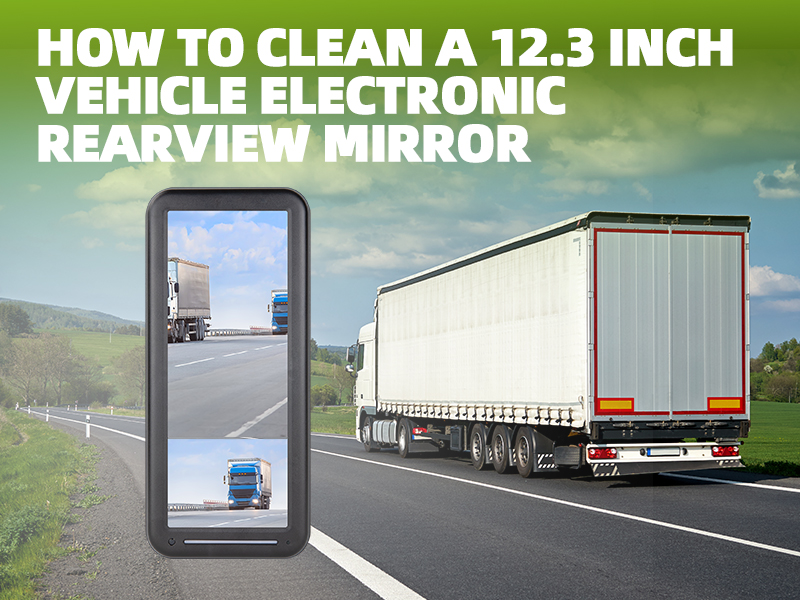
How to Clean a 12.3 Inch Electronic Vehicle Rearview Mirror?插图

When cleaning the 12.3 inch electronic rearview mirror, it is crucial to use the correct tools and materials to ensure effective cleaning without causing any damage to the device. Here are some recommended cleaning tools and materials:

  • Cleaning Tools

Microfiber Cloth: Used for wiping the display screen and mirror surface of the electronic rearview mirror, capable of removing stains and fingerprints without scratching the surface.

Soft-Bristled Brush: Can be used to clean dust and dirt from the edges of the electronic rearview mirror and other hard-to-reach places.

Blower Bulb or Compressed Air Can: Used to blow away dust and debris from the mirror surface and device crevices.

  • Cleaning Materials

Cleaning Solution: Designed specifically for electronic equipment, effective at removing stains and fingerprints without damaging the device.

Deionized Water or Distilled Water: If a specialized cleaning solution is unavailable, deionized water or distilled water can be used as an alternative to avoid potential damage from minerals in tap water.

Alcohol: A small amount of alcohol can be used to remove stubborn stains, but ensure that its concentration is moderate, as a high concentration of alcohol could damage the screen’s coating.

Safely Disconnecting Power and Dismantling a 12.3 Inch Electronic Rearview Mirror

Disconnecting the power and dismantling a 12.3-inch electronic rearview mirror is a delicate and potentially dangerous process, especially if you are not familiar with the installation and maintenance of automotive electronics. Before attempting these operations, ensure that you have carefully read and understood the product’s user manual, and follow all safety guidelines. Below are some basic steps designed to help ensure the safety of the process:

Disconnecting Power

  1. Turn Off the Vehicle: Make sure the vehicle is completely turned off, and remove the key from the ignition.
  2. Disconnect the Battery: Carefully disconnect the negative terminal of the vehicle’s battery using the appropriate tool (usually a wrench), to prevent short-circuiting during the dismantling process.

Preparing Tools and Materials

Prepare the necessary tools and materials, such as a screwdriver and plastic pry bar, to safely dismantle the rearview mirror.

Dismantling the Rearview Mirror

  1. Locate Fixing Points: Identify the location of screws or clips that secure the electronic rearview mirror.
  2. Carefully Dismantle: Use the appropriate tools to carefully loosen the fixing points, avoiding excessive force to prevent damage to the device or vehicle interior.
  3. Disconnect Connectors: Once the rearview mirror is loosened, find and carefully disconnect the power and/or data connectors.

Cautions

  • Do Not Force: If you encounter resistance or are unsure how to proceed, stop dismantling and seek professional help.
  • Save All Parts: Save all screws, clips, and other parts during dismantling, for reinstallation.
  • Record Dismantling Process: If possible, take photos of the dismantling process for reference during reinstallation.

Inspect and Clean

After the rearview mirror has been dismantled, check for any potential damage and clean the connection points to ensure there is no dust or corrosion.

Steps to clean a 12.3 inch electronic screen

When cleaning the screen of a 12.3-inch electronic rearview mirror, extra caution is needed to prevent moisture from entering the device, which could cause damage or malfunction. Below is a detailed cleaning procedure to help you safely and efficiently complete this task:

Preparing Cleaning Tools and Materials

  • Microfiber Cloth: For wiping the screen without scratching its surface.
  • Dedicated Electronic Screen Cleaner: Choose a cleaner that does not contain alcohol or ammonia to prevent damage to the screen.
  • Spray Bottle: If the cleaner is not a spray type, a spray bottle is needed to apply the cleaner more evenly.
  • Absorbent Cloth or Paper Towel: For absorbing excess moisture and cleaner.

Turning Off and Disconnecting Power

Before starting to clean, ensure the device is turned off and disconnected from the power source to prevent short-circuiting due to moisture ingress.

Cleaning the Screen

  • Apply Cleaner: Spray the cleaner onto the microfiber cloth, not directly onto the screen, to prevent liquid from seeping into the edges of the screen or inside the device.
  • Gently Wipe: Gently wipe the screen with the microfiber cloth, moving from one side of the screen to the other, using straight line motions instead of circular motions.
  • Pay Attention to Edges: Be especially careful when cleaning the edges of the screen to ensure that no cleaner or moisture seeps inside the device.

Removing Excess Moisture and Cleaner

Use a dry microfiber cloth or absorbent cloth to gently wipe away any excess moisture and cleaner from the screen.

Checking the Screen

After the cleaning process is finished, carefully inspect the screen to ensure that no streaks or stains have been left behind. If necessary, gently wipe again with a clean microfiber cloth.

Reconnecting Power and Turning On the Device

Once the screen is completely dry, reconnect the power and turn on the device to check that the screen display is functioning normally.

Conclusion

When maintaining and cleaning the 12.3 inch electronic rearview mirror, it is crucial to follow the correct cleaning procedures and use the appropriate cleaning tools and materials. This not only ensures that your device remains in optimal condition, providing a clear and accurate view, but also prolongs the life of the device, ensuring your driving safety.

Choose Luview for the assurance of safety and quality. We offer a variety of sizes and functionalities in our car electronic rearview mirrors to meet the diverse needs of our customers. If you are in search of high-quality, reliable vehicle rearview products, Luview is your ideal choice. Please contact us at sales@luview.com to learn more details and start our cooperation, ensuring your driving experience is both safe and enjoyable.

Buying Guide for 12.3 Inch Electronic Rearview Mirror缩略图

Buying Guide for 12.3 Inch Electronic Rearview Mirror

Electronic rearview mirrors, utilizing high-definition cameras and display screens, provide drivers with a broader and clearer view compared to traditional rearview mirrors. They not only offer an enhanced field of vision but also integrate advanced safety features such as night vision, blind spot detection, and lane departure warnings, making electronic rearview mirrors a crucial tool for increasing driving safety.

The purpose of this article is to present a comprehensive guide for readers, helping them to understand the advantages of 12.3-inch electronic rearview mirrors and how to select the product that best suits their needs. By offering detailed information and practical advice, we hope to empower readers to make informed decisions and maximize the benefits from their investment.

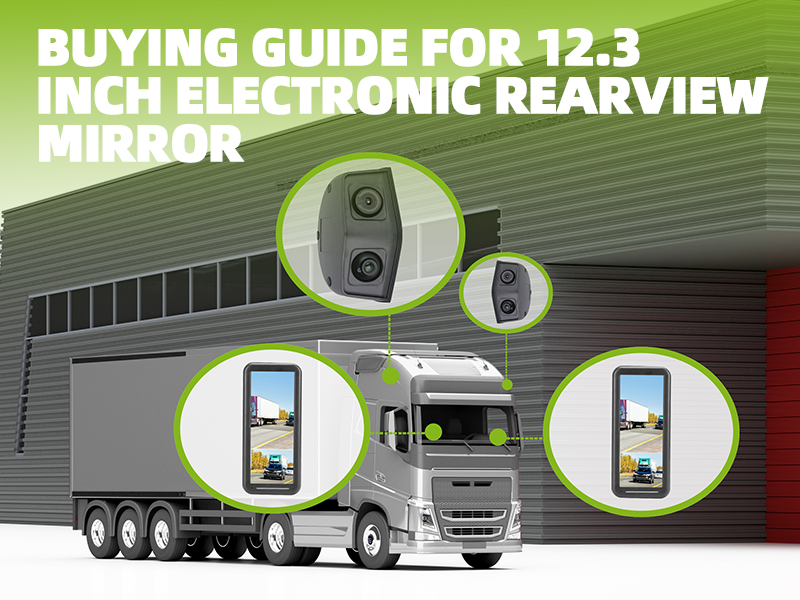
Buying Guide for 12.3 Inch Electronic Rearview Mirror插图

What is a 12.3-Inch Vehicle Electronic Rearview Mirror?

A 12.3-inch car electronic rearview mirror refers to vehicle electronic rearview system with a screen size of 12.3 inches. This system utilizes cameras to capture the scenes behind the vehicle and displays them in real-time on a large screen to the driver. The 12.3-inch display provides ample visibility, ensuring that drivers can clearly see what is happening behind their vehicle.

Comparison Between 12.3-Inch Vehicle Electronic Rearview Mirrors and Traditional Car Rearview Mirrors

1. Design

  • Electronic Rearview Mirror: Usually features a streamlined design with a large display screen and high-definition cameras, making the system more modern and high-tech.
  • Traditional Rearview Mirror: Has a relatively simple design, typically a reflective surface that reflects the rear view through physical means.

2. Functions

  • Electronic Rearview Mirror:
    • Provides a broader field of view, reducing blind spots.
    • Offers high-definition display and night vision capabilities, ensuring clear views even in poor lighting conditions.
    • Features auto-dimming to reduce glare from headlights of vehicles behind.
    • May include additional advanced features such as a driving recorder, GPS, etc.
  • Traditional Rearview Mirror:
    • Basic reflective function, with the field of view limited by the vehicle’s structure.
    • Visibility may be affected at night or in adverse weather conditions.

3. Installation and Maintenance

  • Electronic Rearview Mirror: Installation may be relatively complex, requiring professional assistance. Repair costs could be high if issues arise.
  • Traditional Rearview Mirror: Easy to install with low maintenance costs.

4. Price

  • Electronic Rearview Mirror: Significantly more expensive than traditional mirrors, representing a considerable investment.
  • Traditional Rearview Mirror: More affordable, providing a cost-effective option.

12.3-inch vehicle electronic rearview mirrors offer numerous advantages and advanced features not found in traditional rearview mirrors, especially in terms of enhancing driving safety and comfort. However, these benefits come at a higher cost and potential maintenance expenses. Drivers should carefully weigh their needs and budget when making a choice. If you are looking for a high-performance, multifunctional rearview mirror solution and have the budget for it, a 12.3-inch vehicle electronic rearview mirror is an excellent option. For those with limited budgets or lesser needs for advanced features, traditional rearview mirrors remain a reliable and economical choice.

Finding a Reliable Factory for Car Electronic Rearview Mirrors

Finding a reliable factory for car electronic rearview mirrors is a crucial yet potentially complex process. Here are some guiding steps and suggestions to help you find a trustworthy supplier:

1. Conduct Market Research

Start with comprehensive market research to understand the different brands and models of electronic rearview mirrors, as well as their reviews and market share.

2. Check Factory Credentials

Verify that the factory has the necessary production permits and certifications to ensure that their products meet international and local quality and safety standards.

3. Look for Reviews and Recommendations

Search for customer reviews and recommendations of the factory, getting an idea of their production capacity, delivery times, quality of service, and more.

4. Visit the Factory if Possible

If it’s feasible, visit the factory to directly observe the production process and quality control measures, giving you a first-hand look at how they operate.

5. Negotiation and Contract Signing

Engage in detailed communication with the factory to understand their pricing, payment terms, minimum order quantities, and other pertinent details. Once an agreement is reached, formalize the arrangement with a signed contract.

6. Sample Inspection

Before placing a bulk order, request or purchase a sample to personally inspect its quality, functionality, and other aspects to ensure it meets your requirements.

Conclusion

In today’s rapidly evolving automotive industry, car electronic rearview mirrors have become essential devices for enhancing driving safety and convenience. The 12.3-inch large screen provides a clearer and broader view, aiding drivers in better understanding their vehicle’s surroundings, reducing blind spots, and enhancing road safety.

Selecting the right electronic rearview mirror and sourcing it from a reliable factory is crucial. This is vital not just for the product’s quality and performance but also for the safety of you and your passengers.

“Luview is a professional manufacturer and solutions provider of rearview safety products from China. If you are in search of high-quality electronic rearview mirrors, we are the supplier you’re looking for. We offer a variety of car electronic rearview mirrors in different sizes and functions to meet the diverse needs of our customers. Please contact sales@luview.com for more details and to start our cooperation.”

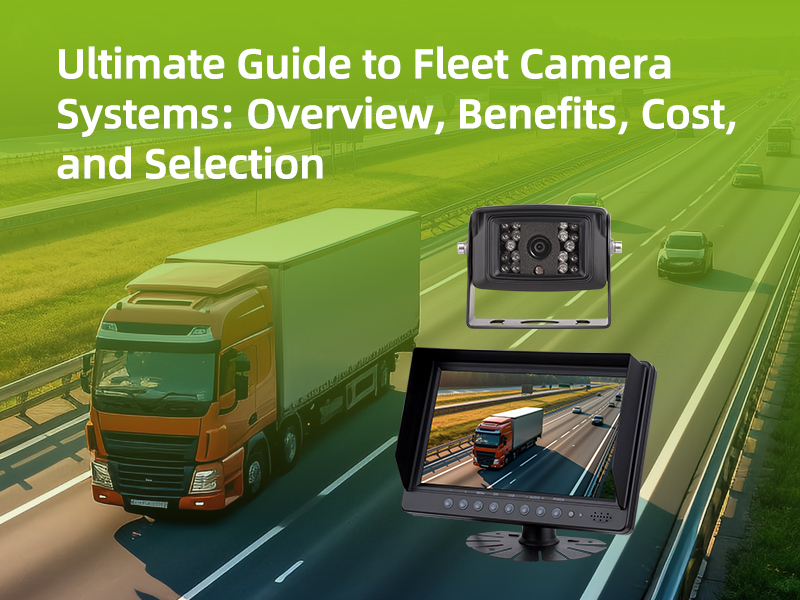
Ultimate Guide to Fleet Camera Systems: Overview, Benefits, Cost, and Selection缩略图

Ultimate Guide to Fleet Camera Systems: Overview, Benefits, Cost, and Selection

Fleet camera systems are increasingly becoming an essential tool for fleet management. This comprehensive guide offers insights into what they are, their benefits, legality, and more. Additionally, we’ll explore the cost considerations, how to select the right system, and installation pointers. Let’s delve in.

Ultimate Guide to Fleet Camera Systems: Overview, Benefits, Cost, and Selection插图

What is a Fleet Camera System?

A fleet camera system is a comprehensive set-up of cameras, usually both on the exterior and interior of vehicles, which helps fleet managers monitor and manage their vehicles efficiently. These systems are integrated with technology to record real-time data, providing valuable insights for fleet operations.

How Do Fleet Camera Systems Work?

These systems utilize a combination of hardware (cameras) and software (data management platforms). The cameras continuously capture footage while the vehicle is operational. This data is either stored locally or transmitted to a centralized system where fleet managers can review it. Advanced systems may also offer features like real-time monitoring, geo-fencing, and alerts for specific events like harsh braking.

Benefits of Using Fleet Camera Systems

  • Safety Improvements: By monitoring driver behavior, managers can offer feedback to ensure safer driving habits.
  • Evidence in Disputes: In the event of accidents, camera footage can serve as evidence, clarifying the situation.
  • Operational Efficiency: Fleet managers can optimize routes and address maintenance issues promptly.
  • Improved Customer Service: Managers can provide accurate delivery updates to customers based on real-time data.

Are Fleet Camera Systems Legal?

The legality of fleet camera systems varies by region. Generally, in many countries, they’re legal provided that drivers and passengers are informed of the monitoring. It’s crucial to ensure that any camera installations adhere to local privacy laws and regulations.

Do Fleet Camera Systems Reduce Insurance Costs?

Yes, many insurance providers offer reduced premiums for fleets equipped with camera systems. These systems can help prove fault in accidents, leading to quicker claim resolutions. Moreover, they emphasize the fleet’s commitment to safety, making them a lower risk in the eyes of insurers.

Top Fleet Camera System Brands

  • Luview: A professional fleet camera and fleet camera system manufacturer from China. Visit Luview pour plus de détails.
  • Rearview Safety: Known for its robust range of safety solutions, Rearview Safety has made a mark in the industry. Check them out.
  • Fleetcam: Specializing in advanced fleet monitoring, Fleetcam offers cutting-edge technology. Explore Fleetcam.

Cost of a Fleet Camera System

The cost varies based on features, brand, and installation needs. Basic systems can start at a few hundred dollars per vehicle, while advanced setups with real-time monitoring can cost significantly more. It’s essential to consider both initial investment and potential long-term savings (like reduced insurance premiums) when evaluating cost.

How to Choose the Right Fleet Camera

When selecting a system:

  • Evaluate Your Needs: Consider the size of your fleet, routes, and specific challenges.
  • Research Brands: Brands like Luview offer a range of products tailored to different fleet needs.
  • Check Features: Ensure the system provides real-time monitoring, storage options, and good camera resolution.
  • Seek Recommendations: Consult other fleet managers or industry peers for their insights.

For those seeking a reliable fleet camera system supplier, Luview stands out. Don’t hesitate to contact us pour plus de détails.

How to Install a Fleet Camera System

Installation varies based on the system. However, here are general steps:

  1. Choose the Camera Placement: Common areas include the dashboard, rear, and sides of the vehicle.
  2. Mount the Cameras: Use the provided mounts and ensure they’re securely attached.
  3. Connect to Power Source: Typically, cameras connect to the vehicle’s electrical system.
  4. Set Up Data Storage/Transmission: Depending on the system, set up local storage or cloud-based transmission.
  5. Test the System: Before deploying the vehicle, ensure cameras are functioning and data is accessible.

In conclusion, fleet camera systems have revolutionized fleet management, offering enhanced safety, operational efficiency, and potential cost savings. By selecting the right system and ensuring proper installation, fleet managers can make a significant positive impact on their operations.

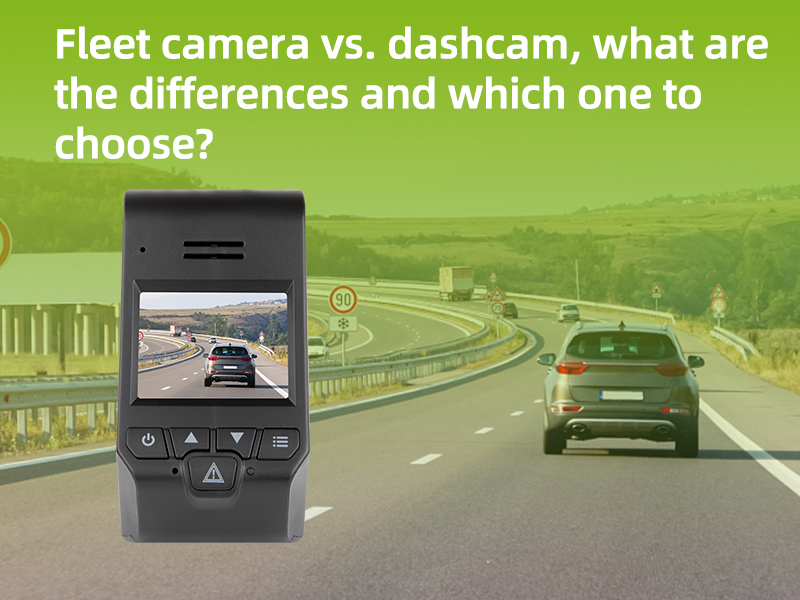
Caméra embarquée ou dashcam, quelles sont les différences et laquelle choisir ?缩略图

Caméra embarquée ou dashcam, quelles sont les différences et laquelle choisir ?

Dans un monde en constante évolution, l'importance des caméras embarquées dans les véhicules ne peut être sous-estimée. Avec l'augmentation du trafic routier et les risques qui y sont associés, la sécurité et la responsabilité sont devenues primordiales. Les caméras embarquées jouent un rôle crucial dans ce contexte, offrant une multitude d'avantages, depuis la capture de preuves cruciales en cas d'accident jusqu'à l'amélioration de la gestion de la flotte.

Il existe plusieurs types de caméras pour véhicules sur le marché, chacune étant conçue pour répondre à des besoins spécifiques. Parmi celles-ci, deux se distinguent par leur popularité et leur utilisation répandue : les caméras de flotte et les caméras embarquées. Bien qu'elles servent toutes deux à enregistrer des séquences vidéo à partir de véhicules, elles s'adressent à des publics différents et ont des fonctionnalités distinctes. Dans cet article, nous allons approfondir les caractéristiques de ces deux types de caméras et expliquer leurs différences.

Caméra embarquée ou dashcam, quelles sont les différences et laquelle choisir ?插图

Qu'est-ce qu'une caméra embarquée ?

Définition et objectif principal

Une caméra de flotte, souvent appelée caméra de gestion de flotte, est un type spécialisé d'appareil d'enregistrement vidéo conçu principalement pour les véhicules faisant partie d'une flotte commerciale. Son objectif principal n'est pas seulement d'enregistrer des images, mais aussi d'aider les gestionnaires de flotte à surveiller, suivre et assurer la sécurité de leurs véhicules et de leurs conducteurs. Ces caméras offrent un niveau de surveillance supplémentaire, aidant les entreprises à réduire leurs responsabilités, à maintenir leur conformité et à améliorer les performances globales de leur flotte.

Principales caractéristiques des caméras embarquées

  • GPS intégré : La plupart des caméras embarquées sont équipées d'un système GPS intégré, ce qui permet aux gestionnaires de flotte de suivre en temps réel la position de chaque véhicule.
  • Enregistrement multicanal : Contrairement aux caméras embarquées classiques, les caméras de flotte ont souvent la capacité d'enregistrer plusieurs vues simultanément. Cela inclut les vues avant, arrière, de l'habitacle et parfois même latérales.
  • Stockage dans le cloud et streaming en temps réel : De nombreuses caméras avancées pour flottes offrent des solutions de stockage dans le cloud, garantissant que les images sont stockées en toute sécurité et accessibles à distance. Certaines permettent même la diffusion en temps réel, ce qui permet aux responsables de surveiller les situations au fur et à mesure qu'elles se produisent.
  • Surveillance du comportement des conducteurs : Grâce à l'intégration de capteurs avancés, les caméras embarquées peuvent détecter et signaler certains comportements tels que les freinages brusques, les accélérations rapides ou les virages serrés, garantissant ainsi le respect des règles et la sécurité des conducteurs.
  • Conception inviolable : Compte tenu de leur utilisation commerciale et de la nécessité d'une surveillance ininterrompue, ces caméras sont conçues pour être inviolables, empêchant tout accès non autorisé ou toute manipulation frauduleuse.

Utilisations courantes et secteurs qui tirent profit des caméras embarquées

  1. Logistique et transport : Les entreprises impliquées dans le transport de marchandises utilisent souvent des caméras embarquées pour surveiller leurs véhicules, garantissant ainsi des livraisons ponctuelles et un transport sécurisé.
  2. Transports publics : Les bus, tramways et autres transports publics utilisent des caméras embarquées pour assurer la sécurité des passagers et surveiller le comportement des conducteurs.
  3. Services de location et d'autopartage : Ces entreprises déploient des caméras embarquées pour surveiller l'état de leurs véhicules, suivre leur utilisation et se prémunir contre d'éventuels abus ou dommages.
  4. Services d'urgence : Les ambulances, les camions de pompiers et les véhicules de police utilisent des caméras embarquées pour documenter les incidents, garantir la conformité et comme outil de formation et d'évaluation.
  5. Construction et machinerie lourde : Dans les secteurs où sont utilisées des machines lourdes telles que des camions à benne basculante ou des excavatrices, les caméras embarquées permettent de surveiller les opérations, de garantir le respect des protocoles de sécurité et de se prémunir contre d'éventuelles responsabilités.

En substance, toute industrie qui dépend fortement de l'utilisation de véhicules et qui souhaite améliorer la sécurité, la conformité et l'efficacité peut tirer un grand profit de l'utilisation de caméras embarquées.

Qu'est-ce qu'une dashcam ?

Définition et objectif principal

Une dashcam, abréviation de « dashboard camera » (caméra de tableau de bord), est un appareil d'enregistrement vidéo compact monté sur le tableau de bord ou le pare-brise d'un véhicule. Elle est principalement conçue pour enregistrer en continu des images vidéo de la route devant le véhicule, servant ainsi de témoin silencieux de tout incident pouvant survenir pendant la conduite. L'objectif principal d'une dashcam est de fournir des preuves objectives en cas d'accident de la route, d'infraction au code de la route ou de tout événement imprévu, garantissant ainsi que la vérité soit toujours consignée.

Principales caractéristiques des caméras embarquées

  • Enregistrement en boucle continue : Les caméras embarquées sont conçues pour enregistrer des images en continu. Une fois la mémoire pleine, les images les plus anciennes sont remplacées par les plus récentes, ce qui garantit que les événements les plus récents sont toujours enregistrés.
  • Détection automatique des incidents : De nombreuses caméras embarquées sont équipées de capteurs qui détectent les changements brusques de mouvement ou les chocs. Lorsqu'un incident est détecté, la caméra embarquée enregistre et verrouille automatiquement les images entourant cet incident, empêchant ainsi leur écrasement.
  • Objectif grand angle : Pour offrir une vue large de la route devant vous, les caméras embarquées utilisent généralement des objectifs grand angle, offrant ainsi une vue panoramique des environs.
  • Vision nocturne : Étant donné que de nombreux incidents peuvent se produire dans des conditions de faible luminosité ou pendant la nuit, les caméras embarquées modernes sont souvent équipées de fonctions de vision nocturne améliorées, garantissant une image claire même dans l'obscurité.
  • Mode stationnement : Certaines caméras embarquées disposent d'un mode parking qui active la caméra lorsque le véhicule est à l'arrêt. Cela peut être utile pour enregistrer des incidents tels que des délits de fuite ou des actes de vandalisme lorsque la voiture est garée.

Utilisations courantes et scénarios dans lesquels les caméras embarquées sont utiles

  1. Preuve d'accident : Le plus souvent utilisées, les caméras embarquées fournissent des preuves irréfutables en cas d'accident, permettant ainsi de déterminer clairement qui est responsable.
  2. Protection contre la fraude : Il existe des cas où des individus provoquent intentionnellement des accidents afin de réclamer une indemnisation à leur assurance. Une caméra embarquée peut filmer ces actes frauduleux, protégeant ainsi la partie innocente.
  3. Surveillance du comportement au volant : Les parents ou les propriétaires de voitures peuvent utiliser des caméras embarquées pour surveiller les habitudes de conduite de leurs adolescents ou locataires, garantissant ainsi la sécurité et le respect du code de la route.
  4. Capturer des événements inattendus : Des observations de météores aux passages d'animaux sauvages rares, les caméras embarquées ont capturé de nombreux événements inattendus et souvent viraux, fournissant des images uniques qui peuvent être partagées et appréciées.
  5. Réductions sur les assurances : Certaines compagnies d'assurance offrent des réductions aux conducteurs qui ont installé des caméras embarquées, reconnaissant ainsi leur rôle dans la promotion d'une conduite plus sûre et la fourniture de preuves claires en cas d'incident.

En résumé, les caméras embarquées sont devenues un outil indispensable pour de nombreux conducteurs, leur offrant tranquillité d'esprit, sécurité et souvent même des économies financières.

Principales différences entre les caméras embarquées et les caméras de bord

Il est essentiel pour les entreprises comme pour les particuliers de comprendre les différences entre les caméras embarquées et les caméras de tableau de bord. Les deux types de caméras ont des objectifs spécifiques et offrent des fonctionnalités distinctes qui répondent aux besoins de leurs publics cibles. Voici un aperçu de leurs principales différences :

Différences fonctionnelles

  • Intégration avec les systèmes :
    • Caméras embarquées : Ces systèmes sont souvent associés à des systèmes de gestion de flotte. Cette intégration permet aux gestionnaires de surveiller en temps réel l'emplacement des véhicules, les comportements de conduite et même les besoins d'entretien. Les caméras embarquées offrent une vue d'ensemble des opérations de l'ensemble de la flotte, garantissant ainsi un fonctionnement fluide et efficace.
    • Caméras embarquées : Conçues pour un usage individuel, les caméras embarquées se concentrent principalement sur l'enregistrement d'images de la route et de l'environnement immédiat. Elles ne disposent pas des fonctionnalités d'intégration à une flotte plus large et servent principalement de témoin objectif des incidents sur la route.

Différences technologiques

  • Capacités de stockage vidéo :
    • Caméras embarquées : Compte tenu de leur aspect commercial, ces caméras ont souvent une plus grande capacité de stockage et peuvent être fournies avec des solutions de stockage dans le cloud. Cela permet de conserver les enregistrements plus longtemps et d'y accéder à distance pour les gestionnaires de flotte.
    • Caméras embarquées : En général, les dashcams fonctionnent selon le principe de l'enregistrement en boucle, où les anciennes séquences sont écrasées par les nouvelles lorsque la mémoire est pleine. Certains modèles avancés peuvent offrir un stockage dans le cloud, mais cela est moins courant que pour les caméras embarquées dans les flottes de véhicules.
  • Intégration avec d'autres systèmes :
    • Caméras embarquées : Outre les systèmes de gestion de flotte, ces caméras peuvent également s'intégrer à d'autres systèmes d'entreprise, tels que les systèmes de suivi de la maintenance, de planification ou même de gestion de la clientèle.
    • Caméras embarquées : Ce sont des appareils autonomes, avec des capacités d'intégration minimales. Certains modèles avancés peuvent se synchroniser avec des applications mobiles pour faciliter l'accès et le partage des séquences, mais l'intégration s'arrête généralement là.
  • Qualité et résolution de la caméra :
    • Caméras embarquées : Compte tenu des impératifs commerciaux, ces caméras pourraient offrir des résolutions plus élevées et plusieurs flux vidéo (avant, cabine, arrière, côtés). L'accent est mis sur une couverture complète et une grande clarté.
    • Caméras embarquées : Elles offrent des enregistrements de bonne qualité, en particulier les modèles haut de gamme. Cependant, la plupart des dashcams se concentrent sur la vue avant, certains modèles proposant des vues arrière ou de l'habitacle en option.

Différences d'utilisation et de déploiement

  • Usage commercial ou usage individuel :
    • Caméras embarquées : Comme leur nom l'indique, ils sont principalement utilisés par les flottes commerciales. Cela inclut les entreprises de transport, les réseaux de transport public, les services d'urgence, etc.
    • Caméras embarquées : Elles sont principalement conçues pour les automobilistes individuels. Qu'il s'agisse de trajets quotidiens, de longs trajets ou même de covoiturage, les caméras embarquées s'adressent aux propriétaires de véhicules personnels qui recherchent une sécurité et des preuves supplémentaires.

Avantages de l'utilisation d'une caméra embarquée

Dans le secteur moderne du transport et de la logistique, les avantages liés à l'utilisation de caméras embarquées vont bien au-delà de la simple surveillance. Elles offrent toute une série d'avantages qui améliorent les opérations, la sécurité et la rentabilité. Voici un aperçu complet des avantages liés à l'utilisation de caméras embarquées :

Gestion améliorée de la flotte

  • Surveillance en temps réel : Grâce aux caméras embarquées intégrées aux systèmes GPS, les gestionnaires de flotte peuvent surveiller les véhicules en temps réel. Cela leur permet de prendre des décisions éclairées concernant les itinéraires, de réagir rapidement aux incidents imprévus et de gérer efficacement la répartition de la flotte.
  • Expédition efficace : En connaissant l'emplacement et le statut précis de chaque véhicule, les répartiteurs peuvent prendre des décisions fondées sur des données pour déterminer quel véhicule envoyer pour une intervention, ce qui réduit les temps de réponse et améliore la satisfaction des clients.
  • Alertes de maintenance : Certains systèmes avancés de caméras embarquées peuvent également fournir des alertes liées à l'entretien des véhicules, garantissant ainsi que ceux-ci restent dans un état optimal et réduisant le risque de pannes.

Sécurité améliorée pour les conducteurs et les marchandises

  • Surveillance du comportement : Les caméras embarquées peuvent détecter les comportements de conduite potentiellement dangereux, tels que les freinages brusques ou les accélérations rapides. Cela permet aux responsables de remédier à ces comportements par le biais de formations ou d'autres interventions, garantissant ainsi une plus grande sécurité routière pour tous.
  • Sécurité du fret : Pour les flottes qui transportent des marchandises de valeur, les caméras offrent une sécurité supplémentaire, dissuadant les voleurs potentiels et garantissant la sécurité du chargement.
  • Collecte de preuves : En cas d'accident ou de litige, les images enregistrées par les caméras embarquées fournissent des preuves irréfutables, garantissant ainsi que justice soit faite.

Surveillance et rapports simplifiés pour les gestionnaires de flotte

  • Rapports automatisés : De nombreux systèmes de caméras pour flottes sont équipés de fonctions de rapport automatisées. Celles-ci peuvent générer des informations sur les performances de la flotte, le comportement des conducteurs, la consommation de carburant, etc., autant de données précieuses pour améliorer les opérations.
  • Examen des incidents : Les gestionnaires de flotte peuvent examiner les enregistrements vidéo pour analyser les incidents, ce qui facilite la formation des conducteurs, la compréhension des goulots d'étranglement et l'amélioration de la planification des itinéraires.
  • Conformité réglementaire : Dans certains secteurs, la réglementation impose de surveiller et d'enregistrer les opérations de la flotte. Les caméras embarquées facilitent le respect de la conformité et fournissent les documents nécessaires en cas de besoin.

Prestations d'assurance possibles

  • Primes réduites : De nombreux assureurs proposent des primes réduites pour les flottes équipées de caméras, reconnaissant ainsi la sécurité et la responsabilité supplémentaires qu'elles apportent.
  • Résolution des réclamations : En cas d'accident ou de dommages, disposer de preuves vidéo peut accélérer le processus de règlement des sinistres, garantissant ainsi des règlements plus rapides et une réduction des temps d'arrêt.

L'utilisation de caméras embarquées offre une approche multiforme pour gérer, surveiller et entretenir une flotte. De la sécurité à l'efficacité, les avantages sont évidents, ce qui en fait un outil indispensable pour les opérations modernes de gestion de flotte.

Avantages de l'utilisation d'une caméra embarquée

L'adoption des caméras embarquées par les conducteurs individuels a connu une forte augmentation ces dernières années. Les raisons en sont multiples, allant de la sécurité personnelle aux avantages financiers potentiels. Voici une analyse détaillée des avantages liés à l'utilisation d'une caméra embarquée :

Preuves en cas d'accidents ou de litiges

  • Témoin objectif : Les caméras embarquées font office d'observateur impartial, enregistrant les événements tels qu'ils se produisent. En cas d'accident, les images permettent de montrer clairement ce qui s'est passé, aidant ainsi à déterminer les responsabilités et à protéger les parties innocentes.
  • Protection contre la fraude : Il existe des cas d'accidents simulés ou de fausses déclarations visant à extorquer de l'argent ou des avantages. Une caméra embarquée peut filmer ces actes frauduleux, protégeant ainsi le conducteur contre d'éventuelles fraudes.

Sécurité renforcée pour les conducteurs individuels

  • Analyse du comportement au volant : Bien qu'elles soient principalement utilisées pour enregistrer des événements externes, les caméras embarquées peuvent également aider les conducteurs à évaluer leurs habitudes de conduite. Le visionnage des images peut mettre en évidence les points à améliorer, ce qui permet d'adopter des pratiques de conduite plus sûres.
  • Conduite de nuit : Les caméras embarquées avancées dotées de capacités de vision nocturne garantissent une capture claire des événements, même dans des conditions de faible luminosité, offrant ainsi une protection lors des trajets de nuit.
  • Fonctions d'urgence : Certaines caméras embarquées sont équipées d'une fonction SOS d'urgence qui peut automatiquement alerter les services d'urgence en cas de collision grave.

Réductions possibles sur les assurances

  • Réduction de prime : Conscientes des avantages en matière de sécurité et du rôle des caméras embarquées dans la fourniture de preuves claires, certaines compagnies d'assurance offrent des réductions aux conducteurs qui en sont équipés. Cela permet non seulement d'améliorer la sécurité, mais aussi de réaliser des économies potentielles.
  • Traitement plus rapide des demandes d'indemnisation : En cas d'accident, disposer de preuves vidéo claires peut accélérer le processus de règlement des sinistres, évitant ainsi aux conducteurs de devoir faire face à des litiges ou des retards prolongés.

Surveillance des véhicules stationnés et fonctions antivol

  • Mode stationnement : Certaines caméras embarquées offrent un mode parking qui s'active lorsque le véhicule est à l'arrêt. Cela permet de capturer des événements tels que les délits de fuite ou le vandalisme, fournissant ainsi des preuves et une sécurité même lorsque le conducteur est loin du véhicule.
  • Dispositif antivol : La simple présence d'une caméra embarquée peut dissuader les voleurs ou les vandales potentiels, ajoutant ainsi un niveau de sécurité supplémentaire au véhicule.
  • Alertes à distance : Les caméras embarquées avancées peuvent envoyer des alertes en temps réel sur le smartphone du propriétaire si le véhicule est vandalisé ou si un incident est détecté pendant qu'il est garé.

En substance, les caméras embarquées offrent une multitude d'avantages, allant de la protection contre les événements imprévus sur la route à la tranquillité d'esprit lorsque le véhicule est garé. Leurs avantages soulignent la raison de leur popularité croissante auprès des automobilistes du monde entier.

Choisir l'appareil photo adapté à vos besoins

Dans un monde où les avancées technologiques sont omniprésentes, choisir la caméra adaptée à vos besoins automobiles peut sembler difficile. Cependant, une approche systématique peut simplifier le processus décisionnel. Voici un guide pour vous aider à choisir la caméra adaptée à vos besoins spécifiques :

Facteurs à prendre en considération

Objectif : flotte commerciale ou usage individuel ?

  • Flotte commerciale : Si vous gérez une flotte de véhicules, vous aurez besoin de caméras pour flotte. Celles-ci offrent une vue d'ensemble de vos opérations, facilitant la surveillance en temps réel, l'analyse du comportement des conducteurs et l'intégration avec les systèmes de gestion de flotte.
  • Usage individuel : Pour les véhicules personnels ou les automobilistes individuels, les caméras embarquées sont plus adaptées. Elles servent principalement à enregistrer les événements sur la route, à se prémunir contre d'éventuels accidents et même, dans certains cas, à bénéficier de réductions sur les primes d'assurance.

Considérations budgétaires

  • Gamme d'options : Les caméras embarquées et les caméras de bord sont disponibles dans une large gamme de prix. Établir un budget peut vous aider à réduire les options et à vous assurer d'obtenir le meilleur rapport qualité-prix.
  • Coût total de possession : Au-delà du prix d'achat initial, tenez compte des coûts liés à l'installation, à la maintenance, aux éventuels frais de stockage dans le cloud et à tout service d'abonnement, le cas échéant.

Exigences techniques

  • Résolution et qualité : Selon vos besoins, vous souhaiterez peut-être une caméra dotée de capacités d'enregistrement haute définition. Pour les flottes commerciales, des images claires peuvent être cruciales, en particulier si elles sont utilisées à des fins de preuve ou de formation.
  • Capacité de stockage : Bien que la plupart des caméras utilisent l'enregistrement en boucle, la durée avant que les anciennes séquences ne soient écrasées varie. Évaluez la durée pendant laquelle vous devez conserver les séquences et choisissez un modèle doté d'une capacité de stockage adaptée.
  • Fonctionnalités supplémentaires : La vision nocturne, le mode parking, l'objectif grand angle et les capteurs avancés sont autant de fonctionnalités que vous pourriez rechercher en fonction de vos besoins spécifiques.

Besoins d'intégration avec d'autres systèmes

  • Systèmes de gestion de flotte : Pour les exploitants de flottes commerciales, l'intégration avec les systèmes de gestion de flotte ou d'entreprise existants est essentielle. Assurez-vous que le système de caméras est compatible ou propose des API pour une intégration transparente.
  • Applications mobiles et alertes : Les utilisateurs individuels pourraient préférer les caméras embarquées intégrées à une application mobile, qui facilitent l'accès, le partage et les alertes en temps réel.
  • Connectivité : Certains modèles avancés offrent une connectivité Wi-Fi ou cellulaire, permettant un accès à distance aux flux vidéo de la caméra ou au stockage dans le cloud. Demandez-vous si cette fonctionnalité vous est nécessaire.

En résumé, choisir la bonne caméra revient à comprendre vos besoins spécifiques, puis à les mettre en adéquation avec les fonctionnalités et les capacités des options disponibles. Que ce soit pour des opérations commerciales ou pour votre protection personnelle, consacrer du temps à la recherche vous permettra de prendre une décision éclairée.

L'avenir des caméras embarquées dans les véhicules

Les caméras embarquées, qu'il s'agisse de caméras de flotte ou de caméras embarquées, ont connu une évolution considérable ces dernières années. Alors que la technologie continue de progresser à un rythme sans précédent, la prochaine génération de caméras embarquées s'annonce plus intelligente, plus intégrée et encore plus indispensable. Découvrons ensemble ce que l'avenir réserve à ces appareils :

Technologies émergentes et tendances

  1. Intégration de la réalité augmentée (RA) : Les caméras des véhicules du futur pourraient intégrer la réalité augmentée afin de superposer des informations importantes sur les images filmées. Il pourrait s'agir d'indications de navigation, de diagnostics du véhicule ou même de données en temps réel sur les conditions de circulation.
  2. 5G et connectivité améliorée : Avec le déploiement des réseaux 5G, la connectivité et les vitesses de transfert de données des caméras embarquées dans les véhicules devraient augmenter considérablement. Cela permettra la diffusion vidéo en temps réel, des téléchargements plus rapides vers le stockage cloud et le partage instantané des données.
  3. Capteurs avancés et vision nocturne améliorée : Les caméras embarquées de nouvelle génération intégreront des capteurs avancés capables de détecter une gamme plus large de longueurs d'onde lumineuses. Cela permettra d'obtenir des images plus nettes dans des conditions de faible luminosité et d'améliorer les capacités de vision nocturne.
  4. Caméras à énergie solaire : Avec l'importance croissante accordée à la durabilité, nous pourrions assister à l'avènement de caméras pour véhicules alimentées à l'énergie solaire, capables de fonctionner sans épuiser la batterie du véhicule.

Comment l'IA et l'apprentissage automatique façonnent l'avenir

  1. Analyse prédictive : Les caméras embarquées équipées d'une intelligence artificielle peuvent analyser les habitudes de conduite et prédire les dangers potentiels, alertant ainsi les conducteurs en temps réel. Par exemple, si un conducteur freine systématiquement brusquement à certains endroits, l'intelligence artificielle peut reconnaître un danger potentiel dans cette zone et émettre un avertissement à l'avance.
  2. Détection de la fatigue et de la distraction du conducteur : Grâce à la reconnaissance faciale et à l'analyse comportementale, les caméras équipées d'une intelligence artificielle peuvent détecter les signes de fatigue ou de distraction du conducteur et envoyer des alertes, garantissant ainsi la sécurité du conducteur.
  3. Signalement automatisé des incidents : Lorsqu'elles détectent un accident ou une collision, les caméras équipées d'une intelligence artificielle peuvent automatiquement compiler un rapport d'incident, en capturant des données cruciales telles que la vitesse, la direction, la force d'impact, etc. Cela facilite non seulement les demandes d'indemnisation auprès des assurances, mais aide également à comprendre les causes profondes des incidents.
  4. Formation personnalisée des conducteurs : En analysant le comportement d'un conducteur au fil du temps, l'IA peut créer des modules de formation personnalisés mettant en évidence les domaines à améliorer, garantissant ainsi que les conducteurs reçoivent des commentaires adaptés afin d'améliorer leurs compétences.
  5. Sécurité renforcée : Les caméras embarquées basées sur l'IA peuvent reconnaître les accès non autorisés ou les menaces potentielles pour un véhicule garé, déclenchant des alarmes ou avertissant instantanément le propriétaire.
  6. Intégration avec les villes intelligentes : À mesure que les villes deviennent plus intelligentes et plus connectées, les caméras embarquées dans les véhicules et basées sur l'IA s'intégreront aux systèmes urbains. Cela peut faciliter la gestion du trafic en temps réel, les interventions en cas d'accident et même la localisation des places de stationnement disponibles.

En conclusion, la fusion de l'IA, de l'apprentissage automatique et des tendances technologiques avancées est sur le point de révolutionner le monde des caméras embarquées dans les véhicules. Ces avancées rendront les routes plus sûres, les opérations plus efficaces et favoriseront l'évolution vers des villes plus intelligentes et plus connectées.

Luview est un fabricant professionnel de produits de sécurité pour la vision arrière et un fournisseur de solutions basé en Chine. Que vous recherchiez une caméra pour flotte ou une caméra embarquée, nous sommes le fournisseur qu'il vous faut. Veuillez nous contacter. sales@luview.com pour plus de détails.

An Easy Guide To Backup Camera System缩略图

An Easy Guide To Backup Camera System

If your vehicle does not currently have a backup cam ( same as rearview cam, it’s likely that your next brand-new car will. As of May 2018, United States regulation has called for all new auto, vehicles, vans as well as various other vehicles be furnished with rearview monitoring technology. And in many cases that indicates rear-mounted video cameras.

Rear view mirrors have actually been an essential item of automobile equipment for more than a century. However as helpful as mirrors are, they have a couple of considerable drawbacks: They do not assist you see what’s straight behind your vehicle below the level of the back window, and also they do not offer a wide-angle sight.

According to the current offered government data, those imperfections result in about 210 fatalities and 15,000 injuries each year from backover accidents including light weighted automobiles. Tragically, 31 percent of those casualties include children under the age of five. And also the statistics don’t begin to consider those incidents in which a vehicle driver backs into something or runs over a bike, toy or various other object.

An Easy Guide To Backup Camera System插图

Benefits of Backup Cameras
Clearly, one of the most obvious benefit of a reversing camera is that it assists prevent injury happening and also possibly fatal backover accidents by increasing your visual field, particularly below the rear window or trunk level. Cameras also raise your ability to see beyond the size of a mirror’s photo, helping to remove unseen areas. However along with assisting safeguard individuals as well as property behind a vehicle, cams have a number of other benefits as well.

For instance, back-up cameras can assist you park more quickly and securely. Rearview cams give the motorist a much more clear and more precise sight of obstacles behind the auto, and the majority of backup systems include a caution tone that allows you know when you’re getting close to an item.

Mostly all backup cameras include on-screen guidelines: 2 parallel lines that aid direct you into or out of garage more quickly. Some additionally feature a middle line that can help you maintain the car centered in the area. Modern color displays enable the system to alter the color of the guidelines from green to yellow to red as you get closer to an obstruction. And that, incorporated with a distinct warning from the car parking sensing units, can be really valuable in preventing backover mishaps.

If you own a trailer, a rearview video camera can be specifically helpful. The cam gives you a close-up view of the trailer as you lift it up with your vehicle’s hitch, while line color and also alert sensing units ensure you posted on the range.

How Back-up Cams Work
The idea is simple: when you reversing, a cam installed behind the automobile switches on and then sends a photo to a monitor to reveal what ‘s behind you. But the fact is a lot more complex. Back-up camera systems, are rather advanced technology, and also they’re getting much more high-tech at all times.

The intricacy starts from the image recorded by the cam. As opposed to transferring the photo that a common camera may see, rearview cam systems are in fact designed to send a mirror photo to the monitor so the alignment is appropriate when you take a look at it. If you were looking at a direct feed of what the camera sees, the picture would certainly be reversed, and you would certainly steer left when you wished to go right. The system is developed to fix this so the sight on the display can be helpful.

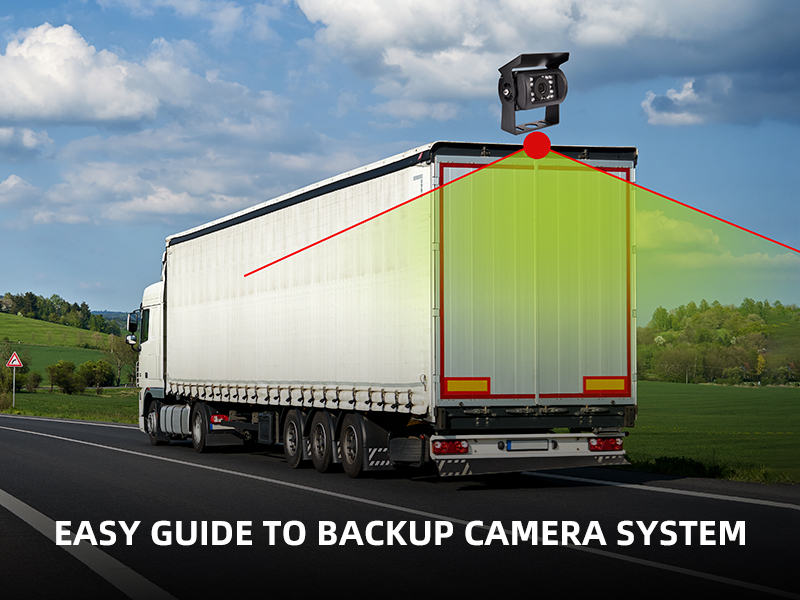
Producers usually install backup cameras in the car’s back trim spaces. They’re fairly inconspicuous, so they can be a little bit hard to see, but you could find them concealed in the bumper, near the license plate, in the trunklid of an SUV or pickup. The cams are usually aimed at a downward angle to provide the best view immediately behind your vehicle. They also have wide view angle lenses, so you’re obtaining an extra extensive photo than you would certainly obtain with a rearview mirror.

Monitors can be installed throughout the motorist’s visual field, however they’re typically found in the center location of the control panel. Because most new lorries have an existing screen for the multi media system, inner temperature control, navigation and other functions, that screen is frequently utilized for the back-up camera system. Other variations use a portion of the rearview mirror as a screen, which has the benefit of locating the display screen where drivers are used to looking when backing up. However this type of display is much smaller and provides a much less detailed image than one with a bigger screen.

Back-up Cams Aren’t Perfect
Although rear view camera systems have numerous advantages and can boost both security and ease, some concerns can impact their procedure. Knowing what to expect can assist you prepare to make use of as well as keep your rear monitoring system properly.

The most common problem that owners have is bad image quality, and one of the most likely cause is merely a dirty lens. Since most cams are mounted low on the back of the vehicle, they undergo being obscured by mud, snow, dirt or various other particles. The good news is, the solution is easy: Clean the lens with a soft fabric (to prevent scraping the lens).

If you have a cordless rearview camera system – most often located on aftermarket designs – there might be a disturbance problem with the signal. Interference, although rare, might be caused by utilizing various other wireless gadgets while the electronic camera is in operation. For the electronic camera and display to interact in a wireless backup camera system, they need to be” matching” so they can communicate with each other. Incompatibility might especially be a concern if you purchased the cam and screen separately.

One more cause of poor image quality, or the absence of a picture altogether, might be a defect or malfunction in the cam, display or other element of the system. There could be many reasons for this trouble, a certified specialist should detect and repair it.

It is necessary to keep in mind that rear view cams aren’t an assurance of security when you reverse your cars and truck. As noted by the National Highway Traffic Safety Administration:” Rear view camera systems are not a replacement for mirrors; rather, they’re an added safety tool for disclosing hidden dangers.”.

Although info is still being collected by a variety of government and private companies, a NHTSA research study using information from 2008 to 2011 showed that although the number of cars with backup cameras more than doubled over that period, the number of injuries was lowered by less than 8 percent. Besides, the fatality rate from these sorts of accidents dropped by more than 30 percent. It needs to be kept in mind, however, that the National Highway Traffic Safety Administration investigation is several years ago, and it relied on a fairly tiny sample size. As newer info becomes available, we’ll discover more concerning the efficiency of rearview cam systems.

Finally, rear view cams are just efficient if you use them. A research performed at the University of Massachusetts discovered that simply 20 percent of the motorists in its sample group looked at their rearview displays when reversing. And the research additionally discovered that 46% of the team who failed to see the display when an alarm sounded, which indicating that the car was getting near an item.

Adding an Aftermarket Back-up Cam
If your existing car doesn’t have a backup cam, adding one is fairly simple, and you do not necessarily need to spend a lot for it. Sellers such as Amazon.com, Walmart and Ebay.com provide aftermarket camera systems beginning at much less than $10 for a fundamental stand-alone backup electronic camera for vehicles that have existing dashboard monitors. Total configurations with a camera, transmitter and monitor can range from less than $100 to more than $500.

With some aftermarket camera systems, you fix the cam in a license-plate structure. So installing it is simple, the only tool you needed might be a screwdriver. Other cams mount in a back trim piece or bumper cover, so you may have to pierce openings and use more tools to get the job done. And also there are some systems that make use of 2 or more electronic cameras, which add complexity to the installation process.

Then there’s the problem of a display. If you have an existing screen, there are cameras available that can send the image directly to that monitor. But if your auto isn’t currently geared up with a display, you’ll have to acquire a system that includes one. There are numerous options, such as dashboard or console-mounted screens as well as substitute rearview mirrors with monitors built into them. To make installation simpler, some aftermarket vendors publish videos on their official sites to help DIYers with detailed installation guides. If Do It Yourself isn’t for you, several auto-parts stores will certainly handle the setup for you.

Future Backup Cam Innovation
Numerous car manufacturers now supply a bird view cam system, that makes use of images from 4 outside video cameras to create an accurate photo that’s extremely helpful when maneuvering in tight areas. This modern technology usually is offered as an alternative or as component of an innovation package.

Through the years, several concept autos have been presented with sideview video cameras that remove mirrors, but the 2019 Lexus ES 350 sedan is the initial manufacturing automobile on the market with this function. The benefits, according to Lexus, include much better ahead visibility because the video cameras are smaller sized than mirrors; less wind sound; and much better side and also back visibility with less unseen areas. For now this technology will just be offered in Japan, where sideview video cameras are lawful.

Mitsubishi Electric is testing what it states is the industry’s best quality automobile cam, which combines with artificial intelligence (AI) capability to discover and separate objects as far away as one hundred meters. This system utilizes AI to mimic human aesthetic behavior and also emphasis swiftly on objects to ensure the motorist know if it’s “seeing” another auto, a pedestrian, a motorcycle or a few other object.

Obviously, video cameras will certainly be an integral component of autonomous car design. Till now, the semi-automated systems available on lots of cars still call for the driver to stay alert, and some are making use of exterior video cameras as well as sensors to be sure somebody is paying attention. Cadillac’s Super Cruise model, as an example, utilizes an infrared electronic camera to monitor the driver’s head and eye activities. If motorist emphasis drives too long from the road, warnings noise, if that does not work, Cadillac Super Cruise will gently bring the car to a stop. BMW is presenting same innovation on the 2019 X5 SUV. The BMW camera system uses an optical camera to track motorist attention, and combined with a suite of various other technology features, it will certainly permit hands-free and pedal-free operation under specific conditions.

As autonomous automobiles are manufactured much more completely, cameras will certainly be integrated with sensors and computer system modules in increasingly innovative active systems. They’ll help autos locate their way, remain oriented with lanes, keep distance from various other cars and objects, recognize road signs, avoid crashes, as well as adjust the automobile’s controls to match the weather and traffic conditions. Most of these features are currently readily available such as adaptive cruise control, adjustable fronts lights and lane maintaining systems, however autonomous automobiles are expected to combine these and many other technologies right into a completely self-driving vehicle.

Wired Or Wireless Rear View Camera System – Which is the Best Choice

Wired Or Wireless Rear View Camera System – Which is the Best Choice?

Are you confused about which rear view camera system should you buy ? To reduce the number of deaths and injuries, rear view camera system was developed. This is an equipment that is mounted on the rear bumper of your vehicle. The purpose of the camera system is to provide you with a clear view of your surroundings and obstacles.

Wired Or Wireless Rear View Camera System – Which is the Best Choice

There are two types of rear view camera, wireless and wired rear view camera. When you are selecting a rearview camera system, you must have comprehensive knowledge of the rear view camera systems. In this article, we have mentioned pros of both the systems. This is will help you make an informed decision.

Wired Camera Systems

In the wired camera systems, the monitor and the camera is connected to the power source. The cable that is used for connecting the system is long as you are required to attach to them to a single source. Here are the benefits of using a wired camera system.

No Limitation

One of the top benefits of wired systems is that there will be no size restriction. It is great for sizes and types of vehicles, this means it will work perfectly with both small and large vehicles.

Easy to Set Up

Another reason why people use this type of system is that it is easy to configure. It can easily be used with additional accessories, like sensors and mobile DVR.

Needs a Single Power Source

Wired camera systems need to be connected to one power source.

Wireless Camera Systems

In this camera system, both the camera and monitor are connected to the power source. However, the camera and monitor are linked to each other using a wireless connection. Thanks to the wireless transmitter, it is perfect for large vehicles. Have a look at the reasons why a wireless system is a better choice.

Easy to Install

Installation of this system is hassle-free and stress-free as there will be no need for wiring. This will reduce the installation time making it easy.

Ready to Use

Another reason why you need to install a wireless camera system is that you can easily change between the different vehicles.

User-friendly

Wireless systems are simple and user-friendly. There will be no need to drill any holes in your vehicle.

Great For Trailers

Since the wireless system has a wider and longer reach, it is perfect to be used for trailers or large vehicles.

Therefore, these are the pros of using both the systems. You can choose the one that suits you the best. We, at Luview, offer both types of rear view camera system. We have quality rear view cameras that you can install and protect your family and other on the road. If you have difficulty in deciding which rear system is best-suited for you, then you can contact our customer support professionals. We are always ready and willing to help all our valued customers. For more information, visit our website www.luview.com .