Forklift Safety Camera Systems: How Wireless Solutions Reduce Blind Spots缩略图

Forklift Safety Camera Systems: How Wireless Solutions Reduce Blind Spots

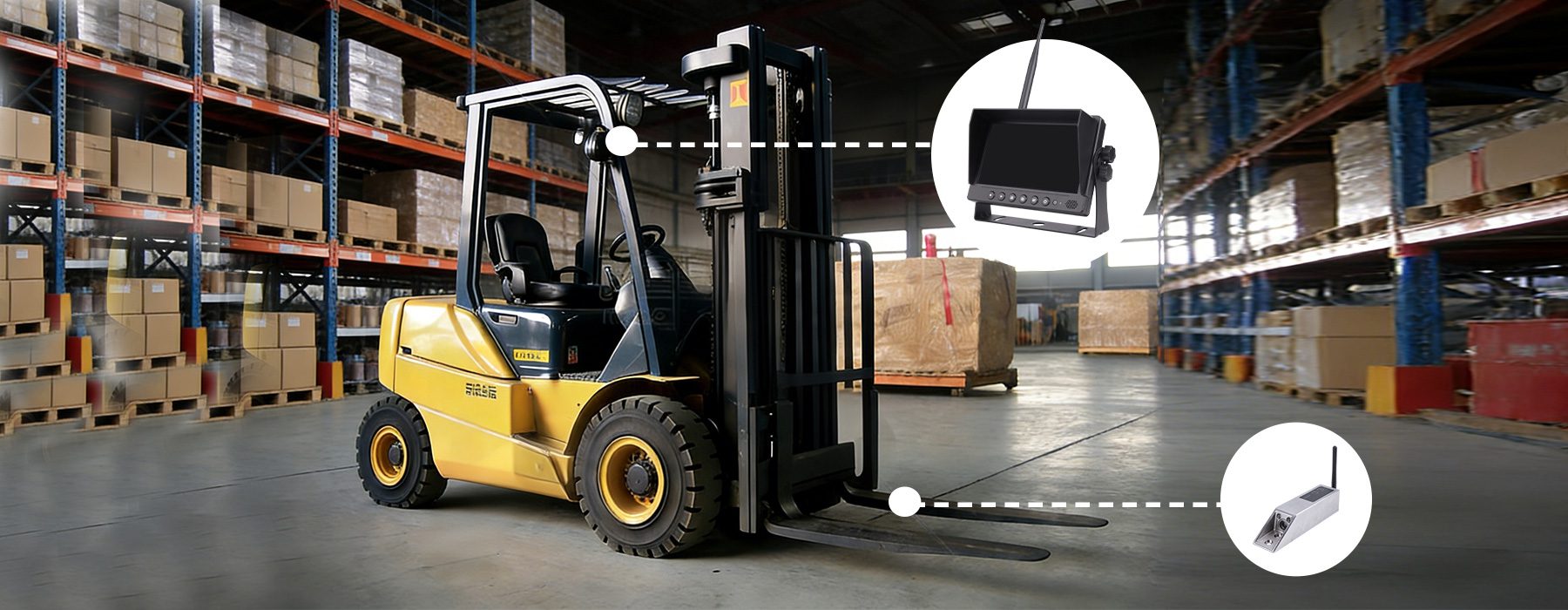
Blind spots are a common issue in material handling facilities, especially when forklifts handle high loads or operate in reverse. In these scenarios, forklift camera systems provide a visual extension that helps operators monitor areas that are otherwise hidden. A camera for forklift can be mounted to observe rear or elevated zones, supporting safer maneuvering during loading, unloading, and pallet stacking. From our experience, wireless solutions are particularly useful in reducing installation constraints, as they avoid complex cable routing and allow flexible deployment across different forklift models.
Forklift Safety Camera Systems: How Wireless Solutions Reduce Blind Spots插图

Wireless and Waterproof Design for Industrial Environments

Our wireless forklift camera solution is designed for industrial conditions where dust, moisture, and vibration are common. According to the product information, the system uses a waterproof camera housing and stable wireless transmission to maintain reliable image delivery during daily operations. This type of forklift camera systems setup allows forklifts to operate both indoors and outdoors without frequent maintenance interruptions. A camera for forklift in this configuration supports real-time monitoring, helping operators better judge distances and obstacles when visibility is limited.

Integration into Existing Safety Practices

Rather than replacing existing safety procedures, forklift camera systems are intended to complement them. Our approach focuses on integrating visual support into established operating routines, allowing trained drivers to make more informed decisions based on real-time visibility. By adopting a camera for forklift solution, facilities can enhance monitoring during reversing, stacking, pallet retrieval at height, and confined-space operation where blind spots are more likely to occur. This additional layer of visual assistance helps reduce operational uncertainty, improve coordination between drivers and ground staff, and support smoother material flow. It also contributes to minimizing minor collisions, load damage, and avoidable downtime. This aligns with our broader goal of supporting consistent, practical, and sustainable safety improvements for industrial customers across different warehouse and logistics environments.

Conclusion: Wireless Camera Systems as a Practical Safety Tool

In conclusion, wireless forklift camera systems offer a practical way to reduce blind spots in material handling environments without overcomplicating operations. A camera for forklift helps improve visibility in critical areas such as loading zones, narrow aisles, and high-rack storage positions, while wireless and waterproof features support stable use in demanding industrial settings. By minimizing installation complexity and reducing cable-related maintenance issues, these systems allow fleet operators to deploy upgrades efficiently across multiple vehicles. At Luview, we continue to develop solutions that fit real-world workflows, focusing on reliable performance, long-term durability, and seamless compatibility with professional forklift operations and safety management standards.
Wireless Forklift Camera Systems for Warehouse Safety and Efficiency缩略图

Wireless Forklift Camera Systems for Warehouse Safety and Efficiency

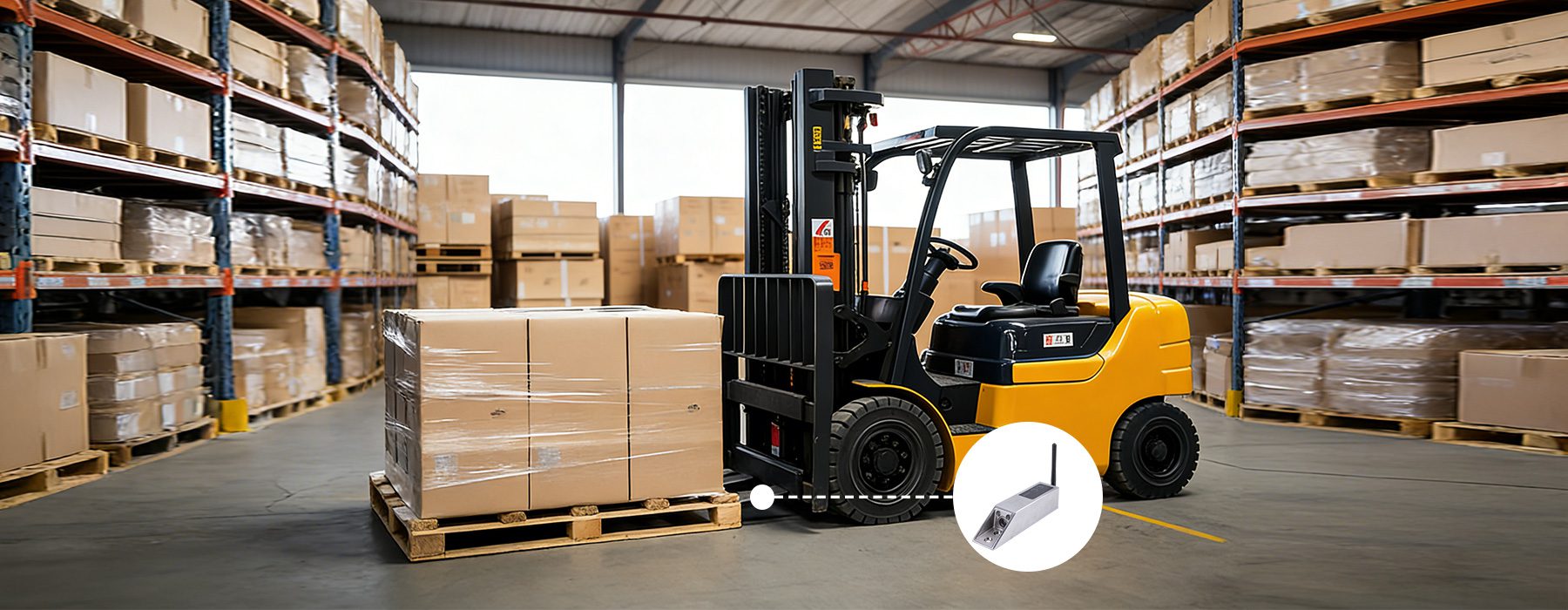
Modern warehouses operate under constant pressure to move goods faster while keeping operators and equipment safe. At Luview, we work closely with logistics integrators and industrial fleet managers who already understand forklift operations and are looking for practical safety upgrades. Wireless forklift camera systems are increasingly adopted in high-density storage environments where visibility is limited by racking layouts, pallet height, and narrow aisles. By improving rear and blind-spot awareness without complex cabling, these systems support safer daily operations while maintaining workflow efficiency in professional warehouse settings.

Wireless Forklift Camera Systems for Warehouse Safety and Efficiency插图

Improving Visibility in Confined Warehouse Environments

In busy distribution centers, forklifts often operate in areas with obstructed views caused by stacked goods or structural columns. A forklift backup camera system provides operators with a clear rear image during reversing, reducing reliance on mirrors alone. We have seen that wireless forklift camera systems are especially suitable for retrofit projects, as they avoid long installation downtime. Our wireless solution is designed to transmit stable video signals inside metal-dense warehouse spaces, supporting consistent visibility during lifting, reversing, and pallet alignment without changing existing vehicle layouts.

Supporting Operational Efficiency Through Wireless Design

Efficiency is not only about speed but also about minimizing interruptions. A forklift backup camera system helps reduce small handling errors that can slow down loading cycles or cause minor product damage. Wireless forklift camera systems simplify deployment across multiple vehicles, making them suitable for fleet-level standardization. The waterproof wireless forklift camera system shown on our website is designed for industrial use, with a sealed camera housing and a dedicated monitor for forklift cabins. This configuration supports daily operation in dusty loading bays and temperature-changing environments.

Designed for Industrial Reliability and Integration

Experienced warehouse operators value equipment that integrates smoothly with existing processes. Our forklift backup camera system is developed to work alongside standard safety procedures rather than replace them. The wireless forklift camera systems we provide focus on stable signal transmission, clear image output, and straightforward mounting options. These features allow integrators to adapt the system to different forklift models and warehouse layouts. By maintaining consistent visual feedback, operators can make more precise movements during reversing and stacking tasks.

Conclusion: Practical Safety Enhancements for Modern Warehouses

Wireless forklift camera systems play a practical role in improving safety and efficiency in professional warehouse operations. A forklift backup camera system enhances rear visibility, supports smoother handling, and reduces operational uncertainty in confined spaces. At Luview, we focus on delivering industrial camera solutions that align with real warehouse conditions and experienced user expectations. By combining wireless deployment with durable design, these systems provide a balanced approach to safety enhancement without disrupting established workflows.

Backup Camera Wireless Systems: From Signal Transmission to Image Stability缩略图

Backup Camera Wireless Systems: From Signal Transmission to Image Stability

As vehicle operating environments become more complex, backup camera wireless systems are increasingly evaluated not only by convenience, but by how reliably they transmit signals and maintain image stability. In our daily work with commercial and industrial clients, we focus on how wireless camera architectures perform under vibration, distance variation, and electromagnetic interference. For experienced fleet operators and equipment manufacturers, a well-designed wireless ip camera system is not simply a replacement for wired solutions, but a carefully engineered tool that balances installation flexibility with consistent visual feedback during reversing and maneuvering.

Understanding Wireless Signal Transmission in Backup Applications

Wireless backup camera systems rely on stable radio transmission between the camera and the monitor. In practical vehicle applications, signal performance is influenced by transmission distance, antenna design, and surrounding metal structures. We observe that digital wireless transmission provides more predictable latency control compared to analog alternatives, which is particularly important for agricultural machinery, trucks, and specialized vehicles. When deploying a wireless rear view camera kit, attention must be paid to channel stability and resistance to interference from onboard electrical systems. From our perspective, signal design should match the operating environment rather than pursue unnecessary complexity.

Backup Camera Wireless Systems: From Signal Transmission to Image Stability插图

Image Stability Under Real Operating Conditions

Image stability is a second core consideration once signal transmission is established. In off-road and industrial scenarios, vibration, dust, and changing light conditions can directly affect image consistency. We design our camera systems with attention to low-light performance, controlled image processing, and stable frame output, ensuring that operators receive continuous visual reference rather than intermittent images. At Luview, our experience with vehicle vision products allows us to align camera housing design, night vision capability, and monitor response with real-world usage, rather than laboratory-only assumptions.

Product Application in Agricultural Machinery

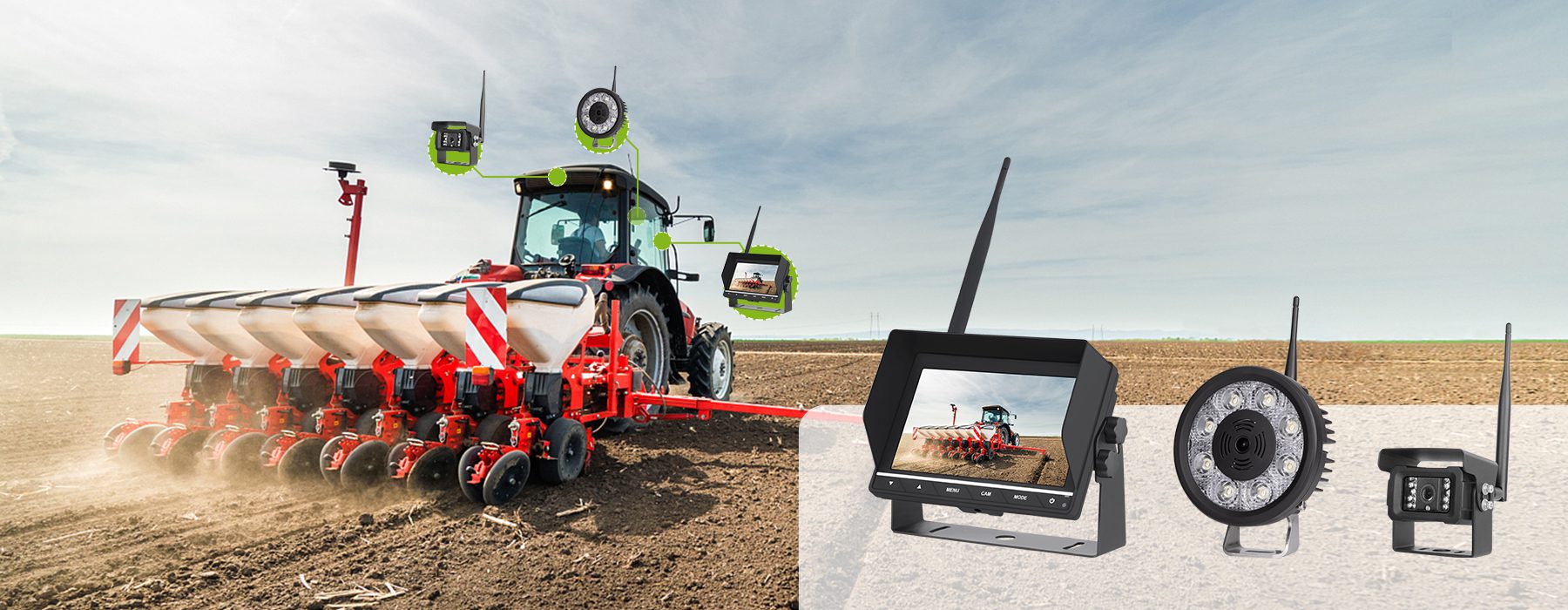
One representative example is our 7-inch AHD night vision wireless camera system with integrated work light, developed for agricultural machinery applications. This system combines a wireless transmission module with an AHD camera and a dedicated monitor, allowing operators to improve rear visibility during field operations and low-light conditions. The built-in work light supports operational awareness during reversing or alignment tasks, while the wireless structure simplifies installation on large equipment where cabling is impractical. Our approach emphasizes compatibility with demanding outdoor environments, aligning system configuration with the needs of professional operators.

Conclusion: Balancing Transmission Reliability and Visual Consistency

In backup camera wireless systems, effective performance comes from balancing signal transmission reliability with image stability over time. From transmission architecture to image output control, each component influences how confidently operators can rely on visual assistance. Our work focuses on developing systems that integrate smoothly into commercial and industrial vehicles, supporting professional use without unnecessary complexity. By aligning wireless transmission design with image stability requirements, we help ensure that backup camera systems remain practical tools in daily operations rather than optional accessories.

Wireless Reversing Camera Kits: Components, Installation, and Performance缩略图

Wireless Reversing Camera Kits: Components, Installation, and Performance

In commercial vehicles and specialized machinery, reversing visibility directly affects daily efficiency and operational safety. At Luview, we focus on developing reliable wireless backup camera systems that support professional fleets, agricultural machinery operators, and industrial vehicle integrators. Wireless reversing camera kits are not simplified consumer tools; they are complete visual solutions designed to work under vibration, dust, and extended operating hours. Understanding their components, installation logic, and performance characteristics is essential for experienced users who need stable long-term operation rather than basic assistance.

Wireless Reversing Camera Kits: Components, Installation, and Performance插图

Key Components of a Wireless Reversing Camera Kit

A professional wireless reversing camera kit typically consists of three core elements: a camera unit, a display monitor, and a wireless transmission module. In a truck rear view camera system, the camera is engineered with reinforced housing, wide viewing angles, and infrared or low-light support to maintain visibility during night operations or enclosed working environments. The monitor size and resolution must match the viewing distance in the cabin, while wireless transmission is designed to reduce cable complexity without compromising signal stability. Our systems emphasize compatibility with commercial power supplies and vehicle platforms, ensuring the components function as an integrated unit rather than isolated devices.

Installation Logic for Commercial and Agricultural Vehicles

Installation of wireless reversing camera kits is often driven by vehicle structure and usage scenarios. For agricultural machinery and trucks, mounting positions must consider vibration, exposure to debris, and working light conditions. One example from our portfolio is a 7-inch AHD night vision wireless camera system with an integrated work light, designed for agricultural machinery that operates in low-visibility fields or yards. The wireless structure simplifies installation on long vehicles while still supporting stable image transmission. Power integration follows standard vehicle electrical systems, allowing installers to maintain a clean layout without extensive rewiring.

Performance Considerations in Daily Operation

Performance evaluation goes beyond image clarity. In professional wireless backup camera systems, factors such as transmission latency, resistance to electromagnetic interference, and consistent night performance directly influence usability. AHD technology supports stable image output over wireless links, while night vision functions maintain usable contrast in low-light environments. In a truck rear view camera system, these features support continuous monitoring during reversing, coupling, or equipment alignment tasks. Our development approach focuses on balanced performance rather than isolated specifications, ensuring systems remain reliable under continuous use.

Conclusion: Practical Value of Wireless Reversing Camera Kits

Wireless reversing camera kits serve as functional visibility tools for commercial and industrial vehicles when properly selected and installed. By understanding component roles, installation requirements, and performance expectations, professional users can integrate these systems into daily operations with confidence. At Luview, we design solutions that align with real working conditions, supporting consistent visual assistance without adding unnecessary complexity to vehicle systems.

Night Vision Wireless Camera System for Safe Driving in Low-Light Conditions缩略图

Night Vision Wireless Camera System for Safe Driving in Low-Light Conditions

Operating vehicles and machinery in low-light conditions presents ongoing challenges for professional users across agriculture, construction, and industrial transport. At Luview, we work with B2B customers who require stable visual support during night operations without increasing system complexity. In these environments, limited visibility often affects reversing accuracy, equipment alignment, and overall situational awareness. A properly designed backup camera wireless system plays a practical role in addressing these issues by providing consistent rear visibility when ambient light is insufficient. By focusing on night vision performance and wireless transmission reliability, we support safer driving and operation in real working conditions rather than ideal laboratory settings.

Night Vision Wireless Camera System for Safe Driving in Low-Light Conditions插图

Night Vision Technology and Wireless Stability in Professional Use

Night vision capability is essential for maintaining image clarity when headlights or external lighting are limited. In professional vehicle applications, a rear view wireless camera system must deliver usable images without delay, distortion, or signal loss. Infrared night vision allows cameras to capture objects and terrain details beyond the reach of visible light, while AHD signal processing helps maintain image definition on larger monitors. Wireless transmission reduces dependence on long cable runs, which are often exposed to vibration, dust, and mechanical stress. From our experience, system stability is as important as image brightness, especially for operators who rely on continuous visual feedback during extended night shifts.

Night Vision Wireless Camera System for Safe Driving in Low-Light Conditions插图1

Application of Wireless Night Vision Systems in Agricultural Machinery

Agricultural machinery frequently operates before sunrise or after sunset, making rear visibility a critical safety factor. Our 7-inch AHD night vision wireless camera system with work light is developed to address these conditions in a practical manner. The system integrates infrared night vision with a built-in work light to support reversing and attachment operations in dark fields. Wireless installation allows flexible placement on tractors, harvesters, and other equipment without modifying existing structures. The 7-inch monitor provides sufficient viewing area for professional operators, while the camera’s wide-angle design supports consistent coverage of blind zones. As a backup camera wireless system, it assists experienced users in maintaining control during low-speed maneuvers where precision matters most.

Conclusion: Enhancing Low-Light Safety Through Practical Wireless Design

Safe driving and equipment operation in low-light environments depend on reliable visual information rather than added operational burden. By combining night vision imaging, wireless transmission, and application-focused hardware design, we aim to support professional users facing real-world visibility challenges. Our approach to the rear view wireless camera system emphasizes compatibility with existing vehicles, stable performance, and suitability for long working hours. Through continuous refinement of wireless night vision solutions, Luview remains focused on helping B2B customers improve operational safety and confidence when working in low-light conditions.

Truck Rear View Camera System Solutions for Fleet and Commercial Vehicles缩略图

Truck Rear View Camera System Solutions for Fleet and Commercial Vehicles

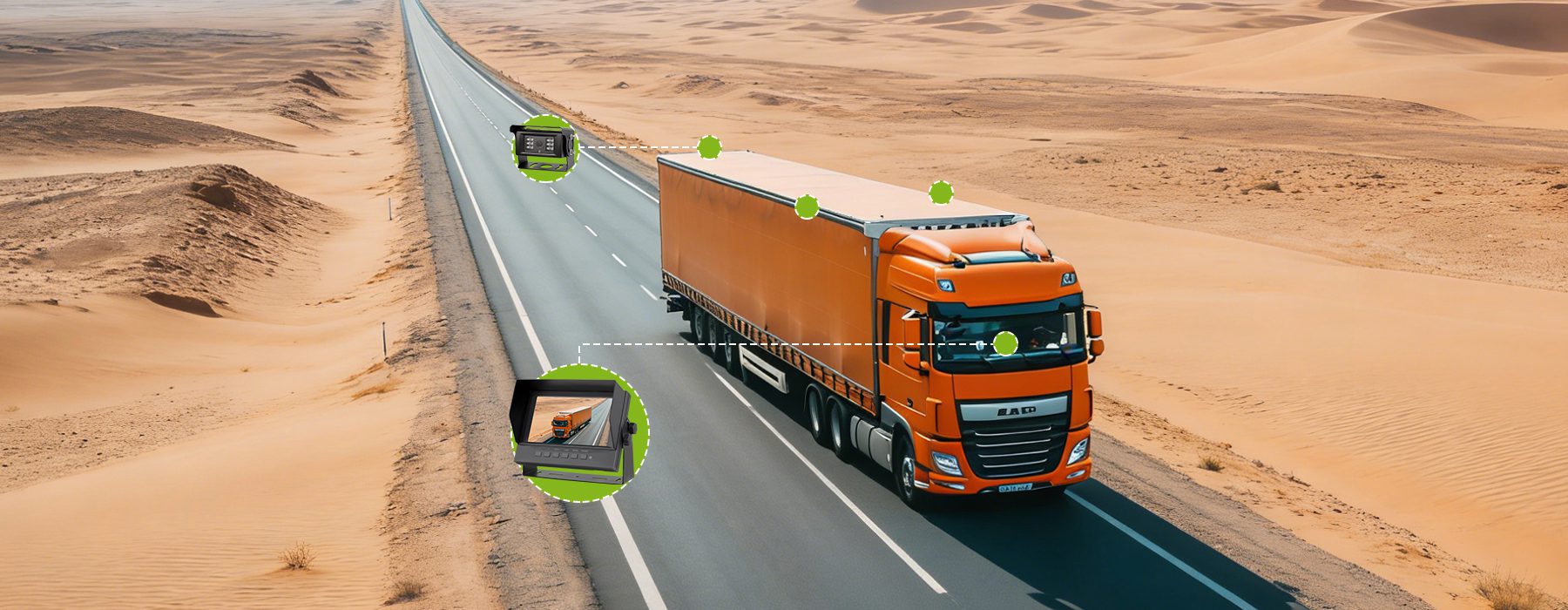
As fleet operations grow more complex, we see increasing demand for stable and adaptable rear-view visibility solutions in trucks and commercial vehicles. In daily logistics, construction transport, and special-purpose operations, blind spots and limited rear visibility directly affect operational safety and efficiency. At Luview, we focus on developing camera systems that integrate smoothly into existing vehicle platforms. When fleets evaluate a best wireless RV camera system, they are usually considering more than image clarity. Signal stability, installation flexibility, and compatibility with different vehicle sizes all matter. In real working conditions, rear-view systems must support long operating hours, frequent vehicle movement, and varied environments without adding unnecessary complexity to fleet management.

Truck Rear View Camera System Solutions for Fleet and Commercial Vehicles插图

Adapting Rear View Camera Systems to Fleet Operations

For commercial fleets, a truck rear view camera system must fit diverse vehicle types while remaining easy to deploy at scale. Our experience shows that wireless configurations help reduce installation time and avoid extensive vehicle modification. This is especially relevant for mixed fleets operating trucks, agricultural machinery, and utility vehicles. We design systems that support consistent image transmission and stable monitoring, which is essential when operators rely on real-time feedback during reversing or loading tasks. A night vision wireless camera system also becomes important for fleets working early mornings or overnight schedules. Low-light performance helps drivers maintain awareness without depending solely on external lighting, supporting safer maneuvering in confined or poorly lit work areas.

Truck Rear View Camera System Solutions for Fleet and Commercial Vehicles插图1

Integrating Product-Level Solutions into Real Applications

In response to these operational needs, we offer practical system configurations based on proven hardware. One example is our 7-inch AHD night vision wireless camera system with an integrated work light, designed for agricultural machinery and heavy commercial vehicles. The AHD technology supports stable image transmission, while the wireless setup simplifies installation across multiple units. The built-in work light provides functional assistance during nighttime operations without adding extra external components. For fleet managers selecting a best wireless RV camera system, such configurations demonstrate how monitoring, visibility, and auxiliary lighting can be combined into a single rear-view solution that fits demanding commercial use rather than passenger applications.

Conclusion: Supporting Fleet Safety Through Practical Camera Systems

From our perspective, effective truck rear view camera system solutions should align with how fleets actually operate. By focusing on compatibility, durability, and functional clarity, we help commercial customers choose systems that support daily work rather than complicate it. Whether fleets prioritize wireless deployment, night operation, or adaptable monitoring layouts, a well-configured night vision wireless camera system can play a practical role in reducing blind spots and improving vehicle control. At Luview, we continue refining rear-view solutions with fleet and commercial vehicle requirements in mind, ensuring that system design follows real operational demands instead of theoretical features.

Backup Camera vs Vehicle Monitoring System: Key Differences and Applications缩略图

Backup Camera vs Vehicle Monitoring System: Key Differences and Applications

Modern commercial vehicles rely heavily on visual assistance technologies to improve safety and operational efficiency. In fleet operations, logistics vehicles, and specialized industrial transport, understanding the difference between a backup camera and a vehicle monitoring system is essential. As a camera system company, Luview focuses on designing visual solutions that support experienced B2B customers who require stable performance, system compatibility, and long-term reliability. This article explains how these two systems differ in structure, function, and application scenarios, helping professionals choose suitable configurations for real-world use.

Backup Camera vs Vehicle Monitoring System: Key Differences and Applications插图

Functional Scope and System Structure

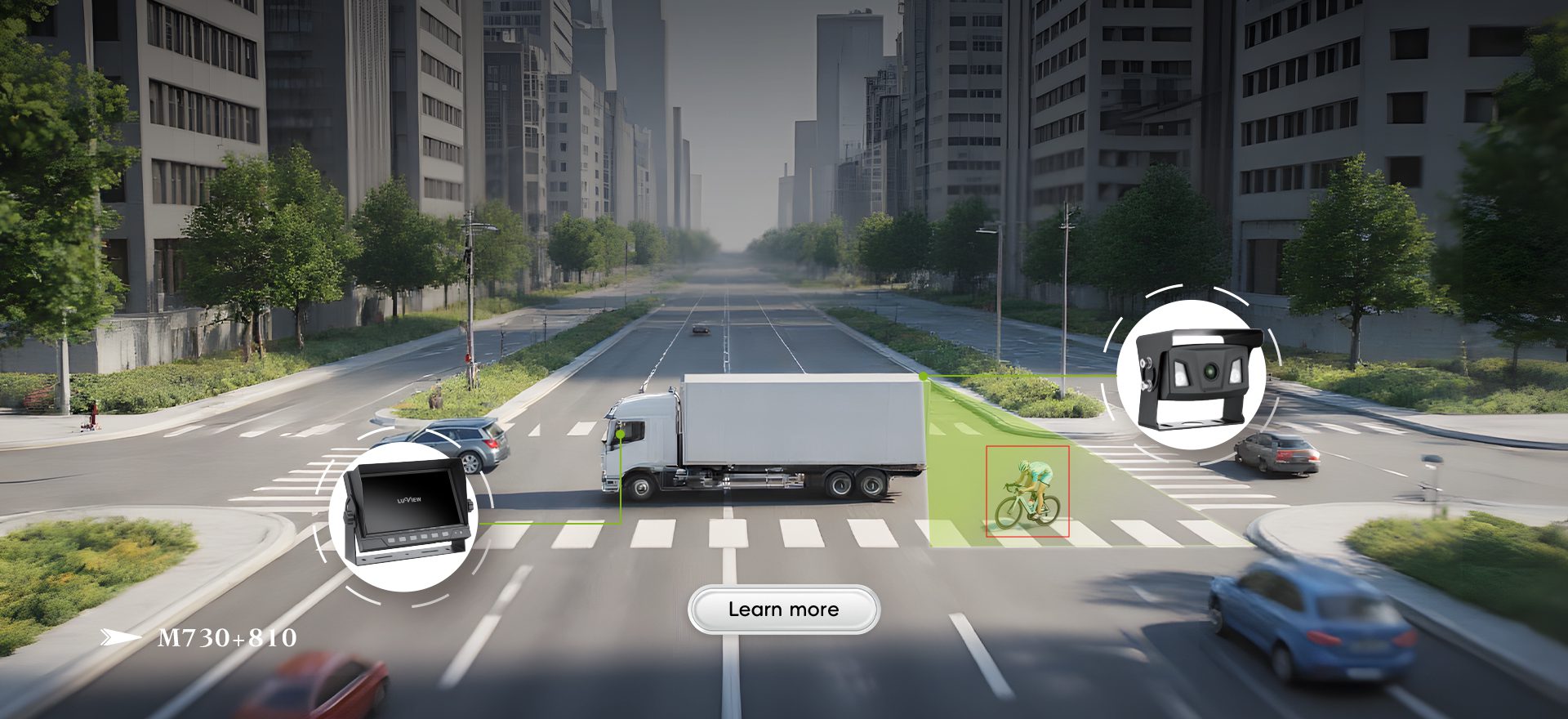
A backup camera is primarily designed to support reversing operations by providing a rear-facing visual feed. It activates automatically when the vehicle is shifted into reverse, helping drivers identify obstacles behind the vehicle. In contrast, a vehicle monitoring system integrates multiple visual inputs into a unified display platform. These systems may include front, side, and rear views, along with interior monitoring when required. Our solutions often incorporate wireless vehicle cameras to simplify installation and reduce cable routing complexity, especially for long vehicles or retrofit projects. From a system perspective, monitoring platforms are built for continuous observation rather than single-scenario use.

INTELLIGENT PERSON&VEHICEL DETECTION CAMERA

Application Scenarios in Commercial Vehicles

Backup cameras are commonly used in light commercial vehicles where reversing is the primary risk point. However, for buses, trucks, agricultural machinery, and special-purpose vehicles, a monitoring system offers broader operational value. These systems support lane changes, loading supervision, blind spot awareness, and driver behavior observation. As a camera system company, we work closely with OEMs and fleet integrators to ensure our solutions match vehicle layouts and operational workflows. The use of wireless vehicle cameras in these environments allows flexible camera placement while maintaining signal stability under demanding conditions.

Integration, Scalability, and Operational Needs

From an integration standpoint, backup cameras operate as independent units with limited expansion capability. Vehicle monitoring systems are modular and scalable, allowing additional cameras or displays to be added as operational requirements change. Our engineering teams design systems that can be integrated with existing electrical architectures without altering vehicle structure. By applying wireless vehicle cameras, we help reduce installation time while supporting multi-channel monitoring demands. This approach aligns with the expectations of experienced customers who prioritize system adaptability and long-term deployment efficiency.

Conclusion: Choosing the Right Visual Solution

Understanding the differences between a backup camera and a vehicle monitoring system helps decision-makers align technology with operational goals. Backup cameras address specific reversing scenarios, while monitoring systems provide comprehensive visual coverage across driving and operational phases. At Luview, we apply our experience as a camera system company to develop solutions that meet professional B2B requirements across diverse vehicle types. By combining system design expertise with flexible camera options, including wireless vehicle cameras, we support safer, more efficient vehicle operations without unnecessary complexity.

Automotive Camera Systems Explained: From Reverse Cameras to AI Detection缩略图

Automotive Camera Systems Explained: From Reverse Cameras to AI Detection

As vehicle safety regulations and fleet management requirements continue to evolve, automotive camera systems have become a core component of modern vehicles. From basic reversing assistance to intelligent visual perception, these systems support safer driving and more efficient vehicle operation. At Luview, we focus on developing automotive camera solutions for professional manufacturers and system integrators, helping them apply camera technology in real production environments rather than consumer-level use cases.

Automotive Camera Systems Explained: From Reverse Cameras to AI Detection插图

Understanding Reverse and Backup Camera Applications

Reverse and backup cameras are among the earliest and most widely adopted automotive camera solutions. Their primary function is to provide drivers with a clear rear view during reversing, reducing blind spots and supporting safer maneuvering in confined spaces. In commercial vehicles and special-purpose fleets, these systems are often integrated into existing displays or monitoring platforms. Through our backup camera OEM services, we work with vehicle manufacturers to adapt camera specifications such as viewing angle, housing structure, and signal output to match different vehicle platforms and operating conditions. This customization ensures compatibility with professional vehicle systems without altering original layouts.

From Visual Assistance to Intelligent Detection

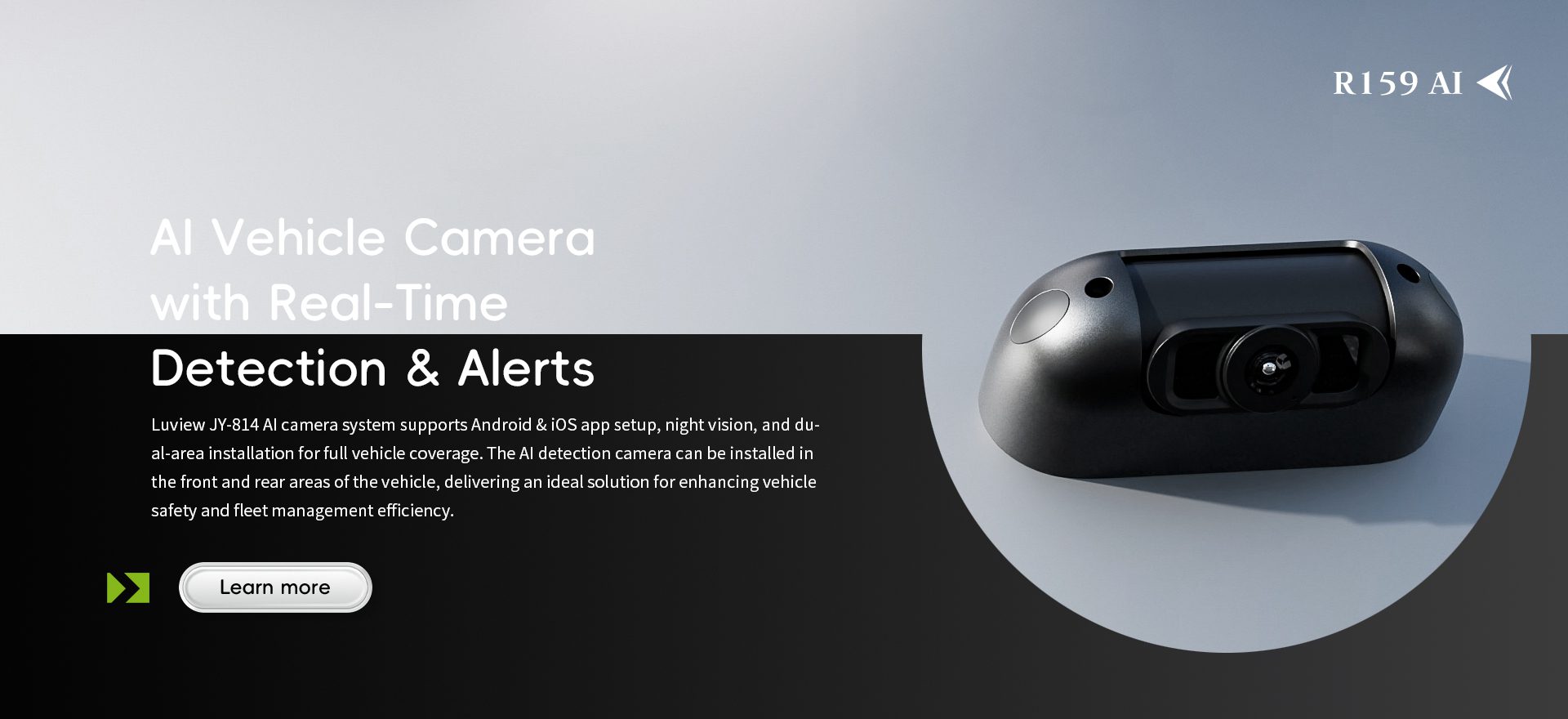
While traditional camera systems focus on image capture and display, newer solutions are increasingly designed to interpret visual data. Intelligent automotive cameras can identify lane markings, pedestrians, and surrounding vehicles, providing structured data rather than simple video output. Our AI camera system solutions are developed for industrial and automotive-grade applications where reliability and environmental adaptability are essential. By integrating image sensors with onboard processing units, these systems support advanced driver assistance functions without relying solely on cloud-based processing, which is especially important for commercial and off-road vehicles.

LUVIEW 7INCH AIREAR VIEW CAMERA SYSTEM

System Integration and B2B-Oriented Design

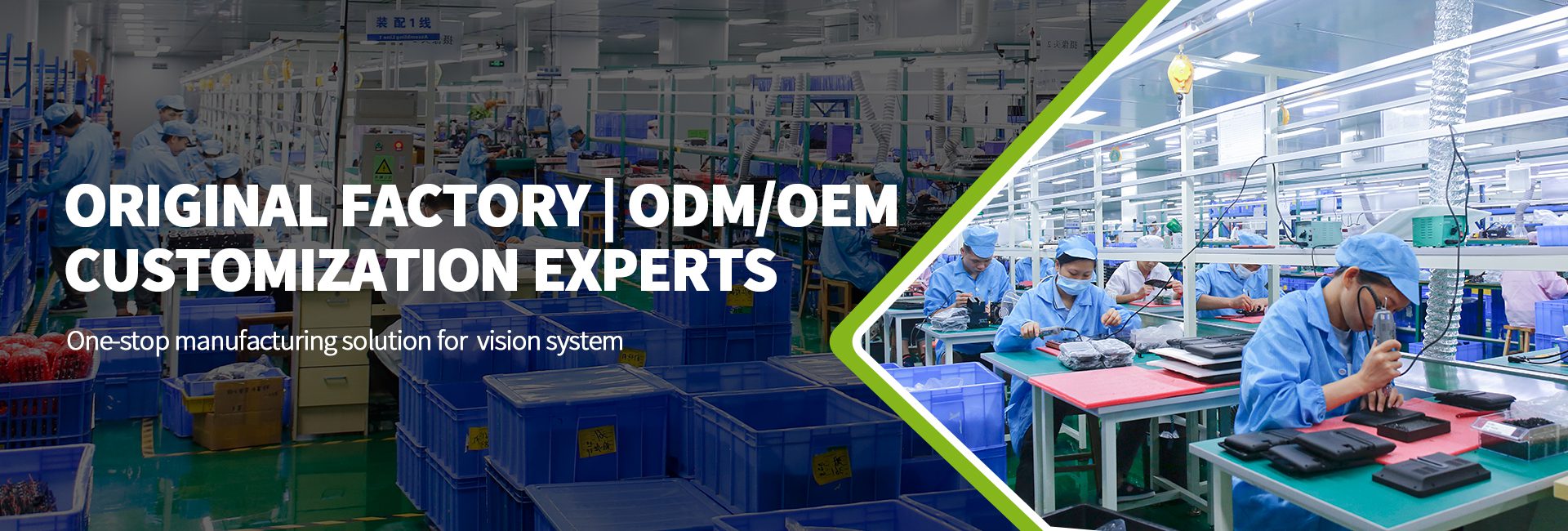
For experienced automotive customers, camera performance is only one part of the system evaluation. Long-term stability, interface compatibility, and production scalability are equally critical. Our company designs camera modules with standard automotive communication protocols and durable materials to meet OEM and Tier-1 integration requirements. Instead of focusing on retail features, Luview emphasizes manufacturability, testing consistency, and lifecycle management. This approach allows our camera systems to be deployed across different vehicle models while maintaining consistent performance throughout production cycles.

Conclusion: Practical Evolution of Automotive Camera Systems

Automotive camera technology has progressed from simple reversing assistance to intelligent perception systems that support safer and more efficient vehicle operation. By understanding the functional differences between basic visual tools and advanced detection systems, manufacturers can select solutions that match their technical and operational goals. At Luview, we continue to support this evolution by providing adaptable automotive camera systems designed for professional B2B applications, balancing technical capability with practical integration requirements.

What to Look for in a Reliable Backup Camera Supplier缩略图

What to Look for in a Reliable Backup Camera Supplier

In commercial vehicle and mobility projects, selecting a reliable backup camera supplier is not a casual decision. From our perspective, system stability, long-term supply capability, and engineering alignment matter more than surface-level specifications. When evaluating an OEM backup camera partner, we focus on how well the supplier understands real vehicle operating environments and integrates imaging solutions into broader safety architectures. At Luview, our experience working with global B2B customers has shaped a structured approach to supplier reliability, centered on consistency, compliance, and scalable production support.

What to Look for in a Reliable Backup Camera Supplier插图

Engineering Capability and Product Integration

A dependable supplier must demonstrate strong engineering foundations, not only at the component level but also at the system level. In our work with vehicle manufacturers and fleet solution providers, we often see that a backup camera is only one element within a larger car monitor system. Reliable partners should be able to support signal compatibility, environmental durability, and multi-camera coordination. For an OEM backup camera, this means stable image output, verified testing processes, and clear documentation that supports integration into existing vehicle platforms without unnecessary redesign.

Manufacturing Control and Quality Assurance

Beyond engineering design, manufacturing discipline plays a decisive role in long-term reliability. From our experience, suppliers with mature quality management systems are better equipped to maintain consistency across large production volumes. This is particularly relevant when a car monitor system is deployed across different vehicle models or markets. At Luview, we emphasize controlled production workflows, traceability, and validation procedures to ensure that every OEM backup camera meets defined operational requirements before delivery, reducing downstream risk for our partners.

Supply Chain Stability and OEM Collaboration

Another key factor is supply chain stability and the ability to support OEM collaboration over extended project cycles. A reliable supplier should be prepared to align with customer development timelines, customization needs, and regulatory requirements. In many cases, a car monitor system evolves alongside vehicle updates, requiring ongoing technical communication. We believe that effective OEM cooperation is built on transparency, responsive engineering feedback, and realistic lead-time planning, especially for customized OEM backup camera programs.

Conclusion: Evaluating Reliability from a System Perspective

When assessing what to look for in a reliable backup camera supplier, we believe the answer lies in a system-level perspective. Engineering depth, manufacturing control, and OEM collaboration together define long-term value. At Luview, we approach backup imaging not as isolated hardware, but as part of an integrated car monitor system designed for real-world commercial use. By aligning technical capability with stable supply support, we aim to meet the expectations of experienced B2B customers seeking dependable OEM backup camera solutions.

How to Choose the Right Vehicle Camera Manufacturers for OEM Projects缩略图

How to Choose the Right Vehicle Camera Manufacturers for OEM Projects

When OEM teams evaluate partners for vehicle vision systems, the decision process usually starts with technical alignment rather than price alone. For us at Luview, OEM cooperation means long-term engineering coordination, not just component supply. Choosing suitable vehicle camera manufacturers requires understanding how product design, validation processes, and production capability connect to real vehicle applications. In many OEM projects, camera systems are part of a larger safety or monitoring architecture, which means the supplier must clearly understand system-level integration, signal stability, and vehicle environment constraints from the beginning.

How to Choose the Right Vehicle Camera Manufacturers for OEM Projects插图

Engineering Compatibility and System Integration Capability

In OEM projects, camera hardware rarely works as a standalone device. It must integrate smoothly with ECUs, displays, and in-vehicle networks. This is why experienced vehicle camera manufacturers are usually evaluated based on their ability to adapt camera modules to different platforms, voltage requirements, and communication protocols. From our experience, engineering discussions often focus on lens selection, sensor tuning, waterproof structure design, and long-term reliability under vibration and temperature variation. A camera designed for stable image output directly affects how a car’s monitor displays information to the driver, especially in reversing, side-view, or continuous monitoring scenarios.

Manufacturing Process and Quality Consistency

OEM customers typically place strong emphasis on production consistency rather than short-term delivery speed. A reliable manufacturing process ensures that each batch of camera modules maintains stable optical performance and electrical behavior. As one of the vehicle camera manufacturers serving global OEM projects, we pay close attention to traceability, in-line inspection, and aging tests. These processes help ensure that every unit delivered works correctly with a car’s monitor system already validated by the customer, reducing downstream calibration and integration risks during vehicle assembly.

Product Scope and Application Experience

Another important factor when selecting partners is the breadth of application experience. OEM projects may involve rear-view cameras, surround-view systems, or in-cabin monitoring solutions. We typically support OEM customers by offering a product portfolio that includes camera modules, monitors, and complete vision system configurations. In many projects, the compatibility between the camera output and the car’s monitor interface becomes a practical consideration during system design. Application experience helps suppliers anticipate these integration details earlier, which simplifies validation and approval cycles for OEM teams.

Conclusion: Building a Stable OEM Camera Partnership

Choosing the right vehicle camera manufacturers for OEM projects is ultimately about technical confidence, manufacturing discipline, and communication efficiency. From our perspective, long-term cooperation depends on transparent engineering processes, stable product performance, and realistic system-level understanding. When camera modules and cars monitor solutions are developed with OEM requirements in mind, integration becomes smoother and project risks are easier to manage. A structured selection process helps OEM customers build partnerships that support both current vehicle platforms and future development plans.