Cara Memasang Sistem Pemantauan Titik Buta
Ketika Anda ingin meningkatkan keamanan kendaraan Anda, menambahkan sistem pemantauan titik buta yang canggih bisa menjadi keputusan yang cerdas. Di Luview, kami menyediakan sistem deteksi titik buta radar untuk memastikan Anda dapat mendeteksi kendaraan dan rintangan di sekitar, bahkan dalam kondisi yang menantang. Sistem ini telah berevolusi dari waktu ke waktu, memberikan deteksi yang semakin akurat dan dapat diandalkan, membantu pengemudi membuat perubahan jalur yang lebih aman. Artikel ini akan memandu Anda melalui proses pemasangan teknologi keselamatan yang penting ini.
Memahami Komponen Sistem Deteksi Titik Buta Radar
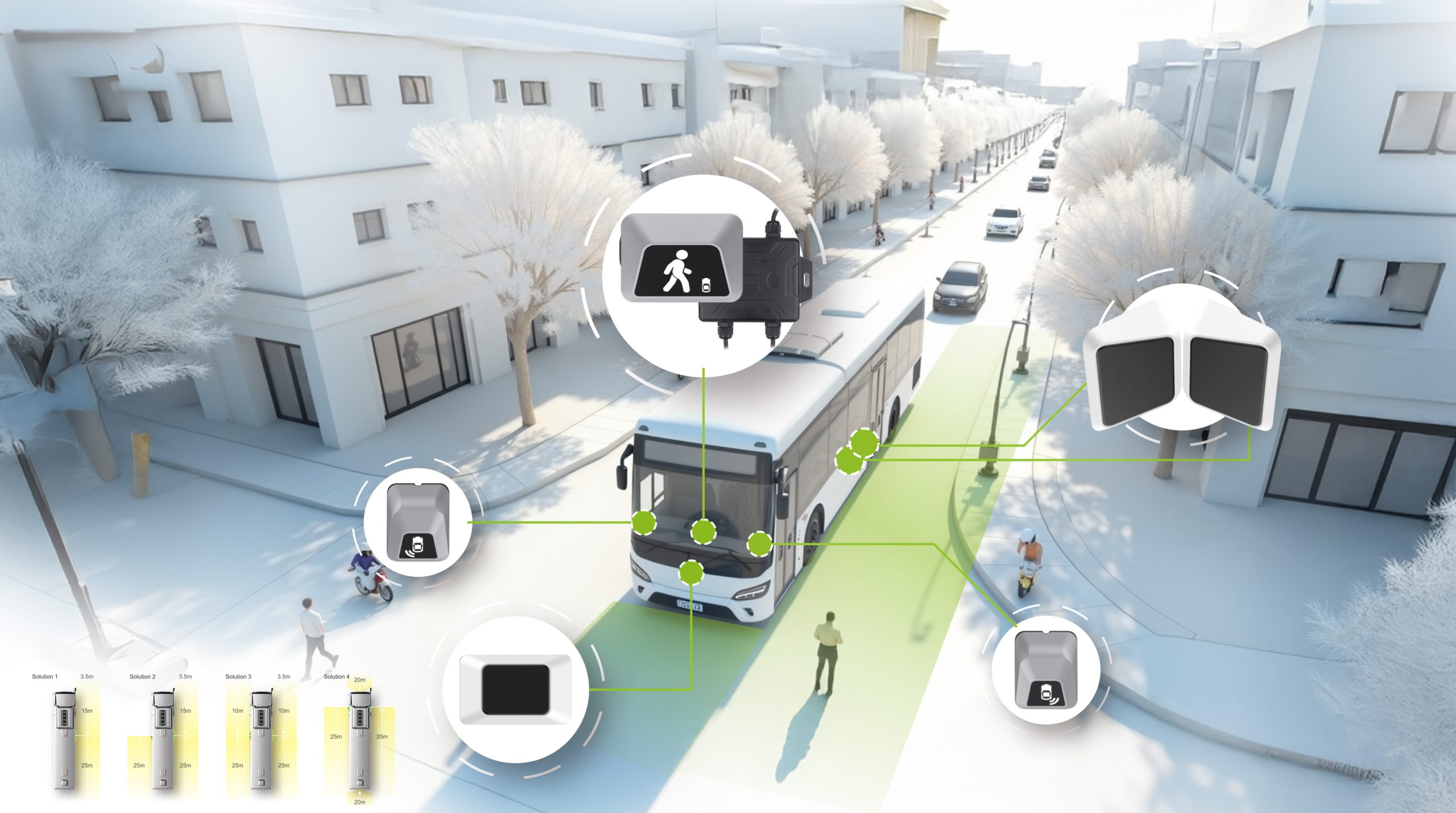
Sebelum masuk ke proses instalasi, penting untuk memahami komponen utama sistem deteksi titik buta radar. Biasanya, sistem ini didukung oleh sensor radar gelombang milimeter 77GHz yang dapat secara tepat mendeteksi jarak, kecepatan, dan sudut objek di sekitarnya. Sistem Luview menggunakan modulasi FMCW, yang memastikan deteksi jarak dan kecepatan dengan presisi tinggi. Ini berarti bahwa baik saat Anda mengemudi melalui kabut, debu, atau asap, Anda akan memiliki cara yang dapat diandalkan untuk menemukan potensi bahaya di sekitar kendaraan Anda.
Mempersiapkan Kendaraan Anda untuk Pemasangan
Sebelum memulai pemasangan sistem pemantauan titik buta canggih, Anda harus memastikan bahwa kendaraan Anda sudah siap. Biasanya, pemasangan memerlukan pemasangan sensor radar di lokasi tertentu di sekitar kendaraan, biasanya di area bumper belakang. Sensor ini ditempatkan secara strategis untuk memberikan pandangan yang luas pada area di sekitar kendaraan Anda, termasuk jalur yang berdekatan. Selain itu, penting untuk memastikan kendaraan Anda memiliki catu daya yang stabil karena sistem deteksi titik buta radar dirancang untuk berfungsi pada rentang tegangan yang luas, sehingga kompatibel dengan berbagai kondisi daya kendaraan.
Proses Instalasi Langkah-demi-Langkah
Proses pemasangan dimulai dengan menghubungkan sistem deteksi titik buta radar ke catu daya kendaraan. Setelah sistem dinyalakan, sensor radar dikalibrasi untuk memastikan deteksi yang akurat. Di Luview, kami menyediakan panduan dan alat yang jelas untuk menyesuaikan presisi jarak, sehingga Anda dapat menyesuaikan sistem untuk kebiasaan dan lingkungan mengemudi Anda. Setelah dipasang dan dikalibrasi, sistem akan siap untuk mendeteksi kendaraan apa pun di jalur yang berdekatan dan memberi Anda peringatan, membantu Anda tetap waspada dan aman saat berada di jalan.
Menguji dan Menyempurnakan Sistem
Setelah pemasangan, sangat penting untuk menguji keakuratan sistem. Sistem deteksi titik buta Luview memiliki fleksibilitas untuk disesuaikan dengan berbagai kondisi mengemudi. Anda dapat menyempurnakan pengaturan untuk memastikan bahwa sistem memperingatkan Anda pada jarak yang tepat ketika kendaraan memasuki titik buta Anda. Sistem deteksi titik buta radar juga bekerja dalam berbagai kondisi cuaca, jadi penting untuk mengujinya di lingkungan yang berbeda, mulai dari langit yang cerah hingga cuaca berkabut atau hujan, untuk memastikan kinerja yang konsisten.
Kesimpulan
Memasang sistem pemantauan titik buta yang canggih merupakan investasi berharga bagi siapa saja yang ingin meningkatkan keamanan kendaraan mereka. Dengan Luview Dengan sistem deteksi titik buta radar, Anda akan mendapatkan peringatan waktu nyata yang dapat diandalkan yang membantu Anda melakukan perubahan jalur yang lebih aman, baik saat Anda mengemudi di langit cerah maupun dalam kondisi cuaca buruk. Dengan mengikuti prosedur pemasangan yang benar dan menguji sistem, Anda dapat memastikan bahwa kendaraan Anda dilengkapi untuk menangani berbagai skenario mengemudi, sehingga Anda dapat merasa percaya diri dalam setiap perjalanan.