Why is ISO certification vital for vehicle camera suppliers?缩略图

Mengapa pensijilan ISO penting bagi pembekal kamera kenderaan?

Pengenalan pensijilan ISO

Pensijilan ISO ialah pensijilan yang dikeluarkan oleh Pertubuhan Kebangsaan untuk Pemeraturan (ISO), yang mengesahkan bahawa sistem pengurusan sesebuah organisasi, proses pembuatan, perkhidmatan, atau proses dokumentasi mematuhi semua piawaian kualiti dan keselamatan yang telah ditetapkan. Pensijilan ISO diiktiraf secara meluas di peringkat global dan berfungsi sebagai simbol penting komitmen sesebuah syarikat terhadap penambahbaikan berterusan dan memenuhi keperluan pelanggan, tanpa mengira saiz industri.

ISO 9001: Pengurusan Kualiti untuk Pembekal Automotif

Kepentingan ISO 9001 dalam Industri Automotif untuk Pengurusan Kualiti dan Pematuhan kepada Keperluan Undang-Undang Rantaian Bekalan

Why is ISO certification vital for vehicle camera suppliers?插图
ISO 9001 amat penting dalam industri automotif untuk pengurusan kualiti dan pematuhan kepada keperluan undang-undang dalam rantaian bekalan. Standard pengurusan kualiti yang diiktiraf di peringkat global ini amat penting bagi pembekal automotif. Ia memastikan pembekal dapat menyediakan produk dan perkhidmatan yang memenuhi keperluan pelanggan dan peraturan berkaitan yang lain secara konsisten. Dengan mewujudkan proses pengurusan kualiti menyeluruh, pembekal automotif dapat mengoptimumkan operasi mereka, mengurangkan kesilapan, meningkatkan kecekapan, dan akhirnya meningkatkan kualiti produk. Dari segi pengurusan rantaian bekalan, mematuhi ISO 9001 membantu mengurangkan risiko dalam rantaian bekalan dan memastikan pematuhan undang-undang rantaian bekalan, yang penting dalam mencegah kemungkinan akibat bencana.

ISO 14001: Pengurusan Alam Sekitar dalam Pengeluaran Kamera Kenderaan

Pentingnya Pengurusan Alam Sekitar dan Bagaimana ISO 14001 Membantu Syarikat Automotif Mengurangkan Impak Alam Sekitar

ISO 14001 adalah piawaian antarabangsa yang memfokuskan kepada sistem pengurusan alam sekitar, dan ia mempunyai kepentingan khusus bagi pengeluar kamera kenderaan. Piawaian ini direka untuk membantu organisasi mengurangkan impak alam sekitar negatif mereka, memastikan pematuhan terhadap peraturan alam sekitar, dan sentiasa meningkatkan prestasi alam sekitar. Dengan melaksanakan ISO 14001, syarikat automotif dapat menguruskan penggunaan tenaga dan sumber dalam proses pengeluaran mereka dengan lebih berkesan, mengurangkan sisa, dan menurunkan pencemaran. Ini menggalakkan amalan perniagaan lestari, bukan sahaja memenuhi tanggungjawab sosial korporat tetapi juga meningkatkan daya saing pasaran dalam lanskap pengguna yang peka terhadap alam sekitar hari ini.

ISO 45001: Kesihatan dan Keselamatan Pekerjaan dalam Pembuatan

Peranan ISO 45001 dalam Meningkatkan Keselamatan Tempat Kerja dan Mengurangkan Bahaya Pekerjaan dalam Pengeluaran Kamera Kenderaan

ISO 45001 adalah piawaian antarabangsa yang bertujuan membantu organisasi memperbaiki sistem pengurusan kesihatan dan keselamatan pekerjaan mereka, mengurangkan risiko di tempat kerja, dan mencegah kecederaan serta masalah kesihatan berkaitan kerja. Bagi syarikat yang terlibat dalam pembuatan kamera kenderaan, piawaian ini amat penting kerana persekitaran pengeluaran mereka mungkin melibatkan pelbagai potensi bahaya di tempat kerja. Dengan melaksanakan ISO 45001, syarikat dapat mengenal pasti bahaya secara sistematik dan melaksanakan langkah kawalan risiko yang berkesan, sekali gus meningkatkan prestasi keselamatan dan kesihatan pekerjaan secara keseluruhan. Ini bukan sahaja membantu melindungi kesihatan dan kesejahteraan pekerja, malah juga membawa manfaat ekonomi dengan mengurangkan kos yang berkaitan dengan kemalangan dan penyakit.

ISO 50001: Pengurusan Tenaga dalam Operasi Automotif

Manfaat ISO 50001 dalam Mengurangkan Penggunaan Tenaga dan Menggalakkan Kelestarian bagi Syarikat Automotif

ISO 50001 ialah piawaian antarabangsa yang memfokuskan pada sistem pengurusan tenaga, membantu syarikat automotif mengurangkan penggunaan tenaga melalui pengurusan tenaga secara sistematik. Piawaian ini menggalakkan organisasi memantau, mengukur, mendokumentasikan, dan melaporkan aliran tenaga mereka dengan lebih baik, sekali gus memacu penambahbaikan berterusan dalam prestasi tenaga. Bagi industri automotif, ini bermakna mengurangkan kos dan jejak karbon dalam proses pembuatan kamera kenderaan dan komponen automotif lain. Pelaksanaan ISO 50001 membantu perniagaan mengenal pasti dan memanfaatkan peluang penjimatan tenaga, bukan sahaja mengurangkan impak alam sekitar tetapi juga mempromosikan pembangunan lestari sambil meningkatkan manfaat ekonomi.

ISO 27001: Keselamatan Maklumat dalam Syarikat Automotif

Kepentingan ISO 27001 dalam melindungi data dan maklumat sensitif dalam industri automotif

ISO 27001 adalah piawaian antarabangsa untuk Sistem Pengurusan Keselamatan Maklumat (ISMS), penting bagi syarikat automotif kerana mereka mengendalikan sejumlah besar data sensitif, termasuk maklumat pelanggan, data pekerja, dan bahan reka bentuk serta pembangunan. ISO 27001 menyediakan rangka kerja untuk membantu organisasi melindungi maklumat ini daripada akses tanpa kebenaran dan kebocoran data dengan melaksanakan langkah keselamatan yang sesuai. Ini bukan sahaja membantu syarikat automotif mencegah kerentanan keselamatan tetapi juga meningkatkan kepercayaan di kalangan pengguna dan rakan kongsi, memastikan kesinambungan perniagaan dan pematuhan.

IATF 16949: Kualiti dalam Pengeluaran Automotif

Bagaimana IATF 16949 Selaras dengan Piawaian ISO dalam Memfokuskan Pencegahan Kecacatan dan Pengurusan Kualiti dalam Pengeluaran Automotif

IATF 16949 ialah spesifikasi teknikal yang dibangunkan hasil kerjasama antara International Automotive Task Force (IATF) dan International Organization for Standardization (ISO), khusus disesuaikan untuk rantaian bekalan industri automotif. Ia dibina berdasarkan piawaian ISO 9001 dan bertujuan mempromosikan proses pengurusan kualiti berterusan serta penambahbaikan, dengan menumpukan kepada pencegahan kecacatan dan pengurangan pembaziran dalam industri automotif. IATF 16949 menghendaki pengeluar automotif melaksanakan sistem pengurusan kualiti yang konsisten sepanjang keseluruhan proses pengeluaran dan pemasangan bagi memastikan penghantaran produk dan perkhidmatan berkualiti tinggi. Standard ini membantu pembekal industri automotif kekal berdaya saing di pasaran global sambil memenuhi permintaan pengguna yang semakin meningkat terhadap keselamatan dan kebolehpercayaan automotif.

Kajian Kes Pensijilan ISO dalam Industri Automotif

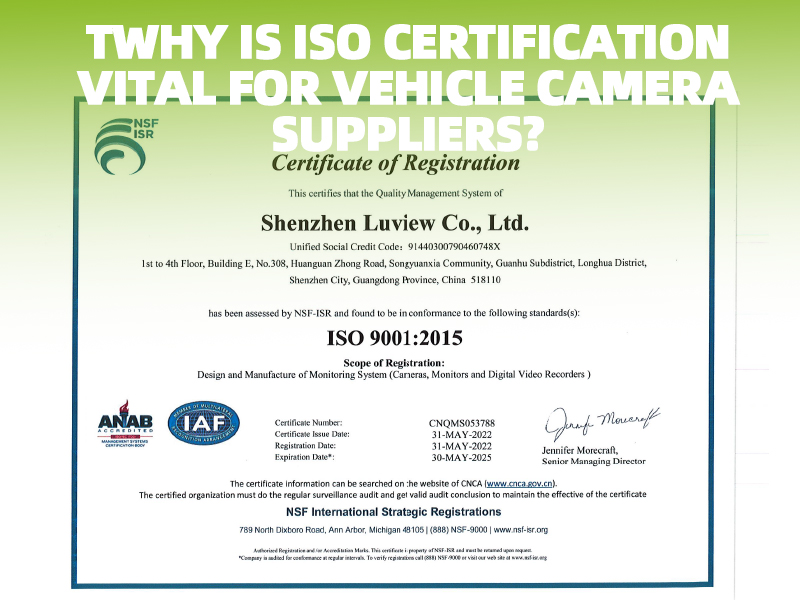
Dalam industri automotif, memperoleh pensijilan ISO seperti ISO 9001 dan IATF 16949 boleh memberikan kelebihan daya saing kerana ia melambangkan komitmen terhadap kualiti, keselamatan, dan kecekapan. Pensijilan ISO bukan sahaja membantu syarikat mematuhi amalan terbaik antarabangsa dan keperluan peraturan, malah juga meningkatkan keyakinan pengguna, pembekal, dan pelabur. Sebagai contoh, Luview telah memperoleh sijil ISO 9001 dan IATF 16949, yang telah meningkatkan reputasi syarikat dan nilai jenama. Ini menunjukkan dedikasi Luview dalam menyampaikan produk berkualiti tinggi yang selari dengan piawaian antarabangsa tertinggi.

Kesimpulan

Pensijilan ISO adalah penting bagi pembekal kamera kenderaan, memastikan kualiti produk dan keselamatan sambil meningkatkan daya saing pasaran global. Luview telah mengukuhkan kedudukan pasarannya dalam pembuatan dan penyediaan penyelesaian untuk produk keselamatan pandangan belakang dengan memperoleh piawaian ISO 9001 dan IATF 16949. Sebagai pengeluar profesional produk keselamatan pandangan belakang, kami menawarkan pelbagai jenis barangan termasuk kamera armada dan monitor kenderaan, bertekad untuk menyampaikan penyelesaian keselamatan kenderaan bertaraf tinggi. Pilih Luview untuk kebolehpercayaan. Untuk maklumat lanjut, sila hubungi kami di sales@luview.com.

Pentingnya Pengujian Penuaan untuk Monitor Belakang Kenderaan

Kepentingan Pengujian Penuaan untuk Monitor Belakang Kenderaan

pengenalan

The Role and Importance of the Rearview Vehicle Monitor

The rearview vehicle monitor is a device installed inside vehicles, commonly used to display images or videos of the area behind the vehicle, aiding drivers in reversing, parking, and driving maneuvers more safely. These monitors typically work in conjunction with backup cameras or rearview cameras to provide a real-time view of the rear, enabling drivers to clearly see potential obstacles, pedestrians, or other vehicles.

The Importance of Aging Testing for Rearview Vehicle Monitors插图

The Necessity of Aging Tests

Given the significance of rearview vehicle monitors in enhancing driving safety and convenience, ensuring their reliability and performance is critical. This is why aging tests are necessary. Aging tests help manufacturers ensure that these monitors can operate reliably over extended periods under various environmental conditions, meeting drivers’ needs and providing dependable safety.

The Basic Principles and Purpose of Aging Tests

Basic Principles of Aging Tests

Aging tests are systematic testing methods designed to simulate the conditions that a product may experience over extended use and in harsh environments to assess its performance, reliability, and durability. The basic principles of aging tests include:

Simulation of Actual Usage: A key principle of aging tests is to simulate the conditions and environments the product may encounter in actual use. This means that the tests must take into account the real-world application of the product and environmental factors such as temperature, humidity, and vibration.

Accelerated Aging: Aging tests often use accelerating factors, like increased temperature or humidity, to speed up the aging process of the product. This allows the long-term effects of usage to be simulated in a relatively short period.

Continuous Monitoring and Recording: During aging tests, it is essential to continuously monitor and record the performance and condition of the product. These data are crucial for subsequent analysis and improvements.

Assessing Failure Points: One of the objectives of aging tests is to identify the failure points of the product, i.e., the conditions under which the product begins to show decreased performance or malfunctions. This helps manufacturers to identify and improve weaknesses in the product.

What is the Main Purpose of Aging Tests?

The main purposes of aging tests are:

Verifying Product Reliability: By simulating long-term use and harsh environmental conditions, aging tests can verify the reliability of the product in actual use. This helps manufacturers to determine if the product is stable enough to operate normally under challenging conditions.

Early Detection of Issues: Aging tests can help manufacturers detect potential issues and defects before the product is released to the market. This allows for measures to improve product design and manufacturing processes to enhance product quality.

Evaluating Product Life: Through aging tests, manufacturers can assess the lifespan of the product and determine when it may require maintenance or replacement. This helps customers understand the expected life of the product and plan accordingly.

Meeting Regulatory Requirements: In some industries, aging tests are among the requirements of regulations and standards. By conducting aging tests, manufacturers can ensure that their products comply with relevant regulations and standards, thus avoiding legal issues.

How to Conduct Aging Tests on Rearview Vehicle Monitors

Testing Steps

Environmental Simulation: In the test chamber, place the rearview vehicle monitor under constant temperature (40°C) and humidity (90% relative humidity) to simulate a high-temperature and high-humidity environment.

Cycle Testing: Connect the monitor to a reversing camera and continuously run both the monitor and the camera for 12 hours each day to simulate long-term usage.

Vibration Testing: Use a vibration table to simulate the vibrations a vehicle experiences on different road conditions and conduct vibration testing for a duration of 10 hours.

Electromagnetic Interference Test: In an electromagnetic interference testing chamber, expose the monitor to electromagnetic radiation to simulate interference that may be caused by electronic devices within the vehicle.

Continuous Monitoring: Throughout the testing period, continuously monitor and record the performance and condition of the monitor, including indicators such as screen brightness, resolution, and color accuracy.

Kesimpulan

Aging tests are crucial for the performance and reliability of rearview vehicle monitors. They ensure that the products can operate stably in actual use, enhancing the safety and convenience for drivers.

Luview is a professional manufacturer and solution provider of rearview safety products from China. Whether you are looking for vehicle monitors or cameras, we are your choice. If you are searching for a suitable supplier, please contact sales@luview.com for more details. We are committed to providing high-quality, reliable rearview safety products to meet your needs and offer a safer driving experience for your vehicle.

Why is waterproof testing needed for vehicle cameras?缩略图

Mengapa ujian kalis air diperlukan untuk kamera kenderaan?

Introduce

Vehicle cameras are increasingly prevalent due to their role in enhancing driving safety, compliance with traffic regulations, and providing driver assistance. With technological advancements and consumer demand for high-tech vehicles, these cameras have become an essential component of new car models. Therefore, the durability and reliability of vehicle cameras are crucial—they must operate effectively under extreme weather conditions and resist wear and tear from daily use. This is why vehicle cameras must undergo rigorous waterproof testing to ensure they maintain optimal performance in all circumstances.

Why is waterproof testing needed for vehicle cameras?插图

Challenges for Vehicle Cameras

1. Exposure to Diverse Environmental Conditions

Vehicle cameras are exposed to a variety of environmental conditions during use, including high temperatures, low temperatures, humidity fluctuations, and the impact of dust and pollutants, all of which can affect the performance and lifespan of the cameras.

2. The Necessity for Functionality in Various Lighting and Weather Conditions

Vehicle cameras need to function in various lighting and weather conditions, such as at night, in tunnels, during storms, or in snowy conditions, to provide stable image quality and accurate visual information.

Necessity of Waterproof Testing

1. Risk of Water Damage from Weather and Vehicle Washing

Vehicle cameras are often exposed to harsh weather conditions such as rain, snow, and other forms of precipitation. Additionally, during car washes, cameras can come into direct contact with water. Without proper waterproof capabilities, water ingress could damage the internal circuits and cause malfunctions.

2. Requirement to Maintain Consistent Performance in Humid Conditions

Vehicle cameras need to provide clear images continuously, especially in humid conditions, to ensure the normal operation of the driving safety system. Therefore, conducting waterproof tests is a crucial step to ensure that cameras maintain their performance and reliability even in wet conditions.

Standards and Certifications

1. Explanation of IP Rating and Its Implications for Vehicle Cameras

The IP rating, defined by the International Electrotechnical Commission, describes the degree of protection an enclosure offers against solids and liquids. For vehicle cameras, a higher IP rating, such as IP67 or IP68, means the camera is dust-tight and can withstand being submerged in water to a certain depth for a specified duration.

2. Waterproofing Industry Standards

Beyond the IP rating, there are other industry standards and certifications that ensure the waterproofing performance of vehicle cameras, such as those from ASTM International and ISO. These standards provide testing methods, equipment requirements, and performance evaluation criteria to help manufacturers design cameras that can withstand various environmental effects.

Kesimpulan

Waterproof testing is a critical factor in ensuring the reliability of vehicle cameras, as it not only guarantees continuous operation in varying weather conditions but also extends the product’s lifespan. Opting for high-quality vehicle camera systems that have undergone stringent waterproof tests can make driving safer and reduce additional maintenance costs due to equipment failure.

For your driving safety, choosing a trustworthy vehicle camera supplier is crucial. Luview Industry is your reliable choice, a professional manufacturer and solution provider of rear-view safety products from China. Whether you’re looking for vehicle cameras or vehicle rear-view systems, we can meet your needs. Please contact us at sales@luview.com to learn more details.

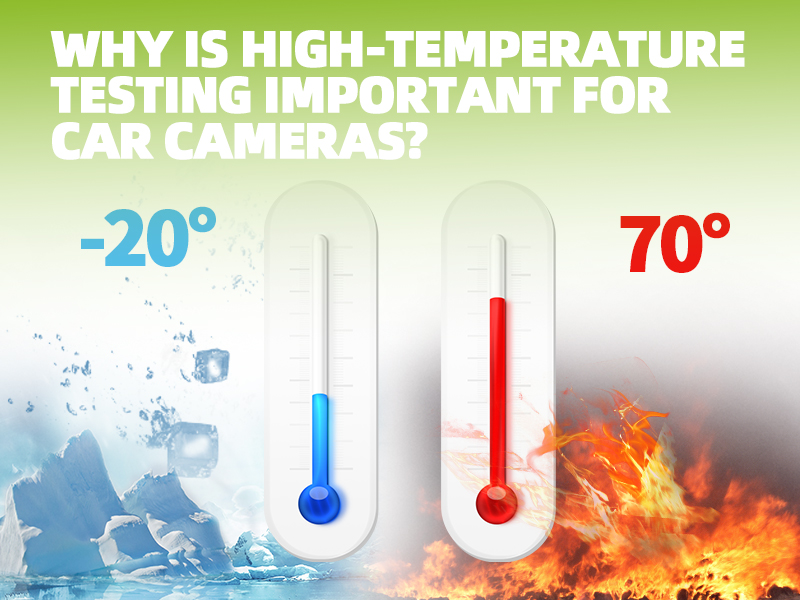
Why is high-temperature testing important for car cameras?缩略图

Mengapa ujian pada suhu tinggi penting untuk kamera kereta?

Introduce

In the modern automotive industry, vehicle cameras have become an indispensable component, particularly in the development of autonomous driving and driver assistance systems. As technology advances, the role of these cameras continues to expand, making their performance crucial. However, vehicles must operate under a variety of climatic conditions, especially in high temperatures. Thus, high-temperature testing becomes a critical step to ensure the durability and reliability of these complex systems. This article will discuss the relevance of high-temperature testing, the potential issues that may arise without it, and how these tests help maintain optimal camera performance in the most adverse conditions.

Why is high-temperature testing important for car cameras?插图

High Temperature Testing and Its Relevance to Automotive Cameras

High-temperature testing is a crucial examination for automobiles and their components, aimed at ensuring reliability and performance of the vehicles in high-temperature environments. Cars must undergo a series of high-temperature tests during design and manufacturing to simulate use in hot climate conditions and to ensure that all parts work properly under extreme temperatures. For vehicle cameras, high-temperature testing is particularly important for several reasons:

1. Reliability of Electronic Components: Vehicle cameras consist of multiple electronic components, including image sensors and processors. High temperatures might affect the functionality of these electronics, leading to failure or decreased performance.

2. Image Quality Maintenance: Under high-temperature conditions, the image quality of cameras must not degrade as it can impact the judgment of assistive driving systems, such as in automatic parking, autonomous driving, or collision prevention systems.

3. Material Aging: Prolonged exposure to high temperatures can lead to changes in material properties of the camera’s housing and lens, such as deformation or fading, which can affect the camera’s durability and imaging results.

4. Performance of Adhesives and Sealants: Cameras may use adhesives and sealants internally to secure components, and these materials could fail at high temperatures, causing structural loosening or moisture ingress inside the camera.

5. Internal Cooling Mechanisms: Some high-end vehicle cameras may be equipped with cooling systems to prevent overheating when operating for extended periods in high temperatures. High-temperature testing can verify the effectiveness of these cooling mechanisms.

6. Software Stability: The camera’s software, including image processing and analysis applications, must also remain stable at high temperatures.

7. Self-Protection Features: Some cameras are designed with overheating protection, reducing power consumption or temporarily shutting down when temperatures are too high to protect internal components. High-temperature testing can ensure these features are reliable.

Potential problems that may arise

If vehicle cameras are not subjected to proper high-temperature testing, they could encounter various potential issues during actual use. These issues could affect the performance of the camera and also negatively impact the overall safety and reliability of the vehicle. Here are some potential problems that may arise:

1. Deterioration in Image Quality

  • The camera’s image sensor may malfunction in high temperatures, leading to image distortion, color deviation, or reduced contrast.
  • Lens materials may deform, resulting in blurred images or inaccurate focusing.

2. Electronic Component Failure

  • High temperatures could lead to premature aging or damage of electronic components within the camera, such as processors overheating or circuit boards expanding.
  • Memory and sensors might fail due to high temperatures, leading to data loss or incorrect information output.

3. Internal Cooling Failure

  • If the camera has a cooling system, an untested camera might not cool effectively under high temperatures, leading to excessively high internal temperatures.

4. Physical Damage

  • The camera casing and internal structure may crack or deform due to the reduced performance of materials at high temperatures.
  • Adhesives and sealants may melt or fail, causing internal components to come loose or allowing moisture to seep in.

5. Reduced Reliability

  • The camera may not maintain stable performance under continuous high temperatures, leading to intermittent failures.
  • Reliability of critical moments, such as automatic emergency braking or lane-keeping assistance, may be reduced, increasing the risk of traffic accidents.

6. Shortened Lifespan

  • The expected lifespan of the camera may be significantly reduced due to long-term exposure to high temperatures without adequate adaptive improvements.

7. Safety Risks

  • If the camera is part of an autonomous driving system, a decline in performance may cause system failures, increasing safety risks.
  • A sudden stop in the camera’s operation under high temperatures may affect vehicle safety systems like parking assistance or blind-spot monitoring.

8. Increased Warranty and Maintenance Costs

  • Cameras that frequently fail under high temperatures could lead to increased warranty claims, raising the manufacturer’s post-sales service costs.
  • For consumers, frequent repairs and replacements could lead to increased ownership costs.

How high-temperature testing ensures vehicle cameras maintain optimal performance even in adverse weather conditions

High-temperature testing is a key process to ensure vehicle cameras maintain optimal performance under harsh weather conditions. These tests simulate the highest temperature environments a vehicle might encounter and assess the durability and functional stability of the cameras under extreme conditions. Here’s how high-temperature testing helps ensure vehicle cameras keep their best performance:

1. Simulation of Actual Conditions

  • High-temperature tests are typically conducted in specially designed chambers that can simulate a range of conditions from direct sunlight to high-temperature storage.
  • Simulation tests include prolonged thermal exposure and rapid temperature changes to assess conditions that cameras may face in actual use.

2. Assessment of Material Performance

  • Tests examine the reaction of various materials used in the camera, including plastics, metals, optical components, and sealants under high temperatures.
  • These tests determine if materials will deform, degrade, or lose their protective properties.

3. Reliability Testing of Electronic Components

  • High-temperature conditions are a significant challenge for electronic components, especially sensors and processors in cameras.
  • High-temperature testing ensures electronic components do not overheat, circuit boards do not expand or crack, and connections remain secure.

4. Optical Performance Evaluation

  • Tests ensure that lenses and sensors do not change optical properties, such as focal length and lens shape, under prolonged high temperatures.
  • Ensures that image quality is unaffected by temperature variations, maintaining clarity and accurate color reproduction.

5. Software and Hardware Functionality Verification

  • Testing includes assessing the stability of the camera’s software and hardware functions, such as whether autofocus and image stabilization work correctly at high temperatures.
  • Ensures all intelligent functions of the camera, like lane tracking and obstacle detection, remain reliable in high-temperature environments.

6. Long-Term Durability and Aging Tests

  • Accelerated aging tests predict performance degradation that cameras might experience in everyday use due to long-term exposure to high temperatures.
  • This helps manufacturers understand when maintenance or replacement might be needed and the expected lifespan of the product.

7. Safety Assurance

  • Since vehicle cameras are often used for critical safety systems, such as Automatic Emergency Braking (AEB) and Lane Keeping Assist Systems (LKAS), high-temperature testing also ensures these systems continue to provide protection in high temperatures.

8. Certification and Compliance

  • High-temperature testing is performed to ensure cameras meet regulations and standards across the globe, which is essential for marketing and using vehicles in different markets.

Kesimpulan

In conclusion, high-temperature testing is essential for the reliability of vehicle cameras in extreme heat. It highlights risks, underlines safety for occupants, and ensures camera performance in all conditions. Such testing is not optional but a vital part of manufacturers’ quality assurance.

Luview offers rear-view safety products and solutions in China, ensuring high-quality and compliance with industry standards. Our advanced technology aims to make your driving experience safer and more enjoyable. For further information or to enhance your vehicle with our camera solutions, reach out to our expert team at sales@luview.com.

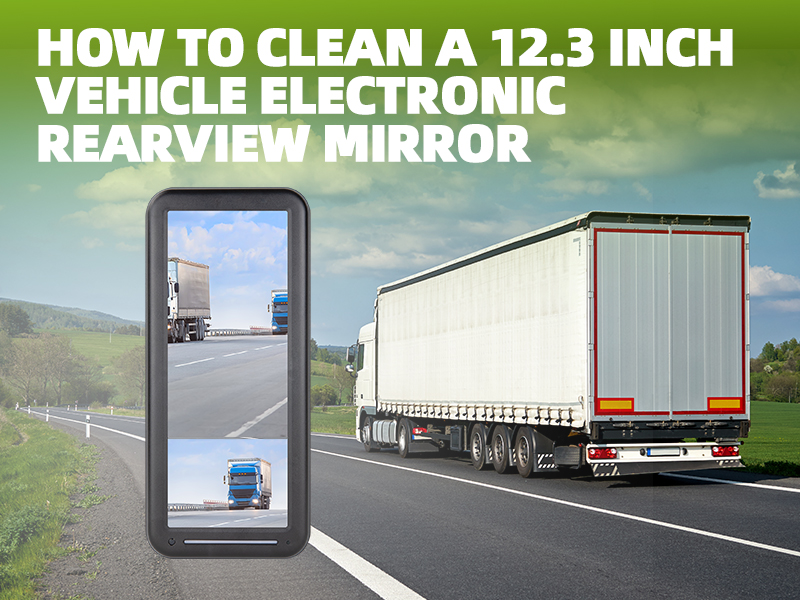
How to Clean a 12.3 Inch Electronic Vehicle Rearview Mirror?缩略图

Bagaimana untuk membersihkan cermin pandang belakang elektronik kenderaan bersaiz 12.3 inci?

Preparing Cleaning Tools and Materials

Cleaning the 12.3 Inch Electronic Rearview Mirror: Required Tools and Materials

How to Clean a 12.3 Inch Electronic Vehicle Rearview Mirror?插图

When cleaning the 12.3 inch electronic rearview mirror, it is crucial to use the correct tools and materials to ensure effective cleaning without causing any damage to the device. Here are some recommended cleaning tools and materials:

  • Cleaning Tools

Microfiber Cloth: Used for wiping the display screen and mirror surface of the electronic rearview mirror, capable of removing stains and fingerprints without scratching the surface.

Soft-Bristled Brush: Can be used to clean dust and dirt from the edges of the electronic rearview mirror and other hard-to-reach places.

Blower Bulb or Compressed Air Can: Used to blow away dust and debris from the mirror surface and device crevices.

  • Cleaning Materials

Cleaning Solution: Designed specifically for electronic equipment, effective at removing stains and fingerprints without damaging the device.

Deionized Water or Distilled Water: If a specialized cleaning solution is unavailable, deionized water or distilled water can be used as an alternative to avoid potential damage from minerals in tap water.

Alcohol: A small amount of alcohol can be used to remove stubborn stains, but ensure that its concentration is moderate, as a high concentration of alcohol could damage the screen’s coating.

Safely Disconnecting Power and Dismantling a 12.3 Inch Electronic Rearview Mirror

Disconnecting the power and dismantling a 12.3-inch electronic rearview mirror is a delicate and potentially dangerous process, especially if you are not familiar with the installation and maintenance of automotive electronics. Before attempting these operations, ensure that you have carefully read and understood the product’s user manual, and follow all safety guidelines. Below are some basic steps designed to help ensure the safety of the process:

Disconnecting Power

  1. Turn Off the Vehicle: Make sure the vehicle is completely turned off, and remove the key from the ignition.
  2. Disconnect the Battery: Carefully disconnect the negative terminal of the vehicle’s battery using the appropriate tool (usually a wrench), to prevent short-circuiting during the dismantling process.

Preparing Tools and Materials

Prepare the necessary tools and materials, such as a screwdriver and plastic pry bar, to safely dismantle the rearview mirror.

Dismantling the Rearview Mirror

  1. Locate Fixing Points: Identify the location of screws or clips that secure the electronic rearview mirror.
  2. Carefully Dismantle: Use the appropriate tools to carefully loosen the fixing points, avoiding excessive force to prevent damage to the device or vehicle interior.
  3. Disconnect Connectors: Once the rearview mirror is loosened, find and carefully disconnect the power and/or data connectors.

Cautions

  • Do Not Force: If you encounter resistance or are unsure how to proceed, stop dismantling and seek professional help.
  • Save All Parts: Save all screws, clips, and other parts during dismantling, for reinstallation.
  • Record Dismantling Process: If possible, take photos of the dismantling process for reference during reinstallation.

Inspect and Clean

After the rearview mirror has been dismantled, check for any potential damage and clean the connection points to ensure there is no dust or corrosion.

Steps to clean a 12.3 inch electronic screen

When cleaning the screen of a 12.3-inch electronic rearview mirror, extra caution is needed to prevent moisture from entering the device, which could cause damage or malfunction. Below is a detailed cleaning procedure to help you safely and efficiently complete this task:

Preparing Cleaning Tools and Materials

  • Microfiber Cloth: For wiping the screen without scratching its surface.
  • Dedicated Electronic Screen Cleaner: Choose a cleaner that does not contain alcohol or ammonia to prevent damage to the screen.
  • Spray Bottle: If the cleaner is not a spray type, a spray bottle is needed to apply the cleaner more evenly.
  • Absorbent Cloth or Paper Towel: For absorbing excess moisture and cleaner.

Turning Off and Disconnecting Power

Before starting to clean, ensure the device is turned off and disconnected from the power source to prevent short-circuiting due to moisture ingress.

Cleaning the Screen

  • Apply Cleaner: Spray the cleaner onto the microfiber cloth, not directly onto the screen, to prevent liquid from seeping into the edges of the screen or inside the device.
  • Gently Wipe: Gently wipe the screen with the microfiber cloth, moving from one side of the screen to the other, using straight line motions instead of circular motions.
  • Pay Attention to Edges: Be especially careful when cleaning the edges of the screen to ensure that no cleaner or moisture seeps inside the device.

Removing Excess Moisture and Cleaner

Use a dry microfiber cloth or absorbent cloth to gently wipe away any excess moisture and cleaner from the screen.

Checking the Screen

After the cleaning process is finished, carefully inspect the screen to ensure that no streaks or stains have been left behind. If necessary, gently wipe again with a clean microfiber cloth.

Reconnecting Power and Turning On the Device

Once the screen is completely dry, reconnect the power and turn on the device to check that the screen display is functioning normally.

Kesimpulan

When maintaining and cleaning the 12.3 inch electronic rearview mirror, it is crucial to follow the correct cleaning procedures and use the appropriate cleaning tools and materials. This not only ensures that your device remains in optimal condition, providing a clear and accurate view, but also prolongs the life of the device, ensuring your driving safety.

Choose Luview for the assurance of safety and quality. We offer a variety of sizes and functionalities in our car electronic rearview mirrors to meet the diverse needs of our customers. If you are in search of high-quality, reliable vehicle rearview products, Luview is your ideal choice. Please contact us at sales@luview.com to learn more details and start our cooperation, ensuring your driving experience is both safe and enjoyable.

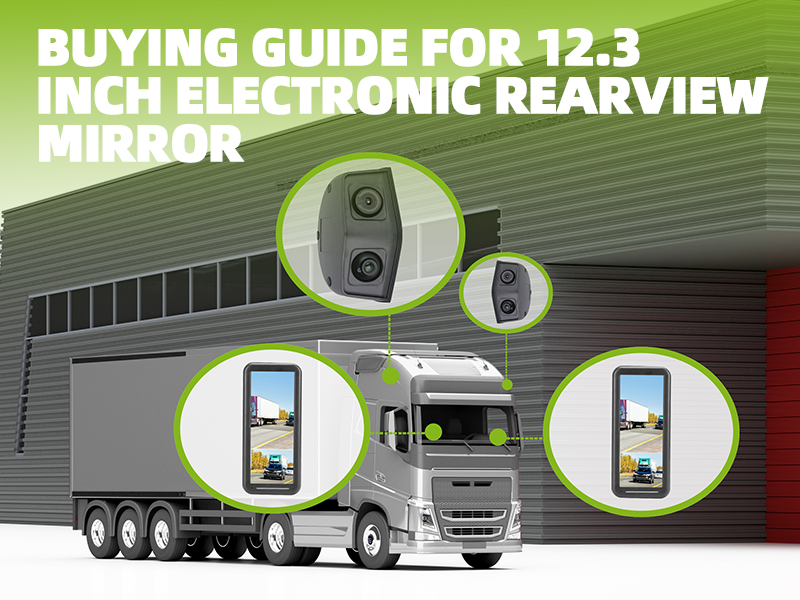
Buying Guide for 12.3 Inch Electronic Rearview Mirror缩略图

Panduan Membeli Cermin Belakang Elektronik 12.3 Inci

Electronic rearview mirrors, utilizing high-definition cameras and display screens, provide drivers with a broader and clearer view compared to traditional rearview mirrors. They not only offer an enhanced field of vision but also integrate advanced safety features such as night vision, blind spot detection, and lane departure warnings, making electronic rearview mirrors a crucial tool for increasing driving safety.

The purpose of this article is to present a comprehensive guide for readers, helping them to understand the advantages of 12.3-inch electronic rearview mirrors and how to select the product that best suits their needs. By offering detailed information and practical advice, we hope to empower readers to make informed decisions and maximize the benefits from their investment.

Buying Guide for 12.3 Inch Electronic Rearview Mirror插图

What is a 12.3-Inch Vehicle Electronic Rearview Mirror?

A 12.3-inch car electronic rearview mirror refers to vehicle electronic rearview system with a screen size of 12.3 inches. This system utilizes cameras to capture the scenes behind the vehicle and displays them in real-time on a large screen to the driver. The 12.3-inch display provides ample visibility, ensuring that drivers can clearly see what is happening behind their vehicle.

Comparison Between 12.3-Inch Vehicle Electronic Rearview Mirrors and Traditional Car Rearview Mirrors

1. Design

  • Electronic Rearview Mirror: Usually features a streamlined design with a large display screen and high-definition cameras, making the system more modern and high-tech.
  • Traditional Rearview Mirror: Has a relatively simple design, typically a reflective surface that reflects the rear view through physical means.

2. Functions

  • Electronic Rearview Mirror:
    • Provides a broader field of view, reducing blind spots.
    • Offers high-definition display and night vision capabilities, ensuring clear views even in poor lighting conditions.
    • Features auto-dimming to reduce glare from headlights of vehicles behind.
    • May include additional advanced features such as a driving recorder, GPS, etc.
  • Traditional Rearview Mirror:
    • Basic reflective function, with the field of view limited by the vehicle’s structure.
    • Visibility may be affected at night or in adverse weather conditions.

3. Installation and Maintenance

  • Electronic Rearview Mirror: Installation may be relatively complex, requiring professional assistance. Repair costs could be high if issues arise.
  • Traditional Rearview Mirror: Easy to install with low maintenance costs.

4. Price

  • Electronic Rearview Mirror: Significantly more expensive than traditional mirrors, representing a considerable investment.
  • Traditional Rearview Mirror: More affordable, providing a cost-effective option.

12.3-inch vehicle electronic rearview mirrors offer numerous advantages and advanced features not found in traditional rearview mirrors, especially in terms of enhancing driving safety and comfort. However, these benefits come at a higher cost and potential maintenance expenses. Drivers should carefully weigh their needs and budget when making a choice. If you are looking for a high-performance, multifunctional rearview mirror solution and have the budget for it, a 12.3-inch vehicle electronic rearview mirror is an excellent option. For those with limited budgets or lesser needs for advanced features, traditional rearview mirrors remain a reliable and economical choice.

Finding a Reliable Factory for Car Electronic Rearview Mirrors

Finding a reliable factory for car electronic rearview mirrors is a crucial yet potentially complex process. Here are some guiding steps and suggestions to help you find a trustworthy supplier:

1. Conduct Market Research

Start with comprehensive market research to understand the different brands and models of electronic rearview mirrors, as well as their reviews and market share.

2. Check Factory Credentials

Verify that the factory has the necessary production permits and certifications to ensure that their products meet international and local quality and safety standards.

3. Look for Reviews and Recommendations

Search for customer reviews and recommendations of the factory, getting an idea of their production capacity, delivery times, quality of service, and more.

4. Visit the Factory if Possible

If it’s feasible, visit the factory to directly observe the production process and quality control measures, giving you a first-hand look at how they operate.

5. Negotiation and Contract Signing

Engage in detailed communication with the factory to understand their pricing, payment terms, minimum order quantities, and other pertinent details. Once an agreement is reached, formalize the arrangement with a signed contract.

6. Sample Inspection

Before placing a bulk order, request or purchase a sample to personally inspect its quality, functionality, and other aspects to ensure it meets your requirements.

Kesimpulan

In today’s rapidly evolving automotive industry, car electronic rearview mirrors have become essential devices for enhancing driving safety and convenience. The 12.3-inch large screen provides a clearer and broader view, aiding drivers in better understanding their vehicle’s surroundings, reducing blind spots, and enhancing road safety.

Selecting the right electronic rearview mirror and sourcing it from a reliable factory is crucial. This is vital not just for the product’s quality and performance but also for the safety of you and your passengers.

“Luview is a professional manufacturer and solutions provider of rearview safety products from China. If you are in search of high-quality electronic rearview mirrors, we are the supplier you’re looking for. We offer a variety of car electronic rearview mirrors in different sizes and functions to meet the diverse needs of our customers. Please contact sales@luview.com for more details and to start our cooperation.”

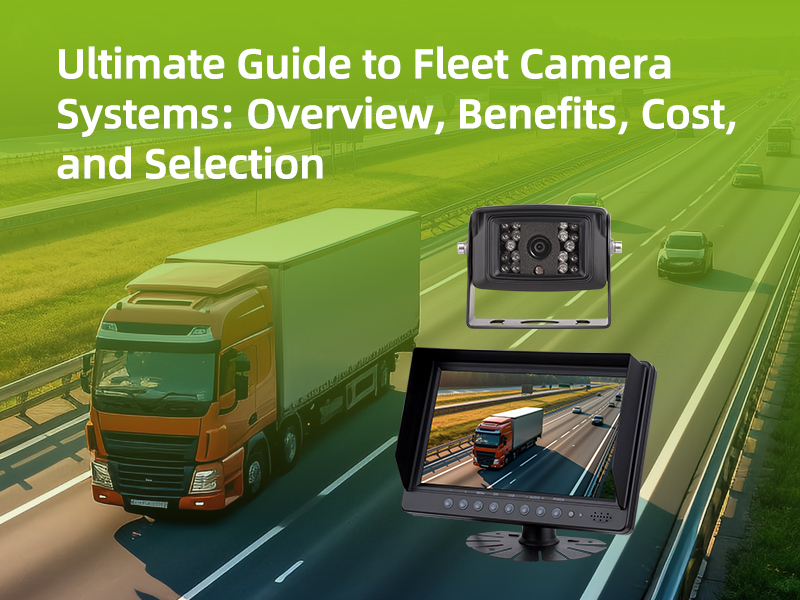
Ultimate Guide to Fleet Camera Systems: Overview, Benefits, Cost, and Selection缩略图

Panduan Muktamad Sistem Kamera Armada: Gambaran Keseluruhan, Manfaat, Kos, dan Pemilihan

Fleet camera systems are increasingly becoming an essential tool for fleet management. This comprehensive guide offers insights into what they are, their benefits, legality, and more. Additionally, we’ll explore the cost considerations, how to select the right system, and installation pointers. Let’s delve in.

Ultimate Guide to Fleet Camera Systems: Overview, Benefits, Cost, and Selection插图

What is a Fleet Camera System?

A fleet camera system is a comprehensive set-up of cameras, usually both on the exterior and interior of vehicles, which helps fleet managers monitor and manage their vehicles efficiently. These systems are integrated with technology to record real-time data, providing valuable insights for fleet operations.

How Do Fleet Camera Systems Work?

These systems utilize a combination of hardware (cameras) and software (data management platforms). The cameras continuously capture footage while the vehicle is operational. This data is either stored locally or transmitted to a centralized system where fleet managers can review it. Advanced systems may also offer features like real-time monitoring, geo-fencing, and alerts for specific events like harsh braking.

Benefits of Using Fleet Camera Systems

  • Safety Improvements: By monitoring driver behavior, managers can offer feedback to ensure safer driving habits.
  • Evidence in Disputes: In the event of accidents, camera footage can serve as evidence, clarifying the situation.
  • Operational Efficiency: Fleet managers can optimize routes and address maintenance issues promptly.
  • Improved Customer Service: Managers can provide accurate delivery updates to customers based on real-time data.

Are Fleet Camera Systems Legal?

The legality of fleet camera systems varies by region. Generally, in many countries, they’re legal provided that drivers and passengers are informed of the monitoring. It’s crucial to ensure that any camera installations adhere to local privacy laws and regulations.

Do Fleet Camera Systems Reduce Insurance Costs?

Yes, many insurance providers offer reduced premiums for fleets equipped with camera systems. These systems can help prove fault in accidents, leading to quicker claim resolutions. Moreover, they emphasize the fleet’s commitment to safety, making them a lower risk in the eyes of insurers.

Top Fleet Camera System Brands

  • Luview: A professional fleet camera and fleet camera system manufacturer from China. Visit Luview untuk maklumat lanjut.
  • Rearview Safety: Known for its robust range of safety solutions, Rearview Safety has made a mark in the industry. Check them out.
  • Fleetcam: Specializing in advanced fleet monitoring, Fleetcam offers cutting-edge technology. Explore Fleetcam.

Cost of a Fleet Camera System

The cost varies based on features, brand, and installation needs. Basic systems can start at a few hundred dollars per vehicle, while advanced setups with real-time monitoring can cost significantly more. It’s essential to consider both initial investment and potential long-term savings (like reduced insurance premiums) when evaluating cost.

How to Choose the Right Fleet Camera

When selecting a system:

  • Evaluate Your Needs: Consider the size of your fleet, routes, and specific challenges.
  • Research Brands: Brands like Luview offer a range of products tailored to different fleet needs.
  • Check Features: Ensure the system provides real-time monitoring, storage options, and good camera resolution.
  • Seek Recommendations: Consult other fleet managers or industry peers for their insights.

For those seeking a reliable fleet camera system supplier, Luview stands out. Don’t hesitate to contact us untuk maklumat lanjut.

How to Install a Fleet Camera System

Installation varies based on the system. However, here are general steps:

  1. Choose the Camera Placement: Common areas include the dashboard, rear, and sides of the vehicle.
  2. Mount the Cameras: Use the provided mounts and ensure they’re securely attached.
  3. Connect to Power Source: Typically, cameras connect to the vehicle’s electrical system.
  4. Set Up Data Storage/Transmission: Depending on the system, set up local storage or cloud-based transmission.
  5. Test the System: Before deploying the vehicle, ensure cameras are functioning and data is accessible.

In conclusion, fleet camera systems have revolutionized fleet management, offering enhanced safety, operational efficiency, and potential cost savings. By selecting the right system and ensuring proper installation, fleet managers can make a significant positive impact on their operations.

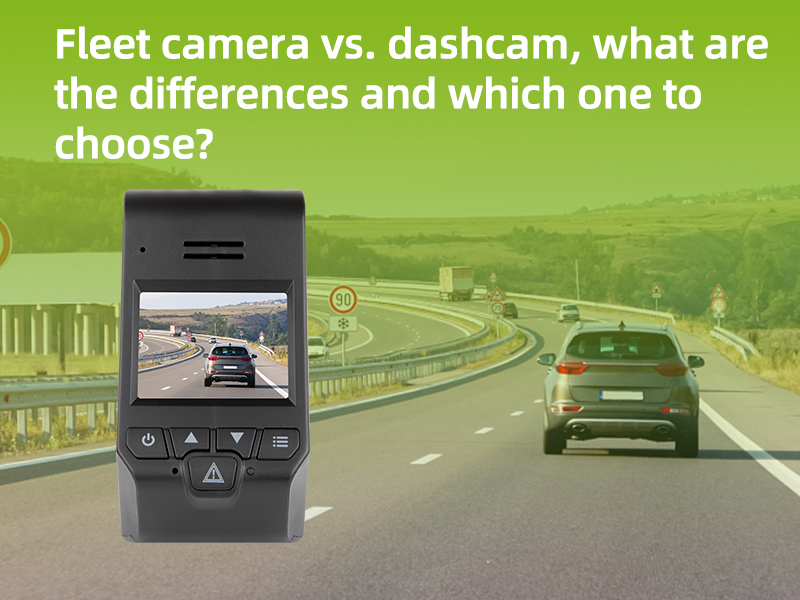
Fleet camera vs. dashcam, what are the differences and which one to choose?缩略图

Kamera fleet vs dashcam, apakah perbezaannya dan yang mana satu hendak dipilih?

Dalam dunia yang berkembang pesat hari ini, kepentingan kamera kenderaan tidak boleh dipandang enteng. Dengan peningkatan trafik jalan raya dan risiko semula jadi yang berkaitan dengannya, keselamatan dan akauntabiliti menjadi perkara utama. Kamera kenderaan memainkan peranan penting dalam senario ini, menawarkan pelbagai manfaat daripada merakam bukti penting sekiranya berlaku kemalangan, hingga membantu pengurusan armada yang lebih baik.

Terdapat beberapa jenis kamera kenderaan di pasaran, setiap satu direka untuk memenuhi keperluan tertentu. Antara jenis-jenis ini, dua menonjol kerana populariti dan penggunaan meluasnya: kamera armada dan dashcam. Walaupun kedua-duanya berfungsi untuk merakam rakaman video daripada kenderaan, mereka disasarkan kepada khalayak berbeza dan mempunyai fungsi tersendiri. Dalam artikel ini, kita akan meneliti dengan lebih mendalam ciri-ciri kedua-dua jenis ini dan menjelaskan perbezaannya.

Fleet camera vs. dashcam, what are the differences and which one to choose?插图

Apakah kamera armada?

Definisi dan Tujuan Utama

Kamera armada, yang sering dirujuk sebagai kamera pengurusan armada, adalah sejenis peranti rakaman video khusus yang direka terutamanya untuk kenderaan yang merupakan sebahagian daripada armada komersial. Tujuan utamanya bukan sahaja untuk merakam rakaman, tetapi juga untuk membantu pengurus armada memantau, menjejak, dan memastikan keselamatan kenderaan serta pemandu mereka. Kamera ini menawarkan lapisan pengawasan tambahan, membantu perniagaan mengurangkan liabiliti, mengekalkan pematuhan, dan meningkatkan prestasi keseluruhan armada.

Ciri-ciri Utama Kamera Armada

  • GPS terbina dalam: Kebanyakan kamera armada dilengkapi dengan sistem GPS terbina dalam, membolehkan pengurus armada menjejaki lokasi setiap kenderaan secara masa nyata.
  • Rakaman Saluran Pelbagai: Berbeza dengan dashcam biasa, kamera armada sering mempunyai keupayaan untuk merakam pelbagai pandangan serentak. Ini termasuk pandangan hadapan, belakang, kabin, dan kadangkala juga pandangan sisi.
  • Simpanan Awan & Penstriman Masa Sebenar: Banyak kamera armada canggih menawarkan penyelesaian storan awan, memastikan rakaman disimpan dengan selamat dan boleh diakses dari jauh. Sesetengahnya malah membolehkan penstriman secara langsung, membolehkan pengurus memantau situasi semasa ia berlaku.
  • Pemantauan Tingkah Laku Pemandu: Dengan integrasi sensor canggih, kamera armada boleh mengesan dan memberi amaran terhadap tingkah laku seperti brek mengejut, pecutan pantas, atau selekoh tajam, memastikan pematuhan dan keselamatan pemandu.
  • Reka Bentuk Kalis Pengacauan: Memandangkan kegunaan komersial dan keperluan pengawasan tanpa henti, kamera-kamera ini direka supaya kalis pengutaraan, menghalang akses atau pengutaraan tanpa kebenaran.

Penggunaan dan Industri Umum yang Berfaedah daripada Kamera Armada

  1. Logistik dan Pengangkutan: Syarikat yang terlibat dalam pengangkutan barangan sering menggunakan kamera armada untuk memantau kenderaan mereka, memastikan penghantaran tepat pada masanya dan transit yang selamat.
  2. Pengangkutan Awam: Bas, trem, dan pengangkutan awam lain menggunakan kamera armada untuk memastikan keselamatan penumpang dan memantau tingkah laku pemandu.
  3. Perkhidmatan Penyewaan dan Perkongsian Kereta: Perniagaan-perniagaan ini memasang kamera armada untuk memantau keadaan kenderaan mereka, menjejaki penggunaan, dan melindungi daripada kemungkinan penyalahgunaan atau kerosakan.
  4. Perkhidmatan Kecemasan: Ambulans, trak bomba, dan kenderaan polis menggunakan kamera armada untuk mendokumentasikan insiden, memastikan pematuhan, dan sebagai alat untuk latihan dan semakan.
  5. Pembinaan dan Mesin Berat: Dalam industri di mana mesin berat seperti lori dump atau ekskavator digunakan, kamera armada membantu memantau operasi, memastikan protokol keselamatan dipatuhi, dan melindungi daripada liabiliti yang berpotensi.

Pada dasarnya, mana-mana industri yang sangat bergantung kepada operasi kenderaan dan ingin meningkatkan keselamatan, pematuhan, dan kecekapan boleh mendapat manfaat besar daripada penggunaan kamera armada.

Apakah Dashcam?

Definisi dan Tujuan Utama

Dashcam, singkatan bagi kamera papan pemuka, ialah peranti rakaman video kompak yang dipasang pada papan pemuka atau cermin depan kenderaan. Ia direka terutamanya untuk merakam rakaman video berterusan jalan di hadapan, berfungsi sebagai saksi senyap kepada sebarang insiden yang mungkin berlaku semasa memandu. Tujuan utama dashcam adalah untuk menyediakan bukti objektif sekiranya berlaku kemalangan jalan raya, pelanggaran trafik, atau sebarang kejadian tidak dijangka, memastikan kebenaran sentiasa direkodkan.

Ciri-ciri Utama Kamera Dashcam

  • Rakaman Gelung Berterusan: Dashcam direka untuk merakam rakaman secara berterusan. Setelah ruang simpanan penuh, rakaman tertua akan digantikan oleh rakaman terbaru, memastikan bahawa peristiwa terkini sentiasa dirakam.
  • Pengesanan Insiden Automatik: Banyak dashcam dilengkapi sensor yang mengesan perubahan gerakan secara tiba-tiba atau hentakan. Apabila sesuatu insiden dikesan, dashcam secara automatik menyimpan dan mengunci rakaman berkaitan insiden tersebut, mengelakkan ia ditimpa.
  • Lensa sudut lebar: Untuk merakam pandangan luas jalan yang ada di hadapan, dashcam biasanya menggunakan lensa sudut lebar, yang menawarkan pandangan panoramik persekitaran.
  • Penglihatan Malam: Memandangkan banyak insiden boleh berlaku dalam keadaan cahaya rendah atau pada waktu malam, dashcam moden sering dilengkapi dengan keupayaan penglihatan malam yang dipertingkatkan, memastikan kejelasan walaupun dalam kegelapan.
  • Mod Parkir: Sesetengah dashcam mempunyai mod parkir, yang mengaktifkan kamera apabila kenderaan berhenti. Ini boleh berguna untuk merakam kejadian seperti langgar lari atau vandalisme semasa kereta diparkir.

Kegunaan dan Senario Umum di Mana Dashcam Bermanfaat

  1. Bukti Kemalangan: Penggunaan paling biasa, dashcam menyediakan bukti yang tidak dapat disangkal sekiranya berlaku kemalangan, menjelaskan siapa yang bersalah.
  2. Perlindungan Terhadap Penipuan: Terdapat kes di mana individu sengaja menyebabkan kemalangan untuk menuntut insurans. Kamera dashboard boleh merakam tindakan penipuan sedemikian, melindungi pihak yang tidak bersalah.
  3. Pemantauan Tingkah Laku Memandu: Ibu bapa atau pemilik kereta boleh menggunakan dashcam untuk memantau tabiat memandu remaja atau penyewa mereka, memastikan keselamatan dan pematuhan kepada peraturan jalan raya.
  4. Merekod Kejadian Tidak Dijangka: Dari penampakan meteor hingga kemunculan hidupan liar yang jarang ditemui, dashcam telah merakam pelbagai kejadian tidak dijangka dan sering tular, menyediakan rakaman unik yang boleh dikongsi dan dihargai.
  5. Potongan Insurans: Sesetengah syarikat insurans menawarkan diskaun kepada pemandu yang memasang kamera papan pemuka, mengiktiraf peranan yang dimainkan dalam mempromosikan pemanduan yang lebih selamat dan menyediakan bukti yang jelas sekiranya berlaku insiden.

Secara ringkas, dashcam telah menjadi alat yang tidak dapat digantikan bagi ramai pemandu, menawarkan ketenangan fikiran, keselamatan, dan sering kali juga penjimatan kewangan.

Perbezaan Utama Antara Kamera Armada dan Dashcam

Memahami perbezaan antara kamera armada dan dashcam adalah penting bagi perniagaan dan individu. Kedua-duanya mempunyai tujuan unik dan menawarkan ciri tersendiri yang memenuhi keperluan khalayak sasaran masing-masing. Berikut adalah perincian perbezaan utama mereka:

Perbezaan Fungsional

  • Penyepaduan dengan Sistem:
    • Kamera Armada: Ini sering kali berkait rapat dengan sistem pengurusan armada. Integrasi ini membolehkan pengurus memantau lokasi kenderaan, tingkah laku pemanduan, malah keperluan penyelenggaraan secara masa nyata. Kamera armada menyediakan gambaran menyeluruh tentang operasi keseluruhan armada, memastikan fungsi yang lancar dan cekap.
    • Dashcam: Direka untuk kegunaan individu, dashcam terutamanya memfokuskan pada merakam rakaman jalan raya dan persekitaran terdekat. Ia tidak mempunyai ciri integrasi armada yang lebih meluas, berfungsi terutamanya sebagai saksi objektif bagi insiden di jalan raya.

Perbezaan Teknologi

  • Keupayaan Penyimpanan Video:
    • Kamera Armada: Memandangkan aspek komersial, kamera-kamera ini sering mempunyai kapasiti penyimpanan yang lebih besar dan mungkin dilengkapi dengan penyelesaian penyimpanan awan. Ini memastikan rakaman boleh disimpan untuk tempoh yang lebih lama dan boleh diakses dari jauh oleh pengurus armada.
    • Dashcam: Biasanya, dashcam bergantung pada rakaman gelung, di mana rakaman lama akan digantikan oleh rakaman baru apabila ruang simpanan penuh. Sesetengah model canggih mungkin menawarkan simpanan awan, tetapi ia kurang biasa berbanding kamera armada.
  • Penyepaduan dengan Sistem Lain:
    • Kamera Armada: Selain sistem pengurusan armada, kamera-kamera ini juga boleh diintegrasikan dengan sistem perusahaan lain, seperti penjejakan penyelenggaraan, penjadualan, atau sistem pengurusan pelanggan.
    • Dashcam: Mereka adalah peranti berdiri sendiri dengan keupayaan integrasi yang terhad. Sesetengah model lanjutan mungkin menyegerakkan dengan aplikasi mudah alih untuk memudahkan capaian dan perkongsian rakaman, tetapi integrasi biasanya berhenti di situ.
  • Kualiti Kamera dan Resolusi:
    • Kamera Armada: Memandangkan keperluan komersial, kamera-kamera ini mungkin menawarkan resolusi yang lebih tinggi dan beberapa siaran kamera (depan, kabin, belakang, sisi). Penekanan adalah pada liputan menyeluruh dan kejelasan.
    • Dashcam: Peranti ini menawarkan rakaman berkualiti baik, terutamanya model premium. Walau bagaimanapun, kebanyakan dashcam memfokuskan pada pandangan hadapan, dengan beberapa model menawarkan pandangan belakang atau kabin sebagai ciri tambahan.

Perbezaan Penggunaan dan Penyebaran

  • Penggunaan Komersial vs. Individu:
    • Kamera Armada: Seperti namanya, ia kebanyakannya digunakan oleh armada komersial. Ini termasuk syarikat pengangkutan, sistem pengangkutan awam, perkhidmatan kecemasan, dan lain-lain.
    • Dashcam: Mereka direka terutamanya untuk pemandu persendirian. Sama ada untuk perjalanan harian, pemanduan jarak jauh, atau pemandu perkongsian perjalanan, dashcam memenuhi keperluan pemilik kenderaan peribadi yang mencari lapisan keselamatan dan bukti tambahan.

Kelebihan Menggunakan Kamera Armada

Dalam industri pengangkutan dan logistik moden, kelebihan menggunakan kamera armada jauh melangkaui sekadar pengawasan. Ia menyediakan pelbagai manfaat yang meningkatkan operasi, keselamatan, dan keuntungan. Berikut adalah gambaran menyeluruh mengenai kelebihan menggunakan kamera armada:

Pengurusan Armada yang Ditingkatkan

  • Pemantauan Masa Sebenar: Dengan kamera armada yang disepadukan dengan sistem GPS, pengurus armada dapat memantau kenderaan secara masa nyata. Ini membolehkan mereka membuat keputusan yang tepat mengenai laluan, bertindak pantas terhadap insiden yang tidak dijangka, dan mengurus pengagihan armada dengan berkesan.
  • Penghantaran cekap: Dengan mengetahui lokasi tepat dan status setiap kenderaan, penyampai boleh membuat keputusan berasaskan data kenderaan mana yang akan dihantar untuk sesuatu tugasan, mengurangkan masa tindak balas dan meningkatkan kepuasan pelanggan.
  • Amaran Penyelenggaraan: Sesetengah sistem kamera armada canggih juga boleh memberikan amaran berkaitan penyelenggaraan kenderaan, memastikan kenderaan kekal dalam keadaan optimum dan mengurangkan risiko kerosakan.

Keselamatan yang dipertingkatkan untuk pemandu dan kargo

  • Pemantauan Tingkah Laku: Kamera kenderaan boleh mengesan tingkah laku pemanduan yang berpotensi berbahaya, seperti brek mengejut atau pecutan pantas. Ini membolehkan pengurus menangani tingkah laku ini melalui latihan atau intervensi lain, memastikan jalan raya yang lebih selamat untuk semua.
  • Keselamatan Kargo: Bagi armada yang mengangkut barangan berharga, kamera menawarkan lapisan keselamatan tambahan, menghalang kecurian berpotensi dan memastikan keselamatan kargo.
  • Pengumpulan Bukti: Sekiranya berlaku kemalangan atau pertikaian, rakaman daripada kamera armada menyediakan bukti yang tidak dapat disangkal, memastikan keadilan ditegakkan.

Pemantauan dan Pelaporan yang Lebih Mudah untuk Pengurus Armada

  • Pelaporan Automatik: Banyak sistem kamera armada dilengkapi dengan ciri pelaporan automatik. Ciri-ciri ini boleh menjana pandangan mengenai prestasi armada, tingkah laku pemandu, penggunaan bahan api, dan banyak lagi, semua data berharga untuk meningkatkan operasi.
  • Semakan Insiden: Pengurus armada boleh menyemak rakaman untuk menganalisis insiden, membantu dalam latihan pemandu, memahami kesesakan, dan meningkatkan perancangan laluan.
  • Pematuhan Peraturan: Dalam beberapa industri, terdapat keperluan peraturan untuk memantau dan merekod operasi armada. Kamera armada memudahkan pematuhan dan menyediakan dokumentasi yang diperlukan apabila diperlukan.

Manfaat Insurans yang Mungkin

  • Premium yang dikurangkan: Banyak penyedia insurans menawarkan premium yang dikurangkan untuk armada yang dilengkapi dengan kamera, kerana mereka mengiktiraf keselamatan dan akauntabiliti tambahan yang disediakan.
  • Penyelesaian Tuntutan: Sekiranya berlaku kemalangan atau kerosakan, mempunyai bukti video boleh mempercepat proses penyelesaian tuntutan, memastikan penyelesaian yang lebih pantas dan mengurangkan masa henti.

Menggunakan kamera armada menyediakan pendekatan pelbagai aspek untuk mengurus, memantau, dan menyelenggara armada. Daripada keselamatan hingga kecekapan, manfaatnya jelas, menjadikannya alat yang tidak tergantikan bagi operasi armada moden.

Kelebihan Menggunakan Dashcam

Penggunaan dashcam oleh pemandu individu telah menyaksikan peningkatan ketara dalam beberapa tahun kebelakangan ini. Sebab-sebabnya adalah pelbagai, daripada keselamatan peribadi hingga potensi manfaat kewangan. Berikut adalah penerokaan terperinci mengenai kelebihan menggunakan dashcam:

Bukti dalam kes kemalangan atau pertikaian

  • Saksi Objektif: Dashcam berfungsi sebagai pemerhati tidak memihak, merakam peristiwa dengan tepat seperti ia berlaku. Sekiranya berlaku kemalangan yang tidak diingini, rakaman tersebut dapat menunjukkan dengan jelas apa yang berlaku, membantu menentukan pihak yang bersalah dan melindungi pihak yang tidak bersalah.
  • Perlindungan Terhadap Penipuan: Terdapat kes kemalangan yang diatur atau tuntutan palsu yang direka untuk memeras wang atau manfaat. Kamera dashcam boleh merakam tindakan penipuan sedemikian, melindungi pemandu daripada potensi penipuan.

Keselamatan dipertingkatkan untuk pemandu individu

  • Analisis Tingkah Laku Memandu: Walaupun terutamanya digunakan untuk merakam peristiwa luaran, dashcam juga boleh membantu pemandu menilai sendiri tabiat pemanduan mereka. Menyemak rakaman boleh menonjolkan bidang yang perlu diperbaiki, sekali gus membawa kepada amalan pemanduan yang lebih selamat.
  • Memandu Malam: Dashcam canggih dengan keupayaan penglihatan malam memastikan setiap kejadian dirakam dengan jelas walaupun dalam keadaan cahaya rendah, memberikan perlindungan semasa memandu pada waktu malam.
  • Ciri-ciri Kecemasan: Sesetengah dashcam dilengkapi ciri SOS kecemasan, yang boleh secara automatik memaklumkan perkhidmatan kecemasan sekiranya berlaku perlanggaran teruk.

Potongan Insurans yang Mungkin

  • Pengurangan Premium: Mengiktiraf manfaat keselamatan dan peranan dashcam dalam menyediakan bukti yang jelas, sesetengah syarikat insurans menawarkan diskaun kepada pemandu yang memasangnya. Ini bukan sahaja meningkatkan keselamatan tetapi juga membawa kepada penjimatan berpotensi.
  • Pemprosesan Tuntutan Lebih Cepat: Sekiranya berlaku kemalangan, mempunyai bukti video yang jelas boleh mempercepat proses penyelesaian tuntutan, memastikan pemandu tidak perlu menghadapi pertikaian atau kelewatan yang berpanjangan.

Pemantauan Kenderaan Diparkir dan Ciri-ciri Anti-Curi

  • Mod Parkir: Sesetengah dashcam menawarkan mod parkir, yang diaktifkan apabila kenderaan berhenti. Ini boleh merakam kejadian seperti langgar lari atau vandalisme, menyediakan bukti dan keselamatan walaupun pemandu berada jauh dari kenderaan.
  • Penghalang kecurian: Hanya kehadiran dashcam boleh menjadi penghalang kepada pencuri atau perosak berpotensi, menambah lapisan keselamatan tambahan pada kenderaan.
  • Amaran Jauh: Dashcam canggih boleh menghantar amaran masa nyata ke telefon pintar pemilik jika kenderaan dicurangi atau jika insiden dikesan semasa diparkir.

Pada dasarnya, dashcam menawarkan pelbagai manfaat, daripada melindungi daripada kejadian tidak dijangka di jalan raya hingga memastikan ketenangan fikiran apabila kenderaan diparkir. Kelebihan-kelebihan ini menekankan sebab di sebalik populariti mereka yang semakin meningkat di kalangan pemandu di seluruh dunia.

Memilih kamera yang tepat untuk keperluan anda

Dalam dunia yang sarat dengan kemajuan teknologi, memilih kamera yang tepat untuk keperluan kenderaan anda boleh kelihatan mencabar. Walau bagaimanapun, pendekatan sistematik boleh mempermudah proses membuat keputusan. Berikut adalah panduan untuk membantu anda memilih kamera yang tepat berdasarkan keperluan khusus anda:

Faktor-faktor yang perlu dipertimbangkan

Tujuan: Armada Komersial atau Penggunaan Individu?

  • Kumpulan Komersial: Jika anda menguruskan armada kenderaan, keperluan anda akan terarah kepada kamera armada. Kamera ini memberikan gambaran menyeluruh tentang operasi anda, membantu pemantauan masa nyata, analisis tingkah laku pemandu, dan integrasi dengan sistem pengurusan armada.
  • Penggunaan Individu: Bagi kenderaan peribadi atau pemandu individu, dashcam lebih sesuai. Tumpuan utamanya ialah merakam kejadian di jalan raya, melindungi daripada kemungkinan kemalangan, dan mungkin juga memperoleh diskaun insurans.

Pertimbangan Belanjawan

  • Julat Pilihan: Kedua-dua kamera armada dan dashcam hadir dalam pelbagai julat harga. Menetapkan bajet boleh membantu menyempitkan pilihan dan memastikan anda mendapat nilai terbaik untuk wang anda.
  • Jumlah Kos Pemilikan: Selain harga pembelian awal, pertimbangkan kos berkaitan pemasangan, penyelenggaraan, yuran penyimpanan awan yang berpotensi, dan sebarang perkhidmatan langganan jika berkenaan.

Keperluan Teknikal

  • Resolusi dan Kualiti: Bergantung pada keperluan anda, anda mungkin mahukan kamera dengan keupayaan rakaman definisi tinggi. Bagi armada komersial, rakaman yang jelas boleh menjadi sangat penting, terutamanya jika rakaman itu digunakan untuk bukti atau latihan.
  • Kapasiti Penyimpanan: Walaupun kebanyakan kamera menggunakan rakaman gelung, tempoh sebelum rakaman lama digantikan berbeza-beza. Pertimbangkan berapa lama anda perlu menyimpan rakaman dan pilih model dengan kapasiti storan yang sesuai.
  • Ciri Tambahan: Penglihatan malam, mod parkir, lensa sudut lebar, dan sensor canggih mungkin merupakan ciri-ciri yang perlu anda cari berdasarkan keperluan khusus anda.

Keperluan Integrasi dengan Sistem Lain

  • Sistem Pengurusan Armada: Bagi pengendali armada komersial, integrasi dengan sistem pengurusan armada sedia ada atau sistem perusahaan adalah penting. Pastikan sistem kamera serasi atau menawarkan API untuk integrasi yang lancar.
  • Aplikasi Mudah Alih dan Amaran: Pengguna individu mungkin lebih suka dashcam yang disepadukan dengan aplikasi mudah alih, membolehkan akses mudah, perkongsian, dan amaran masa nyata.
  • Kebolehhubungan: Sesetengah model lanjutan menawarkan sambungan Wi-Fi atau selular, membolehkan akses jauh kepada siaran kamera atau storan awan. Pertimbangkan sama ada ini adalah ciri yang anda perlukan.

Secara ringkas, memilih kamera yang tepat bergantung kepada pemahaman keperluan khusus anda dan menyelarasnya dengan ciri serta keupayaan pilihan yang ada. Sama ada untuk operasi komersial atau perlindungan peribadi, meluangkan masa untuk membuat penyelidikan akan memastikan anda membuat keputusan yang bermaklumat.

Masa Depan Kamera Kenderaan

Kamera kenderaan, sama ada kamera armada dan dashcam, telah menyaksikan evolusi yang luar biasa dalam beberapa tahun kebelakangan ini. Apabila teknologi terus maju pada kadar yang belum pernah terjadi sebelum ini, generasi seterusnya kamera kenderaan dijangka akan menjadi lebih pintar, lebih terintegrasi, dan lebih penting lagi. Mari kita telusuri apa yang menanti masa depan peranti-peranti ini:

Teknologi dan Tren Baru

  1. Integrasi Realiti Terimbuh (AR): Kamera kenderaan masa depan mungkin menyepadukan AR untuk melapiskan maklumat penting pada siaran kamera. Ini boleh merangkumi petunjuk navigasi, diagnostik kenderaan, atau bahkan data masa nyata mengenai keadaan trafik.
  2. 5G dan Penghubungan Peningkat: Dengan pelancaran rangkaian 5G, sambungan dan kelajuan pemindahan data untuk kamera kenderaan dijangka meningkat dengan ketara. Ini akan membolehkan penstriman video secara langsung, muat naik ke storan awan yang lebih pantas, dan perkongsian data serta-merta.
  3. Penderia Lanjutan dan Penglihatan Malam yang Ditingkatkan: Kamera kenderaan generasi akan datang akan menggabungkan sensor canggih yang dapat mengesan julat gelombang cahaya yang lebih luas. Ini akan menghasilkan rakaman yang lebih jelas dalam keadaan cahaya rendah dan meningkatkan keupayaan penglihatan malam.
  4. Kamera Tenaga Suria: Dengan penekanan yang semakin meningkat terhadap kelestarian, kita mungkin akan menyaksikan kemunculan kamera kenderaan berkuasa solar yang boleh beroperasi tanpa mengosongkan bateri kenderaan.

Bagaimana AI dan Pembelajaran Mesin membentuk masa depan

  1. Analisis Peramalan: Kamera armada yang dikuasakan oleh AI boleh menganalisis corak pemanduan dan meramalkan bahaya berpotensi, memberi amaran kepada pemandu secara masa nyata. Sebagai contoh, jika seorang pemandu sentiasa menekan brek dengan kuat di kawasan tertentu, AI mungkin mengesan bahaya berpotensi di kawasan itu dan memberi amaran lebih awal.
  2. Pengesanan Keletihan dan Gangguan Pemandu: Melalui pengecaman wajah dan analisis tingkah laku, kamera yang dikuasakan oleh AI boleh mengesan tanda-tanda keletihan atau gangguan pemandu dan menghantar amaran, memastikan keselamatan pemandu.
  3. Pelaporan Insiden Automatik: Apabila mengesan kemalangan atau perlanggaran, kamera yang dikendalikan oleh AI boleh secara automatik menyusun laporan insiden, merakam titik data penting seperti kelajuan, arah, daya impak, dan banyak lagi. Ini bukan sahaja membantu dalam tuntutan insurans tetapi juga dalam memahami punca sebenar kejadian.
  4. Latihan Memandu Peribadi: Dengan menganalisis tingkah laku pemandu dari masa ke masa, AI boleh mencipta modul latihan peribadi yang menonjolkan bidang untuk diperbaiki, memastikan pemandu menerima maklum balas yang disesuaikan untuk meningkatkan kemahiran mereka.
  5. Keselamatan dipertingkatkan: Dashcam yang dikendalikan oleh AI boleh mengesan akses tanpa kebenaran atau ancaman berpotensi terhadap kenderaan yang diparkir, mencetuskan penggera atau memaklumkan pemiliknya dengan segera.
  6. Penyepaduan dengan Bandar Pintar: Apabila bandar menjadi lebih pintar dan saling berhubung, kamera kenderaan yang dikendalikan oleh AI akan disepadukan dengan sistem di seluruh bandar. Ini boleh membantu dalam pengurusan trafik secara masa nyata, tindak balas kemalangan, dan juga mencari tempat letak kereta yang tersedia.

Kesimpulannya, gabungan AI, pembelajaran mesin, dan tren teknologi canggih dijangka merevolusikan dunia kamera kenderaan. Kemajuan ini akan menjadikan jalan raya lebih selamat, operasi lebih cekap, dan memacu evolusi bandar yang lebih pintar dan lebih berhubung.

Luview adalah pengeluar profesional produk keselamatan pandangan belakang dan penyedia penyelesaian dari China. Sama ada anda mencari kamera armada atau dashcam, kami adalah pembekal yang tepat untuk anda. Sila hubungi sales@luview.com untuk maklumat lanjut.

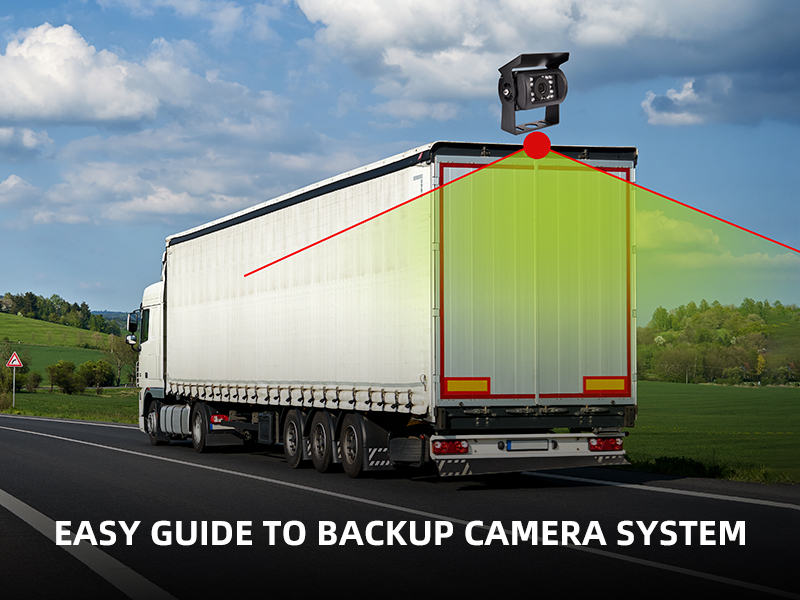
Panduan Mudah untuk Sistem Kamera Belakang Thumbnail

Panduan Mudah untuk Sistem Kamera Belakang

If your vehicle does not currently have a backup cam ( same as rearview cam, it’s likely that your next brand-new car will. As of May 2018, United States regulation has called for all new auto, vehicles, vans as well as various other vehicles be furnished with rearview monitoring technology. And in many cases that indicates rear-mounted video cameras.

Rear view mirrors have actually been an essential item of automobile equipment for more than a century. However as helpful as mirrors are, they have a couple of considerable drawbacks: They do not assist you see what’s straight behind your vehicle below the level of the back window, and also they do not offer a wide-angle sight.

According to the current offered government data, those imperfections result in about 210 fatalities and 15,000 injuries each year from backover accidents including light weighted automobiles. Tragically, 31 percent of those casualties include children under the age of five. And also the statistics don’t begin to consider those incidents in which a vehicle driver backs into something or runs over a bike, toy or various other object.

An Easy Guide To Backup Camera System插图

Benefits of Backup Cameras
Clearly, one of the most obvious benefit of a reversing camera is that it assists prevent injury happening and also possibly fatal backover accidents by increasing your visual field, particularly below the rear window or trunk level. Cameras also raise your ability to see beyond the size of a mirror’s photo, helping to remove unseen areas. However along with assisting safeguard individuals as well as property behind a vehicle, cams have a number of other benefits as well.

For instance, back-up cameras can assist you park more quickly and securely. Rearview cams give the motorist a much more clear and more precise sight of obstacles behind the auto, and the majority of backup systems include a caution tone that allows you know when you’re getting close to an item.

Mostly all backup cameras include on-screen guidelines: 2 parallel lines that aid direct you into or out of garage more quickly. Some additionally feature a middle line that can help you maintain the car centered in the area. Modern color displays enable the system to alter the color of the guidelines from green to yellow to red as you get closer to an obstruction. And that, incorporated with a distinct warning from the car parking sensing units, can be really valuable in preventing backover mishaps.

If you own a trailer, a rearview video camera can be specifically helpful. The cam gives you a close-up view of the trailer as you lift it up with your vehicle’s hitch, while line color and also alert sensing units ensure you posted on the range.

How Back-up Cams Work
The idea is simple: when you reversing, a cam installed behind the automobile switches on and then sends a photo to a monitor to reveal what ‘s behind you. But the fact is a lot more complex. Back-up camera systems, are rather advanced technology, and also they’re getting much more high-tech at all times.

The intricacy starts from the image recorded by the cam. As opposed to transferring the photo that a common camera may see, rearview cam systems are in fact designed to send a mirror photo to the monitor so the alignment is appropriate when you take a look at it. If you were looking at a direct feed of what the camera sees, the picture would certainly be reversed, and you would certainly steer left when you wished to go right. The system is developed to fix this so the sight on the display can be helpful.

Producers usually install backup cameras in the car’s back trim spaces. They’re fairly inconspicuous, so they can be a little bit hard to see, but you could find them concealed in the bumper, near the license plate, in the trunklid of an SUV or pickup. The cams are usually aimed at a downward angle to provide the best view immediately behind your vehicle. They also have wide view angle lenses, so you’re obtaining an extra extensive photo than you would certainly obtain with a rearview mirror.

Monitors can be installed throughout the motorist’s visual field, however they’re typically found in the center location of the control panel. Because most new lorries have an existing screen for the multi media system, inner temperature control, navigation and other functions, that screen is frequently utilized for the back-up camera system. Other variations use a portion of the rearview mirror as a screen, which has the benefit of locating the display screen where drivers are used to looking when backing up. However this type of display is much smaller and provides a much less detailed image than one with a bigger screen.

Back-up Cams Aren’t Perfect
Although rear view camera systems have numerous advantages and can boost both security and ease, some concerns can impact their procedure. Knowing what to expect can assist you prepare to make use of as well as keep your rear monitoring system properly.

The most common problem that owners have is bad image quality, and one of the most likely cause is merely a dirty lens. Since most cams are mounted low on the back of the vehicle, they undergo being obscured by mud, snow, dirt or various other particles. The good news is, the solution is easy: Clean the lens with a soft fabric (to prevent scraping the lens).

If you have a cordless rearview camera system – most often located on aftermarket designs – there might be a disturbance problem with the signal. Interference, although rare, might be caused by utilizing various other wireless gadgets while the electronic camera is in operation. For the electronic camera and display to interact in a wireless backup camera system, they need to be” matching” so they can communicate with each other. Incompatibility might especially be a concern if you purchased the cam and screen separately.

One more cause of poor image quality, or the absence of a picture altogether, might be a defect or malfunction in the cam, display or other element of the system. There could be many reasons for this trouble, a certified specialist should detect and repair it.

It is necessary to keep in mind that rear view cams aren’t an assurance of security when you reverse your cars and truck. As noted by the National Highway Traffic Safety Administration:” Rear view camera systems are not a replacement for mirrors; rather, they’re an added safety tool for disclosing hidden dangers.”.

Although info is still being collected by a variety of government and private companies, a NHTSA research study using information from 2008 to 2011 showed that although the number of cars with backup cameras more than doubled over that period, the number of injuries was lowered by less than 8 percent. Besides, the fatality rate from these sorts of accidents dropped by more than 30 percent. It needs to be kept in mind, however, that the National Highway Traffic Safety Administration investigation is several years ago, and it relied on a fairly tiny sample size. As newer info becomes available, we’ll discover more concerning the efficiency of rearview cam systems.

Finally, rear view cams are just efficient if you use them. A research performed at the University of Massachusetts discovered that simply 20 percent of the motorists in its sample group looked at their rearview displays when reversing. And the research additionally discovered that 46% of the team who failed to see the display when an alarm sounded, which indicating that the car was getting near an item.

Adding an Aftermarket Back-up Cam
If your existing car doesn’t have a backup cam, adding one is fairly simple, and you do not necessarily need to spend a lot for it. Sellers such as Amazon.com, Walmart and Ebay.com provide aftermarket camera systems beginning at much less than $10 for a fundamental stand-alone backup electronic camera for vehicles that have existing dashboard monitors. Total configurations with a camera, transmitter and monitor can range from less than $100 to more than $500.

With some aftermarket camera systems, you fix the cam in a license-plate structure. So installing it is simple, the only tool you needed might be a screwdriver. Other cams mount in a back trim piece or bumper cover, so you may have to pierce openings and use more tools to get the job done. And also there are some systems that make use of 2 or more electronic cameras, which add complexity to the installation process.

Then there’s the problem of a display. If you have an existing screen, there are cameras available that can send the image directly to that monitor. But if your auto isn’t currently geared up with a display, you’ll have to acquire a system that includes one. There are numerous options, such as dashboard or console-mounted screens as well as substitute rearview mirrors with monitors built into them. To make installation simpler, some aftermarket vendors publish videos on their official sites to help DIYers with detailed installation guides. If Do It Yourself isn’t for you, several auto-parts stores will certainly handle the setup for you.

Future Backup Cam Innovation
Numerous car manufacturers now supply a bird view cam system, that makes use of images from 4 outside video cameras to create an accurate photo that’s extremely helpful when maneuvering in tight areas. This modern technology usually is offered as an alternative or as component of an innovation package.

Through the years, several concept autos have been presented with sideview video cameras that remove mirrors, but the 2019 Lexus ES 350 sedan is the initial manufacturing automobile on the market with this function. The benefits, according to Lexus, include much better ahead visibility because the video cameras are smaller sized than mirrors; less wind sound; and much better side and also back visibility with less unseen areas. For now this technology will just be offered in Japan, where sideview video cameras are lawful.

Mitsubishi Electric is testing what it states is the industry’s best quality automobile cam, which combines with artificial intelligence (AI) capability to discover and separate objects as far away as one hundred meters. This system utilizes AI to mimic human aesthetic behavior and also emphasis swiftly on objects to ensure the motorist know if it’s “seeing” another auto, a pedestrian, a motorcycle or a few other object.

Obviously, video cameras will certainly be an integral component of autonomous car design. Till now, the semi-automated systems available on lots of cars still call for the driver to stay alert, and some are making use of exterior video cameras as well as sensors to be sure somebody is paying attention. Cadillac’s Super Cruise model, as an example, utilizes an infrared electronic camera to monitor the driver’s head and eye activities. If motorist emphasis drives too long from the road, warnings noise, if that does not work, Cadillac Super Cruise will gently bring the car to a stop. BMW is presenting same innovation on the 2019 X5 SUV. The BMW camera system uses an optical camera to track motorist attention, and combined with a suite of various other technology features, it will certainly permit hands-free and pedal-free operation under specific conditions.

As autonomous automobiles are manufactured much more completely, cameras will certainly be integrated with sensors and computer system modules in increasingly innovative active systems. They’ll help autos locate their way, remain oriented with lanes, keep distance from various other cars and objects, recognize road signs, avoid crashes, as well as adjust the automobile’s controls to match the weather and traffic conditions. Most of these features are currently readily available such as adaptive cruise control, adjustable fronts lights and lane maintaining systems, however autonomous automobiles are expected to combine these and many other technologies right into a completely self-driving vehicle.

Wired Or Wireless Rear View Camera System – Which is the Best Choice

Sistem Kamera Pandangan Belakang Berwayar atau Tanpa Wayar – Mana Satu Pilihan Terbaik?

Are you confused about which rear view camera system should you buy ? To reduce the number of deaths and injuries, rear view camera system was developed. This is an equipment that is mounted on the rear bumper of your vehicle. The purpose of the camera system is to provide you with a clear view of your surroundings and obstacles.

Wired Or Wireless Rear View Camera System – Which is the Best Choice

There are two types of rear view camera, wireless and wired rear view camera. When you are selecting a rearview camera system, you must have comprehensive knowledge of the rear view camera systems. In this article, we have mentioned pros of both the systems. This is will help you make an informed decision.

Wired Camera Systems

In the wired camera systems, the monitor and the camera is connected to the power source. The cable that is used for connecting the system is long as you are required to attach to them to a single source. Here are the benefits of using a wired camera system.

No Limitation

One of the top benefits of wired systems is that there will be no size restriction. It is great for sizes and types of vehicles, this means it will work perfectly with both small and large vehicles.

Easy to Set Up

Another reason why people use this type of system is that it is easy to configure. It can easily be used with additional accessories, like sensors and mobile DVR.

Needs a Single Power Source

Wired camera systems need to be connected to one power source.

Wireless Camera Systems

In this camera system, both the camera and monitor are connected to the power source. However, the camera and monitor are linked to each other using a wireless connection. Thanks to the wireless transmitter, it is perfect for large vehicles. Have a look at the reasons why a wireless system is a better choice.

Easy to Install

Installation of this system is hassle-free and stress-free as there will be no need for wiring. This will reduce the installation time making it easy.

Ready to Use

Another reason why you need to install a wireless camera system is that you can easily change between the different vehicles.

User-friendly

Wireless systems are simple and user-friendly. There will be no need to drill any holes in your vehicle.

Great For Trailers

Since the wireless system has a wider and longer reach, it is perfect to be used for trailers or large vehicles.

Therefore, these are the pros of using both the systems. You can choose the one that suits you the best. We, at Luview, offer both types of rear view camera system. We have quality rear view cameras that you can install and protect your family and other on the road. If you have difficulty in deciding which rear system is best-suited for you, then you can contact our customer support professionals. We are always ready and willing to help all our valued customers. For more information, visit our website www.luview.com .