Mobiele DVR-camerasystemen voor vrachtwagens, bussen en servicevoertuigen缩略图

Mobiele DVR-camerasystemen voor vrachtwagens, bussen en servicevoertuigen

As fleet operations become more data-driven, video monitoring has shifted from a basic recording function to an integrated management tool. At Luview, we design in-vehicle video solutions for professional operators who require stable performance across different vehicle types. A mobile vehicle DVR is commonly used in trucks, buses, and service vehicles to support daily supervision, incident review, and compliance management. When combined with a 1080p car DVR camera, modern mobile systems provide clearer visual records that help fleet managers understand driving behavior and vehicle surroundings without interrupting normal operations.

Mobile DVR Camera Systems for Trucks, Buses, and Service Vehicles插图

Image Clarity and Multi-Channel Recording for Fleet Vehicles

Image quality plays a direct role in how useful recorded footage is for post-event analysis. In commercial fleets, a mobile vehicle DVR often needs to capture multiple camera inputs at the same time, including front road views and interior scenes. High-definition input from a 1080p car DVR camera allows recorded details such as lane position, traffic signals, and vehicle spacing to remain readable during playback. Our JY-DV8004 MDVR supports four AHD channels and 1080P recording, enabling synchronized video capture from different angles within one system. This structure supports consistent image output across long driving hours, which is especially important for logistics vehicles and public transportation fleets operating on fixed routes.

System Performance and Fleet Management Integration

Beyond recording quality, stable system performance determines whether a mobile video solution can be deployed at scale. A mobile vehicle DVR used in fleet environments must maintain reliable operation under vibration, temperature changes, and extended runtime. The JY-DV8004 integrates recording, storage, and AI-assisted functions into a single unit, reducing the need for additional external modules. When paired with a 1080p car DVR camera, the system supports real-time monitoring and historical playback for fleet supervisors. Features such as multi-channel input and centralized data handling allow fleet operators to review events efficiently while keeping system architecture straightforward for vehicle installation and maintenance.

Conclusion: Practical Evaluation of Mobile DVR Camera Systems

When selecting mobile DVR camera systems for trucks, buses, and service vehicles, experienced buyers should evaluate how image quality and system stability align with operational needs. A well-configured mobile vehicle DVR ensures that video data remains usable across different driving scenarios, while consistent output from a 1080p car DVR camera supports accurate incident review and daily management tasks. At Luview, we focus on delivering solutions that fit professional fleet environments, balancing recording clarity, multi-channel performance, and integration flexibility. These considerations help fleet operators deploy video systems that support long-term vehicle management without unnecessary complexity.
Mobile Vehicle DVR Solutions for Fleet Management缩略图

Mobiele DVR-oplossingen voor wagenparkbeheer

As fleet operations become more data-driven, video recording systems play an increasingly practical role in daily management. At Luview, we work closely with commercial fleet operators and system integrators to support safer driving, clearer incident review, and structured vehicle supervision. A well-designed MDVR system allows fleet managers to collect visual evidence directly from vehicles while maintaining stable operation in long-hour driving scenarios. When deployed correctly, a 4 channel vehicle DVR supports multi-angle monitoring without adding unnecessary complexity to existing vehicle electronics, making it suitable for professional fleet environments rather than consumer use.

Mobile Vehicle DVR Solutions for Fleet Management插图

Functional Value of MDVR Systems in Fleet Operations

In fleet management, video systems are evaluated not by novelty but by reliability and clarity in real conditions. A MDVR system records synchronized footage from multiple cameras, enabling managers to review driving behavior, accident context, and operational compliance. Compared with single-lens recorders, a 4 channel vehicle DVR provides wider coverage of both interior and exterior views, which is useful for logistics vehicles, buses, and service fleets. Our JY-DV8004 model is designed as an all-in-one mobile DVR, supporting four-channel 1080P AHD video input and centralized data management. This configuration allows fleets to standardize installation while maintaining consistent recording quality across different vehicle types.

System Performance and Integration for Experienced Users

Performance stability is essential for long-term deployment. In our product development, we focus on ensuring that each MDVR system operates reliably under vibration, temperature changes, and extended recording cycles. The JY-DV8004 integrates AI-related functional support at the system level, helping fleet operators improve event identification without overloading drivers with alerts. A properly configured 4 channel vehicle DVR also supports structured data retrieval, which is important for post-event analysis and internal training. At Luview, we design these systems to integrate with fleet management platforms and vehicle power architectures, allowing professional users to deploy video solutions without disrupting daily operations.

Conclusion: Practical Video Solutions for Fleet Management

Mobile DVR solutions are most effective when they align with real fleet workflows rather than theoretical use cases. A stable MDVR system helps fleet managers gain consistent visual records for incident review and compliance management, while a reliable 4 channel vehicle DVR enables broader situational awareness across vehicles operating in diverse road conditions. By focusing on video clarity, system durability, data storage stability, and integration flexibility with existing fleet platforms, mobile DVR technology can support safer driving and more transparent fleet operations. These considerations are especially important for experienced fleet users who prioritize long-term system value, operational reliability, and reduced maintenance costs over short-term features.

4 Channel Vehicle DVR Systems for Multi-Camera Monitoring缩略图

4-kanaals voertuig DVR-systemen voor bewaking met meerdere camera's

With the growing demand for comprehensive vehicle visibility, multi-camera monitoring has become a practical requirement for fleet operators and system integrators. At Luview, we focus on developing solutions that support stable video recording and structured data management across commercial vehicles. A well-designed mobiele digitale videorecorders architecture allows multiple camera inputs to be managed within a single unit, ensuring consistent image capture during daily operations. When deployed as a vehicle DVR camera system, a four-channel configuration supports front, rear, and side coverage, helping operators document driving behavior and vehicle surroundings in a more systematic way.

4 Channel Vehicle DVR Systems for Multi-Camera Monitoring插图

Multi-Camera Coverage and System Architecture

Four-channel recording plays an important role in achieving balanced monitoring without unnecessary system complexity. In a mobile digital video recorders setup, each channel captures synchronized video streams, making it easier to review events from different angles. Our JY-DV8004 MDVR is designed to support four 1080P AHD camera inputs in one compact device, which aligns with common fleet installation requirements. For integrators building a vehicle DVR camera system, this structure simplifies wiring and reduces compatibility concerns between cameras and storage modules. Multi-camera coverage is particularly valuable in logistics, buses, and service vehicles, where blind spots and operational risk areas need to be visually documented in a consistent format.

Performance, Recording Stability, and Fleet Application

Beyond channel count, system performance depends on recording stability and data handling capability. In daily fleet use, mobile digital video recorders must operate reliably under vibration, temperature variation, and long working hours. The four-channel MDVR solution we provide integrates recording, storage, and AI-supported functions into one unit, supporting continuous monitoring without frequent manual intervention. When deployed as part of a vehicle DVR camera system, the device enables centralized video management, making it easier for fleet managers to review incidents and routine driving records. At Luview, our design approach emphasizes practical deployment, ensuring that system performance remains consistent across different vehicle types and operating environments.

Conclusion: Evaluating 4 Channel DVR Systems for Professional Monitoring

When selecting a four-channel DVR solution, experienced buyers should focus on camera compatibility, recording stability, and integration flexibility. A properly configured mobile digital video recorders platform supports structured video collection from multiple viewpoints, while a reliable vehicle DVR camerasysteem contributes to clearer operational oversight. By combining multi-camera support with stable recording performance, four-channel MDVR systems provide practical value for fleet monitoring and management. These considerations help ensure that multi-camera solutions align with real operational needs rather than adding unnecessary complexity.

AI Vision Camera Systems for Real-Time Detection and Analysis缩略图

AI Vision-camerasystemen voor real-time detectie en analyse

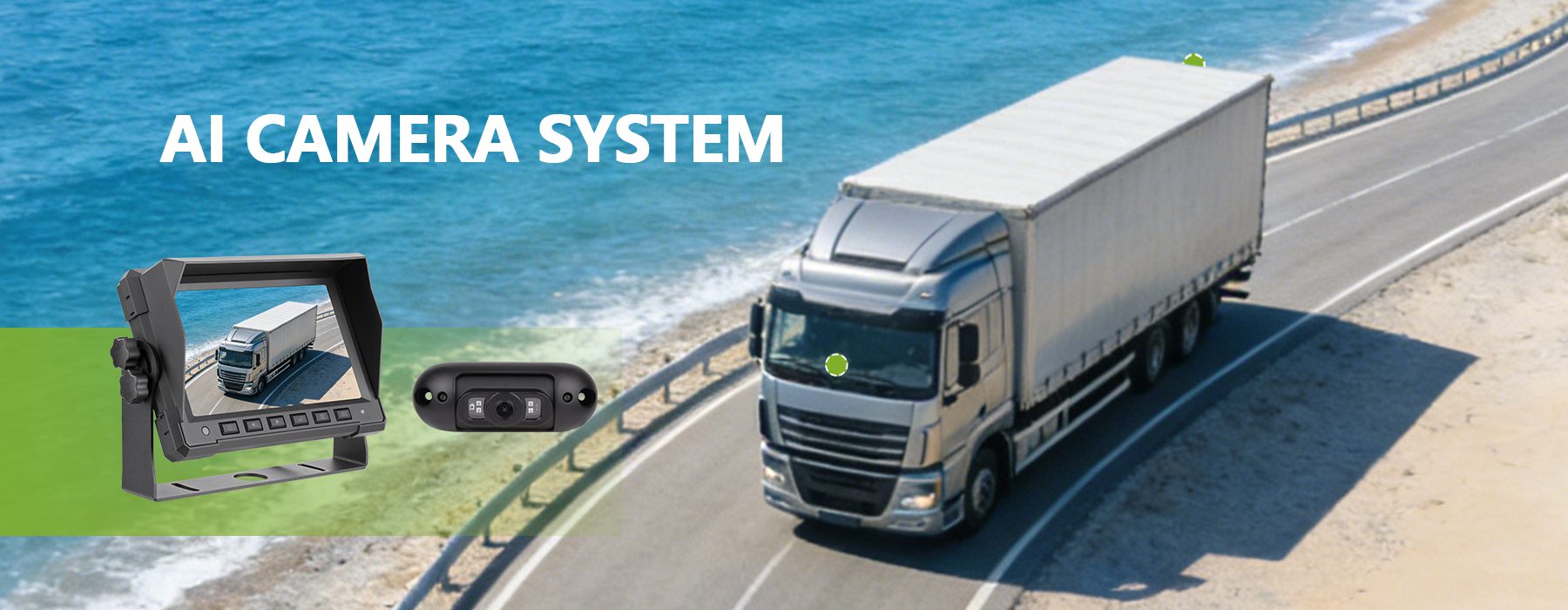
With the growing demand for intelligent perception in transportation and industrial environments, AI vision technologies are increasingly applied to real-time detection and analysis tasks. At Luview, we work with system integrators and fleet operators who require stable visual data for safety-related decision-making rather than consumer-oriented features. An AI-based vision solution focuses on consistent object recognition, image processing, and data output under real operating conditions. In this context, the best AI security camera system is not defined by marketing labels, but by how effectively it supports continuous detection accuracy and system reliability. Our experience with AI safety monitoring cameras shows that performance in real traffic scenarios depends on both hardware design and algorithm coordination.

AI Vision Camera Systems for Real-Time Detection and Analysis插图

Real-Time Detection Requirements in AI Vision Systems

Real-time detection places specific demands on AI vision camera systems, especially in vehicle and roadside safety applications. These systems must identify vehicles, pedestrians, and vulnerable road users with minimal delay while maintaining image stability. In a professional deployment, the best AI security camera system must balance resolution, processing capability, and environmental adaptability rather than focus on a single specification. Our R151–R159 compliant AI camera system is designed for use in BSIS and MOIS applications, supporting vehicle and pedestrian detection through embedded AI processing. For AI safety monitoring cameras, reliable detection across varying lighting and weather conditions is essential, as these systems often operate continuously in open-road environments where visual noise cannot be fully controlled.

System Performance and Practical Integration

Beyond detection accuracy, system performance is closely linked to integration and operational continuity. In our projects, we consider how an AI vision camera fits into an existing safety architecture rather than treating it as a standalone device. The R151–R159 compliant solution supports standardized installation approaches for commercial vehicles and infrastructure systems, helping integrators deploy AI safety monitoring cameras with predictable behavior. A best AI security camera system should deliver stable output without frequent recalibration, especially in long-term fleet use. At Luview, we focus on maintaining consistent processing performance while ensuring that system outputs remain usable for downstream safety modules and monitoring platforms, which is a key requirement for professional users managing large-scale deployments.

Conclusion: Evaluating AI Vision Cameras for Professional Safety Applications

AI vision camera systems for real-time detection and analysis must be evaluated based on how well they support real operational needs. From detection consistency to integration flexibility, each component affects overall system reliability. In practical applications, AI safety monitoring cameras contribute to improved situational awareness when they are designed around regulatory compliance and stable performance. A best AI security camera system should align with professional safety workflows rather than introduce unnecessary complexity. By focusing on compliant design, reliable detection logic, and integration-oriented development, we support experienced users seeking dependable AI vision solutions for safety-critical environments.

AI Beveiligingscamerasystemen met Bewegings- en Objectdetectie缩略图

AI Beveiligingscamerasystemen met Bewegingsdetectie en Objectdetectie

As safety requirements increase across transportation and infrastructure projects, AI-based visual monitoring has become an essential part of modern security systems. At Luview, we design AI security camera solutions for professional users who require stable detection performance rather than consumer-level features. An AI WIFI smart camera is no longer limited to simple video streaming; in professional environments, it must support motion recognition, object classification, and reliable data transmission. When evaluated carefully, a so-called best AI camera system should be judged by detection accuracy, compliance, and system integration capability rather than marketing language.

AI Security Camera Systems with Motion and Object Detection插图

Motion and Object Detection in AI Security Systems

Motion and object detection are core functions in AI security camera systems used for traffic safety and infrastructure monitoring. Our AI camera solutions are designed to identify vehicles and pedestrians based on trained recognition models, reducing false alerts caused by shadows or environmental changes. In applications such as blind spot information systems and moving off information systems, accurate detection is critical for timely warnings. A well-configured AI WIFI smart camera supports real-time image processing and stable wireless communication, ensuring detection results can be transmitted without delay. Within a professional best AI camera system, object detection performance depends on sensor quality, algorithm stability, and system calibration, all of which must be aligned with operational requirements.

Product Application in Vehicle and Pedestrian Detection

Our R151–R159 compliant AI camera system is developed specifically for vehicle and pedestrian detection in BSIS and MOIS applications. It supports AI-based recognition designed to meet regulatory and operational needs in commercial vehicle environments. Rather than focusing on consumer features, this solution emphasizes consistent detection performance under changing lighting and weather conditions. As part of our broader security portfolio, the system can be integrated into an AI WIFI smart camera network for centralized monitoring and data management. From a system design perspective, a best AI camera system in transportation scenarios should prioritize reliability, clear detection logic, and compatibility with existing safety architectures. Luview focuses on these practical considerations when developing AI camera products for experienced system integrators and fleet operators.

Conclusion: Practical Evaluation of AI Security Camera Systems

When assessing AI security camera systems with motion and object detection, professional buyers should focus on functional performance and application suitability. An effective AI WIFI smart camera must deliver stable detection results and support real-world deployment conditions rather than relying on simplified demonstrations. Similarly, a best AI camerasysteem should be evaluated based on integration capability, detection consistency, and regulatory alignment. By concentrating on vehicle and pedestrian detection for safety-critical applications, we aim to provide AI camera solutions that support long-term system operation. This approach allows experienced users to deploy AI security camera systems with confidence across transportation and infrastructure projects.

Best AI Camera System: Key Features for Security and Safety Solutions缩略图

Beste AI-camerasysteem: Belangrijkste functies voor beveiligings- en veiligheidsoplossingen

Omdat de veiligheidseisen in de transport- en infrastructuursectoren blijven toenemen, is intelligente vision-technologie een kernonderdeel geworden van moderne bewakingsstrategieën. Bij Luview werken we nauw samen met systeemintegrators en leveranciers van voertuigoplossingen om echte operationele uitdagingen aan te gaan met behulp van AI-beveiligingscamerasystemen die zijn ontworpen voor complexe omgevingen. In plaats van ons te richten op functies op consumentenniveau, concentreren we ons op betrouwbaarheid, nauwkeurigheid van detectie en afstemming op regelgeving. In deze context, AI vision camerasystemen worden steeds vaker gebruikt ter ondersteuning van beveiligings- en veiligheidsoplossingen waarbij consistente objectherkenning en situationeel bewustzijn vereist zijn.

Best AI Camera System: Key Features for Security and Safety Solutions插图

Belangrijkste detectiemogelijkheden in AI-gebaseerde camerasystemen

Voor ervaren kopers ligt de waarde van een AI-camerasysteem in hoe effectief het relevante doelen identificeert en tegelijkertijd onnodige waarschuwingen minimaliseert. In onze productontwikkeling, AI beveiligingscamera's zijn ontworpen om onderscheid te maken tussen voertuigen, voetgangers en omringende obstakels met behulp van ingebouwde algoritmen. Het AI-camerasysteem dat voldoet aan R151-R159 is speciaal ontworpen voor BSIS- en MOIS-toepassingen en ondersteunt de detectie van voertuigen en voetgangers in scenario's voor zij- en dodehoekbewaking. Door visuele gegevens rechtstreeks in de camera te verwerken, kunnen AI vision camerasystemen tijdig detectieresultaten leveren zonder afhankelijk te zijn van externe rekeneenheden, wat de systeemarchitectuur helpt vereenvoudigen en de algehele responsconsistentie verbetert.

Systeemprestaties en toepassing in veiligheidsoplossingen

Naast detectielogica zijn systeemprestaties nauw verbonden met stabiliteit, aanpasbaarheid aan de omgeving en flexibiliteit bij integratie. Onze AI-cameraoplossing ondersteunt continue werking onder verschillende licht- en weersomstandigheden, wat essentieel is voor veiligheidsgerelateerde toepassingen. Als onderdeel van AI-beveiligingscamerasystemen werkt de camera samen met andere sensoren om aanvullende visuele bevestiging te bieden, ter ondersteuning van bestuurdersassistentie en situationeel bewustzijn. In AI vision camerasystemen stellen consistente frameverwerking en gestructureerde uitvoergegevens systeemintegrators in staat om de camera af te stemmen op bestaande elektronische voertuigarchitecturen. Deze eigenschappen zijn vooral relevant voor commerciële voertuigen die in dichtbevolkte stedelijke omgevingen rijden waar dodehoekincidenten een bekende risicofactor zijn.

Conclusie: AI-camerasystemen evalueren voor professioneel gebruik

Het kiezen van een AI-camerasysteem voor beveiligings- en veiligheidsoplossingen vereist een duidelijk begrip van functionele eisen in plaats van algemene prestatieclaims. Voor professionele gebruikers moeten AI-beveiligingscamerasystemen stabiel detectiegedrag, naleving van toepassingsnormen en praktische integratieopties laten zien. Op dezelfde manier moeten AI vision camerasystemen betrouwbare visuele intelligentie leveren die de besluitvorming in echte rijomstandigheden ondersteunt. Op Luview, Daarom richten we ons op het ontwikkelen van AI-cameraoplossingen die aan deze verwachtingen voldoen door gerichte detectiefuncties te combineren met compatibiliteit op systeemniveau. Door AI-camerasystemen te evalueren door de lens van echte veiligheidsscenario's, kunnen ervaren kopers oplossingen selecteren die operationele betrouwbaarheid op lange termijn en wettelijke behoeften ondersteunen.

AI-camerasystemen voor intelligente detectie- en bewakingstoepassingen缩略图

AI-camerasystemen voor intelligente detectie- en bewakingstoepassingen

In commercial vehicle safety and intelligent transportation, visual perception has become a core component of monitoring and risk prevention. We see increasing demand for AI camera systems that can support intelligent detection while remaining compliant with regulatory frameworks. At Luview, we design vision-based solutions for experienced system integrators who require stable performance rather than experimental concepts. An AI camera photography system focuses not only on image capture, but also on structured data output for downstream decision-making. For detection and monitoring tasks, clarity, consistency, and integration flexibility determine whether a system can be reliably deployed across different vehicle platforms.

AI Camera Systems for Intelligent Detection and Monitoring Applications插图

Intelligent Detection Logic in Monitoring Scenarios

In practical applications, intelligent detection depends on how image data is processed rather than raw resolution alone. Modern AI camera systems integrate onboard processing to identify vehicles, pedestrians, and vulnerable road users in defined zones. In blind spot and moving-off monitoring scenarios, an AI camera photography system supports continuous analysis of surrounding environments without increasing driver workload. Our R151/R159 compliant AI camera solution is designed for BSIS and MOIS applications, where pedestrian and vehicle detection accuracy must align with operational safety requirements. By focusing on object classification and alert logic, the system supports monitoring tasks without relying on cloud connectivity, which is important for commercial fleets operating in diverse conditions.

System Performance and Deployment Considerations

Beyond detection capability, long-term performance is a critical factor for professional users. An AI camera systems architecture must maintain stable operation under vibration, temperature variation, and extended duty cycles. In our development approach, we emphasize hardware reliability and algorithm consistency so that an AI camera photography system can deliver predictable results over time. The R151/R159 compliant model supports standardized interfaces for integration into existing safety architectures, helping engineering teams reduce redesign effort. When deployed in monitoring applications, consistent image output and detection response contribute to system trust, especially in regulated environments where validation and documentation are required.

Conclusion: Applying AI Camera Systems in Professional Monitoring

For intelligent detection and monitoring applications, selecting an AI camera systems solution requires balancing perception capability with compliance and operational stability. An AI camera photography system that supports vehicle and pedestrian detection can enhance situational awareness when designed for real-world deployment rather than laboratory conditions. At Luview, we focus on practical system design that aligns with professional safety standards and integration needs. By combining structured visual data, onboard intelligence, and deployment-ready design, AI-based camera solutions can support monitoring applications without adding unnecessary complexity to existing vehicle systems.

1080P Backup Camera Systems for Cars: Resolution, Night Vision, and Reliability缩略图

1080P achteruitrijcamera's voor auto's: Resolutie, nachtzicht en betrouwbaarheid

As digital vision systems become part of modern vehicle architecture, experienced buyers are paying closer attention to how 1080P backup camera systems perform in real operating conditions. At Luview, we develop camera-based mirror solutions for professional automotive applications where resolution, night visibility, and long-term reliability matter more than visual novelty. An electronic rear view mirror for car integrates a high-definition camera with an in-cabin display, allowing drivers to maintain consistent rear awareness even when traditional mirrors are limited. When combined with a achteruitkijkspiegel met achteruitrijcamera, this configuration supports safer reversing and continuous rear monitoring across different vehicle types.

1080P Backup Camera Systems for Cars: Resolution, Night Vision, and Reliability插图

Resolution and Image Stability in 1080P Camera Systems

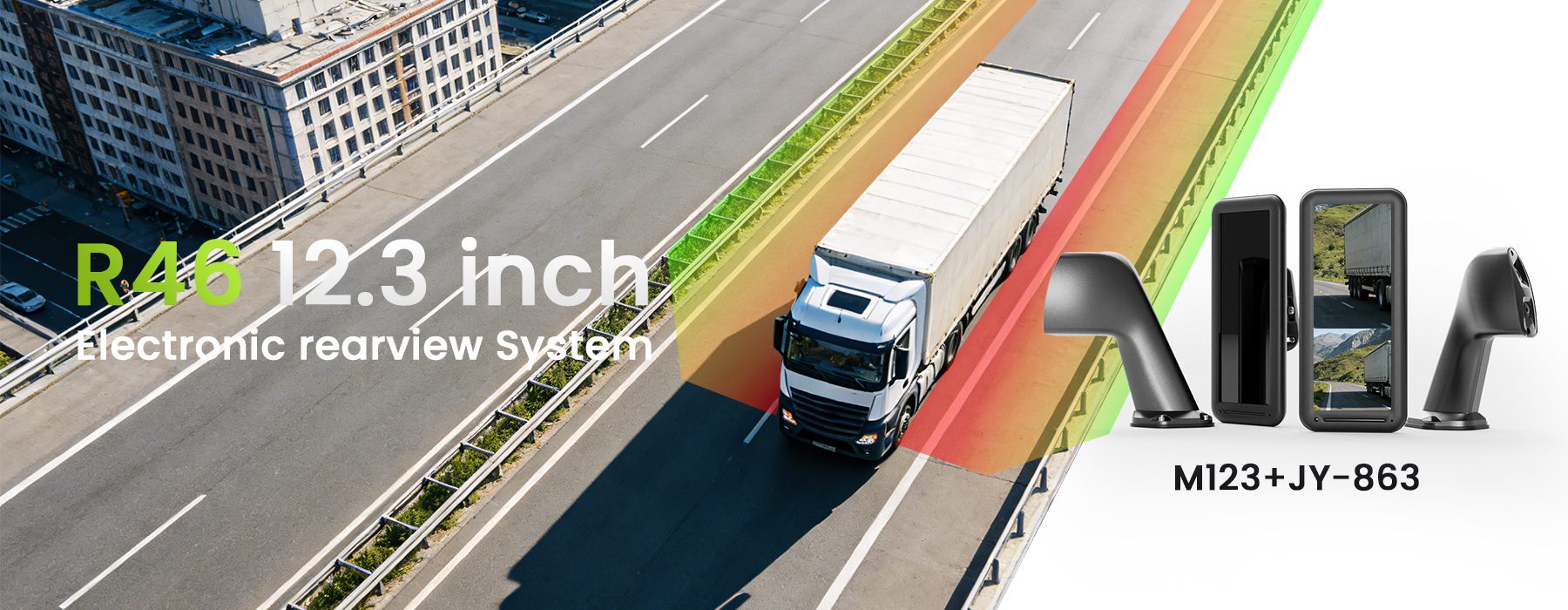
Resolution directly affects how effectively drivers can interpret rear traffic and surrounding objects. In an electronic rear view mirror for car, a 1080P camera provides clearer edge definition and more stable image detail than lower-resolution systems, especially during lane changes or reversing maneuvers. Our UN ECE R46-certificated 12.3-inch electronic mirror system adopts a full HD camera paired with a wide-format display to ensure balanced image proportions. A reverse camera rear view mirror using digital signal processing also minimizes distortion and maintains image consistency across varying speeds. For professional users, stable resolution is not about visual sharpness alone but about reducing uncertainty during daily driving tasks.

Night Vision Performance and Operational Reliability

Night driving places higher demands on camera sensitivity and signal handling. A reverse camera rear view mirror must deliver usable contrast under low-light conditions without excessive noise or delay. In our system design, image processing is optimized to support night visibility while keeping display response synchronized with vehicle movement. The electronic rear view mirror for car we provide supports real-time switching between full rear view and split-screen modes, helping drivers adapt to different driving scenarios without distraction. Reliability is equally important for commercial and fleet vehicles, where continuous operation and environmental exposure are expected. At Luview, system validation focuses on stable performance rather than short-term demonstration results.

Conclusion: Evaluating 1080P Backup Camera Systems for Professional Use

When evaluating 1080P backup camera systems for cars, experienced buyers should consider how resolution, night vision, and system reliability work together in daily operation. An electronic rear view mirror for car offers consistent rear visibility when optical mirrors fall short, while a well-integrated reverse camera rear view mirror supports safer reversing in confined or low-visibility environments. Certified compliance, stable image processing, and practical display layouts are key factors for long-term use. By focusing on these fundamentals, digital mirror systems can support professional driving requirements without adding unnecessary complexity.

Reverse Camera Rear View Mirror Systems for 12V Vehicles缩略图

Achteruitkijkspiegelsystemen met achteruitrijcamera voor 12V-voertuigen

In commercial and special-purpose vehicles, rear visibility remains a core safety and operational concern. At Luview, we work closely with system integrators and vehicle manufacturers to address these challenges through digital mirror solutions designed for 12V platforms. A rear view mirror electronic system combines camera input with an in-cabin display, allowing drivers to monitor rear traffic and reversing conditions even when traditional mirrors are limited. For fleets and upfitters, a car rear view mirror with camera supports more consistent rear vision across different vehicle bodies, including vans, trucks, and utility vehicles.

Reverse Camera Rear View Mirror Systems for 12V Vehicles插图

System Design Requirements for 12V Vehicle Platforms

When evaluating reverse camera rear view mirror systems for 12V vehicles, experienced buyers usually focus on electrical compatibility and long-term stability. A rear view mirror electronic solution must integrate smoothly with existing 12V power architectures without introducing voltage instability or signal interference. In our product development, we ensure that each system is designed for standard automotive electrical environments, supporting continuous operation during long driving cycles. A auto achteruitkijkspiegel met camera also needs to maintain image stability during engine start, idling, and load changes, which is particularly important for commercial vehicles operating across varied duty conditions.

Image Performance and Display Configuration

Image performance is another key factor influencing daily usability. Our UN ECE R46-certificated 12.3-inch electronic rear view mirror system uses a 1080P camera to provide clear rear images under normal daylight and low-light conditions. In a rear view mirror electronic configuration, higher resolution helps drivers better judge distance and object movement when reversing or changing lanes. The split-view screen design allows flexible display modes, supporting both full rear vision and combined camera views without increasing visual distraction. For professional drivers, a car rear view mirror with camera must present information clearly and consistently, ensuring that visual feedback aligns with real vehicle movement.

Conclusion: Practical Value for Commercial Applications

Reverse camera rear view mirror systems for 12V vehicles are not just about replacing traditional mirrors; they are about improving operational visibility in real working environments. A well-designed rear view mirror electronic system can enhance rear awareness while fitting into existing vehicle electrical systems. At Luview, we focus on certified compliance, stable image performance, and practical display layouts that support professional driving habits. By applying a car rear view mirror with camera in appropriate vehicle platforms, fleet operators and integrators can improve rear visibility without adding unnecessary complexity, making digital mirror systems a practical option for modern commercial vehicles.

Digital Rear View Mirrors with 1080P Backup Camera: Image Quality and Performance缩略图

Digitale achteruitkijkspiegels met 1080P achteruitrijcamera: Beeldkwaliteit en prestaties

As vehicle safety regulations and driving environments continue to evolve, digital rear vision has become an important topic for fleet operators and automotive system integrators. At Luview, we focus on developing digital mirror solutions that improve rear visibility while fitting real-world commercial vehicle requirements. A rear view mirror camera system replaces or enhances traditional optical mirrors by using high-definition cameras and in-cabin displays, allowing drivers to access a wider and more consistent field of view. When paired with a backup rear view camera mirror, digital mirrors support safer reversing and lane awareness, especially for vehicles with limited rear windows or obstructed cargo areas.

Digital Rear View Mirrors with 1080P Backup Camera: Image Quality and Performance插图

Image Quality Considerations for Digital Rear View Mirrors

Image clarity is one of the most important factors when evaluating a digital mirror solution. In a rear view mirror camera system, resolution directly affects how clearly drivers can recognize vehicles, pedestrians, and road markings at different distances. Our UN ECE R46-certificated 12.3-inch electronic mirror integrates a 1080P camera to provide stable image detail under varying lighting conditions. Compared with analog solutions, a backup rear view camera mirror using digital transmission reduces distortion and maintains consistent brightness in night driving or strong backlight scenarios. The split-view screen design also allows drivers to switch between full rear vision and combined views without increasing screen clutter, which is important for professional drivers who rely on fast visual judgment.

Performance and System Integration in Daily Operation

Beyond image resolution, system performance depends on signal stability, screen response, and long-term reliability. In our development process, we design each rear view mirror camera system to meet regulatory requirements while supporting continuous operation in commercial vehicles. The 12.3-inch digital mirror system supports real-time display with minimal latency, ensuring that visual feedback remains synchronized with vehicle movement. A properly configured achteruitkijkspiegel can also reduce blind zones compared with traditional mirrors, particularly on larger vehicles. At Luview, we consider installation flexibility and compatibility with existing vehicle platforms, helping system integrators deploy digital mirrors without unnecessary modification to original vehicle structures.

Conclusion: Evaluating Digital Mirrors for Professional Use

When assessing digital rear view mirrors with a 1080P backup camera, experienced buyers should focus on image quality, display performance, and compliance rather than marketing claims. A well-engineered rear view mirror camera system improves rear visibility consistency, while a reliable backup rear view camera mirror supports safer reversing in complex environments. By combining certified design, clear imaging, and practical screen layouts, digital mirror solutions can support daily driving tasks without adding operational complexity. These factors are essential for commercial and fleet applications where performance stability matters over the entire vehicle lifecycle.