Guide to Waterproof Ratings for Motorcycle Dashcam缩略图

Przewodnik po klasach wodoodporności kamer motocyklowych

W świecie motocyklistów kamera samochodowa stała się niezbędnym urządzeniem. Nie tylko rejestruje ona krajobrazy i wydarzenia podczas podróży, ale, co ważniejsze, może dostarczyć kluczowych dowodów w razie wypadku. Jednak ze względu na otwartą konstrukcję motocykli, kamery samochodowe muszą być odporne na trudne warunki pogodowe, zwłaszcza wodę. W tym miejscu pojawia się kluczowe pojęcie: klasa IP, czyli stopień ochrony przed wnikaniem, który jest standardem służącym do pomiaru wodoodporności i pyłoszczelności urządzeń elektronicznych. W przypadku kamer samochodowych do motocykli odpowiedni stopień ochrony IP nie tylko zapewnia trwałość urządzenia, ale także gwarantuje niezawodność w różnych warunkach pogodowych.

Od IPX4, który chroni przed rozpryskami wody, po IPX8, który pozwala na długotrwałe zanurzenie, różne klasy wodoodporności określają głębokość i czas trwania odporności na wodę kamer samochodowych, zapewniając kierowcy spokój ducha i integralność urządzenia rejestrującego. W tym artykule omówimy znaczenie tych klas wodoodporności i sposób, w jaki chronią one kamerę samochodową przed uszkodzeniem przez wodę.

Wodoodporność kamer motocyklowych: wprowadzenie i znaczenie
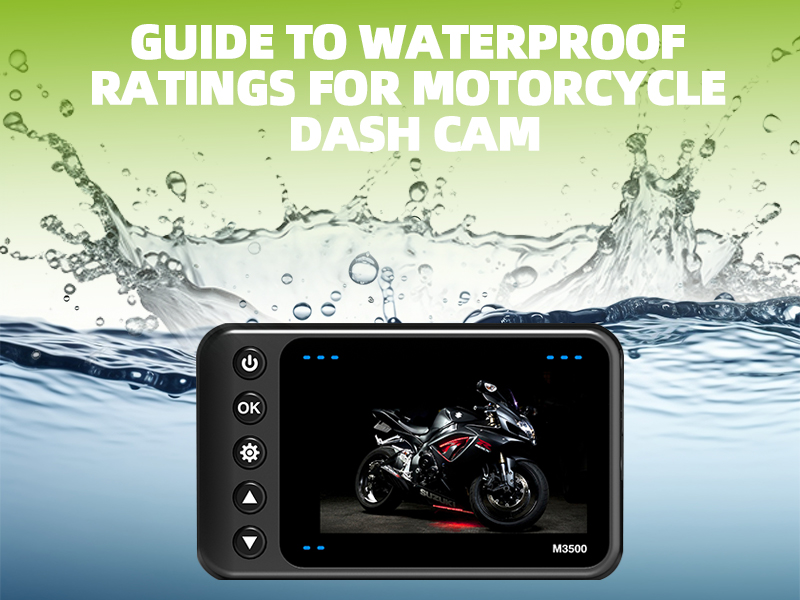
Guide to Waterproof Ratings for Motorcycle Dashcam插图

1. Poznaj klasy wodoodporności

  • Wyjaśnij poziomy ochrony własności intelektualnej w przypadku sprzętu elektronicznego.

W urządzeniach elektronicznych klasa IP, znana również jako poziom ochrony przed wnikaniem, jest normą ustanowioną przez Międzynarodową Organizację Normalizacyjną (ISO) w celu określenia odporności urządzenia na wnikanie ciał obcych i wody. Klasa IP składa się z dwóch cyfr: pierwsza cyfra wskazuje odporność urządzenia na wnikanie ciał stałych, takich jak kurz, a druga cyfra oznacza stopień ochrony przed wnikaniem wody.

  • Jak klasyfikacja IP odnosi się do wodoodporności kamer motocyklowych.

W przypadku kamer motocyklowych wysoki stopień ochrony IP ma kluczowe znaczenie, ponieważ muszą one działać skutecznie w różnych warunkach pogodowych, w tym podczas deszczu i w wilgotnym otoczeniu. Typowy stopień wodoodporności, taki jak IP68, oznacza, że urządzenie jest całkowicie odporne na kurz (‘6’) i wytrzymuje długotrwałe zanurzenie w wodzie (‘8’). Przy wyborze kamery samochodowej do motocykla zaleca się wybór produktów o wysokim stopniu ochrony IP, aby zapewnić niezawodne działanie nawet w ekstremalnych warunkach pogodowych.

2. Znaczenie wodoodporności kamer motocyklowych

  • Dlaczego wodoodporność jest tak ważna dla kamer motocyklowych

Wodoodporność kamery motocyklowej jest kluczowa z kilku powodów:

①Dostosowanie do warunków pogodowych: Motocykle są często używane w różnych warunkach pogodowych, w tym w deszczowe dni. Wodoodporna kamera samochodowa może działać bez zarzutu w niesprzyjających warunkach pogodowych, zapewniając motocyklistom nieprzerwane nagrywanie.

②Ochrona urządzenia: Kamera samochodowa, która nie jest wodoodporna, może ulec uszkodzeniu wewnętrznych obwodów w wyniku przedostania się wody, co może prowadzić do nieprawidłowego działania urządzenia, a nawet do jego całkowitej awarii. Natomiast urządzenie wodoodporne skutecznie zapobiega przedostawaniu się wody, co wydłuża jego żywotność.

③Rejestracja bezpieczeństwa: Jedną z podstawowych funkcji kamery samochodowej jest dostarczanie dowodów w razie wypadku. Podczas jazdy w deszczu, jeśli kamera nie jest wodoodporna, istnieje ryzyko, że zawiedzie w najbardziej krytycznym momencie i nie będzie w stanie zapewnić nagrania wypadku, gdy jest to najbardziej potrzebne.

④Koszty utrzymania: Wodoodporna kamera samochodowa zmniejsza prawdopodobieństwo uszkodzenia spowodowanego warunkami pogodowymi, co pozwala zaoszczędzić koszty związane z naprawą lub wymianą urządzenia.

  • Analiza potencjalnych zagrożeń związanych z wodą dla kamer samochodowych, które nie są wodoodporne

Zwarcie: Kontakt wody z elementami elektronicznymi może spowodować zwarcie, co może doprowadzić do natychmiastowego uszkodzenia kamery samochodowej.

Korozja: Długotrwała ekspozycja na wilgotne środowisko, nawet jeśli nie powoduje natychmiastowych usterek, może prowadzić do stopniowej korozji wewnętrznych elementów metalowych kamery samochodowej, co skutkuje pogorszeniem jej działania.

Zaparowanie obiektywu: Obiektyw nieodpornej na wodę kamery samochodowej może zaparować w deszczowych lub wilgotnych warunkach, co wpływa na jakość obrazu i sprawia, że nagranie jest nieefektywne.

3. Różne klasy wodoodporności kamer samochodowych

Objaśnienie konkretnych klas IP dotyczących kamer motocyklowych

W przypadku kamer motocyklowych stopień ochrony IP (Ingress Protection) jest kluczowym standardem służącym do oceny ich odporności na kurz i wodę. Oto kilka konkretnych stopni ochrony IP dotyczących kamer motocyklowych oraz ich znaczenie:

① IP65: Oznacza, że kamera samochodowa całkowicie zapobiega przedostawaniu się kurzu i jest odporna na strumienie wody pod niskim ciśnieniem z dowolnego kierunku.

② IP66: Oznacza, że kamera samochodowa jest całkowicie pyłoszczelna i wytrzymuje silne strumienie wody z dowolnego kierunku.

③ IP67: Oznacza, że kamera samochodowa jest całkowicie pyłoszczelna i może wytrzymać krótkotrwałe zanurzenie w wodzie na głębokość do 1 metra (zwykle w ciągu 30 minut).

④ IP68: Oznacza, że kamera samochodowa jest nie tylko całkowicie pyłoszczelna, ale może również działać przez dłuższy czas pod wodą, przy czym konkretna głębokość i czas działania są zazwyczaj określone przez producenta.
  • Zagłębiając się w znaczenie każdej cyfry w klasyfikacji IP:

Pierwsza cyfra (0-6): Wskazuje poziom ochrony przed pyłem. Wyższa liczba oznacza większą odporność na pył. ‘6’ oznacza, że urządzenie jest całkowicie pyłoszczelne, co zapobiega przedostawaniu się pyłu do środka.

Druga cyfra (0–8): oznacza poziom wodoodporności. Wyższa liczba oznacza wyższą wodoodporność. Na przykład ‘5’ oznacza, że urządzenie jest odporne na strumień wody pod niskim ciśnieniem, natomiast ‘8’ może oznaczać, że urządzenie wytrzymuje ciągłe, długotrwałe zanurzenie w wodzie.

Podczas projektowania kamer motocyklowych uwzględnia się specyficzne warunki użytkowania motocykli. Dlatego często wybierane są produkty o stopniu ochrony IP67 lub IP68, aby zapewnić normalne działanie w różnych warunkach pogodowych. Dla motocyklistów bardzo ważne jest zrozumienie tych klasyfikacji i dobór produktów w oparciu o ich konkretne potrzeby.

Wnioski

Przy wyborze kamery motocyklowej kluczowe znaczenie ma wybór urządzenia o doskonałej wodoodporności, aby zapewnić stabilne działanie w każdych warunkach pogodowych. Kluczowe znaczenie ma zrozumienie klasy IP urządzenia — poziomu ochrony przed przedostawaniem się ciał stałych i cieczy. Klasa IPX odnosi się konkretnie do wodoodporności, co ułatwia porównanie wydajności produktów. Jako wiodący chiński dostawca kamer motocyklowych, Luview oferuje wysokiej jakości urządzenia, które zostały poddane rygorystycznym testom wodoodporności, aby zapewnić bezpieczeństwo podczas jazdy. Potrzebujesz niezawodnej kamery motocyklowej? Skontaktuj się z nami. sales@luview.com aby uzyskać więcej informacji i zapewnić optymalne działanie kamery samochodowej nawet w najbardziej ekstremalnych warunkach.

Dlaczego certyfikacja ISO jest tak ważna dla dostawców kamer samochodowych? 缩略图

Dlaczego certyfikacja ISO jest tak ważna dla dostawców kamer samochodowych?

ISO certification introduction

ISO certification is a certification issued by the International Organization for Standardization (ISO), which verifies that an organization’s management system, manufacturing processes, services, or documentation processes comply with all standardized quality and safety standards. ISO certification is widely recognized globally and serves as an important symbol of a company’s commitment to continuous improvement and meeting customer needs, regardless of the industry’s size.

ISO 9001: Quality Management for Automotive Suppliers

The Importance of ISO 9001 in the Automotive Industry for Quality Management and Compliance with Supply Chain Legal Requirements

Why is ISO certification vital for vehicle camera suppliers?插图
ISO 9001 is of paramount importance in the automotive industry for quality management and compliance with legal requirements in the supply chain. This globally recognized quality management standard is particularly crucial for automotive suppliers. It ensures that suppliers can consistently provide products and services that meet customer and other relevant regulatory requirements. By establishing comprehensive quality management processes, automotive suppliers can optimize their operations, reduce errors, improve efficiency, and ultimately enhance product quality. In terms of supply chain management, adhering to ISO 9001 helps to mitigate risks within the supply chain and ensure the legal compliance of the supply chain, which is crucial in preventing potential catastrophic consequences.

ISO 14001: Environmental Management in the Production of  Vehicle Cameras

The Importance of Environmental Management and How ISO 14001 Helps Automobile Companies Reduce Environmental Impact

ISO 14001 is an international standard focusing on environmental management systems, and it holds particular significance for manufacturers of vehicle cameras. This standard is designed to assist organizations in reducing their negative environmental impacts, ensuring compliance with environmental regulations, and continually improving environmental performance. By implementing ISO 14001, automobile companies can more effectively manage energy and resource consumption in their production processes, reduce waste, and lower pollution. This promotes sustainable business practices, not only fulfilling corporate social responsibility but also enhancing market competitiveness in today’s environmentally conscious consumer landscape.

ISO 45001: Occupational Health and Safety in Manufacturing

The Role of ISO 45001 in Enhancing Workplace Safety and Reducing Occupational Hazards in the Production of Vehicle Cameras

ISO 45001 is an international standard aimed at helping organizations improve their occupational health and safety management systems, reducing workplace risks, and preventing work-related injuries and health issues. For companies involved in manufacturing vehicle cameras, this standard is particularly crucial, as their production environments may involve various potential workplace hazards. By implementing ISO 45001, companies can systematically identify hazards and implement effective risk control measures, thereby enhancing overall occupational health and safety performance. This not only helps protect the health and well-being of employees but also brings about economic benefits by reducing costs associated with accidents and illness.

ISO 50001: Energy Management in Automotive Operations

The Benefits of ISO 50001 in Reducing Energy Consumption and Promoting Sustainability for Automotive Companies

ISO 50001 is an international standard focusing on energy management systems, aiding automotive companies in reducing energy consumption through systematic energy management. This standard encourages organizations to better monitor, measure, document, and report on their energy flows, thereby driving continuous improvement in energy performance. For the automotive industry, this means reducing costs and carbon footprint in the process of manufacturing vehicle cameras and other automotive components. Implementing ISO 50001 helps businesses identify and capitalize on energy-saving opportunities, not only reducing environmental impact but also promoting sustainable development while enhancing economic benefits.

ISO 27001: Information Security in Automotive Companies

The Importance of ISO 27001 in Protecting Sensitive Data and Information in the Automotive Industry

ISO 27001 is an international standard for Information Security Management Systems (ISMS), crucial for automotive companies due to their handling of large amounts of sensitive data, including customer information, employee data, and design and development materials. ISO 27001 provides a framework to help organizations protect this information from unauthorized access and data breaches by implementing appropriate security measures. This not only helps automotive companies prevent security vulnerabilities but also enhances trust among consumers and partners, ensuring business continuity and compliance.

IATF 16949: Quality in Automotive Production

How IATF 16949 Aligns with ISO Standards in Focusing on Defect Prevention and Quality Management in Automotive Production

IATF 16949 is a technical specification developed in collaboration between the International Automotive Task Force (IATF) and the International Organization for Standardization (ISO), specifically tailored to the automotive industry’s supply chain. It is built upon the ISO 9001 standard and aims to promote continuous quality management and improvement processes, focusing on defect prevention and waste reduction in the automotive industry. IATF 16949 requires automotive manufacturers to implement consistent quality management systems throughout the entire production and assembly process to ensure the delivery of high-quality products and services. This standard assists automotive industry suppliers in remaining competitive in the global market while meeting the growing consumer demands for automotive safety and reliability.

Case Study of ISO Certification in the Automotive Industry

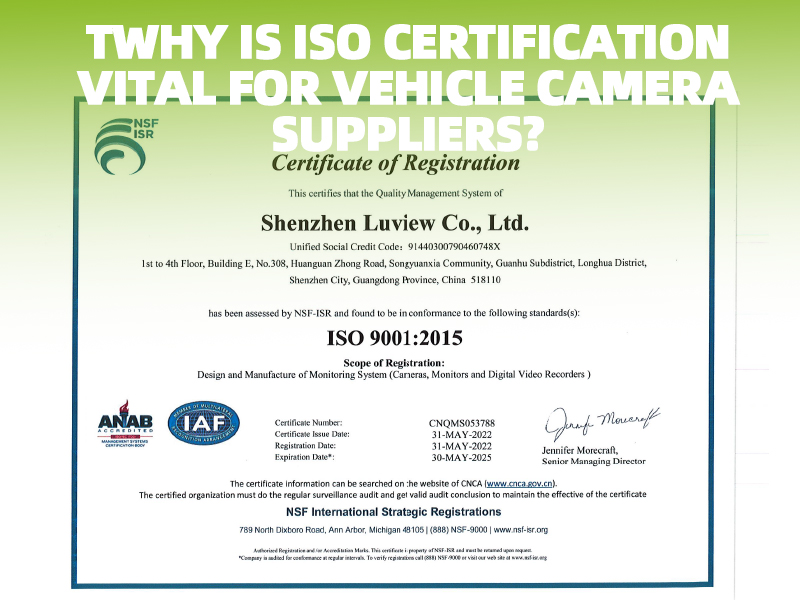
In the automotive industry, obtaining ISO certifications such as ISO 9001 and IATF 16949 can provide a competitive edge because they represent a commitment to quality, safety, and efficiency. ISO certifications not only help companies comply with international best practices and regulatory requirements but also enhance the confidence of consumers, suppliers, and investors. Luview, for instance, has achieved ISO 9001 and IATF 16949 certificates, which have elevated the company’s reputation and brand value. This demonstrates Luview’s dedication to delivering high-quality products that align with the highest international standards.

Wnioski

ISO certification is pivotal for vehicle camera suppliers, ensuring product quality and safety while enhancing global market competitiveness. Luview has fortified its market position in manufacturing and providing solutions for rear-view safety products by obtaining ISO 9001 and IATF 16949 standards. As a professional manufacturer of rear-view safety products, we offer an extensive range of items including fleet cameras and vehicle monitors, committed to delivering high-standard vehicular safety solutions. Choose Luview for reliability. For more information, please contact us at sales@luview.com.

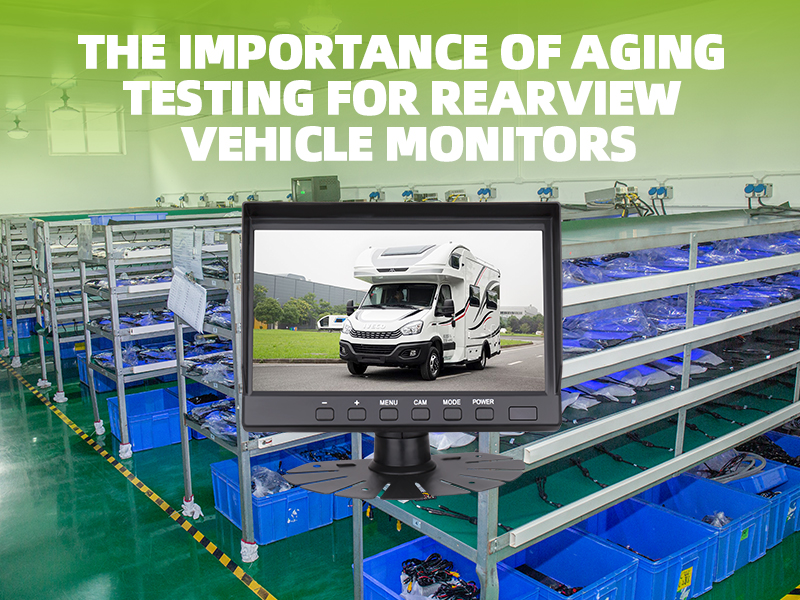
Znaczenie testów starzenia się monitorów tylnej kamery samochodowej 缩略图

Znaczenie testów starzenia się monitorów tylnej kamery samochodowej

Wprowadzenie

The Role and Importance of the Rearview Vehicle Monitor

The rearview vehicle monitor is a device installed inside vehicles, commonly used to display images or videos of the area behind the vehicle, aiding drivers in reversing, parking, and driving maneuvers more safely. These monitors typically work in conjunction with backup cameras or rearview cameras to provide a real-time view of the rear, enabling drivers to clearly see potential obstacles, pedestrians, or other vehicles.

The Importance of Aging Testing for Rearview Vehicle Monitors插图

The Necessity of Aging Tests

Given the significance of rearview vehicle monitors in enhancing driving safety and convenience, ensuring their reliability and performance is critical. This is why aging tests are necessary. Aging tests help manufacturers ensure that these monitors can operate reliably over extended periods under various environmental conditions, meeting drivers’ needs and providing dependable safety.

The Basic Principles and Purpose of Aging Tests

Basic Principles of Aging Tests

Aging tests are systematic testing methods designed to simulate the conditions that a product may experience over extended use and in harsh environments to assess its performance, reliability, and durability. The basic principles of aging tests include:

Simulation of Actual Usage: A key principle of aging tests is to simulate the conditions and environments the product may encounter in actual use. This means that the tests must take into account the real-world application of the product and environmental factors such as temperature, humidity, and vibration.

Accelerated Aging: Aging tests often use accelerating factors, like increased temperature or humidity, to speed up the aging process of the product. This allows the long-term effects of usage to be simulated in a relatively short period.

Continuous Monitoring and Recording: During aging tests, it is essential to continuously monitor and record the performance and condition of the product. These data are crucial for subsequent analysis and improvements.

Assessing Failure Points: One of the objectives of aging tests is to identify the failure points of the product, i.e., the conditions under which the product begins to show decreased performance or malfunctions. This helps manufacturers to identify and improve weaknesses in the product.

What is the Main Purpose of Aging Tests?

The main purposes of aging tests are:

Verifying Product Reliability: By simulating long-term use and harsh environmental conditions, aging tests can verify the reliability of the product in actual use. This helps manufacturers to determine if the product is stable enough to operate normally under challenging conditions.

Early Detection of Issues: Aging tests can help manufacturers detect potential issues and defects before the product is released to the market. This allows for measures to improve product design and manufacturing processes to enhance product quality.

Evaluating Product Life: Through aging tests, manufacturers can assess the lifespan of the product and determine when it may require maintenance or replacement. This helps customers understand the expected life of the product and plan accordingly.

Meeting Regulatory Requirements: In some industries, aging tests are among the requirements of regulations and standards. By conducting aging tests, manufacturers can ensure that their products comply with relevant regulations and standards, thus avoiding legal issues.

How to Conduct Aging Tests on Rearview Vehicle Monitors

Testing Steps

Environmental Simulation: In the test chamber, place the rearview vehicle monitor under constant temperature (40°C) and humidity (90% relative humidity) to simulate a high-temperature and high-humidity environment.

Cycle Testing: Connect the monitor to a reversing camera and continuously run both the monitor and the camera for 12 hours each day to simulate long-term usage.

Vibration Testing: Use a vibration table to simulate the vibrations a vehicle experiences on different road conditions and conduct vibration testing for a duration of 10 hours.

Electromagnetic Interference Test: In an electromagnetic interference testing chamber, expose the monitor to electromagnetic radiation to simulate interference that may be caused by electronic devices within the vehicle.

Continuous Monitoring: Throughout the testing period, continuously monitor and record the performance and condition of the monitor, including indicators such as screen brightness, resolution, and color accuracy.

Wnioski

Aging tests are crucial for the performance and reliability of rearview vehicle monitors. They ensure that the products can operate stably in actual use, enhancing the safety and convenience for drivers.

Luview is a professional manufacturer and solution provider of rearview safety products from China. Whether you are looking for vehicle monitors or cameras, we are your choice. If you are searching for a suitable supplier, please contact sales@luview.com for more details. We are committed to providing high-quality, reliable rearview safety products to meet your needs and offer a safer driving experience for your vehicle.

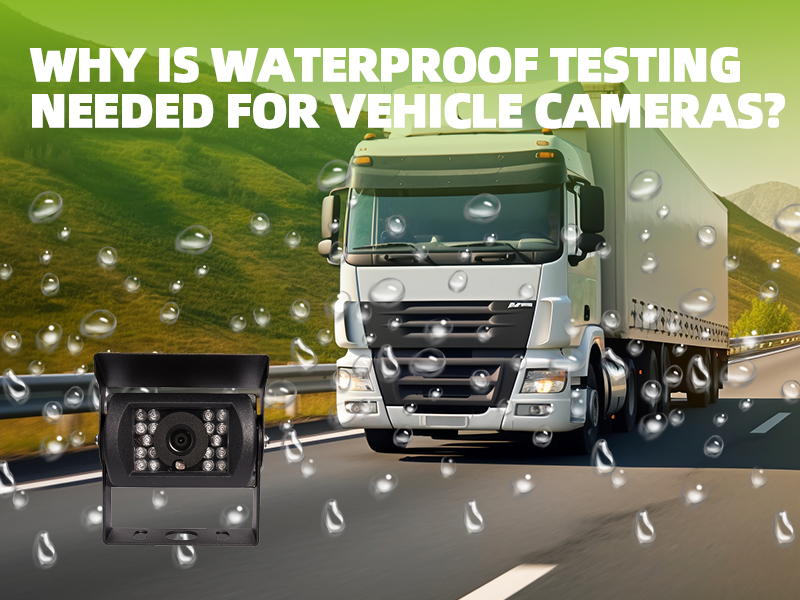
Why is waterproof testing needed for vehicle cameras?缩略图

Dlaczego konieczne jest przeprowadzanie testów wodoodporności kamer samochodowych?

Przedstaw

Kamery samochodowe są coraz bardziej popularne ze względu na ich rolę w poprawie bezpieczeństwa jazdy, przestrzeganiu przepisów ruchu drogowego i zapewnianiu pomocy kierowcy. Wraz z postępem technologicznym i rosnącym zapotrzebowaniem konsumentów na zaawansowane technologicznie pojazdy, kamery te stały się niezbędnym elementem nowych modeli samochodów. Dlatego też trwałość i niezawodność kamer samochodowych ma kluczowe znaczenie — muszą one działać skutecznie w ekstremalnych warunkach pogodowych i być odporne na zużycie wynikające z codziennego użytkowania. Dlatego też kamery samochodowe muszą przechodzić rygorystyczne testy wodoodporności, aby zapewnić ich optymalną wydajność w każdych warunkach.

Why is waterproof testing needed for vehicle cameras?插图

Wyzwania dla kamer samochodowych

1. Narażenie na zróżnicowane warunki środowiskowe

Kamery samochodowe są narażone podczas użytkowania na różne warunki środowiskowe, w tym wysokie temperatury, niskie temperatury, wahania wilgotności oraz wpływ kurzu i zanieczyszczeń, które mogą wpływać na działanie i żywotność kamer.

2. Konieczność zapewnienia funkcjonalności w różnych warunkach oświetleniowych i pogodowych

Kamery samochodowe muszą działać w różnych warunkach oświetleniowych i pogodowych, takich jak noc, tunele, burze lub opady śniegu, aby zapewnić stabilną jakość obrazu i dokładne informacje wizualne.

Konieczność przeprowadzenia testów wodoodporności

1. Ryzyko uszkodzeń spowodowanych wodą w wyniku warunków atmosferycznych i mycia pojazdu

Kamery samochodowe są często narażone na działanie trudnych warunków pogodowych, takich jak deszcz, śnieg i inne opady atmosferyczne. Ponadto podczas mycia samochodu kamery mogą mieć bezpośredni kontakt z wodą. Bez odpowiedniej wodoodporności woda może uszkodzić obwody wewnętrzne i spowodować nieprawidłowe działanie.

2. Wymóg utrzymania stałej wydajności w warunkach wilgotnych

Kamery samochodowe muszą zapewniać ciągły obraz o wysokiej jakości, zwłaszcza w wilgotnych warunkach, aby zagwarantować prawidłowe działanie systemu bezpieczeństwa jazdy. Dlatego przeprowadzanie testów wodoodporności jest kluczowym krokiem w celu zapewnienia, że kamery zachowają swoją wydajność i niezawodność nawet w wilgotnych warunkach.

Normy i certyfikaty

1. Wyjaśnienie klasyfikacji IP i jej implikacji dla kamer samochodowych

Klasa IP, zdefiniowana przez Międzynarodową Komisję Elektrotechniczną, opisuje stopień ochrony obudowy przed ciałami stałymi i cieczami. W przypadku kamer samochodowych wyższa klasa IP, taka jak IP67 lub IP68, oznacza, że kamera jest pyłoszczelna i może wytrzymać zanurzenie w wodzie na określoną głębokość przez określony czas.

2. Normy branżowe dotyczące hydroizolacji

Oprócz klasyfikacji IP istnieją inne normy branżowe i certyfikaty, które gwarantują wodoodporność kamer samochodowych, np. normy ASTM International i ISO. Normy te określają metody testowania, wymagania sprzętowe i kryteria oceny wydajności, aby pomóc producentom w projektowaniu kamer odpornych na różne czynniki środowiskowe.

Wnioski

Testy wodoodporności są kluczowym czynnikiem zapewniającym niezawodność kamer samochodowych, ponieważ nie tylko gwarantują one ciągłą pracę w różnych warunkach pogodowych, ale także wydłużają żywotność produktu. Wybór wysokiej jakości systemów kamer samochodowych, które przeszły rygorystyczne testy wodoodporności, może zwiększyć bezpieczeństwo jazdy i zmniejszyć dodatkowe koszty konserwacji spowodowane awarią sprzętu.

Dla bezpieczeństwa jazdy kluczowe znaczenie ma wybór godnego zaufania dostawcy kamer samochodowych. Luview Industry to niezawodny wybór – profesjonalny producent i dostawca rozwiązań w zakresie produktów bezpieczeństwa do tylnego widoku z Chin. Niezależnie od tego, czy szukasz kamer samochodowych, czy systemów tylnego widoku, możemy zaspokoić Twoje potrzeby. Skontaktuj się z nami pod adresem sales@luview.com aby dowiedzieć się więcej szczegółów.

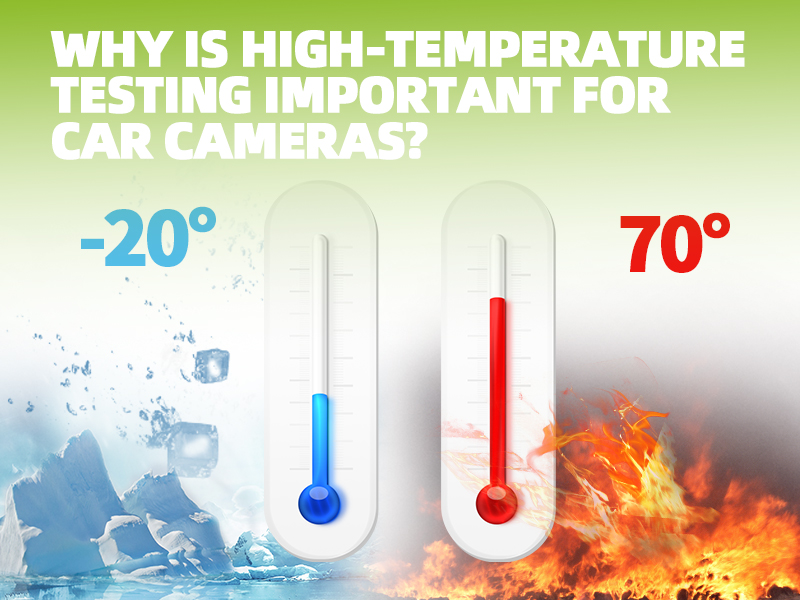
Dlaczego testy w wysokich temperaturach są ważne dla kamer samochodowych? 缩略图

Dlaczego testy w wysokich temperaturach są ważne dla kamer samochodowych?

Przedstaw

In the modern automotive industry, vehicle cameras have become an indispensable component, particularly in the development of autonomous driving and driver assistance systems. As technology advances, the role of these cameras continues to expand, making their performance crucial. However, vehicles must operate under a variety of climatic conditions, especially in high temperatures. Thus, high-temperature testing becomes a critical step to ensure the durability and reliability of these complex systems. This article will discuss the relevance of high-temperature testing, the potential issues that may arise without it, and how these tests help maintain optimal camera performance in the most adverse conditions.

Why is high-temperature testing important for car cameras?插图

High Temperature Testing and Its Relevance to Automotive Cameras

High-temperature testing is a crucial examination for automobiles and their components, aimed at ensuring reliability and performance of the vehicles in high-temperature environments. Cars must undergo a series of high-temperature tests during design and manufacturing to simulate use in hot climate conditions and to ensure that all parts work properly under extreme temperatures. For vehicle cameras, high-temperature testing is particularly important for several reasons:

1. Reliability of Electronic Components: Vehicle cameras consist of multiple electronic components, including image sensors and processors. High temperatures might affect the functionality of these electronics, leading to failure or decreased performance.

2. Image Quality Maintenance: Under high-temperature conditions, the image quality of cameras must not degrade as it can impact the judgment of assistive driving systems, such as in automatic parking, autonomous driving, or collision prevention systems.

3. Material Aging: Prolonged exposure to high temperatures can lead to changes in material properties of the camera’s housing and lens, such as deformation or fading, which can affect the camera’s durability and imaging results.

4. Performance of Adhesives and Sealants: Cameras may use adhesives and sealants internally to secure components, and these materials could fail at high temperatures, causing structural loosening or moisture ingress inside the camera.

5. Internal Cooling Mechanisms: Some high-end vehicle cameras may be equipped with cooling systems to prevent overheating when operating for extended periods in high temperatures. High-temperature testing can verify the effectiveness of these cooling mechanisms.

6. Software Stability: The camera’s software, including image processing and analysis applications, must also remain stable at high temperatures.

7. Self-Protection Features: Some cameras are designed with overheating protection, reducing power consumption or temporarily shutting down when temperatures are too high to protect internal components. High-temperature testing can ensure these features are reliable.

Potential problems that may arise

If vehicle cameras are not subjected to proper high-temperature testing, they could encounter various potential issues during actual use. These issues could affect the performance of the camera and also negatively impact the overall safety and reliability of the vehicle. Here are some potential problems that may arise:

1. Deterioration in Image Quality

  • The camera’s image sensor may malfunction in high temperatures, leading to image distortion, color deviation, or reduced contrast.
  • Lens materials may deform, resulting in blurred images or inaccurate focusing.

2. Electronic Component Failure

  • High temperatures could lead to premature aging or damage of electronic components within the camera, such as processors overheating or circuit boards expanding.
  • Memory and sensors might fail due to high temperatures, leading to data loss or incorrect information output.

3. Internal Cooling Failure

  • If the camera has a cooling system, an untested camera might not cool effectively under high temperatures, leading to excessively high internal temperatures.

4. Physical Damage

  • The camera casing and internal structure may crack or deform due to the reduced performance of materials at high temperatures.
  • Adhesives and sealants may melt or fail, causing internal components to come loose or allowing moisture to seep in.

5. Reduced Reliability

  • The camera may not maintain stable performance under continuous high temperatures, leading to intermittent failures.
  • Reliability of critical moments, such as automatic emergency braking or lane-keeping assistance, may be reduced, increasing the risk of traffic accidents.

6. Shortened Lifespan

  • The expected lifespan of the camera may be significantly reduced due to long-term exposure to high temperatures without adequate adaptive improvements.

7. Safety Risks

  • If the camera is part of an autonomous driving system, a decline in performance may cause system failures, increasing safety risks.
  • A sudden stop in the camera’s operation under high temperatures may affect vehicle safety systems like parking assistance or blind-spot monitoring.

8. Increased Warranty and Maintenance Costs

  • Cameras that frequently fail under high temperatures could lead to increased warranty claims, raising the manufacturer’s post-sales service costs.
  • For consumers, frequent repairs and replacements could lead to increased ownership costs.

How high-temperature testing ensures vehicle cameras maintain optimal performance even in adverse weather conditions

High-temperature testing is a key process to ensure vehicle cameras maintain optimal performance under harsh weather conditions. These tests simulate the highest temperature environments a vehicle might encounter and assess the durability and functional stability of the cameras under extreme conditions. Here’s how high-temperature testing helps ensure vehicle cameras keep their best performance:

1. Simulation of Actual Conditions

  • High-temperature tests are typically conducted in specially designed chambers that can simulate a range of conditions from direct sunlight to high-temperature storage.
  • Simulation tests include prolonged thermal exposure and rapid temperature changes to assess conditions that cameras may face in actual use.

2. Assessment of Material Performance

  • Tests examine the reaction of various materials used in the camera, including plastics, metals, optical components, and sealants under high temperatures.
  • These tests determine if materials will deform, degrade, or lose their protective properties.

3. Reliability Testing of Electronic Components

  • High-temperature conditions are a significant challenge for electronic components, especially sensors and processors in cameras.
  • High-temperature testing ensures electronic components do not overheat, circuit boards do not expand or crack, and connections remain secure.

4. Optical Performance Evaluation

  • Tests ensure that lenses and sensors do not change optical properties, such as focal length and lens shape, under prolonged high temperatures.
  • Ensures that image quality is unaffected by temperature variations, maintaining clarity and accurate color reproduction.

5. Software and Hardware Functionality Verification

  • Testing includes assessing the stability of the camera’s software and hardware functions, such as whether autofocus and image stabilization work correctly at high temperatures.
  • Ensures all intelligent functions of the camera, like lane tracking and obstacle detection, remain reliable in high-temperature environments.

6. Long-Term Durability and Aging Tests

  • Accelerated aging tests predict performance degradation that cameras might experience in everyday use due to long-term exposure to high temperatures.
  • This helps manufacturers understand when maintenance or replacement might be needed and the expected lifespan of the product.

7. Safety Assurance

  • Since vehicle cameras are often used for critical safety systems, such as Automatic Emergency Braking (AEB) and Lane Keeping Assist Systems (LKAS), high-temperature testing also ensures these systems continue to provide protection in high temperatures.

8. Certification and Compliance

  • High-temperature testing is performed to ensure cameras meet regulations and standards across the globe, which is essential for marketing and using vehicles in different markets.

Wnioski

In conclusion, high-temperature testing is essential for the reliability of vehicle cameras in extreme heat. It highlights risks, underlines safety for occupants, and ensures camera performance in all conditions. Such testing is not optional but a vital part of manufacturers’ quality assurance.

Luview offers rear-view safety products and solutions in China, ensuring high-quality and compliance with industry standards. Our advanced technology aims to make your driving experience safer and more enjoyable. For further information or to enhance your vehicle with our camera solutions, reach out to our expert team at sales@luview.com.

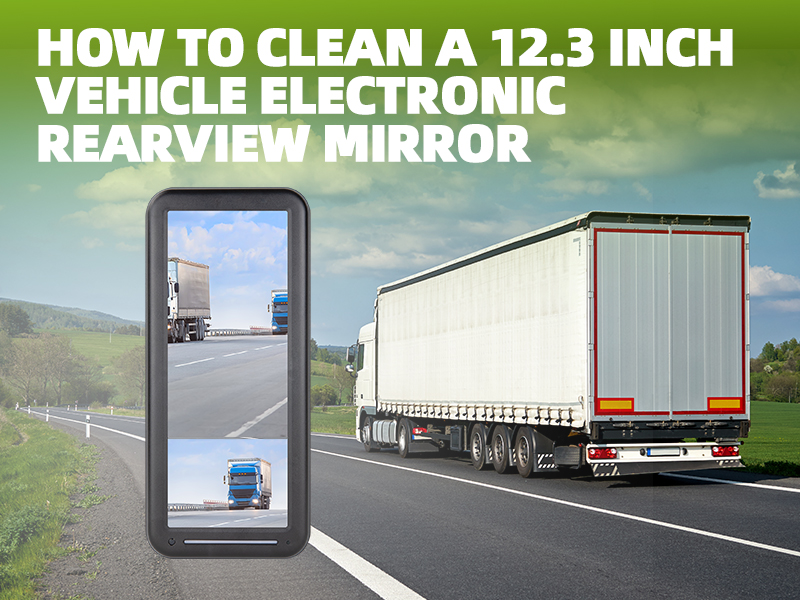
How to Clean a 12.3 Inch Electronic Vehicle Rearview Mirror?缩略图

Jak wyczyścić elektroniczne lusterko wsteczne pojazdu o przekątnej 12,3 cala?

Przygotowanie narzędzi i materiałów do czyszczenia

Czyszczenie 12,3-calowego elektronicznego lusterka wstecznego: wymagane narzędzia i materiały

How to Clean a 12.3 Inch Electronic Vehicle Rearview Mirror?插图

Podczas czyszczenia 12,3-calowego elektronicznego lusterka wstecznego należy używać odpowiednich narzędzi i materiałów, aby zapewnić skuteczne czyszczenie bez uszkodzenia urządzenia. Oto kilka zalecanych narzędzi i materiałów do czyszczenia:

  • Narzędzia do czyszczenia

Ściereczka z mikrofibry: Służy do wycierania ekranu wyświetlacza i powierzchni lustra elektronicznego lusterka wstecznego, umożliwiając usuwanie plam i odcisków palców bez zarysowywania powierzchni.

Szczotka z miękkim włosiem: Może być używany do czyszczenia kurzu i brudu z krawędzi elektronicznego lusterka wstecznego i innych trudno dostępnych miejsc.

Grzałka lub pojemnik ze sprężonym powietrzem: Służy do usuwania kurzu i zanieczyszczeń z powierzchni lustra i szczelin urządzenia.

  • Środki czyszczące

Roztwór czyszczący: Zaprojektowany specjalnie do sprzętu elektronicznego, skutecznie usuwa plamy i odciski palców bez uszkadzania urządzenia.

Woda dejonizowana lub destylowana: Jeśli nie masz specjalnego środka czyszczącego, możesz użyć wody dejonizowanej lub destylowanej, żeby uniknąć uszkodzeń przez minerały z kranu.

Alkohol: Do usuwania uporczywych plam można użyć niewielkiej ilości alkoholu, ale należy upewnić się, że jego stężenie jest umiarkowane, ponieważ wysokie stężenie alkoholu może uszkodzić powłokę ekranu.

Bezpieczne odłączenie zasilania i demontaż 12,3-calowego elektronicznego lusterka wstecznego

Odłączenie zasilania i demontaż 12,3-calowego elektronicznego lusterka wstecznego to delikatny i potencjalnie niebezpieczny proces, zwłaszcza jeśli nie masz doświadczenia w montażu i konserwacji elektroniki samochodowej. Przed przystąpieniem do tych czynności upewnij się, że dokładnie przeczytałeś i zrozumiałeś instrukcję obsługi produktu oraz przestrzegasz wszystkich wytycznych dotyczących bezpieczeństwa. Poniżej przedstawiono kilka podstawowych kroków, które pomogą zapewnić bezpieczeństwo tego procesu:

Odłączanie zasilania

  1. Wyłącz pojazd: Upewnij się, że pojazd jest całkowicie wyłączony, i wyjmij kluczyk ze stacyjki.
  2. Odłącz akumulator: Ostrożnie odłącz ujemny biegun akumulatora pojazdu za pomocą odpowiedniego narzędzia (zwykle klucza), aby zapobiec zwarciu podczas demontażu.

Przygotowanie narzędzi i materiałów

Przygotuj niezbędne narzędzia i materiały, takie jak śrubokręt i plastikowy łom, aby bezpiecznie zdemontować lusterko wsteczne.

Demontaż lusterka wstecznego

  1. Zlokalizuj punkty mocowania: Znajdź śruby lub zaciski mocujące elektroniczne lusterko wsteczne.
  2. Ostrożnie zdemontuj: użyj odpowiednich narzędzi, aby ostrożnie poluzować punkty mocowania, unikając użycia nadmiernej siły, aby nie uszkodzić urządzenia lub wnętrza pojazdu.
  3. Odłącz złącza: Po poluzowaniu lusterka wstecznego znajdź i ostrożnie odłącz złącza zasilania i/lub danych.

Ostrzeżenia

  • Nie używaj siły: Jeśli napotkasz opór lub nie masz pewności, jak postępować, przerwij demontaż i zwróć się o pomoc do specjalisty.
  • Zapisz wszystkie części: Podczas demontażu należy zachować wszystkie śruby, zaciski i inne części, aby móc je ponownie zamontować.
  • Proces demontażu rekordu: Jeśli to możliwe, wykonaj zdjęcia procesu demontażu, aby móc się do nich odwołać podczas ponownej instalacji.

Sprawdź i wyczyść

Po demontażu lusterka wstecznego sprawdź, czy nie ma żadnych uszkodzeń, i wyczyść punkty połączeń, aby upewnić się, że nie ma na nich kurzu ani śladów korozji.

Kroki czyszczenia ekranu elektronicznego o przekątnej 12,3 cala

Podczas czyszczenia ekranu 12,3-calowego elektronicznego lusterka wstecznego należy zachować szczególną ostrożność, aby zapobiec przedostaniu się wilgoci do urządzenia, co mogłoby spowodować jego uszkodzenie lub nieprawidłowe działanie. Poniżej znajduje się szczegółowa procedura czyszczenia, która pomoże Ci bezpiecznie i skutecznie wykonać to zadanie:

Przygotowanie narzędzi i materiałów do czyszczenia

  • Ściereczka z mikrofibry: Do wycierania ekranu bez rysowania jego powierzchni.
  • Specjalny środek do czyszczenia ekranów elektronicznych: Wybierz środek czyszczący, który nie zawiera alkoholu ani amoniaku, aby zapobiec uszkodzeniu ekranu.
  • Butelka z rozpylaczem: Jeśli środek czyszczący nie jest w sprayu, potrzebna jest butelka z rozpylaczem, aby nałożyć środek bardziej równomiernie.
  • Chłonna ściereczka lub ręcznik papierowy: Do pochłaniania nadmiaru wilgoci i czyszczenia.

Wyłączanie i odłączanie zasilania

Przed rozpoczęciem czyszczenia upewnij się, że urządzenie jest wyłączone i odłączone od źródła zasilania, aby zapobiec zwarciu spowodowanemu przedostaniem się wilgoci.

Czyszczenie ekranu

  • Nałóż środek czyszczący: Spryskaj środek czyszczący na ściereczkę z mikrofibry, a nie bezpośrednio na ekran, aby zapobiec przedostawaniu się płynu na krawędzie ekranu lub do wnętrza urządzenia.
  • Delikatnie przetrzyj: Delikatnie przetrzyj ekran ściereczką z mikrofibry, przesuwając ją od jednej strony ekranu do drugiej, wykonując ruchy proste, a nie okrężne.
  • Zwróć uwagę na krawędzie: Podczas czyszczenia krawędzi ekranu należy zachować szczególną ostrożność, aby żadne środki czyszczące ani wilgoć nie dostały się do wnętrza urządzenia.

Usuwanie nadmiaru wilgoci i czyszczenie

Użyj suchej ściereczki z mikrofibry lub chłonnej ściereczki, aby delikatnie wytrzeć nadmiar wilgoci i środek czyszczący z ekranu.

Sprawdzanie ekranu

Po zakończeniu czyszczenia dokładnie sprawdź ekran, aby upewnić się, że nie pozostały na nim żadne smugi ani plamy. W razie potrzeby delikatnie przetrzyj go ponownie czystą ściereczką z mikrofibry.

Ponowne podłączenie zasilania i włączenie urządzenia

Po całkowitym wyschnięciu ekranu podłącz ponownie zasilanie i włącz urządzenie, aby sprawdzić, czy wyświetlacz ekranu działa prawidłowo.

Wnioski

Podczas konserwacji i czyszczenia 12,3-calowego elektronicznego lusterka wstecznego należy bezwzględnie przestrzegać prawidłowych procedur czyszczenia oraz używać odpowiednich narzędzi i środków czyszczących. Zapewnia to nie tylko optymalny stan urządzenia, gwarantujący wyraźny i dokładny obraz, ale także przedłuża jego żywotność, zapewniając bezpieczeństwo podczas jazdy.

Wybierz Luview, aby mieć pewność bezpieczeństwa i jakości. Oferujemy szeroki wybór rozmiarów i funkcji naszych elektronicznych lusterek samochodowych, aby zaspokoić różnorodne potrzeby naszych klientów. Jeśli szukasz wysokiej jakości, niezawodnych produktów do lusterek samochodowych, Luview jest idealnym wyborem. Skontaktuj się z nami pod adresem sales@luview.com aby dowiedzieć się więcej szczegółów i rozpocząć współpracę, zapewniając Ci bezpieczne i przyjemne wrażenia z jazdy.

Przewodnik zakupowy dla 12,3-calowego elektronicznego lusterka wstecznego 缩略图

Przewodnik zakupowy dla 12,3-calowego elektronicznego lusterka wstecznego

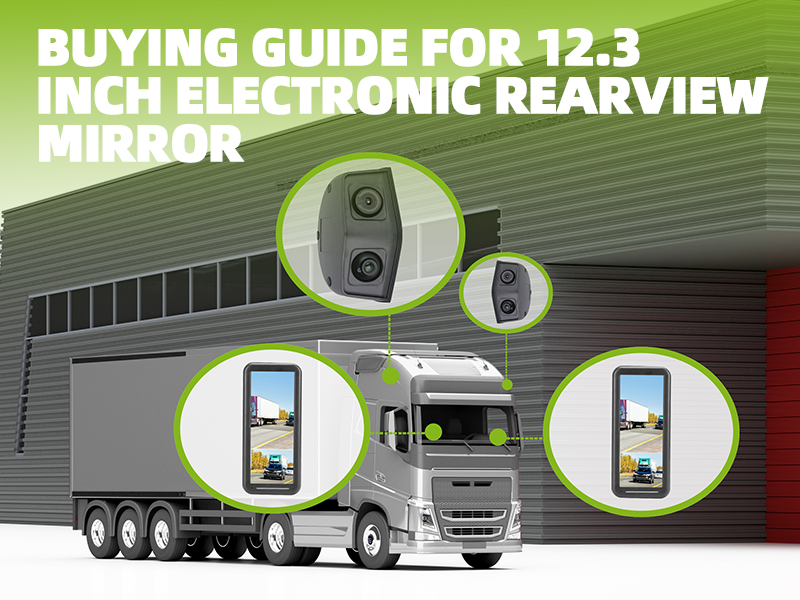
Electronic rearview mirrors, utilizing high-definition cameras and display screens, provide drivers with a broader and clearer view compared to traditional rearview mirrors. They not only offer an enhanced field of vision but also integrate advanced safety features such as night vision, blind spot detection, and lane departure warnings, making electronic rearview mirrors a crucial tool for increasing driving safety.

The purpose of this article is to present a comprehensive guide for readers, helping them to understand the advantages of 12.3-inch electronic rearview mirrors and how to select the product that best suits their needs. By offering detailed information and practical advice, we hope to empower readers to make informed decisions and maximize the benefits from their investment.

Buying Guide for 12.3 Inch Electronic Rearview Mirror插图

What is a 12.3-Inch Vehicle Electronic Rearview Mirror?

A 12.3-inch car electronic rearview mirror refers to vehicle electronic rearview system with a screen size of 12.3 inches. This system utilizes cameras to capture the scenes behind the vehicle and displays them in real-time on a large screen to the driver. The 12.3-inch display provides ample visibility, ensuring that drivers can clearly see what is happening behind their vehicle.

Comparison Between 12.3-Inch Vehicle Electronic Rearview Mirrors and Traditional Car Rearview Mirrors

1. Design

  • Electronic Rearview Mirror: Usually features a streamlined design with a large display screen and high-definition cameras, making the system more modern and high-tech.
  • Traditional Rearview Mirror: Has a relatively simple design, typically a reflective surface that reflects the rear view through physical means.

2. Functions

  • Electronic Rearview Mirror:
    • Provides a broader field of view, reducing blind spots.
    • Offers high-definition display and night vision capabilities, ensuring clear views even in poor lighting conditions.
    • Features auto-dimming to reduce glare from headlights of vehicles behind.
    • May include additional advanced features such as a driving recorder, GPS, etc.
  • Traditional Rearview Mirror:
    • Basic reflective function, with the field of view limited by the vehicle’s structure.
    • Visibility may be affected at night or in adverse weather conditions.

3. Installation and Maintenance

  • Electronic Rearview Mirror: Installation may be relatively complex, requiring professional assistance. Repair costs could be high if issues arise.
  • Traditional Rearview Mirror: Easy to install with low maintenance costs.

4. Price

  • Electronic Rearview Mirror: Significantly more expensive than traditional mirrors, representing a considerable investment.
  • Traditional Rearview Mirror: More affordable, providing a cost-effective option.

12.3-inch vehicle electronic rearview mirrors offer numerous advantages and advanced features not found in traditional rearview mirrors, especially in terms of enhancing driving safety and comfort. However, these benefits come at a higher cost and potential maintenance expenses. Drivers should carefully weigh their needs and budget when making a choice. If you are looking for a high-performance, multifunctional rearview mirror solution and have the budget for it, a 12.3-inch vehicle electronic rearview mirror is an excellent option. For those with limited budgets or lesser needs for advanced features, traditional rearview mirrors remain a reliable and economical choice.

Finding a Reliable Factory for Car Electronic Rearview Mirrors

Finding a reliable factory for car electronic rearview mirrors is a crucial yet potentially complex process. Here are some guiding steps and suggestions to help you find a trustworthy supplier:

1. Conduct Market Research

Start with comprehensive market research to understand the different brands and models of electronic rearview mirrors, as well as their reviews and market share.

2. Check Factory Credentials

Verify that the factory has the necessary production permits and certifications to ensure that their products meet international and local quality and safety standards.

3. Look for Reviews and Recommendations

Search for customer reviews and recommendations of the factory, getting an idea of their production capacity, delivery times, quality of service, and more.

4. Visit the Factory if Possible

If it’s feasible, visit the factory to directly observe the production process and quality control measures, giving you a first-hand look at how they operate.

5. Negotiation and Contract Signing

Engage in detailed communication with the factory to understand their pricing, payment terms, minimum order quantities, and other pertinent details. Once an agreement is reached, formalize the arrangement with a signed contract.

6. Sample Inspection

Before placing a bulk order, request or purchase a sample to personally inspect its quality, functionality, and other aspects to ensure it meets your requirements.

Wnioski

In today’s rapidly evolving automotive industry, car electronic rearview mirrors have become essential devices for enhancing driving safety and convenience. The 12.3-inch large screen provides a clearer and broader view, aiding drivers in better understanding their vehicle’s surroundings, reducing blind spots, and enhancing road safety.

Selecting the right electronic rearview mirror and sourcing it from a reliable factory is crucial. This is vital not just for the product’s quality and performance but also for the safety of you and your passengers.

“Luview is a professional manufacturer and solutions provider of rearview safety products from China. If you are in search of high-quality electronic rearview mirrors, we are the supplier you’re looking for. We offer a variety of car electronic rearview mirrors in different sizes and functions to meet the diverse needs of our customers. Please contact sales@luview.com for more details and to start our cooperation.”

Ultimate Guide to Fleet Camera Systems: Overview, Benefits, Cost, and Selection缩略图

Ultimate Guide to Fleet Camera Systems: Overview, Benefits, Cost, and Selection

Fleet camera systems are increasingly becoming an essential tool for fleet management. This comprehensive guide offers insights into what they are, their benefits, legality, and more. Additionally, we’ll explore the cost considerations, how to select the right system, and installation pointers. Let’s delve in.

Ultimate Guide to Fleet Camera Systems: Overview, Benefits, Cost, and Selection插图

What is a Fleet Camera System?

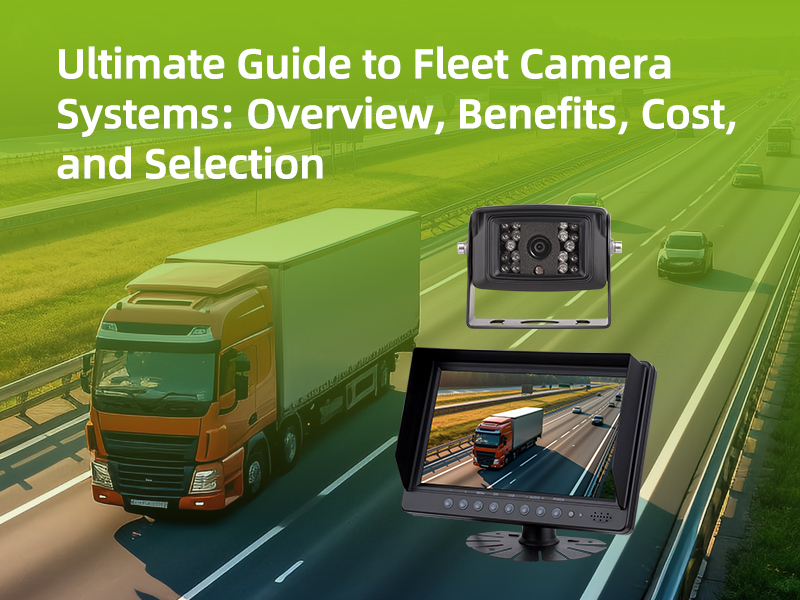
A fleet camera system is a comprehensive set-up of cameras, usually both on the exterior and interior of vehicles, which helps fleet managers monitor and manage their vehicles efficiently. These systems are integrated with technology to record real-time data, providing valuable insights for fleet operations.

How Do Fleet Camera Systems Work?

These systems utilize a combination of hardware (cameras) and software (data management platforms). The cameras continuously capture footage while the vehicle is operational. This data is either stored locally or transmitted to a centralized system where fleet managers can review it. Advanced systems may also offer features like real-time monitoring, geo-fencing, and alerts for specific events like harsh braking.

Benefits of Using Fleet Camera Systems

  • Safety Improvements: By monitoring driver behavior, managers can offer feedback to ensure safer driving habits.
  • Evidence in Disputes: In the event of accidents, camera footage can serve as evidence, clarifying the situation.
  • Operational Efficiency: Fleet managers can optimize routes and address maintenance issues promptly.
  • Improved Customer Service: Managers can provide accurate delivery updates to customers based on real-time data.

Are Fleet Camera Systems Legal?

The legality of fleet camera systems varies by region. Generally, in many countries, they’re legal provided that drivers and passengers are informed of the monitoring. It’s crucial to ensure that any camera installations adhere to local privacy laws and regulations.

Do Fleet Camera Systems Reduce Insurance Costs?

Yes, many insurance providers offer reduced premiums for fleets equipped with camera systems. These systems can help prove fault in accidents, leading to quicker claim resolutions. Moreover, they emphasize the fleet’s commitment to safety, making them a lower risk in the eyes of insurers.

Top Fleet Camera System Brands

  • Luview: A professional fleet camera and fleet camera system manufacturer from China. Visit Luview aby uzyskać więcej informacji.
  • Rearview Safety: Known for its robust range of safety solutions, Rearview Safety has made a mark in the industry. Check them out.
  • Fleetcam: Specializing in advanced fleet monitoring, Fleetcam offers cutting-edge technology. Explore Fleetcam.

Cost of a Fleet Camera System

The cost varies based on features, brand, and installation needs. Basic systems can start at a few hundred dollars per vehicle, while advanced setups with real-time monitoring can cost significantly more. It’s essential to consider both initial investment and potential long-term savings (like reduced insurance premiums) when evaluating cost.

How to Choose the Right Fleet Camera

When selecting a system:

  • Evaluate Your Needs: Consider the size of your fleet, routes, and specific challenges.
  • Research Brands: Brands like Luview offer a range of products tailored to different fleet needs.
  • Check Features: Ensure the system provides real-time monitoring, storage options, and good camera resolution.
  • Seek Recommendations: Consult other fleet managers or industry peers for their insights.

For those seeking a reliable fleet camera system supplier, Luview stands out. Don’t hesitate to contact us aby uzyskać więcej informacji.

How to Install a Fleet Camera System

Installation varies based on the system. However, here are general steps:

  1. Choose the Camera Placement: Common areas include the dashboard, rear, and sides of the vehicle.
  2. Mount the Cameras: Use the provided mounts and ensure they’re securely attached.
  3. Connect to Power Source: Typically, cameras connect to the vehicle’s electrical system.
  4. Set Up Data Storage/Transmission: Depending on the system, set up local storage or cloud-based transmission.
  5. Test the System: Before deploying the vehicle, ensure cameras are functioning and data is accessible.

In conclusion, fleet camera systems have revolutionized fleet management, offering enhanced safety, operational efficiency, and potential cost savings. By selecting the right system and ensuring proper installation, fleet managers can make a significant positive impact on their operations.

Fleet camera vs. dashcam, what are the differences and which one to choose?缩略图

Fleet camera vs. dashcam, what are the differences and which one to choose?

In today’s rapidly evolving world, the importance of vehicle cameras cannot be understated. With the increase in road traffic and the inherent risks associated with it, safety and accountability have become paramount. Vehicle cameras play a crucial role in this scenario, offering a myriad of benefits from capturing crucial evidence in case of mishaps, to aiding in better fleet management.

There are several types of vehicle cameras available in the market, each designed to cater to specific needs. Among these, two stand out due to their popularity and widespread usage: Fleet cameras and dashcams. While they both serve the purpose of recording video footage from vehicles, they cater to different audiences and have distinct functionalities. In this article, we will delve deeper into the characteristics of these two types and elucidate their differences.

Fleet camera vs. dashcam, what are the differences and which one to choose?插图

What is a Fleet Camera?

Definition and Primary Purpose

A fleet camera, often referred to as a fleet management camera, is a specialized type of video recording device designed primarily for vehicles that are part of a commercial fleet. Its main purpose is not just to record footage but to aid fleet managers in monitoring, tracking, and ensuring the safety of their vehicles and drivers. These cameras offer an extra layer of oversight, helping businesses reduce liabilities, maintain compliance, and enhance overall fleet performance.

Key Features of Fleet Cameras

  • Integrated GPS: Most fleet cameras come with an integrated GPS system, enabling fleet managers to track the real-time location of each vehicle.
  • Multiple Channel Recording: Unlike regular dashcams, fleet cameras often have the capability to record multiple views simultaneously. This includes front-facing, rear, cabin, and sometimes even side views.
  • Cloud Storage & Real-time Streaming: Many advanced fleet cameras offer cloud storage solutions, ensuring that footage is stored securely and can be accessed remotely. Some even allow for real-time streaming, letting managers monitor situations as they happen.
  • Driver Behavior Monitoring: With the integration of advanced sensors, fleet cameras can detect and alert for behaviors like hard braking, rapid acceleration, or sharp cornering, ensuring driver compliance and safety.
  • Tamper-Proof Design: Given the commercial use and the need for uninterrupted surveillance, these cameras are designed to be tamper-proof, preventing unauthorized access or tampering.

Common Uses and Industries That Benefit from Fleet Cameras

  1. Logistics and Transportation: Companies involved in the transportation of goods often use fleet cameras to monitor their vehicles, ensuring timely deliveries and safe transit.
  2. Public Transportation: Buses, trams, and other public conveyances employ fleet cameras to ensure passenger safety and monitor driver behavior.
  3. Rental and Car-sharing Services: These businesses deploy fleet cameras to monitor the condition of their vehicles, track usage, and protect against potential abuses or damages.
  4. Emergency Services: Ambulances, fire trucks, and police vehicles use fleet cameras to document incidents, ensure compliance, and as a tool for training and review.
  5. Construction and Heavy Machinery: In industries where heavy machinery like dump trucks or excavators are used, fleet cameras help in monitoring operations, ensuring safety protocols are followed, and protecting against potential liabilities.

In essence, any industry that relies heavily on vehicular operations and wishes to enhance safety, compliance, and efficiency can greatly benefit from the use of fleet cameras.

What is a Dashcam?

Definition and Primary Purpose

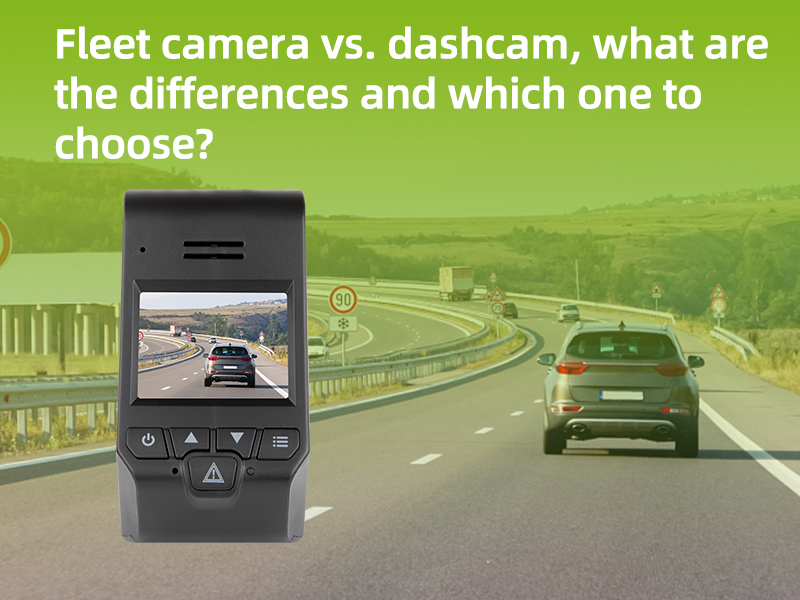
A dashcam, short for dashboard camera, is a compact video recording device mounted on the dashboard or windshield of a vehicle. It is primarily designed to record continuous video footage of the road ahead, serving as a silent witness to any incidents that may occur while driving. The primary purpose of a dashcam is to provide objective evidence in case of road accidents, traffic violations, or any unexpected events, ensuring that the truth is always on record.

Key Features of Dashcams

  • Continuous Loop Recording: Dashcams are designed to record footage continuously. Once the storage is full, the oldest footage is overwritten by the newest, ensuring that the most recent events are always captured.
  • Automatic Incident Detection: Many dashcams come equipped with sensors that detect sudden changes in motion or impact. When an incident is detected, the dashcam automatically saves and locks the footage surrounding that incident, preventing it from being overwritten.
  • Wide-angle Lens: To capture a broad view of the road ahead, dashcams typically employ wide-angle lenses, offering a panoramic view of the surroundings.
  • Night Vision: Considering that many incidents can occur during low-light conditions or at night, modern dashcams often come with enhanced night vision capabilities, ensuring clarity even in the dark.
  • Parking Mode: Some dashcams feature a parking mode, which activates the camera when the vehicle is stationary. This can be beneficial in capturing events like hit-and-runs or vandalism when the car is parked.

Common Uses and Scenarios Where Dashcams Are Beneficial

  1. Accident Evidence: The most common use, dashcams provide irrefutable evidence in the event of an accident, clarifying who was at fault.
  2. Protection Against Fraud: There have been instances where individuals intentionally cause accidents to claim insurance. A dashcam can capture such fraudulent acts, protecting the innocent party.
  3. Monitoring Driving Behavior: Parents or car owners can use dashcams to monitor the driving habits of their teenagers or renters, ensuring safety and compliance with traffic rules.
  4. Capturing Unexpected Events: From meteor sightings to rare wildlife crossings, dashcams have captured numerous unexpected and often viral events, providing unique footage that can be shared and cherished.
  5. Insurance Discounts: Some insurance companies offer discounts to drivers who have dashcams installed, acknowledging the role they play in promoting safer driving and providing clear evidence in case of incidents.

In summary, dashcams have become an indispensable tool for many drivers, offering peace of mind, security, and often even financial savings.

Primary Differences Between Fleet Cameras and Dashcams

Understanding the differences between fleet cameras and dashcams is vital for businesses and individuals alike. Both serve unique purposes and offer distinct features that cater to their intended audiences. Here’s a breakdown of their primary differences:

Functional Differences

  • Integration with Systems:
    • Fleet Cameras: These are often intertwined with fleet management systems. This integration allows managers to monitor vehicle locations, driving behaviors, and even maintenance needs in real-time. Fleet cameras provide a comprehensive view of the entire fleet’s operations, ensuring smooth and efficient functioning.
    • Dashcams: Designed for individual use, dashcams primarily focus on recording footage of the road and immediate surroundings. They lack the broader fleet integration features, serving mainly as an objective witness to on-road incidents.

Technological Differences

  • Video Storage Capabilities:
    • Fleet Cameras: Given the commercial aspect, these cameras often have larger storage capacities and may come with cloud storage solutions. This ensures that footage can be stored for longer periods and can be accessed remotely by fleet managers.
    • Dashcams: Typically, dashcams rely on loop recording, where older footage is overwritten by new recordings when storage is full. Some advanced models might offer cloud storage, but it’s less common than with fleet cameras.
  • Integration with Other Systems:
    • Fleet Cameras: Apart from fleet management systems, these cameras can also integrate with other enterprise systems, such as maintenance tracking, scheduling, or even customer management systems.
    • Dashcams: They are standalone devices, with minimal integration capabilities. Some advanced models might sync with mobile apps for easy footage access and sharing, but the integration usually stops there.
  • Camera Quality and Resolution:
    • Fleet Cameras: Given the commercial imperative, these cameras might offer higher resolutions and multiple camera feeds (front, cabin, rear, sides). The emphasis is on comprehensive coverage and clarity.
    • Dashcams: These offer good quality recordings, especially the premium models. However, most dashcams focus on the front view, with some models offering rear or cabin views as added features.

Usage and Deployment Differences

  • Commercial vs. Individual Use:
    • Fleet Cameras: As the name suggests, they are predominantly used by commercial fleets. This includes transportation companies, public transit systems, emergency services, and more.
    • Dashcams: They are primarily designed for individual motorists. Whether it’s daily commuting, long drives, or even rideshare drivers, dashcams cater to personal vehicle owners seeking an extra layer of security and evidence.

Advantages of Using a Fleet Camera

In the modern transportation and logistics industry, the advantages of employing fleet cameras go far beyond mere surveillance. They provide a suite of benefits that enhance operations, safety, and profitability. Here’s a comprehensive look at the advantages of using fleet cameras:

Enhanced Fleet Management

  • Real-time Monitoring: With fleet cameras integrated with GPS systems, fleet managers can monitor vehicles in real time. This allows them to make informed decisions about routes, respond quickly to unforeseen incidents, and manage fleet distribution effectively.
  • Efficient Dispatch: By knowing the precise location and status of each vehicle, dispatchers can make data-driven decisions on which vehicle to send for a job, reducing response times and enhancing customer satisfaction.
  • Maintenance Alerts: Some advanced fleet camera systems can also provide alerts related to vehicle maintenance, ensuring that vehicles remain in optimal condition and reducing the risk of breakdowns.

Improved Safety for Drivers and Cargo

  • Behavior Monitoring: Fleet cameras can detect potentially dangerous driving behaviors, like hard braking or rapid acceleration. This allows managers to address these behaviors through training or other interventions, ensuring safer roads for everyone.
  • Cargo Security: For fleets that transport valuable goods, cameras offer an added layer of security, deterring potential thefts and ensuring the safety of the cargo.
  • Evidence Collection: In case of accidents or disputes, the footage from fleet cameras provides irrefutable evidence, ensuring that justice is served.

Easier Monitoring and Reporting for Fleet Managers

  • Automated Reporting: Many fleet camera systems come with automated reporting features. These can generate insights on fleet performance, driver behavior, fuel consumption, and more, all valuable data for improving operations.
  • Incident Reviews: Fleet managers can review footage to analyze incidents, helping in training drivers, understanding bottlenecks, and improving route planning.
  • Regulatory Compliance: In some industries, there’s a regulatory need to monitor and record fleet operations. Fleet cameras make it easy to maintain compliance and provide necessary documentation when required.

Possible Insurance Benefits

  • Reduced Premiums: Many insurance providers offer reduced premiums for fleets equipped with cameras, recognizing the added safety and accountability they provide.
  • Claim Resolution: In case of accidents or damages, having video evidence can expedite the claim resolution process, ensuring faster settlements and reduced downtime.

Utilizing fleet cameras provides a multifaceted approach to managing, monitoring, and maintaining a fleet. From safety to efficiency, the benefits are clear, making them an indispensable tool for modern fleet operations.

Advantages of Using a Dashcam

The adoption of dashcams by individual drivers has witnessed a significant surge in recent years. The reasons for this are manifold, ranging from personal security to potential financial benefits. Here’s a detailed exploration of the advantages of using a dashcam:

Evidence in Case of Accidents or Disputes

  • Objective Witness: Dashcams serve as an impartial observer, recording events exactly as they happen. In the unfortunate event of an accident, the footage can clearly show what transpired, helping to establish fault and protect innocent parties.
  • Protection Against Fraud: There have been instances of staged accidents or false claims designed to extort money or benefits. A dashcam can capture such deceitful acts, protecting the driver from potential fraud.

Enhanced Safety for Individual Drivers

  • Driving Behavior Analysis: While primarily used for recording external events, dashcams can also help drivers self-assess their driving habits. Reviewing footage can highlight areas for improvement, leading to safer driving practices.
  • Night Driving: Advanced dashcams with night vision capabilities ensure that events are captured clearly even in low-light conditions, offering protection during night drives.
  • Emergency Features: Some dashcams come with emergency SOS features, which can automatically alert emergency services in the event of a severe collision.

Possible Insurance Discounts

  • Premium Reduction: Recognizing the safety benefits and the role of dashcams in providing clear evidence, some insurance companies offer discounts to drivers who have them installed. This not only enhances safety but also leads to potential savings.
  • Faster Claim Processing: In case of an accident, having clear video evidence can expedite the claim resolution process, ensuring that drivers don’t have to endure prolonged disputes or delays.

Monitoring Parked Vehicles and Anti-Theft Features

  • Parking Mode: Some dashcams offer a parking mode, which activates when the vehicle is stationary. This can capture events like hit-and-runs or vandalism, providing evidence and security even when the driver is away from the vehicle.
  • Theft Deterrent: The mere presence of a dashcam can act as a deterrent to potential thieves or vandals, adding an extra layer of security to the vehicle.
  • Remote Alerts: Advanced dashcams can send real-time alerts to the owner’s smartphone if the vehicle is tampered with or if an incident is detected while parked.

In essence, dashcams offer a multitude of benefits, from safeguarding against unexpected events on the road to ensuring peace of mind when the vehicle is parked. Their advantages underscore the reason behind their growing popularity among motorists worldwide.

Choosing the Right Camera for Your Needs

In a world brimming with technological advancements, selecting the right camera for your vehicular needs can seem daunting. However, a systematic approach can simplify the decision-making process. Here’s a guide to help you choose the right camera based on your specific requirements:

Factors to Consider

Purpose: Commercial Fleet or Individual Use?

  • Commercial Fleet: If you’re managing a fleet of vehicles, your needs will gravitate towards fleet cameras. These provide a holistic view of your operations, helping with real-time monitoring, driver behavior analysis, and integration with fleet management systems.
  • Individual Use: For personal vehicles or individual motorists, dashcams are more suitable. Their primary focus is on recording road events, safeguarding against potential mishaps, and possibly even availing insurance discounts.

Budget Considerations

  • Range of Options: Both fleet cameras and dashcams come in a range of price points. Establishing a budget can help narrow down options and ensure you get the best value for your money.
  • Total Cost of Ownership: Beyond the initial purchase price, consider costs related to installation, maintenance, potential cloud storage fees, and any subscription services if applicable.

Technical Requirements

  • Resolution and Quality: Depending on your needs, you might want a camera with high-definition recording capabilities. For commercial fleets, clear footage can be crucial, especially if the footage is used for evidence or training.
  • Storage Capacity: While most cameras use loop recording, the duration before older footage is overwritten varies. Consider how long you need to retain footage and choose a model with storage capabilities to match.
  • Additional Features: Night vision, parking mode, wide-angle lens, and advanced sensors might be features you want to look for based on your specific requirements.

Integration Needs with Other Systems

  • Fleet Management Systems: For commercial fleet operators, integration with existing fleet management or enterprise systems is vital. Ensure the camera system is compatible or offers APIs for seamless integration.
  • Mobile Apps and Alerts: Individual users might prefer dashcams that come with mobile app integration, allowing for easy access, sharing, and real-time alerts.
  • Connectivity: Some advanced models offer Wi-Fi or cellular connectivity, allowing for remote access to camera feeds or cloud storage. Consider if this is a feature you require.

In summary, choosing the right camera boils down to understanding your specific needs and then aligning them with the features and capabilities of available options. Whether it’s for commercial operations or individual protection, investing time in research will ensure you make a well-informed decision.

The Future of Vehicle Cameras

Vehicle cameras, both fleet cameras and dashcams, have witnessed tremendous evolution in recent years. As technology continues to advance at an unprecedented rate, the next generation of vehicle cameras is poised to be smarter, more integrated, and even more indispensable. Let’s explore what the future holds for these devices:

Emerging Technologies and Trends

  1. Augmented Reality (AR) Integration: Future vehicle cameras might integrate AR to overlay important information on the camera feed. This could include navigational cues, vehicle diagnostics, or even real-time data about traffic conditions.
  2. 5G and Enhanced Connectivity: With the rollout of 5G networks, the connectivity and data transfer speeds for vehicle cameras are set to increase dramatically. This will enable real-time video streaming, faster uploads to cloud storage, and instantaneous data sharing.
  3. Advanced Sensors and Improved Night Vision: Next-gen vehicle cameras will incorporate advanced sensors that can detect a wider range of light wavelengths. This will result in clearer footage in low-light conditions and enhanced night vision capabilities.
  4. Solar-Powered Cameras: With the increasing emphasis on sustainability, we might see the advent of solar-powered vehicle cameras that can operate without draining the vehicle’s battery.

How AI and Machine Learning are Shaping the Future

  1. Predictive Analysis: AI-powered fleet cameras can analyze driving patterns and predict potential hazards, alerting drivers in real-time. For instance, if a driver is consistently braking hard at certain spots, the AI might recognize a potential hazard in that area and provide a warning in advance.
  2. Driver Fatigue and Distraction Detection: Through facial recognition and behavioral analysis, AI-enabled cameras can detect signs of driver fatigue or distraction and send alerts, ensuring the driver’s safety.
  3. Automated Incident Reporting: Upon detecting an accident or collision, AI-driven cameras can automatically compile an incident report, capturing crucial data points like speed, direction, impact force, and more. This not only aids in insurance claims but also in understanding the root causes of incidents.
  4. Personalized Driver Training: By analyzing a driver’s behavior over time, AI can create personalized training modules highlighting areas of improvement, ensuring that drivers receive tailored feedback to enhance their skills.
  5. Enhanced Security: AI-driven dashcams can recognize unauthorized access or potential threats to a parked vehicle, triggering alarms or notifying the owner instantly.
  6. Integration with Smart Cities: As cities become smarter and more connected, AI-driven vehicle cameras will integrate with city-wide systems. This can aid in real-time traffic management, accident response, and even in locating available parking spots.

In conclusion, the fusion of AI, machine learning, and advanced technological trends is set to revolutionize the world of vehicle cameras. These advancements will make roads safer, operations more efficient, and drive the evolution of smarter, more connected cities.

Luview is a professional rear view safety products manufacturer and solution provider from China. Whether you are looking for a fleet camera or dashcam, we are the right supplier you are looking for. Please contact sales@luview.com aby uzyskać więcej informacji.

An Easy Guide To Backup Camera System缩略图

An Easy Guide To Backup Camera System

If your vehicle does not currently have a backup cam ( same as rearview cam, it’s likely that your next brand-new car will. As of May 2018, United States regulation has called for all new auto, vehicles, vans as well as various other vehicles be furnished with rearview monitoring technology. And in many cases that indicates rear-mounted video cameras.

Rear view mirrors have actually been an essential item of automobile equipment for more than a century. However as helpful as mirrors are, they have a couple of considerable drawbacks: They do not assist you see what’s straight behind your vehicle below the level of the back window, and also they do not offer a wide-angle sight.

According to the current offered government data, those imperfections result in about 210 fatalities and 15,000 injuries each year from backover accidents including light weighted automobiles. Tragically, 31 percent of those casualties include children under the age of five. And also the statistics don’t begin to consider those incidents in which a vehicle driver backs into something or runs over a bike, toy or various other object.

An Easy Guide To Backup Camera System插图

Benefits of Backup Cameras
Clearly, one of the most obvious benefit of a reversing camera is that it assists prevent injury happening and also possibly fatal backover accidents by increasing your visual field, particularly below the rear window or trunk level. Cameras also raise your ability to see beyond the size of a mirror’s photo, helping to remove unseen areas. However along with assisting safeguard individuals as well as property behind a vehicle, cams have a number of other benefits as well.

For instance, back-up cameras can assist you park more quickly and securely. Rearview cams give the motorist a much more clear and more precise sight of obstacles behind the auto, and the majority of backup systems include a caution tone that allows you know when you’re getting close to an item.

Mostly all backup cameras include on-screen guidelines: 2 parallel lines that aid direct you into or out of garage more quickly. Some additionally feature a middle line that can help you maintain the car centered in the area. Modern color displays enable the system to alter the color of the guidelines from green to yellow to red as you get closer to an obstruction. And that, incorporated with a distinct warning from the car parking sensing units, can be really valuable in preventing backover mishaps.

If you own a trailer, a rearview video camera can be specifically helpful. The cam gives you a close-up view of the trailer as you lift it up with your vehicle’s hitch, while line color and also alert sensing units ensure you posted on the range.

How Back-up Cams Work
The idea is simple: when you reversing, a cam installed behind the automobile switches on and then sends a photo to a monitor to reveal what ‘s behind you. But the fact is a lot more complex. Back-up camera systems, are rather advanced technology, and also they’re getting much more high-tech at all times.

The intricacy starts from the image recorded by the cam. As opposed to transferring the photo that a common camera may see, rearview cam systems are in fact designed to send a mirror photo to the monitor so the alignment is appropriate when you take a look at it. If you were looking at a direct feed of what the camera sees, the picture would certainly be reversed, and you would certainly steer left when you wished to go right. The system is developed to fix this so the sight on the display can be helpful.

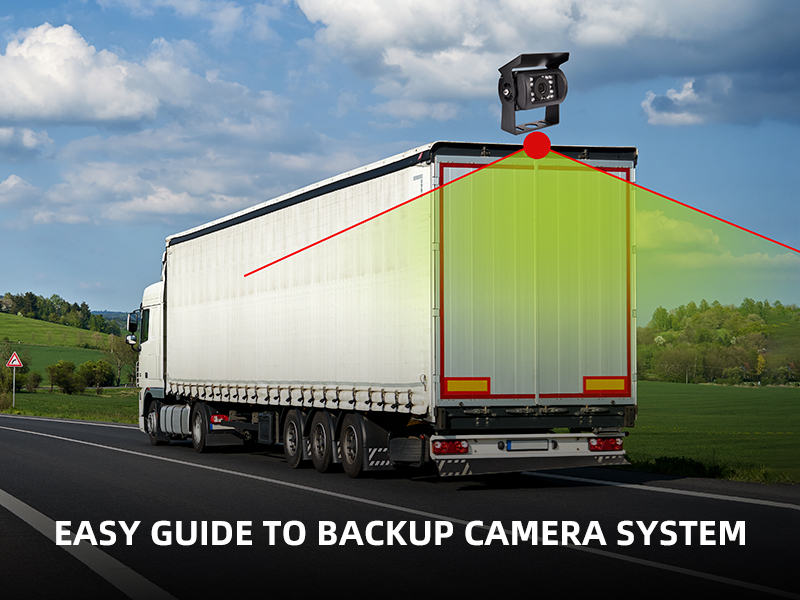
Producers usually install backup cameras in the car’s back trim spaces. They’re fairly inconspicuous, so they can be a little bit hard to see, but you could find them concealed in the bumper, near the license plate, in the trunklid of an SUV or pickup. The cams are usually aimed at a downward angle to provide the best view immediately behind your vehicle. They also have wide view angle lenses, so you’re obtaining an extra extensive photo than you would certainly obtain with a rearview mirror.

Monitors can be installed throughout the motorist’s visual field, however they’re typically found in the center location of the control panel. Because most new lorries have an existing screen for the multi media system, inner temperature control, navigation and other functions, that screen is frequently utilized for the back-up camera system. Other variations use a portion of the rearview mirror as a screen, which has the benefit of locating the display screen where drivers are used to looking when backing up. However this type of display is much smaller and provides a much less detailed image than one with a bigger screen.

Back-up Cams Aren’t Perfect
Although rear view camera systems have numerous advantages and can boost both security and ease, some concerns can impact their procedure. Knowing what to expect can assist you prepare to make use of as well as keep your rear monitoring system properly.

The most common problem that owners have is bad image quality, and one of the most likely cause is merely a dirty lens. Since most cams are mounted low on the back of the vehicle, they undergo being obscured by mud, snow, dirt or various other particles. The good news is, the solution is easy: Clean the lens with a soft fabric (to prevent scraping the lens).

If you have a cordless rearview camera system – most often located on aftermarket designs – there might be a disturbance problem with the signal. Interference, although rare, might be caused by utilizing various other wireless gadgets while the electronic camera is in operation. For the electronic camera and display to interact in a wireless backup camera system, they need to be” matching” so they can communicate with each other. Incompatibility might especially be a concern if you purchased the cam and screen separately.

One more cause of poor image quality, or the absence of a picture altogether, might be a defect or malfunction in the cam, display or other element of the system. There could be many reasons for this trouble, a certified specialist should detect and repair it.

It is necessary to keep in mind that rear view cams aren’t an assurance of security when you reverse your cars and truck. As noted by the National Highway Traffic Safety Administration:” Rear view camera systems are not a replacement for mirrors; rather, they’re an added safety tool for disclosing hidden dangers.”.

Although info is still being collected by a variety of government and private companies, a NHTSA research study using information from 2008 to 2011 showed that although the number of cars with backup cameras more than doubled over that period, the number of injuries was lowered by less than 8 percent. Besides, the fatality rate from these sorts of accidents dropped by more than 30 percent. It needs to be kept in mind, however, that the National Highway Traffic Safety Administration investigation is several years ago, and it relied on a fairly tiny sample size. As newer info becomes available, we’ll discover more concerning the efficiency of rearview cam systems.

Finally, rear view cams are just efficient if you use them. A research performed at the University of Massachusetts discovered that simply 20 percent of the motorists in its sample group looked at their rearview displays when reversing. And the research additionally discovered that 46% of the team who failed to see the display when an alarm sounded, which indicating that the car was getting near an item.

Adding an Aftermarket Back-up Cam
If your existing car doesn’t have a backup cam, adding one is fairly simple, and you do not necessarily need to spend a lot for it. Sellers such as Amazon.com, Walmart and Ebay.com provide aftermarket camera systems beginning at much less than $10 for a fundamental stand-alone backup electronic camera for vehicles that have existing dashboard monitors. Total configurations with a camera, transmitter and monitor can range from less than $100 to more than $500.

With some aftermarket camera systems, you fix the cam in a license-plate structure. So installing it is simple, the only tool you needed might be a screwdriver. Other cams mount in a back trim piece or bumper cover, so you may have to pierce openings and use more tools to get the job done. And also there are some systems that make use of 2 or more electronic cameras, which add complexity to the installation process.

Then there’s the problem of a display. If you have an existing screen, there are cameras available that can send the image directly to that monitor. But if your auto isn’t currently geared up with a display, you’ll have to acquire a system that includes one. There are numerous options, such as dashboard or console-mounted screens as well as substitute rearview mirrors with monitors built into them. To make installation simpler, some aftermarket vendors publish videos on their official sites to help DIYers with detailed installation guides. If Do It Yourself isn’t for you, several auto-parts stores will certainly handle the setup for you.

Future Backup Cam Innovation
Numerous car manufacturers now supply a bird view cam system, that makes use of images from 4 outside video cameras to create an accurate photo that’s extremely helpful when maneuvering in tight areas. This modern technology usually is offered as an alternative or as component of an innovation package.

Through the years, several concept autos have been presented with sideview video cameras that remove mirrors, but the 2019 Lexus ES 350 sedan is the initial manufacturing automobile on the market with this function. The benefits, according to Lexus, include much better ahead visibility because the video cameras are smaller sized than mirrors; less wind sound; and much better side and also back visibility with less unseen areas. For now this technology will just be offered in Japan, where sideview video cameras are lawful.

Mitsubishi Electric is testing what it states is the industry’s best quality automobile cam, which combines with artificial intelligence (AI) capability to discover and separate objects as far away as one hundred meters. This system utilizes AI to mimic human aesthetic behavior and also emphasis swiftly on objects to ensure the motorist know if it’s “seeing” another auto, a pedestrian, a motorcycle or a few other object.

Obviously, video cameras will certainly be an integral component of autonomous car design. Till now, the semi-automated systems available on lots of cars still call for the driver to stay alert, and some are making use of exterior video cameras as well as sensors to be sure somebody is paying attention. Cadillac’s Super Cruise model, as an example, utilizes an infrared electronic camera to monitor the driver’s head and eye activities. If motorist emphasis drives too long from the road, warnings noise, if that does not work, Cadillac Super Cruise will gently bring the car to a stop. BMW is presenting same innovation on the 2019 X5 SUV. The BMW camera system uses an optical camera to track motorist attention, and combined with a suite of various other technology features, it will certainly permit hands-free and pedal-free operation under specific conditions.

As autonomous automobiles are manufactured much more completely, cameras will certainly be integrated with sensors and computer system modules in increasingly innovative active systems. They’ll help autos locate their way, remain oriented with lanes, keep distance from various other cars and objects, recognize road signs, avoid crashes, as well as adjust the automobile’s controls to match the weather and traffic conditions. Most of these features are currently readily available such as adaptive cruise control, adjustable fronts lights and lane maintaining systems, however autonomous automobiles are expected to combine these and many other technologies right into a completely self-driving vehicle.