4 Channel Vehicle DVR Systems for Multi-Camera Monitoring缩略图

4 Channel Vehicle DVR Systems for Multi-Camera Monitoring

With the growing demand for comprehensive vehicle visibility, multi-camera monitoring has become a practical requirement for fleet operators and system integrators. At Luview, we focus on developing solutions that support stable video recording and structured data management across commercial vehicles. A well-designed мобильные цифровые видеорегистраторы architecture allows multiple camera inputs to be managed within a single unit, ensuring consistent image capture during daily operations. When deployed as a vehicle DVR camera system, a four-channel configuration supports front, rear, and side coverage, helping operators document driving behavior and vehicle surroundings in a more systematic way.

4 Channel Vehicle DVR Systems for Multi-Camera Monitoring插图

Multi-Camera Coverage and System Architecture

Four-channel recording plays an important role in achieving balanced monitoring without unnecessary system complexity. In a mobile digital video recorders setup, each channel captures synchronized video streams, making it easier to review events from different angles. Our JY-DV8004 MDVR is designed to support four 1080P AHD camera inputs in one compact device, which aligns with common fleet installation requirements. For integrators building a vehicle DVR camera system, this structure simplifies wiring and reduces compatibility concerns between cameras and storage modules. Multi-camera coverage is particularly valuable in logistics, buses, and service vehicles, where blind spots and operational risk areas need to be visually documented in a consistent format.

Performance, Recording Stability, and Fleet Application

Beyond channel count, system performance depends on recording stability and data handling capability. In daily fleet use, mobile digital video recorders must operate reliably under vibration, temperature variation, and long working hours. The four-channel MDVR solution we provide integrates recording, storage, and AI-supported functions into one unit, supporting continuous monitoring without frequent manual intervention. When deployed as part of a vehicle DVR camera system, the device enables centralized video management, making it easier for fleet managers to review incidents and routine driving records. At Luview, our design approach emphasizes practical deployment, ensuring that system performance remains consistent across different vehicle types and operating environments.

Conclusion: Evaluating 4 Channel DVR Systems for Professional Monitoring

When selecting a four-channel DVR solution, experienced buyers should focus on camera compatibility, recording stability, and integration flexibility. A properly configured mobile digital video recorders platform supports structured video collection from multiple viewpoints, while a reliable vehicle DVR система камер contributes to clearer operational oversight. By combining multi-camera support with stable recording performance, four-channel MDVR systems provide practical value for fleet monitoring and management. These considerations help ensure that multi-camera solutions align with real operational needs rather than adding unnecessary complexity.
AI Vision Camera Systems for Real-Time Detection and Analysis缩略图

AI Vision Camera Systems for Real-Time Detection and Analysis

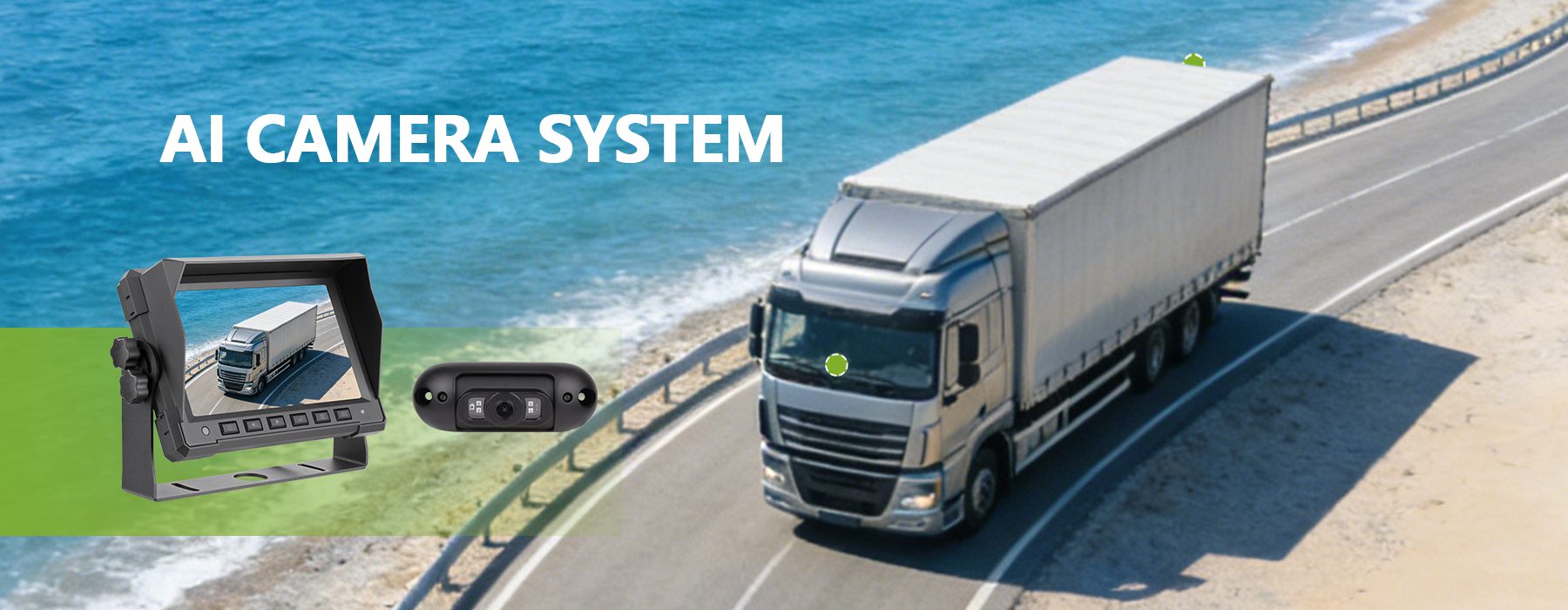
With the growing demand for intelligent perception in transportation and industrial environments, AI vision technologies are increasingly applied to real-time detection and analysis tasks. At Luview, we work with system integrators and fleet operators who require stable visual data for safety-related decision-making rather than consumer-oriented features. An AI-based vision solution focuses on consistent object recognition, image processing, and data output under real operating conditions. In this context, the best ИИ security camera system is not defined by marketing labels, but by how effectively it supports continuous detection accuracy and system reliability. Our experience with AI safety monitoring cameras shows that performance in real traffic scenarios depends on both hardware design and algorithm coordination.

AI Vision Camera Systems for Real-Time Detection and Analysis插图

Real-Time Detection Requirements in AI Vision Systems

Real-time detection places specific demands on AI vision camera systems, especially in vehicle and roadside safety applications. These systems must identify vehicles, pedestrians, and vulnerable road users with minimal delay while maintaining image stability. In a professional deployment, the best AI security camera system must balance resolution, processing capability, and environmental adaptability rather than focus on a single specification. Our R151–R159 compliant AI camera system is designed for use in BSIS and MOIS applications, supporting vehicle and pedestrian detection through embedded AI processing. For AI safety monitoring cameras, reliable detection across varying lighting and weather conditions is essential, as these systems often operate continuously in open-road environments where visual noise cannot be fully controlled.

System Performance and Practical Integration

Beyond detection accuracy, system performance is closely linked to integration and operational continuity. In our projects, we consider how an AI vision camera fits into an existing safety architecture rather than treating it as a standalone device. The R151–R159 compliant solution supports standardized installation approaches for commercial vehicles and infrastructure systems, helping integrators deploy AI safety monitoring cameras with predictable behavior. A best AI security camera system should deliver stable output without frequent recalibration, especially in long-term fleet use. At Luview, we focus on maintaining consistent processing performance while ensuring that system outputs remain usable for downstream safety modules and monitoring platforms, which is a key requirement for professional users managing large-scale deployments.

Conclusion: Evaluating AI Vision Cameras for Professional Safety Applications

AI vision camera systems for real-time detection and analysis must be evaluated based on how well they support real operational needs. From detection consistency to integration flexibility, each component affects overall system reliability. In practical applications, ИИ safety monitoring cameras contribute to improved situational awareness when they are designed around regulatory compliance and stable performance. A best AI security camera system should align with professional safety workflows rather than introduce unnecessary complexity. By focusing on compliant design, reliable detection logic, and integration-oriented development, we support experienced users seeking dependable AI vision solutions for safety-critical environments.

AI Security Camera Systems with Motion and Object Detection缩略图

AI Security Camera Systems with Motion and Object Detection

As safety requirements increase across transportation and infrastructure projects, AI-based visual monitoring has become an essential part of modern security systems. At Luview, we design AI security camera solutions for professional users who require stable detection performance rather than consumer-level features. An ИИ WIFI smart camera is no longer limited to simple video streaming; in professional environments, it must support motion recognition, object classification, and reliable data transmission. When evaluated carefully, a so-called best AI camera system should be judged by detection accuracy, compliance, and system integration capability rather than marketing language.

AI Security Camera Systems with Motion and Object Detection插图

Motion and Object Detection in AI Security Systems

Motion and object detection are core functions in AI security camera systems used for traffic safety and infrastructure monitoring. Our AI camera solutions are designed to identify vehicles and pedestrians based on trained recognition models, reducing false alerts caused by shadows or environmental changes. In applications such as blind spot information systems and moving off information systems, accurate detection is critical for timely warnings. A well-configured AI WIFI smart camera supports real-time image processing and stable wireless communication, ensuring detection results can be transmitted without delay. Within a professional best AI camera system, object detection performance depends on sensor quality, algorithm stability, and system calibration, all of which must be aligned with operational requirements.

Product Application in Vehicle and Pedestrian Detection

Our R151–R159 compliant AI camera system is developed specifically for vehicle and pedestrian detection in BSIS and MOIS applications. It supports AI-based recognition designed to meet regulatory and operational needs in commercial vehicle environments. Rather than focusing on consumer features, this solution emphasizes consistent detection performance under changing lighting and weather conditions. As part of our broader security portfolio, the system can be integrated into an AI WIFI smart camera network for centralized monitoring and data management. From a system design perspective, a best AI camera system in transportation scenarios should prioritize reliability, clear detection logic, and compatibility with existing safety architectures. Luview focuses on these practical considerations when developing AI camera products for experienced system integrators and fleet operators.

Conclusion: Practical Evaluation of AI Security Camera Systems

When assessing AI security camera systems with motion and object detection, professional buyers should focus on functional performance and application suitability. An effective AI WIFI smart camera must deliver stable detection results and support real-world deployment conditions rather than relying on simplified demonstrations. Similarly, a best ИИ система камер should be evaluated based on integration capability, detection consistency, and regulatory alignment. By concentrating on vehicle and pedestrian detection for safety-critical applications, we aim to provide AI camera solutions that support long-term system operation. This approach allows experienced users to deploy AI security camera systems with confidence across transportation and infrastructure projects.

Best AI Camera System: Key Features for Security and Safety Solutions缩略图

Best AI Camera System: Key Features for Security and Safety Solutions

As safety requirements continue to increase across transportation and infrastructure sectors, intelligent vision technology has become a core component of modern monitoring strategies. At Luview, we work closely with system integrators and vehicle solution providers to address real operational challenges using AI security camera systems designed for complex environments. Rather than focusing on consumer-level features, we concentrate on reliability, detection accuracy, and regulatory alignment. In this context, ИИ vision camera systems are increasingly adopted to support security and safety solutions where consistent object recognition and situational awareness are required.

Best AI Camera System: Key Features for Security and Safety Solutions插图

Key Detection Capabilities in AI-Based Camera Systems

For experienced buyers, the value of an AI camera system lies in how effectively it identifies relevant targets while minimizing unnecessary alerts. In our product development, ИИ security camera systems are engineered to distinguish between vehicles, pedestrians, and surrounding obstacles using embedded algorithms. The R151–R159 compliant AI camera system is designed specifically for BSIS and MOIS applications, supporting vehicle and pedestrian detection in side and blind spot monitoring scenarios. By processing visual data directly within the camera, AI vision camera systems can provide timely detection results without relying on external computing units, which helps simplify system architecture and improve overall response consistency.

System Performance and Application in Safety Solutions

Beyond detection logic, system performance is closely tied to stability, environmental adaptability, and integration flexibility. Our AI camera solution supports continuous operation under varying lighting and weather conditions, which is essential for safety-related applications. When deployed as part of AI security camera systems, the camera works alongside other sensors to provide complementary visual confirmation, supporting driver assistance and situational awareness. In AI vision camera systems, consistent frame processing and structured output data allow system integrators to align the camera with existing vehicle electronic architectures. These characteristics are particularly relevant for commercial vehicles operating in dense urban environments where blind spot incidents are a known risk factor.

Conclusion: Evaluating AI Camera Systems for Professional Use

Choosing an AI camera system for security and safety solutions requires a clear understanding of functional requirements rather than general performance claims. For professional users, AI security camera systems should demonstrate stable detection behavior, compliance with application standards, and practical integration options. Similarly, AI vision camera systems need to deliver reliable visual intelligence that supports decision-making in real driving conditions. At Luview, we focus on developing AI camera solutions that align with these expectations by combining targeted detection functions with system-level compatibility. By evaluating AI camera systems through the lens of real-world safety scenarios, experienced buyers can select solutions that support long-term operational reliability and regulatory needs.

AI Camera Systems for Intelligent Detection and Monitoring Applications缩略图

AI Camera Systems for Intelligent Detection and Monitoring Applications

In commercial vehicle safety and intelligent transportation, visual perception has become a core component of monitoring and risk prevention. We see increasing demand for ИИ camera systems that can support intelligent detection while remaining compliant with regulatory frameworks. At Luview, we design vision-based solutions for experienced system integrators who require stable performance rather than experimental concepts. An AI camera photography system focuses not only on image capture, but also on structured data output for downstream decision-making. For detection and monitoring tasks, clarity, consistency, and integration flexibility determine whether a system can be reliably deployed across different vehicle platforms.

AI Camera Systems for Intelligent Detection and Monitoring Applications插图

Intelligent Detection Logic in Monitoring Scenarios

In practical applications, intelligent detection depends on how image data is processed rather than raw resolution alone. Modern AI camera systems integrate onboard processing to identify vehicles, pedestrians, and vulnerable road users in defined zones. In blind spot and moving-off monitoring scenarios, an AI camera photography system supports continuous analysis of surrounding environments without increasing driver workload. Our R151/R159 compliant AI camera solution is designed for BSIS and MOIS applications, where pedestrian and vehicle detection accuracy must align with operational safety requirements. By focusing on object classification and alert logic, the system supports monitoring tasks without relying on cloud connectivity, which is important for commercial fleets operating in diverse conditions.

System Performance and Deployment Considerations

Beyond detection capability, long-term performance is a critical factor for professional users. An AI camera systems architecture must maintain stable operation under vibration, temperature variation, and extended duty cycles. In our development approach, we emphasize hardware reliability and algorithm consistency so that an ИИ camera photography system can deliver predictable results over time. The R151/R159 compliant model supports standardized interfaces for integration into existing safety architectures, helping engineering teams reduce redesign effort. When deployed in monitoring applications, consistent image output and detection response contribute to system trust, especially in regulated environments where validation and documentation are required.

Conclusion: Applying AI Camera Systems in Professional Monitoring

For intelligent detection and monitoring applications, selecting an AI camera systems solution requires balancing perception capability with compliance and operational stability. An AI camera photography system that supports vehicle and pedestrian detection can enhance situational awareness when designed for real-world deployment rather than laboratory conditions. At Luview, we focus on practical system design that aligns with professional safety standards and integration needs. By combining structured visual data, onboard intelligence, and deployment-ready design, AI-based camera solutions can support monitoring applications without adding unnecessary complexity to existing vehicle systems.

1080P Backup Camera Systems for Cars: Resolution, Night Vision, and Reliability缩略图

1080P Backup Camera Systems for Cars: Resolution, Night Vision, and Reliability

As digital vision systems become part of modern vehicle architecture, experienced buyers are paying closer attention to how 1080P backup camera systems perform in real operating conditions. At Luview, we develop camera-based mirror solutions for professional automotive applications where resolution, night visibility, and long-term reliability matter more than visual novelty. An electronic rear view mirror for car integrates a high-definition camera with an in-cabin display, allowing drivers to maintain consistent rear awareness even when traditional mirrors are limited. When combined with a камера заднего вида зеркало заднего вида, this configuration supports safer reversing and continuous rear monitoring across different vehicle types.

1080P Backup Camera Systems for Cars: Resolution, Night Vision, and Reliability插图

Resolution and Image Stability in 1080P Camera Systems

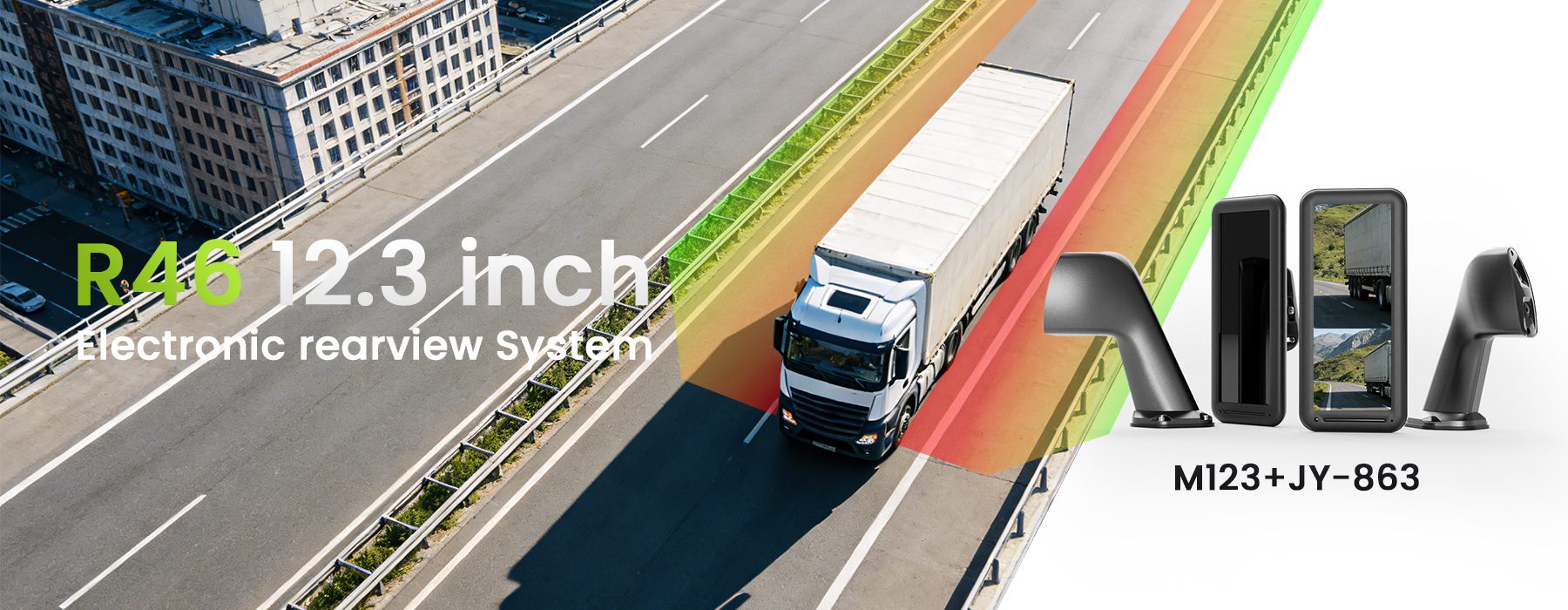
Resolution directly affects how effectively drivers can interpret rear traffic and surrounding objects. In an electronic rear view mirror for car, a 1080P camera provides clearer edge definition and more stable image detail than lower-resolution systems, especially during lane changes or reversing maneuvers. Our UN ECE R46-certificated 12.3-inch electronic mirror system adopts a full HD camera paired with a wide-format display to ensure balanced image proportions. A reverse camera rear view mirror using digital signal processing also minimizes distortion and maintains image consistency across varying speeds. For professional users, stable resolution is not about visual sharpness alone but about reducing uncertainty during daily driving tasks.

Night Vision Performance and Operational Reliability

Night driving places higher demands on camera sensitivity and signal handling. A reverse camera rear view mirror must deliver usable contrast under low-light conditions without excessive noise or delay. In our system design, image processing is optimized to support night visibility while keeping display response synchronized with vehicle movement. The electronic rear view mirror for car we provide supports real-time switching between full rear view and split-screen modes, helping drivers adapt to different driving scenarios without distraction. Reliability is equally important for commercial and fleet vehicles, where continuous operation and environmental exposure are expected. At Luview, system validation focuses on stable performance rather than short-term demonstration results.

Conclusion: Evaluating 1080P Backup Camera Systems for Professional Use

When evaluating 1080P backup camera systems for cars, experienced buyers should consider how resolution, night vision, and system reliability work together in daily operation. An electronic rear view mirror for car offers consistent rear visibility when optical mirrors fall short, while a well-integrated reverse camera rear view mirror supports safer reversing in confined or low-visibility environments. Certified compliance, stable image processing, and practical display layouts are key factors for long-term use. By focusing on these fundamentals, digital mirror systems can support professional driving requirements without adding unnecessary complexity.

Reverse Camera Rear View Mirror Systems for 12V Vehicles缩略图

Reverse Camera Rear View Mirror Systems for 12V Vehicles

In commercial and special-purpose vehicles, rear visibility remains a core safety and operational concern. At Luview, we work closely with system integrators and vehicle manufacturers to address these challenges through digital mirror solutions designed for 12V platforms. A rear view mirror electronic system combines camera input with an in-cabin display, allowing drivers to monitor rear traffic and reversing conditions even when traditional mirrors are limited. For fleets and upfitters, a car rear view mirror with camera supports more consistent rear vision across different vehicle bodies, including vans, trucks, and utility vehicles.

Reverse Camera Rear View Mirror Systems for 12V Vehicles插图

System Design Requirements for 12V Vehicle Platforms

When evaluating reverse camera rear view mirror systems for 12V vehicles, experienced buyers usually focus on electrical compatibility and long-term stability. A rear view mirror electronic solution must integrate smoothly with existing 12V power architectures without introducing voltage instability or signal interference. In our product development, we ensure that each system is designed for standard automotive electrical environments, supporting continuous operation during long driving cycles. A автомобильное зеркало заднего вида с камерой also needs to maintain image stability during engine start, idling, and load changes, which is particularly important for commercial vehicles operating across varied duty conditions.

Image Performance and Display Configuration

Image performance is another key factor influencing daily usability. Our UN ECE R46-certificated 12.3-inch electronic rear view mirror system uses a 1080P camera to provide clear rear images under normal daylight and low-light conditions. In a rear view mirror electronic configuration, higher resolution helps drivers better judge distance and object movement when reversing or changing lanes. The split-view screen design allows flexible display modes, supporting both full rear vision and combined camera views without increasing visual distraction. For professional drivers, a car rear view mirror with camera must present information clearly and consistently, ensuring that visual feedback aligns with real vehicle movement.

Conclusion: Practical Value for Commercial Applications

Reverse camera rear view mirror systems for 12V vehicles are not just about replacing traditional mirrors; they are about improving operational visibility in real working environments. A well-designed rear view mirror electronic system can enhance rear awareness while fitting into existing vehicle electrical systems. At Luview, we focus on certified compliance, stable image performance, and practical display layouts that support professional driving habits. By applying a car rear view mirror with camera in appropriate vehicle platforms, fleet operators and integrators can improve rear visibility without adding unnecessary complexity, making digital mirror systems a practical option for modern commercial vehicles.

Digital Rear View Mirrors with 1080P Backup Camera: Image Quality and Performance缩略图

Digital Rear View Mirrors with 1080P Backup Camera: Image Quality and Performance

As vehicle safety regulations and driving environments continue to evolve, digital rear vision has become an important topic for fleet operators and automotive system integrators. At Luview, we focus on developing digital mirror solutions that improve rear visibility while fitting real-world commercial vehicle requirements. A rear view mirror camera system replaces or enhances traditional optical mirrors by using high-definition cameras and in-cabin displays, allowing drivers to access a wider and more consistent field of view. When paired with a backup rear view camera mirror, digital mirrors support safer reversing and lane awareness, especially for vehicles with limited rear windows or obstructed cargo areas.

Digital Rear View Mirrors with 1080P Backup Camera: Image Quality and Performance插图

Image Quality Considerations for Digital Rear View Mirrors

Image clarity is one of the most important factors when evaluating a digital mirror solution. In a rear view mirror camera system, resolution directly affects how clearly drivers can recognize vehicles, pedestrians, and road markings at different distances. Our UN ECE R46-certificated 12.3-inch electronic mirror integrates a 1080P camera to provide stable image detail under varying lighting conditions. Compared with analog solutions, a backup rear view camera mirror using digital transmission reduces distortion and maintains consistent brightness in night driving or strong backlight scenarios. The split-view screen design also allows drivers to switch between full rear vision and combined views without increasing screen clutter, which is important for professional drivers who rely on fast visual judgment.

Performance and System Integration in Daily Operation

Beyond image resolution, system performance depends on signal stability, screen response, and long-term reliability. In our development process, we design each rear view mirror camera system to meet regulatory requirements while supporting continuous operation in commercial vehicles. The 12.3-inch digital mirror system supports real-time display with minimal latency, ensuring that visual feedback remains synchronized with vehicle movement. A properly configured резервное зеркало с камерой заднего вида can also reduce blind zones compared with traditional mirrors, particularly on larger vehicles. At Luview, we consider installation flexibility and compatibility with existing vehicle platforms, helping system integrators deploy digital mirrors without unnecessary modification to original vehicle structures.

Conclusion: Evaluating Digital Mirrors for Professional Use

When assessing digital rear view mirrors with a 1080P backup camera, experienced buyers should focus on image quality, display performance, and compliance rather than marketing claims. A well-engineered rear view mirror camera system improves rear visibility consistency, while a reliable backup rear view camera mirror supports safer reversing in complex environments. By combining certified design, clear imaging, and practical screen layouts, digital mirror solutions can support daily driving tasks without adding operational complexity. These factors are essential for commercial and fleet applications where performance stability matters over the entire vehicle lifecycle.

Smart Rear View Mirror for Cars: Display, Recording, and Safety Functions Explained缩略图

Smart Rear View Mirror for Cars: Display, Recording, and Safety Functions Explained

In commercial vehicle and fleet applications, visibility and compliance are constant operational concerns. We have observed that many experienced integrators now evaluate camera-based mirror solutions not only for visibility, but also for data continuity and regulatory alignment. A best rear view mirror camera system integrates display clarity, recording stability, and system reliability into one architecture. At Luview, we design rear-view solutions for professional users who require consistent performance in daily operations, especially where traditional optical mirrors face limitations caused by blind zones, weather conditions, or vehicle structure.

Smart Rear View Mirror for Cars: Display, Recording, and Safety Functions Explained插图

Display Technology and Driving Awareness

A smart rear view mirror for cars relies heavily on display performance to replace or supplement optical mirrors. In our electronic mirror systems, the display is positioned to maintain the driver’s habitual line of sight while presenting a stable digital image. A rear view mirror with backup camera allows drivers to switch between optical reflection and electronic imaging when reversing or driving in low-visibility environments. The 12.3-inch electronic mirror solution referenced on our website adopts a full-HD display, enabling clear recognition of surrounding vehicles and road conditions without overprocessing. For B2B customers, such display stability supports long driving cycles and reduces visual fatigue.

Recording Functions and Compliance Requirements

Recording capability is another critical function for professional users. A Зеркало заднего вида с камерой заднего вида can continuously capture rear-facing footage, supporting incident review and operational accountability. In our certified electronic mirror system, 1080p video recording is integrated directly into the mirror housing, avoiding additional external devices. The system complies with ECE R46 regulations, which is essential for commercial vehicles operating in regulated markets. When evaluating a best rear view mirror camera system, experienced buyers often focus on how recording functions interact with system latency, data storage, and long-term reliability rather than consumer-oriented features.

Safety Integration in Daily Operations

Safety functions in a best rear view mirror camera system extend beyond basic visibility. Features such as split-view display allow simultaneous observation of different rear zones, which is especially valuable for trucks, buses, and specialty vehicles. A rear view mirror with backup camera supports safer lane changes and reversing by reducing blind spots inherent in conventional mirrors. Within Luview’s system architecture, the electronic mirror works as part of a broader safety framework rather than a standalone accessory, helping operators maintain consistent situational awareness under varying road and load conditions.

Conclusion: Practical Value for Professional Users

From display clarity to recording reliability and safety integration, a smart rear view mirror for cars delivers measurable operational value when correctly specified. A rear view mirror with backup camera supports compliance, visibility, and daily efficiency without altering driving habits. By focusing on certified hardware, stable imaging, and professional-use scenarios, we continue to refine solutions that meet the expectations of experienced B2B customers. Through Luview’s electronic mirror systems, the best rear view mirror camera system becomes a practical tool for modern vehicle operations rather than a simple visual upgrade.

Как выбрать правильную беспроводную систему камер для вилочного погрузчика для вашего автопарка缩略图

Как правильно выбрать беспроводную систему камер для вилочного погрузчика

Обеспечение видимости и безопасности работы - это долгосрочная задача для операторов автопарков, особенно на складах и в логистических центрах с интенсивным движением вилочных погрузчиков. Когда мы оцениваем решения по камерам для промышленного транспорта, решение редко сводится к добавлению одного устройства. Вместо этого необходимо понять, как система камер безопасности для вилочных погрузчиков интегрируется с существующими рабочими процессами, типами транспортных средств и привычками операторов. Для опытных пользователей выбор правильных камер для вилочных погрузчиков требует соблюдения баланса между стабильностью сигнала, долговечностью и гибкостью установки при сохранении непрерывности ежедневных операций.

Как выбрать правильную беспроводную систему камер для вилочного погрузчика для вашего автопарка插图

Понимание требований к беспроводной связи при использовании вилочных погрузчиков

Беспроводная передача часто является первым фактором, который мы учитываем при выборе система камер безопасности для вилочных погрузчиков. На оживленных предприятиях погрузчики часто перемещаются между крытыми и полуоткрытыми площадками, а значит, помехоустойчивость и расстояние передачи данных имеют большее значение, чем характеристики разрешения потребительского класса. Беспроводное решение снижает необходимость в сложной прокладке кабелей и минимизирует время простоя при установке. С нашей точки зрения, камеры для вилочных погрузчиков, предназначенные для промышленного использования, должны поддерживать стабильное видео в реальном времени в условиях вибрации и частого движения транспортного средства, чтобы операторы могли полагаться на постоянную визуальную обратную связь, а не на прерывистые сигналы.

Долговечность и приспособленность к окружающей среде

В промышленных условиях оборудование подвергается воздействию пыли, влаги и перепадов температур. При выборе камеры для вилочных погрузчиков, Мы обращаем внимание на то, имеет ли система водонепроницаемые корпуса и ударопрочные конструкции. Это особенно актуально для операций, связанных с холодильными складами, погрузочными доками или открытыми площадками. Хорошо спроектированная система камер безопасности для вилочных погрузчиков должна сохранять работоспособность без частой перекалибровки или технического обслуживания. Долговечность заключается не в экстремальных технических характеристиках, а в предсказуемом поведении в течение длительных рабочих циклов, что опытные менеджеры автопарков ценят больше всего.

Практическая интеграция с операциями автопарка

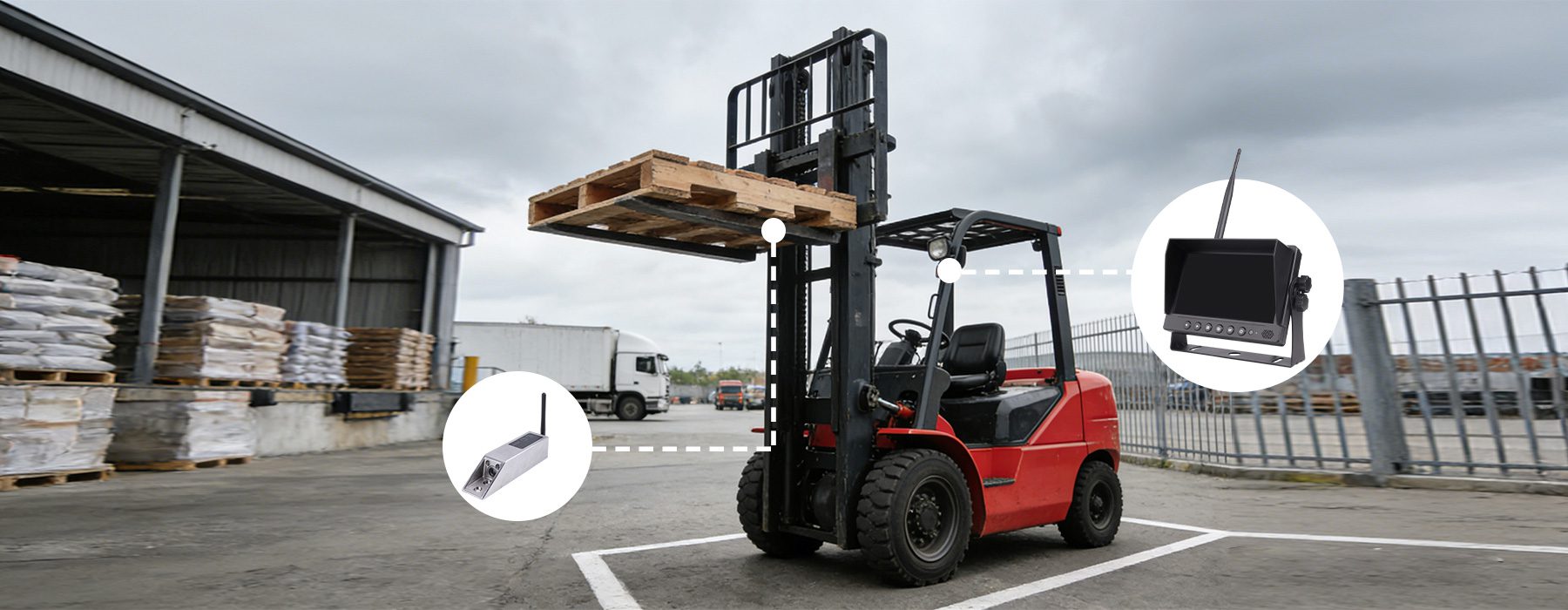
Совместимость систем играет ключевую роль в долгосрочном развертывании. Мы ищем решения для камер, которые можно устанавливать на различные модели вилочных погрузчиков без значительных модификаций. Водонепроницаемая беспроводная система камер для вилочных погрузчиков, представленная на нашем сайте, отражает этот подход, предлагая компактный блок камеры и специальный монитор, предназначенный для эффективной работы в промышленных транспортных средствах. В условиях автопарка камеры для вилочных погрузчиков должны поддерживать быстрое сопряжение и четкую передачу изображения, позволяя операторам адаптироваться без длительного обучения. Такая практическая интеграция помогает гарантировать, что система камер безопасности для вилочных погрузчиков будет способствовать более плавной повседневной работе, а не станет изолированным дополнением.

Заключение: Согласование выбора системы с потребностями автопарка

Выбор правильного решения для беспроводной камеры в конечном итоге сводится к согласованию технических характеристик с реальными эксплуатационными требованиями. Для опытных клиентов B2B оценка системы камер безопасности для вилочных погрузчиков означает выход за рамки основных спецификаций и сосредоточение внимания на долговечности, надежности сигнала и эффективности установки. Выбирая камеры для вилочных погрузчиков, специально разработанные для промышленных условий и совместимые с различными парками техники, мы можем обеспечить более безопасное маневрирование и более контролируемые рабочие процессы. На сайте Luview, Наш подход подчеркивает практичность конструкции и стабильность работы, помогая операторам автопарков принимать обоснованные решения, соответствующие их долгосрочным операционным стратегиям.