Руководство по водонепроницаемости мотоциклетных видеорегистраторов缩略图

Руководство по водонепроницаемости мотоциклетных видеорегистраторов

В мире мотоциклетного спорта видеорегистратор стал незаменимым устройством. Он не только фиксирует пейзажи и события во время поездки, но, что более важно, может предоставить важные доказательства в случае аварии. Однако, учитывая открытую конструкцию мотоциклов, их видеорегистраторы должны быть способны выдерживать суровые погодные условия, особенно воздействие воды. Здесь возникает важная концепция: рейтинг IP, или рейтинг защиты от проникновения, который является стандартом для измерения водонепроницаемости и пыленепроницаемости электронных устройств. Для мотоциклетных видеорегистраторов соответствующий рейтинг IP не только обеспечивает долговечность устройства, но и гарантирует его надежность в различных погодных условиях.

От IPX4, который защищает от брызг воды, до IPX8, позволяющего длительное погружение, различные классы водонепроницаемости определяют глубину и продолжительность водостойкости видеорегистраторов, обеспечивая спокойствие водителя и целостность записывающего устройства. В этой статье мы рассмотрим важность этих классов водонепроницаемости и то, как они защищают ваш мотоциклетный видеорегистратор от повреждения водой.

Рейтинг водонепроницаемости мотоциклетных видеорегистраторов: введение и значение
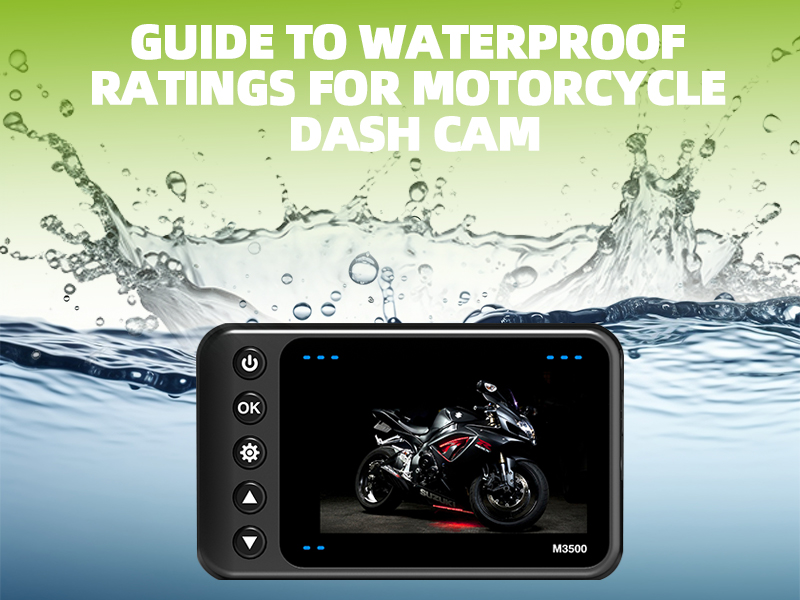
Руководство по водонепроницаемости мотоциклетных видеорегистраторов插图

1. Ознакомьтесь с рейтингами водонепроницаемости

  • Объясните уровни защиты интеллектуальной собственности для электронного оборудования

В электронных устройствах рейтинг IP, также известный как уровень защиты от проникновения, является стандартом, установленным Международной организацией по стандартизации (ISO) для определения способности устройства противостоять проникновению посторонних предметов и воды. Рейтинг IP состоит из двух цифр: первая цифра указывает на устойчивость устройства к проникновению твердых предметов, таких как пыль, а вторая цифра представляет степень защиты от проникновения воды.

  • Как рейтинг IP связан с водонепроницаемостью мотоциклетных видеорегистраторов.

Для мотоциклетных видеорегистраторов высокий рейтинг IP имеет решающее значение, поскольку они должны эффективно работать в различных погодных условиях, включая дождь и влажную среду. Обычный рейтинг водонепроницаемости, такой как IP68, означает, что устройство полностью защищено от пыли (‘6’) и способно выдерживать длительное погружение в воду (‘8’). При выборе видеорегистратора для мотоцикла потребителям рекомендуется отдавать предпочтение продуктам с высоким рейтингом IP, чтобы обеспечить надежную работу даже в экстремальных погодных условиях.

2. Важность водонепроницаемости для мотоциклетных видеорегистраторов

  • Почему водонепроницаемость так важна для мотоциклетных видеорегистраторов

Водонепроницаемость мотоциклетной видеорегистратора имеет решающее значение по нескольким причинам:

①Адаптация к погодным условиям: Мотоциклы часто используются в различных погодных условиях, в том числе в дождливые дни. Водонепроницаемая видеорегистратор может продолжать бесперебойно функционировать в неблагоприятных погодных условиях, обеспечивая мотоциклистам возможность непрерывной записи.

②Защита устройства: Неводонепроницаемая видеорегистратор может получить повреждения внутренних схем из-за проникновения воды, что приведет к неисправности устройства или даже его полному выходу из строя. Напротив, водонепроницаемое устройство может эффективно предотвратить попадание воды, тем самым продлевая срок его службы.

③Запись безопасности: Одной из основных функций видеорегистратора является предоставление доказательств в случае аварии. При вождении в дождливую погоду, если видеорегистратор не является водонепроницаемым, существует риск, что он выйдет из строя в самый критический момент и не сможет предоставить запись аварии, когда это наиболее необходимо.

④Расходы на техническое обслуживание: Водонепроницаемая видеорегистратор снижает вероятность повреждения из-за погодных условий, тем самым экономя расходы, связанные с ремонтом или заменой устройства.

  • Анализ потенциальных рисков для неводонепроницаемых видеорегистраторов при попадании в воду

Короткое замыкание: контакт воды с электронными компонентами может привести к короткому замыканию, что может вызвать немедленное повреждение видеорегистратора.

Коррозия: длительное нахождение во влажной среде, даже если неисправности не возникают сразу, может привести к постепенной коррозии внутренних металлических компонентов видеорегистратора, что приведет к ухудшению его рабочих характеристик.

Запотевание линзы: линза неводонепроницаемой видеорегистратора может запотевать в дождливую или влажную погоду, что ухудшает качество изображения и делает запись неэффективной.

3. Различные уровни водонепроницаемости видеорегистраторов

Объяснение конкретных рейтингов IP, относящихся к мотоциклетным видеорегистраторам

Для мотоциклетных видеорегистраторов рейтинг IP (Ingress Protection) является важным стандартом для оценки их пыле- и водонепроницаемости. Ниже приведены некоторые конкретные рейтинги IP, относящиеся к мотоциклетным видеорегистраторам, и их значения:

① IP65: означает, что видеорегистратор полностью защищен от попадания пыли и выдерживает струи воды под низким давлением, направленные с любой стороны.

② IP66: означает, что видеорегистратор полностью защищен от попадания пыли и выдерживает мощные струи воды, направленные с любой стороны.

③ IP67: означает, что видеорегистратор полностью защищен от попадания пыли и может выдерживать кратковременное погружение в воду на глубину до 1 метра (обычно в течение 30 минут).

④ IP68: означает, что видеорегистратор не только полностью защищен от попадания пыли, но и может работать в течение длительного времени под водой, причем конкретная глубина и продолжительность обычно указываются производителем.
  • Изучение значения каждой цифры в рейтинге IP:

Первая цифра (0-6): обозначает степень защиты от пыли. Чем выше цифра, тем выше степень защиты от пыли. Цифра ‘6’ означает, что устройство полностью защищено от попадания пыли.

Вторая цифра (0-8): обозначает уровень водонепроницаемости. Чем выше цифра, тем выше уровень водонепроницаемости. Например, ‘5’ означает, что устройство может выдерживать струи воды под низким давлением, а ‘8’ может означать, что устройство может выдерживать непрерывное длительное погружение в воду.

При разработке видеорегистраторов для мотоциклов учитываются особенности их использования. Поэтому часто выбираются продукты с классом защиты IP67 или IP68, чтобы обеспечить нормальную работу в различных погодных условиях. Для мотоциклистов очень важно понимать эти классы защиты и выбирать продукты в соответствии со своими конкретными потребностями.

Заключение

При выборе видеорегистратора для мотоцикла очень важно выбрать устройство с отличными водонепроницаемыми свойствами, чтобы обеспечить стабильную работу в любых погодных условиях. Ключевым моментом является понимание рейтинга IP устройства — уровня защиты от попадания твердых предметов и жидкости. Рейтинг IPX специально обозначает водонепроницаемость, что упрощает сравнение характеристик продуктов. Являясь ведущим поставщиком видеорегистраторов для мотоциклов в Китае, Luview предлагает высококачественные устройства, прошедшие тщательные испытания на водонепроницаемость, чтобы обеспечить вашу безопасность во время езды. Нужен надежный видеорегистратор? Свяжитесь с нами sales@luview.com для получения более подробной информации и обеспечения оптимальной работы вашей видеорегистратора даже в самых экстремальных условиях.

Почему сертификация ISO так важна для поставщиков автомобильных камер?缩略图

Почему сертификация ISO так важна для поставщиков автомобильных камер?

Введение в сертификацию ISO

Сертификация ISO — это сертификат, выдаваемый Международной организацией по стандартизации (ISO), который подтверждает, что система управления, производственные процессы, услуги или процессы документирования организации соответствуют всем стандартизированным нормам качества и безопасности. Сертификация ISO широко признана во всем мире и служит важным символом стремления компании к постоянному совершенствованию и удовлетворению потребностей клиентов, независимо от размера отрасли.

ISO 9001: Управление качеством для поставщиков автомобильной промышленности

Важность стандарта ISO 9001 в автомобильной промышленности для управления качеством и соблюдения правовых требований в цепочке поставок

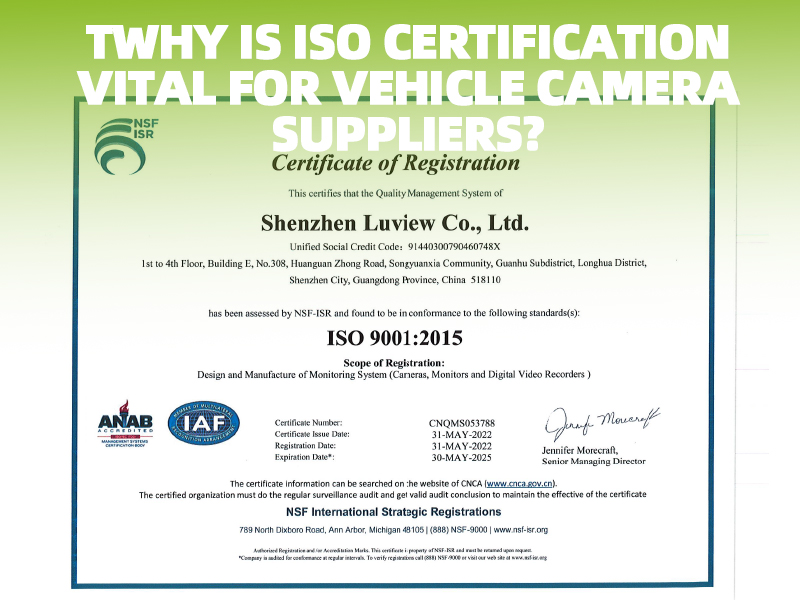
Почему сертификация ISO так важна для поставщиков автомобильных камер?插图
Стандарт ISO 9001 имеет первостепенное значение в автомобильной промышленности для управления качеством и соблюдения законодательных требований в цепочке поставок. Этот всемирно признанный стандарт управления качеством особенно важен для поставщиков автомобильной промышленности. Он гарантирует, что поставщики могут стабильно поставлять продукты и услуги, которые соответствуют требованиям клиентов и другим соответствующим нормативным требованиям. Благодаря внедрению комплексных процессов управления качеством поставщики автомобильной промышленности могут оптимизировать свою деятельность, сократить количество ошибок, повысить эффективность и, в конечном итоге, улучшить качество продукции. С точки зрения управления цепочкой поставок, соблюдение ISO 9001 помогает снизить риски в цепочке поставок и обеспечить ее соответствие законодательным требованиям, что имеет решающее значение для предотвращения потенциальных катастрофических последствий.

ISO 14001: Экологический менеджмент в производстве автомобильных камер

Важность экологического менеджмента и как стандарт ISO 14001 помогает автомобильным компаниям снизить воздействие на окружающую среду

ISO 14001 — это международный стандарт, посвященный системам экологического менеджмента, который имеет особое значение для производителей автомобильных камер. Этот стандарт призван помочь организациям снизить свое негативное воздействие на окружающую среду, обеспечить соблюдение экологических норм и постоянно улучшать экологические показатели. Внедряя ISO 14001, автомобильные компании могут более эффективно управлять потреблением энергии и ресурсов в своих производственных процессах, сокращать количество отходов и снижать уровень загрязнения. Это способствует развитию устойчивых методов ведения бизнеса, не только выполняя корпоративную социальную ответственность, но и повышая конкурентоспособность на рынке в условиях современного экологически сознательного потребительского ландшафта.

ISO 45001: Охрана труда и техника безопасности в производстве

Роль стандарта ISO 45001 в повышении безопасности на рабочем месте и снижении профессиональных рисков при производстве автомобильных камер

ISO 45001 — это международный стандарт, призванный помочь организациям улучшить свои системы управления охраной труда и техникой безопасности, снизить риски на рабочем месте и предотвратить производственные травмы и проблемы со здоровьем. Для компаний, занимающихся производством автомобильных камер, этот стандарт имеет особое значение, поскольку их производственные условия могут быть сопряжены с различными потенциальными опасностями на рабочем месте. Внедряя ISO 45001, компании могут систематически выявлять опасности и принимать эффективные меры по контролю рисков, тем самым повышая общие показатели охраны труда и техники безопасности. Это не только помогает защитить здоровье и благополучие сотрудников, но и приносит экономическую выгоду за счет снижения затрат, связанных с несчастными случаями и заболеваниями.

ISO 50001: Управление энергопотреблением в автомобильной промышленности

Преимущества стандарта ISO 50001 в снижении энергопотребления и продвижении устойчивого развития для автомобильных компаний

ISO 50001 — это международный стандарт, посвященный системам энергетического менеджмента, который помогает автомобильным компаниям сократить потребление энергии за счет систематического управления энергопотреблением. Этот стандарт поощряет организации более эффективно контролировать, измерять, документировать и отчитываться о своих энергетических потоках, тем самым способствуя постоянному улучшению энергетической эффективности. Для автомобильной промышленности это означает сокращение затрат и углеродного следа в процессе производства автомобильных камер и других автомобильных компонентов. Внедрение ISO 50001 помогает предприятиям выявлять и использовать возможности для экономии энергии, что не только снижает воздействие на окружающую среду, но и способствует устойчивому развитию, одновременно повышая экономическую выгоду.

ISO 27001: Информационная безопасность в автомобильных компаниях

Важность стандарта ISO 27001 для защиты конфиденциальных данных и информации в автомобильной промышленности

ISO 27001 — это международный стандарт для систем управления информационной безопасностью (ISMS), который имеет решающее значение для автомобильных компаний в связи с обработкой ими больших объемов конфиденциальных данных, включая информацию о клиентах, данные о сотрудниках, а также материалы по проектированию и разработке. ISO 27001 предоставляет основу, помогающую организациям защитить эту информацию от несанкционированного доступа и утечки данных путем внедрения соответствующих мер безопасности. Это не только помогает автомобильным компаниям предотвратить уязвимости в системе безопасности, но и укрепляет доверие потребителей и партнеров, обеспечивая непрерывность бизнеса и соблюдение нормативных требований.

IATF 16949: Качество в автомобильном производстве

Как IATF 16949 согласуется со стандартами ISO в плане предотвращения дефектов и управления качеством в автомобильном производстве

IATF 16949 — это техническая спецификация, разработанная совместно Международной автомобильной рабочей группой (IATF) и Международной организацией по стандартизации (ISO) специально для цепочки поставок автомобильной промышленности. Она основана на стандарте ISO 9001 и направлена на содействие непрерывному управлению качеством и процессам совершенствования, уделяя особое внимание предотвращению дефектов и сокращению отходов в автомобильной промышленности. IATF 16949 требует от автомобильных производителей внедрения единых систем управления качеством на протяжении всего процесса производства и сборки для обеспечения поставки высококачественных продуктов и услуг. Этот стандарт помогает поставщикам автомобильной промышленности оставаться конкурентоспособными на мировом рынке, удовлетворяя растущие требования потребителей к безопасности и надежности автомобилей.

Пример сертификации ISO в автомобильной промышленности

В автомобильной промышленности получение сертификатов ISO, таких как ISO 9001 и IATF 16949, может обеспечить конкурентное преимущество, поскольку они свидетельствуют о приверженности качеству, безопасности и эффективности. Сертификаты ISO не только помогают компаниям соблюдать международные передовые практики и нормативные требования, но и повышают доверие потребителей, поставщиков и инвесторов. Например, компания Luview получила сертификаты ISO 9001 и IATF 16949, что повысило репутацию и ценность бренда компании. Это демонстрирует стремление Luview поставлять высококачественную продукцию, соответствующую самым высоким международным стандартам.

Заключение

Сертификация ISO имеет решающее значение для поставщиков автомобильных камер, обеспечивая качество и безопасность продукции, а также повышая конкурентоспособность на мировом рынке. Компания Luview укрепила свои позиции на рынке производства и предоставления решений для систем безопасности заднего вида, получив сертификаты ISO 9001 и IATF 16949. Являясь профессиональным производителем систем безопасности заднего вида, мы предлагаем широкий ассортимент продукции, включая камеры для автопарков и мониторы для автомобилей, и стремимся предоставлять высококачественные решения в области автомобильной безопасности. Выбирайте Luview за надежность. Для получения дополнительной информации свяжитесь с нами по адресу sales@luview.com.

Важность испытаний на старение для мониторов заднего вида автомобилей缩略图

Важность испытаний на старение для мониторов заднего вида транспортных средств

Введение

Роль и важность монитора заднего вида автомобиля

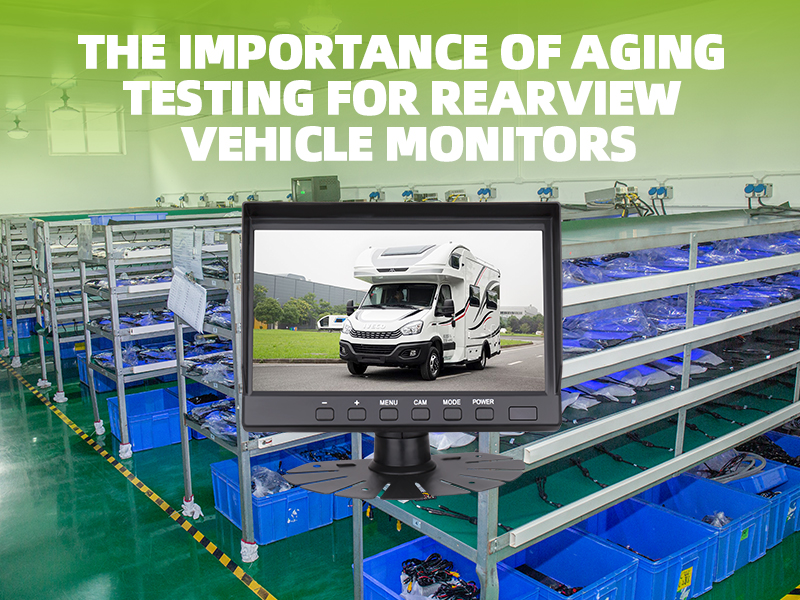
Монитор заднего вида — это устройство, устанавливаемое в автомобиле, которое обычно используется для отображения изображений или видеозаписей области позади автомобиля, помогая водителям более безопасно выполнять маневры при движении задним ходом, парковке и вождении. Эти мониторы обычно работают в сочетании с камерами заднего вида или камерами заднего обзора, обеспечивая обзор задней части автомобиля в режиме реального времени, что позволяет водителям четко видеть потенциальные препятствия, пешеходов или другие транспортные средства.

Важность испытаний на старение для мониторов заднего вида автомобилей插图

Необходимость тестов на старение

Учитывая важность мониторов заднего вида для повышения безопасности и удобства вождения, обеспечение их надежности и производительности имеет решающее значение. Именно поэтому необходимы испытания на старение. Испытания на старение помогают производителям гарантировать, что эти мониторы могут надежно работать в течение длительного времени в различных условиях окружающей среды, удовлетворяя потребности водителей и обеспечивая надежную безопасность.

Основные принципы и цель тестов на старение

Основные принципы испытаний на старение

Испытания на старение — это систематические методы тестирования, предназначенные для имитации условий, в которых продукт может находиться при длительном использовании и в суровых условиях, с целью оценки его работоспособности, надежности и долговечности. Основные принципы испытаний на старение включают:

Моделирование фактического использования: Ключевым принципом испытаний на старение является моделирование условий и сред, с которыми продукт может столкнуться при фактическом использовании. Это означает, что испытания должны учитывать реальное применение продукта и такие факторы окружающей среды, как температура, влажность и вибрация.

Ускоренное старение: В испытаниях на старение часто используются ускоряющие факторы, такие как повышенная температура или влажность, чтобы ускорить процесс старения продукта. Это позволяет в относительно короткий срок смоделировать долгосрочные последствия использования.

Непрерывный мониторинг и запись: Во время испытаний на старение необходимо постоянно контролировать и регистрировать характеристики и состояние продукта. Эти данные имеют решающее значение для последующего анализа и усовершенствования.

Оценка точек отказа: Одной из целей испытаний на старение является выявление точек отказа продукта, т. е. условий, при которых продукт начинает демонстрировать снижение производительности или неисправности. Это помогает производителям выявлять и устранять слабые места в продукте.

Какова основная цель тестов на старение?

Основные цели испытаний на старение:

Проверка надежности продукта: Путем имитации длительного использования и суровых условий окружающей среды испытания на старение позволяют проверить надежность продукта при фактическом использовании. Это помогает производителям определить, достаточно ли продукт устойчив, чтобы нормально функционировать в сложных условиях.

Раннее выявление проблем: Испытания на старение могут помочь производителям выявить потенциальные проблемы и дефекты до выхода продукта на рынок. Это позволяет принять меры по улучшению конструкции продукта и производственных процессов для повышения качества продукции.

Оценка срока службы продукта: С помощью испытаний на старение производители могут оценить срок службы продукта и определить, когда он может потребовать технического обслуживания или замены. Это помогает клиентам понять ожидаемый срок службы продукта и соответствующим образом спланировать свои действия.

Соблюдение нормативных требований: В некоторых отраслях промышленности испытания на старение входят в число требований нормативных актов и стандартов. Проводя испытания на старение, производители могут гарантировать соответствие своей продукции соответствующим нормативным актам и стандартам, тем самым избегая юридических проблем.

Как проводить испытания на старение мониторов заднего вида автомобилей

Этапы тестирования

Моделирование окружающей среды: В испытательной камере поместите монитор заднего вида автомобиля в условия постоянной температуры (40 °C) и влажности (относительная влажность 90%), чтобы имитировать среду с высокой температурой и высокой влажностью.

Циклическое испытание: Подключите монитор к камере заднего вида и непрерывно работайте как монитором, так и камерой в течение 12 часов каждый день, чтобы имитировать длительное использование.

Вибрационные испытания: Используйте вибрационный стол для имитации вибраций, которые испытывает автомобиль на различных дорожных условиях, и проведите испытания на вибрацию в течение 10 часов.

Испытание на электромагнитные помехи: В камере для испытаний на электромагнитные помехи подвергните монитор воздействию электромагнитного излучения, чтобы имитировать помехи, которые могут быть вызваны электронными устройствами в автомобиле.

Непрерывный мониторинг: На протяжении всего периода тестирования постоянно контролируйте и записывайте характеристики и состояние монитора, включая такие показатели, как яркость экрана, разрешение и точность цветопередачи.

Заключение

Испытания на старение имеют решающее значение для производительности и надежности мониторов заднего вида автомобилей. Они гарантируют, что продукты могут стабильно работать в реальных условиях эксплуатации, повышая безопасность и удобство для водителей.

Luview — профессиональный производитель и поставщик решений в области безопасности заднего вида из Китая. Если вы ищете мониторы или камеры для автомобилей, мы — ваш выбор. Если вы ищете подходящего поставщика, обратитесь по адресу sales@luview.com для получения более подробной информации. Мы стремимся предоставлять высококачественные и надежные продукты для безопасности заднего вида, которые удовлетворят ваши потребности и обеспечат более безопасное вождение вашего автомобиля.

Why is waterproof testing needed for vehicle cameras?缩略图

Why is waterproof testing needed for vehicle cameras?

Introduce

Vehicle cameras are increasingly prevalent due to their role in enhancing driving safety, compliance with traffic regulations, and providing driver assistance. With technological advancements and consumer demand for high-tech vehicles, these cameras have become an essential component of new car models. Therefore, the durability and reliability of vehicle cameras are crucial—they must operate effectively under extreme weather conditions and resist wear and tear from daily use. This is why vehicle cameras must undergo rigorous waterproof testing to ensure they maintain optimal performance in all circumstances.

Why is waterproof testing needed for vehicle cameras?插图

Challenges for Vehicle Cameras

1. Exposure to Diverse Environmental Conditions

Vehicle cameras are exposed to a variety of environmental conditions during use, including high temperatures, low temperatures, humidity fluctuations, and the impact of dust and pollutants, all of which can affect the performance and lifespan of the cameras.

2. The Necessity for Functionality in Various Lighting and Weather Conditions

Vehicle cameras need to function in various lighting and weather conditions, such as at night, in tunnels, during storms, or in snowy conditions, to provide stable image quality and accurate visual information.

Necessity of Waterproof Testing

1. Risk of Water Damage from Weather and Vehicle Washing

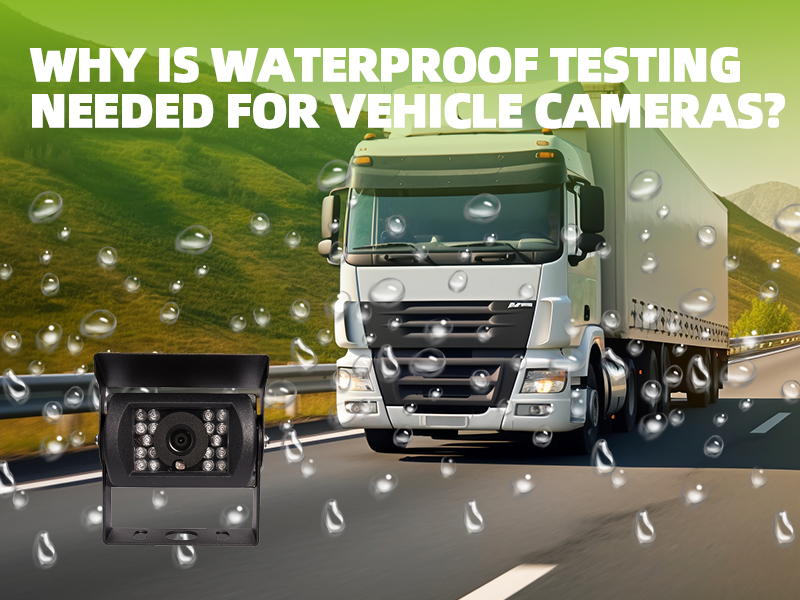
Vehicle cameras are often exposed to harsh weather conditions such as rain, snow, and other forms of precipitation. Additionally, during car washes, cameras can come into direct contact with water. Without proper waterproof capabilities, water ingress could damage the internal circuits and cause malfunctions.

2. Requirement to Maintain Consistent Performance in Humid Conditions

Vehicle cameras need to provide clear images continuously, especially in humid conditions, to ensure the normal operation of the driving safety system. Therefore, conducting waterproof tests is a crucial step to ensure that cameras maintain their performance and reliability even in wet conditions.

Standards and Certifications

1. Explanation of IP Rating and Its Implications for Vehicle Cameras

The IP rating, defined by the International Electrotechnical Commission, describes the degree of protection an enclosure offers against solids and liquids. For vehicle cameras, a higher IP rating, such as IP67 or IP68, means the camera is dust-tight and can withstand being submerged in water to a certain depth for a specified duration.

2. Waterproofing Industry Standards

Beyond the IP rating, there are other industry standards and certifications that ensure the waterproofing performance of vehicle cameras, such as those from ASTM International and ISO. These standards provide testing methods, equipment requirements, and performance evaluation criteria to help manufacturers design cameras that can withstand various environmental effects.

Заключение

Waterproof testing is a critical factor in ensuring the reliability of vehicle cameras, as it not only guarantees continuous operation in varying weather conditions but also extends the product’s lifespan. Opting for high-quality vehicle camera systems that have undergone stringent waterproof tests can make driving safer and reduce additional maintenance costs due to equipment failure.

For your driving safety, choosing a trustworthy vehicle camera supplier is crucial. Luview Industry is your reliable choice, a professional manufacturer and solution provider of rear-view safety products from China. Whether you’re looking for vehicle cameras or vehicle rear-view systems, we can meet your needs. Please contact us at sales@luview.com to learn more details.

Why is high-temperature testing important for car cameras?缩略图

Why is high-temperature testing important for car cameras?

Introduce

In the modern automotive industry, vehicle cameras have become an indispensable component, particularly in the development of autonomous driving and driver assistance systems. As technology advances, the role of these cameras continues to expand, making their performance crucial. However, vehicles must operate under a variety of climatic conditions, especially in high temperatures. Thus, high-temperature testing becomes a critical step to ensure the durability and reliability of these complex systems. This article will discuss the relevance of high-temperature testing, the potential issues that may arise without it, and how these tests help maintain optimal camera performance in the most adverse conditions.

Why is high-temperature testing important for car cameras?插图

High Temperature Testing and Its Relevance to Automotive Cameras

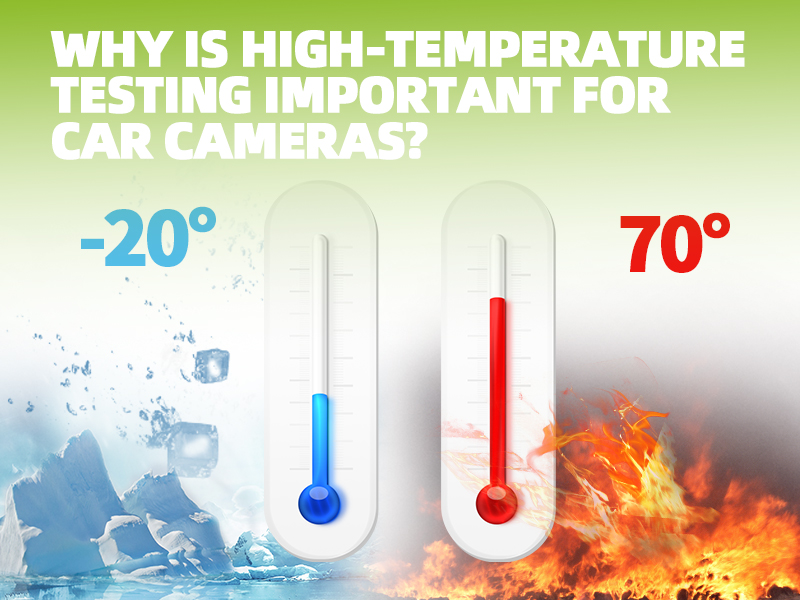
High-temperature testing is a crucial examination for automobiles and their components, aimed at ensuring reliability and performance of the vehicles in high-temperature environments. Cars must undergo a series of high-temperature tests during design and manufacturing to simulate use in hot climate conditions and to ensure that all parts work properly under extreme temperatures. For vehicle cameras, high-temperature testing is particularly important for several reasons:

1. Reliability of Electronic Components: Vehicle cameras consist of multiple electronic components, including image sensors and processors. High temperatures might affect the functionality of these electronics, leading to failure or decreased performance.

2. Image Quality Maintenance: Under high-temperature conditions, the image quality of cameras must not degrade as it can impact the judgment of assistive driving systems, such as in automatic parking, autonomous driving, or collision prevention systems.

3. Material Aging: Prolonged exposure to high temperatures can lead to changes in material properties of the camera’s housing and lens, such as deformation or fading, which can affect the camera’s durability and imaging results.

4. Performance of Adhesives and Sealants: Cameras may use adhesives and sealants internally to secure components, and these materials could fail at high temperatures, causing structural loosening or moisture ingress inside the camera.

5. Internal Cooling Mechanisms: Some high-end vehicle cameras may be equipped with cooling systems to prevent overheating when operating for extended periods in high temperatures. High-temperature testing can verify the effectiveness of these cooling mechanisms.

6. Software Stability: The camera’s software, including image processing and analysis applications, must also remain stable at high temperatures.

7. Self-Protection Features: Some cameras are designed with overheating protection, reducing power consumption or temporarily shutting down when temperatures are too high to protect internal components. High-temperature testing can ensure these features are reliable.

Potential problems that may arise

If vehicle cameras are not subjected to proper high-temperature testing, they could encounter various potential issues during actual use. These issues could affect the performance of the camera and also negatively impact the overall safety and reliability of the vehicle. Here are some potential problems that may arise:

1. Deterioration in Image Quality

  • The camera’s image sensor may malfunction in high temperatures, leading to image distortion, color deviation, or reduced contrast.
  • Lens materials may deform, resulting in blurred images or inaccurate focusing.

2. Electronic Component Failure

  • High temperatures could lead to premature aging or damage of electronic components within the camera, such as processors overheating or circuit boards expanding.
  • Memory and sensors might fail due to high temperatures, leading to data loss or incorrect information output.

3. Internal Cooling Failure

  • If the camera has a cooling system, an untested camera might not cool effectively under high temperatures, leading to excessively high internal temperatures.

4. Physical Damage

  • The camera casing and internal structure may crack or deform due to the reduced performance of materials at high temperatures.
  • Adhesives and sealants may melt or fail, causing internal components to come loose or allowing moisture to seep in.

5. Reduced Reliability

  • The camera may not maintain stable performance under continuous high temperatures, leading to intermittent failures.
  • Reliability of critical moments, such as automatic emergency braking or lane-keeping assistance, may be reduced, increasing the risk of traffic accidents.

6. Shortened Lifespan

  • The expected lifespan of the camera may be significantly reduced due to long-term exposure to high temperatures without adequate adaptive improvements.

7. Safety Risks

  • If the camera is part of an autonomous driving system, a decline in performance may cause system failures, increasing safety risks.
  • A sudden stop in the camera’s operation under high temperatures may affect vehicle safety systems like parking assistance or blind-spot monitoring.

8. Increased Warranty and Maintenance Costs

  • Cameras that frequently fail under high temperatures could lead to increased warranty claims, raising the manufacturer’s post-sales service costs.
  • For consumers, frequent repairs and replacements could lead to increased ownership costs.

How high-temperature testing ensures vehicle cameras maintain optimal performance even in adverse weather conditions

High-temperature testing is a key process to ensure vehicle cameras maintain optimal performance under harsh weather conditions. These tests simulate the highest temperature environments a vehicle might encounter and assess the durability and functional stability of the cameras under extreme conditions. Here’s how high-temperature testing helps ensure vehicle cameras keep their best performance:

1. Simulation of Actual Conditions

  • High-temperature tests are typically conducted in specially designed chambers that can simulate a range of conditions from direct sunlight to high-temperature storage.
  • Simulation tests include prolonged thermal exposure and rapid temperature changes to assess conditions that cameras may face in actual use.

2. Assessment of Material Performance

  • Tests examine the reaction of various materials used in the camera, including plastics, metals, optical components, and sealants under high temperatures.
  • These tests determine if materials will deform, degrade, or lose their protective properties.

3. Reliability Testing of Electronic Components

  • High-temperature conditions are a significant challenge for electronic components, especially sensors and processors in cameras.
  • High-temperature testing ensures electronic components do not overheat, circuit boards do not expand or crack, and connections remain secure.

4. Optical Performance Evaluation

  • Tests ensure that lenses and sensors do not change optical properties, such as focal length and lens shape, under prolonged high temperatures.
  • Ensures that image quality is unaffected by temperature variations, maintaining clarity and accurate color reproduction.

5. Software and Hardware Functionality Verification

  • Testing includes assessing the stability of the camera’s software and hardware functions, such as whether autofocus and image stabilization work correctly at high temperatures.
  • Ensures all intelligent functions of the camera, like lane tracking and obstacle detection, remain reliable in high-temperature environments.

6. Long-Term Durability and Aging Tests

  • Accelerated aging tests predict performance degradation that cameras might experience in everyday use due to long-term exposure to high temperatures.
  • This helps manufacturers understand when maintenance or replacement might be needed and the expected lifespan of the product.

7. Safety Assurance

  • Since vehicle cameras are often used for critical safety systems, such as Automatic Emergency Braking (AEB) and Lane Keeping Assist Systems (LKAS), high-temperature testing also ensures these systems continue to provide protection in high temperatures.

8. Certification and Compliance

  • High-temperature testing is performed to ensure cameras meet regulations and standards across the globe, which is essential for marketing and using vehicles in different markets.

Заключение

In conclusion, high-temperature testing is essential for the reliability of vehicle cameras in extreme heat. It highlights risks, underlines safety for occupants, and ensures camera performance in all conditions. Such testing is not optional but a vital part of manufacturers’ quality assurance.

Luview offers rear-view safety products and solutions in China, ensuring high-quality and compliance with industry standards. Our advanced technology aims to make your driving experience safer and more enjoyable. For further information or to enhance your vehicle with our camera solutions, reach out to our expert team at sales@luview.com.

How to Clean a 12.3 Inch Electronic Vehicle Rearview Mirror?缩略图

How to Clean a 12.3 Inch Electronic Vehicle Rearview Mirror?

Preparing Cleaning Tools and Materials

Cleaning the 12.3 Inch Electronic Rearview Mirror: Required Tools and Materials

How to Clean a 12.3 Inch Electronic Vehicle Rearview Mirror?插图

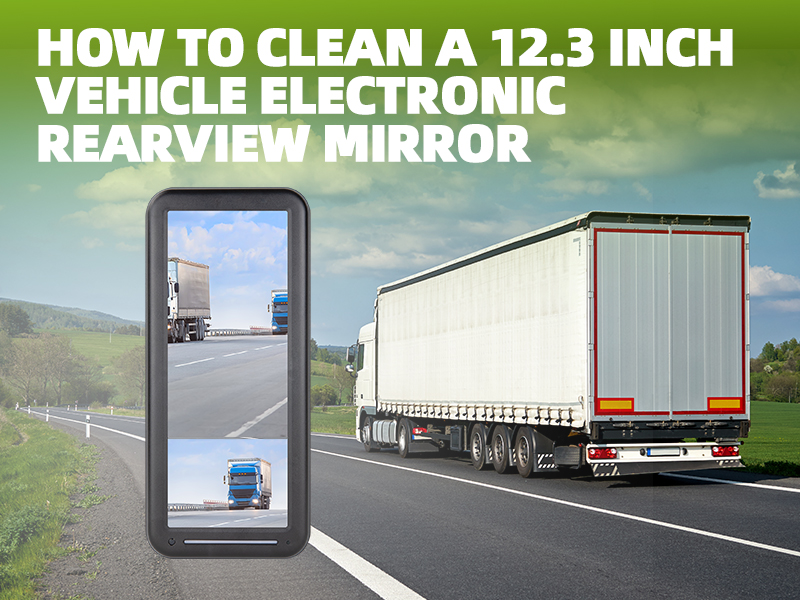
When cleaning the 12.3 inch electronic rearview mirror, it is crucial to use the correct tools and materials to ensure effective cleaning without causing any damage to the device. Here are some recommended cleaning tools and materials:

  • Cleaning Tools

Microfiber Cloth: Used for wiping the display screen and mirror surface of the electronic rearview mirror, capable of removing stains and fingerprints without scratching the surface.

Soft-Bristled Brush: Can be used to clean dust and dirt from the edges of the electronic rearview mirror and other hard-to-reach places.

Blower Bulb or Compressed Air Can: Used to blow away dust and debris from the mirror surface and device crevices.

  • Cleaning Materials

Cleaning Solution: Designed specifically for electronic equipment, effective at removing stains and fingerprints without damaging the device.

Deionized Water or Distilled Water: If a specialized cleaning solution is unavailable, deionized water or distilled water can be used as an alternative to avoid potential damage from minerals in tap water.

Alcohol: A small amount of alcohol can be used to remove stubborn stains, but ensure that its concentration is moderate, as a high concentration of alcohol could damage the screen’s coating.

Safely Disconnecting Power and Dismantling a 12.3 Inch Electronic Rearview Mirror

Disconnecting the power and dismantling a 12.3-inch electronic rearview mirror is a delicate and potentially dangerous process, especially if you are not familiar with the installation and maintenance of automotive electronics. Before attempting these operations, ensure that you have carefully read and understood the product’s user manual, and follow all safety guidelines. Below are some basic steps designed to help ensure the safety of the process:

Disconnecting Power

  1. Turn Off the Vehicle: Make sure the vehicle is completely turned off, and remove the key from the ignition.
  2. Disconnect the Battery: Carefully disconnect the negative terminal of the vehicle’s battery using the appropriate tool (usually a wrench), to prevent short-circuiting during the dismantling process.

Preparing Tools and Materials

Prepare the necessary tools and materials, such as a screwdriver and plastic pry bar, to safely dismantle the rearview mirror.

Dismantling the Rearview Mirror

  1. Locate Fixing Points: Identify the location of screws or clips that secure the electronic rearview mirror.
  2. Carefully Dismantle: Use the appropriate tools to carefully loosen the fixing points, avoiding excessive force to prevent damage to the device or vehicle interior.
  3. Disconnect Connectors: Once the rearview mirror is loosened, find and carefully disconnect the power and/or data connectors.

Cautions

  • Do Not Force: If you encounter resistance or are unsure how to proceed, stop dismantling and seek professional help.
  • Save All Parts: Save all screws, clips, and other parts during dismantling, for reinstallation.
  • Record Dismantling Process: If possible, take photos of the dismantling process for reference during reinstallation.

Inspect and Clean

After the rearview mirror has been dismantled, check for any potential damage and clean the connection points to ensure there is no dust or corrosion.

Steps to clean a 12.3 inch electronic screen

When cleaning the screen of a 12.3-inch electronic rearview mirror, extra caution is needed to prevent moisture from entering the device, which could cause damage or malfunction. Below is a detailed cleaning procedure to help you safely and efficiently complete this task:

Preparing Cleaning Tools and Materials

  • Microfiber Cloth: For wiping the screen without scratching its surface.
  • Dedicated Electronic Screen Cleaner: Choose a cleaner that does not contain alcohol or ammonia to prevent damage to the screen.
  • Spray Bottle: If the cleaner is not a spray type, a spray bottle is needed to apply the cleaner more evenly.
  • Absorbent Cloth or Paper Towel: For absorbing excess moisture and cleaner.

Turning Off and Disconnecting Power

Before starting to clean, ensure the device is turned off and disconnected from the power source to prevent short-circuiting due to moisture ingress.

Cleaning the Screen

  • Apply Cleaner: Spray the cleaner onto the microfiber cloth, not directly onto the screen, to prevent liquid from seeping into the edges of the screen or inside the device.
  • Gently Wipe: Gently wipe the screen with the microfiber cloth, moving from one side of the screen to the other, using straight line motions instead of circular motions.
  • Pay Attention to Edges: Be especially careful when cleaning the edges of the screen to ensure that no cleaner or moisture seeps inside the device.

Removing Excess Moisture and Cleaner

Use a dry microfiber cloth or absorbent cloth to gently wipe away any excess moisture and cleaner from the screen.

Checking the Screen

After the cleaning process is finished, carefully inspect the screen to ensure that no streaks or stains have been left behind. If necessary, gently wipe again with a clean microfiber cloth.

Reconnecting Power and Turning On the Device

Once the screen is completely dry, reconnect the power and turn on the device to check that the screen display is functioning normally.

Заключение

When maintaining and cleaning the 12.3 inch electronic rearview mirror, it is crucial to follow the correct cleaning procedures and use the appropriate cleaning tools and materials. This not only ensures that your device remains in optimal condition, providing a clear and accurate view, but also prolongs the life of the device, ensuring your driving safety.

Choose Luview for the assurance of safety and quality. We offer a variety of sizes and functionalities in our car electronic rearview mirrors to meet the diverse needs of our customers. If you are in search of high-quality, reliable vehicle rearview products, Luview is your ideal choice. Please contact us at sales@luview.com to learn more details and start our cooperation, ensuring your driving experience is both safe and enjoyable.

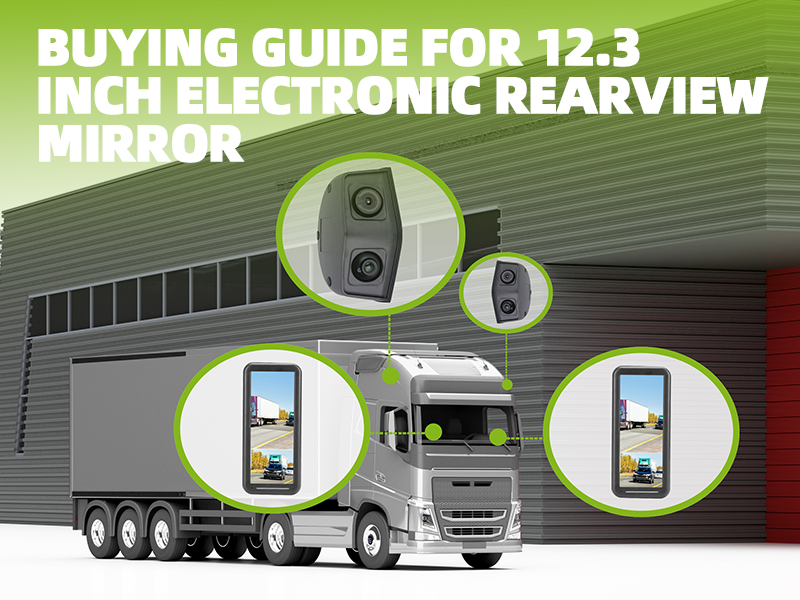
Buying Guide for 12.3 Inch Electronic Rearview Mirror缩略图

Buying Guide for 12.3 Inch Electronic Rearview Mirror

Electronic rearview mirrors, utilizing high-definition cameras and display screens, provide drivers with a broader and clearer view compared to traditional rearview mirrors. They not only offer an enhanced field of vision but also integrate advanced safety features such as night vision, blind spot detection, and lane departure warnings, making electronic rearview mirrors a crucial tool for increasing driving safety.

The purpose of this article is to present a comprehensive guide for readers, helping them to understand the advantages of 12.3-inch electronic rearview mirrors and how to select the product that best suits their needs. By offering detailed information and practical advice, we hope to empower readers to make informed decisions and maximize the benefits from their investment.

Buying Guide for 12.3 Inch Electronic Rearview Mirror插图

What is a 12.3-Inch Vehicle Electronic Rearview Mirror?

A 12.3-inch car electronic rearview mirror refers to vehicle electronic rearview system with a screen size of 12.3 inches. This system utilizes cameras to capture the scenes behind the vehicle and displays them in real-time on a large screen to the driver. The 12.3-inch display provides ample visibility, ensuring that drivers can clearly see what is happening behind their vehicle.

Comparison Between 12.3-Inch Vehicle Electronic Rearview Mirrors and Traditional Car Rearview Mirrors

1. Design

  • Electronic Rearview Mirror: Usually features a streamlined design with a large display screen and high-definition cameras, making the system more modern and high-tech.
  • Traditional Rearview Mirror: Has a relatively simple design, typically a reflective surface that reflects the rear view through physical means.

2. Functions

  • Electronic Rearview Mirror:
    • Provides a broader field of view, reducing blind spots.
    • Offers high-definition display and night vision capabilities, ensuring clear views even in poor lighting conditions.
    • Features auto-dimming to reduce glare from headlights of vehicles behind.
    • May include additional advanced features such as a driving recorder, GPS, etc.
  • Traditional Rearview Mirror:
    • Basic reflective function, with the field of view limited by the vehicle’s structure.
    • Visibility may be affected at night or in adverse weather conditions.

3. Installation and Maintenance

  • Electronic Rearview Mirror: Installation may be relatively complex, requiring professional assistance. Repair costs could be high if issues arise.
  • Traditional Rearview Mirror: Easy to install with low maintenance costs.

4. Price

  • Electronic Rearview Mirror: Significantly more expensive than traditional mirrors, representing a considerable investment.
  • Traditional Rearview Mirror: More affordable, providing a cost-effective option.

12.3-inch vehicle electronic rearview mirrors offer numerous advantages and advanced features not found in traditional rearview mirrors, especially in terms of enhancing driving safety and comfort. However, these benefits come at a higher cost and potential maintenance expenses. Drivers should carefully weigh their needs and budget when making a choice. If you are looking for a high-performance, multifunctional rearview mirror solution and have the budget for it, a 12.3-inch vehicle electronic rearview mirror is an excellent option. For those with limited budgets or lesser needs for advanced features, traditional rearview mirrors remain a reliable and economical choice.

Finding a Reliable Factory for Car Electronic Rearview Mirrors

Finding a reliable factory for car electronic rearview mirrors is a crucial yet potentially complex process. Here are some guiding steps and suggestions to help you find a trustworthy supplier:

1. Conduct Market Research

Start with comprehensive market research to understand the different brands and models of electronic rearview mirrors, as well as their reviews and market share.

2. Check Factory Credentials

Verify that the factory has the necessary production permits and certifications to ensure that their products meet international and local quality and safety standards.

3. Look for Reviews and Recommendations

Search for customer reviews and recommendations of the factory, getting an idea of their production capacity, delivery times, quality of service, and more.

4. Visit the Factory if Possible

If it’s feasible, visit the factory to directly observe the production process and quality control measures, giving you a first-hand look at how they operate.

5. Negotiation and Contract Signing

Engage in detailed communication with the factory to understand their pricing, payment terms, minimum order quantities, and other pertinent details. Once an agreement is reached, formalize the arrangement with a signed contract.

6. Sample Inspection

Before placing a bulk order, request or purchase a sample to personally inspect its quality, functionality, and other aspects to ensure it meets your requirements.

Заключение

In today’s rapidly evolving automotive industry, car electronic rearview mirrors have become essential devices for enhancing driving safety and convenience. The 12.3-inch large screen provides a clearer and broader view, aiding drivers in better understanding their vehicle’s surroundings, reducing blind spots, and enhancing road safety.

Selecting the right electronic rearview mirror and sourcing it from a reliable factory is crucial. This is vital not just for the product’s quality and performance but also for the safety of you and your passengers.

“Luview is a professional manufacturer and solutions provider of rearview safety products from China. If you are in search of high-quality electronic rearview mirrors, we are the supplier you’re looking for. We offer a variety of car electronic rearview mirrors in different sizes and functions to meet the diverse needs of our customers. Please contact sales@luview.com for more details and to start our cooperation.”

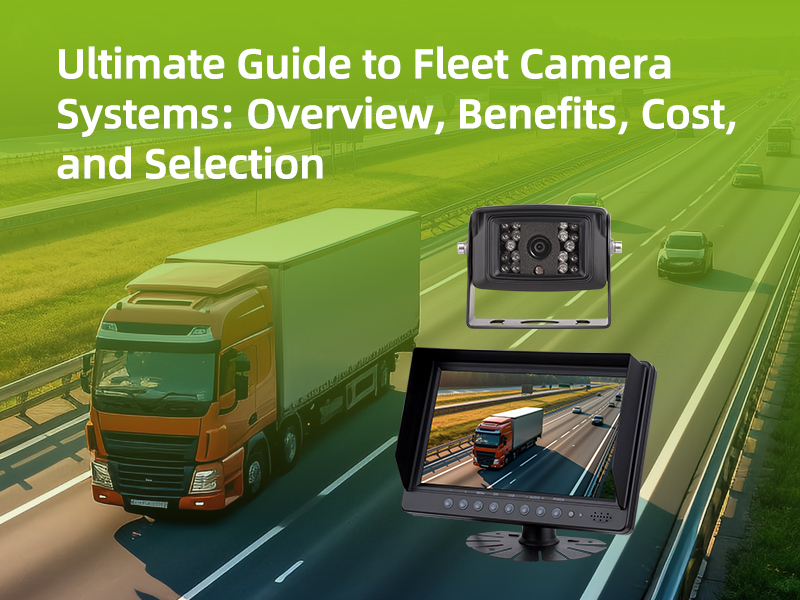
Ultimate Guide to Fleet Camera Systems: Overview, Benefits, Cost, and Selection缩略图

Ultimate Guide to Fleet Camera Systems: Overview, Benefits, Cost, and Selection

Fleet camera systems are increasingly becoming an essential tool for fleet management. This comprehensive guide offers insights into what they are, their benefits, legality, and more. Additionally, we’ll explore the cost considerations, how to select the right system, and installation pointers. Let’s delve in.

Ultimate Guide to Fleet Camera Systems: Overview, Benefits, Cost, and Selection插图

What is a Fleet Camera System?

A fleet camera system is a comprehensive set-up of cameras, usually both on the exterior and interior of vehicles, which helps fleet managers monitor and manage their vehicles efficiently. These systems are integrated with technology to record real-time data, providing valuable insights for fleet operations.

How Do Fleet Camera Systems Work?

These systems utilize a combination of hardware (cameras) and software (data management platforms). The cameras continuously capture footage while the vehicle is operational. This data is either stored locally or transmitted to a centralized system where fleet managers can review it. Advanced systems may also offer features like real-time monitoring, geo-fencing, and alerts for specific events like harsh braking.

Benefits of Using Fleet Camera Systems

  • Safety Improvements: By monitoring driver behavior, managers can offer feedback to ensure safer driving habits.
  • Evidence in Disputes: In the event of accidents, camera footage can serve as evidence, clarifying the situation.
  • Operational Efficiency: Fleet managers can optimize routes and address maintenance issues promptly.
  • Improved Customer Service: Managers can provide accurate delivery updates to customers based on real-time data.

Are Fleet Camera Systems Legal?

The legality of fleet camera systems varies by region. Generally, in many countries, they’re legal provided that drivers and passengers are informed of the monitoring. It’s crucial to ensure that any camera installations adhere to local privacy laws and regulations.

Do Fleet Camera Systems Reduce Insurance Costs?

Yes, many insurance providers offer reduced premiums for fleets equipped with camera systems. These systems can help prove fault in accidents, leading to quicker claim resolutions. Moreover, they emphasize the fleet’s commitment to safety, making them a lower risk in the eyes of insurers.

Top Fleet Camera System Brands

  • Luview: A professional fleet camera and fleet camera system manufacturer from China. Visit Luview для получения более подробной информации.
  • Rearview Safety: Known for its robust range of safety solutions, Rearview Safety has made a mark in the industry. Check them out.
  • Fleetcam: Specializing in advanced fleet monitoring, Fleetcam offers cutting-edge technology. Explore Fleetcam.

Cost of a Fleet Camera System

The cost varies based on features, brand, and installation needs. Basic systems can start at a few hundred dollars per vehicle, while advanced setups with real-time monitoring can cost significantly more. It’s essential to consider both initial investment and potential long-term savings (like reduced insurance premiums) when evaluating cost.

How to Choose the Right Fleet Camera

When selecting a system:

  • Evaluate Your Needs: Consider the size of your fleet, routes, and specific challenges.
  • Research Brands: Brands like Luview offer a range of products tailored to different fleet needs.
  • Check Features: Ensure the system provides real-time monitoring, storage options, and good camera resolution.
  • Seek Recommendations: Consult other fleet managers or industry peers for their insights.

For those seeking a reliable fleet camera system supplier, Luview stands out. Don’t hesitate to contact us для получения более подробной информации.

How to Install a Fleet Camera System

Installation varies based on the system. However, here are general steps:

  1. Choose the Camera Placement: Common areas include the dashboard, rear, and sides of the vehicle.
  2. Mount the Cameras: Use the provided mounts and ensure they’re securely attached.
  3. Connect to Power Source: Typically, cameras connect to the vehicle’s electrical system.
  4. Set Up Data Storage/Transmission: Depending on the system, set up local storage or cloud-based transmission.
  5. Test the System: Before deploying the vehicle, ensure cameras are functioning and data is accessible.

In conclusion, fleet camera systems have revolutionized fleet management, offering enhanced safety, operational efficiency, and potential cost savings. By selecting the right system and ensuring proper installation, fleet managers can make a significant positive impact on their operations.

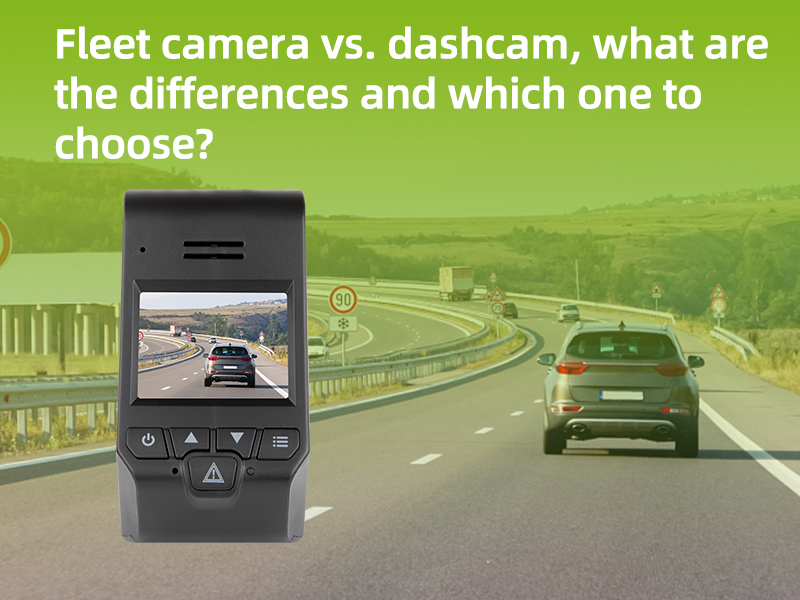
Fleet camera vs. dashcam, what are the differences and which one to choose?缩略图

Fleet camera vs. dashcam, what are the differences and which one to choose?

In today’s rapidly evolving world, the importance of vehicle cameras cannot be understated. With the increase in road traffic and the inherent risks associated with it, safety and accountability have become paramount. Vehicle cameras play a crucial role in this scenario, offering a myriad of benefits from capturing crucial evidence in case of mishaps, to aiding in better fleet management.

There are several types of vehicle cameras available in the market, each designed to cater to specific needs. Among these, two stand out due to their popularity and widespread usage: Fleet cameras and dashcams. While they both serve the purpose of recording video footage from vehicles, they cater to different audiences and have distinct functionalities. In this article, we will delve deeper into the characteristics of these two types and elucidate their differences.

Fleet camera vs. dashcam, what are the differences and which one to choose?插图

What is a Fleet Camera?

Definition and Primary Purpose

A fleet camera, often referred to as a fleet management camera, is a specialized type of video recording device designed primarily for vehicles that are part of a commercial fleet. Its main purpose is not just to record footage but to aid fleet managers in monitoring, tracking, and ensuring the safety of their vehicles and drivers. These cameras offer an extra layer of oversight, helping businesses reduce liabilities, maintain compliance, and enhance overall fleet performance.

Key Features of Fleet Cameras

  • Integrated GPS: Most fleet cameras come with an integrated GPS system, enabling fleet managers to track the real-time location of each vehicle.
  • Multiple Channel Recording: Unlike regular dashcams, fleet cameras often have the capability to record multiple views simultaneously. This includes front-facing, rear, cabin, and sometimes even side views.
  • Cloud Storage & Real-time Streaming: Many advanced fleet cameras offer cloud storage solutions, ensuring that footage is stored securely and can be accessed remotely. Some even allow for real-time streaming, letting managers monitor situations as they happen.
  • Driver Behavior Monitoring: With the integration of advanced sensors, fleet cameras can detect and alert for behaviors like hard braking, rapid acceleration, or sharp cornering, ensuring driver compliance and safety.
  • Tamper-Proof Design: Given the commercial use and the need for uninterrupted surveillance, these cameras are designed to be tamper-proof, preventing unauthorized access or tampering.

Common Uses and Industries That Benefit from Fleet Cameras

  1. Logistics and Transportation: Companies involved in the transportation of goods often use fleet cameras to monitor their vehicles, ensuring timely deliveries and safe transit.
  2. Public Transportation: Buses, trams, and other public conveyances employ fleet cameras to ensure passenger safety and monitor driver behavior.
  3. Rental and Car-sharing Services: These businesses deploy fleet cameras to monitor the condition of their vehicles, track usage, and protect against potential abuses or damages.
  4. Emergency Services: Ambulances, fire trucks, and police vehicles use fleet cameras to document incidents, ensure compliance, and as a tool for training and review.
  5. Construction and Heavy Machinery: In industries where heavy machinery like dump trucks or excavators are used, fleet cameras help in monitoring operations, ensuring safety protocols are followed, and protecting against potential liabilities.

In essence, any industry that relies heavily on vehicular operations and wishes to enhance safety, compliance, and efficiency can greatly benefit from the use of fleet cameras.

What is a Dashcam?

Definition and Primary Purpose

A dashcam, short for dashboard camera, is a compact video recording device mounted on the dashboard or windshield of a vehicle. It is primarily designed to record continuous video footage of the road ahead, serving as a silent witness to any incidents that may occur while driving. The primary purpose of a dashcam is to provide objective evidence in case of road accidents, traffic violations, or any unexpected events, ensuring that the truth is always on record.

Key Features of Dashcams

  • Continuous Loop Recording: Dashcams are designed to record footage continuously. Once the storage is full, the oldest footage is overwritten by the newest, ensuring that the most recent events are always captured.
  • Automatic Incident Detection: Many dashcams come equipped with sensors that detect sudden changes in motion or impact. When an incident is detected, the dashcam automatically saves and locks the footage surrounding that incident, preventing it from being overwritten.
  • Wide-angle Lens: To capture a broad view of the road ahead, dashcams typically employ wide-angle lenses, offering a panoramic view of the surroundings.
  • Night Vision: Considering that many incidents can occur during low-light conditions or at night, modern dashcams often come with enhanced night vision capabilities, ensuring clarity even in the dark.
  • Parking Mode: Some dashcams feature a parking mode, which activates the camera when the vehicle is stationary. This can be beneficial in capturing events like hit-and-runs or vandalism when the car is parked.

Common Uses and Scenarios Where Dashcams Are Beneficial

  1. Accident Evidence: The most common use, dashcams provide irrefutable evidence in the event of an accident, clarifying who was at fault.
  2. Protection Against Fraud: There have been instances where individuals intentionally cause accidents to claim insurance. A dashcam can capture such fraudulent acts, protecting the innocent party.
  3. Monitoring Driving Behavior: Parents or car owners can use dashcams to monitor the driving habits of their teenagers or renters, ensuring safety and compliance with traffic rules.
  4. Capturing Unexpected Events: From meteor sightings to rare wildlife crossings, dashcams have captured numerous unexpected and often viral events, providing unique footage that can be shared and cherished.
  5. Insurance Discounts: Some insurance companies offer discounts to drivers who have dashcams installed, acknowledging the role they play in promoting safer driving and providing clear evidence in case of incidents.

In summary, dashcams have become an indispensable tool for many drivers, offering peace of mind, security, and often even financial savings.

Primary Differences Between Fleet Cameras and Dashcams

Understanding the differences between fleet cameras and dashcams is vital for businesses and individuals alike. Both serve unique purposes and offer distinct features that cater to their intended audiences. Here’s a breakdown of their primary differences:

Functional Differences

  • Integration with Systems:
    • Fleet Cameras: These are often intertwined with fleet management systems. This integration allows managers to monitor vehicle locations, driving behaviors, and even maintenance needs in real-time. Fleet cameras provide a comprehensive view of the entire fleet’s operations, ensuring smooth and efficient functioning.
    • Dashcams: Designed for individual use, dashcams primarily focus on recording footage of the road and immediate surroundings. They lack the broader fleet integration features, serving mainly as an objective witness to on-road incidents.

Technological Differences

  • Video Storage Capabilities:
    • Fleet Cameras: Given the commercial aspect, these cameras often have larger storage capacities and may come with cloud storage solutions. This ensures that footage can be stored for longer periods and can be accessed remotely by fleet managers.
    • Dashcams: Typically, dashcams rely on loop recording, where older footage is overwritten by new recordings when storage is full. Some advanced models might offer cloud storage, but it’s less common than with fleet cameras.
  • Integration with Other Systems:
    • Fleet Cameras: Apart from fleet management systems, these cameras can also integrate with other enterprise systems, such as maintenance tracking, scheduling, or even customer management systems.
    • Dashcams: They are standalone devices, with minimal integration capabilities. Some advanced models might sync with mobile apps for easy footage access and sharing, but the integration usually stops there.
  • Camera Quality and Resolution:
    • Fleet Cameras: Given the commercial imperative, these cameras might offer higher resolutions and multiple camera feeds (front, cabin, rear, sides). The emphasis is on comprehensive coverage and clarity.
    • Dashcams: These offer good quality recordings, especially the premium models. However, most dashcams focus on the front view, with some models offering rear or cabin views as added features.

Usage and Deployment Differences

  • Commercial vs. Individual Use:
    • Fleet Cameras: As the name suggests, they are predominantly used by commercial fleets. This includes transportation companies, public transit systems, emergency services, and more.
    • Dashcams: They are primarily designed for individual motorists. Whether it’s daily commuting, long drives, or even rideshare drivers, dashcams cater to personal vehicle owners seeking an extra layer of security and evidence.

Advantages of Using a Fleet Camera

In the modern transportation and logistics industry, the advantages of employing fleet cameras go far beyond mere surveillance. They provide a suite of benefits that enhance operations, safety, and profitability. Here’s a comprehensive look at the advantages of using fleet cameras:

Enhanced Fleet Management

  • Real-time Monitoring: With fleet cameras integrated with GPS systems, fleet managers can monitor vehicles in real time. This allows them to make informed decisions about routes, respond quickly to unforeseen incidents, and manage fleet distribution effectively.
  • Efficient Dispatch: By knowing the precise location and status of each vehicle, dispatchers can make data-driven decisions on which vehicle to send for a job, reducing response times and enhancing customer satisfaction.
  • Maintenance Alerts: Some advanced fleet camera systems can also provide alerts related to vehicle maintenance, ensuring that vehicles remain in optimal condition and reducing the risk of breakdowns.

Improved Safety for Drivers and Cargo

  • Behavior Monitoring: Fleet cameras can detect potentially dangerous driving behaviors, like hard braking or rapid acceleration. This allows managers to address these behaviors through training or other interventions, ensuring safer roads for everyone.
  • Cargo Security: For fleets that transport valuable goods, cameras offer an added layer of security, deterring potential thefts and ensuring the safety of the cargo.
  • Evidence Collection: In case of accidents or disputes, the footage from fleet cameras provides irrefutable evidence, ensuring that justice is served.

Easier Monitoring and Reporting for Fleet Managers

  • Automated Reporting: Many fleet camera systems come with automated reporting features. These can generate insights on fleet performance, driver behavior, fuel consumption, and more, all valuable data for improving operations.
  • Incident Reviews: Fleet managers can review footage to analyze incidents, helping in training drivers, understanding bottlenecks, and improving route planning.
  • Regulatory Compliance: In some industries, there’s a regulatory need to monitor and record fleet operations. Fleet cameras make it easy to maintain compliance and provide necessary documentation when required.

Possible Insurance Benefits

  • Reduced Premiums: Many insurance providers offer reduced premiums for fleets equipped with cameras, recognizing the added safety and accountability they provide.
  • Claim Resolution: In case of accidents or damages, having video evidence can expedite the claim resolution process, ensuring faster settlements and reduced downtime.

Utilizing fleet cameras provides a multifaceted approach to managing, monitoring, and maintaining a fleet. From safety to efficiency, the benefits are clear, making them an indispensable tool for modern fleet operations.

Advantages of Using a Dashcam

The adoption of dashcams by individual drivers has witnessed a significant surge in recent years. The reasons for this are manifold, ranging from personal security to potential financial benefits. Here’s a detailed exploration of the advantages of using a dashcam:

Evidence in Case of Accidents or Disputes

  • Objective Witness: Dashcams serve as an impartial observer, recording events exactly as they happen. In the unfortunate event of an accident, the footage can clearly show what transpired, helping to establish fault and protect innocent parties.
  • Protection Against Fraud: There have been instances of staged accidents or false claims designed to extort money or benefits. A dashcam can capture such deceitful acts, protecting the driver from potential fraud.

Enhanced Safety for Individual Drivers

  • Driving Behavior Analysis: While primarily used for recording external events, dashcams can also help drivers self-assess their driving habits. Reviewing footage can highlight areas for improvement, leading to safer driving practices.
  • Night Driving: Advanced dashcams with night vision capabilities ensure that events are captured clearly even in low-light conditions, offering protection during night drives.
  • Emergency Features: Some dashcams come with emergency SOS features, which can automatically alert emergency services in the event of a severe collision.

Possible Insurance Discounts

  • Premium Reduction: Recognizing the safety benefits and the role of dashcams in providing clear evidence, some insurance companies offer discounts to drivers who have them installed. This not only enhances safety but also leads to potential savings.
  • Faster Claim Processing: In case of an accident, having clear video evidence can expedite the claim resolution process, ensuring that drivers don’t have to endure prolonged disputes or delays.

Monitoring Parked Vehicles and Anti-Theft Features

  • Parking Mode: Some dashcams offer a parking mode, which activates when the vehicle is stationary. This can capture events like hit-and-runs or vandalism, providing evidence and security even when the driver is away from the vehicle.
  • Theft Deterrent: The mere presence of a dashcam can act as a deterrent to potential thieves or vandals, adding an extra layer of security to the vehicle.
  • Remote Alerts: Advanced dashcams can send real-time alerts to the owner’s smartphone if the vehicle is tampered with or if an incident is detected while parked.

In essence, dashcams offer a multitude of benefits, from safeguarding against unexpected events on the road to ensuring peace of mind when the vehicle is parked. Their advantages underscore the reason behind their growing popularity among motorists worldwide.

Choosing the Right Camera for Your Needs

In a world brimming with technological advancements, selecting the right camera for your vehicular needs can seem daunting. However, a systematic approach can simplify the decision-making process. Here’s a guide to help you choose the right camera based on your specific requirements:

Factors to Consider

Purpose: Commercial Fleet or Individual Use?

  • Commercial Fleet: If you’re managing a fleet of vehicles, your needs will gravitate towards fleet cameras. These provide a holistic view of your operations, helping with real-time monitoring, driver behavior analysis, and integration with fleet management systems.
  • Individual Use: For personal vehicles or individual motorists, dashcams are more suitable. Their primary focus is on recording road events, safeguarding against potential mishaps, and possibly even availing insurance discounts.

Budget Considerations

  • Range of Options: Both fleet cameras and dashcams come in a range of price points. Establishing a budget can help narrow down options and ensure you get the best value for your money.
  • Total Cost of Ownership: Beyond the initial purchase price, consider costs related to installation, maintenance, potential cloud storage fees, and any subscription services if applicable.

Technical Requirements

  • Resolution and Quality: Depending on your needs, you might want a camera with high-definition recording capabilities. For commercial fleets, clear footage can be crucial, especially if the footage is used for evidence or training.
  • Storage Capacity: While most cameras use loop recording, the duration before older footage is overwritten varies. Consider how long you need to retain footage and choose a model with storage capabilities to match.
  • Additional Features: Night vision, parking mode, wide-angle lens, and advanced sensors might be features you want to look for based on your specific requirements.

Integration Needs with Other Systems

  • Fleet Management Systems: For commercial fleet operators, integration with existing fleet management or enterprise systems is vital. Ensure the camera system is compatible or offers APIs for seamless integration.
  • Mobile Apps and Alerts: Individual users might prefer dashcams that come with mobile app integration, allowing for easy access, sharing, and real-time alerts.
  • Connectivity: Some advanced models offer Wi-Fi or cellular connectivity, allowing for remote access to camera feeds or cloud storage. Consider if this is a feature you require.

In summary, choosing the right camera boils down to understanding your specific needs and then aligning them with the features and capabilities of available options. Whether it’s for commercial operations or individual protection, investing time in research will ensure you make a well-informed decision.

The Future of Vehicle Cameras

Vehicle cameras, both fleet cameras and dashcams, have witnessed tremendous evolution in recent years. As technology continues to advance at an unprecedented rate, the next generation of vehicle cameras is poised to be smarter, more integrated, and even more indispensable. Let’s explore what the future holds for these devices:

Emerging Technologies and Trends

  1. Augmented Reality (AR) Integration: Future vehicle cameras might integrate AR to overlay important information on the camera feed. This could include navigational cues, vehicle diagnostics, or even real-time data about traffic conditions.
  2. 5G and Enhanced Connectivity: With the rollout of 5G networks, the connectivity and data transfer speeds for vehicle cameras are set to increase dramatically. This will enable real-time video streaming, faster uploads to cloud storage, and instantaneous data sharing.
  3. Advanced Sensors and Improved Night Vision: Next-gen vehicle cameras will incorporate advanced sensors that can detect a wider range of light wavelengths. This will result in clearer footage in low-light conditions and enhanced night vision capabilities.
  4. Solar-Powered Cameras: With the increasing emphasis on sustainability, we might see the advent of solar-powered vehicle cameras that can operate without draining the vehicle’s battery.

How AI and Machine Learning are Shaping the Future

  1. Predictive Analysis: AI-powered fleet cameras can analyze driving patterns and predict potential hazards, alerting drivers in real-time. For instance, if a driver is consistently braking hard at certain spots, the AI might recognize a potential hazard in that area and provide a warning in advance.
  2. Driver Fatigue and Distraction Detection: Through facial recognition and behavioral analysis, AI-enabled cameras can detect signs of driver fatigue or distraction and send alerts, ensuring the driver’s safety.
  3. Automated Incident Reporting: Upon detecting an accident or collision, AI-driven cameras can automatically compile an incident report, capturing crucial data points like speed, direction, impact force, and more. This not only aids in insurance claims but also in understanding the root causes of incidents.
  4. Personalized Driver Training: By analyzing a driver’s behavior over time, AI can create personalized training modules highlighting areas of improvement, ensuring that drivers receive tailored feedback to enhance their skills.
  5. Enhanced Security: AI-driven dashcams can recognize unauthorized access or potential threats to a parked vehicle, triggering alarms or notifying the owner instantly.
  6. Integration with Smart Cities: As cities become smarter and more connected, AI-driven vehicle cameras will integrate with city-wide systems. This can aid in real-time traffic management, accident response, and even in locating available parking spots.

In conclusion, the fusion of AI, machine learning, and advanced technological trends is set to revolutionize the world of vehicle cameras. These advancements will make roads safer, operations more efficient, and drive the evolution of smarter, more connected cities.

Luview is a professional rear view safety products manufacturer and solution provider from China. Whether you are looking for a fleet camera or dashcam, we are the right supplier you are looking for. Please contact sales@luview.com для получения более подробной информации.

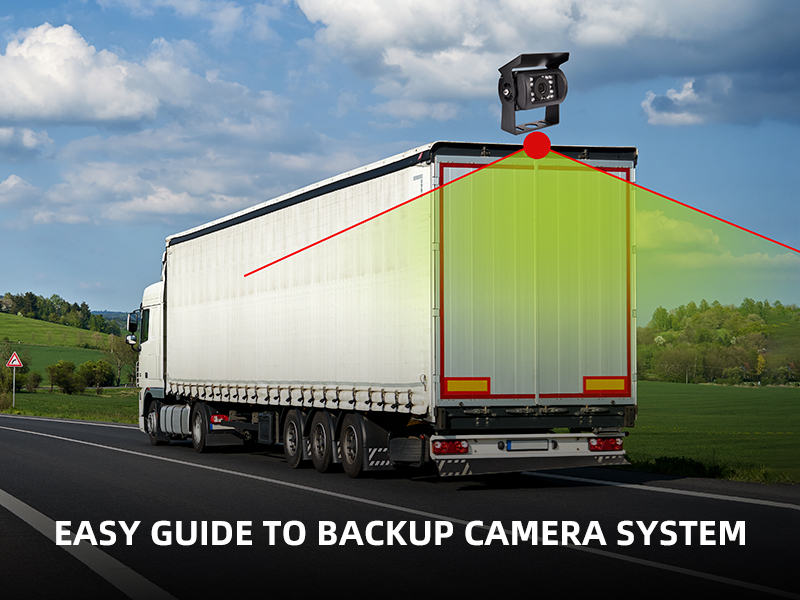
An Easy Guide To Backup Camera System缩略图

An Easy Guide To Backup Camera System

If your vehicle does not currently have a backup cam ( same as rearview cam, it’s likely that your next brand-new car will. As of May 2018, United States regulation has called for all new auto, vehicles, vans as well as various other vehicles be furnished with rearview monitoring technology. And in many cases that indicates rear-mounted video cameras.

Rear view mirrors have actually been an essential item of automobile equipment for more than a century. However as helpful as mirrors are, they have a couple of considerable drawbacks: They do not assist you see what’s straight behind your vehicle below the level of the back window, and also they do not offer a wide-angle sight.

According to the current offered government data, those imperfections result in about 210 fatalities and 15,000 injuries each year from backover accidents including light weighted automobiles. Tragically, 31 percent of those casualties include children under the age of five. And also the statistics don’t begin to consider those incidents in which a vehicle driver backs into something or runs over a bike, toy or various other object.

An Easy Guide To Backup Camera System插图

Benefits of Backup Cameras
Clearly, one of the most obvious benefit of a reversing camera is that it assists prevent injury happening and also possibly fatal backover accidents by increasing your visual field, particularly below the rear window or trunk level. Cameras also raise your ability to see beyond the size of a mirror’s photo, helping to remove unseen areas. However along with assisting safeguard individuals as well as property behind a vehicle, cams have a number of other benefits as well.

For instance, back-up cameras can assist you park more quickly and securely. Rearview cams give the motorist a much more clear and more precise sight of obstacles behind the auto, and the majority of backup systems include a caution tone that allows you know when you’re getting close to an item.

Mostly all backup cameras include on-screen guidelines: 2 parallel lines that aid direct you into or out of garage more quickly. Some additionally feature a middle line that can help you maintain the car centered in the area. Modern color displays enable the system to alter the color of the guidelines from green to yellow to red as you get closer to an obstruction. And that, incorporated with a distinct warning from the car parking sensing units, can be really valuable in preventing backover mishaps.

If you own a trailer, a rearview video camera can be specifically helpful. The cam gives you a close-up view of the trailer as you lift it up with your vehicle’s hitch, while line color and also alert sensing units ensure you posted on the range.

How Back-up Cams Work
The idea is simple: when you reversing, a cam installed behind the automobile switches on and then sends a photo to a monitor to reveal what ‘s behind you. But the fact is a lot more complex. Back-up camera systems, are rather advanced technology, and also they’re getting much more high-tech at all times.

The intricacy starts from the image recorded by the cam. As opposed to transferring the photo that a common camera may see, rearview cam systems are in fact designed to send a mirror photo to the monitor so the alignment is appropriate when you take a look at it. If you were looking at a direct feed of what the camera sees, the picture would certainly be reversed, and you would certainly steer left when you wished to go right. The system is developed to fix this so the sight on the display can be helpful.

Producers usually install backup cameras in the car’s back trim spaces. They’re fairly inconspicuous, so they can be a little bit hard to see, but you could find them concealed in the bumper, near the license plate, in the trunklid of an SUV or pickup. The cams are usually aimed at a downward angle to provide the best view immediately behind your vehicle. They also have wide view angle lenses, so you’re obtaining an extra extensive photo than you would certainly obtain with a rearview mirror.

Monitors can be installed throughout the motorist’s visual field, however they’re typically found in the center location of the control panel. Because most new lorries have an existing screen for the multi media system, inner temperature control, navigation and other functions, that screen is frequently utilized for the back-up camera system. Other variations use a portion of the rearview mirror as a screen, which has the benefit of locating the display screen where drivers are used to looking when backing up. However this type of display is much smaller and provides a much less detailed image than one with a bigger screen.

Back-up Cams Aren’t Perfect
Although rear view camera systems have numerous advantages and can boost both security and ease, some concerns can impact their procedure. Knowing what to expect can assist you prepare to make use of as well as keep your rear monitoring system properly.

The most common problem that owners have is bad image quality, and one of the most likely cause is merely a dirty lens. Since most cams are mounted low on the back of the vehicle, they undergo being obscured by mud, snow, dirt or various other particles. The good news is, the solution is easy: Clean the lens with a soft fabric (to prevent scraping the lens).

If you have a cordless rearview camera system – most often located on aftermarket designs – there might be a disturbance problem with the signal. Interference, although rare, might be caused by utilizing various other wireless gadgets while the electronic camera is in operation. For the electronic camera and display to interact in a wireless backup camera system, they need to be” matching” so they can communicate with each other. Incompatibility might especially be a concern if you purchased the cam and screen separately.

One more cause of poor image quality, or the absence of a picture altogether, might be a defect or malfunction in the cam, display or other element of the system. There could be many reasons for this trouble, a certified specialist should detect and repair it.

It is necessary to keep in mind that rear view cams aren’t an assurance of security when you reverse your cars and truck. As noted by the National Highway Traffic Safety Administration:” Rear view camera systems are not a replacement for mirrors; rather, they’re an added safety tool for disclosing hidden dangers.”.

Although info is still being collected by a variety of government and private companies, a NHTSA research study using information from 2008 to 2011 showed that although the number of cars with backup cameras more than doubled over that period, the number of injuries was lowered by less than 8 percent. Besides, the fatality rate from these sorts of accidents dropped by more than 30 percent. It needs to be kept in mind, however, that the National Highway Traffic Safety Administration investigation is several years ago, and it relied on a fairly tiny sample size. As newer info becomes available, we’ll discover more concerning the efficiency of rearview cam systems.

Finally, rear view cams are just efficient if you use them. A research performed at the University of Massachusetts discovered that simply 20 percent of the motorists in its sample group looked at their rearview displays when reversing. And the research additionally discovered that 46% of the team who failed to see the display when an alarm sounded, which indicating that the car was getting near an item.

Adding an Aftermarket Back-up Cam
If your existing car doesn’t have a backup cam, adding one is fairly simple, and you do not necessarily need to spend a lot for it. Sellers such as Amazon.com, Walmart and Ebay.com provide aftermarket camera systems beginning at much less than $10 for a fundamental stand-alone backup electronic camera for vehicles that have existing dashboard monitors. Total configurations with a camera, transmitter and monitor can range from less than $100 to more than $500.

With some aftermarket camera systems, you fix the cam in a license-plate structure. So installing it is simple, the only tool you needed might be a screwdriver. Other cams mount in a back trim piece or bumper cover, so you may have to pierce openings and use more tools to get the job done. And also there are some systems that make use of 2 or more electronic cameras, which add complexity to the installation process.

Then there’s the problem of a display. If you have an existing screen, there are cameras available that can send the image directly to that monitor. But if your auto isn’t currently geared up with a display, you’ll have to acquire a system that includes one. There are numerous options, such as dashboard or console-mounted screens as well as substitute rearview mirrors with monitors built into them. To make installation simpler, some aftermarket vendors publish videos on their official sites to help DIYers with detailed installation guides. If Do It Yourself isn’t for you, several auto-parts stores will certainly handle the setup for you.

Future Backup Cam Innovation
Numerous car manufacturers now supply a bird view cam system, that makes use of images from 4 outside video cameras to create an accurate photo that’s extremely helpful when maneuvering in tight areas. This modern technology usually is offered as an alternative or as component of an innovation package.

Through the years, several concept autos have been presented with sideview video cameras that remove mirrors, but the 2019 Lexus ES 350 sedan is the initial manufacturing automobile on the market with this function. The benefits, according to Lexus, include much better ahead visibility because the video cameras are smaller sized than mirrors; less wind sound; and much better side and also back visibility with less unseen areas. For now this technology will just be offered in Japan, where sideview video cameras are lawful.

Mitsubishi Electric is testing what it states is the industry’s best quality automobile cam, which combines with artificial intelligence (AI) capability to discover and separate objects as far away as one hundred meters. This system utilizes AI to mimic human aesthetic behavior and also emphasis swiftly on objects to ensure the motorist know if it’s “seeing” another auto, a pedestrian, a motorcycle or a few other object.

Obviously, video cameras will certainly be an integral component of autonomous car design. Till now, the semi-automated systems available on lots of cars still call for the driver to stay alert, and some are making use of exterior video cameras as well as sensors to be sure somebody is paying attention. Cadillac’s Super Cruise model, as an example, utilizes an infrared electronic camera to monitor the driver’s head and eye activities. If motorist emphasis drives too long from the road, warnings noise, if that does not work, Cadillac Super Cruise will gently bring the car to a stop. BMW is presenting same innovation on the 2019 X5 SUV. The BMW camera system uses an optical camera to track motorist attention, and combined with a suite of various other technology features, it will certainly permit hands-free and pedal-free operation under specific conditions.

As autonomous automobiles are manufactured much more completely, cameras will certainly be integrated with sensors and computer system modules in increasingly innovative active systems. They’ll help autos locate their way, remain oriented with lanes, keep distance from various other cars and objects, recognize road signs, avoid crashes, as well as adjust the automobile’s controls to match the weather and traffic conditions. Most of these features are currently readily available such as adaptive cruise control, adjustable fronts lights and lane maintaining systems, however autonomous automobiles are expected to combine these and many other technologies right into a completely self-driving vehicle.