Why is waterproof testing needed for vehicle cameras?缩略图

ทำไมการทดสอบกันน้ำจึงจำเป็นสำหรับกล้องรถยนต์?

Introduce

Vehicle cameras are increasingly prevalent due to their role in enhancing driving safety, compliance with traffic regulations, and providing driver assistance. With technological advancements and consumer demand for high-tech vehicles, these cameras have become an essential component of new car models. Therefore, the durability and reliability of vehicle cameras are crucial—they must operate effectively under extreme weather conditions and resist wear and tear from daily use. This is why vehicle cameras must undergo rigorous waterproof testing to ensure they maintain optimal performance in all circumstances.
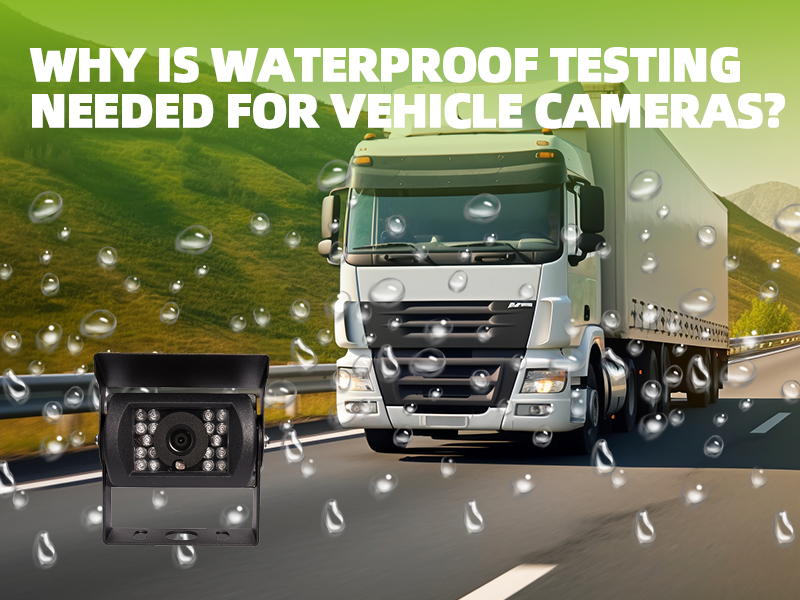
Why is waterproof testing needed for vehicle cameras?插图

Challenges for Vehicle Cameras

1. Exposure to Diverse Environmental Conditions

Vehicle cameras are exposed to a variety of environmental conditions during use, including high temperatures, low temperatures, humidity fluctuations, and the impact of dust and pollutants, all of which can affect the performance and lifespan of the cameras.

2. The Necessity for Functionality in Various Lighting and Weather Conditions

Vehicle cameras need to function in various lighting and weather conditions, such as at night, in tunnels, during storms, or in snowy conditions, to provide stable image quality and accurate visual information.

Necessity of Waterproof Testing

1. Risk of Water Damage from Weather and Vehicle Washing

Vehicle cameras are often exposed to harsh weather conditions such as rain, snow, and other forms of precipitation. Additionally, during car washes, cameras can come into direct contact with water. Without proper waterproof capabilities, water ingress could damage the internal circuits and cause malfunctions.

2. Requirement to Maintain Consistent Performance in Humid Conditions

Vehicle cameras need to provide clear images continuously, especially in humid conditions, to ensure the normal operation of the driving safety system. Therefore, conducting waterproof tests is a crucial step to ensure that cameras maintain their performance and reliability even in wet conditions.

Standards and Certifications

1. Explanation of IP Rating and Its Implications for Vehicle Cameras

The IP rating, defined by the International Electrotechnical Commission, describes the degree of protection an enclosure offers against solids and liquids. For vehicle cameras, a higher IP rating, such as IP67 or IP68, means the camera is dust-tight and can withstand being submerged in water to a certain depth for a specified duration.

2. Waterproofing Industry Standards

Beyond the IP rating, there are other industry standards and certifications that ensure the waterproofing performance of vehicle cameras, such as those from ASTM International and ISO. These standards provide testing methods, equipment requirements, and performance evaluation criteria to help manufacturers design cameras that can withstand various environmental effects.

สรุป

Waterproof testing is a critical factor in ensuring the reliability of vehicle cameras, as it not only guarantees continuous operation in varying weather conditions but also extends the product’s lifespan. Opting for high-quality vehicle camera systems that have undergone stringent waterproof tests can make driving safer and reduce additional maintenance costs due to equipment failure.

For your driving safety, choosing a trustworthy vehicle camera supplier is crucial. Luview Industry is your reliable choice, a professional manufacturer and solution provider of rear-view safety products from China. Whether you’re looking for vehicle cameras or vehicle rear-view systems, we can meet your needs. Please contact us at sales@luview.com to learn more details.

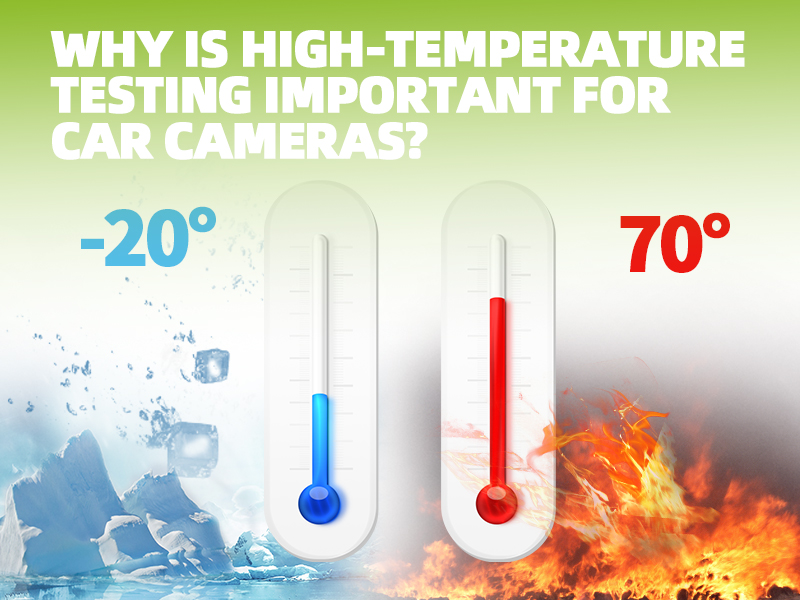
ทำไมการทดสอบอุณหภูมิสูงจึงสำคัญสำหรับกล้องรถยนต์?

ทำไมการทดสอบอุณหภูมิสูงจึงมีความสำคัญสำหรับกล้องรถยนต์?

Introduce

In the modern automotive industry, vehicle cameras have become an indispensable component, particularly in the development of autonomous driving and driver assistance systems. As technology advances, the role of these cameras continues to expand, making their performance crucial. However, vehicles must operate under a variety of climatic conditions, especially in high temperatures. Thus, high-temperature testing becomes a critical step to ensure the durability and reliability of these complex systems. This article will discuss the relevance of high-temperature testing, the potential issues that may arise without it, and how these tests help maintain optimal camera performance in the most adverse conditions.

Why is high-temperature testing important for car cameras?插图

High Temperature Testing and Its Relevance to Automotive Cameras

High-temperature testing is a crucial examination for automobiles and their components, aimed at ensuring reliability and performance of the vehicles in high-temperature environments. Cars must undergo a series of high-temperature tests during design and manufacturing to simulate use in hot climate conditions and to ensure that all parts work properly under extreme temperatures. For vehicle cameras, high-temperature testing is particularly important for several reasons:

1. Reliability of Electronic Components: Vehicle cameras consist of multiple electronic components, including image sensors and processors. High temperatures might affect the functionality of these electronics, leading to failure or decreased performance.

2. Image Quality Maintenance: Under high-temperature conditions, the image quality of cameras must not degrade as it can impact the judgment of assistive driving systems, such as in automatic parking, autonomous driving, or collision prevention systems.

3. Material Aging: Prolonged exposure to high temperatures can lead to changes in material properties of the camera’s housing and lens, such as deformation or fading, which can affect the camera’s durability and imaging results.

4. Performance of Adhesives and Sealants: Cameras may use adhesives and sealants internally to secure components, and these materials could fail at high temperatures, causing structural loosening or moisture ingress inside the camera.

5. Internal Cooling Mechanisms: Some high-end vehicle cameras may be equipped with cooling systems to prevent overheating when operating for extended periods in high temperatures. High-temperature testing can verify the effectiveness of these cooling mechanisms.

6. Software Stability: The camera’s software, including image processing and analysis applications, must also remain stable at high temperatures.

7. Self-Protection Features: Some cameras are designed with overheating protection, reducing power consumption or temporarily shutting down when temperatures are too high to protect internal components. High-temperature testing can ensure these features are reliable.

Potential problems that may arise

If vehicle cameras are not subjected to proper high-temperature testing, they could encounter various potential issues during actual use. These issues could affect the performance of the camera and also negatively impact the overall safety and reliability of the vehicle. Here are some potential problems that may arise:

1. Deterioration in Image Quality

  • The camera’s image sensor may malfunction in high temperatures, leading to image distortion, color deviation, or reduced contrast.
  • Lens materials may deform, resulting in blurred images or inaccurate focusing.

2. Electronic Component Failure

  • High temperatures could lead to premature aging or damage of electronic components within the camera, such as processors overheating or circuit boards expanding.
  • Memory and sensors might fail due to high temperatures, leading to data loss or incorrect information output.

3. Internal Cooling Failure

  • If the camera has a cooling system, an untested camera might not cool effectively under high temperatures, leading to excessively high internal temperatures.

4. Physical Damage

  • The camera casing and internal structure may crack or deform due to the reduced performance of materials at high temperatures.
  • Adhesives and sealants may melt or fail, causing internal components to come loose or allowing moisture to seep in.

5. Reduced Reliability

  • The camera may not maintain stable performance under continuous high temperatures, leading to intermittent failures.
  • Reliability of critical moments, such as automatic emergency braking or lane-keeping assistance, may be reduced, increasing the risk of traffic accidents.

6. Shortened Lifespan

  • The expected lifespan of the camera may be significantly reduced due to long-term exposure to high temperatures without adequate adaptive improvements.

7. Safety Risks

  • If the camera is part of an autonomous driving system, a decline in performance may cause system failures, increasing safety risks.
  • A sudden stop in the camera’s operation under high temperatures may affect vehicle safety systems like parking assistance or blind-spot monitoring.

8. Increased Warranty and Maintenance Costs

  • Cameras that frequently fail under high temperatures could lead to increased warranty claims, raising the manufacturer’s post-sales service costs.
  • For consumers, frequent repairs and replacements could lead to increased ownership costs.

How high-temperature testing ensures vehicle cameras maintain optimal performance even in adverse weather conditions

High-temperature testing is a key process to ensure vehicle cameras maintain optimal performance under harsh weather conditions. These tests simulate the highest temperature environments a vehicle might encounter and assess the durability and functional stability of the cameras under extreme conditions. Here’s how high-temperature testing helps ensure vehicle cameras keep their best performance:

1. Simulation of Actual Conditions

  • High-temperature tests are typically conducted in specially designed chambers that can simulate a range of conditions from direct sunlight to high-temperature storage.
  • Simulation tests include prolonged thermal exposure and rapid temperature changes to assess conditions that cameras may face in actual use.

2. Assessment of Material Performance

  • Tests examine the reaction of various materials used in the camera, including plastics, metals, optical components, and sealants under high temperatures.
  • These tests determine if materials will deform, degrade, or lose their protective properties.

3. Reliability Testing of Electronic Components

  • High-temperature conditions are a significant challenge for electronic components, especially sensors and processors in cameras.
  • High-temperature testing ensures electronic components do not overheat, circuit boards do not expand or crack, and connections remain secure.

4. Optical Performance Evaluation

  • Tests ensure that lenses and sensors do not change optical properties, such as focal length and lens shape, under prolonged high temperatures.
  • Ensures that image quality is unaffected by temperature variations, maintaining clarity and accurate color reproduction.

5. Software and Hardware Functionality Verification

  • Testing includes assessing the stability of the camera’s software and hardware functions, such as whether autofocus and image stabilization work correctly at high temperatures.
  • Ensures all intelligent functions of the camera, like lane tracking and obstacle detection, remain reliable in high-temperature environments.

6. Long-Term Durability and Aging Tests

  • Accelerated aging tests predict performance degradation that cameras might experience in everyday use due to long-term exposure to high temperatures.
  • This helps manufacturers understand when maintenance or replacement might be needed and the expected lifespan of the product.

7. Safety Assurance

  • Since vehicle cameras are often used for critical safety systems, such as Automatic Emergency Braking (AEB) and Lane Keeping Assist Systems (LKAS), high-temperature testing also ensures these systems continue to provide protection in high temperatures.

8. Certification and Compliance

  • High-temperature testing is performed to ensure cameras meet regulations and standards across the globe, which is essential for marketing and using vehicles in different markets.

สรุป

In conclusion, high-temperature testing is essential for the reliability of vehicle cameras in extreme heat. It highlights risks, underlines safety for occupants, and ensures camera performance in all conditions. Such testing is not optional but a vital part of manufacturers’ quality assurance.

Luview offers rear-view safety products and solutions in China, ensuring high-quality and compliance with industry standards. Our advanced technology aims to make your driving experience safer and more enjoyable. For further information or to enhance your vehicle with our camera solutions, reach out to our expert team at sales@luview.com.

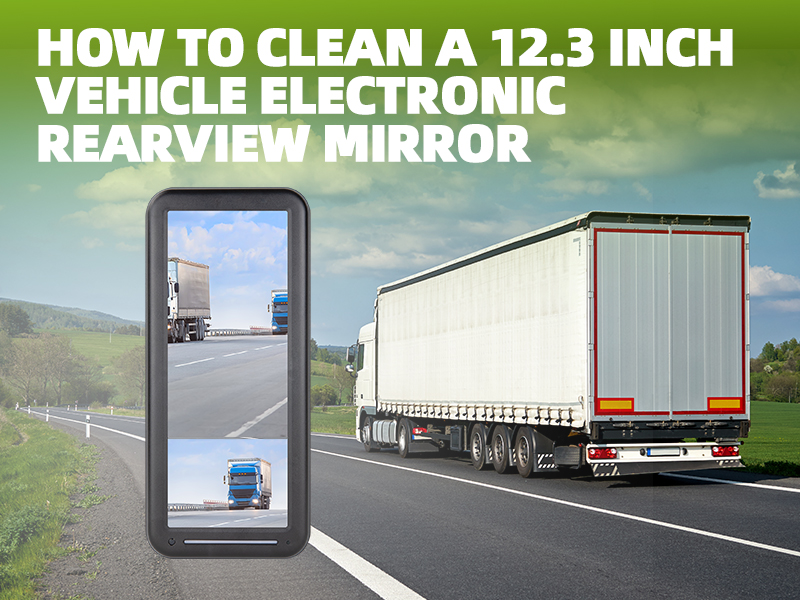
How to Clean a 12.3 Inch Electronic Vehicle Rearview Mirror?缩略图

วิธีทำความสะอาดกระจกมองหลังรถยนต์อิเล็กทรอนิกส์ขนาด 12.3 นิ้ว

การเตรียมอุปกรณ์และวัสดุทำความสะอาด

การทำความสะอาดกระจกมองหลังอิเล็กทรอนิกส์ขนาด 12.3 นิ้ว: เครื่องมือและวัสดุที่จำเป็น

How to Clean a 12.3 Inch Electronic Vehicle Rearview Mirror?插图

เมื่อทำความสะอาดกระจกมองหลังอิเล็กทรอนิกส์ขนาด 12.3 นิ้ว จำเป็นต้องใช้เครื่องมือและวัสดุที่ถูกต้องเพื่อให้การทำความสะอาดมีประสิทธิภาพโดยไม่ทำให้เกิดความเสียหายต่ออุปกรณ์ ต่อไปนี้คือเครื่องมือและวัสดุที่แนะนำ:

  • เครื่องมือทำความสะอาด

ผ้าไมโครไฟเบอร์: ใช้สำหรับเช็ดหน้าจอแสดงผลและพื้นผิวกระจกของกระจกมองหลังอิเล็กทรอนิกส์ สามารถขจัดคราบสกปรกและรอยนิ้วมือได้โดยไม่ทำให้พื้นผิวเป็นรอยขีดข่วน.

แปรงขนอ่อน: สามารถใช้ทำความสะอาดฝุ่นและสิ่งสกปรกจากขอบของกระจกมองหลังอิเล็กทรอนิกส์และบริเวณที่เข้าถึงยากอื่นๆ.

หลอดเป่าลมหรือกระป๋องลมอัด: ใช้สำหรับเป่าฝุ่นและเศษสิ่งสกปรกออกจากพื้นผิวกระจกและซอกมุมของอุปกรณ์.

  • วัสดุทำความสะอาด

น้ำยาทำความสะอาด: ออกแบบมาโดยเฉพาะสำหรับอุปกรณ์อิเล็กทรอนิกส์ มีประสิทธิภาพในการขจัดคราบและรอยนิ้วมือโดยไม่ทำให้อุปกรณ์เสียหาย.

น้ำปราศจากไอออนหรือน้ำกลั่น: หากไม่มีน้ำยาทำความสะอาดเฉพาะทาง สามารถใช้น้ำกลั่นหรือน้ำปราศจากไอออนเป็นทางเลือกแทน เพื่อหลีกเลี่ยงความเสียหายที่อาจเกิดจากแร่ธาตุในน้ำประปา.

แอลกอฮอล์: สามารถใช้แอลกอฮอล์ปริมาณเล็กน้อยเพื่อขจัดคราบฝังแน่นได้ แต่ต้องมั่นใจว่าความเข้มข้นของแอลกอฮอล์อยู่ในระดับปานกลาง เนื่องจากแอลกอฮอล์ที่มีความเข้มข้นสูงอาจทำให้สารเคลือบหน้าจอเสียหายได้.

การถอดปลั๊กไฟและรื้อถอนกระจกมองหลังอิเล็กทรอนิกส์ขนาด 12.3 นิ้วอย่างปลอดภัย

การถอดการเชื่อมต่อไฟฟ้าและถอดประกอบกระจกมองหลังอิเล็กทรอนิกส์ขนาด 12.3 นิ้ว เป็นกระบวนการที่ละเอียดอ่อนและอาจเกิดอันตรายได้ โดยเฉพาะอย่างยิ่งหากคุณไม่คุ้นเคยกับการติดตั้งและการบำรุงรักษาอุปกรณ์อิเล็กทรอนิกส์ในรถยนต์ ก่อนที่จะดำเนินการเหล่านี้ โปรดตรวจสอบให้แน่ใจว่าคุณได้อ่านและเข้าใจคู่มือการใช้งานของผลิตภัณฑ์อย่างละเอียดแล้ว และปฏิบัติตามคำแนะนำด้านความปลอดภัยทั้งหมด ด้านล่างนี้คือขั้นตอนพื้นฐานบางประการที่ออกแบบมาเพื่อช่วยรับรองความปลอดภัยของกระบวนการ:

การตัดการเชื่อมต่อไฟฟ้า

  1. ปิดเครื่องยนต์ ตรวจสอบให้แน่ใจว่ายานพาหนะถูกปิดอย่างสมบูรณ์ และนำลูกกุญแจออกจากสวิตช์กุญแจ.
  2. ถอดแบตเตอรี่ออก: ถอดขั้วลบของแบตเตอรี่รถยนต์ออกอย่างระมัดระวังโดยใช้เครื่องมือที่เหมาะสม (โดยทั่วไปคือประแจ) เพื่อป้องกันการลัดวงจรระหว่างขั้นตอนการถอดประกอบ.

การเตรียมเครื่องมือและวัสดุ

เตรียมเครื่องมือและวัสดุที่จำเป็น เช่น ไขควงและแท่งพลาสติกสำหรับงัด เพื่อถอดกระจกมองหลังอย่างปลอดภัย.

การรื้อถอนกระจกมองหลัง

  1. ระบุจุดยึด: ระบุตำแหน่งของสกรูหรือคลิปที่ยึดกระจกมองหลังอิเล็กทรอนิกส์.
  2. ถอดออกอย่างระมัดระวัง: ใช้เครื่องมือที่เหมาะสมในการคลายจุดยึดอย่างระมัดระวัง หลีกเลี่ยงการใช้แรงมากเกินไปเพื่อป้องกันความเสียหายต่ออุปกรณ์หรือภายในยานพาหนะ.
  3. ถอดขั้วต่อ: เมื่อกระจกมองหลังหลวมแล้ว ให้หาและถอดขั้วต่อไฟฟ้าและ/หรือขั้วต่อข้อมูลออกอย่างระมัดระวัง.

ข้อควรระวัง

  • อย่าบังคับ: หากคุณพบการต่อต้านหรือไม่แน่ใจว่าจะดำเนินการต่อไปอย่างไร ให้หยุดการรื้อถอนและขอความช่วยเหลือจากผู้เชี่ยวชาญ.
  • บันทึกทุกส่วน: เก็บสกรู, คลิป, และชิ้นส่วนอื่น ๆ ทั้งหมดไว้ระหว่างการถอดประกอบ เพื่อการติดตั้งกลับ.
  • บันทึกกระบวนการรื้อถอน: หากเป็นไปได้ ให้ถ่ายรูปขั้นตอนการถอดประกอบไว้เป็นข้อมูลอ้างอิงสำหรับการติดตั้งใหม่.

ตรวจสอบและทำความสะอาด

หลังจากถอดกระจกมองหลังออกแล้ว ให้ตรวจสอบหาความเสียหายที่อาจเกิดขึ้นและทำความสะอาดจุดเชื่อมต่อเพื่อให้แน่ใจว่าไม่มีฝุ่นหรือการกัดกร่อน.

ขั้นตอนในการทำความสะอาดหน้าจออิเล็กทรอนิกส์ขนาด 12.3 นิ้ว

เมื่อทำความสะอาดหน้าจอของกระจกมองหลังอิเล็กทรอนิกส์ขนาด 12.3 นิ้ว จำเป็นต้องใช้ความระมัดระวังเป็นพิเศษเพื่อป้องกันไม่ให้ความชื้นเข้าไปในอุปกรณ์ ซึ่งอาจทำให้เกิดความเสียหายหรือการทำงานผิดปกติได้ ด้านล่างนี้คือขั้นตอนการทำความสะอาดโดยละเอียดเพื่อช่วยให้คุณทำงานนี้ได้อย่างปลอดภัยและมีประสิทธิภาพ:

การเตรียมอุปกรณ์และวัสดุทำความสะอาด

  • ผ้าไมโครไฟเบอร์: สำหรับเช็ดหน้าจอโดยไม่ทำให้พื้นผิวเป็นรอย.
  • น้ำยาทำความสะอาดหน้าจออิเล็กทรอนิกส์แบบเฉพาะทาง เลือกน้ำยาทำความสะอาดที่ไม่มีแอลกอฮอล์หรือแอมโมเนียเพื่อป้องกันความเสียหายต่อหน้าจอ.
  • ขวดสเปรย์: หากน้ำยาทำความสะอาดไม่ใช่ชนิดสเปรย์ จำเป็นต้องใช้ขวดสเปรย์เพื่อฉีดพ่นน้ำยาทำความสะอาดให้ทั่วถึงมากขึ้น.
  • ผ้าซับหรือกระดาษเช็ดมือ: สำหรับดูดซับความชื้นส่วนเกินและทำความสะอาด.

การปิดและถอดการเชื่อมต่อไฟฟ้า

ก่อนเริ่มทำความสะอาด ให้แน่ใจว่าอุปกรณ์ถูกปิดและถอดออกจากแหล่งจ่ายไฟเพื่อป้องกันการลัดวงจรเนื่องจากความชื้นเข้าไป.

การทำความสะอาดหน้าจอ

  • ใช้ผลิตภัณฑ์ทำความสะอาด: ฉีดน้ำยาทำความสะอาดลงบนผ้าไมโครไฟเบอร์ ไม่ใช่ฉีดลงบนหน้าจอโดยตรง เพื่อป้องกันไม่ให้น้ำยาซึมเข้าไปตามขอบหน้าจอหรือภายในอุปกรณ์.
  • เช็ดเบาๆ: เช็ดหน้าจอเบา ๆ ด้วยผ้าไมโครไฟเบอร์ โดยเคลื่อนจากด้านหนึ่งของหน้าจอไปยังอีกด้านหนึ่ง ใช้การเคลื่อนไหวเป็นเส้นตรงแทนการเคลื่อนไหวเป็นวงกลม.
  • ให้ความสนใจกับขอบ: โปรดระมัดระวังเป็นพิเศษเมื่อทำความสะอาดขอบหน้าจอเพื่อให้แน่ใจว่าไม่มีน้ำยาทำความสะอาดหรือความชื้นซึมเข้าไปภายในอุปกรณ์.

การกำจัดความชื้นส่วนเกินและน้ำยาทำความสะอาด

ใช้ผ้าไมโครไฟเบอร์แห้งหรือผ้าซับน้ำหมาด ๆ เช็ดทำความสะอาดหน้าจออย่างเบามือเพื่อขจัดความชื้นและคราบทำความสะอาดส่วนเกินออก.

การตรวจสอบหน้าจอ

หลังจากกระบวนการทำความสะอาดเสร็จสิ้นแล้ว ให้ตรวจสอบหน้าจออย่างละเอียดเพื่อให้แน่ใจว่าไม่มีคราบหรือรอยเปื้อนหลงเหลืออยู่ หากจำเป็น ให้เช็ดเบา ๆ อีกครั้งด้วยผ้าไมโครไฟเบอร์ที่สะอาด.

การเชื่อมต่อพลังงานใหม่และเปิดเครื่อง

เมื่อหน้าจอแห้งสนิทแล้ว ให้เชื่อมต่อแหล่งจ่ายไฟอีกครั้งและเปิดอุปกรณ์เพื่อตรวจสอบว่าหน้าจอแสดงผลทำงานได้ตามปกติ.

สรุป

เมื่อทำการบำรุงรักษาและทำความสะอาดกระจกมองหลังอิเล็กทรอนิกส์ขนาด 12.3 นิ้ว จำเป็นต้องปฏิบัติตามขั้นตอนการทำความสะอาดที่ถูกต้อง และใช้เครื่องมือและวัสดุที่เหมาะสม การทำเช่นนี้ไม่เพียงแต่ช่วยให้เครื่องของคุณอยู่ในสภาพที่ดีที่สุด ให้ภาพที่ชัดเจนและถูกต้อง แต่ยังช่วยยืดอายุการใช้งานของเครื่องอีกด้วย ซึ่งช่วยให้คุณขับขี่อย่างปลอดภัย.

เลือก Luview เพื่อความมั่นใจในความปลอดภัยและคุณภาพ เรานำเสนอกล้องมองหลังรถยนต์อิเล็กทรอนิกส์หลากหลายขนาดและฟังก์ชัน เพื่อตอบสนองความต้องการที่หลากหลายของลูกค้า หากคุณกำลังมองหาผลิตภัณฑ์กล้องมองหลังรถยนต์คุณภาพสูงและเชื่อถือได้ Luview คือตัวเลือกที่เหมาะสมที่สุดสำหรับคุณ กรุณาติดต่อเราที่ sales@luview.com เพื่อเรียนรู้รายละเอียดเพิ่มเติมและเริ่มต้นความร่วมมือของเรา เพื่อให้มั่นใจว่าการขับขี่ของคุณทั้งปลอดภัยและสนุกสนาน.

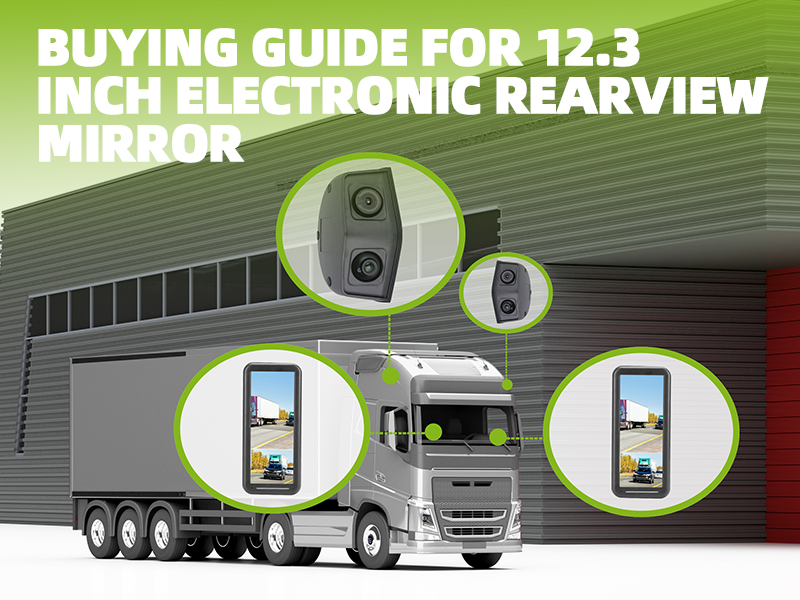
คู่มือการซื้อสำหรับกระจกมองหลังอิเล็กทรอนิกส์ขนาด 12.3 นิ้ว

คู่มือการซื้อสำหรับกระจกมองหลังอิเล็กทรอนิกส์ขนาด 12.3 นิ้ว

Electronic rearview mirrors, utilizing high-definition cameras and display screens, provide drivers with a broader and clearer view compared to traditional rearview mirrors. They not only offer an enhanced field of vision but also integrate advanced safety features such as night vision, blind spot detection, and lane departure warnings, making electronic rearview mirrors a crucial tool for increasing driving safety.

The purpose of this article is to present a comprehensive guide for readers, helping them to understand the advantages of 12.3-inch electronic rearview mirrors and how to select the product that best suits their needs. By offering detailed information and practical advice, we hope to empower readers to make informed decisions and maximize the benefits from their investment.

Buying Guide for 12.3 Inch Electronic Rearview Mirror插图

What is a 12.3-Inch Vehicle Electronic Rearview Mirror?

A 12.3-inch car electronic rearview mirror refers to vehicle electronic rearview system with a screen size of 12.3 inches. This system utilizes cameras to capture the scenes behind the vehicle and displays them in real-time on a large screen to the driver. The 12.3-inch display provides ample visibility, ensuring that drivers can clearly see what is happening behind their vehicle.

Comparison Between 12.3-Inch Vehicle Electronic Rearview Mirrors and Traditional Car Rearview Mirrors

1. Design

  • Electronic Rearview Mirror: Usually features a streamlined design with a large display screen and high-definition cameras, making the system more modern and high-tech.
  • Traditional Rearview Mirror: Has a relatively simple design, typically a reflective surface that reflects the rear view through physical means.

2. Functions

  • Electronic Rearview Mirror:
    • Provides a broader field of view, reducing blind spots.
    • Offers high-definition display and night vision capabilities, ensuring clear views even in poor lighting conditions.
    • Features auto-dimming to reduce glare from headlights of vehicles behind.
    • May include additional advanced features such as a driving recorder, GPS, etc.
  • Traditional Rearview Mirror:
    • Basic reflective function, with the field of view limited by the vehicle’s structure.
    • Visibility may be affected at night or in adverse weather conditions.

3. Installation and Maintenance

  • Electronic Rearview Mirror: Installation may be relatively complex, requiring professional assistance. Repair costs could be high if issues arise.
  • Traditional Rearview Mirror: Easy to install with low maintenance costs.

4. Price

  • Electronic Rearview Mirror: Significantly more expensive than traditional mirrors, representing a considerable investment.
  • Traditional Rearview Mirror: More affordable, providing a cost-effective option.

12.3-inch vehicle electronic rearview mirrors offer numerous advantages and advanced features not found in traditional rearview mirrors, especially in terms of enhancing driving safety and comfort. However, these benefits come at a higher cost and potential maintenance expenses. Drivers should carefully weigh their needs and budget when making a choice. If you are looking for a high-performance, multifunctional rearview mirror solution and have the budget for it, a 12.3-inch vehicle electronic rearview mirror is an excellent option. For those with limited budgets or lesser needs for advanced features, traditional rearview mirrors remain a reliable and economical choice.

Finding a Reliable Factory for Car Electronic Rearview Mirrors

Finding a reliable factory for car electronic rearview mirrors is a crucial yet potentially complex process. Here are some guiding steps and suggestions to help you find a trustworthy supplier:

1. Conduct Market Research

Start with comprehensive market research to understand the different brands and models of electronic rearview mirrors, as well as their reviews and market share.

2. Check Factory Credentials

Verify that the factory has the necessary production permits and certifications to ensure that their products meet international and local quality and safety standards.

3. Look for Reviews and Recommendations

Search for customer reviews and recommendations of the factory, getting an idea of their production capacity, delivery times, quality of service, and more.

4. Visit the Factory if Possible

If it’s feasible, visit the factory to directly observe the production process and quality control measures, giving you a first-hand look at how they operate.

5. Negotiation and Contract Signing

Engage in detailed communication with the factory to understand their pricing, payment terms, minimum order quantities, and other pertinent details. Once an agreement is reached, formalize the arrangement with a signed contract.

6. Sample Inspection

Before placing a bulk order, request or purchase a sample to personally inspect its quality, functionality, and other aspects to ensure it meets your requirements.

สรุป

In today’s rapidly evolving automotive industry, car electronic rearview mirrors have become essential devices for enhancing driving safety and convenience. The 12.3-inch large screen provides a clearer and broader view, aiding drivers in better understanding their vehicle’s surroundings, reducing blind spots, and enhancing road safety.

Selecting the right electronic rearview mirror and sourcing it from a reliable factory is crucial. This is vital not just for the product’s quality and performance but also for the safety of you and your passengers.

“Luview is a professional manufacturer and solutions provider of rearview safety products from China. If you are in search of high-quality electronic rearview mirrors, we are the supplier you’re looking for. We offer a variety of car electronic rearview mirrors in different sizes and functions to meet the diverse needs of our customers. Please contact sales@luview.com for more details and to start our cooperation.”

LUVIEW at AGRITECHNICA 2023: Booth 17E37, November 12-18, 2023缩略图

LUVIEW ที่งาน AGRITECHNICA 2023: บูธ 17E37, วันที่ 12-18 พฤศจิกายน 2566

AGRITECHNICA เป็นงานที่ห้ามพลาดสำหรับผู้ที่เกี่ยวข้องกับอุตสาหกรรมการเกษตร โดยเป็นเวทีสำหรับผู้แสดงสินค้าในการนำเสนอเทคโนโลยีการเกษตรที่ล้ำสมัยที่สุด งานแสดงสินค้านี้เป็นจุดรวมตัวของผู้มีวิสัยทัศน์ในอุตสาหกรรม นักนวัตกรรม และผู้ที่หลงใหลในการเปลี่ยนแปลงการเกษตรผ่านความก้าวหน้าทางเทคโนโลยี.

Luview ขอเชิญท่านเข้าร่วมงาน AGRITECHNICA 2023 อย่างจริงใจ ซึ่งเราจะนำเสนอผลิตภัณฑ์ล่าสุดของเรา รวมถึงระบบ AHD High-Definition Wireless Split System, ระบบเรดาร์เตือนภัยความละเอียดสูง ระบบเรดาร์ตรวจจับจุดบอด 77G (BSD), ระบบกล้องมองหลังกันน้ำ 1080P, ระบบกล้องมองหลังความละเอียดสูง 1080P และระบบกระจกมองหลังอิเล็กทรอนิกส์ขนาด 12.3 นิ้ว เรารอคอยที่จะได้พบคุณในงานแสดงสินค้า เพื่อหารือเกี่ยวกับโอกาสในการร่วมมือกัน และสำรวจว่านวัตกรรมของเราสามารถตอบสนองความต้องการทางธุรกิจของคุณได้อย่างไร.

เราต้องการพบปะกับคุณและมีการหารืออย่างละเอียดในงานแสดงสินค้าครั้งนี้ ด้านล่างนี้คือหมายเลขบูธของเราในงานแสดงสินค้า:

ชื่อที่เป็นธรรม: AGRITECHNICA
หมายเลขบูธ: 17E37
วันที่: 12-18 พฤศจิกายน 2566
ที่อยู่: ศูนย์แสดงสินค้าฮันโนเวอร์ ประเทศเยอรมนี

LUVIEW at AGRITECHNICA 2023: Booth 17E37, November 12-18, 2023插图

สำหรับการติดต่อทันทีระหว่างงานแสดง กรุณาส่งอีเมลมาที่ sales@luview.com .

เข้าร่วมกับ Luview ที่บูธ HKTDC 1DC04 และสัมผัสประสบการณ์ล่าสุดในวงการอิเล็กทรอนิกส์ยานยนต์ ตั้งแต่วันที่ 13-16 ตุลาคม 2023

เข้าร่วมกับ Luview ที่บูธ HKTDC 1DC04 และสัมผัสประสบการณ์ล่าสุดในวงการอิเล็กทรอนิกส์ยานยนต์ ตั้งแต่วันที่ 13-16 ตุลาคม 2023.

เรียน ผู้ที่ชื่นชอบเทคโนโลยีรถยนต์ทุกท่าน, คุณพร้อมหรือยัง? LUVIEW ขอเชิญคุณเข้าร่วมงาน HKTDC Hong Kong Electronics Fair 2023 Autumn Edition ซึ่งจะจัดขึ้นในวันที่ 13-16 ตุลาคม 2566.

นิทรรศการจะจัดขึ้นที่ศูนย์การประชุมและนิทรรศการฮ่องกง บูธของเราคือ 1DC04 ในฐานะผู้นำในวงการอิเล็กทรอนิกส์ยานยนต์ LUVIEW จะนำเสนอผลิตภัณฑ์นวัตกรรมล่าสุด รวมถึงระบบกล้องมองหลังแบบไร้สาย ระบบกระจกมองหลังอิเล็กทรอนิกส์ ระบบเรดาร์ตรวจจับจุดบอดแบบคลื่นมิลลิเมตร และกล้องติดรถยนต์แบบอเนกประสงค์.

LUVIEW ตั้งตารอคอยการมาเยือนของคุณเพื่อที่เราจะได้สำรวจโลกที่น่าตื่นเต้นของผลิตภัณฑ์อิเล็กทรอนิกส์ยานยนต์แห่งอนาคตไปด้วยกัน!

เข้าร่วมกับ Luview ที่บูธ HKTDC 1DC04 และสัมผัสประสบการณ์ล่าสุดในวงการอิเล็กทรอนิกส์ยานยนต์ ตั้งแต่วันที่ 13-16 ตุลาคม 2023

โปรดดูข้อมูลรายละเอียดเกี่ยวกับนิทรรศการของเราด้านล่าง:

ชื่องาน: งานแสดงสินค้าอิเล็กทรอนิกส์ฮ่องกง ฤดูใบไม้ร่วง

หมายเลขบูธ: 1DC04

วันที่: 13-16 ตุลาคม 2566

ที่อยู่: ศูนย์การประชุมและนิทรรศการนานาชาติฮ่องกง

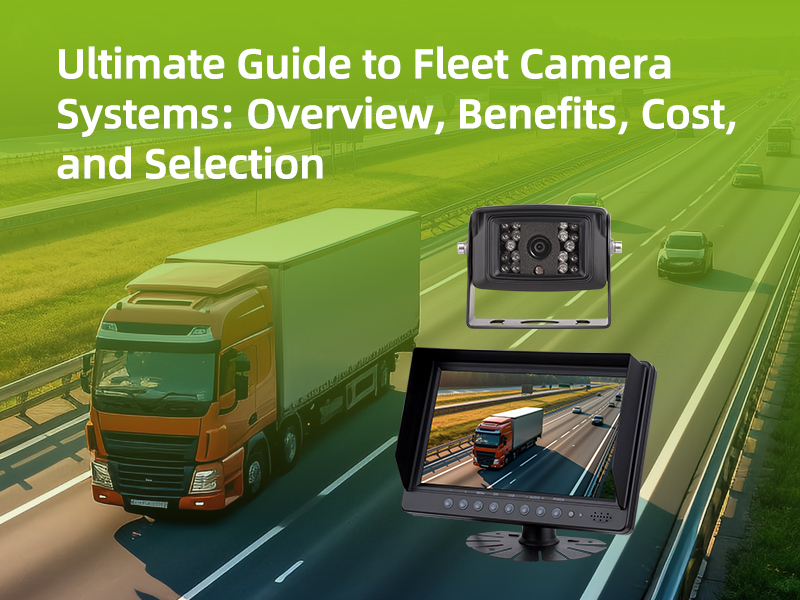
Ultimate Guide to Fleet Camera Systems: Overview, Benefits, Cost, and Selection缩略图

คู่มือฉบับสมบูรณ์เกี่ยวกับระบบกล้องสำหรับยานพาหนะ: ภาพรวม, ประโยชน์, ค่าใช้จ่าย, และการเลือกซื้อ

ระบบกล้องสำหรับยานพาหนะกำลังกลายเป็นเครื่องมือที่จำเป็นสำหรับการจัดการยานพาหนะมากขึ้น คู่มือที่ครอบคลุมนี้ให้ข้อมูลเชิงลึกเกี่ยวกับระบบกล้องสำหรับยานพาหนะคืออะไร ประโยชน์ ความถูกต้องตามกฎหมาย และอื่นๆ นอกจากนี้ เราจะสำรวจการพิจารณาด้านค่าใช้จ่าย วิธีการเลือกระบบที่เหมาะสม และคำแนะนำในการติดตั้ง มาเริ่มกันเลย.

Ultimate Guide to Fleet Camera Systems: Overview, Benefits, Cost, and Selection插图

ระบบกล้องสำหรับยานพาหนะคืออะไร?

ระบบกล้องสำหรับยานพาหนะเป็นชุดกล้องที่ติดตั้งอย่างครอบคลุม ทั้งภายนอกและภายในของยานพาหนะ ซึ่งช่วยให้ผู้จัดการยานพาหนะสามารถตรวจสอบและบริหารจัดการยานพาหนะได้อย่างมีประสิทธิภาพ ระบบเหล่านี้ถูกผสานรวมกับเทคโนโลยีเพื่อบันทึกข้อมูลแบบเรียลไทม์ มอบข้อมูลเชิงลึกที่มีคุณค่าสำหรับการดำเนินงานของยานพาหนะ.

ระบบกล้องสำหรับยานพาหนะทำงานอย่างไร?

ระบบเหล่านี้ใช้การผสมผสานระหว่างฮาร์ดแวร์ (กล้อง) และซอฟต์แวร์ (แพลตฟอร์มการจัดการข้อมูล) กล้องจะบันทึกภาพอย่างต่อเนื่องขณะที่ยานพาหนะกำลังทำงาน ข้อมูลนี้จะถูกจัดเก็บไว้ในพื้นที่หรือส่งไปยังระบบส่วนกลางที่ผู้จัดการกองยานสามารถตรวจสอบได้ ระบบขั้นสูงอาจมีฟีเจอร์เพิ่มเติม เช่น การตรวจสอบแบบเรียลไทม์ การกำหนดขอบเขตทางภูมิศาสตร์ และการแจ้งเตือนสำหรับเหตุการณ์เฉพาะ เช่น การเบรกอย่างรุนแรง.

ประโยชน์ของการใช้ระบบกล้องสำหรับยานพาหนะ

  • การปรับปรุงความปลอดภัย: โดยการติดตามพฤติกรรมของผู้ขับขี่ ผู้จัดการสามารถให้คำแนะนำเพื่อให้แน่ใจว่าผู้ขับขี่มีนิสัยการขับขี่ที่ปลอดภัยขึ้น.
  • หลักฐานในข้อพิพาท: ในกรณีเกิดอุบัติเหตุ ภาพจากกล้องสามารถทำหน้าที่เป็นหลักฐาน ชี้แจงสถานการณ์ได้.
  • ประสิทธิภาพการดำเนินงาน: ผู้จัดการกองยานพาหนะสามารถปรับปรุงเส้นทางและแก้ไขปัญหาการบำรุงรักษาได้อย่างรวดเร็ว.
  • การบริการลูกค้าที่ดีขึ้น: ผู้จัดการสามารถให้ข้อมูลการส่งมอบที่ถูกต้องแก่ลูกค้าได้ โดยอาศัยข้อมูลแบบเรียลไทม์.

ระบบกล้องติดรถของกองยานถูกต้องตามกฎหมายหรือไม่?

ความถูกต้องตามกฎหมายของระบบกล้องในรถยนต์สำหรับกองยานพาหนะอาจแตกต่างกันไปตามภูมิภาค โดยทั่วไป ในหลายประเทศ ระบบกล้องเหล่านี้ถือว่าถูกกฎหมายหากมีการแจ้งให้ผู้ขับขี่และผู้โดยสารทราบถึงการตรวจสอบ เป็นสิ่งสำคัญอย่างยิ่งที่ต้องตรวจสอบให้แน่ใจว่าการติดตั้งกล้องทุกครั้งปฏิบัติตามกฎหมายและข้อบังคับเกี่ยวกับความเป็นส่วนตัวในท้องถิ่น.

ระบบกล้องติดตามยานพาหนะช่วยลดค่าประกันภัยหรือไม่?

ใช่ ผู้ให้บริการประกันภัยหลายรายเสนอเบี้ยประกันที่ลดลงสำหรับยานพาหนะที่มีระบบกล้องติดรถ ระบบเหล่านี้สามารถช่วยพิสูจน์ความผิดในกรณีเกิดอุบัติเหตุ ทำให้การเคลมประกันเป็นไปอย่างรวดเร็วขึ้น นอกจากนี้ยังเน้นย้ำถึงความมุ่งมั่นของยานพาหนะในการรักษาความปลอดภัย ทำให้มีความเสี่ยงน้อยลงในสายตาของผู้ให้บริการประกันภัย.

แบรนด์ระบบกล้องสำหรับยานพาหนะชั้นนำ

  • ลูวิว: ผู้ผลิตกล้องติดรถและระบบกล้องติดรถมืออาชีพจากประเทศจีน. เยี่ยมชม Luview สำหรับรายละเอียดเพิ่มเติม.
  • ความปลอดภัยขณะมองหลัง: เป็นที่รู้จักในด้านโซลูชันความปลอดภัยที่หลากหลายและแข็งแกร่ง Rearview Safety ได้สร้างชื่อเสียงในวงการนี้. ลองดูสิ.
  • กล้องติดรถ: Fleetcam เชี่ยวชาญด้านการติดตามยานพาหนะขั้นสูง พร้อมนำเสนอเทคโนโลยีล้ำสมัย. สำรวจ Fleetcam.

ค่าใช้จ่ายของระบบกล้องสำหรับยานพาหนะ

ค่าใช้จ่ายจะแตกต่างกันไปตามคุณสมบัติ, แบรนด์, และความต้องการในการติดตั้ง. ระบบพื้นฐานสามารถเริ่มต้นได้เพียงไม่กี่ร้อยดอลลาร์ต่อคัน, ในขณะที่ระบบขั้นสูงที่มีการตรวจสอบแบบเรียลไทม์อาจมีค่าใช้จ่ายสูงมากขึ้นอย่างมีนัยสำคัญ. การพิจารณาทั้งการลงทุนเริ่มต้นและประหยัดระยะยาวที่อาจเกิดขึ้น (เช่น ค่าเบี้ยประกันที่ลดลง) เป็นสิ่งสำคัญเมื่อประเมินค่าใช้จ่าย.

วิธีเลือกกล้องสำหรับยานพาหนะที่เหมาะสม

เมื่อเลือกระบบ:

  • ประเมินความต้องการของคุณ: พิจารณาขนาดของกองเรือ เส้นทาง และความท้าทายเฉพาะของคุณ.
  • วิจัยแบรนด์: แบรนด์อย่าง Luview นำเสนอผลิตภัณฑ์หลากหลายที่ออกแบบมาเพื่อตอบสนองความต้องการที่แตกต่างกันของกลุ่มยานพาหนะ.
  • ตรวจสอบคุณสมบัติ: ตรวจสอบให้แน่ใจว่าระบบมีการตรวจสอบแบบเรียลไทม์, ตัวเลือกการจัดเก็บ, และความละเอียดของกล้องที่ดี.
  • ขอคำแนะนำ: ปรึกษาผู้จัดการกองยานพาหนะรายอื่นหรือเพื่อนร่วมอุตสาหกรรมเพื่อรับฟังความคิดเห็นของพวกเขา.

สำหรับผู้ที่กำลังมองหาผู้จัดจำหน่ายระบบกล้องสำหรับยานพาหนะที่เชื่อถือได้ Luview คือตัวเลือกที่โดดเด่น อย่าลังเลที่จะ ติดต่อเรา สำหรับรายละเอียดเพิ่มเติม.

วิธีการติดตั้งระบบกล้องสำหรับยานพาหนะ

การติดตั้งอาจแตกต่างกันขึ้นอยู่กับระบบ. อย่างไรก็ตาม นี่คือขั้นตอนทั่วไป:

  1. เลือกตำแหน่งติดตั้งกล้อง: พื้นที่ทั่วไปประกอบด้วย แผงหน้าปัด ด้านหลัง และด้านข้างของยานพาหนะ.
  2. ติดตั้งกล้อง: ใช้ตัวยึดที่ให้มาและตรวจสอบให้แน่ใจว่าติดตั้งอย่างแน่นหนา.
  3. เชื่อมต่อกับแหล่งจ่ายไฟ: โดยทั่วไป กล้องจะเชื่อมต่อกับระบบไฟฟ้าของรถยนต์.
  4. ตั้งค่าการจัดเก็บข้อมูล/การส่งข้อมูล: ขึ้นอยู่กับระบบ ให้ตั้งค่าการจัดเก็บข้อมูลในเครื่องหรือการส่งผ่านข้อมูลบนคลาวด์.
  5. ทดสอบระบบ: ก่อนนำยานพาหนะออกไปใช้งาน ตรวจสอบให้แน่ใจว่ากล้องทำงานได้และสามารถเข้าถึงข้อมูลได้.

สรุปได้ว่า ระบบกล้องในรถยนต์สำหรับกองยานได้ปฏิวัติการบริหารจัดการกองยานอย่างสิ้นเชิง โดยมอบความปลอดภัยที่ดีขึ้น, ประสิทธิภาพการดำเนินงาน, และศักยภาพในการประหยัดต้นทุน. ด้วยการเลือกระบบที่เหมาะสม และการติดตั้งอย่างถูกต้อง ผู้จัดการกองยานสามารถสร้างผลกระทบเชิงบวกอย่างมีนัยสำคัญต่อการดำเนินงานของพวกเขาได้.

ปาร์ตี้เดือนสิงหาคม: งานฉลองวันเกิดพนักงาน LUVIEW

ปาร์ตี้เดือนสิงหาคม: งานฉลองวันเกิดพนักงาน LUVIEW

In this August, LUVIEW routinely held a warm and joyful birthday party. All the staff of the administrative department carefully arranged the venue, decorated with balloons, ribbons and birthday posters, so that every employee could feel the warmth and care of home.

Party Time in August: LUVIEW Employees’ Birthday Celebration插图

To make the birthday party more memorable, the company specially prepared surprise gifts and birthday red envelopes for employees born in August. In addition, various delicious fruits, cakes, and snacks were prepared for everyone to enjoy a feast for the taste buds. On this special day, employees not only feel the care and warmth of the company but also share happiness and joy with colleagues.

Party Time in August: LUVIEW Employees’ Birthday Celebration插图1

Party Time in August: LUVIEW Employees’ Birthday Celebration插图2

On this special day, we send our heartfelt wishes and blessings to the birthday employees. May everyone have a successful career, a happy life, and achieve their dreams and goals in the coming year. Let’s continue to work together and create a better future!

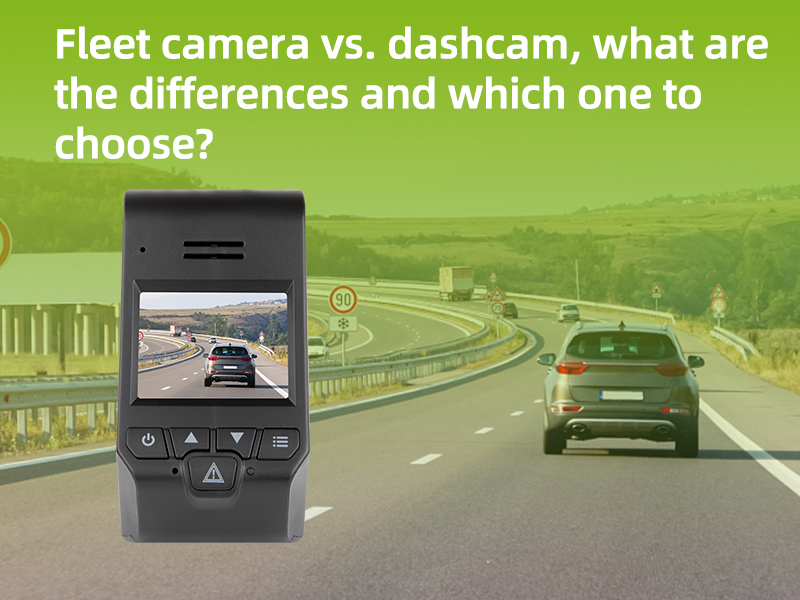
Fleet camera vs. dashcam, what are the differences and which one to choose?缩略图

กล้องติดรถกับกล้องติดรถบรรทุก มีความแตกต่างกันอย่างไร และควรเลือกแบบไหน?

In today’s rapidly evolving world, the importance of vehicle cameras cannot be understated. With the increase in road traffic and the inherent risks associated with it, safety and accountability have become paramount. Vehicle cameras play a crucial role in this scenario, offering a myriad of benefits from capturing crucial evidence in case of mishaps, to aiding in better fleet management.

There are several types of vehicle cameras available in the market, each designed to cater to specific needs. Among these, two stand out due to their popularity and widespread usage: Fleet cameras and dashcams. While they both serve the purpose of recording video footage from vehicles, they cater to different audiences and have distinct functionalities. In this article, we will delve deeper into the characteristics of these two types and elucidate their differences.

Fleet camera vs. dashcam, what are the differences and which one to choose?插图

What is a Fleet Camera?

Definition and Primary Purpose

A fleet camera, often referred to as a fleet management camera, is a specialized type of video recording device designed primarily for vehicles that are part of a commercial fleet. Its main purpose is not just to record footage but to aid fleet managers in monitoring, tracking, and ensuring the safety of their vehicles and drivers. These cameras offer an extra layer of oversight, helping businesses reduce liabilities, maintain compliance, and enhance overall fleet performance.

Key Features of Fleet Cameras

  • Integrated GPS: Most fleet cameras come with an integrated GPS system, enabling fleet managers to track the real-time location of each vehicle.
  • Multiple Channel Recording: Unlike regular dashcams, fleet cameras often have the capability to record multiple views simultaneously. This includes front-facing, rear, cabin, and sometimes even side views.
  • Cloud Storage & Real-time Streaming: Many advanced fleet cameras offer cloud storage solutions, ensuring that footage is stored securely and can be accessed remotely. Some even allow for real-time streaming, letting managers monitor situations as they happen.
  • Driver Behavior Monitoring: With the integration of advanced sensors, fleet cameras can detect and alert for behaviors like hard braking, rapid acceleration, or sharp cornering, ensuring driver compliance and safety.
  • Tamper-Proof Design: Given the commercial use and the need for uninterrupted surveillance, these cameras are designed to be tamper-proof, preventing unauthorized access or tampering.

Common Uses and Industries That Benefit from Fleet Cameras

  1. Logistics and Transportation: Companies involved in the transportation of goods often use fleet cameras to monitor their vehicles, ensuring timely deliveries and safe transit.
  2. Public Transportation: Buses, trams, and other public conveyances employ fleet cameras to ensure passenger safety and monitor driver behavior.
  3. Rental and Car-sharing Services: These businesses deploy fleet cameras to monitor the condition of their vehicles, track usage, and protect against potential abuses or damages.
  4. Emergency Services: Ambulances, fire trucks, and police vehicles use fleet cameras to document incidents, ensure compliance, and as a tool for training and review.
  5. Construction and Heavy Machinery: In industries where heavy machinery like dump trucks or excavators are used, fleet cameras help in monitoring operations, ensuring safety protocols are followed, and protecting against potential liabilities.

In essence, any industry that relies heavily on vehicular operations and wishes to enhance safety, compliance, and efficiency can greatly benefit from the use of fleet cameras.

What is a Dashcam?

Definition and Primary Purpose

A dashcam, short for dashboard camera, is a compact video recording device mounted on the dashboard or windshield of a vehicle. It is primarily designed to record continuous video footage of the road ahead, serving as a silent witness to any incidents that may occur while driving. The primary purpose of a dashcam is to provide objective evidence in case of road accidents, traffic violations, or any unexpected events, ensuring that the truth is always on record.

Key Features of Dashcams

  • Continuous Loop Recording: Dashcams are designed to record footage continuously. Once the storage is full, the oldest footage is overwritten by the newest, ensuring that the most recent events are always captured.
  • Automatic Incident Detection: Many dashcams come equipped with sensors that detect sudden changes in motion or impact. When an incident is detected, the dashcam automatically saves and locks the footage surrounding that incident, preventing it from being overwritten.
  • Wide-angle Lens: To capture a broad view of the road ahead, dashcams typically employ wide-angle lenses, offering a panoramic view of the surroundings.
  • Night Vision: Considering that many incidents can occur during low-light conditions or at night, modern dashcams often come with enhanced night vision capabilities, ensuring clarity even in the dark.
  • Parking Mode: Some dashcams feature a parking mode, which activates the camera when the vehicle is stationary. This can be beneficial in capturing events like hit-and-runs or vandalism when the car is parked.

Common Uses and Scenarios Where Dashcams Are Beneficial

  1. Accident Evidence: The most common use, dashcams provide irrefutable evidence in the event of an accident, clarifying who was at fault.
  2. Protection Against Fraud: There have been instances where individuals intentionally cause accidents to claim insurance. A dashcam can capture such fraudulent acts, protecting the innocent party.
  3. Monitoring Driving Behavior: Parents or car owners can use dashcams to monitor the driving habits of their teenagers or renters, ensuring safety and compliance with traffic rules.
  4. Capturing Unexpected Events: From meteor sightings to rare wildlife crossings, dashcams have captured numerous unexpected and often viral events, providing unique footage that can be shared and cherished.
  5. Insurance Discounts: Some insurance companies offer discounts to drivers who have dashcams installed, acknowledging the role they play in promoting safer driving and providing clear evidence in case of incidents.

In summary, dashcams have become an indispensable tool for many drivers, offering peace of mind, security, and often even financial savings.

Primary Differences Between Fleet Cameras and Dashcams

Understanding the differences between fleet cameras and dashcams is vital for businesses and individuals alike. Both serve unique purposes and offer distinct features that cater to their intended audiences. Here’s a breakdown of their primary differences:

Functional Differences

  • Integration with Systems:
    • Fleet Cameras: These are often intertwined with fleet management systems. This integration allows managers to monitor vehicle locations, driving behaviors, and even maintenance needs in real-time. Fleet cameras provide a comprehensive view of the entire fleet’s operations, ensuring smooth and efficient functioning.
    • Dashcams: Designed for individual use, dashcams primarily focus on recording footage of the road and immediate surroundings. They lack the broader fleet integration features, serving mainly as an objective witness to on-road incidents.

Technological Differences

  • Video Storage Capabilities:
    • Fleet Cameras: Given the commercial aspect, these cameras often have larger storage capacities and may come with cloud storage solutions. This ensures that footage can be stored for longer periods and can be accessed remotely by fleet managers.
    • Dashcams: Typically, dashcams rely on loop recording, where older footage is overwritten by new recordings when storage is full. Some advanced models might offer cloud storage, but it’s less common than with fleet cameras.
  • Integration with Other Systems:
    • Fleet Cameras: Apart from fleet management systems, these cameras can also integrate with other enterprise systems, such as maintenance tracking, scheduling, or even customer management systems.
    • Dashcams: They are standalone devices, with minimal integration capabilities. Some advanced models might sync with mobile apps for easy footage access and sharing, but the integration usually stops there.
  • Camera Quality and Resolution:
    • Fleet Cameras: Given the commercial imperative, these cameras might offer higher resolutions and multiple camera feeds (front, cabin, rear, sides). The emphasis is on comprehensive coverage and clarity.
    • Dashcams: These offer good quality recordings, especially the premium models. However, most dashcams focus on the front view, with some models offering rear or cabin views as added features.

Usage and Deployment Differences

  • Commercial vs. Individual Use:
    • Fleet Cameras: As the name suggests, they are predominantly used by commercial fleets. This includes transportation companies, public transit systems, emergency services, and more.
    • Dashcams: They are primarily designed for individual motorists. Whether it’s daily commuting, long drives, or even rideshare drivers, dashcams cater to personal vehicle owners seeking an extra layer of security and evidence.

Advantages of Using a Fleet Camera

In the modern transportation and logistics industry, the advantages of employing fleet cameras go far beyond mere surveillance. They provide a suite of benefits that enhance operations, safety, and profitability. Here’s a comprehensive look at the advantages of using fleet cameras:

Enhanced Fleet Management

  • Real-time Monitoring: With fleet cameras integrated with GPS systems, fleet managers can monitor vehicles in real time. This allows them to make informed decisions about routes, respond quickly to unforeseen incidents, and manage fleet distribution effectively.
  • Efficient Dispatch: By knowing the precise location and status of each vehicle, dispatchers can make data-driven decisions on which vehicle to send for a job, reducing response times and enhancing customer satisfaction.
  • Maintenance Alerts: Some advanced fleet camera systems can also provide alerts related to vehicle maintenance, ensuring that vehicles remain in optimal condition and reducing the risk of breakdowns.

Improved Safety for Drivers and Cargo

  • Behavior Monitoring: Fleet cameras can detect potentially dangerous driving behaviors, like hard braking or rapid acceleration. This allows managers to address these behaviors through training or other interventions, ensuring safer roads for everyone.
  • Cargo Security: For fleets that transport valuable goods, cameras offer an added layer of security, deterring potential thefts and ensuring the safety of the cargo.
  • Evidence Collection: In case of accidents or disputes, the footage from fleet cameras provides irrefutable evidence, ensuring that justice is served.

Easier Monitoring and Reporting for Fleet Managers

  • Automated Reporting: Many fleet camera systems come with automated reporting features. These can generate insights on fleet performance, driver behavior, fuel consumption, and more, all valuable data for improving operations.
  • Incident Reviews: Fleet managers can review footage to analyze incidents, helping in training drivers, understanding bottlenecks, and improving route planning.
  • Regulatory Compliance: In some industries, there’s a regulatory need to monitor and record fleet operations. Fleet cameras make it easy to maintain compliance and provide necessary documentation when required.

Possible Insurance Benefits

  • Reduced Premiums: Many insurance providers offer reduced premiums for fleets equipped with cameras, recognizing the added safety and accountability they provide.
  • Claim Resolution: In case of accidents or damages, having video evidence can expedite the claim resolution process, ensuring faster settlements and reduced downtime.

Utilizing fleet cameras provides a multifaceted approach to managing, monitoring, and maintaining a fleet. From safety to efficiency, the benefits are clear, making them an indispensable tool for modern fleet operations.

Advantages of Using a Dashcam

The adoption of dashcams by individual drivers has witnessed a significant surge in recent years. The reasons for this are manifold, ranging from personal security to potential financial benefits. Here’s a detailed exploration of the advantages of using a dashcam:

Evidence in Case of Accidents or Disputes

  • Objective Witness: Dashcams serve as an impartial observer, recording events exactly as they happen. In the unfortunate event of an accident, the footage can clearly show what transpired, helping to establish fault and protect innocent parties.
  • Protection Against Fraud: There have been instances of staged accidents or false claims designed to extort money or benefits. A dashcam can capture such deceitful acts, protecting the driver from potential fraud.

Enhanced Safety for Individual Drivers

  • Driving Behavior Analysis: While primarily used for recording external events, dashcams can also help drivers self-assess their driving habits. Reviewing footage can highlight areas for improvement, leading to safer driving practices.
  • Night Driving: Advanced dashcams with night vision capabilities ensure that events are captured clearly even in low-light conditions, offering protection during night drives.
  • Emergency Features: Some dashcams come with emergency SOS features, which can automatically alert emergency services in the event of a severe collision.

Possible Insurance Discounts

  • Premium Reduction: Recognizing the safety benefits and the role of dashcams in providing clear evidence, some insurance companies offer discounts to drivers who have them installed. This not only enhances safety but also leads to potential savings.
  • Faster Claim Processing: In case of an accident, having clear video evidence can expedite the claim resolution process, ensuring that drivers don’t have to endure prolonged disputes or delays.

Monitoring Parked Vehicles and Anti-Theft Features

  • Parking Mode: Some dashcams offer a parking mode, which activates when the vehicle is stationary. This can capture events like hit-and-runs or vandalism, providing evidence and security even when the driver is away from the vehicle.
  • Theft Deterrent: The mere presence of a dashcam can act as a deterrent to potential thieves or vandals, adding an extra layer of security to the vehicle.
  • Remote Alerts: Advanced dashcams can send real-time alerts to the owner’s smartphone if the vehicle is tampered with or if an incident is detected while parked.

In essence, dashcams offer a multitude of benefits, from safeguarding against unexpected events on the road to ensuring peace of mind when the vehicle is parked. Their advantages underscore the reason behind their growing popularity among motorists worldwide.

Choosing the Right Camera for Your Needs

In a world brimming with technological advancements, selecting the right camera for your vehicular needs can seem daunting. However, a systematic approach can simplify the decision-making process. Here’s a guide to help you choose the right camera based on your specific requirements:

Factors to Consider

Purpose: Commercial Fleet or Individual Use?

  • Commercial Fleet: If you’re managing a fleet of vehicles, your needs will gravitate towards fleet cameras. These provide a holistic view of your operations, helping with real-time monitoring, driver behavior analysis, and integration with fleet management systems.
  • Individual Use: For personal vehicles or individual motorists, dashcams are more suitable. Their primary focus is on recording road events, safeguarding against potential mishaps, and possibly even availing insurance discounts.

Budget Considerations

  • Range of Options: Both fleet cameras and dashcams come in a range of price points. Establishing a budget can help narrow down options and ensure you get the best value for your money.
  • Total Cost of Ownership: Beyond the initial purchase price, consider costs related to installation, maintenance, potential cloud storage fees, and any subscription services if applicable.

Technical Requirements

  • Resolution and Quality: Depending on your needs, you might want a camera with high-definition recording capabilities. For commercial fleets, clear footage can be crucial, especially if the footage is used for evidence or training.
  • Storage Capacity: While most cameras use loop recording, the duration before older footage is overwritten varies. Consider how long you need to retain footage and choose a model with storage capabilities to match.
  • Additional Features: Night vision, parking mode, wide-angle lens, and advanced sensors might be features you want to look for based on your specific requirements.

Integration Needs with Other Systems

  • Fleet Management Systems: For commercial fleet operators, integration with existing fleet management or enterprise systems is vital. Ensure the camera system is compatible or offers APIs for seamless integration.
  • Mobile Apps and Alerts: Individual users might prefer dashcams that come with mobile app integration, allowing for easy access, sharing, and real-time alerts.
  • Connectivity: Some advanced models offer Wi-Fi or cellular connectivity, allowing for remote access to camera feeds or cloud storage. Consider if this is a feature you require.

In summary, choosing the right camera boils down to understanding your specific needs and then aligning them with the features and capabilities of available options. Whether it’s for commercial operations or individual protection, investing time in research will ensure you make a well-informed decision.

The Future of Vehicle Cameras

Vehicle cameras, both fleet cameras and dashcams, have witnessed tremendous evolution in recent years. As technology continues to advance at an unprecedented rate, the next generation of vehicle cameras is poised to be smarter, more integrated, and even more indispensable. Let’s explore what the future holds for these devices:

Emerging Technologies and Trends

  1. Augmented Reality (AR) Integration: Future vehicle cameras might integrate AR to overlay important information on the camera feed. This could include navigational cues, vehicle diagnostics, or even real-time data about traffic conditions.
  2. 5G and Enhanced Connectivity: With the rollout of 5G networks, the connectivity and data transfer speeds for vehicle cameras are set to increase dramatically. This will enable real-time video streaming, faster uploads to cloud storage, and instantaneous data sharing.
  3. Advanced Sensors and Improved Night Vision: Next-gen vehicle cameras will incorporate advanced sensors that can detect a wider range of light wavelengths. This will result in clearer footage in low-light conditions and enhanced night vision capabilities.
  4. Solar-Powered Cameras: With the increasing emphasis on sustainability, we might see the advent of solar-powered vehicle cameras that can operate without draining the vehicle’s battery.

How AI and Machine Learning are Shaping the Future

  1. Predictive Analysis: AI-powered fleet cameras can analyze driving patterns and predict potential hazards, alerting drivers in real-time. For instance, if a driver is consistently braking hard at certain spots, the AI might recognize a potential hazard in that area and provide a warning in advance.
  2. Driver Fatigue and Distraction Detection: Through facial recognition and behavioral analysis, AI-enabled cameras can detect signs of driver fatigue or distraction and send alerts, ensuring the driver’s safety.
  3. Automated Incident Reporting: Upon detecting an accident or collision, AI-driven cameras can automatically compile an incident report, capturing crucial data points like speed, direction, impact force, and more. This not only aids in insurance claims but also in understanding the root causes of incidents.
  4. Personalized Driver Training: By analyzing a driver’s behavior over time, AI can create personalized training modules highlighting areas of improvement, ensuring that drivers receive tailored feedback to enhance their skills.
  5. Enhanced Security: AI-driven dashcams can recognize unauthorized access or potential threats to a parked vehicle, triggering alarms or notifying the owner instantly.
  6. Integration with Smart Cities: As cities become smarter and more connected, AI-driven vehicle cameras will integrate with city-wide systems. This can aid in real-time traffic management, accident response, and even in locating available parking spots.

In conclusion, the fusion of AI, machine learning, and advanced technological trends is set to revolutionize the world of vehicle cameras. These advancements will make roads safer, operations more efficient, and drive the evolution of smarter, more connected cities.

ลูวิว is a professional rear view safety products manufacturer and solution provider from China. Whether you are looking for a fleet camera or dashcam, we are the right supplier you are looking for. Please contact sales@luview.com สำหรับรายละเอียดเพิ่มเติม.