How to Choose the Right Wireless Safety Camera for Your Forklift Fleet缩略图

How to Choose the Right Wireless Safety Camera for Your Forklift Fleet

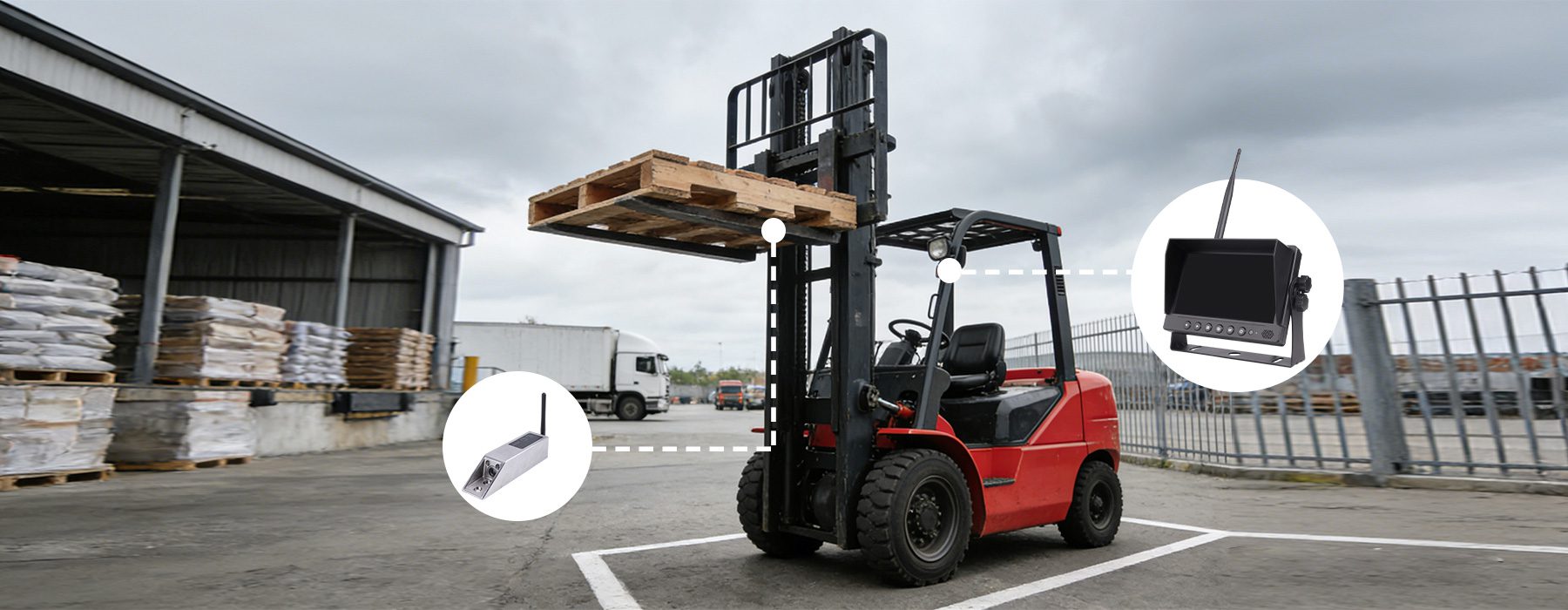
Forklifts play a critical role in warehouses, logistics centers, and industrial environments. Even skilled operators face challenges due to blind spots, low-light conditions, and tight maneuvering spaces. A camera for a forklift can significantly improve safety and operational efficiency, but choosing the right system requires understanding key considerations.

How to Choose the Right Wireless Safety Camera for Your Forklift Fleet插图

Key Considerations When Selecting a Forklift Camera

When looking for cameras for forklifts, it’s important to focus on factors that impact both safety and efficiency:

  1. Field of View

A wide-angle view helps operators see blind spots around the forklift, especially behind the load. Cameras with adjustable viewing angles provide flexibility to adapt to different load sizes and warehouse layouts.

  1. Image Clarity in Various Lighting Conditions

Warehouses often have uneven or low lighting. Look for cameras that provide clear images in both bright and dim environments. Night vision or LED-assisted cameras are particularly useful for early morning, late night, or poorly illuminated storage areas.

  1. Real-Time Monitoring

The camera system should provide instant video feedback to the operator’s monitor without noticeable lag. Real-time monitoring ensures the operator can make immediate adjustments to prevent collisions and safely handle loads.

  1. Wireless Reliability

Wireless connectivity is convenient, but stability is crucial. A reliable system must maintain a strong connection over the forklift’s operating area, even when navigating large warehouses or obstructed paths.

  1. Ease of Installation and Maintenance

Choose a system that can be installed with minimal disruption to your fleet. The camera should be robust and easy to maintain, minimizing downtime and maintenance costs.

  1. Compatibility with Your Fleet

Ensure the camera system works with the types of forklifts in your fleet and integrates easily with existing monitors or displays. Some systems offer flexible mounting options to fit various models.

Why Choose Luview Camera for Forklifts?

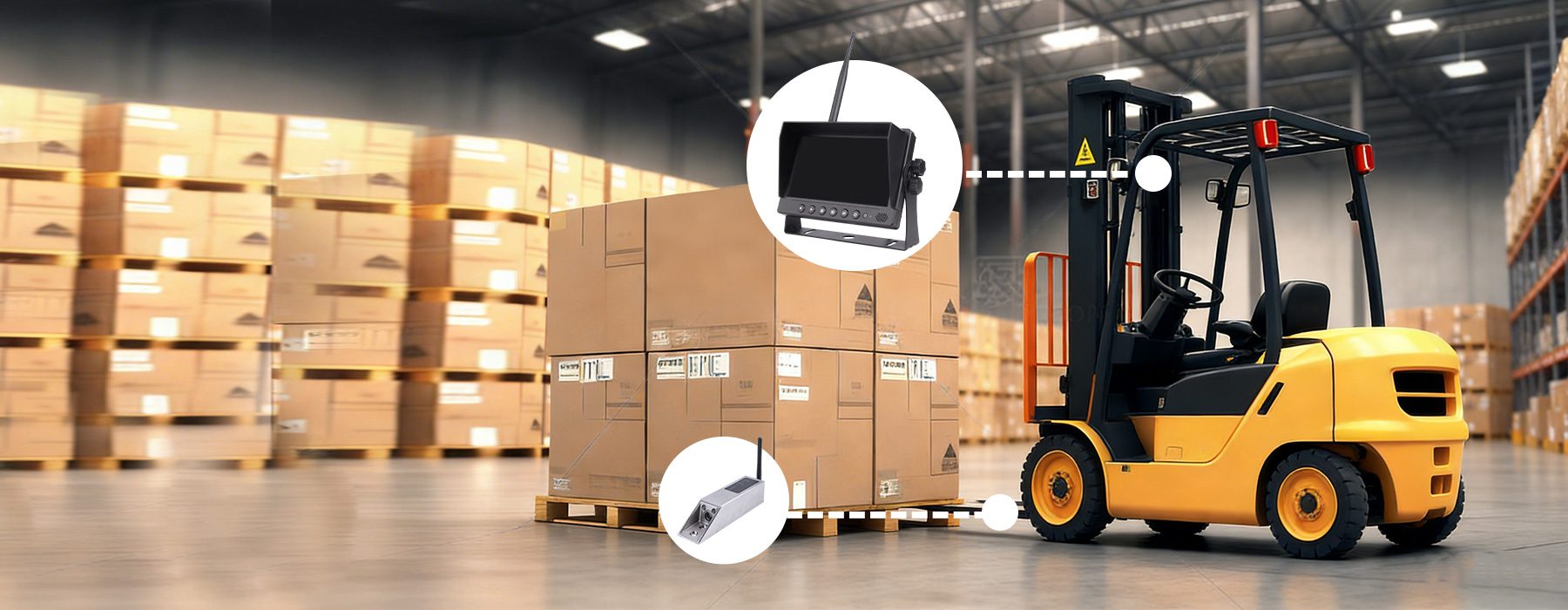
After considering these factors, Luview cameras for forklifts stand out as a practical solution for industrial operations. Designed for safety, precision, and reliability, Luview systems provide:

Enhanced Operational Precision: Visual guidelines on the monitor help operators position loads accurately.

Superior Visibility in Complex Environments: LED-assisted vision ensures clear images in low-light conditions.

Wireless Connectivity & Real-Time Monitoring: Instant video transmission displays blind spots in real-time.

Maximum Transmission Distance: Reliable wireless connection up to 60 meters supports large warehouse operations.

Conclusion

Choosing the right camera for forklifts requires evaluating the field of view, image clarity, real-time monitoring, wireless stability, installation, and fleet compatibility. For businesses seeking a dependable and high-performance solution, Luview cameras for forklifts combine these essential factors with features designed to enhance operational safety and efficiency.

By selecting a system that addresses these practical considerations, operators can navigate their work environment with confidence, reduce accidents, and handle materials more precisely. Luview provides the safety, clarity, and reliability your forklift fleet needs.

Can Wireless Safety Cameras Integrate with Other Forklift Safety Systems缩略图

Can Wireless Safety Cameras Integrate with Other Forklift Safety Systems

In modern warehouse and industrial environments, safety remains a top priority. Forklifts, while essential for efficient material handling, are associated with a significant risk of accidents due to blind spots and limited rear visibility. Forklift wireless safety cameras have emerged as an effective solution, offering operators a clear view of their surroundings and reducing the likelihood of collisions. These systems combine advanced optics, wireless transmission, and intelligent design to improve situational awareness, ultimately protecting both personnel and inventory.

Can Wireless Safety Cameras Integrate with Other Forklift Safety Systems插图

How Wireless Forklift Cameras Enhance Safety

Traditional backup cameras have long been used in vehicles, but forklifts present unique challenges. Frequent stops, high load heights, and the constant movement of pallets demand a system that is both robust and reliable. A forklift backup camera system addresses these needs by providing a real-time video feed to the operator, typically displayed on an onboard monitor.

Luview’s wireless forklift camera system incorporates several features that ensure safety without complicating the operator’s workflow:

Easy Installation: Its magnetic mounting structure allows quick attachment without extensive wiring, reducing downtime and avoiding tangled cables.

Reliable Performance: Designed with IP68 waterproofing and automatic shutdown, the system withstands industrial environments while conserving energy.

Operational Convenience: With upper and lower screen flipping and a laser positioning function, operators gain precise visibility for both close-range maneuvering and elevated load handling.

Integrating with Other Safety Systems

A common question among warehouse managers and experienced forklift operators is whether wireless cameras can integrate with existing safety systems, such as proximity sensors, collision alert systems, or fleet management software. The answer is largely affirmative, as most modern forklift wireless safety cameras are designed with interoperability in mind.

Luview‘s system, in particular, offers flexibility for integration. Its wireless transmission and standardized video output allow connection with other visual or alert systems. For example, pairing the camera with proximity sensors or audible alarms can create a comprehensive safety network that alerts operators to nearby hazards, improving decision-making during complex maneuvers. While full integration depends on the compatibility of third-party systems, Luview’s solution is engineered to work seamlessly with most forklifts on the market, providing a versatile upgrade without requiring extensive modifications.

Conclusion

We believe incorporating a forklift backup camera system into your operations is a practical way to enhance safety, reduce accidents, and boost operator confidence. When combined with other safety measures, such as sensors or alarms, our wireless cameras help create a more comprehensive safety environment. At Luview, we design our wireless forklift safety camera solutions for easy installation, durable performance, and broad compatibility, providing a reliable solution for warehouses and industrial sites. By choosing our versatile system, operators can enjoy improved visibility and safer operations without the need for complex rewiring or equipment modifications.

What Are the Regulatory Requirements for Forklift Backup Camera缩略图

What Are the Regulatory Requirements for Forklift Backup Camera

Forklifts are common in warehouses, logistics centers, and industrial sites. They help move heavy loads quickly, but they also have safety risks. One of the biggest risks is limited visibility, especially behind the vehicle. A forklift backup camera or a forklift safety camera system can help operators see blind spots and prevent accidents.

What Are the Regulatory Requirements for Forklift Backup Camera插图

How a Forklift Backup Camera Works

A forklift backup camera uses a wide-angle lens and a high-resolution sensor to show what is behind the forklift. The video is sent in real time to a monitor that the operator can see easily. Some systems include infrared for low light or multiple cameras for full coverage.

These cameras improve safety by giving operators a clear view of obstacles, people, and shelves. Studies show that using a forklift safety camera system reduces collisions and near-misses. Operators can make faster and safer decisions because they can see everything around the forklift.

International Standards for Forklift Safety Camera System

Many countries have rules and standards for forklift safety. A good forklift safety camera system should follow these standards:

ISO 3691-1: Provides safety guidelines for industrial trucks, including visibility and protective features.

SAE J1113: Covers vehicle electronic systems and tests cameras for vibration, temperature, and electrical conditions.

CE and FCC Certification: Shows that the camera meets European and U.S. safety and performance rules.

DOT Compliance: Ensures the camera can be used in areas with local vehicle safety laws.

By following these standards, your forklift backup camera meets safety rules and improves workplace safety.

Why Choose Luview Forklift Camera Systems

At Luview, we provide high-quality forklift backup cameras and forklift safety camera systems. We are a global vehicle camera supplier and a certified national high-tech enterprise. Our system certifications include IATF 16949:2016, ISO 9001:2015, and BSCI.

Our products pass strict tests for waterproofing, shockproofing, salt spray, high and low temperatures, and more. They are also CE, FCC, E-MARK, DOT, and SAE certified.

We offer OEM and ODM services. This means we can make cameras that fit your brand and specific requirements. Every system is designed to help operators work safely and efficiently.

Conclusion

A forklift backup camera is an essential tool for modern forklift operations. A forklift safety camera system reduces accidents and improves visibility. Following standards like ISO 3691-1, SAE, CE, and DOT ensures your system is safe and reliable.

With Luview, you get certified cameras built for tough conditions and tailored to your needs. Choosing the right forklift backup camera makes your workplace safer and more efficient.

Luview Forklift Camera System: The Visual Solution for Efficient and Safe Operations缩略图

Luview Forklift Camera System: The Visual Solution for Efficient and Safe Operations

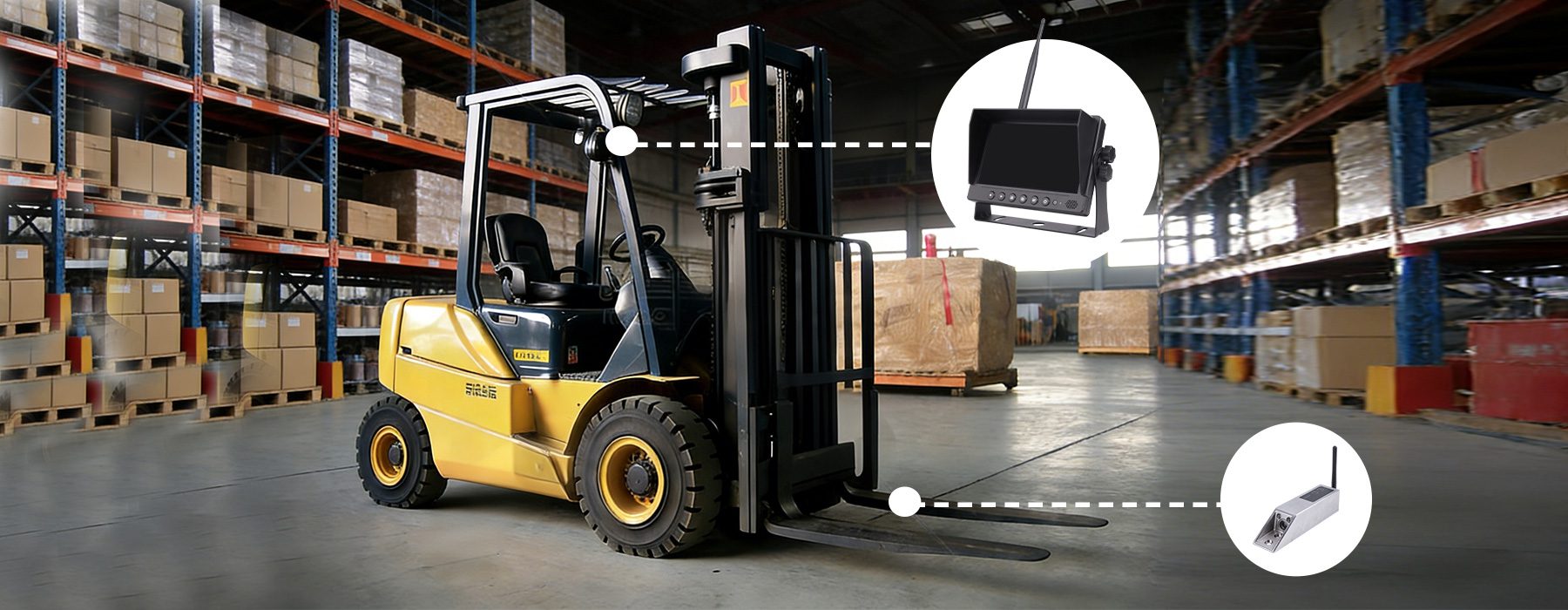
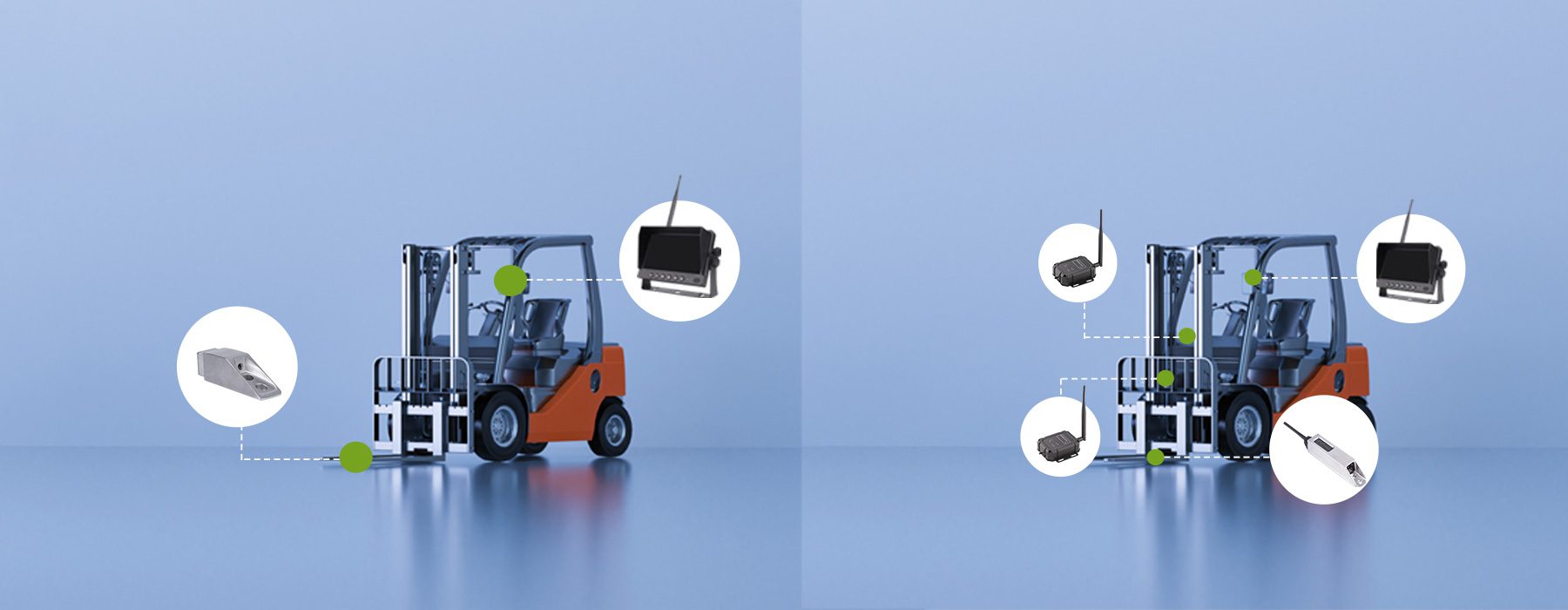
As a professional provider of forklift camera systems, Luview is committed to delivering high-performance, high-reliability wireless magnetic forklift camera solutions, redefining operational efficiency and safety standards for forklift operators. Our forklift monitoring systems cover a range of product lines including the JY-M176W+JY-F5 and JY-M176+RX03+F6+TX03 series, which are tailor-made for medium and large-sized forklifts, automated guided forklifts, and complex operation scenarios, fully meeting diverse application needs.

Luview Forklift Camera System: The Visual Solution for Efficient and Safe Operations插图

I.Core Product Advantages

1. Wireless Magnetic Mounting

The JY-F5 wireless camera features a magnetic structure design, enabling tool-free installation and flexible repositioning. This design not only streamlines the deployment process but also minimizes equipment damage in the event of accidental collisions. The system is seamlessly compatible with various forklift models while ensuring structural stability.

2. High-Definition Image Quality

Superior HD viewing experience: The JY-M176W+JY-F5 system is equipped with a 1/2.9-inch CMOS sensor, supporting 720P resolution for real-time transmission of clear images. The JY-M176+RX03+F6+TX03 system comes with a 2-megapixel 1/3-inch SC2336 sensor, supporting 1080P full HD output and progressive scan technology, which delivers sharp and stable images even during dynamic operations.

3. Waterproof & Durable

All Luview forklift monitoring systems achieve an IP68 waterproof rating, ensuring stable operation in rainy weather and harsh industrial environments. The cameras adopt a metal casing design, boasting high strength, impact resistance, and wear resistance for an extended service life.

4. Low-Light Adaptability

The JY-F5 camera has a minimum illumination of only 0.1 lux, while the F6 camera has a minimum illumination of 1 lux. Combined with automatic gain control and auto white balance functions, the cameras ensure clear visibility and consistent image quality even in dimly lit warehouses or night-time operating scenarios.

5. Intelligent Function Configuration

Auxiliary Positioning Function: The Luview wireless forklift system supports auxiliary positioning (requires a dedicated monitor), helping operators precisely align the forks with pallets or shelves, reducing loading and unloading errors, and significantly improving operational efficiency.

6. Long-Distance Wireless Transmission

The system offers a wireless connection range of up to 30 meters in open environments, with stable signal and smooth image transmission. It completely eliminates the constraints of wired connections, enabling flexible camera layout.

7. Multi-Channel Monitoring Capability

The JY-M176W 7-inch color display supports multi-channel input, allowing simultaneous installation of multiple cameras. It provides full coverage of the forklift’s front, rear, and blind spots, enhancing the operator’s environmental awareness.

II. Customized OEM Cooperation Solutions

Luview provides exclusive OEM cooperation services for global forklift manufacturers (including OEM partners in Germany, Europe, America, and other regions), with three core pillars:

1. Customized Product Development

We tailor-make camera systems based on customers’ specific forklift models and functional requirements, ensuring seamless integration with the vehicle to enhance the overall brand recognition of the complete machine.

2. Full-Process Technical Support

Our professional R&D team offers end-to-end technical support covering product design, sample testing, production line assembly guidance, and after-sales maintenance. This empowers OEM partners to accelerate product certification and mass production processes efficiently.

3. Stable Supply Chain & Quality Assurance

Luview operates its own manufacturing facilities in Shenzhen, China, and Malaysia, boasting a complete supply chain system and large-scale production capacity to guarantee on-time delivery of bulk orders. All products strictly comply with ISO9001/ISO45000/VDA6.3 quality standards. Rigorous quality control measures are implemented throughout every stage—from raw material procurement and production processing to finished product inspection—ensuring consistent product quality and reliability.

Are you plagued by these pain points in forklift operation scenarios?

1. Blind Spot Hazards

Forklift operations involve multiple blind spots. When loading/unloading goods, navigating narrow aisles, or turning to meet other vehicles, do you constantly worry about collisions with pedestrians, scratches to goods or equipment, and persistent safety risks in the factory premises?

2. Inflexible & Outdated Equipment

Are your existing operation monitoring devices limited to single functions, unable to adapt to multi-scenario operational needs? As enterprises advance toward intelligent upgrading, can these devices fail to meet requirements for equipment linkage and data transmission, resulting in high costs and low efficiency due to frequent device replacements?

3. Inefficient After-Sales Service

After equipment malfunctions, do delayed after-sales responses and inadequate technical support lead to operational interruptions, production halts, escalating losses, and a subpar cooperation experience?

4. Low Operational Precision

Due to restricted visibility, do operators need to repeatedly adjust the forklift when picking up goods or docking with trailers? This not only slows down operational progress but also increases equipment wear and labor costs.

Why Choose Luview Forklift Camera Systems?

Exclusive OEM Cooperation Solutions

To better serve forklift OEMs and manufacturers worldwide, Luview offers a full-process cooperation solution from product customization, technical support to batch delivery, ensuring efficient and smooth cooperation.

1. Customized product development

Based on the forklift model design and functional requirements of the OEM manufacturer, we provide personalized customization services to ensure the perfect integration of the product with the forklift and enhance the brand recognition of the entire vehicle.

2. Full-process technical support

We have a professional RD team that provides full-process technical support from product design, sample testing, production line assembly guidance to after-sales maintenance, helping OEM manufacturers quickly complete product certification and mass production.

3. Stable supply chain and batch delivery

With a complete supply chain system and large-scale production capacity, it can ensure the stable delivery of bulk orders. Establish a strict quality control system. From raw material procurement, production processing to finished product inspection, every link complies with 1s09001/1s045000/VDA6.3 quality standards to ensure product consistency and reliability.

FAQ

Q1: What Components Does the Luview Forklift Camera Monitoring System Consist Of?

The complete system is mainly composed of core components such as forklift cameras, rear-view cameras, and 7-inch LCD monitors. Its core function is to eliminate visual blind spots during forklift travel and operation. It assists operators in clearly observing the surrounding environment in real time for scenarios like aisle navigation, cargo trailer docking, and goods lifting. This effectively mitigates safety risks such as pedestrian collisions and cargo scratches, while improving operational accuracy and efficiency and reducing economic losses caused by equipment damage.

Q2: What Are the Main Factors Determining the Price Differences of Products?

Price differences are mainly determined by system models and functional configurations. For example, features including multi-camera linkage, video recording and storage support, night vision performance levels, and protection ratings will all affect the final pricing.

Q3: What If the Monitor Suffers from Glare and Becomes Unreadable?

The monitors provided by Luview are equipped with sun visors, which can effectively prevent the screen from being exposed to direct sunlight or strong light sources and reduce glare interference.

Q4: How to Install the Forklift Camera?

Our forklift cameras adopt a magnetic structure, enabling extremely convenient installation and disassembly. For installation, simply attach the camera directly to the forklift body.