What Makes Mobile Digital Video Recorders Different from Standard DVRs缩略图

What Makes Mobile Digital Video Recorders Different from Standard DVRs

In the transportation industry, efficient monitoring and recording systems are crucial for maintaining safety and accountability. While standard DVRs have long been used in security and surveillance applications, mobile digital video recorders (MDVR systems) are specifically engineered for vehicles, offering enhanced durability, connectivity, and functionality. At Luview, we focus on developing MDVR solutions that meet the demanding requirements of fleet management and smart transportation systems.

Understanding the Difference Between Standard DVRs and Mobile Digital Video Recorders

Standard DVRs are primarily used for fixed-site surveillance, such as in buildings, offices, or retail environments. They typically operate in controlled conditions and are optimized for stable power supplies and stationary camera positions. In contrast, mobile digital video recorders are designed for vehicles that encounter constant vibration, temperature fluctuations, and unstable network conditions.

An MDVR system must withstand these challenges while ensuring consistent video recording and reliable data transmission. Mobile DVRs feature shockproof casings, wide voltage tolerance, and data protection mechanisms to prevent loss during power interruptions. Moreover, they support GPS positioning, 4G/5G connectivity, and remote management—capabilities that are rarely required in traditional DVR setups.

Technological Upgrades in Modern MDVR Systems

As the top fleet camera company, Luview has developed a 4-channel AHD 1080P MDVR system that embodies these advancements. It goes beyond simple recording—integrating AI algorithms that monitor both driver behavior and vehicle status. This helps prevent common safety issues such as distracted or drowsy driving, contributing to safer and more efficient fleet operations.

Another major improvement is the video compression technology. Our system supports both H.265 and H.264 encoding, which deliver high compression ratios without sacrificing image clarity. This enables fleets to store more footage using less space and transmit data efficiently even under limited network bandwidth—an essential feature for large-scale operations.

Reliable Storage and Easy Access to Data

For fleets that generate large volumes of footage, reliable storage is vital. The Luview MDVR supports one SATA hard disk, making it straightforward to install or replace storage drives. This configuration meets the mass storage demands of commercial fleets and allows for extended recording periods without frequent replacements.

In addition, our manual or scheduled SD card recording feature offers flexibility in data management. Fleet managers can easily export or review critical footage on-site using the built-in USB port, even when operating in remote areas where network access may be limited. This local access capability helps reduce downtime and ensures a quick response to incidents or investigations.

Built for Fleet Management and Industrial Applications

Unlike standard DVRs that focus solely on surveillance, Luview’s MDVR system is an integral part of intelligent fleet management. Its AI-based monitoring, GPS tracking, and real-time data transfer empower operators to maintain complete visibility across all vehicles. With industrial-grade durability, it withstands harsh environments such as construction fleets, logistics trucks, and public transport systems.

Conclusion

While standard DVRs serve static monitoring needs, mobile digital video recorders are purpose-built for dynamic and demanding vehicle environments. Through innovations in AI integration, data compression, storage design, and network adaptability, Luview‘s MDVR system provides a reliable foundation for safer and smarter fleet operations. For businesses seeking to enhance safety, efficiency, and control across their fleets, upgrading to Luview’s 4-channel AHD 1080P MDVR is a practical step toward intelligent mobility management.
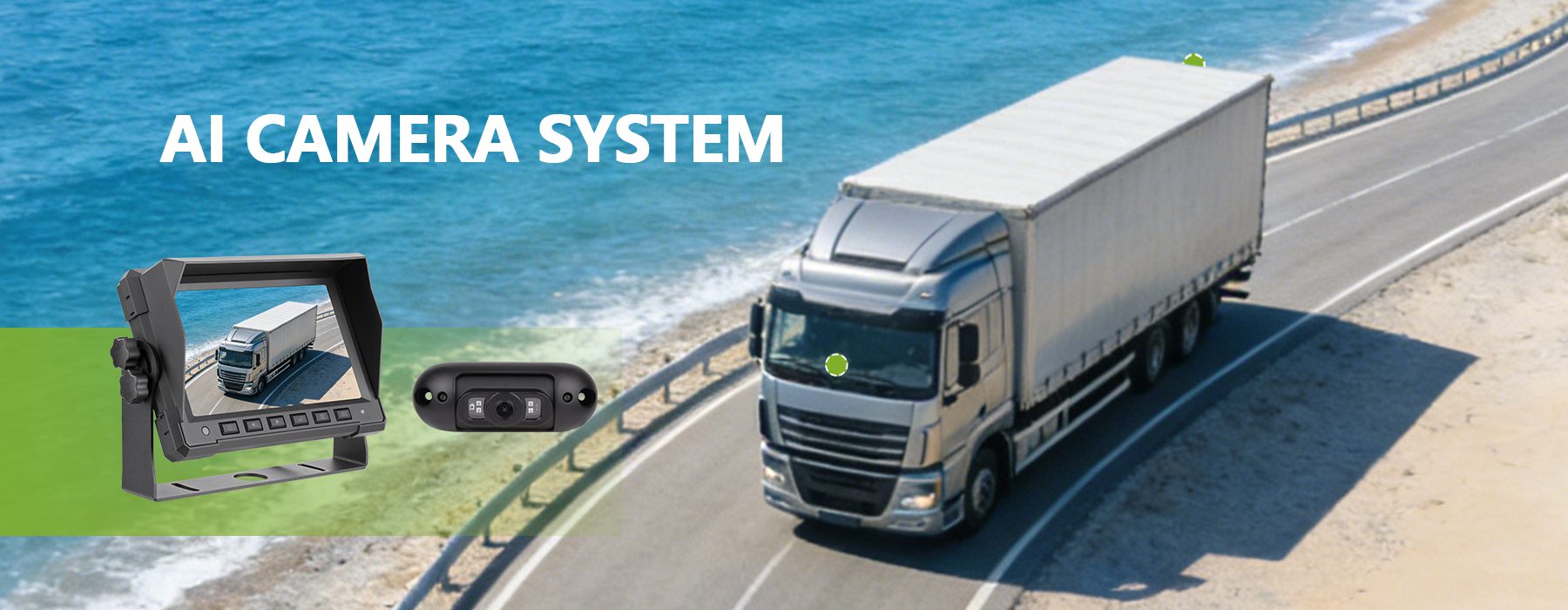
What Specific Scenarios Is an AI Detection Camera Best Suited For缩略图

What Specific Scenarios Is an AI Detection Camera Best Suited For

In modern transportation and industrial operations, an AI camera for cars is more than just a safety tool—it’s an intelligent assistant that enhances driver awareness and operational precision. At Luview, we develop advanced cameras for AI detection designed to meet the demanding needs of diverse vehicles, from school buses to heavy-duty machinery. In this article, we’ll explore the typical scenarios where AI detection cameras perform best and how their flexible features make them adaptable across different applications.

What Specific Scenarios Is an AI Detection Camera Best Suited For插图

How AI Detection Cameras Improve Operational Safety

An AI detection camera integrates artificial intelligence with high-definition imaging to monitor the environment in real-time. It identifies pedestrians, vehicles, and obstacles, distinguishing them from background elements through intelligent algorithms. When paired with visual and audio alerts, the system warns drivers before potential hazards occur.

In industrial and commercial transportation, this technology is invaluable for preventing accidents, minimizing downtime, and supporting compliance with safety standards. By accurately detecting moving objects and showing their proximity, Luview AI cameras for cars offer situational awareness that traditional camera systems simply can’t match.

School Buses: Protecting Students and Pedestrians

School zones and pick-up areas often have unpredictable pedestrian activity. An AI camera for cars installed on a school bus helps detect children and pedestrians near the vehicle, even in blind spots. When paired with distance-based color alerts on the screen, drivers can judge proximity and react instantly to prevent accidents.

The Luview AI detection camera also helps ensure compliance with safety protocols by providing consistent visibility in low-light or crowded environments, giving both drivers and school administrators greater confidence in student safety.

Trucks: Enhancing Visibility in Large Vehicles

For large trucks and freight vehicles, blind spots are a constant challenge. Luview cameras for AI detection provide wide-angle monitoring that detects nearby vehicles, pedestrians, or objects during turns, parking, or lane changes.

The flexible Wi-Fi configuration allows remote adjustment of camera settings, ensuring that truck operators can fine-tune detection zones or warning sensitivity according to specific driving conditions. This adaptability reduces false alarms while improving detection precision—an essential advantage for long-haul transport and fleet management.

Bulldozers and Excavators: Supporting Construction Safety

In construction environments, visibility is often limited by dust, debris, and uneven terrain. AI detection cameras installed on bulldozers or excavators help operators identify workers or obstacles nearby, reducing the likelihood of collisions or operational disruptions.

By using color-coded distance indicators, Luview AI cameras for cars and heavy equipment allow operators to gauge proximity accurately. This feature improves control in tight spaces, particularly when maneuvering large machinery around workers or materials.

Mine-Cars: Maintaining Safety in Harsh Conditions

Mining vehicles operate in extreme environments with limited visibility and frequent movement of personnel and equipment. The Luview AI camera for car supports stable detection even in low-light or dusty conditions. With its flexible Wi-Fi system, settings can be adjusted remotely to adapt to changing operational conditions.

This functionality ensures that the AI camera remains accurate and reliable, helping drivers or operators avoid equipment collisions and improve efficiency in underground or open-pit mining operations.

Conclusion

An AI detection camera is most effective in environments where visibility, reaction time, and precision are critical—such as school transport, logistics, construction, and mining. Luview AI cameras for cars combine intelligent object detection, distance-based visual cues, and flexible Wi-Fi configuration to provide a safer and more efficient driving experience.

By integrating these systems into your vehicles, you gain not only improved operational awareness but also long-term reliability across a variety of challenging applications.

What Are the Main Advantages of an AI-Powered Motion Detection Camera缩略图

What Are the Main Advantages of an AI-Powered Motion Detection Camera

In recent years, AI-powered surveillance has transformed the way we monitor environments and ensure safety. At the core of this transformation are AI motion detection cameras, which combine traditional imaging technology with intelligent algorithms to deliver precise, real-time monitoring. By understanding motion patterns and differentiating between humans, vehicles, and other moving objects, these cameras provide a level of situational awareness far beyond conventional security systems.

What Are the Main Advantages of an AI-Powered Motion Detection Camera插图

Understanding AI Motion Detection

Unlike standard motion sensors that trigger alerts based solely on changes in pixel patterns, smart AI security cameras use advanced artificial intelligence models to analyze visual data. This analysis allows the system to recognize and classify moving objects, minimizing false alarms caused by irrelevant movements such as shadows, animals, or weather changes. The integration of wide-angle lenses further expands the coverage area, allowing a single camera to monitor a broader field of view with higher accuracy.

For instance, cameras equipped with a 165° wide-angle lens can track vehicles and pedestrians simultaneously, providing comprehensive situational awareness while reducing blind spots. This capability is particularly valuable in dynamic environments like busy streets, parking lots, or industrial areas where multiple moving objects may appear at once.

Key Advantages of AI-Powered Motion Detection Cameras

  • Al Warning for Vehicles and Pedestrians

Luview AI motion detection cameras are designed to enhance safety by identifying potential hazards before they become critical. The camera’s AI model detects pedestrians and vehicles within the monitored area and issues timely warnings to prevent collisions. This early-warning system allows drivers or security personnel to take proactive measures, reducing the likelihood of accidents or abrupt maneuvers.

  • 4-Channel AI Vision Warning Alert System

By connecting to a 4-channel monitor, Luview’s AI detection camera system supports multiple camera inputs simultaneously. This setup enables coordinated AI warnings across different angles, effectively removing blind spots and centralizing alerts. The system also provides recorded evidence for incident review, making it ideal for applications that require detailed monitoring, such as fleet management, construction sites, or campus security.

  • Early Warning Alerts

The smart AI security camera delivers real-time visual notifications on the monitor and voice alerts when a pedestrian, vehicle, or obstacle enters the danger zone. This early situational awareness allows operators to respond proactively, maintain smoother operations, and reduce sudden braking or steering. By offering both visual and auditory alerts, the system ensures that critical information reaches the user without delay.

Conclusion

AI-powered motion detection cameras are redefining safety and operational efficiency. With advanced AI models, wide-angle lenses, multi-channel alert systems, and real-time early warnings, Luview smart AI security cameras provide accurate, actionable intelligence that traditional cameras cannot match. For businesses, drivers, or security-conscious operators, these cameras offer not just monitoring but intelligent support, helping reduce risks, improve response times, and ensure a safer environment.

What Can an AI Detection Camera Actually Detect缩略图

What Can an AI Detection Camera Actually Detect

Understanding what an AI detection camera can detect is crucial for businesses, fleet operators, and safety-conscious drivers aiming to improve road safety. At Luview, we focus on combining advanced AI algorithms with robust hardware to create AI traffic cameras that deliver reliable detection in real-world driving conditions. In this article, we break down the capabilities of AI detection cameras, starting with the underlying technology and moving to the advantages of our products.

What Can an AI Detection Camera Actually Detect插图

How AI Detection Cameras Work

An AI detection camera relies on intelligent algorithms to analyze visual data captured by the camera. Unlike traditional cameras, which simply record footage, AI cameras process images in real-time to identify specific objects such as pedestrians, vehicles, and other moving targets. This is achieved through pattern recognition and motion analysis, allowing the system to differentiate between background objects and actual hazards.

The technology is designed to function in complex and dynamic environments. For example, in urban areas, AI detection cameras can monitor crowded streets, recognizing pedestrians crossing the road, vehicles merging into traffic, or even objects partially obscured by other vehicles. By filtering out irrelevant background noise, these systems reduce false alarms while maintaining high detection accuracy.

Human and Vehicle Detection Function

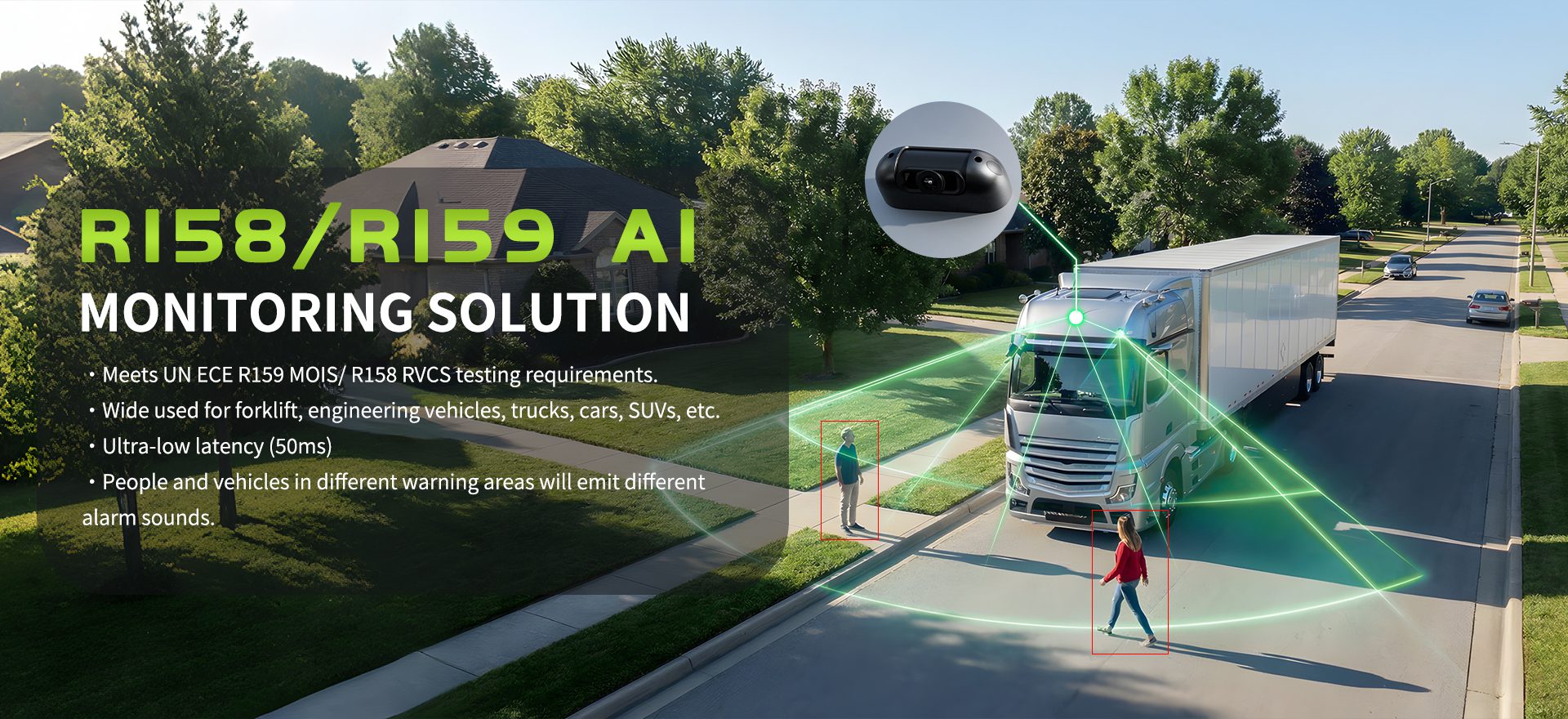
One of the core strengths of Luview AI traffic cameras is the human and vehicle detection function. Our camera systems for vehicles can reliably identify pedestrians and vehicles within the camera’s field of view. This capability ensures that drivers receive targeted alerts for real hazards, reducing missed detections and improving reaction times. In crowded or complex driving scenarios, this feature is particularly valuable, helping prevent accidents and enhancing overall safety.

The system’s intelligent algorithms distinguish between moving targets and static background objects. This minimizes unnecessary alerts and allows drivers to focus on genuine risks, making AI detection cameras an essential tool for both commercial fleets and individual drivers seeking enhanced situational awareness.

Durability and Environmental Protection

Detection performance is only part of the story. Real-world deployment requires robust hardware capable of withstanding harsh conditions. Luview AI traffic cameras are built to IP69K standards, providing extreme protection against dust, water, and high-pressure washdowns. This ensures continuous operation even in dirty, wet, or challenging environments, reducing downtime and maintenance costs for fleets.

Compliance with Safety Standards

In addition to performance and durability, regulatory compliance is a key consideration. The Luview AI camera system meets R158/R159 standards, providing a certified solution for regulated vehicle applications. Compliance simplifies fleet approval processes and ensures that operators meet legal requirements, making it easier to deploy AI detection cameras across various vehicle types.

Conclusion

AI detection cameras are more than just recording devices—they actively analyze the environment to detect pedestrians, vehicles, and moving objects, providing timely alerts that enhance driver awareness. With Luview AI traffic cameras, you gain the advantage of precise human and vehicle detection, robust IP69K-rated hardware, and compliance with R158/R159 standards. By integrating these cameras into your vehicles, you can improve safety, reduce accidents, and ensure reliable operation in demanding environments.

What are the Key Specifications to Evaluate When Selecting an AI Vehicle Camera缩略图

What are the Key Specifications to Evaluate When Selecting an AI Vehicle Camera

Selecting the right AI vehicle camera is essential for fleet managers, transportation companies, and safety-conscious drivers who aim to maintain high standards of road security. At Luview, we understand that the right camera goes beyond simply capturing footage—it actively contributes to safety through intelligent monitoring. In this article, we explore the key specifications to consider when evaluating AI safety monitoring cameras, helping you make informed decisions for your vehicle safety systems.

What are the Key Specifications to Evaluate When Selecting an AI Vehicle Camera插图

AI Detection and Recognition Capabilities

One of the most critical specifications is the camera’s AI algorithm. Advanced AI vehicle cameras can identify pedestrians, vehicles, and obstacles in real-time, offering a proactive approach to accident prevention. At Luview, our cameras are equipped with refined AI algorithms that provide precise detection, ensuring that drivers receive timely alerts when potential hazards are identified. This level of recognition is particularly important for fleet vehicles operating in urban environments where unpredictable pedestrian and vehicle movements are common.

Compliance with Safety Regulations

When choosing AI safety monitoring cameras, regulatory compliance is essential. The Luview AI camera system adheres to R158/R159 regulations, demonstrating that it meets recognized international safety standards. Compliance ensures that the system can be reliably deployed across various vehicle types while meeting legal requirements. This specification is crucial for businesses that need to maintain operational compliance and for individual drivers who want reassurance that their camera system is professionally certified.

Audio-Visual Alerts and Driver Assistance

Another key factor is the camera’s ability to communicate risks effectively. High-quality AI vehicle cameras provide both visual and audio alerts, guiding drivers in real-time to prevent potential collisions. The Luview AI camera system is designed with this dual-alert functionality, offering intuitive notifications that enhance driver awareness without causing distraction. When evaluating cameras, look for systems that integrate alert mechanisms that are noticeable yet unobtrusive, maintaining safety without overwhelming the driver.

Connectivity and Ease of Updates

Modern AI safety monitoring cameras should offer connectivity features that simplify setup and maintenance. Cameras with Wi-Fi capabilities allow for easy configuration, software updates, and system monitoring without the need for physical adjustments. At Luview, our AI vehicle cameras are designed to support seamless upgrades, ensuring that your system remains current with the latest safety algorithms and features. This adaptability is especially valuable for fleets with multiple vehicles or those that operate in regions with evolving safety requirements.

Adaptability for Various Vehicle Types

Finally, consider how adaptable the camera is to different vehicle models. A versatile AI vehicle camera can be installed in cars, trucks, and specialized commercial vehicles without compromising performance. The Luview AI camera system is engineered to provide consistent safety monitoring across various vehicle types, ensuring reliable protection regardless of the operational environment.

Conclusion

Selecting the right AI vehicle camera requires careful evaluation of detection capabilities, regulatory compliance, alert systems, connectivity, and adaptability. At Luview, we focus on providing AI safety monitoring cameras that combine advanced technology with practical usability. By understanding these key specifications, you can choose a camera system that not only enhances safety but also adapts to your operational needs, keeping drivers and pedestrians safer on the road.

What Should I Look for When Buying a 1080P Reverse Camera缩略图

What Should I Look for When Buying a 1080P Reverse Camera

When it comes to vehicle safety, having a reliable 1080P reverse camera can make a significant difference in everyday driving. For experienced drivers, choosing the right system is not just about resolution—it’s about performance, reliability, and integration with your vehicle. At Luview, we focus on providing rear view smart mirror systems that combine high-quality video with practical features to enhance safety and convenience.

What Should I Look for When Buying a 1080P Reverse Camera插图

Key Considerations for Choosing a 1080P Reverse Camera

Before investing in a 1080P reverse camera, it is important to evaluate several factors:

  • Image Clarity and Resolution

A true 1080P camera delivers sharp and detailed images, allowing drivers to see small obstacles, pedestrians, or objects behind the vehicle. This clarity is essential for parking, reversing, and navigating tight spaces. Lower-resolution cameras can produce blurred images, which may lead to misjudgments in critical situations.

  • Real-Time Low-Latency Video

Experienced drivers need immediate visual feedback when reversing. A rear view smart mirror with low-latency video ensures that the display matches real-world movements without delay. This reduces the risk of collisions caused by lag and allows for smoother maneuvering.

  • Split-View Dual-Channel Display

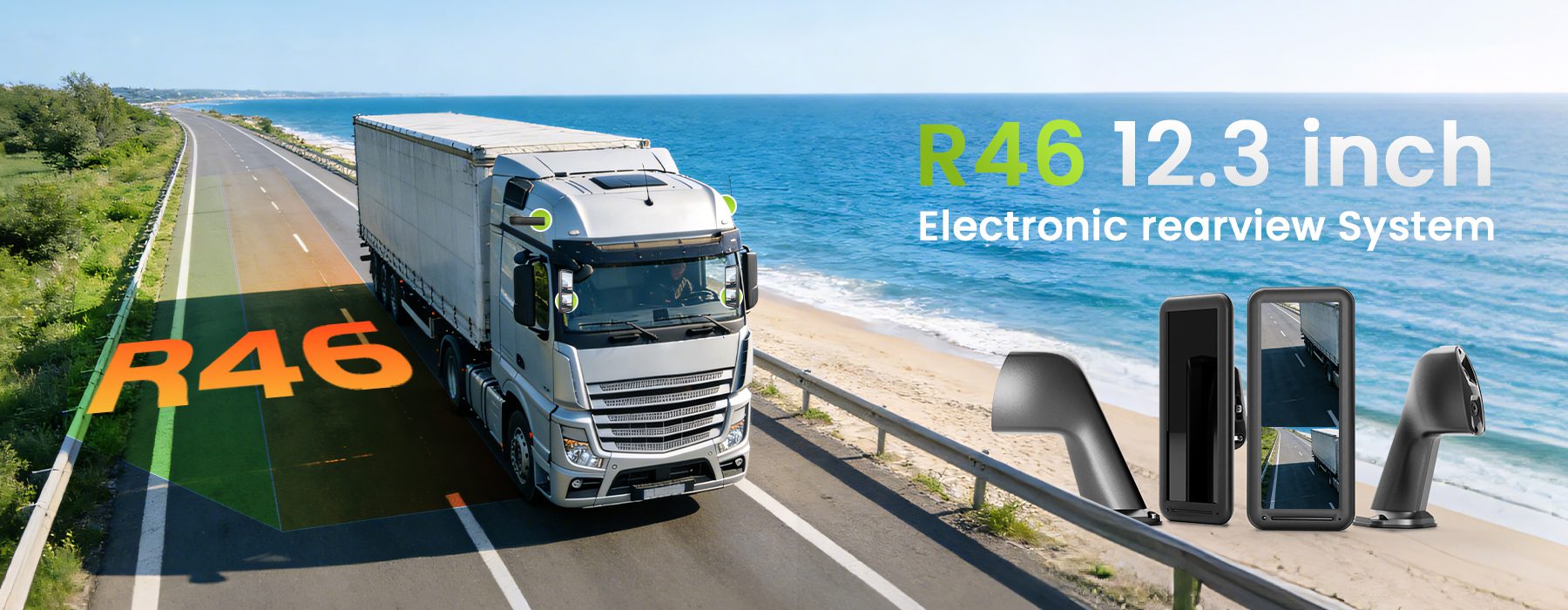
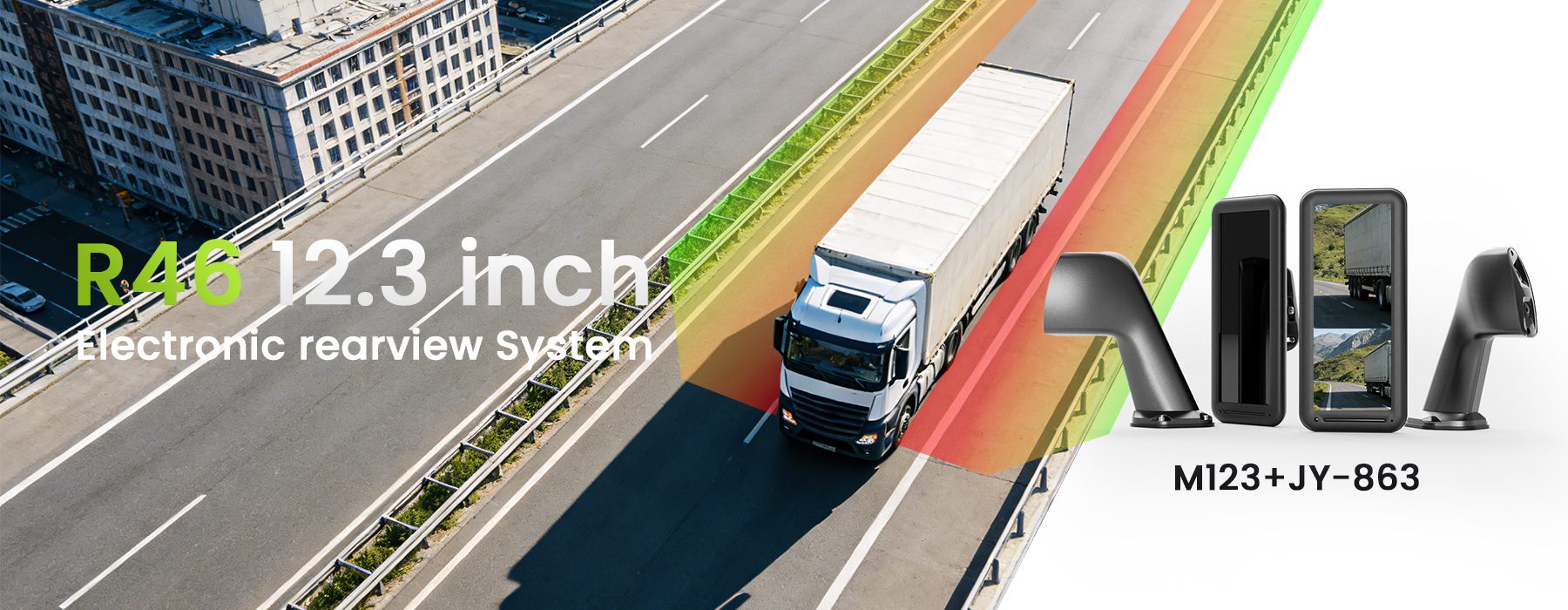
For comprehensive coverage, consider systems with a split-screen function. Luview’s 12.3-inch monitor supports two camera inputs and displays them simultaneously. This provides a wider perspective, letting drivers monitor multiple angles at once and enhancing situational awareness during complex driving scenarios.

  • Vehicle-Grade Power and Temperature Resistance

A high-quality reverse camera should be reliable under all conditions. Luview’s system is compatible with standard 12V vehicles and consumes minimal power. It operates effectively across a wide temperature range, from -20°C to +65°C, ensuring stability whether in freezing winters or hot summer conditions.

Why Choose Luview 1080P Electronic Rear View Mirror

At Luview, we do more than provide a high-quality rear view smart mirror system. We deliver long-term reliability and support to our partners. Here’s what sets us apart:

  • Proven Expertise and Certifications

With years of experience in vehicle vision solutions, our products meet internationally recognized standards such as UN ECE R46. Each electronic rear view mirror undergoes rigorous testing to ensure it meets strict global quality requirements.

  • Enhanced Safety Features

The combination of high-resolution imaging, low-latency video, and split-view display allows drivers to monitor the surroundings with confidence. Multiple angles on a single screen reduce blind spots, making reversing safer for both drivers and pedestrians.

  • Durable and Reliable Design

Built for long-term use, the system handles extreme temperature ranges and is engineered for vehicle-grade stability. Drivers can rely on consistent performance in all driving conditions.

Conclusion

Selecting the right 1080P reverse camera involves more than just choosing a high-resolution camera—it requires a focus on clarity, responsiveness, coverage, and durability. With Luview’s rear view smart mirror system, drivers gain a comprehensive solution designed for real-world conditions. By prioritizing quality, low-latency video, and split-screen functionality, Luview helps experienced drivers improve safety and confidence behind the wheel.

What Are the Main Benefits of Choosing a 1080p Reverse Camera缩略图

What Are the Main Benefits of Choosing a 1080p Reverse Camera

For experienced drivers, upgrading to a reverse camera 1080P system can enhance safety and convenience while reversing, parking, or navigating tight spaces. Traditional mirrors often leave blind spots, making it harder to spot obstacles or pedestrians. Modern digital rear view mirrors combine high-resolution video and advanced features to provide a clearer, more reliable view of the road behind the vehicle. Among these systems, the Luview 12.3-inch electronic rear view mirror stands out for its combination of image quality, safety compliance, and durability.

What Are the Main Benefits of Choosing a 1080p Reverse Camera插图

Clear Real-Time Video for Safer Reversing

One of the primary advantages of a reverse camera 1080P system is its ability to deliver smooth, low-latency video. The Luview system uses LVDS technology to provide real-time 1080P imagery, allowing drivers to react immediately to obstacles. This feature is particularly useful for experienced drivers who regularly maneuver larger vehicles or operate in busy urban environments. By reducing video lag, the system helps prevent collisions and improves confidence when reversing or changing lanes.

Improved Visibility in Challenging Light Conditions

Driving conditions can change rapidly, with shadows, tunnels, or bright sunlight affecting visibility. The Luview system incorporates LED anti-flicker and Wide Dynamic Range (WDR) imaging, which keeps the video feed clear and balanced even in high-contrast situations. This allows drivers to detect obstacles, pedestrians, and other vehicles that ordinary backup cameras might miss, enhancing both safety and situational awareness.

Reliable Performance in All Weather

Durability is another key benefit of investing in a reverse camera 1080P. The Luview mirror features heated defogging and an IP69K waterproof rating, ensuring the camera stays clear during rain, snow, dust exposure, or high-pressure cleaning. This means that whether on commercial routes or everyday driving, the system remains functional and reliable, reducing maintenance concerns and avoiding downtime due to weather-related issues.

Compliance and Ease of Installation

For commercial vehicles or drivers concerned with regulations, the Luview system meets UN-ECE R46 standards for vehicle indirect vision. This compliance reduces the risk of approval issues and allows for smoother integration into a range of vehicles. Experienced users will appreciate that the mirror’s design simplifies installation, offering a plug-and-play setup with minimal wiring modifications, while maintaining professional-level results.

Conclusion

At Luview, we design our 1080P reverse camera systems to deliver clear imagery, ensure safety compliance, and provide reliable performance in all weather conditions, giving drivers confidence on every journey. For experienced drivers, the benefits include low-latency real-time video, enhanced visibility in challenging lighting, durable construction, and simplified installation. By upgrading to a Luview mirror, drivers can improve safety, reduce blind spots, and enjoy a more confident driving experience, whether in commercial vehicles or everyday cars.

What Makes 1080P Resolution Important for Backup Cameras缩略图

What Makes 1080P Resolution Important for Backup Cameras

In modern driving, visibility behind the vehicle is just as crucial as what lies ahead. For experienced drivers, relying on a backup camera 1080P system is no longer a luxury——it is a practical choice that enhances safety and awareness during reversing, parking, and lane changes. At Luview, we focus on delivering clear, real-time video for every maneuver, helping drivers make informed decisions with confidence.

What Makes 1080P Resolution Important for Backup Cameras插图

The Clarity Advantage of 1080p

One of the primary benefits of a backup camera 1080P system is the unmatched clarity it provides. High-definition resolution ensures that every detail behind the vehicle is visible, from small obstacles like curbs or pets to the precise distance of approaching objects. Unlike lower-resolution cameras, 1080p delivers sharper images and a wider field of view without pixelation. For drivers who rely on split-second judgments, this precision can prevent accidents and reduce vehicle damage during tight maneuvers.

Low-Latency Video for Safer Driving

A reverse camera rear view mirror equipped with low-latency 1080P video ensures that the live feed matches real-world timing. At Luview, our systems use LVDS technology to deliver smooth, real-time video with minimal lag. This feature is particularly important for reversing in crowded areas or changing lanes, where delayed video could lead to miscalculations. With low-latency 1080P, drivers experience seamless feedback that aligns with their steering inputs, enhancing control and safety.

Split-View Dual-Channel Display

Modern vehicles often benefit from more than one camera angle, and a split-view dual-channel display allows simultaneous monitoring of multiple perspectives. Luview’s 12.3-inch monitors support two camera inputs, showing a split-screen view that covers both sides or a combination of rear and side views. This wider situational awareness allows experienced drivers to navigate tight parking spots, monitor blind spots, and detect obstacles on either side of the vehicle—all without adjusting multiple screens.

Wide Application Across Vehicle Types

High-resolution backup cameras are not limited to sedans or SUVs. They are increasingly applied in commercial vans, trucks, and even recreational vehicles where rear visibility is often restricted. Luview systems are designed for flexibility, supporting various vehicle types while maintaining image quality and real-time performance. For drivers managing larger vehicles, this capability provides critical confidence when reversing or maneuvering in complex environments.

Conclusion

Choosing a backup camera 1080P system with features like low-latency video and split-view dual-channel display offers experienced drivers practical safety benefits. Luview focuses on clear, real-time imagery that ensures precision, reduces the risk of collisions, and accommodates a wide range of vehicles. By investing in a high-definition reverse camera rear view mirror, drivers can enhance visibility and control, making every maneuver more secure and confident.

How to Install a 1080p Backup Camera缩略图

How to Install a 1080p Backup Camera

Installing a 1080p backup camera can significantly improve safety while reversing, and for experienced drivers, understanding the installation process helps ensure a smooth setup. While modern cameras are easier to install than ever, following clear steps is key to achieving optimal performance.

How to Install a 1080p Backup Camera插图

Step 1: Prepare Your Vehicle

Park on a flat surface with the engine off. Disconnect the battery to prevent electrical issues. Gather tools such as screwdrivers, trim removal tools, and cable ties. Identify the rear camera mounting location and ensure there is an accessible power source.

Step 2: Mount the Rear Camera

Secure the camera near the rear bumper or license plate area. Adjust the angle so it provides a level, centered view of the rear. Use screws or adhesive, depending on your vehicle and mounting preference. Test the fit before final tightening.

Step 3: Route the Wiring

Route the camera cable carefully from the rear of the vehicle to the front. Run the cable along interior trim or under panels to protect it from heat, sharp edges, or moving parts. Use cable ties to keep it secure.

Step 4: Install the Mirror Display

Replace or attach the mirror display over your existing rearview mirror if needed. Connect the camera feed to the display input. Ensure the mirror is stable and connections are secure.

Step 5: Connect Power

Connect the camera and mirror display to a 12V power source, often via the fuse box or accessory line. Inline fuses can add safety. Once connected, restore the battery and verify that the display powers on.

Step 6: Test the System

Shift the vehicle into reverse to test the camera. Ensure the video feed is centered and covers the full rear view. Adjust the camera angle if necessary and confirm that wiring does not interfere with vehicle functions.

Easy Installation with Luview

For drivers looking for a more streamlined experience, the Luview 12.3-inch electronic rear view mirror system offers an easy plug-and-play setup. The mirror mounts over your existing rearview mirror, and the camera wiring connects directly to the mirror input. This design allows experienced users to upgrade their vehicle quickly without complicated modifications, saving time and effort while ensuring professional-level results.

Conclusion

Installing a 1080p backup camera can be straightforward when the proper steps are followed. From preparing the vehicle to testing the camera feed, careful installation ensures optimal performance and safety. Systems like the Luview car rear view mirror with camera simplify the process further, providing a reliable, easy-to-install solution that enhances rear visibility and driving confidence.

Which Smart Rear View Mirror Offers the Most Value for Money缩略图

Which Smart Rear View Mirror Offers the Most Value for Money

Choosing the right smart rear view mirror for a car can make a tangible difference for experienced drivers. Modern vehicles demand systems that not only provide clear rear visibility but also integrate safety features that help during parking, reversing, and navigating tight spaces. Among the many options available, the Luview 12.3-inch electronic rear view mirror system stands out for combining high-quality imaging with practical durability.

Which Smart Rear View Mirror Offers the Most Value for Money插图

Understanding Backup Rear View Camera Mirrors

A backup rear view camera mirror functions as both a conventional rearview mirror and a display for live video feed from a rear-mounted camera. This dual functionality allows drivers to seamlessly switch between reflective and digital views. Experienced drivers often appreciate features such as low-latency video, wide dynamic range imaging, and durability under harsh conditions—all essential for daily commuting, long-distance driving, or heavy-duty vehicle use.

Low-Latency 1080P Video for Safer Driving

The Luview system delivers 1080p low-latency video through LVDS technology. Low latency is crucial for experienced drivers who rely on real-time visuals during maneuvers. A delayed video feed can cause misjudgments, particularly when reversing or changing lanes in busy traffic. By providing smooth live video, the Luview smart mirror reduces the chances of collisions, offering consistent reliability in daily driving scenarios.

LED Anti-Flicker and Wide Dynamic Range Imaging

Lighting conditions often vary drastically while driving. Ordinary backup cameras can struggle in high-contrast or rapidly changing environments, such as sunlit streets, shadowed lanes, or tunnels. The Luview mirror addresses this challenge with LED anti-flicker technology and Wide Dynamic Range (WDR) imaging, ensuring that the video feed remains sharp and clear. Obstacles, pedestrians, or other vehicles are easier to spot, supporting safer decisions and minimizing potential risks.

Heated Defogging and IP69K Waterproof Rating

Weather resilience is a critical factor for any smart rear view mirror for a car. Luview integrates heated defogging functionality to prevent condensation, ensuring that visibility is not compromised in cold or humid conditions. Additionally, the mirror’s IP69K waterproof rating allows it to withstand high-pressure cleaning, rain, snow, and dust. This durability ensures the backup camera mirror continues to function reliably under extreme conditions, providing value over the long term.

Conclusion

For experienced drivers seeking both reliability and advanced features, the Luview 12.3-inch electronic rear view mirror system offers substantial value for money. Its combination of low-latency 1080p video, LED anti-flicker and WDR imaging, as well as weatherproof and defogging capabilities, makes it a practical choice for daily use. Investing in a high-quality backup rear view camera mirror, like Luview, ensures enhanced safety, consistent performance, and peace of mind on the road.