Do Fleet Vehicle Camera Systems Improve Driver Behavior?缩略图

Do Fleet Vehicle Camera Systems Improve Driver Behavior?

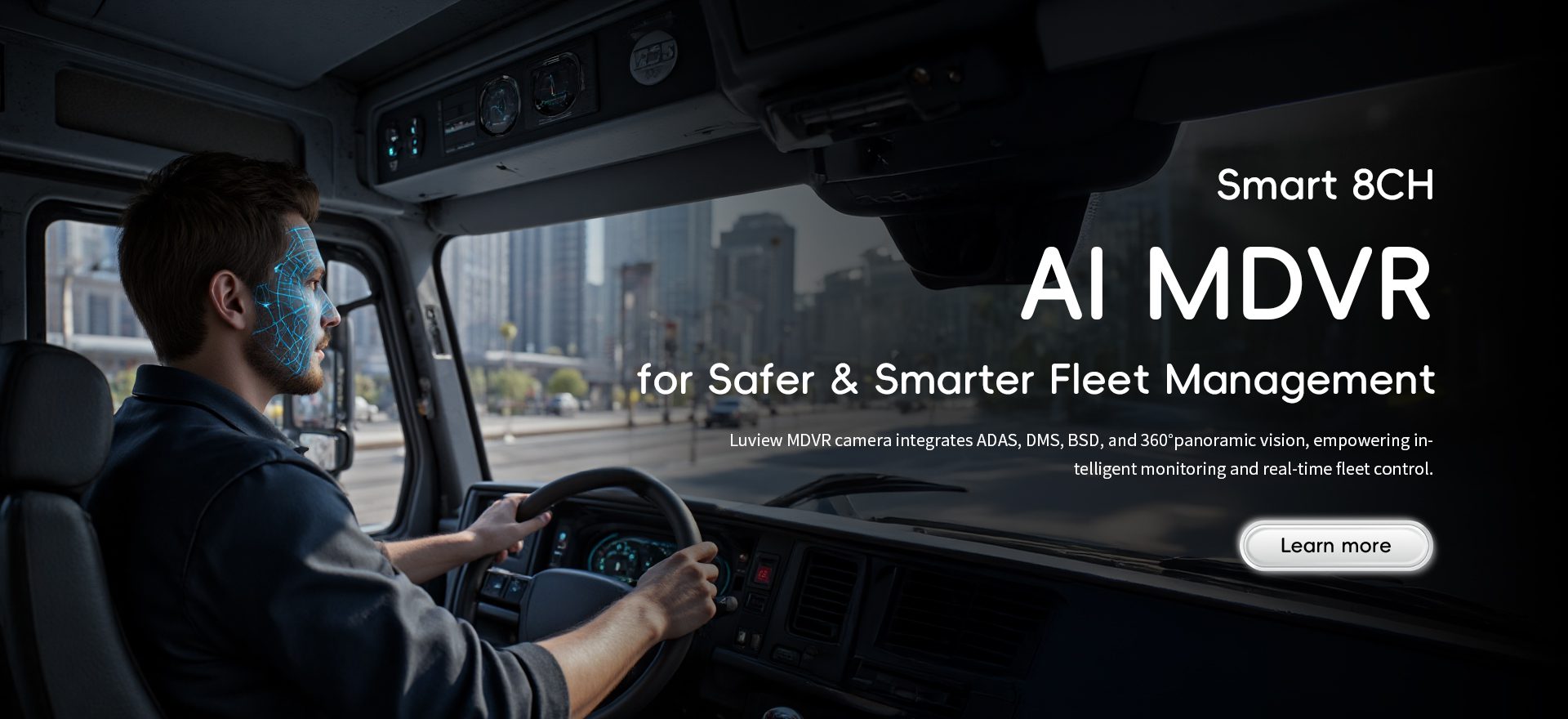
Every fleet manager has asked this question at some point. You install cameras, drivers become aware they are being watched, and for a few weeks, incident reports drop. But does that change last? More importantly, does technology actually transform driving habits, or simply encourage temporary compliance? We have spent years studying these patterns across trucking, delivery, and transit fleets. The evidence we have gathered points to a clear answer: yes, fleet vehicle camera systems significantly improve driver behavior—but only when paired with intelligent recording, remote oversight, and actionable data. As a manufacturer of advanced mobile DVR solutions, we at Luview have seen the difference a well-designed MDVR-systeem can make.
LUVIEW DMS+ADAS+BSD MDVR-CAMERASYSTEEM

Visibility Alone Is Not Enough—Context Matters

Simply mounting cameras does not guarantee better driving. Drivers quickly learn when a system merely records locally without transmission or review. The real behavioral shift occurs when drivers understand that their actions can be reviewed remotely and in context. Our camerasystemen voor wagenparken integrate with a powerful MDVR system that supports real-time video preview and remote parameter configuration via mobile apps, client software, and fleet management platforms. When drivers know that a fleet manager can monitor live footage from anywhere—checking speed, braking, cornering, and following distance—the incentive to drive carefully becomes constant, not periodic. We have seen clients reduce harsh braking events by over 40% within three months of deploying such systems.

How IO Alarms and Vehicle Integration Reinforce Safety

Better behavior also comes from immediate feedback, not just delayed reviews. The JY-DV8004 all-in-one MDVR system features six channels of IO alarm input and supports RS232/RS485 connectivity. This means the system integrates with external sensors—door contacts, reverse signals, turn indicators, or collision detectors. When a driver executes a risky maneuver, the MDVR system can trigger an immediate in-cab alert or tag the event for later coaching. Over time, drivers learn to avoid the behaviors that generate alarms. Unlike passive recording, this active feedback loop reshapes habits at the moment they occur. As one of the manufacturers focused on behavior modification through technology, we have found this feature particularly effective for new drivers or those with recurring safety violations.

Optimized Recording Builds Trust and Accountability

Behavioral improvement also depends on fair, reliable evidence. Drivers will resist a system that corrupts footage or fails to capture critical moments. Our fleet vehicle camera systems utilize an optimized file system that enhances disk read/write efficiency, supporting stable video recording and playback while minimizing data corruption risks. When drivers trust that the recording is accurate and tamper-proof, they accept coaching based on hard evidence. This transparency reduces disputes and defensive attitudes, replacing blame with constructive feedback.

Our Recommendation for Fleets Serious About Behavior Change

The question is not whether cameras improve behavior, but which MDVR system delivers the combination of live monitoring, sensor integration, and reliable recording that truly changes habits. At Luview, we recommend our JY-DV8004 4-channel AI all-in-one MDVR for fleet management. It gives you remote visibility, real-time alerts, and tamper-proof evidence—all essential tools for building a safety-first driving culture. Contact us to learn how our fleet vehicle camera systems can transform your drivers’ habits and your bottom line.
Is 4-Channel DVR Enough for Heavy-Duty Trucks?缩略图

Is 4-Channel DVR Enough for Heavy-Duty Trucks?

Fleet operators managing heavy-duty trucks face increasing pressure to enhance safety, monitor driver behavior, and maintain reliable evidence records. Choosing the right MDVR-systeem is a critical part of this process. Many businesses ask whether a 4 channel vehicle DVR is sufficient for their operational needs, or if more complex systems are required. We believe the answer depends on application scenarios, but in many cases, a well-designed 4-channel solution can deliver excellent value and performance.

LUVIEW DMS+ADAS+BSD MDVR-CAMERASYSTEEM

Coverage Needs and Practical Applications

Heavy-duty trucks typically require monitoring of key angles such as the front, rear, and both sides of the vehicle. A 4-kanaals voertuig DVR is often capable of covering these essential viewpoints, making it a practical choice for many fleets.

When integrated into a robust MDVR system, four channels can provide comprehensive visibility without unnecessary complexity. For logistics fleets, construction vehicles, and long-haul trucks, this setup strikes a balance between operational efficiency and safety coverage. However, fleets with highly specialized requirements—such as passenger transport or hazardous material handling—may require additional channels for interior or cargo monitoring.

Storage Efficiency and Video Quality

Video storage is a major consideration when selecting an MDVR system. Continuous recording from multiple cameras can quickly consume storage capacity, especially when high-definition footage is required.

A modern 4 channel vehicle DVR equipped with advanced compression technologies such as H.265 and H.264 can significantly reduce storage demands while maintaining image clarity. This allows fleets to retain longer recording periods without increasing hardware costs. Additionally, support for large-capacity storage solutions, such as SATA hard disks, allows that businesses can scale their data retention based on operational needs. Efficient storage management is one of the key advantages of choosing a high-quality MDVR system.

Cost-Effectiveness and System Simplicity

For many fleet operators, cost control and ease of deployment are just as important as performance. A 4 channel vehicle DVR offers a streamlined solution that is easier to install, maintain, and operate compared to higher-channel systems.

By focusing on essential monitoring points, businesses can reduce upfront investment while still benefiting from a reliable MDVR system. Fewer components also mean lower maintenance requirements and reduced risk of system failure. This simplicity makes 4-channel solutions particularly attractive for small to mid-sized fleets or companies looking to standardize their vehicle safety systems.

Making the Right Choice for Fleet Operations

Determining whether a 4 channel vehicle DVR is enough ultimately depends on the specific operational demands of each fleet. We find that for many heavy-duty truck applications, a well-optimized MDVR system with four channels provides the ideal balance of coverage, efficiency, and cost.

As Luview, we offer the JY-DV8004 4 channel vehicle DVR, an all-in-one MDVR system designed for modern fleet management. With H.265/H.264 compression, it maximizes storage efficiency while maintaining high-quality video. Its support for SATA hard disks enables extended recording durations, making it a practical and scalable solution. We are committed to helping our partners deploy reliable MDVR system solutions that enhance safety, improve oversight, and support long-term fleet success.

Is Wireless Backup Camera Reliable for Long Hauls?缩略图

Is Wireless Backup Camera Reliable for Long Hauls?

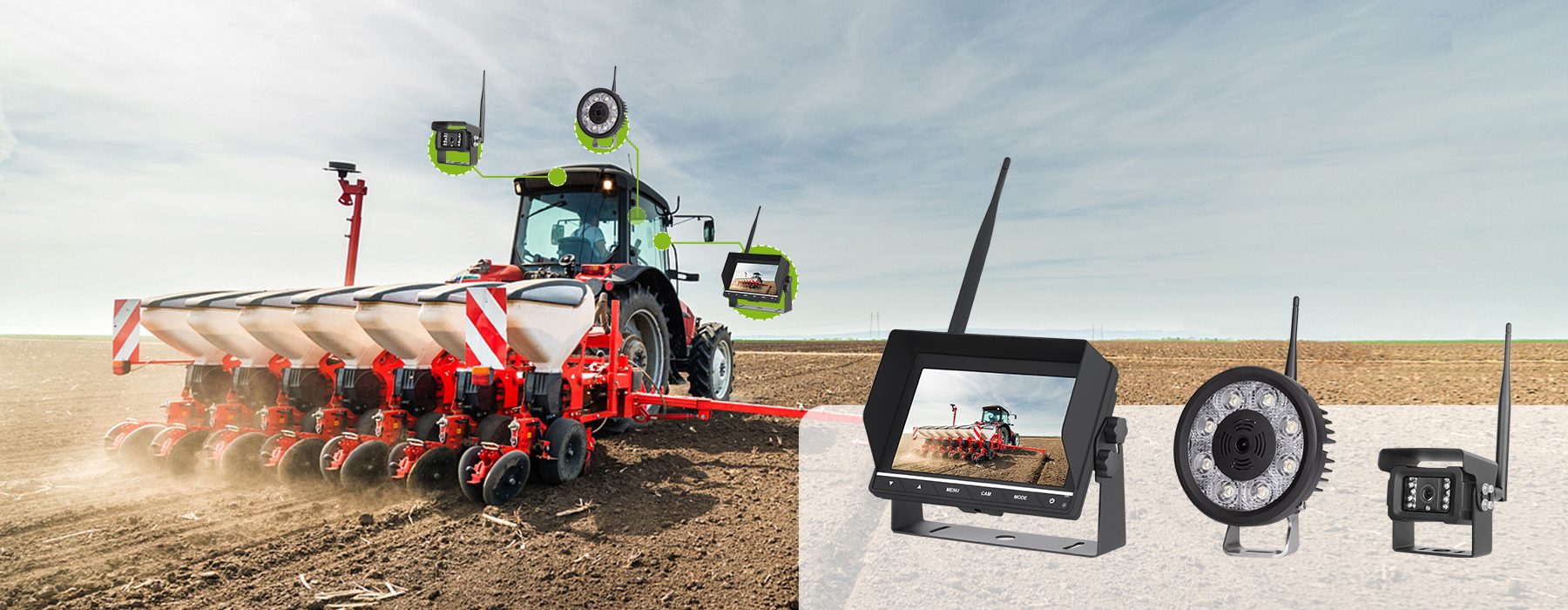
Long-haul trucking places extreme demands on every piece of equipment. Vibration, weather changes, long distances, and hours of continuous operation challenge even the most rugged electronics. Fleet managers often ask us whether a wireless backup camera can match the reliability of wired systems for cross-country routes. After deploying hundreds of wireless solutions across agricultural and commercial trucking fleets, we have a clear answer: yes—but only when the system is engineered for stability, range, and environmental toughness. The right vrachtwagen achteruitrijcamera systeem eliminates wiring vulnerabilities without sacrificing signal integrity.

Is Wireless Backup Camera Reliable for Long Hauls?插图

Signal Stability Over Long Distances

The primary concern with any wireless solution is transmission dropouts. For long hauls, a camera that disconnects at highway speeds or in remote areas is useless. We have learned that reliable wireless backup camera systems must use robust transmission protocols. Luview’s 7-inch AHD night vision wireless camera system employs wireless 2.4GHz digital high-definition technology, delivering stable video signals with a transmission distance of up to 140 meters in open spaces. While a semi-truck is longer than 140 meters? No—but the real benefit is that the signal remains strong even when the tractor and trailer flex during turns. This extra range ensures consistent real-time monitoring, making this truck rear view camera system dependable for day-long hauls across state lines.

Durability for Continuous Operation

Reliability also means surviving vibration, temperature swings, and 12-24V electrical variations common in heavy trucks. A quality camerasysteem bedrijf knows that long-haul vehicles require wide voltage design. Luview’s system supports 12V-24V input, adapting seamlessly to different truck electrical systems without voltage converters. Furthermore, the IP-rated construction (implied by agricultural-grade design) withstands dust and moisture. As a leading camera system company, we have seen wireless solutions fail when they lack proper environmental sealing. Our system, built for agricultural machinery, naturally handles the constant shaking and outdoor exposure of long-haul trucking.

Night Vision and Low-Light Performance

Long hauls do not stop at sunset. Drivers need reliable visibility during nighttime reversing, docking, or navigating poorly lit truck stops. The white LED full-color night vision feature ensures visibility even in low or no-light conditions, reducing the risk of accidents and significantly improving operational efficiency. Unlike infrared systems that show grainy black-and-white footage, full-color night vision gives drivers clearer situational awareness. For any truck rear view camera system, night reliability is non-negotiable, and wireless transmission does not compromise image quality here.

Why Wireless Can Outperform Wired

Wired systems have their own failure points: corroded connectors, chafed cables, and complex installation across long trailers. Wireless eliminates those risks. With a 1/2.9 CMOS sensor and 720P resolution, Luview’s system provides clear, real-time monitoring without the headache of running cables through axles and hitches. For fleets operating multiple trailers, wireless also enables quick camera swaps between vehicles.

The Verdict for Fleet Managers

Wireless backup cameras are absolutely reliable for long hauls when chosen from a proven camera system company that prioritizes transmission range, voltage flexibility, and night performance. Luview delivers exactly that. We recommend our truck rear view camera system because we have tested it across thousands of miles and harsh conditions. Let your fleet experience the freedom of wireless without compromising safety or dependability.

Should Commercial Fleets Adopt High-Resolution Automotive Camera Systems缩略图

Should Commercial Fleets Adopt High-Resolution Automotive Camera Systems

Rising safety expectations and increasing operational complexity are pushing fleet operators to rethink their vehicle monitoring strategies. For distributors and integrators working with trusted voertuig camera fabrikanten, the shift toward high-resolution systems is no longer optional but essential. A high-quality automotive dvr camera can significantly improve visibility, accountability, and overall fleet performance.

Should Commercial Fleets Adopt High-Resolution Automotive Camera Systems插图

Enhancing Safety Through Clear Visual Evidence

Accurate, high-resolution footage plays a vital role in improving road safety and reducing liability risks. Traditional low-resolution systems often fail to capture critical details such as license plates, driver behavior, or road conditions. By contrast, advanced solutions provided by experienced vehicle camera manufacturers deliver sharp and reliable imaging in diverse environments.

An automotive dvr camera with high resolution facilitates clear incident recording, making it easier for managers to analyze events that incidents are recorded with clarity, making it easier for fleet managers to analyze events and resolve disputes. This is particularly important for commercial fleets operating in high-traffic urban areas or under challenging weather conditions. Clear video evidence not only supports insurance claims but also strengthens compliance and driver accountability.

Improving Fleet Efficiency and Operational Insights

Beyond safety, high-resolution camera systems offer valuable insights into daily fleet operations. Partnering with innovative vehicle camera manufacturers allows businesses to access advanced features such as real-time monitoring, multi-channel recording, and integrated driver assistance technologies.

A modern automotive dvr camera can help identify inefficient driving habits, optimize routes, and reduce fuel consumption. Fleet managers gain actionable data that supports better decision-making and improves overall productivity. For B2B buyers, offering such intelligent solutions enhances product value and creates new opportunities in competitive markets.

Meeting Industry Standards and Customer Expectations

Commercial fleets are under growing pressure to comply with strict regulatory requirements and meet rising customer expectations. Working with certified vehicle camera manufacturers ensures that products meet international standards for quality and durability.

High-performance automotive dvr camera systems must undergo rigorous testing, including waterproofing, shock resistance, and extreme temperature validation. Certifications such as IATF 16949:2016, ISO9001:2015, and compliance with CE, FCC, EMARK, DOT, and SAE standards demonstrate a supplier’s commitment to quality and reliability. These credentials are critical for distributors seeking to build trust with their clients and expand into global markets.

Driving Long-Term Value with the Right Partner

Adopting high-resolution solutions is a strategic move for commercial fleets aiming to enhance safety, efficiency, and competitiveness. Choosing the right partner among vehicle camera manufacturers is equally important to ensure consistent performance and long-term success.

As Luview, we operate as a global car camera supplier with strong R&D, production, and quality control capabilities. Our products, including advanced automotive dvr camera systems, meet rigorous international certifications and testing standards. We also provide flexible OEM and ODM services, allowing partners to tailor solutions to specific market needs.

By collaborating with us, we enable businesses to deliver reliable, high-performance camera systems that meet evolving industry demands. We believe that partnering with Luview empowers our clients to stay ahead in the commercial fleet market while building sustainable growth.

Does a Radar Vehicle Detection System Improve Safety in Extreme Weather?缩略图

Does a Radar Vehicle Detection System Improve Safety in Extreme Weather?

Fleet managers who operate in regions with heavy fog, snow, rain, or dust know the frustration well. Standard vehicle cameras, no matter how high their resolution, lose effectiveness when visibility drops. We have heard from logistics companies and transit authorities asking the same question: can technology truly protect drivers when human eyes—and cameras—cannot see clearly? As experienced voertuig camera fabrikanten, we understand the limits of optical systems. That is why we have integrated radar vehicle detection systems into our portfolio. The short answer is yes, radar significantly improves safety in extreme weather. Let us explain why.

Does a Radar Vehicle Detection System Improve Safety in Extreme Weather?插图

How Radar Performs When Cameras Struggle

Optical cameras rely on visible light. In heavy snowfall, thick fog, or driving rain, light scatters and distorts. Even high-performance lenses produce unclear images. Radar, however, operates on radio waves that penetrate precipitation, dust, and darkness with minimal interference. A radar vehicle detection system continuously emits pulses and measures their return, creating a reliable map of nearby objects regardless of weather conditions. For a truck backing up in a blizzard or a bus navigating through dense fog, radar detects pedestrians, vehicles, and obstacles long before the driver—or a camera—could see them. As vehicle camera manufacturers who have tested both technologies side by side, we can confirm that radar maintains near-normal performance in conditions that render cameras virtually useless.

Complementing Vision with Detection

We do not suggest replacing cameras with radar. Instead, the most effective safety solution combines both. Cameras provide visual context that radar cannot—lane markings, road signs, and the nature of an obstacle (e.g., a child versus a cardboard box). Meanwhile, radardetectiesystemen voor voertuigen provide reliable presence and distance data in real time, triggering audio-visual alerts even when the camera feed is obscured. For blind-spot detection (BSD) and moving-off information systems (MOIS), radar excels precisely where optical systems fail. Many vehicle camera manufacturers now integrate radar into their advanced driver assistance systems (ADAS). At Luview, our radar vehicle detection solutions work alongside our camera systems to deliver 24/7 protection, regardless of whether the sun is shining or a storm is raging.

Why Fleets Operating in Harsh Climates Need Both

The data speaks clearly: collision rates spike during adverse weather. Relying solely on cameras or driver vision leaves a safety gap that radar uniquely fills. For fleets that run year-round in northern winters, coastal fogs, or desert dust storms, investing in radar vehicle detection systems is not an upgrade—it is a necessity. We have seen clients reduce low-speed backing accidents by over 60% after adding radar to their existing camera setups.

Bij Luview, we are proud to be among the few vehicle camera manufacturers that design and produce integrated camera-plus-radar safety systems. We recommend our radar vehicle detection solutions for any fleet facing extreme weather conditions. Contact us to learn how we can help you protect your drivers, your vehicles, and your reputation—in any forecast.

Should Trucks be Equipped with an Automatic Lane Change Assist?缩略图

Should Trucks be Equipped with an Automatic Lane Change Assist?

Growing road congestion and tighter safety regulations are pushing fleet operators to rethink how trucks handle lane changes. Human error remains a leading cause of accidents, particularly when large vehicles shift lanes with limited visibility. We increasingly see businesses evaluating whether an geavanceerd dodehoekbewakingssysteem combined with automatic lane change assist can significantly reduce risks and improve operational efficiency.

Should Trucks be Equipped with an Automatic Lane Change Assist?插图

Reducing Risk Through Intelligent Assistance

Lane changes are among the most dangerous maneuvers for heavy-duty trucks. Large blind spots and delayed driver reaction times often contribute to collisions with nearby vehicles. An advanced blind spot monitoring system plays a critical role by continuously scanning adjacent lanes and identifying potential hazards.

When paired with automatic lane change assist, the system goes further by actively supporting the driver during the maneuver. Instead of relying solely on visual checks, drivers receive real-time alerts and guidance. This combination minimizes uncertainty and helps prevent accidents before they occur. For fleet operators, adopting automatische rijstrookwisselassistent is not just a safety upgrade—it is a proactive risk management strategy.

Enhancing Performance in All Driving Conditions

Commercial fleets operate around the clock, often facing poor visibility conditions such as night driving, fog, or heavy rain. Traditional systems may struggle under these circumstances, but radar-based technologies maintain consistent performance.

An advanced blind spot monitoring system using millimeter-wave radar can detect objects regardless of lighting conditions. This enables that automatic lane change assist functions reliably even in low-light or nighttime environments. Continuous detection and accurate alerts provide drivers with confidence, allowing them to make safer decisions in complex scenarios. For businesses, this translates into fewer incidents and improved fleet uptime.

Improving Efficiency and Driver Confidence

Beyond safety, automatic lane change assist contributes to smoother and more efficient driving. Drivers supported by an advanced blind spot monitoring system experience less stress when navigating highways or congested urban roads.

By reducing the cognitive load on drivers, automatic lane change assist helps maintain consistent driving performance. This can lead to improved fuel efficiency, fewer abrupt maneuvers, and better overall fleet management. Companies that invest in these technologies often benefit from reduced insurance costs and enhanced brand reputation due to safer operations.

Moving Toward Smarter Fleet Safety Solutions

Equipping trucks with automatic lane change assist is becoming a practical necessity rather than a luxury. We believe that integrating an advanced blind spot monitoring system is a key step toward building safer, more efficient fleets.

As Luview, we offer the JY-PT10 system, which combines automatic lane change assist with a 77GHz millimeter-wave radar capable of detecting targets up to 50 meters. Our advanced blind spot monitoring system delivers precise, real-time alerts with primary and secondary warning signals, ensuring reliable performance even in challenging conditions. We are committed to providing our partners with intelligent safety solutions that enhance driver awareness, reduce risks, and support long-term operational success.

Can AI Camera Systems Proactively Prevent Accidents缩略图

Can AI Camera Systems Proactively Prevent Accidents

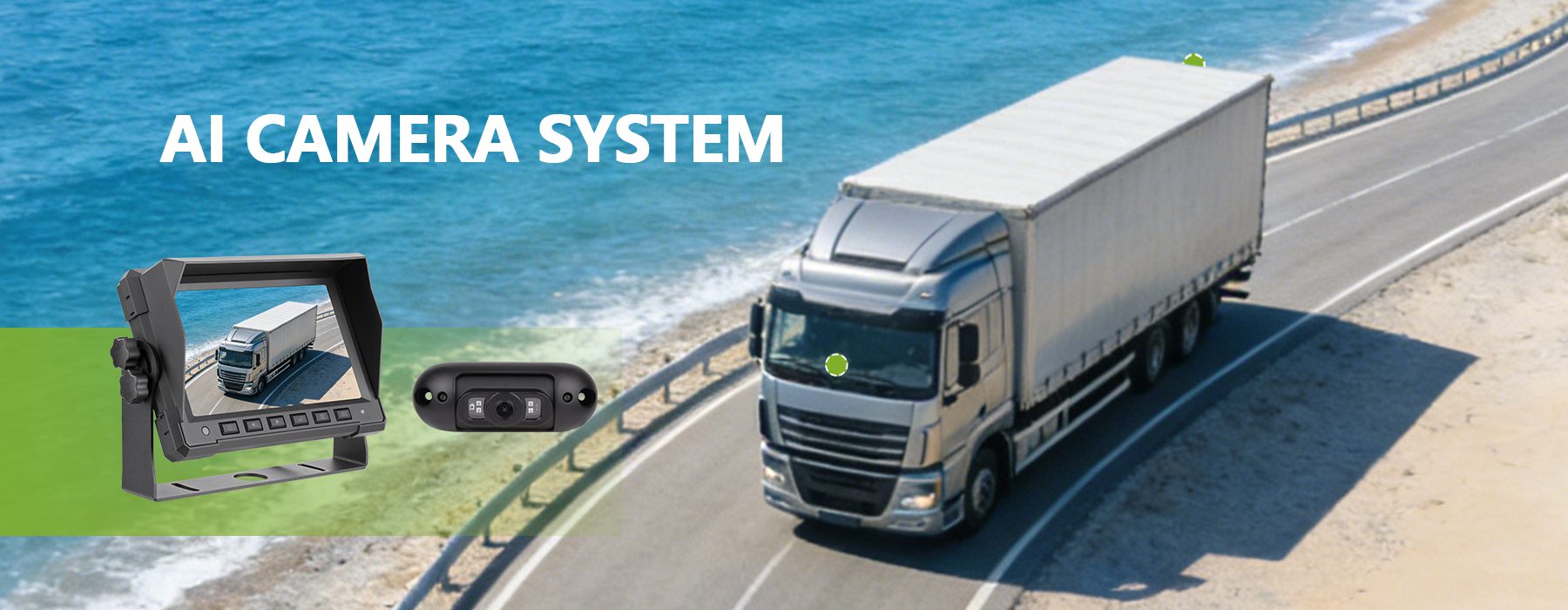
Fleet safety managers ask us this question constantly: Can technology actually stop an accident before it happens? For years, cameras simply recorded collisions after the fact. Now, artificial intelligence changes that dynamic entirely. We have deployed enough AI-beveiligingscamerasystemen across commercial fleets to answer with confidence—yes, AI can proactively prevent accidents, but only when the system is designed for real-time threat assessment and driver intervention. The difference between passive recording and active prevention lies in the intelligence embedded in the hardware.

Can AI Camera Systems Proactively Prevent Accidents插图

Moving from Reactive Recording to Active Warning

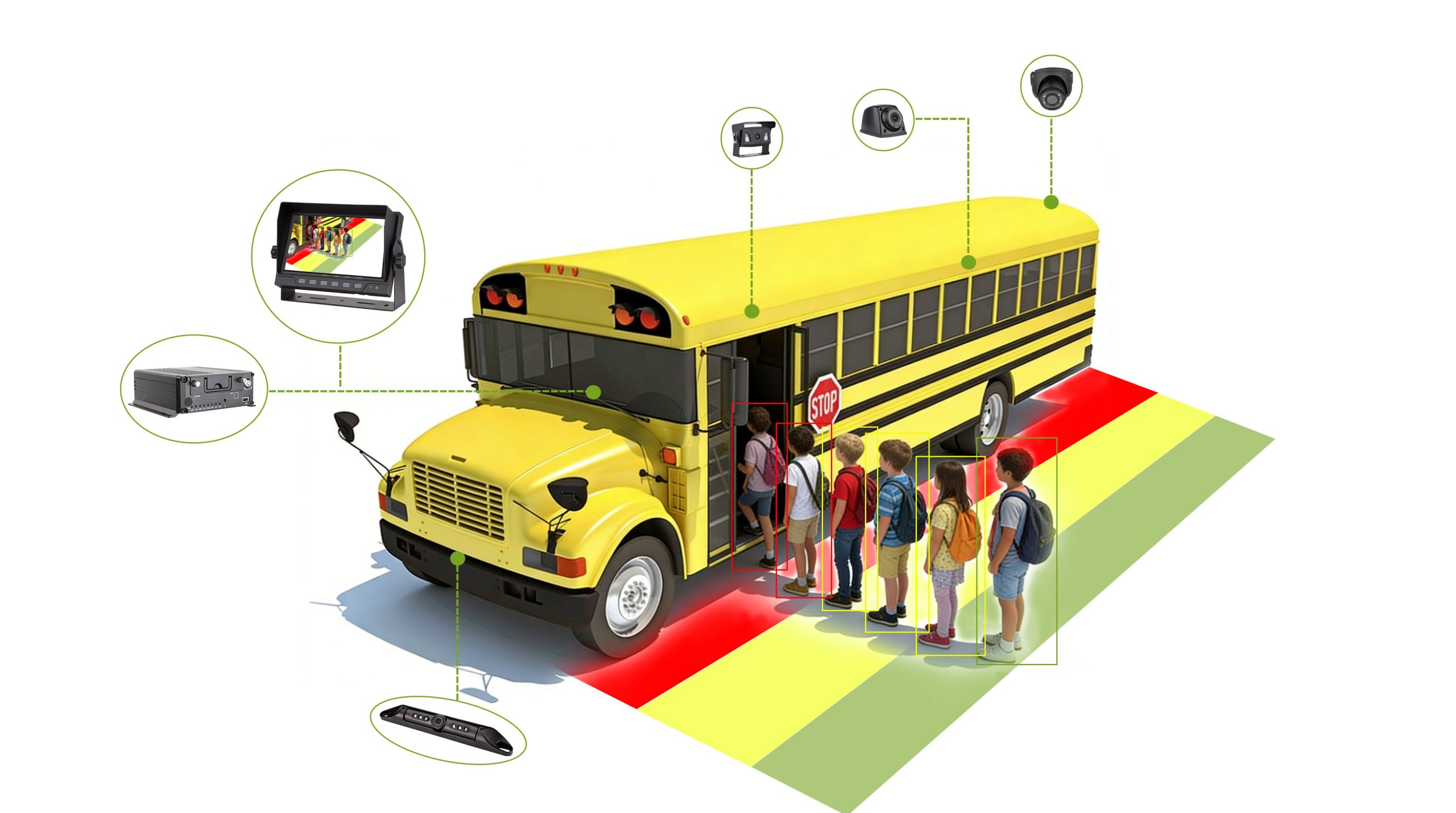
Traditional cameras capture what occurred. An AI security camera system analyzes what is about to occur. Luview’s R151/R159 compliant AI camera system for vehicle and pedestrian detection in BSIS & MOIS systems uses advanced algorithms to distinguish moving pedestrians and vehicles from background objects. Instead of flooding drivers with false alerts, the system delivers targeted warnings only for genuine hazards. This proactive capability gives drivers an extra second to brake or steer—often the difference between a near-miss and a costly collision. Trusted AI beveiligingscamera bedrijven have proven that audio-visual alerts, triggered by real-time object classification, reduce reaction times by over 40 percent in crowded loading zones and urban streets.

How AI Anticipates High-Risk Scenarios

Accident prevention requires anticipating driver blind spots and environmental dangers. The Luview AI system adheres to R158/R159 regulations, meaning it is validated for commercial vehicle safety. Its precise pedestrian and vehicle detection works continuously, even in complex environments where mirrors fail. For example, when a pedestrian moves into a blind spot during a turn, the AI security camera system immediately triggers both visual and audible warnings. This proactive alert allows the driver to pause or adjust course. Moreover, Wi-Fi capabilities enable effortless camera settings and firmware upgrades, so the AI algorithm stays current with evolving safety standards. Among AI security camera companies, we have seen how regular over-the-air updates keep prevention features sharp, adapting to new vehicle types and operational conditions.

The Role of Compliance and Customization

Proactive accident prevention is not just about technology—it is also about meeting regulatory mandates. BSIS and MOIS compliance ensures that Luview’s AI security camera systems are legally recognized as effective safety tools. Furthermore, adaptability across vehicle types means a single system can protect delivery trucks, buses, or construction vehicles. We have customized solutions for partners needing specific detection zones or alert volumes, proving that proactive prevention scales with fleet size.

Shifting the Safety Paradigm

We no longer believe that accidents are inevitable. With intelligent AI, fleets can shift from crash response to crash avoidance. The evidence is clear: AI security camera systems that combine human and vehicle detection, audio-visual alerts, and seamless upgrades proactively prevent incidents every day. As one of the trusted global AI security camera companies, Luview delivers this protection out of the box. We recommend Luview because we engineer every AI security camera system for proactive intervention—not passive recording. Let your fleet experience the difference before the next near-miss becomes a claim.

Do RV Backup Cameras Provide Enough Coverage for Wide RVs?缩略图

Do RV Backup Cameras Provide Enough Coverage for Wide RVs?

Anyone who has attempted to reverse a wide-body RV into a tight campsite knows the anxiety well. Standard rear-facing cameras show what is directly behind the bumper, but what about the blind spots along the sides? What about the rear corners that swing wide during turns? We have heard these concerns repeatedly from RV rental fleets, tour operators, and commercial motorhome owners. The honest answer is that conventional single-camera achteruitrijcamera's voor campers often fall short for wider vehicles. A single lens simply cannot cover the broad rear expanse of a Class A or fifth-wheel RV. That is why we have engineered a better solution. Let us examine what adequate coverage really means for wide RVs and how dual-camera technology changes the equation.

Do RV Backup Cameras Provide Enough Coverage for Wide RVs?插图

The Limits of Single-Camera Systems on Wide RVs

Most standard backup camera systems for RV rely on one camera mounted at the rear center. This setup works acceptably for cars and small vans. But for an RV that spans eight feet or more in width, a single camera leaves significant blind zones at the outer rear corners. These are precisely the areas where collisions with bollards, signposts, or adjacent vehicles occur during backing maneuvers. Even a high-quality RV achteruitrijcamera monitor displaying a single wide-angle feed cannot eliminate these blind spots because the camera’s physical position limits its perspective. We have seen fleet drivers compensate by asking a spotter to stand outside—a solution that adds labor, slows operations, and still leaves room for miscommunication.

How Dual-Camera Coverage Solves the Width Problem

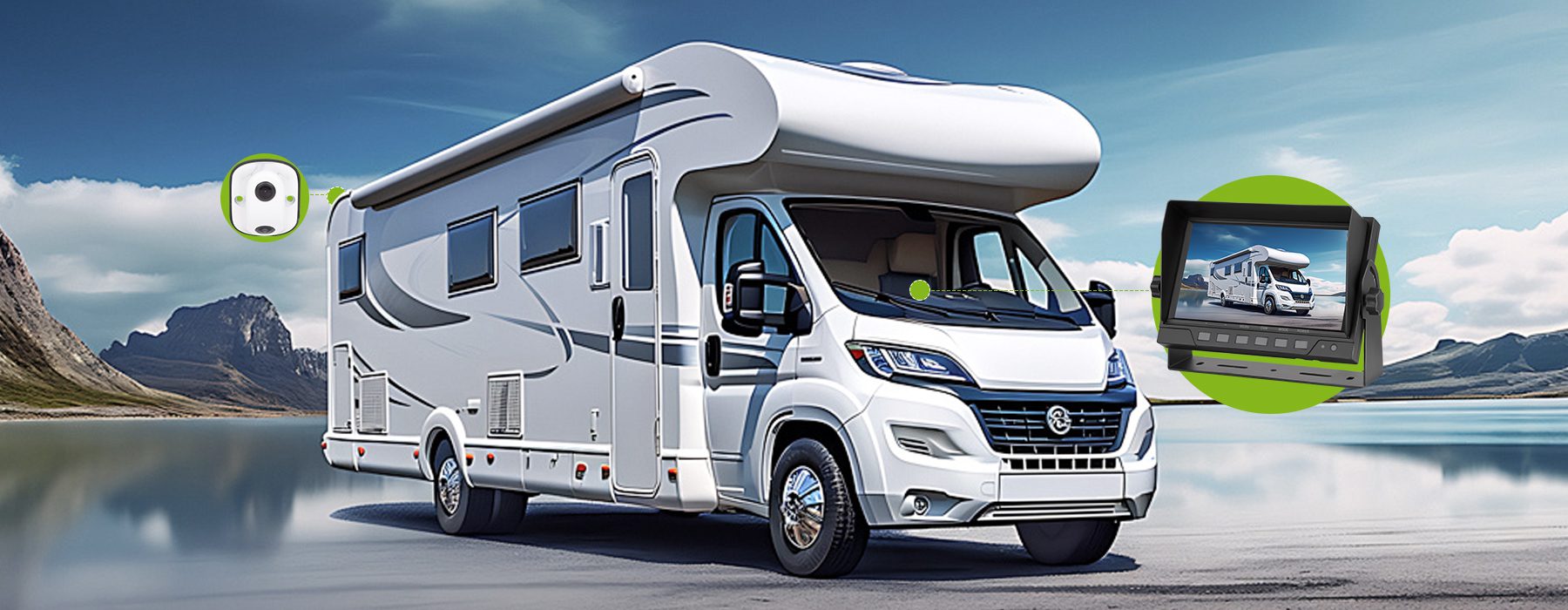
The answer lies in multiple perspectives. Our AHD dual-camera RV monitoring rear view system features an up-and-down dual-camera configuration. This design provides two independent viewing angles simultaneously, monitoring both rear and side areas in real time. For a wide RV, one camera can focus on the immediate rear center while the other captures the extended peripheral zones, including those dangerous outer corners. The feed displays on a single RV backup camera monitor, giving the driver a complete picture without toggling between views. Fleet managers who have switched to dual-camera backup camera systems for RV report significantly fewer low-speed backing incidents, especially in crowded storage lots and campgrounds with narrow access lanes.

Why Display Quality Matters as Much as Camera Count

Coverage is not only about how many cameras you have but also how well you can see their feeds. A cluttered or washed-out screen reduces situational awareness regardless of camera angles. Our system includes a 7-inch anti-glare screen that enhances clear visibility under direct sunlight, overcast skies, or nighttime lighting. Reducing glare means drivers spend less time squinting and more time processing what they see. For wide RVs that operate across diverse environments—bright desert campgrounds to dim forested parks—an anti-glare RV backup camera monitor proves essential. We have found that driver confidence increases substantially when the display remains readable in all conditions.

Our Recommendation for Wide RVs

Do standard backup camera systems for RV provide enough coverage for wide vehicles? Generally, no. That is why we recommend our AHD dual-camera RV monitoring rear view system at Luview. With dual independent perspectives, a 7-inch anti-glare monitor, and robust coverage of both rear and side zones, it delivers the comprehensive visibility wide RVs demand. Contact us to equip your fleet with backup camera systems that leave no blind spot uncovered.

Wired vs. Wireless: Which Is the Best Fit for RV Backup Cameras?缩略图

Wired vs. Wireless: Which Is the Best Fit for RV Backup Cameras?

When managing a fleet of RVs, every decision about safety equipment carries real consequences for drivers, passengers, and your bottom line. We have spoken with countless fleet operators who struggle with one persistent question: should we invest in traditional wired RV backup cameras or embrace newer wireless technology? Both approaches have merits, but the answer depends entirely on your operational priorities. As a manufacturer of both technologies, we have observed how the right choice can reduce accidents and lower installation costs. Let us break down the trade-offs.

Wired vs. Wireless: Which Is the Best Fit for RV Backup Cameras?插图

The Case for Wired RV Backup Cameras: Reliability Without Compromise

For decades, the wired RV backup camera has been the industry standard. A direct cable connection between camera and monitor offers consistent, interference-free video transmission. There is no risk of signal dropouts from nearby wireless devices or physical obstructions. In large RV fleets where vehicles travel through varied terrain and crowded campgrounds, that reliability appeals to safety managers. However, we must also acknowledge the downsides. Running video cables through the length of an RV—especially retrofitting older units—requires professional installation, significant labor hours, and occasionally drilling through walls. For fleet owners managing dozens of RVs, these installation costs add up quickly. The wired RV backup camera remains a solid choice for operators who prioritize absolute signal stability and already have existing wiring infrastructure.

Why the WiFi Backup Camera System Is Transforming RV Fleet Operations

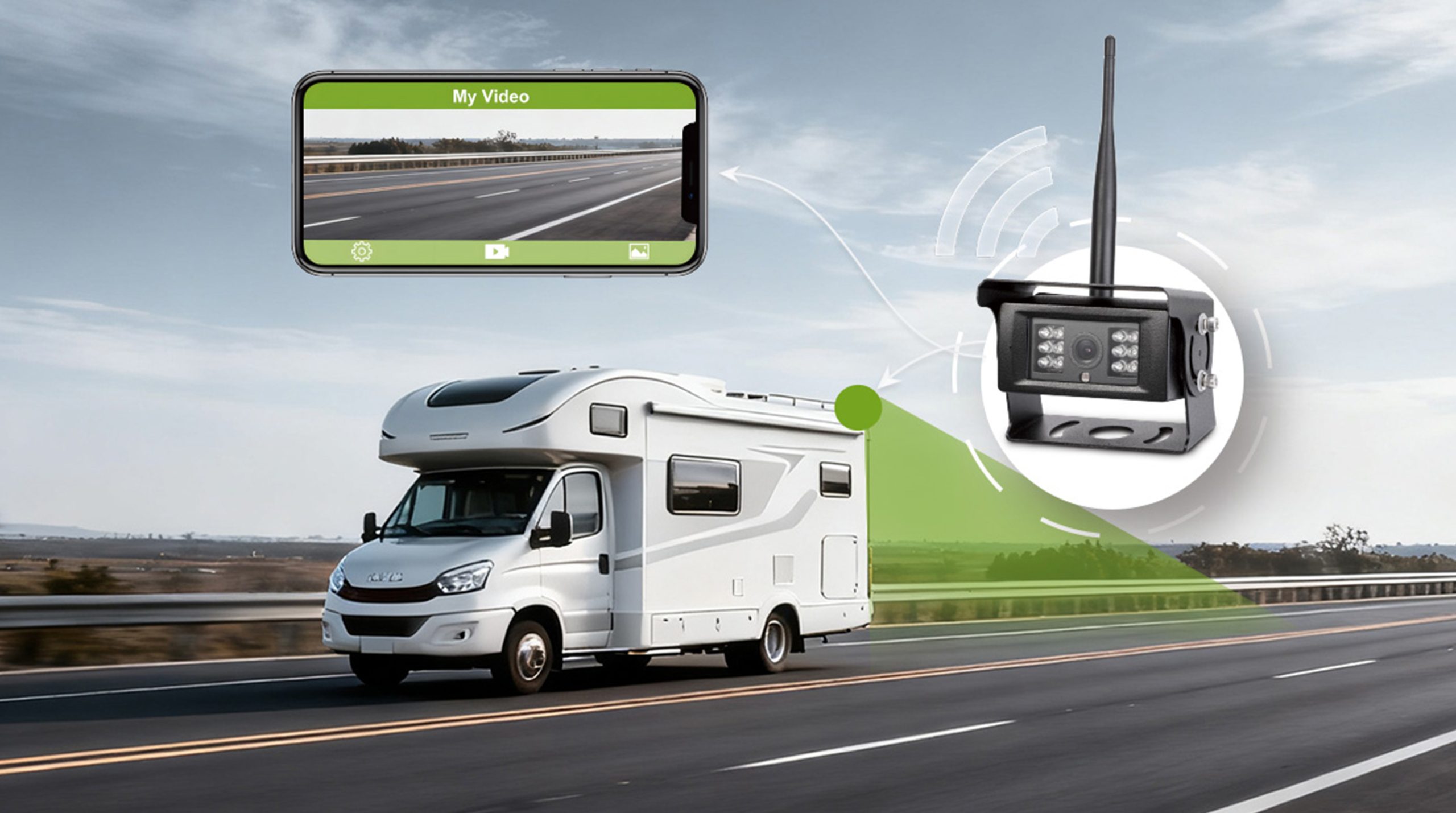
Recently, we have seen a dramatic shift toward wireless solutions. The WiFi-back-upcamerasysteem eliminates the need for long video cables running from rear bumper to dashboard. With a built-in WiFi module, our system streams live video directly to smartphones or compatible monitors. For RV fleets, this means no permanent monitor installation in each cab—drivers can use their own devices. We designed this WiFi backup camera system to deliver clear, high-resolution visuals with negligible delay, so what you see accurately mirrors the scene behind your vehicle. Even in tight campsites or low-visibility conditions, drivers gain much better situational awareness. Perhaps most valuable for fleet managers: installation takes minutes, not hours. Minimal wiring and no specialist tools mean you can deploy the system across your entire RV fleet at a fraction of the cost of wired alternatives. The ability to play back recorded images and download video clips directly to a mobile device also turns the system into a documentation tool for incident review and driver training.

Making the Right Choice for Your RV Fleet

So which path should you take? From our experience working with RV rental companies, tour operators, and commercial fleet owners, we recommend the WiFi backup camera system for most modern applications. The ease of installation, lower upfront labor costs, smartphone integration, and ultra-low latency performance now rival traditional wired setups. The only scenario where we still specify a wired RV backup camera is when vehicles operate in environments with extreme wireless interference or when a dedicated, fixed in-dash monitor is a non-negotiable client requirement. For everyone else, wireless offers the smarter balance of safety, simplicity, and scalability.

Bij Luview, we manufacture both wired and wireless solutions, but we proudly recommend our WiFi backup camera system for RV fleets seeking fast deployment and proven reliability. Contact us today—let us help you equip your RVs with the right technology for safer roads and smarter operations.

The Necessity of Vehicle Blind Spot Detection缩略图

De noodzaak van dodehoekdetectie voor voertuigen

Rising traffic density and increasingly complex road environments have made blind spot risks a critical concern for commercial fleets. Businesses today must go beyond traditional safety measures and invest in intelligent solutions that actively prevent accidents. We see more operators turning to an geavanceerd dodehoekbewakingssysteem to enhance driver awareness and reduce liability. A reliable vehicle blind spot detection system is no longer optional—it is essential for modern fleet safety strategies.

The Necessity of Vehicle Blind Spot Detection插图

Enhancing Driver Awareness in Complex Environments

Limited visibility remains one of the trusted causes of collisions, especially during lane changes and merging. A well-designed vehicle blind spot detection system provides real-time alerts that help drivers identify hidden vehicles or obstacles before making critical decisions.

Advanced radar-based technologies significantly improve detection accuracy. Compared with camera-only systems, an advanced blind spot monitoring system can calculate distance, speed, and angle simultaneously, delivering precise and actionable data. This allows drivers to react faster and avoid potential hazards, particularly in high-speed or multi-lane traffic conditions.

Ensuring Reliable Performance in All Conditions

Commercial vehicles operate in diverse environments, from urban congestion to highways and industrial zones. Weather and environmental factors such as fog, rain, dust, and smoke can reduce visibility and compromise safety.

A high-quality dodehoekdetectiesysteem voor voertuigen addresses these challenges with all-weather detection capabilities. Radar-based solutions maintain consistent performance regardless of lighting or weather conditions. This reliability is why many businesses are upgrading to an advanced blind spot monitoring system that supports uninterrupted safety monitoring, even in the harshest environments. Stable performance ultimately reduces downtime, accidents, and associated costs.

Supporting Safer Lane Changes and Fleet Efficiency

Lane-change incidents are among the most common and costly for fleet operators. A sophisticated vehicle blind spot detection system offers multi-lane monitoring and intelligent alerts, warning drivers of potential dangers in adjacent lanes.

Modern systems also integrate multiple safety functions, such as blind spot detection (BSD), lane change assist (LCA), rear cross traffic alert (RCT), and active warning alerts (AOA). These features work together to create a comprehensive safety network. By implementing an advanced blind spot monitoring system, businesses can not only improve driver confidence but also optimize operational efficiency by minimizing accident-related disruptions.

Building Safer Fleets with Intelligent Detection Solutions

Adopting a vehicle blind spot detection system is a strategic step toward safer and more efficient fleet management. We believe that investing in an advanced blind spot monitoring system helps businesses stay competitive while meeting growing safety expectations.

As Luview, we provide the JY-PT10 blind spot monitoring radar system equipped with a 77GHz millimeter wave sensor, delivering high-precision detection of distance, speed, and angle through FMCW technology. Our solution ensures reliable all-weather performance, customizable detection ranges, and multi-lane safety alerts. With IP67 protection and wide voltage compatibility, our systems are built for durability in demanding conditions. We are committed to supporting our partners with advanced, dependable vehicle blind spot detection system solutions that elevate safety and operational performance.